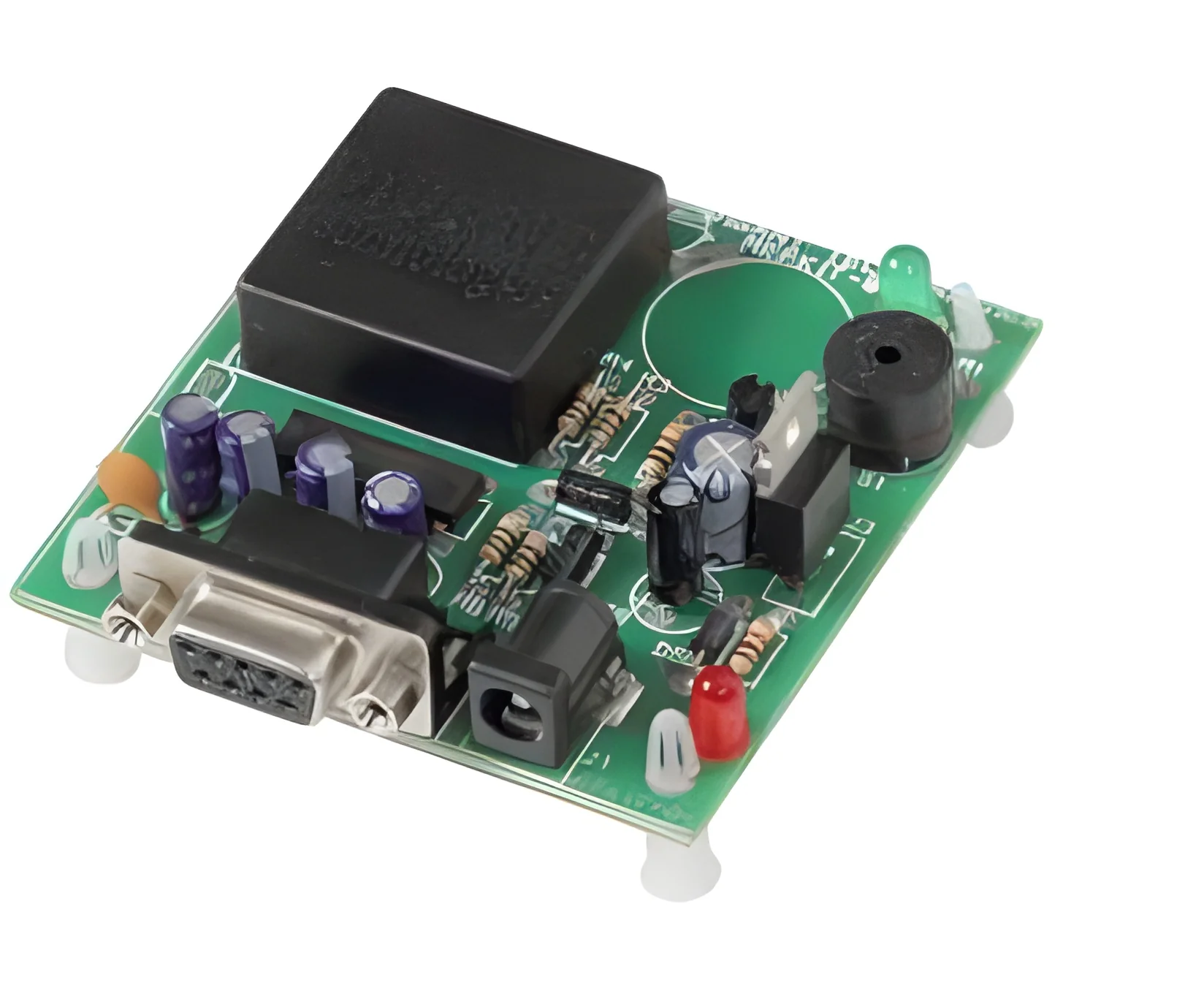
What are Fixed RFID Scanners?
Fixed RFID scanners are specialized devices designed to read radio-frequency identification tags without direct line-of-sight. These scanners use radio waves to communicate with RFID tags, capturing data stored on them. They are typically mounted in strategic locations such as doorways, conveyor belts, or production lines to facilitate real-time tracking and inventory management. By automating the data collection process, fixed RFID scanners significantly enhance operational efficiency.
These devices find primary use in various business applications, including inventory tracking, asset management, and supply chain optimization. Retailers utilize fixed RFID scanners for accurate stock management, while manufacturers leverage them for tracking components throughout production processes. The ability to capture large volumes of data quickly and accurately makes fixed RFID scanners relevant across many industries, including retail, logistics, healthcare, and manufacturing. The growing demand for automation and data-driven decision-making continues to drive the market for these essential devices.
Key Features and Specifications
Fixed RFID scanners come equipped with various features that enhance their functionality and usability. Understanding these specifications is vital for businesses looking to integrate these devices into their operations.
Key specifications include:
1. Reading Range
- The distance at which the scanner can effectively read RFID tags.
- Typical ranges vary from a few centimeters to over 10 meters, depending on the tag and environment.
2. Frequency Range
- The operating frequency of the scanner, which determines its compatibility with various RFID tags.
- Common frequencies include Low Frequency (LF), High Frequency (HF), and Ultra-High Frequency (UHF).
3. Communication Protocols
- Supported protocols for data transmission, such as Ethernet, Wi-Fi, or Bluetooth.
- Ensures compatibility with existing network infrastructure.
4. Data Processing Speed
- The speed at which the scanner can process and transmit data.
- High-speed processing is essential for environments with rapid inventory turnover.
5. Environmental Ratings
- The device’s resistance to environmental factors such as dust and moisture.
- Ratings may include IP67 or similar standards.
6. Power Supply Options
- Various power supply configurations, including PoE (Power over Ethernet) and battery-operated models.
- Flexibility in installation locations.
7. Mounting Options
- Different mounting configurations available, such as wall-mounted or ceiling-mounted.
- Adaptability for diverse operational layouts.
8. Software Compatibility
- Compatibility with RFID software solutions for data management and analysis.
- Facilitates seamless integration into existing systems.
In summary, these specifications play a crucial role in determining the performance and suitability of fixed RFID scanners for specific business needs.
Common Applications and Use Cases
Fixed RFID scanners are widely utilized across multiple industries, enhancing operational efficiency and accuracy in various applications.
1. Retail: In retail, fixed RFID scanners streamline inventory management by enabling real-time stock tracking. This helps reduce shrinkage and ensures that shelves are always stocked with the right products.
2. Manufacturing: In the manufacturing sector, these scanners track components and finished goods throughout the production line. This visibility helps optimize workflows and minimize delays.
3. Logistics: Fixed RFID scanners are pivotal in logistics for tracking shipments and managing warehouse inventory. They facilitate quick and accurate data capture, improving supply chain efficiency.
4. Healthcare: In healthcare, these devices ensure accurate tracking of medical equipment and supplies. They help hospitals maintain inventory levels, reducing the risk of shortages.
5. Automotive: The automotive industry uses fixed RFID scanners to monitor parts and assemblies in manufacturing plants, enhancing quality control and traceability.
6. Agriculture: In agriculture, fixed RFID scanners help track livestock and monitor the movement of agricultural products, improving supply chain transparency.
7. Transportation: These scanners assist in tracking vehicles and cargo in transport hubs, enhancing operational efficiency and security.
Product Variants and Subcategories
Fixed RFID scanners come in various configurations to meet diverse operational needs. Although specific subcategories are not available, the product diversity allows businesses to choose a scanner that aligns with their requirements.
Standard Fixed RFID Scanner
This variant is designed for general applications. It features a robust design suitable for various environments and offers a balanced reading range and speed for everyday use.
High-Performance Fixed RFID Scanner
This variant provides enhanced reading capabilities and speed, making it ideal for high-volume environments such as manufacturing and logistics. It often includes advanced data processing features and connectivity options.
Compact Fixed RFID Scanner
A smaller, more versatile option designed for space-constrained environments. It retains essential features while offering a minimal footprint, making it ideal for retail and small warehouses.
Benefits and Advantages
Integrating fixed RFID scanners into business operations offers numerous advantages.
1. Increased Efficiency: These scanners automate data collection, significantly reducing manual entry errors and saving time in inventory management.
2. Improved Accuracy: With real-time tracking capabilities, businesses can maintain accurate inventory levels, minimizing stock discrepancies.
3. Enhanced Visibility: Fixed RFID scanners provide comprehensive visibility into asset locations, helping businesses optimize operations and decision-making.
4. Cost Savings: By streamlining processes and reducing labor costs, these devices contribute to long-term cost savings for businesses.
5. Scalability: As businesses grow, fixed RFID scanners can be integrated into existing systems and scaled up to meet increasing demands.
6. Enhanced Security: The ability to track assets in real-time helps prevent theft and loss, improving overall security within operations.
Buying Guide for B2B Buyers
When sourcing fixed RFID scanners, businesses should consider several important factors to ensure they choose the right device for their needs.
1. Quality Assessment: Evaluate the quality of the scanners by reviewing manufacturer specifications and customer feedback. Ensure the devices meet industry standards for durability and performance.
2. Supplier Verification: Vet suppliers thoroughly by checking their reputation, certifications, and customer reviews. A reliable supplier will provide consistent product quality and support.
3. Pricing and MOQ: Consider the cost of the scanners and any minimum order quantities. Understanding pricing structures will help businesses stay within budget while meeting their needs.
4. Delivery and Lead Times: Inquire about delivery schedules and lead times to ensure timely availability of scanners for your operations.
5. Compliance Requirements: Be aware of any regulatory compliance requirements specific to your industry. Ensure that the scanners meet necessary certifications, such as CE.
Compliance and Certifications
Fixed RFID scanners are subject to various quality standards and certifications that ensure their reliability and safety in operation. Compliance with ISO 9001 indicates adherence to quality management principles, ensuring consistent quality in manufacturing processes. Additional industry certifications, such as CE, signify that the product meets European safety and health standards.
In addition to these certifications, many scanners undergo rigorous safety testing to ensure they can operate effectively under various environmental conditions. Regional compliance considerations may also apply, particularly for businesses operating in specific industries or geographies that impose additional regulations.
Understanding these compliance requirements is crucial for businesses to ensure that the fixed RFID scanners they source are safe, effective, and compliant with all necessary regulations.
Why Source Fixed RFID Scanners from Pepagora?
Pepagora offers a trusted platform for sourcing fixed RFID scanners, providing several key advantages to B2B buyers.
Verified Supplier Network: Pepagora maintains a robust network of verified suppliers, ensuring that buyers can source high-quality fixed RFID scanners with confidence. Each supplier undergoes thorough evaluation, enhancing the reliability of procurement processes.
Streamlined RFQ Process: The platform features a user-friendly request-for-quotation (RFQ) system that simplifies the purchasing process. Buyers can easily compare quotes from multiple suppliers, facilitating informed decision-making.
Trade Assurance and Support: Pepagora provides trade assurance and dedicated support to buyers, ensuring protection throughout the purchasing process. This commitment to buyer safety fosters trust and satisfaction.
Regional Coverage: With a focus on regions such as India, GCC, and Southeast Asia, Pepagora offers extensive geographic reach. This ensures that buyers can find suitable suppliers and products tailored to their specific regional requirements.
By sourcing fixed RFID scanners from Pepagora, businesses can take advantage of a seamless purchasing experience, high-quality products, and reliable supplier connections.

 IN
IN