
 IN
Tissue Culture Labs & Nurseries
20 products available
What are Tissue Culture Labs & Nurseries?
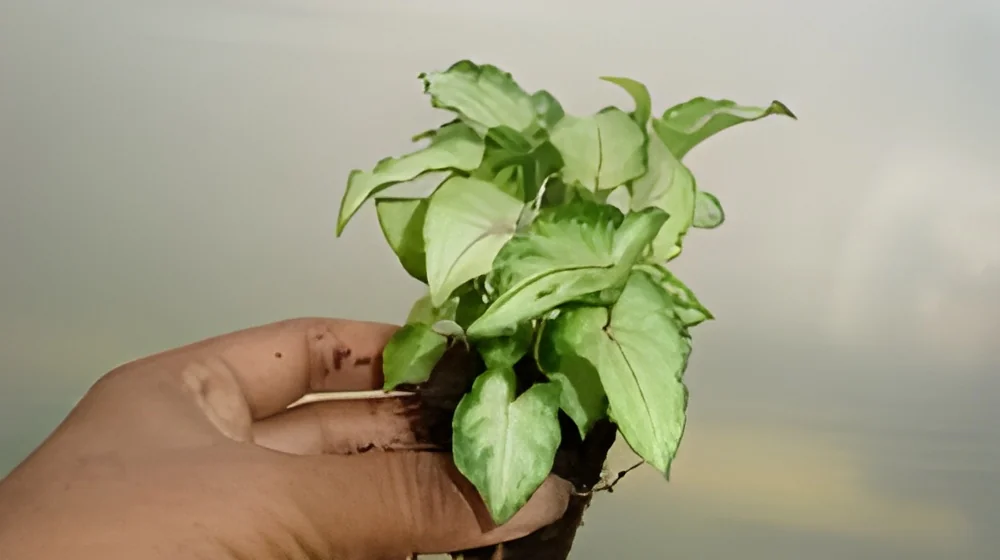
Tissue culture labs and nurseries are specialized facilities designed to propagate plants using sterile techniques and controlled environments. This method involves growing plant cells, tissues, or organs in vitro, often on a nutrient culture medium. The goal is to produce plants that are disease-free, genetically identical, and capable of rapid multiplication. These labs utilize advanced technologies to ensure optimal growth conditions, including temperature, light, and humidity control.
These facilities are primarily used in agriculture, horticulture, and research sectors. They serve various purposes, including the mass production of seedlings, preservation of endangered plant species, and genetic research. Businesses rely on tissue culture for high-quality plant propagation, leading to increased yields and reduced production times. As the demand for sustainable agriculture grows, tissue culture labs have become increasingly relevant in the market, providing innovative solutions for modern farming challenges.
Key Features and Specifications
Tissue culture labs and nurseries come equipped with numerous features designed to facilitate efficient plant growth and management. The specifications of these facilities vary based on the intended application and technology used.
Key specifications include:
1. Sterile Environment
- Ensures no contamination occurs during plant propagation
- Utilizes laminar flow hoods and autoclaves
2. Nutrient Medium Composition
- Customized formulations to support specific plant species
- Contains essential minerals, vitamins, and growth regulators
3. Environmental Control Systems
- Regulates temperature, humidity, and light intensity
- Automated systems for optimal growth conditions
4. Monitoring Equipment
- Use of sensors to track environmental parameters
- Alerts for deviations from set conditions
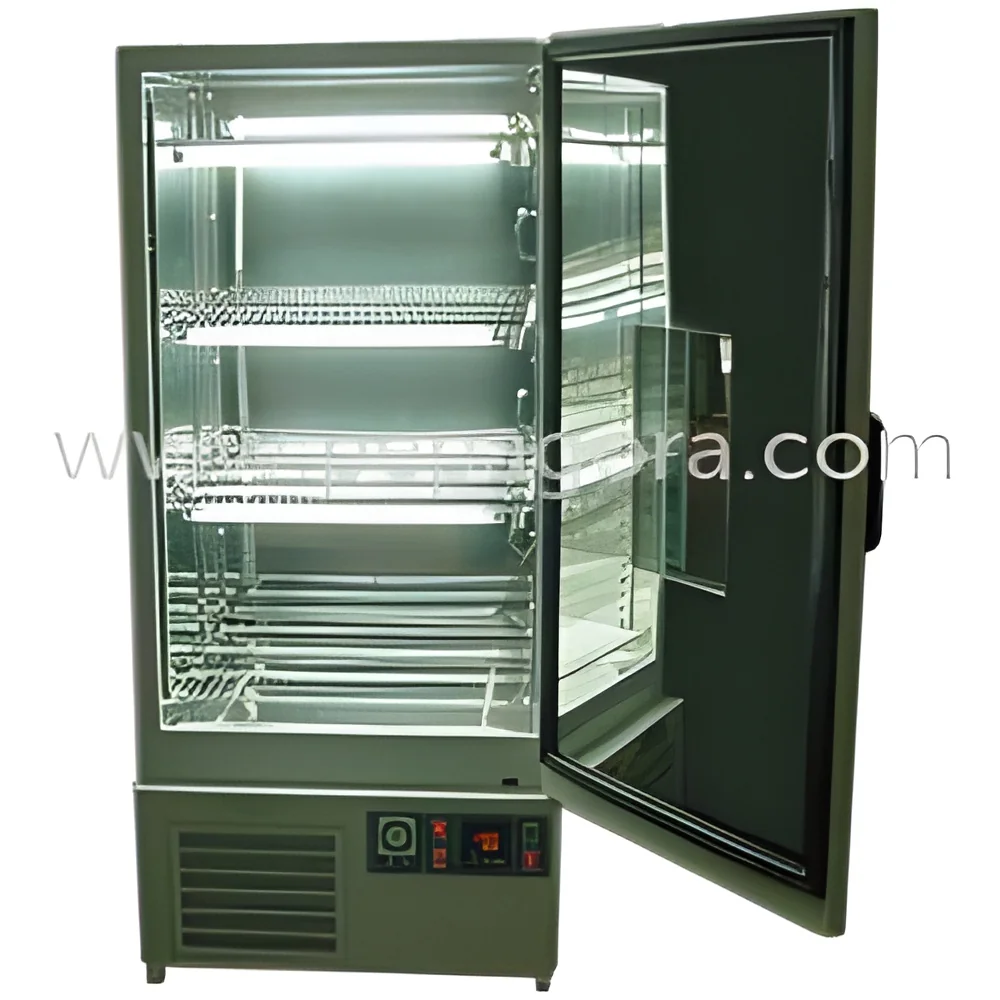
5. Growth Chamber Specifications
- Adjustable shelving for maximizing space
- Specific light cycles tailored to plant needs
6. Propagation Techniques
- Micropropagation for rapid multiplication
- Somatic embryogenesis for developing embryos from somatic cells
7. Laboratory Equipment
- Includes microscopes, incubators, and centrifuges
- Essential for research and development activities
8. Compliance and Safety Features
- Adherence to industry standards for safety and quality
- Regular audits and certifications to maintain standards
These specifications ensure that tissue culture labs and nurseries can meet the rigorous demands of modern plant propagation and research.
Common Applications and Use Cases
Tissue culture labs and nurseries are utilized across various industries, each benefiting from specialized applications.
1. Agriculture: Tissue culture is widely used to produce disease-free seedlings for crops, enhancing yield and quality.
2. Horticulture: Nurseries use tissue culture to propagate ornamental plants, ensuring consistent quality and genetic uniformity.
3. Forestry: Tissue culture aids in the mass propagation of endangered tree species, supporting conservation efforts.
4. Biotechnology: Researchers employ tissue culture techniques to study plant genetics and develop improved varieties.
5. Floriculture: Tissue culture enables the rapid production of flowering plants, meeting market demand efficiently.
6. Medicinal Plant Production: Tissue culture is used to cultivate plants with medicinal properties, ensuring a steady supply for pharmaceutical applications.
7. Research Institutions: Laboratories utilize tissue culture for experimental studies and the development of novel plant breeding techniques.
Product Variants and Subcategories
While there are no specific subcategories available, tissue culture labs and nurseries can vary based on their applications and technology.
Standard Tissue Culture Lab
This variant provides a complete setup for plant propagation, equipped with sterile environments and environmental control systems tailored for various plant species.
Advanced Research Tissue Culture Lab
Designed for research institutions, this lab includes specialized equipment for genetic studies and advanced propagation techniques, allowing for innovative plant development.
Mobile Tissue Culture Unit
A portable solution allowing for on-site plant propagation, ideal for remote areas or specific agricultural applications. This unit can adapt to various environmental conditions while maintaining sterility.
Benefits and Advantages
Tissue culture labs and nurseries offer significant advantages to businesses engaged in plant propagation.
Key benefits include:
1. High Efficiency: Tissue culture enables rapid multiplication of plants, significantly reducing production time compared to traditional methods.
2. Disease Resistance: Plants produced through tissue culture are often free from diseases, ensuring healthier crops.
3. Genetic Uniformity: Tissue culture results in genetically identical plants, which is crucial for maintaining quality and consistency in production.
4. Space Optimization: These facilities can maximize space usage through vertical growing systems, allowing for more plants in a limited area.
5. Year-Round Production: Controlled environments allow for continuous production cycles, independent of seasonal variations.
6. Conservation Efforts: Tissue culture plays a critical role in preserving endangered plant species and biodiversity.
Buying Guide for B2B Buyers
When sourcing tissue culture labs and nurseries, B2B buyers should consider several essential factors to ensure they select the right facility.
1. Quality Assessment: Evaluate the quality of the tissue culture process, including the sterility of the environment and the reliability of the nutrient mediums used.
2. Supplier Verification: Conduct thorough background checks on suppliers to ensure they have a proven track record in tissue culture and compliance with industry standards.
3. Pricing and MOQ: Understand the pricing structure and minimum order quantities (MOQ) to align purchases with budget constraints and production needs.
4. Delivery and Lead Times: Inquire about logistics and delivery schedules to ensure timely availability of plant materials.
5. Compliance Requirements: Ensure the supplier adheres to relevant regulations and quality standards, as this will impact the integrity of the plant products.
Compliance and Certifications
Tissue culture labs and nurseries must adhere to various compliance and certification standards to ensure quality and safety.
Relevant quality standards include ISO 9001 for quality management, HACCP for food safety, and GDP for good distribution practices. These standards ensure that the processes and products meet international safety and quality benchmarks.
Industry certifications such as CE and UL signify that the equipment and processes used in the labs meet specific safety standards. Compliance with these certifications is crucial for gaining market trust and ensuring product reliability.
Safety and testing requirements are also essential. Facilities must conduct regular testing of their processes and outputs to ensure they are free from contamination and meet the required quality standards.
Regional compliance considerations may vary based on local regulations, making it important for buyers to be aware of specific requirements in their operating regions.
Why Source Tissue Culture Labs & Nurseries from Pepagora?
Pepagora provides a trusted platform for sourcing tissue culture labs and nurseries, offering several key advantages to B2B buyers.
Verified Supplier Network: Pepagora connects buyers to a network of verified suppliers, ensuring that all listed facilities meet rigorous quality and compliance standards. This verification process gives buyers peace of mind regarding their sourcing decisions.
Streamlined RFQ Process: The platform features a streamlined Request for Quotation (RFQ) process, allowing buyers to easily request and compare quotes from multiple suppliers. This helps businesses find the best deals and services tailored to their needs.
Trade Assurance and Support: Pepagora offers trade assurance, providing buyers with protection against potential risks in transactions. Additionally, the dedicated support team is available to assist with any inquiries or challenges during the purchasing process.
Regional Coverage: With a wide geographic reach across India, the Gulf Cooperation Council (GCC), and Southeast Asia, Pepagora ensures that buyers can find suitable tissue culture labs and nurseries in their respective regions, making the sourcing process efficient and effective.



Frequently Asked Questions
What are Tissue Culture Labs & Nurseries?
Tissue Culture Labs & Nurseries are specialized facilities focused on the propagation of plants through tissue culture techniques. This method involves growing plant cells in a controlled environment, allowing for the production of disease-free and genetically uniform plants.
What are the different types of Tissue Culture Labs & Nurseries?
There are various types of Tissue Culture Labs & Nurseries, including micropropagation labs, which focus on rapid multiplication of plants, and research labs that study plant genetics and disease resistance. Additionally, some nurseries specialize in specific plant types, such as orchids or medicinal plants.
How do I choose the right Tissue Culture Labs & Nurseries?
When choosing the right Tissue Culture Labs & Nurseries, consider factors such as their expertise in the specific plant species you need, their technological capabilities, and their reputation in the industry. Additionally, reviewing customer feedback and asking for case studies can help in making an informed decision.
What are the standard specifications for Tissue Culture Labs & Nurseries?
Standard specifications for Tissue Culture Labs & Nurseries typically include sterile environments, controlled temperature and humidity, and specific nutrient media tailored to the plants being cultured. Compliance with international quality standards, such as ISO certifications, is also common.
What is the price range for Tissue Culture Labs & Nurseries?
The price range for Tissue Culture Labs & Nurseries can vary widely based on factors such as the type of plants, scale of production, and technology used. Generally, prices may start from a few thousand rupees for small-scale operations to lakhs for larger facilities with advanced equipment.
What quality standards apply to Tissue Culture Labs & Nurseries?
Quality standards for Tissue Culture Labs & Nurseries often include adherence to Good Manufacturing Practices (GMP) and specific industry guidelines for plant propagation. Regular quality checks and certifications ensure that the plants produced are of high quality and free from contamination.
Where can I find Tissue Culture Labs & Nurseries suppliers in India?
You can find Tissue Culture Labs & Nurseries suppliers in India through online B2B marketplaces like Pepagora, trade shows, and industry directories. Networking within agricultural and horticultural communities can also provide valuable leads on reputable suppliers.
Can Tissue Culture Labs & Nurseries be customized?
Yes, many Tissue Culture Labs & Nurseries offer customization options based on specific client requirements, including the selection of plant species and propagation techniques. It is advisable to discuss your needs with the supplier to explore available customization options.
What is the typical minimum order quantity for Tissue Culture Labs & Nurseries?
The typical minimum order quantity (MOQ) for Tissue Culture Labs & Nurseries can vary depending on the supplier and the type of plants being ordered. Generally, MOQs can range from a few dozen to several hundred plantlets, depending on the scale of production.
What is the typical lead time for Tissue Culture Labs & Nurseries?
The typical lead time for Tissue Culture Labs & Nurseries can vary based on the order size and complexity of the request. Generally, it can range from a few weeks to several months, particularly if custom propagation methods are required.
Why Businesses Trust Pepagora
Thousands of companies trust Pepagora to source smarter and sell faster
Expand Your Sales Globally

Source Smarter,Grow Faster
