Key Features and Specifications
Millets, specifically Ragi, Bajra, and Foxtail, offer a variety of features that make them desirable in the B2B sector. These features include high nutritional value, versatility in food applications, and adaptability to different climatic conditions. Businesses looking to source millets should be aware of the following key specifications:
1. Nutritional Profile
- Rich in protein, fiber, and essential minerals
- Contains antioxidants and amino acids
2. Grain Size
- Small-sized grains with varying diameters depending on the type
- Generally ranges from 1 to 2 millimeters
3. Shelf Life
- Typically has a shelf life of 6-12 months when stored properly
- Requires cool, dry storage conditions to maintain quality
4. Moisture Content
- Ideal moisture content is around 12-14%
- Higher moisture levels can lead to spoilage
5. Color and Appearance
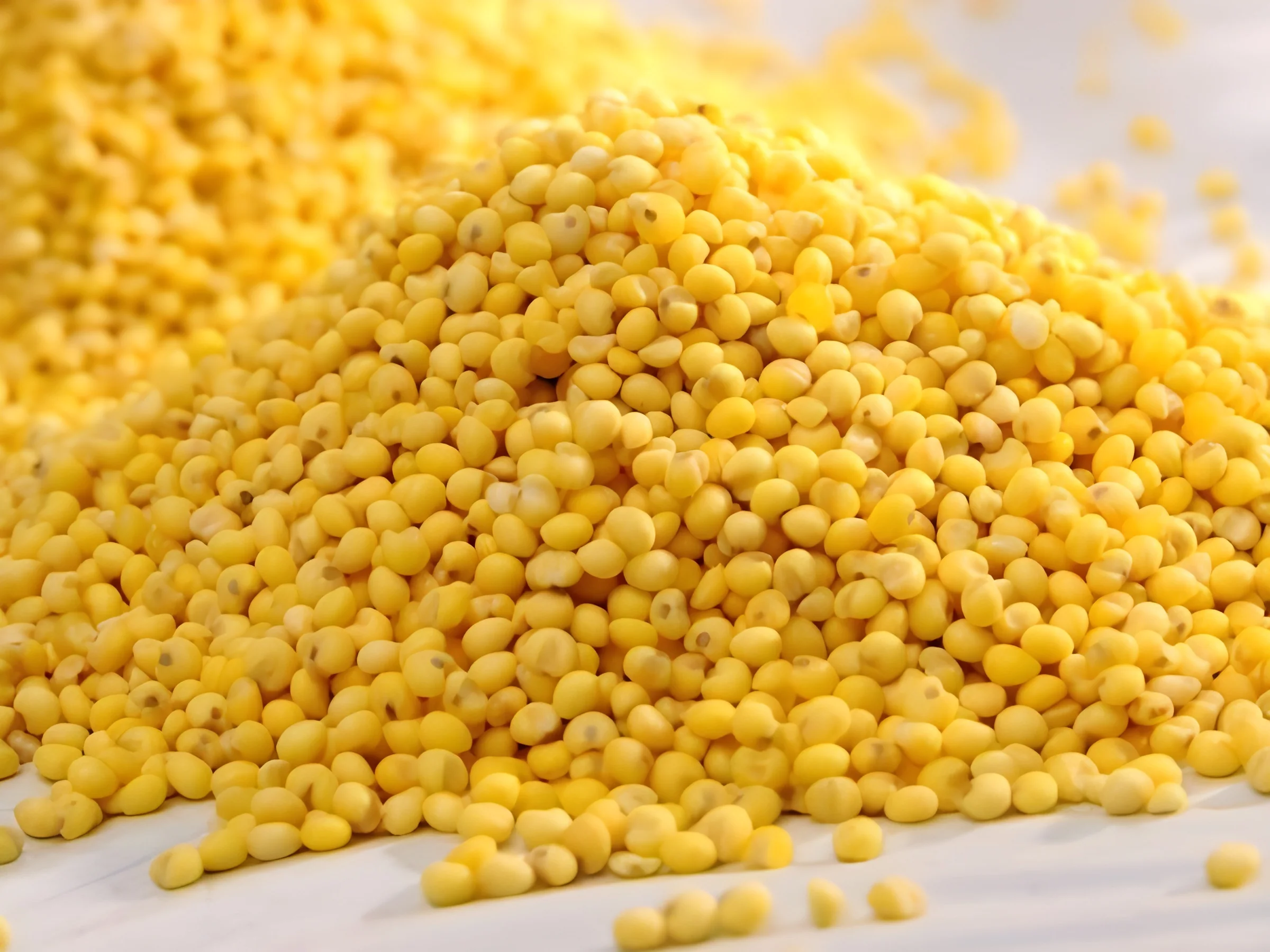
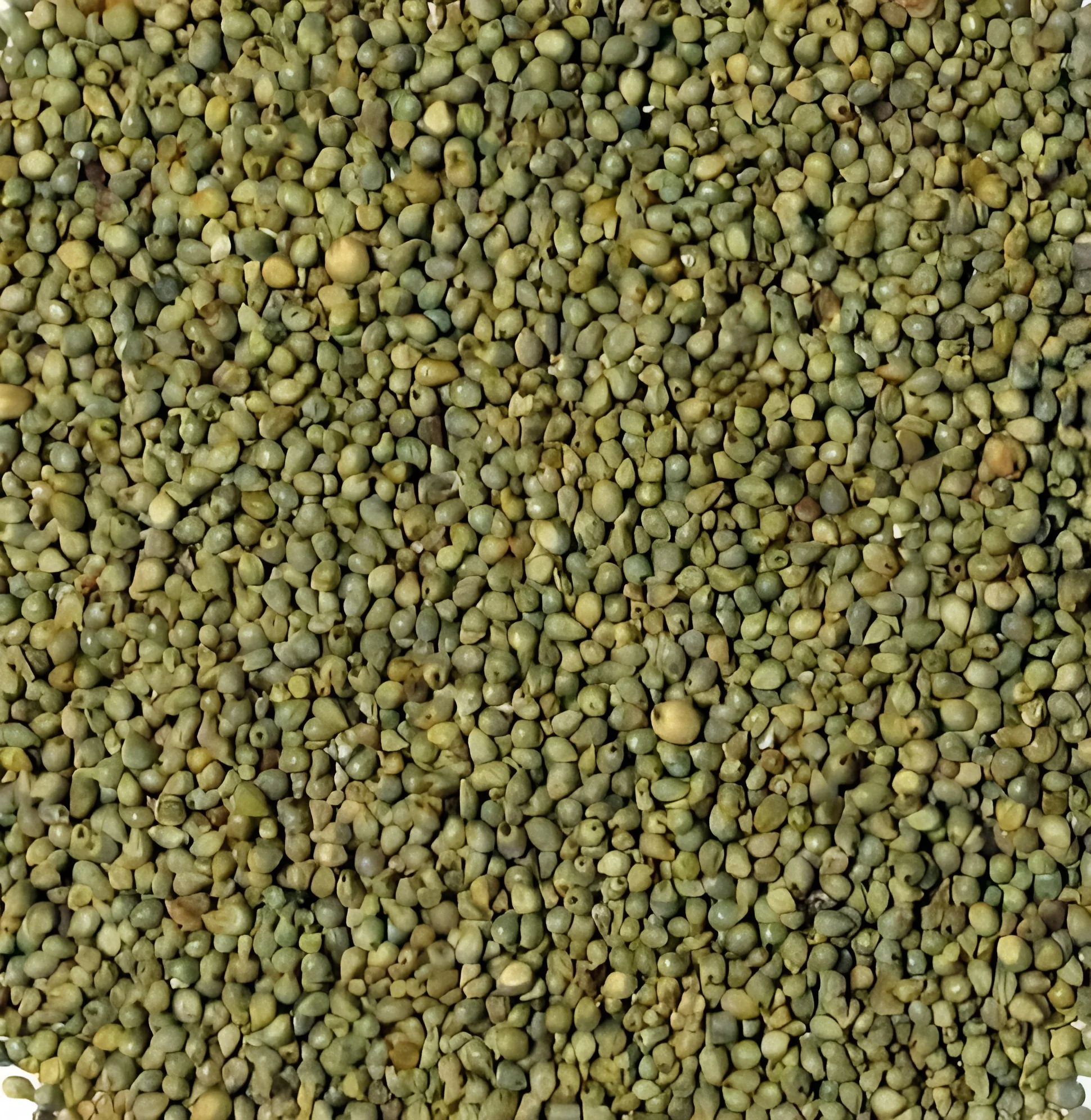
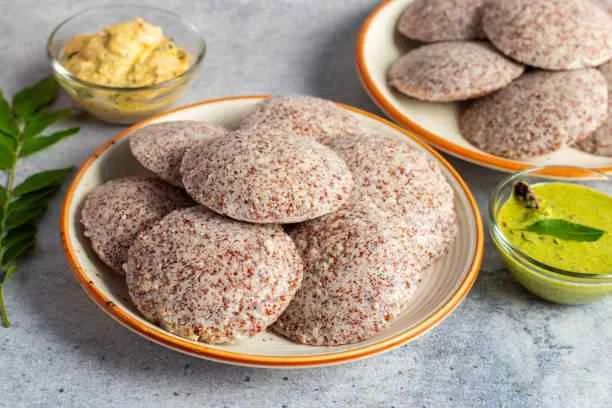
- Ragi is generally reddish-brown, Bajra is light yellow to gray, and Foxtail is yellow
- Uniformity in color is a quality indicator
6. Processing Options
- Can be supplied whole, milled, or as flour
- Various processing methods are available to suit different applications
7. Packaging Options
- Available in bulk or retail packaging
- Packaging must ensure protection against moisture and pests
8. Compliance Standards
- Must meet various food safety and quality standards
- Compliance with local and international regulations is essential
In summary, understanding the key features and specifications of millets is crucial for businesses looking to incorporate them into their products. This knowledge aids in selecting quality grains that meet operational and consumer needs.
Common Applications and Use Cases
Millets such as Ragi, Bajra, and Foxtail find applications across multiple industries due to their health benefits and versatility.
1. Food and Beverage Industry: Millets are increasingly used in the production of health foods, snacks, and beverages. Their gluten-free nature makes them an ideal ingredient for various dietary products.
2. Agriculture and Animal Feed: Millets serve as a nutritious feed option for livestock. Their resilience to harsh weather conditions makes them a reliable crop for farmers.
3. Bakery Products: Ragi and Bajra are often incorporated into baked goods, providing a nutritious alternative to traditional wheat-based products.
4. Health Supplements: Due to their rich nutritional profile, millets are popular in health supplements and functional foods aimed at enhancing wellness.
5. Baby Food Industry: The digestibility and nutritional benefits of millets make them suitable for infant nutrition, leading to their use in baby cereals.
6. Ethnic and Cultural Foods: Millets are integral to traditional diets in many regions, thus serving as key ingredients in cultural dishes.
7. Organic Food Sector: With the rise of organic food consumption, millets are being marketed as a wholesome, organic grain option.
Product Variants and Subcategories
Millets exhibit a variety of subtypes and processing forms, which enhances their appeal in the market.
Ragi (Finger Millet): Ragi is known for its high calcium content and is popular in various forms, including flour and porridge. It is often used in traditional dishes and health foods.
Bajra (Pearl Millet): Bajra is rich in iron and fiber, making it a favorite for gluten-free diets. It is commonly used in flatbreads and snacks.
Foxtail Millet: Foxtail millet is low in calories and high in fiber, making it suitable for weight management. It is often employed in salads and as a rice substitute.
Benefits and Advantages
Sourcing millets such as Ragi, Bajra, and Foxtail offers numerous advantages for businesses.
1. Nutritional Value: Millets are packed with essential nutrients, making them a healthy choice for consumers and an attractive product for health-oriented businesses.
2. Gluten-Free: Their gluten-free nature caters to the growing market of gluten-sensitive consumers, expanding the potential customer base.
3. Sustainability: Millets require less water and are more drought-resistant than many other grains, making them a sustainable crop choice for environmentally-conscious businesses.
4. Versatility: They can be used in a wide range of products, from snacks to beverages, allowing businesses to innovate and diversify their offerings.
5. Market Demand: The increasing consumer interest in health and wellness products drives demand for millets, providing business growth opportunities.
6. Cultural Relevance: Millets are integral to many traditional diets, thus appealing to markets that value cultural foods and heritage.
Buying Guide for B2B Buyers
When sourcing Millets (Ragi, Bajra, Foxtail), businesses should consider several crucial factors to ensure they make informed purchasing decisions.
1. Quality Assessment: Evaluate the nutritional profile and physical characteristics of the millets, including grain size, color, and moisture content. Quality assurance checks can help identify suitable suppliers.
2. Supplier Verification: Conduct thorough background checks on suppliers to ensure they meet quality standards and have a reliable track record. This may involve looking into certifications and customer reviews.
3. Pricing and MOQ: Understand the pricing structures and minimum order quantities offered by suppliers. Comparing multiple quotes can help in negotiating better deals.
4. Delivery and Lead Times: Discuss logistics and delivery schedules with suppliers to ensure timely receipt of products. Factors such as shipping methods and geographic location can affect lead times.
5. Compliance Requirements: Familiarize yourself with applicable food safety regulations and compliance standards. Ensure that suppliers are compliant with local and international laws.
Compliance and Certifications
In the production and distribution of millets, compliance with various quality standards is essential.
Relevant quality standards include ISO 9001, which ensures quality management systems are in place. Additionally, HACCP (Hazard Analysis and Critical Control Points) is crucial for food safety, ensuring that risks are identified and controlled throughout the supply chain.
Industry certifications, such as CE marking, indicate that products meet European health, safety, and environmental protection standards. This certification can enhance marketability in regions where such standards are mandatory.
Safety and testing requirements are also critical, as they ensure that millets are free from contaminants and meet health regulations. Regular testing for pesticide residues, aflatoxins, and other harmful substances is necessary to ensure product safety.
Regional compliance considerations may vary, so it is important to stay informed about specific regulations in target markets.
Why Source Millets (Ragi, Bajra, Foxtail) from Pepagora?
Pepagora offers a trusted platform for sourcing Millets (Ragi, Bajra, Foxtail) with several key advantages that benefit B2B buyers.
Verified Supplier Network: Pepagora has a robust network of verified suppliers, ensuring that businesses can access high-quality millets from reputable sources. This verification process minimizes risks associated with sourcing.
Streamlined RFQ Process: The request for quotation (RFQ) process on Pepagora is designed for efficiency. Buyers can easily submit their requirements and receive competitive quotes from multiple suppliers, simplifying the procurement process.
Trade Assurance and Support: Pepagora provides trade assurance and support to buyers, ensuring that transactions are secure and that assistance is available throughout the purchasing journey. This protection helps build confidence in sourcing decisions.
Regional Coverage: With a strong presence in key markets such as India, the GCC, and Southeast Asia, Pepagora offers geographic reach that facilitates sourcing from diverse suppliers. This regional coverage allows businesses to tap into local markets effectively.
By leveraging the advantages of Pepagora, businesses can confidently source millets while ensuring quality, compliance, and competitive pricing.

 IN
IN