IN
IN₹
Apparel & Fashion
Description
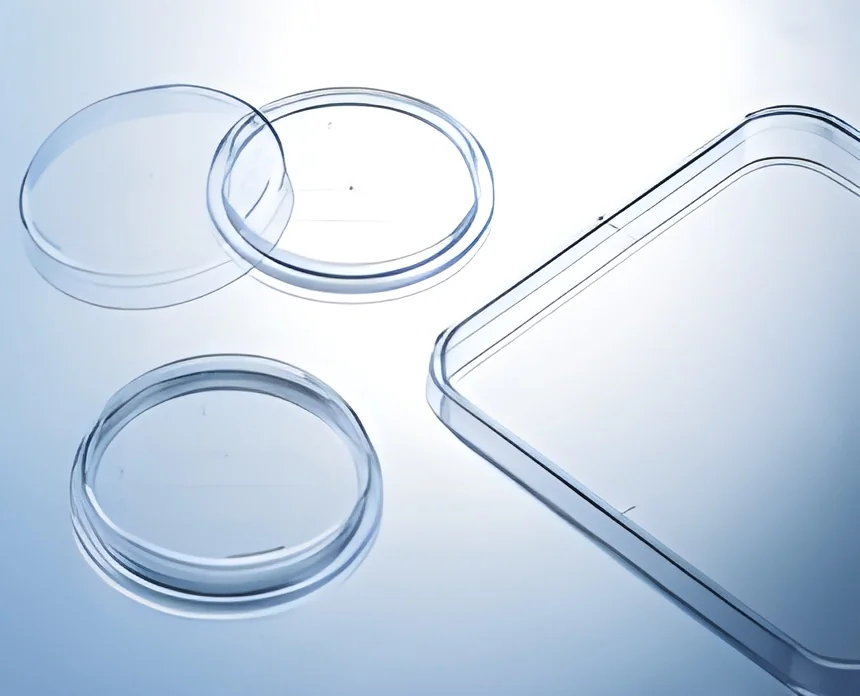
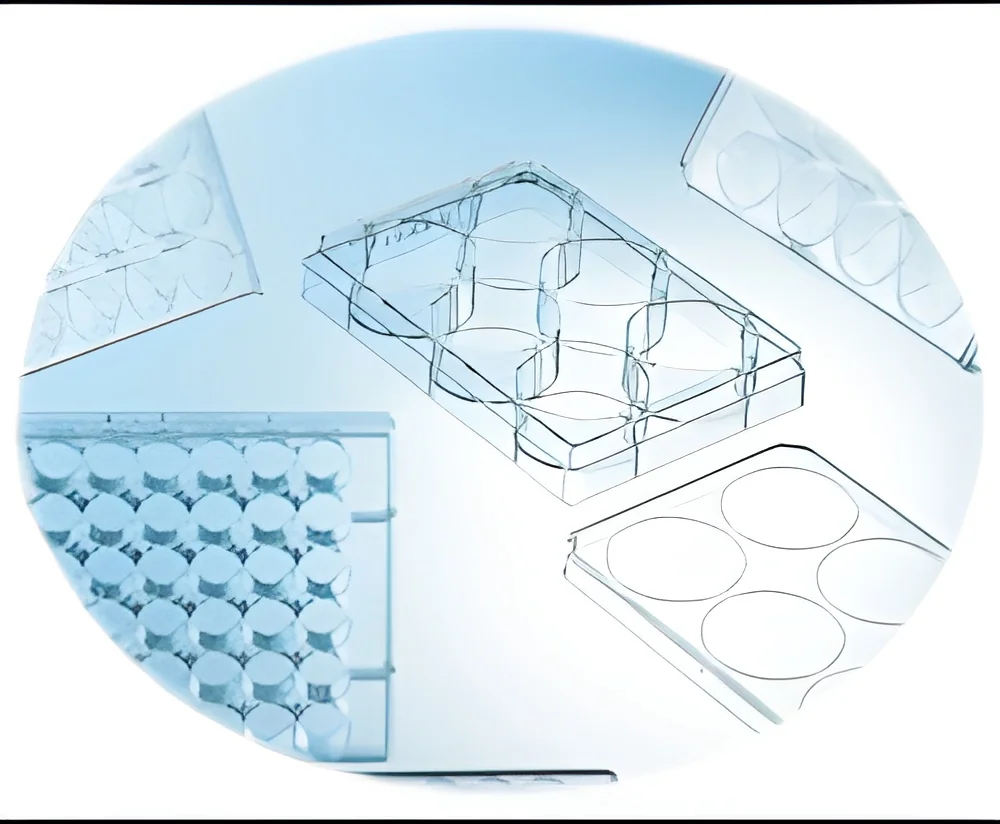
Our Research Lab Multiwell Plates represent the industry standard for cell-based research applications, available in 6, 12, 24, and 48 well configurations. These plates feature advanced surface treatments that enhance cell adhesion through physical modification while maintaining hydrophobic properties ideal for suspension cultures and hybridoma cells. The high clarity polystyrene construction ensures optimal visibility with minimal autofluorescence, providing researchers with clear imaging results without interference. Each plate includes secure lids that enable optimal gas exchange while minimizing evaporation, and the single-position lid design prevents cross-contamination between wells. The alphanumeric well coding system simplifies sample tracking and documentation throughout experimental procedures, ensuring accurate data collection and analysis.

These multiwell plates serve critical functions across multiple research sectors including pharmaceutical development, biotechnology re...
Our Research Lab Multiwell Plates represent the industry standard for cell-based research applications, available in 6, 12, 24, and 48 well configurations. These plates feature advanced surface treatments that enhance cell adhesion through physical modification while maintaining hydrophobic properties ideal for suspension cultures and hybridoma cells. The high clarity polystyrene construction ensures optimal visibility with minimal autofluorescence, providing researchers with clear imaging results without interference. Each plate includes secure lids that enable optimal gas exchange while minimizing evaporation, and the single-position lid design prevents cross-contamination between wells. The alphanumeric well coding system simplifies sample tracking and documentation throughout experimental procedures, ensuring accurate data collection and analysis.

These multiwell plates serve critical functions across multiple research sectors including pharmaceutical development, biotechnology research, academic institutions, and clinical diagnostics laboratories. In pharmaceutical companies, they facilitate comprehensive drug screening and toxicity testing on cellular models. Biotechnology firms utilize them for cell line development and protein production studies requiring consistent performance. Academic research laboratories employ these plates for fundamental cell biology investigations and educational training exercises. Clinical diagnostics laboratories rely on them for developing and validating cellular assays for disease detection and monitoring applications. The plates' compatibility with automation systems makes them particularly valuable for high-throughput applications in industrial research settings where efficiency and reliability are paramount.

The value proposition of these multiwell plates lies in their consistent quality and reliability, which directly translates to reproducible experimental results and reduced operational costs. Their robust construction minimizes the risk of well failure or contamination during critical experiments, protecting valuable research time and resources. The standardized dimensions and easy-to-open packaging ensure seamless integration into existing laboratory workflows, reducing training time and improving operational efficiency. These plates are manufactured under strict quality control standards, providing confidence for researchers conducting sensitive and valuable experiments. The reliable performance ensures that laboratories can maintain consistent research outcomes while optimizing their operational budgets through reduced repeat experiments and improved workflow efficiency.

Key Features:
- Multiple well format options including 6, 12, 24, and 48 well configurations
- Enhanced cell adhesion through specialized physical surface treatment
- Hydrophobic surface properties optimized for suspension cultures
- High clarity polystyrene with low autofluorescence for superior imaging
- Secure single-position lids preventing cross-contamination between wells

Benefits:
- Consistent experimental results across multiple research applications
- Reduced contamination risk protecting valuable research samples
- Optimal visibility for accurate imaging and data collection
- Compatibility with automation systems for efficient workflows
- Reliable performance across various cell types and conditions
Specifications
| Additional Information | |
|---|---|
| Country of Origin | India |
Application
These multiwell plates serve as essential tools in biological research and pharmaceutical development workflows. Their versatile well formats and specialized surface treatments support both adherent and suspension cell cultures, making them suitable for diverse experimental setups from basic cell maintenance to complex screening protocols across various research environments and laboratory settings.
The plates are engineered for seamless compatibility with automation systems and standard laboratory instruments, ensuring smooth integration into existing operational workflows. Their consistent performance supports critical processes in pharmaceutical development, academic investigations, and clinical diagnostics, providing reliable results across multiple cell types and experimental conditions while maintaining sample integrity throughout extended research periods.
- Drug discovery and high-throughput screening in pharmaceutical research
- Cancer research and oncology studies using various cell lines
- Stem cell culture and regenerative medicine applications
- Virology and vaccine development studies
- Toxicology testing and chemical safety assessments
Trade Details
| Available Stock | In Stock |
| Sample Availability | No |
Payment Terms
| Payment Terms |
|
Company Profile
Bio Globus, New Delhi
 New Delhi, India
New Delhi, IndiaDistributor / Wholesaler•Importer / Exporter
Factory Details
Factory SizeBelow 1000 sqm
Annual Production Capacity0
Research Lab Multiwell Plates 6 48 Well Cell Culture
Research Lab Multiwell Plates in 6, 12, 24, and 48 well formats deliver superior cell adhesion and suspension cultures with high clarity, low autofluorescence, and secure contamination-resistant lids for reliable research applications.
Min. Order Quantity: 1 unit
Shipping
Shipping fee and delivery date to be negotiated. Contact supplier now for more details.
Bio Globus
 New Delhi, India
New Delhi, IndiaDistributor / Wholesaler