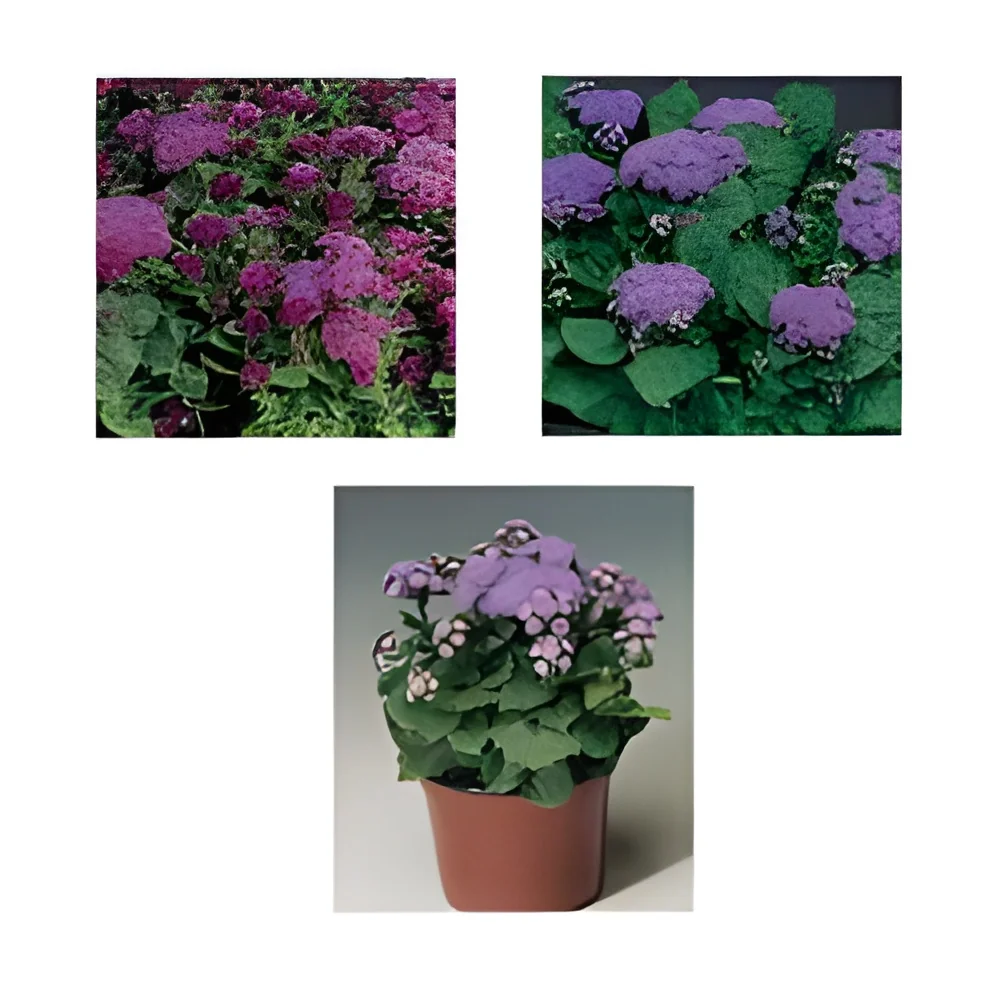
What are Other Seeds & Planting Materials?
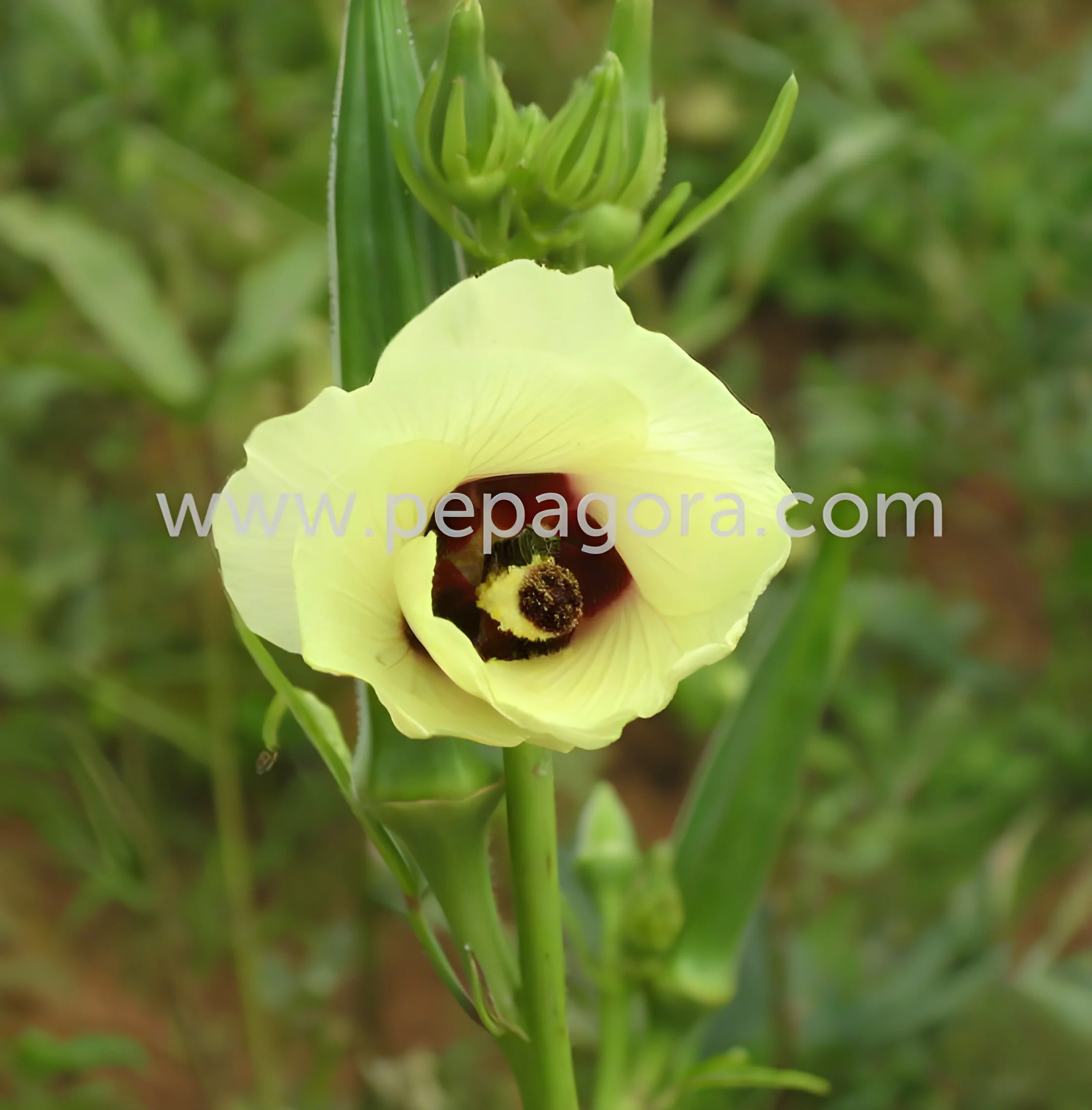
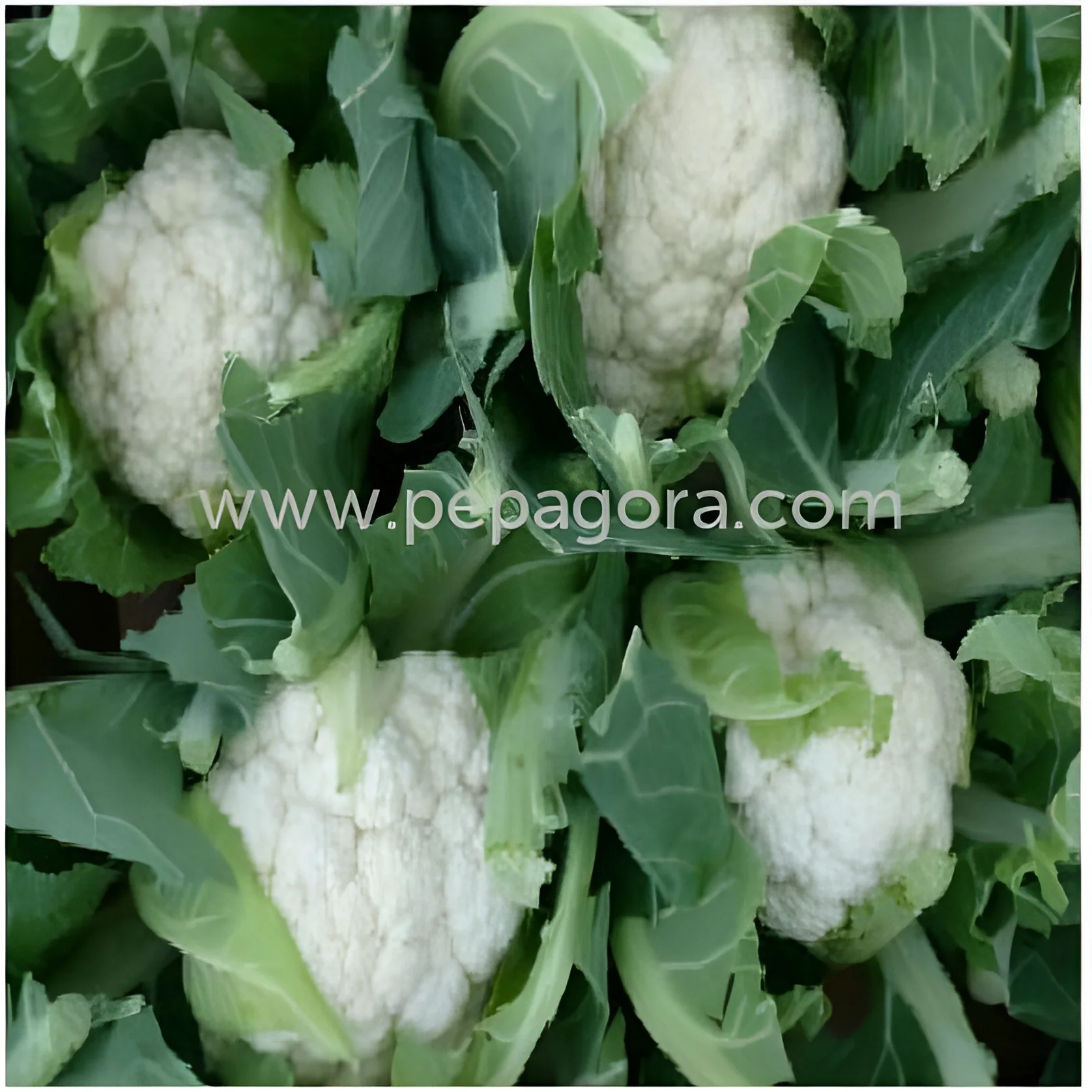
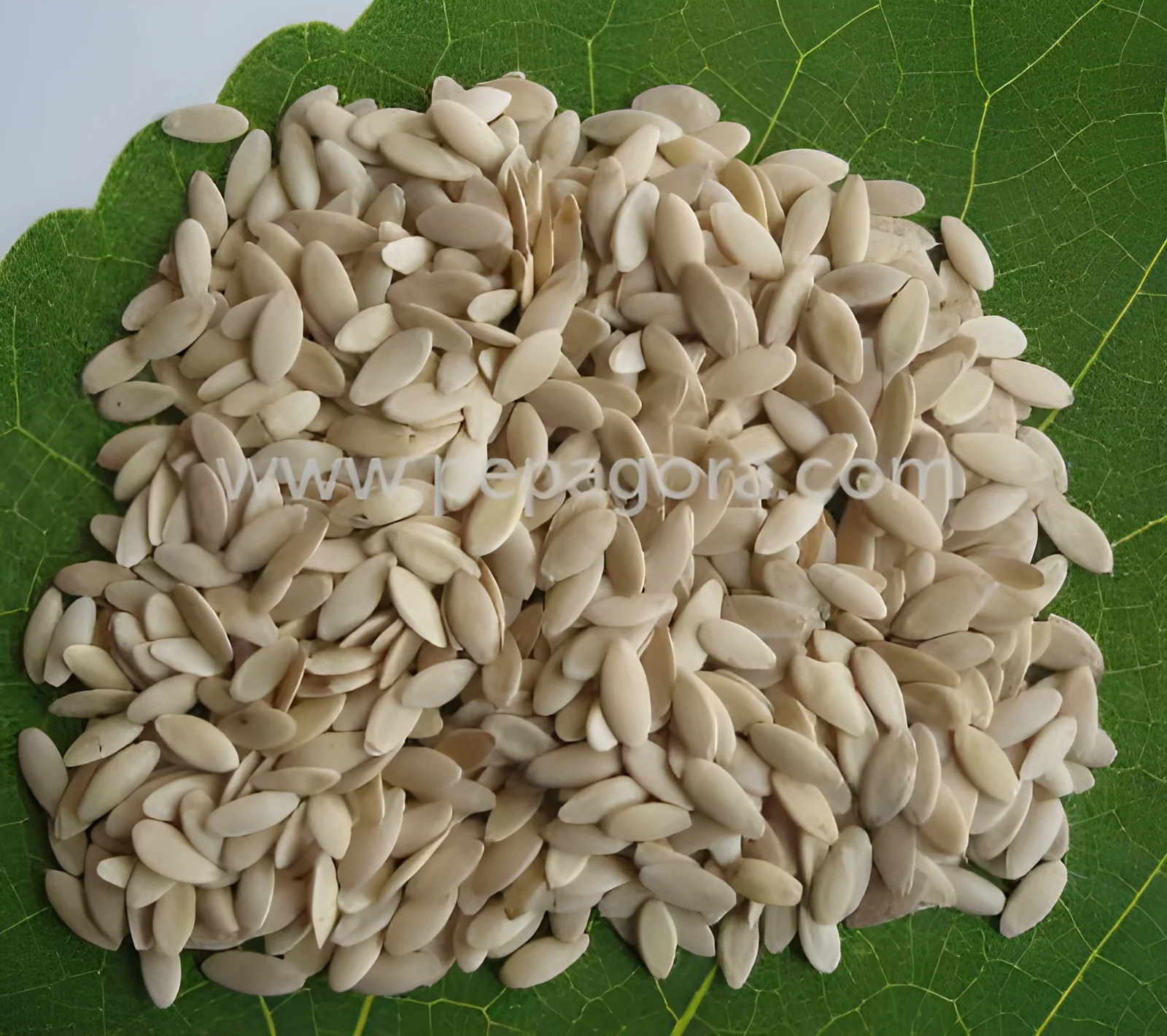
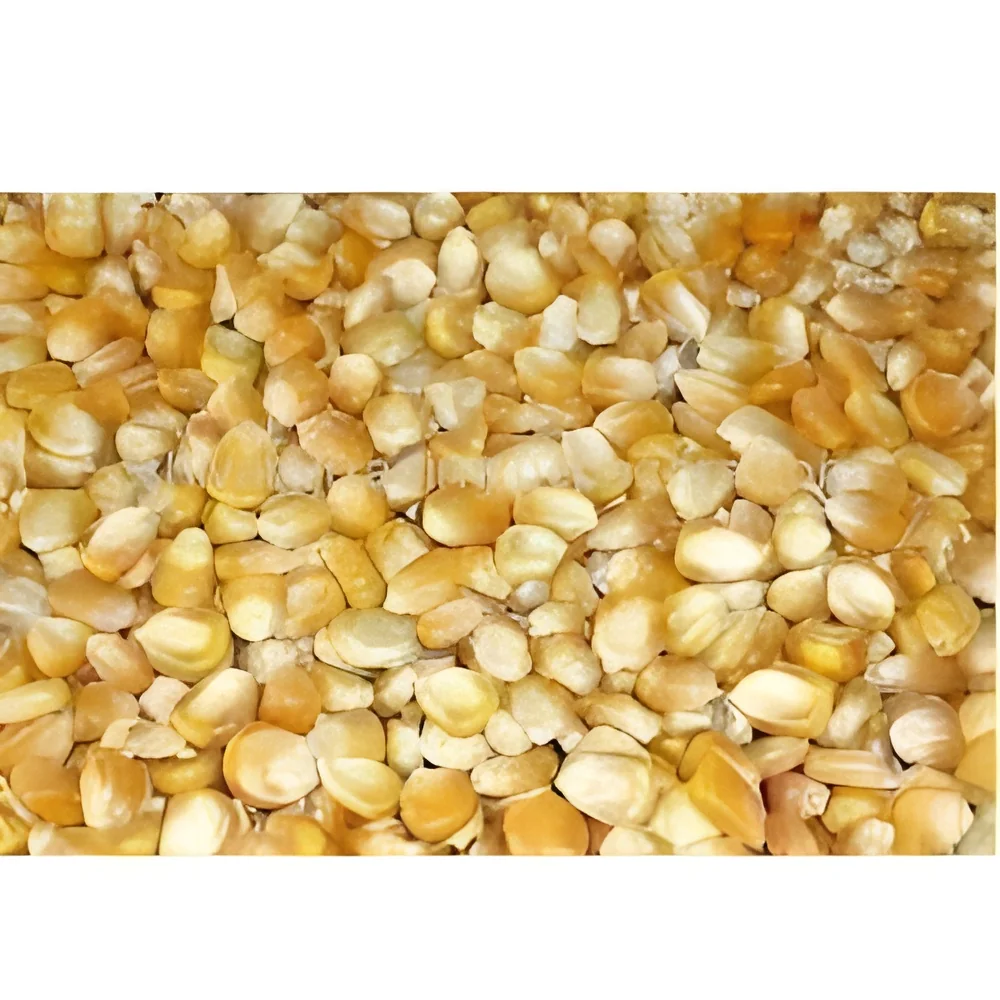
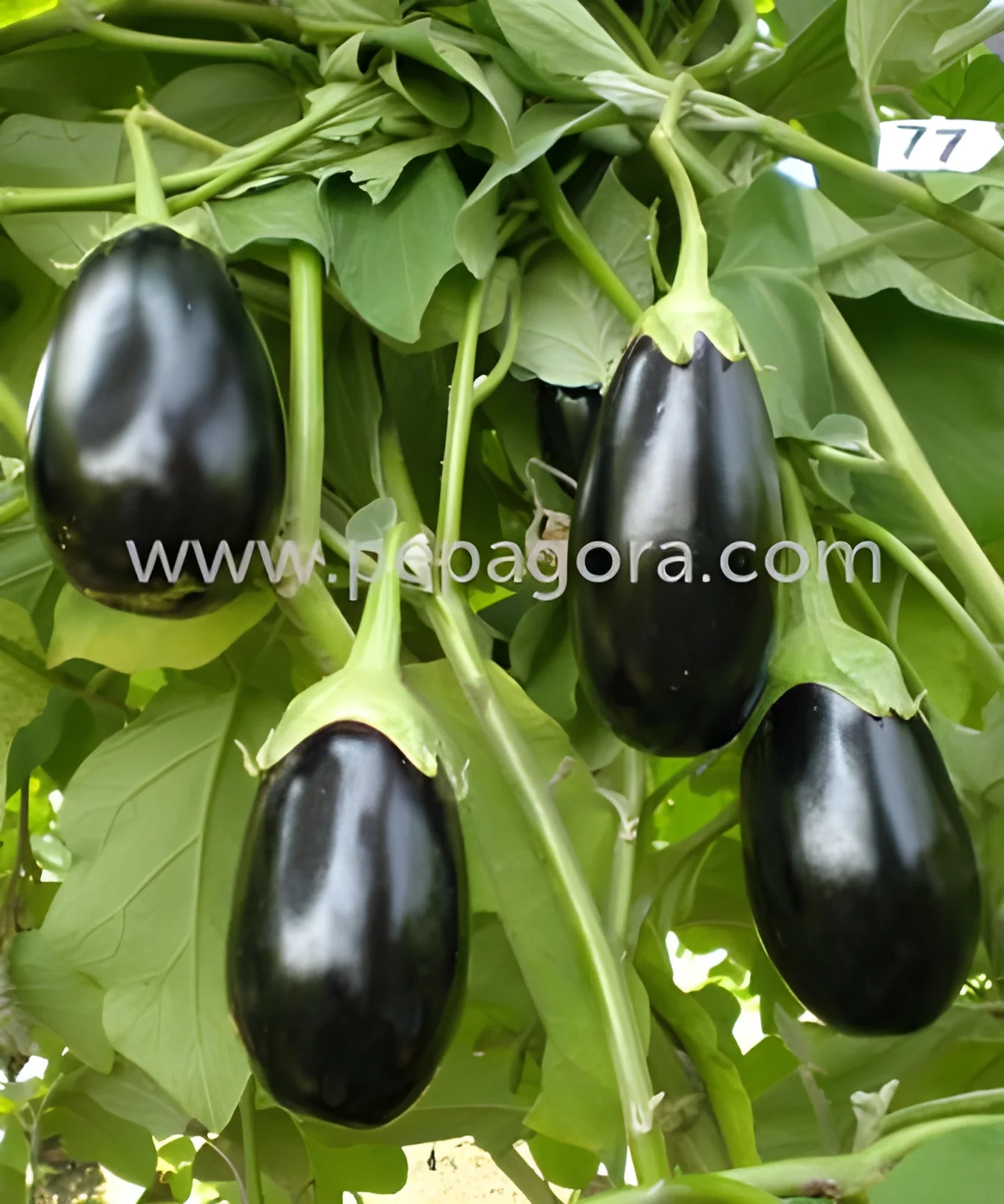
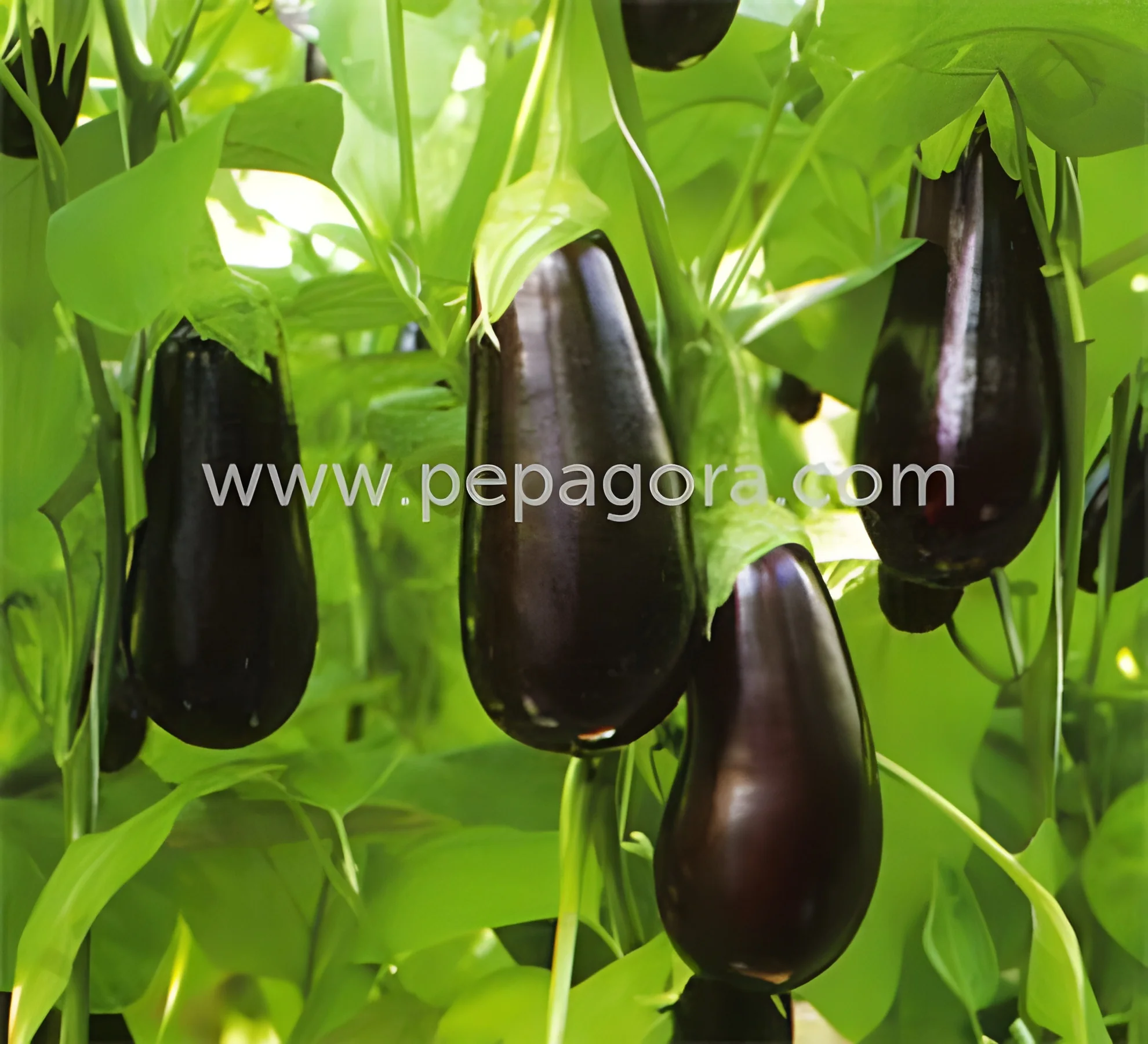
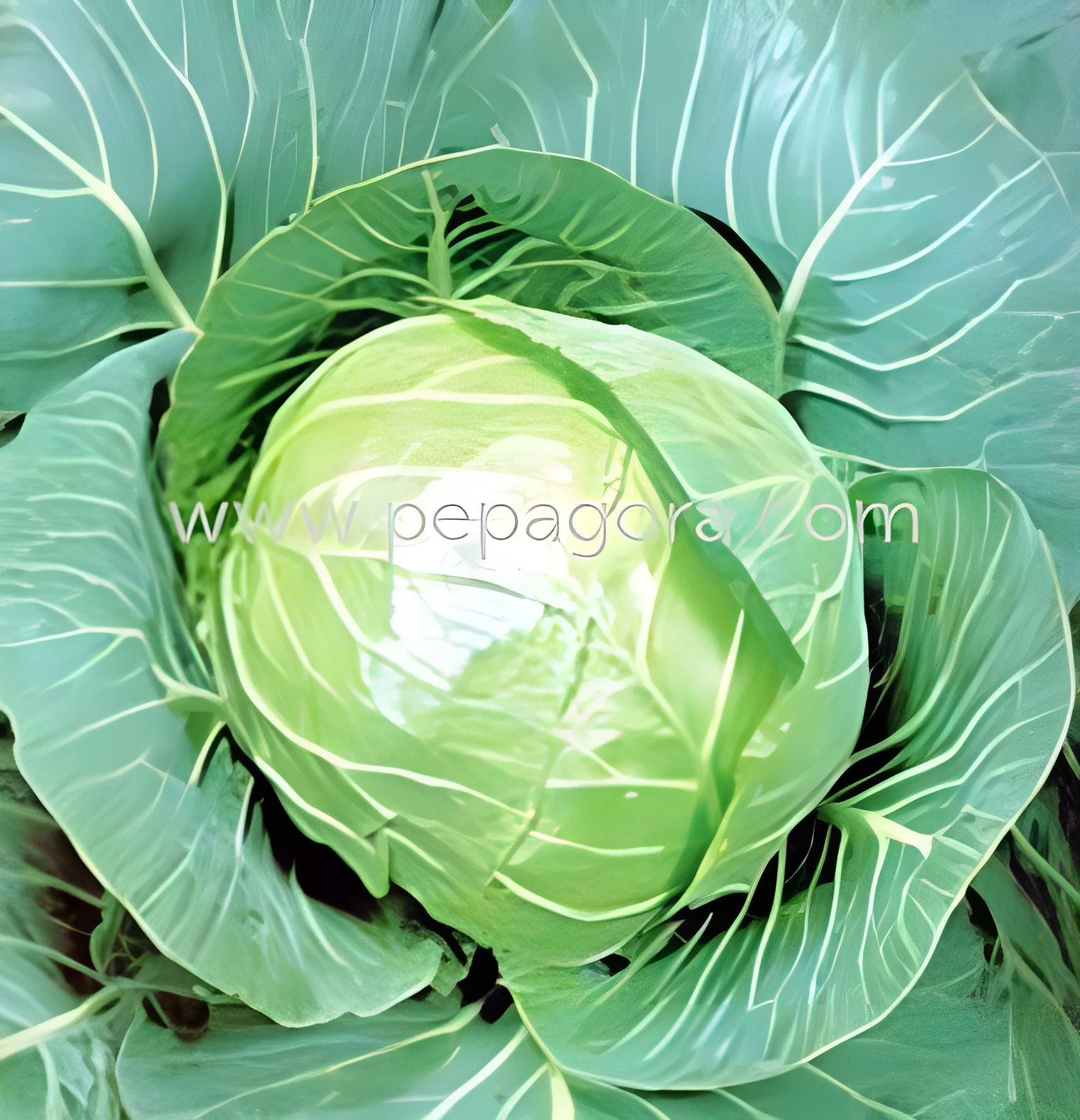
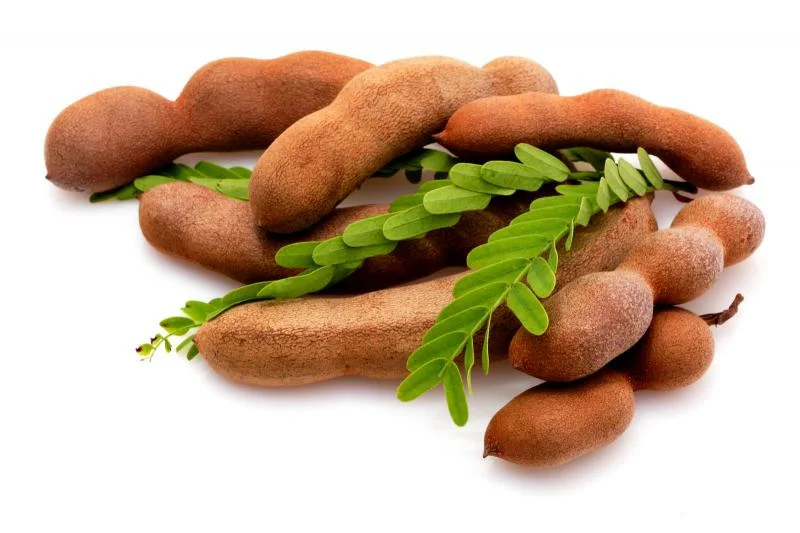
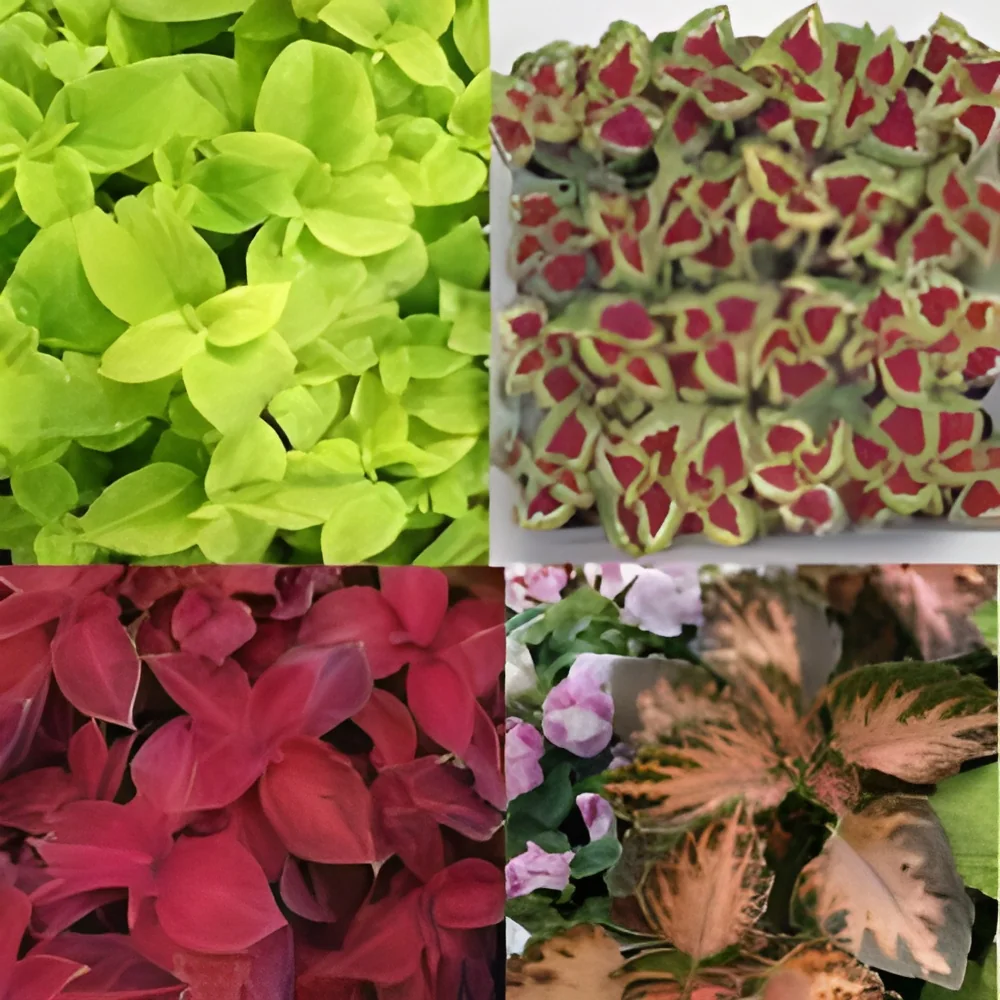
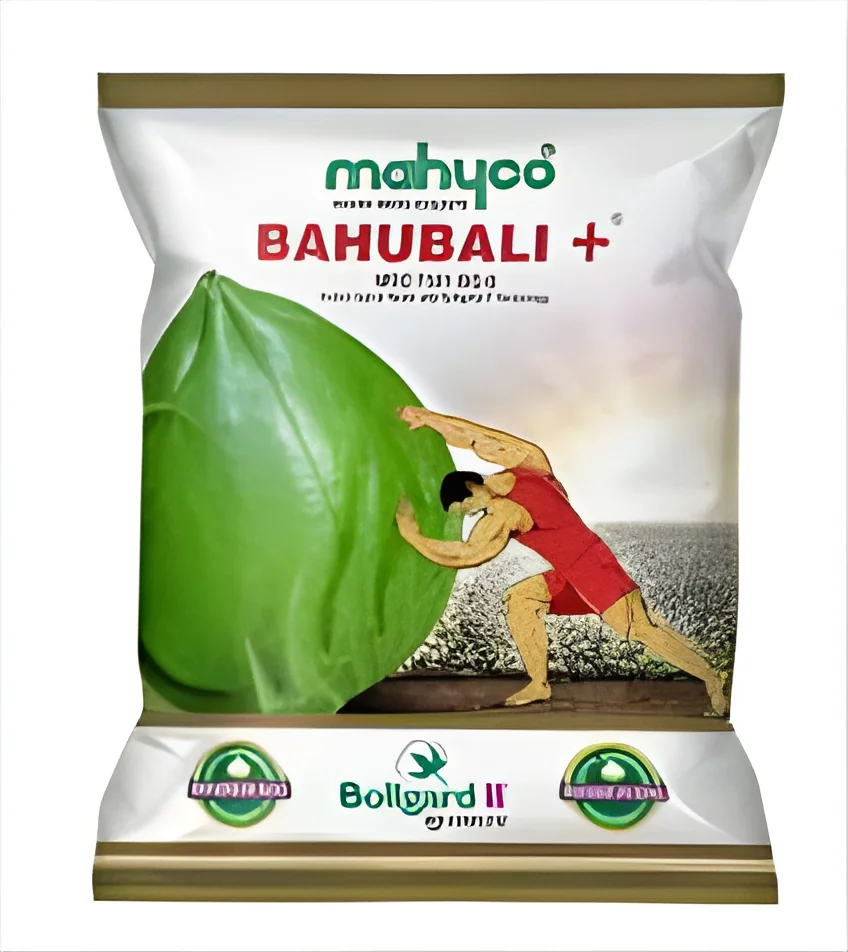
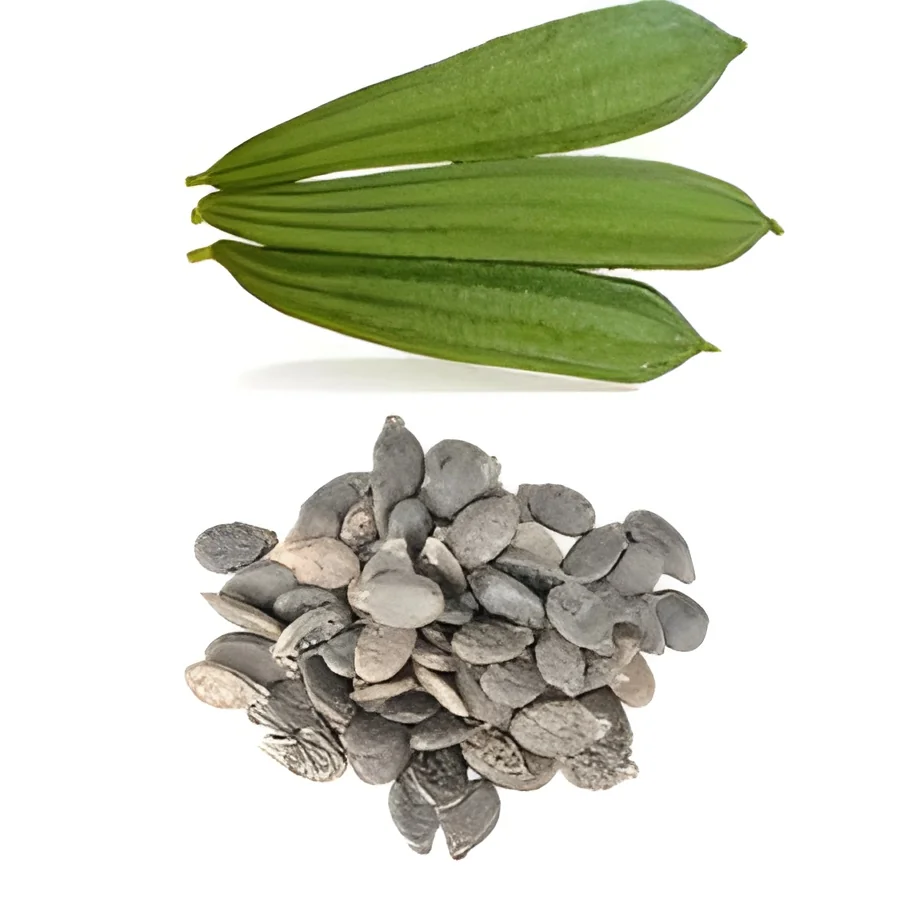
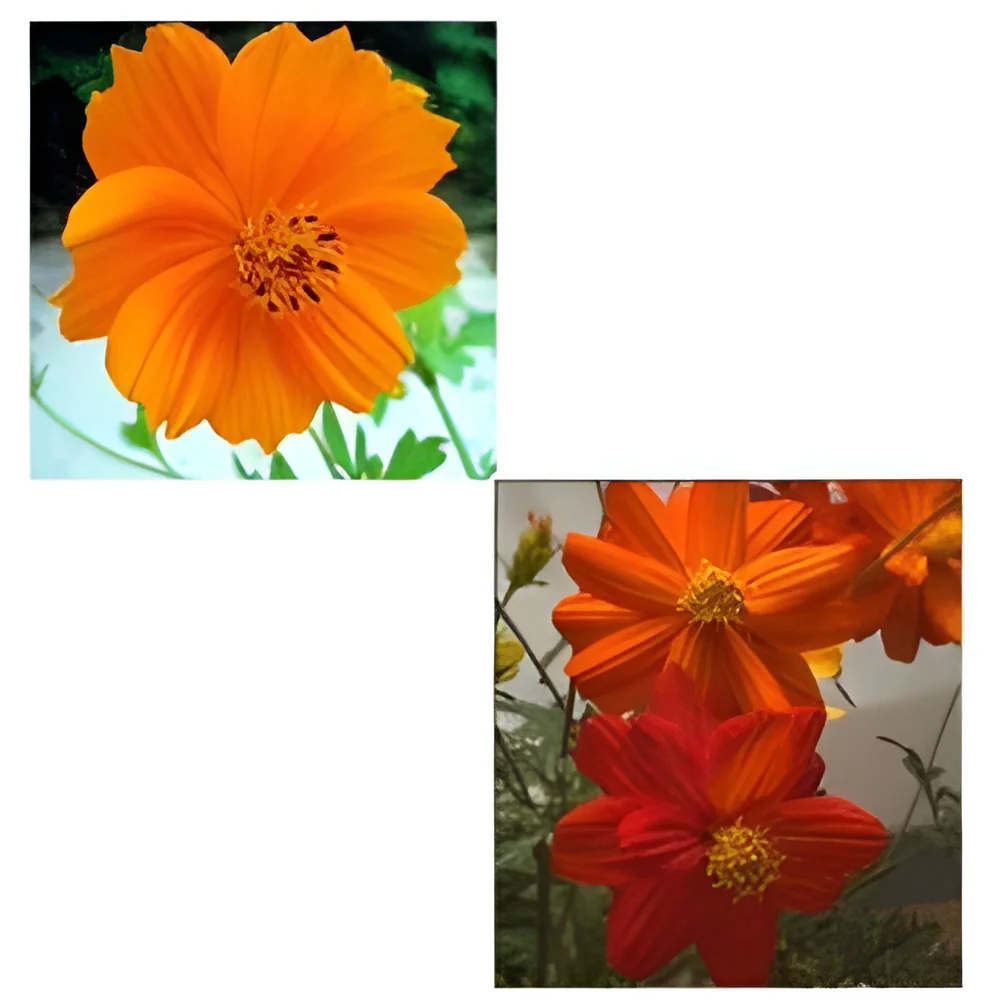
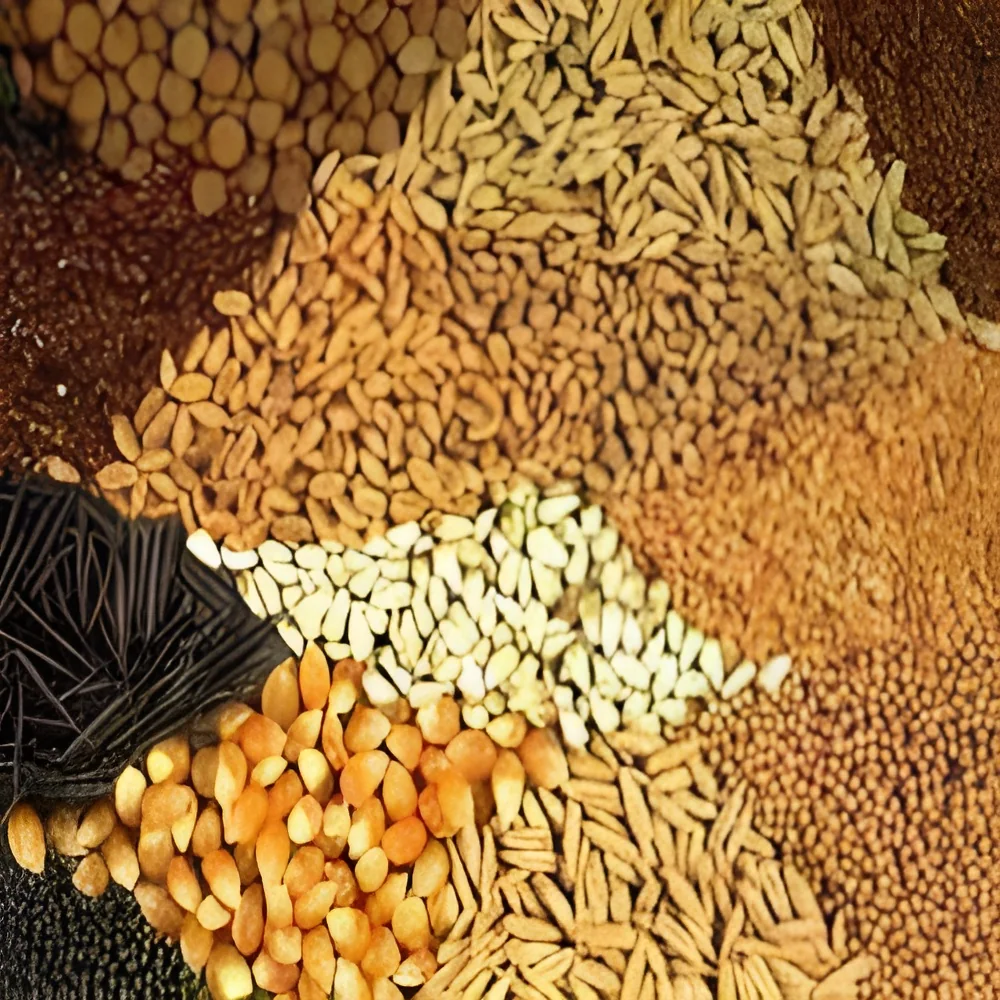
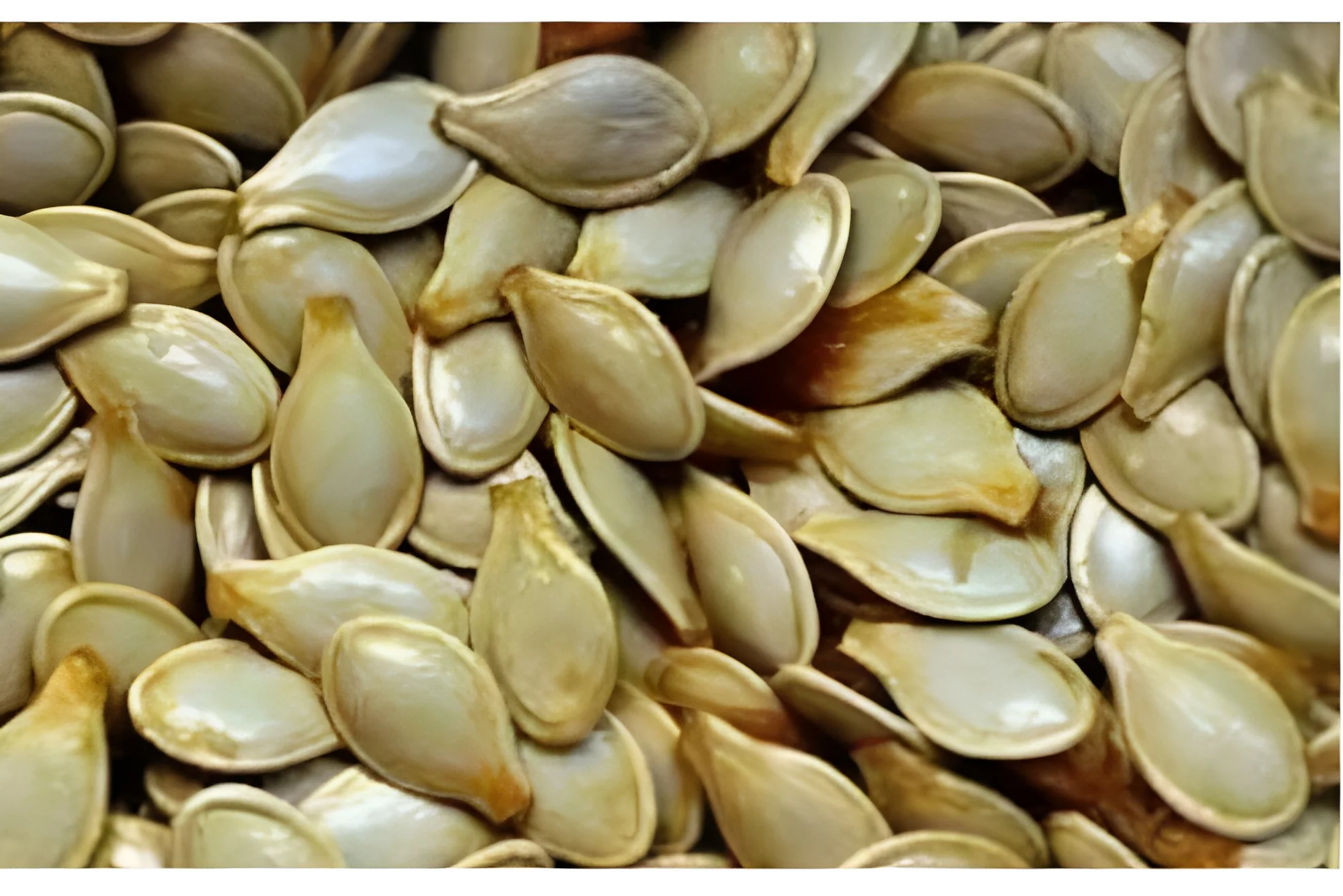
Other Seeds & Planting Materials refer to a diverse collection of seeds and planting materials that go beyond traditional crops. This category encompasses various seeds, including those for ornamental plants, cover crops, and specialty horticultural uses. These materials are essential for agricultural producers, landscape designers, and nurseries, offering an array of options for different growing conditions and purposes.
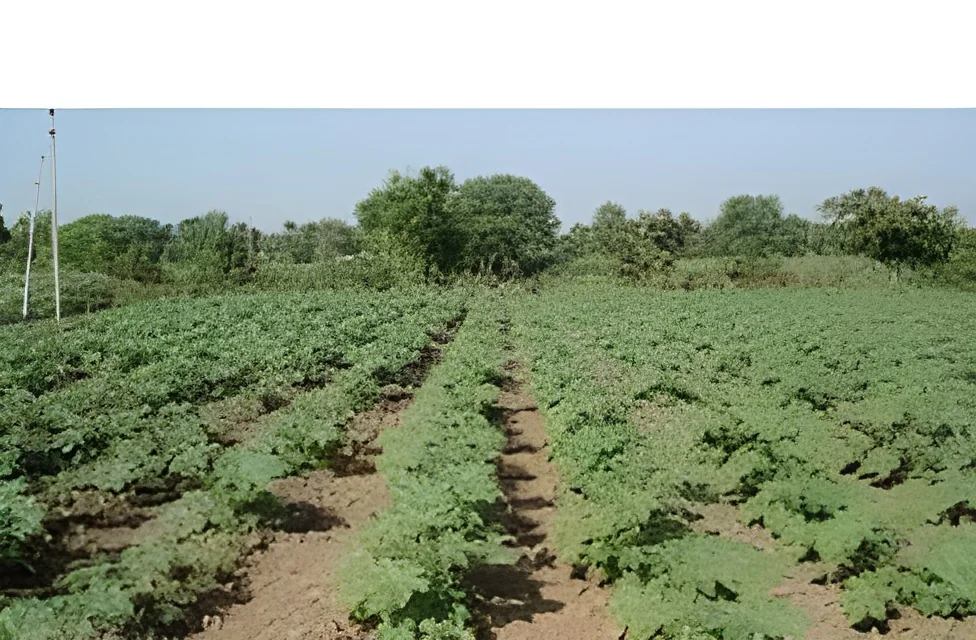
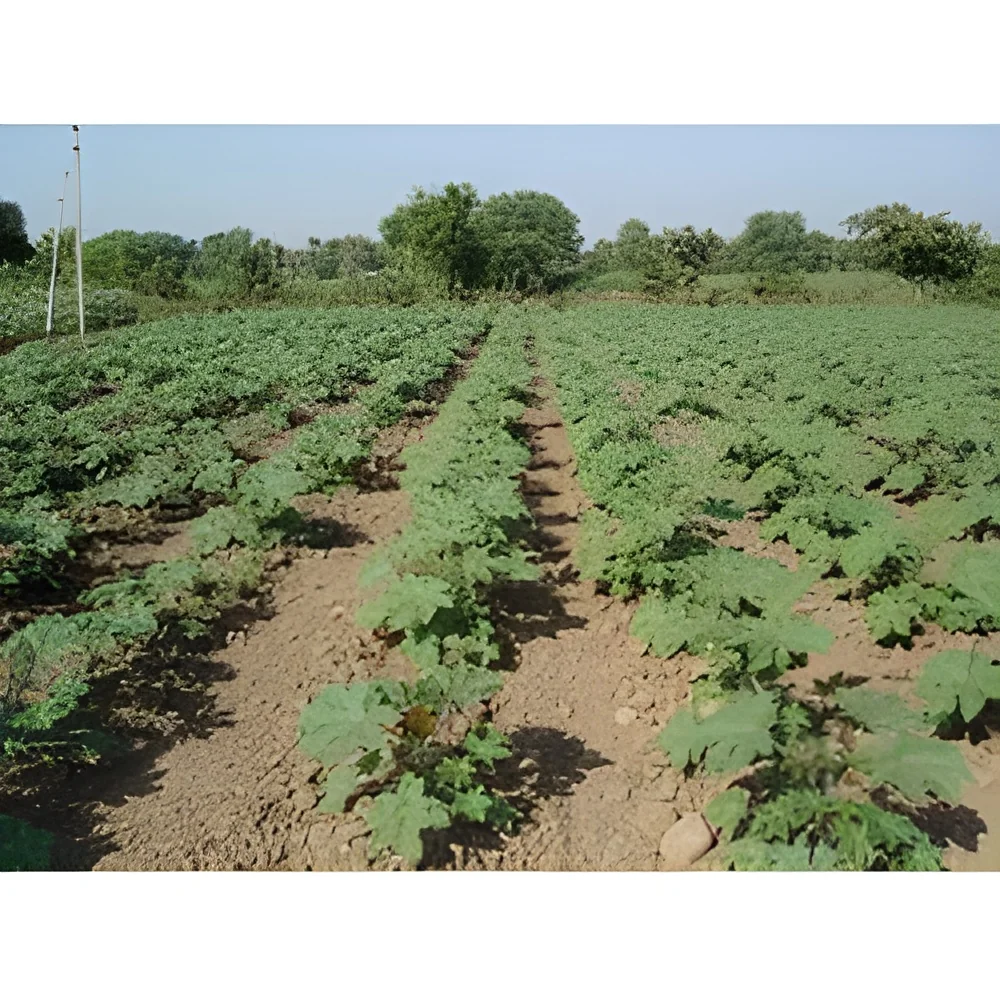
The primary uses of Other Seeds & Planting Materials extend into several sectors, including agriculture, horticulture, and landscaping. In agriculture, these seeds help improve soil health, enhance biodiversity, and provide crops for specific markets. In horticulture, they are vital for creating aesthetically pleasing environments in gardens and parks. This category is important for businesses looking to diversify their planting options and improve sustainability practices.
The market for Other Seeds & Planting Materials is continuously evolving, driven by innovations in agricultural practices and increased demand for sustainable solutions. As businesses aim to incorporate more environmentally friendly practices, the relevance of these materials is heightened. This sector is significant for suppliers and manufacturers, who must stay informed about industry trends and quality standards to meet their customers' needs.
Key Features and Specifications
The key features and specifications of Other Seeds & Planting Materials are crucial for ensuring successful planting and growth. Understanding these specifications helps businesses select the right materials for their specific applications.
Key specifications include:
1. Seed Type
- Includes various categories such as ornamental, cover crops, and specialty seeds.
- Each type has unique growth requirements and benefits.
2. Germination Rate
- Indicates the percentage of seeds that successfully sprout.
- Typically ranges from 80% to 95%, depending on the seed type.
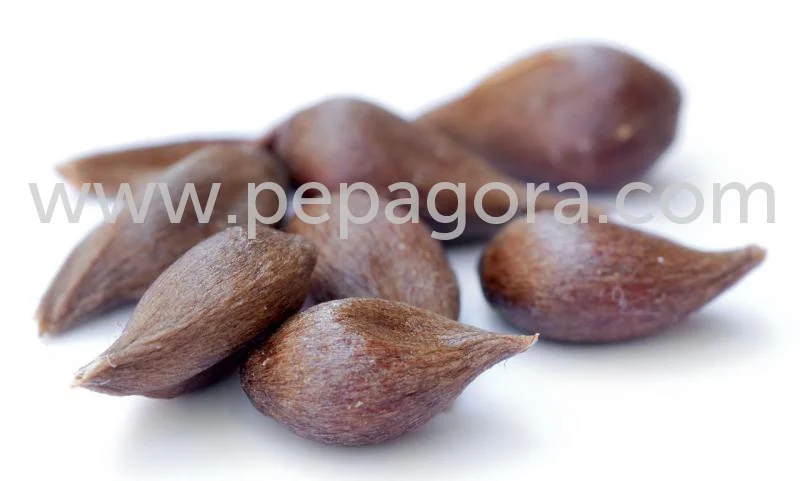
3. Seed Size
- Refers to the physical dimensions of the seeds.
- Varies by species and can affect planting depth and spacing.
4. Purity Level
- Represents the percentage of pure seed in a batch.
- Higher purity levels ensure better crop performance.
5. Viability Period
- The duration seeds remain suitable for planting before losing their germination capacity.
- Can vary, but many seeds are viable for 1-3 years.
6. Packaging Options
- Available in various sizes, from small packets to bulk bags.
- Packaging affects storage, transportation, and usability.
7. Certification
- Ensures that seeds meet specific quality and safety standards.
- Common certifications include CE for compliance with European regulations.
8. Environmental Suitability
- Indicates the climatic conditions in which seeds can thrive.
- Important for selecting seeds that match local growing conditions.
Considering these specifications allows businesses to make informed decisions when sourcing seeds and planting materials.
Common Applications and Use Cases
Other Seeds & Planting Materials have a wide range of applications across various industries.
1. Agriculture: These materials are crucial for crop rotation practices, enhancing soil health, and supporting sustainable farming techniques.
2. Horticulture: Garden centers and nurseries utilize these seeds for landscaping projects, creating visually appealing gardens with diverse plant species.
3. Erosion Control: Cover crops and specific seeds are employed to prevent soil erosion in agricultural fields and along waterways.
4. Environmental Restoration: These materials are vital for reforestation and habitat restoration projects, helping to revive ecosystems.
5. Research and Development: Agricultural research institutions use these seeds for trials and studies on plant genetics, crop performance, and sustainable practices.
6. Urban Agriculture: Growing interest in urban gardening has led to increased use of specialized seeds that thrive in smaller spaces.
7. Home Gardening: Home gardeners increasingly seek diverse planting materials for personal gardens, contributing to local food production and biodiversity.
Product Variants and Subcategories
Other Seeds & Planting Materials encompass a variety of product types to meet different agricultural and horticultural needs.
Hybrid Seeds
These seeds are developed through crossbreeding to produce plants with desirable traits, such as improved yield and disease resistance. They are commonly used in commercial farming for higher productivity.
Organic Seeds
Sourced from organically grown plants, these seeds are ideal for growers looking to maintain organic farming practices. They are free from synthetic pesticides and fertilizers, appealing to eco-conscious consumers.
Native Plant Seeds
These seeds are harvested from local plant species, promoting biodiversity and supporting local ecosystems. They are often used in landscaping and restoration projects.
Specialty Seeds
This category includes unique seeds for specific purposes, such as medicinal plants or rare ornamental species. They cater to niche markets and specialized gardening needs.
Benefits and Advantages
Sourcing Other Seeds & Planting Materials offers several advantages for businesses.
1. Enhanced Crop Diversity: Access to a wide range of seeds allows for improved crop rotation and biodiversity, leading to healthier ecosystems.
2. Improved Sustainability: Utilizing these materials supports sustainable agricultural practices, helping businesses meet environmental goals.
3. Increased Market Opportunities: Diverse planting options can lead to new product offerings and market niches, enhancing revenue potential.
4. Better Soil Health: Cover crops and specific planting materials promote soil health, improving fertility and reducing erosion.
5. Compliance with Standards: Sourcing certified seeds ensures adherence to quality and safety standards, reducing risks associated with crop failures.
6. Customization Options: Many suppliers offer the ability to customize seed selections according to specific business needs and local growing conditions.
Buying Guide for B2B Buyers
When sourcing Other Seeds & Planting Materials, businesses should consider several key factors to ensure they make informed decisions.
1. Quality Assessment: Evaluate seeds based on germination rates, purity levels, and viability periods to ensure high-quality products.
2. Supplier Verification: Vet suppliers by checking their certifications, reputation, and track record in the industry to ensure reliability.
3. Pricing and MOQ: Understand pricing structures and minimum order quantities to manage costs effectively and align with budget constraints.
4. Delivery and Lead Times: Consider logistics and delivery schedules to ensure timely availability of materials for planting seasons.
5. Compliance Requirements: Be aware of local and regional regulatory standards that govern seed quality and safety to ensure compliance and avoid penalties.
Compliance and Certifications
Compliance with industry standards is crucial for Other Seeds & Planting Materials. Key quality standards include ISO 9001, which ensures effective quality management systems, and HACCP, which focuses on food safety management. Additionally, Good Distribution Practices (GDP) are important for ensuring the safe handling and transportation of seeds.
Certifications such as CE indicate that products meet European health, safety, and environmental protection standards. These certifications provide reassurance to buyers about the quality and safety of the seeds they are sourcing.
Safety and testing requirements must be adhered to, ensuring that seeds are free from contaminants and viable for planting. Companies should also consider regional compliance regulations, as these may vary depending on local agricultural laws and import/export restrictions.
Why Source Other Seeds & Planting Materials from Pepagora?
Pepagora provides a trusted platform for sourcing Other Seeds & Planting Materials with several key advantages.
Verified Supplier Network: Pepagora ensures that all suppliers are thoroughly vetted, providing buyers with peace of mind regarding the quality and reliability of the products they source. This network includes reputable suppliers with a proven track record in the industry.
Streamlined RFQ Process: The request for quotation (RFQ) process is designed to be straightforward, allowing businesses to easily compare options and make informed decisions. This efficiency helps buyers save time and resources when sourcing materials.
Trade Assurance and Support: Pepagora offers trade assurance, protecting buyers in their transactions and ensuring that they receive the products as promised. This support enhances buyer confidence and facilitates smooth transactions.
Regional Coverage: With a strong presence in India, the GCC, and Southeast Asia, Pepagora offers extensive geographic reach, making it easier for businesses to find suitable suppliers in their local markets. This regional focus aligns with the needs of businesses looking to optimize their supply chain and grow their operations.

 IN
IN