What are Hybrid & OP Vegetable Seeds?
Hybrid and Open-Pollinated (OP) vegetable seeds are essential components in the agricultural sector, designed for optimal crop production. Hybrid seeds are produced by cross-breeding two different parent plants, resulting in offspring that often exhibit improved traits such as higher yield, disease resistance, and uniformity. Open-Pollinated seeds, on the other hand, are produced naturally through pollination and can breed true to type, allowing farmers to save seeds for future planting.
These seeds are primarily used in various agricultural practices, including commercial farming, home gardening, and research applications. They serve as the foundation for cultivating a wide range of vegetables, ensuring food security and meeting market demands. The increasing global population and the rising demand for quality produce make Hybrid and OP seeds more relevant than ever in the agricultural landscape. Their adaptability to different climates and growing conditions further enhances their importance in sustainable farming practices.
Key Features and Specifications
Hybrid and OP vegetable seeds come with a variety of features tailored to meet diverse agricultural needs. Understanding these specifications is crucial for selecting the right seeds for specific conditions and requirements.
Key specifications include:
1. Germination Rate
- Indicates the percentage of seeds that successfully sprout under optimal conditions.
- Typically ranges from 85% to 95%.
2. Disease Resistance
- Refers to the seed's ability to withstand specific plant diseases.
- Varieties may be resistant to common issues such as blight and wilt.
3. Maturity Duration
- The time taken from planting to harvest.
- Ranges from 50 to 100 days depending on the vegetable type.
4. Yield Potential
- Expected crop yield per acre under optimal conditions.
- Can vary widely, often exceeding 10 tons per acre for hybrids.
5. Adaptability
- The ability of the seeds to grow in various environmental conditions.
- Important for regions with varying climates.
6. Seed Size
- The physical size of the seeds, which can influence planting techniques.
- Sizes can range from small (e.g., pepper seeds) to large (e.g., squash seeds).
7. Shelf Life
- The duration seeds remain viable for planting.
- Typically lasts from 2 to 5 years when stored properly.
8. Certification
- Indicates that seeds meet industry standards for quality and performance.
- Commonly includes certifications like CE.
These specifications help farmers and suppliers ensure they are selecting the best seeds for their agricultural needs.
Common Applications and Use Cases
Hybrid and OP vegetable seeds find applications across various sectors, contributing to enhanced agricultural productivity.
1. Commercial Farming: Farmers utilize hybrid seeds for large-scale production due to their high yield potential and disease resistance, ensuring consistent supply to markets.
2. Home Gardening: Hobbyists prefer open-pollinated seeds for their ability to save seeds for future planting, encouraging sustainable practices and self-sufficiency.
3. Research Institutions: Agricultural researchers use both seed types to study genetic traits, improve crop resilience, and develop new varieties suited to changing climates.
4. Organic Farming: Organic growers often choose open-pollinated seeds to maintain genetic diversity and comply with organic certification standards.
5. Export Markets: Countries exporting vegetables rely on high-quality hybrid seeds to meet international standards and consumer demands for fresh produce.
6. Food Processing: Food manufacturers seek specific vegetable varieties for processing, often relying on hybrid seeds that ensure uniform size and quality.
7. Community Gardens: Community initiatives use open-pollinated seeds to foster local agriculture and promote biodiversity within urban settings.
Product Variants and Subcategories
The diversity of Hybrid and OP vegetable seeds allows for various options tailored to specific agricultural needs.
Tomato Hybrid Seeds
These seeds are known for their high yield and resistance to diseases like blight. They are ideal for both field and greenhouse cultivation, providing consistent fruit quality.
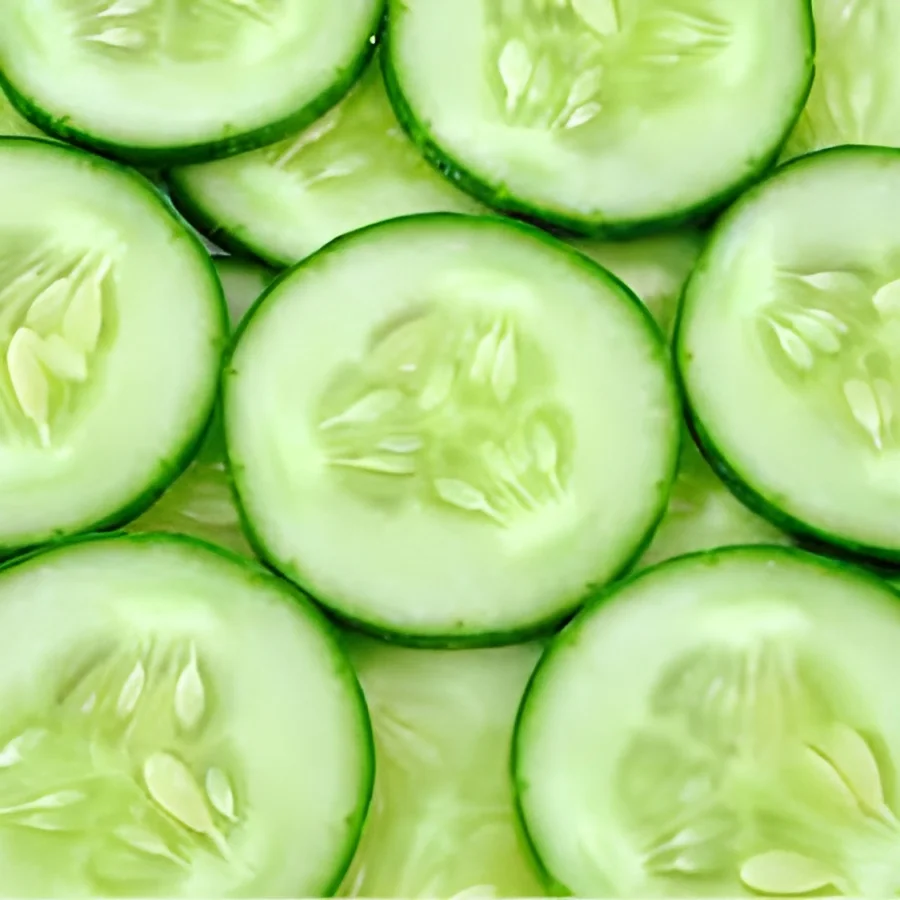
Cucumber Open-Pollinated Seeds
This variant offers a reliable production of cucumbers with good flavor. They are often preferred by home gardeners for their ability to produce seeds that can be saved for future planting.
Bell Pepper Hybrid Seeds
These seeds produce robust plants with high fruit quality and color uniformity. They are suitable for commercial production as well as home gardens.
Carrot Open-Pollinated Seeds
Known for their flavor and adaptability, these seeds allow growers to save seeds for subsequent seasons, making them popular among organic farmers.
Benefits and Advantages
Sourcing Hybrid and OP vegetable seeds presents numerous benefits to growers and suppliers.
1. Enhanced Yields: Hybrid seeds typically offer higher productivity, contributing to better economic returns for farmers.
2. Disease Resistance: Many hybrid varieties are bred for specific disease resistances, reducing crop losses and minimizing the need for chemical treatments.
3. Improved Quality: Hybrid seeds often produce vegetables with superior taste, size, and appearance, meeting consumer expectations.
4. Genetic Diversity: OP seeds promote biodiversity, allowing farmers to adapt to changing climatic conditions and pest pressures.
5. Cost Efficiency: The potential for higher yields means lower costs per unit of produce, enhancing profitability for growers.
6. Sustainability: By using OP seeds, farmers can engage in sustainable practices such as seed saving, promoting long-term agricultural resilience.
Buying Guide for B2B Buyers
When sourcing Hybrid and OP Vegetable Seeds, it is essential to consider multiple factors to ensure quality and reliability.
1. Quality Assessment: Look for seeds with high germination rates and disease resistance. Request laboratory test results to verify seed quality before purchase.
2. Supplier Verification: Vet suppliers thoroughly by checking references, certifications, and customer reviews. Ensure they have a reliable track record in the seed industry.
3. Pricing and MOQ: Evaluate pricing structures and minimum order quantities. Ensure that costs align with your budget while considering the quality of seeds offered.
4. Delivery and Lead Times: Discuss logistics with suppliers to understand delivery schedules. Consider lead times for large orders to maintain planting schedules.
5. Compliance Requirements: Be aware of any regional regulations that affect seed importation and use. Ensure suppliers comply with local agricultural standards and certifications.
Compliance and Certifications
Compliance and certifications play a critical role in ensuring the quality and safety of Hybrid and OP vegetable seeds.
Adhering to relevant quality standards such as ISO 9001 ensures that suppliers maintain consistent quality management practices. This standard focuses on meeting customer requirements and enhancing satisfaction.
Certifications like CE indicate that the seeds meet specific safety and performance regulations, ensuring they are suitable for commercial use. These certifications provide buyers with assurance regarding product reliability.
Additionally, compliance with safety and testing requirements is essential to prevent the spread of diseases and pests. Regional compliance considerations may include local agricultural regulations and guidelines for seed quality.
Why Source Hybrid & OP Vegetable Seeds from Pepagora?
Pepagora offers a trusted platform for sourcing Hybrid and OP Vegetable Seeds, ensuring buyers access to quality products and reliable suppliers.
The verified supplier network at Pepagora allows buyers to connect with trustworthy seed producers who meet stringent quality standards. This verification process enhances the purchasing experience by reducing risks associated with subpar products.
With a streamlined RFQ process, Pepagora simplifies the quotation and purchasing experience. Buyers can easily request quotes from multiple suppliers, enabling informed decision-making based on pricing and quality.
Trade assurance and support provided by Pepagora protect buyers throughout the transaction process, ensuring that any disputes are managed professionally and fairly.
Pepagora's regional coverage extends across India, the GCC, and Southeast Asia, allowing buyers from various regions to access high-quality Hybrid and OP Vegetable Seeds, facilitating agricultural success on a global scale.

 IN
IN