IN
IN₹
Apparel & Fashion
Description
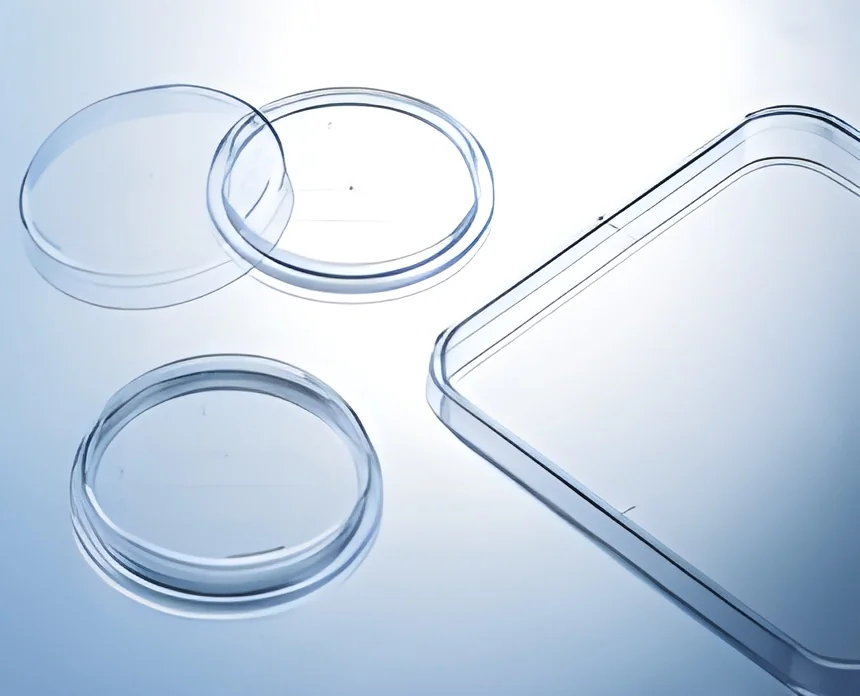
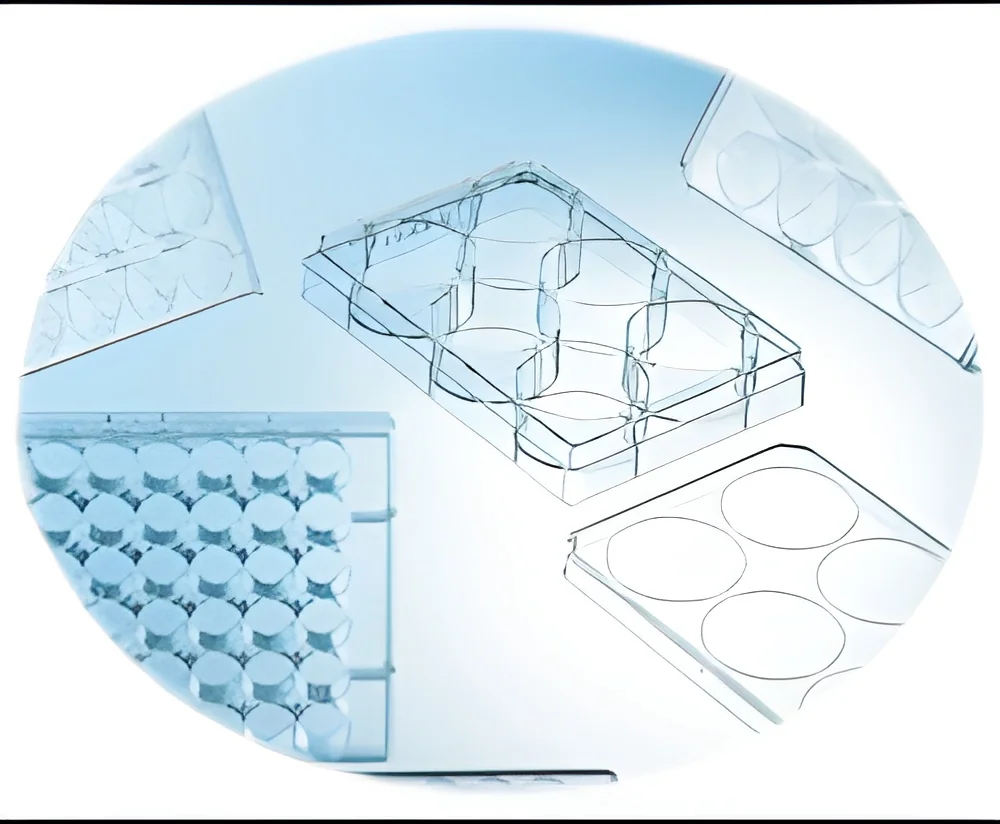
Research Lab Cell Culture Multiwell Plates represent essential laboratory consumables designed to support critical cell culture applications across scientific disciplines. Available in 6, 12, 24, and 48 well configurations, these plates feature specialized surface treatments that promote superior cell adhesion and attachment, ensuring optimal cell proliferation and experimental consistency. The hydrophobic surface option accommodates suspension cultures and hybridoma cells, providing researchers with flexibility for diverse experimental requirements. High optical clarity combined with minimal autofluorescence enables precise microscopic observation and accurate data collection. Incorporated lids facilitate optimal gas exchange while significantly reducing evaporation, maintaining stable culture conditions essential for sensitive cell lines. Single-position lid design prevents cross-contamination between wells, safeguarding experimental integrity throughout extended incubation periods. ...
Research Lab Cell Culture Multiwell Plates represent essential laboratory consumables designed to support critical cell culture applications across scientific disciplines. Available in 6, 12, 24, and 48 well configurations, these plates feature specialized surface treatments that promote superior cell adhesion and attachment, ensuring optimal cell proliferation and experimental consistency. The hydrophobic surface option accommodates suspension cultures and hybridoma cells, providing researchers with flexibility for diverse experimental requirements. High optical clarity combined with minimal autofluorescence enables precise microscopic observation and accurate data collection. Incorporated lids facilitate optimal gas exchange while significantly reducing evaporation, maintaining stable culture conditions essential for sensitive cell lines. Single-position lid design prevents cross-contamination between wells, safeguarding experimental integrity throughout extended incubation periods. Full compatibility with standard laboratory instrumentation and automated systems makes these plates reliable choices for both manual procedures and high-throughput applications.

These multiwell plates find extensive utilization across multiple sectors where cell culture represents a fundamental component of research and development activities. Pharmaceutical companies employ them extensively throughout drug screening processes, toxicity assessments, and therapeutic efficacy studies. Biotechnology organizations utilize these plates for developing advanced biological products, monoclonal antibodies, and innovative cell-based therapeutic approaches. Academic institutions and government research facilities rely on them for fundamental investigations in cellular biology, genetic research, and disease mechanism studies. Clinical diagnostic laboratories incorporate these plates into diagnostic assay development and personalized medicine initiatives. Additional applications extend to industries including cosmetics for safety evaluation and agricultural sciences for plant cell culture research, demonstrating their versatility across diverse scientific domains where precise cell culture conditions determine experimental success.

The inherent business value of these multiwell plates centers on their capacity to enhance research efficiency and improve experimental outcomes. By substantially reducing contamination risks and ensuring uniform cell growth patterns, they help minimize experimental variability and unnecessary repetition, thereby conserving valuable time and laboratory resources. Their seamless compatibility with automated laboratory systems enables operational scaling without quality compromise, effectively supporting high-throughput research projects. Manufacturing adherence to rigorous quality standards ensures dependable performance in mission-critical applications, establishing trust with procurement professionals who require products delivering consistent, reproducible results. This reliability fosters long-term collaborative relationships and repeat business engagements, positioning these plates as trusted components within comprehensive research solutions.

Key Features:
- Multiple well format options including 6, 12, 24, and 48 configurations
- Enhanced cell adhesion properties through specialized surface treatment
- Hydrophobic surface availability supporting suspension culture requirements
- Superior optical clarity with minimal autofluorescence characteristics
- Lid design optimizing gas exchange while minimizing evaporation

Benefits:
- Flexible format selection accommodates diverse experimental designs
- Improved cell attachment and growth consistency across wells
- Versatile application support for both adherent and suspension cultures
- Enhanced visualization capabilities for accurate data collection
- Stable culture environment maintenance through reduced evaporation
Specifications
| Additional Information | |
|---|---|
| Country of Origin | India |
Application
These multiwell plates serve as essential tools in biological research and drug development workflows. Their optimized design supports both adherent and suspension cell cultures, ensuring consistent growth while minimizing contamination risks. The plates maintain stable conditions for sensitive experiments, providing reliable performance across various laboratory environments and research protocols. Their robust construction and consistent quality make them suitable for demanding research schedules and long-term studies where precision and reproducibility are paramount.
The alphanumeric coding and automation compatibility streamline high-throughput screening and large-scale experimental studies. Industries including pharmaceuticals, biotechnology, and academic research institutions depend on these plates for their reliability and ease of integration with laboratory workflows. They accommodate applications ranging from basic cell culture maintenance to advanced genomic, proteomic, and cellular analysis studies, making them versatile assets in modern research facilities.
- Drug discovery pipelines and high-throughput compound screening
- Cancer research including cell proliferation and apoptosis assays
- Vaccine development and virology research studies
- Stem cell culture and regenerative medicine applications
- Toxicology testing and environmental monitoring assessments
Trade Details
| Available Stock | In Stock |
| Sample Availability | No |
Payment Terms
| Payment Terms |
|
Company Profile
Bio Globus, New Delhi
 New Delhi, India
New Delhi, IndiaDistributor / Wholesaler•Importer / Exporter
Factory Details
Factory SizeBelow 1000 sqm
Annual Production Capacity0
Research Lab Cell Culture Multiwell Plates 6 12 24 48 Well
Research Lab Cell Culture Multiwell Plates in 6, 12, 24, and 48 well formats deliver superior cell adhesion, low evaporation, and automation compatibility for pharmaceutical, biotech, and research laboratory applications requiring reliable performance.
Min. Order Quantity: 1 unit
Shipping
Shipping fee and delivery date to be negotiated. Contact supplier now for more details.
Bio Globus
 New Delhi, India
New Delhi, IndiaDistributor / Wholesaler