What are Neem, Pongamia & Jatropha?
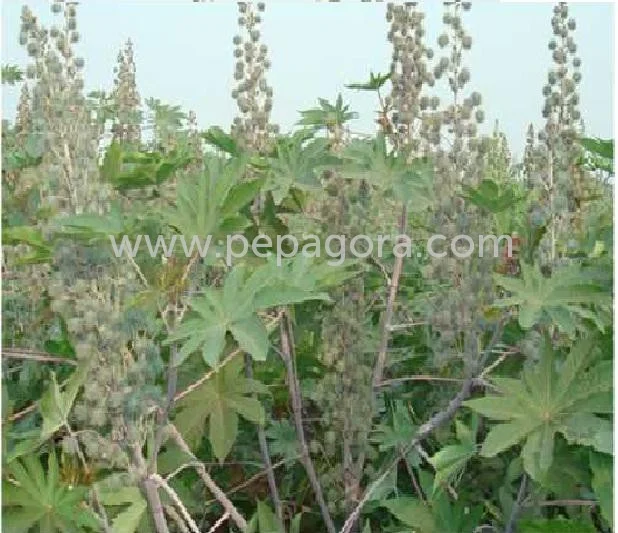
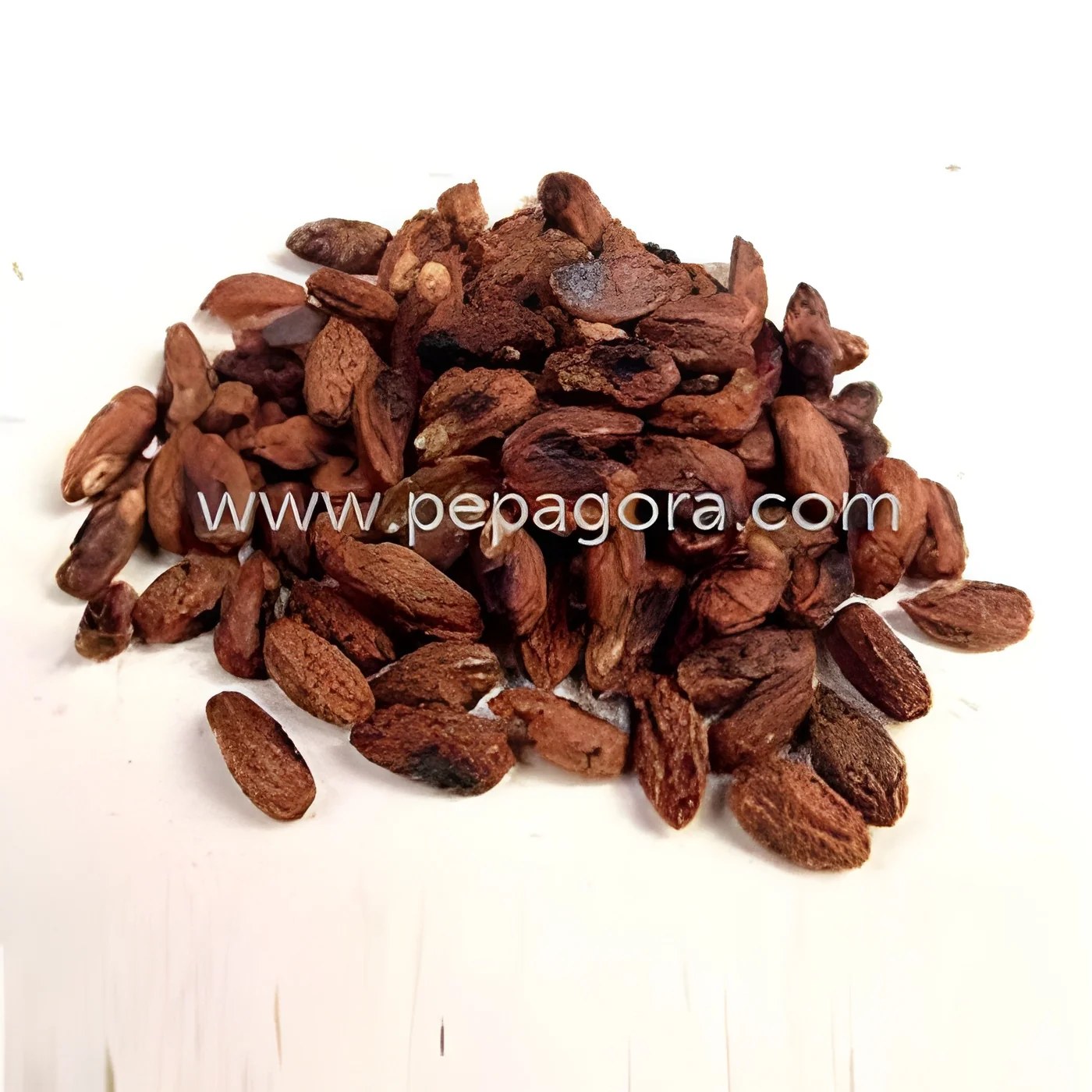
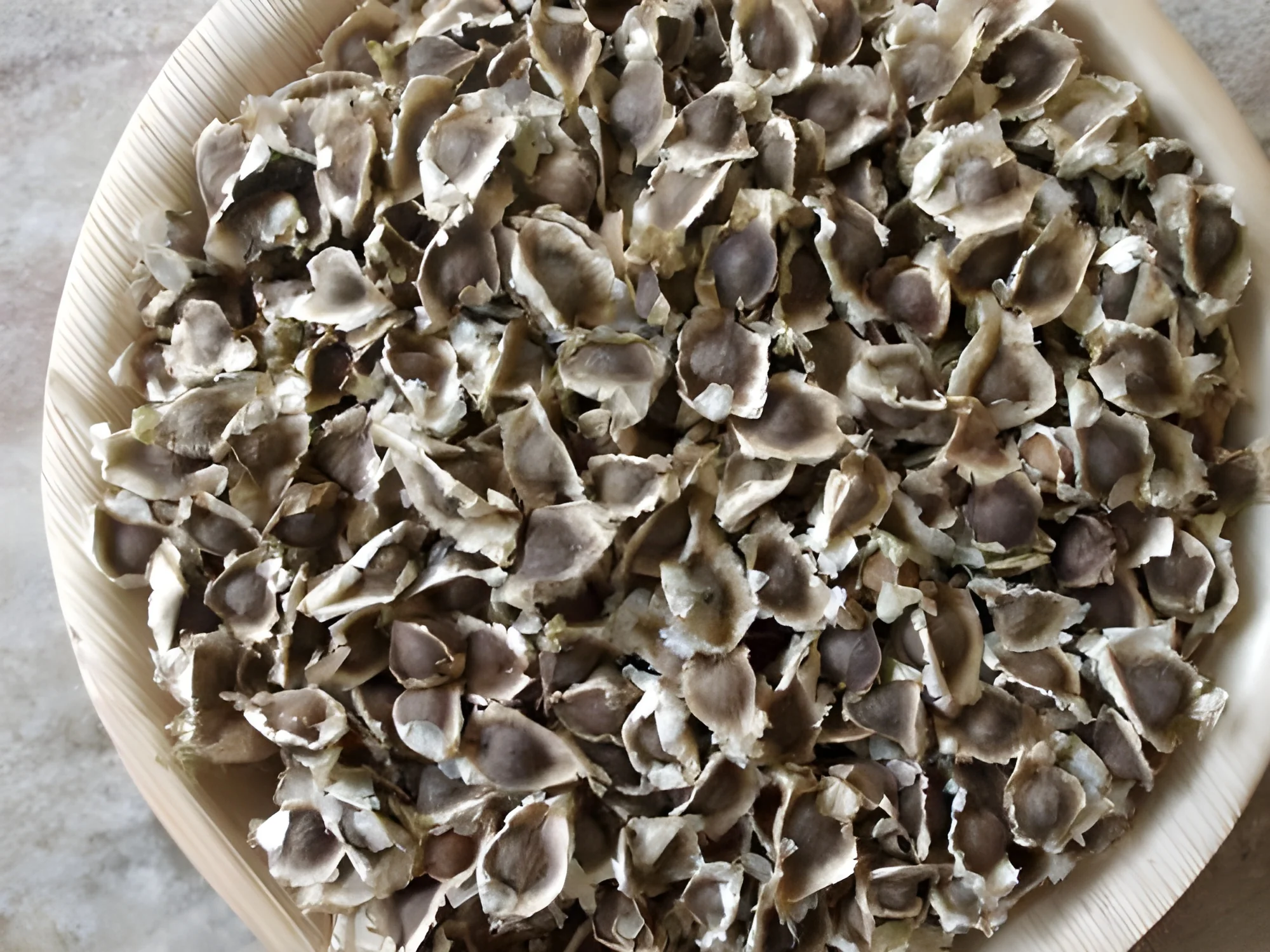
Neem, Pongamia, and Jatropha are three significant plants known for their diverse applications in various industries, particularly in agriculture, biofuels, and natural products. Neem (Azadirachta indica) is renowned for its medicinal properties and pesticide use. Pongamia (Pongamia pinnata), often referred to as Karanj, is recognized for its oil, which has applications in biodiesel and lubricants. Jatropha (Jatropha curcas) is primarily cultivated for its seeds, which are rich in oil suitable for biodiesel production.
The primary uses of these plants extend beyond fuel. Neem is widely utilized in pharmaceuticals, cosmetics, and agriculture as a natural pesticide. Pongamia oil serves as a sustainable alternative for energy production and as a raw material for various industrial applications. Jatropha is valued for its potential to produce biofuel, while its by-products can be used in soap and as a fertilizer. In the current market, these plants are increasingly relevant due to the growing demand for sustainable and eco-friendly products, aligning with global trends in renewable energy and organic farming.
Key Features and Specifications
Neem, Pongamia, and Jatropha have distinctive features that make them valuable in various applications. Each plant has specific specifications that cater to different industries and uses.
Key specifications include:
1. Oil Content
- Neem seeds contain about 40-50% oil.
- Pongamia seeds have an oil content of approximately 30-35%.
- Jatropha seeds are known for their high oil yield of 30-40%.
2. Growth Requirements
- Neem thrives in tropical and subtropical climates with well-drained soil.
- Pongamia prefers warm, humid conditions and can tolerate poor soil quality.
- Jatropha grows well in arid and semi-arid regions, requiring minimal irrigation.
3. Extraction Method
- Neem oil is typically extracted through cold pressing or solvent extraction.
- Pongamia oil extraction can also be done via cold pressing, ensuring high quality.
- Jatropha oil is extracted using mechanical pressing or solvent extraction methods.
4. Fertilizer Benefits
- Neem cake serves as an organic fertilizer, improving soil health.
- Pongamia can enhance soil fertility and prevent erosion.
- Jatropha can be used as a green manure, enriching the soil.
5. Medicinal Properties
- Neem is known for its antibacterial, antifungal, and antiviral properties.
- Pongamia has been studied for its anti-inflammatory effects.
- Jatropha exhibits potential in treating various ailments, although caution is advised due to toxicity in certain parts.
6. Biodiversity Contribution
- Neem supports beneficial insects and promotes biodiversity.
- Pongamia trees can provide shade and habitat for wildlife.
- Jatropha can be intercropped with other plants, enhancing agricultural biodiversity.
7. Carbon Sequestration
- All three plants contribute to carbon sequestration, helping mitigate climate change.
These specifications underline the versatility and importance of Neem, Pongamia, and Jatropha in today's industrial landscape.
Common Applications and Use Cases
Neem, Pongamia, and Jatropha are utilized across various industries, demonstrating their versatility.
1. Agriculture: Neem is extensively used as a natural pesticide, helping farmers manage pests without harmful chemicals. Its derivatives are also used in organic farming.
2. Energy: Pongamia and Jatropha are primarily cultivated for biofuel production. Their oils are processed into biodiesel, contributing to renewable energy solutions.
3. Pharmaceuticals: Neem's medicinal properties make it a key ingredient in many herbal remedies and skincare products, promoting health and wellness.
4. Cosmetics: The oil extracted from Neem and Pongamia is used in cosmetic formulations, offering natural alternatives for beauty products.
5. Fertilizers: Neem cake is widely regarded as an organic fertilizer, while Jatropha can improve soil fertility.
6. Industrial Lubricants: Pongamia oil is used to produce eco-friendly lubricants for various industrial applications.
7. Soap and Personal Care: Jatropha oil is used in the production of soaps and personal care products, leveraging its moisturizing properties.
Product Variants and Subcategories
While specific subcategories are not available, the diversity of Neem, Pongamia, and Jatropha allows for various product forms to cater to different market needs.
Neem Oil
Neem oil is extracted from the seeds and is known for its insecticidal and medicinal properties. It is widely used in agriculture as a natural pest repellent and in personal care products for its skin benefits.
Pongamia Oil
Pongamia oil is derived from the seeds of the Pongamia tree. It is primarily used for biodiesel production due to its high oil content. Additionally, it has applications in lubricants and as a natural pesticide.
Jatropha Oil
Jatropha oil, extracted from the seeds, is primarily used for biodiesel production. It is also used in the manufacturing of soaps and as a feedstock for biodiesel, making it a valuable resource in the renewable energy sector.
Benefits and Advantages
Sourcing Neem, Pongamia, and Jatropha offers numerous benefits for businesses looking to incorporate sustainable practices.
Key benefits include:
1. Sustainability: These plants provide renewable resources, supporting eco-friendly practices in agriculture and energy.
2. Cost-Effectiveness: Utilizing by-products like Neem cake and Jatropha press cake can reduce overall production costs in agriculture.
3. Health Benefits: Neem and Pongamia offer medicinal properties that can enhance product offerings in pharmaceuticals and personal care.
4. Versatility: The multiple applications of these plants allow businesses to diversify their product lines.
5. Environmental Impact: Cultivating these plants contributes to carbon sequestration and supports biodiversity.
6. Market Demand: The global shift towards sustainable and organic products creates a strong market for Neem, Pongamia, and Jatropha.
Buying Guide for B2B Buyers
When sourcing Neem, Pongamia, and Jatropha, various factors should be considered to ensure successful procurement.
1. Quality Assessment: Evaluate the quality of seeds and oils through laboratory testing and certifications. This ensures that the products meet industry standards.
2. Supplier Verification: Research potential suppliers to confirm their reliability and quality assurance processes. Look for reviews and industry reputation.
3. Pricing and MOQ: Understand the pricing structures and minimum order quantities set by suppliers. This will help in budgeting and planning purchases.
4. Delivery and Lead Times: Discuss logistics and expected delivery times with suppliers to ensure timely availability of products.
5. Compliance Requirements: Be aware of any regulatory standards that apply to the products, such as safety and quality certifications, to ensure compliance.
Compliance and Certifications
Compliance and certifications are critical for Neem, Pongamia, and Jatropha products to ensure safety and quality.
Relevant quality standards include ISO 9001, which focuses on quality management systems, ensuring that products meet customer and regulatory requirements. HACCP (Hazard Analysis Critical Control Point) is essential for food safety, particularly for Neem products used in cosmetics and personal care.
Industry certifications like CE mark products as compliant with European health and safety standards. Additional safety and testing requirements may vary depending on the specific application of the products.
Regional compliance considerations are important as different countries may have varying regulations regarding biofuels, organic products, and agricultural inputs. Buyers should familiarize themselves with local guidelines to ensure full compliance.
Why Source Neem, Pongamia & Jatropha from Pepagora?
Pepagora offers a reliable platform for sourcing Neem, Pongamia, and Jatropha, emphasizing quality and trust in the supply chain.
Verified Supplier Network: Pepagora connects buyers with verified suppliers, ensuring that all vendors meet stringent quality and safety standards. This verification process fosters trust and reliability in procurement.
Streamlined RFQ Process: The Request for Quotation (RFQ) process on Pepagora is designed to be user-friendly. Buyers can easily submit their requirements and receive competitive quotes from multiple suppliers.
Trade Assurance and Support: Pepagora provides trade assurance to protect buyers, ensuring that transactions are secure and that quality standards are met. Support services are available to assist with any inquiries or issues.
Regional Coverage: With a focus on markets in India, the GCC, and Southeast Asia, Pepagora offers extensive geographic reach. This allows buyers to access a diverse range of suppliers and products, catering to various industrial needs.

 IN
IN