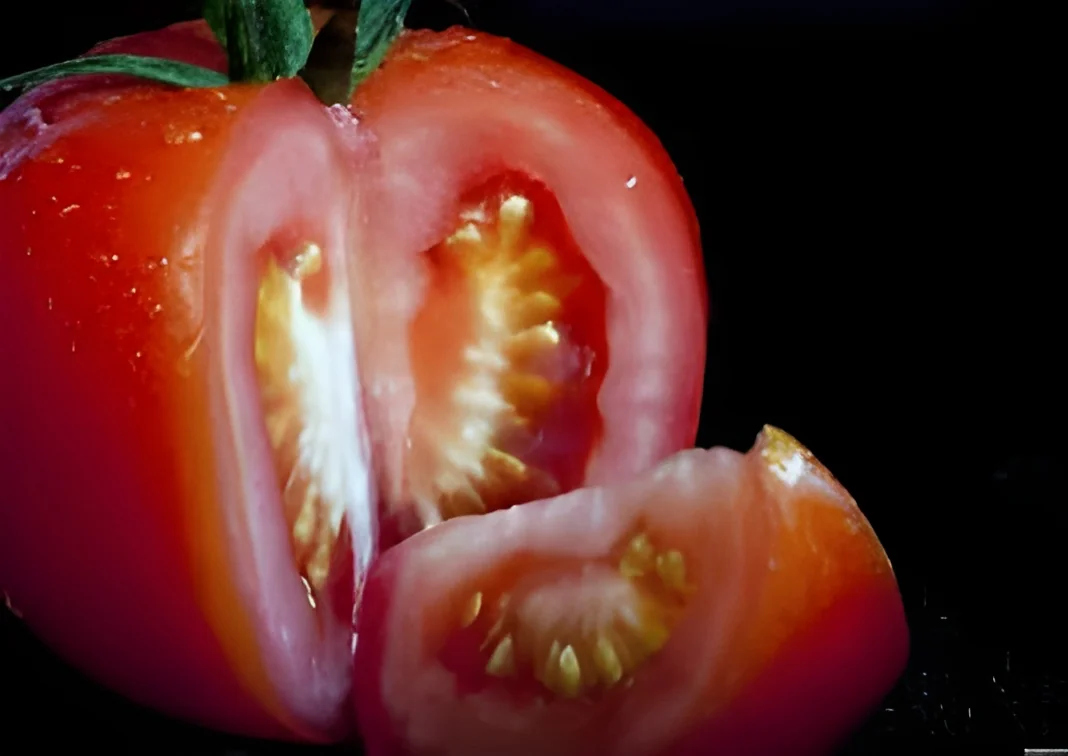
What are Tomato Seeds?
Tomato seeds are the reproductive units of the tomato plant, enabling the growth of new tomato plants. They are typically small, round, and vary in color from yellow to brown. Tomato seeds are crucial for agricultural production, as they facilitate the cultivation of one of the most popular fruits globally. These seeds can be categorized into different types based on their growth habits, such as determinate and indeterminate varieties.
In the B2B context, tomato seeds are extensively used in agriculture and horticulture. They serve as the primary input for farmers and commercial growers who produce tomatoes for fresh markets and processing industries. The demand for high-quality tomato seeds is driven by the growing need for efficient crop production and disease-resistant varieties. The industry is significant, with a steady increase in market size driven by factors such as population growth and rising health consciousness among consumers.
Key Features and Specifications
Tomato seeds come with distinct features and specifications that cater to various agricultural needs. Understanding these specifications is essential for selecting the right type for specific cultivation conditions.
Key specifications include:
1. Seed Variety
- Types include heirloom, hybrids, and genetically modified organisms (GMOs).
- Each variety has unique growth characteristics and yield potential.
2. Germination Rate
- Indicates the percentage of seeds expected to sprout under optimal conditions.
- Typical rates range from 85% to 95%, depending on quality.
3. Seed Size
- Varies from small to medium, influencing planting density and growth patterns.
- Generally, larger seeds may have a higher initial vigor.
4. Disease Resistance
- Many seeds are bred for resistance to common tomato diseases such as blight and wilt.
- Resistance traits can significantly impact yield and quality.
5. Growth Habit
- Includes determinate (bushy type) and indeterminate (vining type) plants.
- Affects the management practices required during cultivation.
6. Maturity Time
- Refers to the time taken for the plant to produce ripe fruit, typically ranging from 60 to 90 days.
- Important for planning harvest schedules.
In summary, selecting tomato seeds based on these specifications can enhance productivity and ensure successful crop management.
Common Applications and Use Cases
Tomato seeds have diverse applications across several industries, primarily in agriculture and food production.
1. Agriculture: Farmers use tomato seeds to grow fruit for fresh consumption and processing into products like sauces and canned goods.
2. Horticulture: Gardeners and landscape professionals cultivate tomatoes for home gardens and ornamental purposes, choosing varieties based on flavor and aesthetics.
3. Food Processing: Companies involved in the production of tomato-based products rely on high-yield varieties to meet market demands and maintain consistent quality.
4. Organic Farming: Organic growers select non-GMO seeds to align with sustainable practices and cater to the rising consumer demand for organic produce.
5. Research and Development: Agricultural scientists utilize diverse seed varieties in breeding programs aimed at developing new cultivars with improved traits.
Product Variants and Subcategories
Tomato seeds exhibit a wide range of variants to suit various agricultural needs, allowing growers to choose based on their specific requirements.
Hybrid Tomato Seeds: These seeds combine traits from two different parent plants, resulting in improved yield, disease resistance, and uniformity in fruit size and shape. They are popular among commercial growers for their reliability and performance.
Heirloom Tomato Seeds: Known for their rich flavor and historical significance, heirloom seeds are open-pollinated and have been passed down through generations. They are favored by home gardeners and specialty markets for unique varieties.
Benefits and Advantages
Sourcing high-quality tomato seeds provides numerous advantages to growers and businesses.
1. Enhanced Yield: High-quality seeds can significantly improve crop yields, allowing farmers to maximize their production.
2. Disease Resistance: Selecting disease-resistant varieties helps minimize crop loss and reduces the need for chemical treatments.
3. Adaptability: Many tomato seeds are bred to thrive in specific climatic conditions, ensuring better performance in diverse environments.
4. Flavor Quality: Premium seeds often result in superior taste and texture, essential for fresh market sales.
5. Economic Viability: Investing in quality seeds can lead to better overall profitability through higher returns on investment.
6. Sustainability: Using seeds bred for resilience can contribute to sustainable agricultural practices by reducing resource inputs.
Buying Guide for B2B Buyers
When sourcing tomato seeds, several key factors should be considered to ensure optimal selection and procurement.
1. Quality Assessment: Evaluate seeds based on germination rates, disease resistance, and overall vigor. Conduct laboratory tests if necessary to confirm quality.
2. Supplier Verification: Vet suppliers to ensure they provide certified seeds with proper documentation. Check for industry certifications and customer reviews.
3. Pricing and MOQ: Understand the pricing structure and minimum order quantities required by suppliers. Compare costs to ensure competitiveness while maintaining quality.
4. Delivery and Lead Times: Discuss logistics with suppliers to establish delivery schedules and lead times. This is crucial for planning planting and harvest cycles.
5. Compliance Requirements: Ensure that seeds meet regional agricultural regulations and standards, including any required certifications for import/export.
Compliance and Certifications
Tomato seeds are subject to various quality standards and certifications that ensure their suitability for agricultural use. Compliance with these standards is essential for maintaining product integrity and safety.
ISO 9001: This international standard focuses on quality management systems, ensuring that suppliers maintain high-quality production processes.
CE Certification: This certification demonstrates that products meet European safety and environmental requirements, enhancing market access for suppliers.
Safety and Testing Requirements: Seeds should undergo rigorous testing for pathogens and genetic modifications to guarantee safety for consumption and environmental impact.
Regional Compliance Considerations: Depending on the market, additional regulations may apply, necessitating adherence to local agricultural standards and practices.
Why Source Tomato Seeds from Pepagora?
Pepagora offers a reliable platform for sourcing tomato seeds, catering to the diverse needs of businesses in the agricultural sector.
Verified Supplier Network: The platform features a network of verified suppliers, ensuring that buyers can access high-quality seeds with confidence. Each supplier undergoes a thorough vetting process to maintain standards.
Streamlined RFQ Process: Pepagora simplifies the request for quotation process, allowing businesses to quickly connect with suppliers and receive competitive pricing tailored to their needs.
Trade Assurance and Support: Buyers can benefit from robust trade assurance, providing protection during transactions. The support team is available to assist with inquiries and resolve any issues.
Regional Coverage: Pepagora's geographic reach extends across India, GCC countries, and Southeast Asia, ensuring that businesses can source tomato seeds efficiently in multiple markets.

 IN
IN