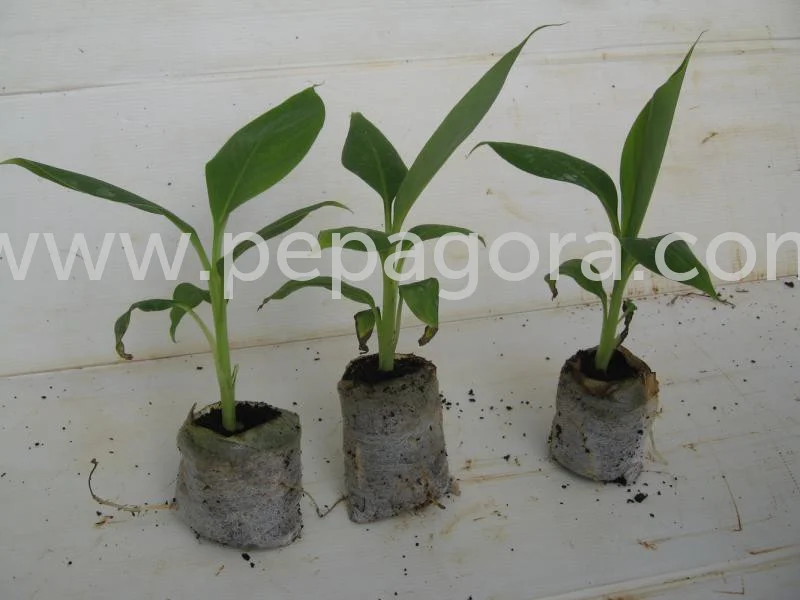
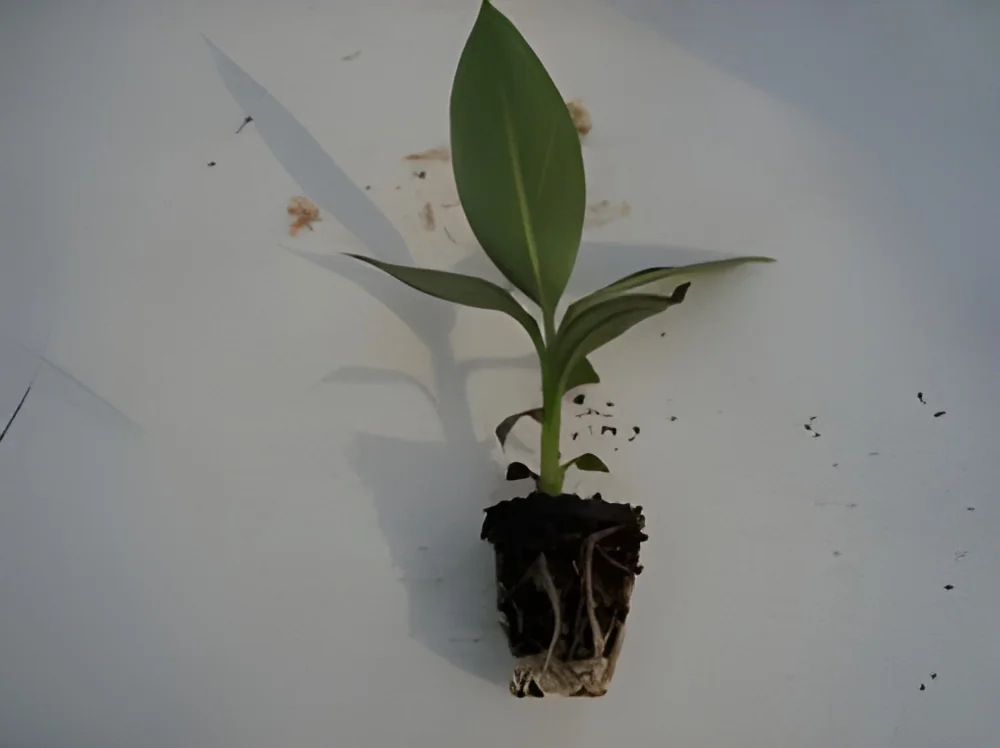
What are Banana Tissue Culture Plants?
Banana tissue culture plants are genetically identical clones of banana plants produced through a laboratory technique known as tissue culture. This process involves cultivating banana cells in a nutrient-rich medium under sterile conditions, allowing for the propagation of high-quality plants that exhibit desirable traits. The use of tissue culture technology ensures that the plants are free from diseases and pests, which is a significant advantage over traditional propagation methods.
These plants are primarily utilized in commercial banana cultivation, where consistency and quality are crucial. They are suited for large-scale agriculture, providing farmers with the ability to produce uniform crops that yield higher outputs. Additionally, these plants can be used in research and development within the agricultural sector, helping to improve banana varieties and explore new applications in food production. In the context of the global banana market, the demand for tissue culture plants is growing, driven by the need for sustainable and efficient farming practices.
Key Features and Specifications
Banana tissue culture plants come with several key features that enhance their viability for commercial agriculture. These specifications help in identifying the right plants for various farming environments and needs.
Key specifications include:
1. Genetic Uniformity
- Plants are clones, ensuring all have the same genetic makeup.
- Reduces variability in growth and yield.
2. Disease Resistance
- Tissue culture plants are produced in sterile conditions.
- Minimizes the risk of diseases and pests.
3. High Yield Potential
- Selected for traits that enhance fruit production.
- Consistent quality and size of bananas.
4. Adaptability
- Suitable for various climatic conditions.
- Can be cultivated in diverse soil types.
5. Quick Establishment
- Rapid growth rates compared to traditional methods.
- Shorter time to market for produce.
6. Controlled Propagation
- Allows for year-round production.
- Facilitates better planning of harvest cycles.
7. Quality Assurance
- Compliance with agricultural standards for quality.
- Regular testing to ensure optimal plant health.
8. Environmental Sustainability
- Reduces the need for chemical treatments.
- Promotes eco-friendly agricultural practices.
These features make banana tissue culture plants an essential component in modern agriculture, ensuring efficiency, quality, and sustainability.
Common Applications and Use Cases
Banana tissue culture plants find applications across various sectors within agriculture and food production.
1. Commercial Farming: These plants are widely used in large-scale banana plantations, ensuring uniformity and consistent crop yields.
2. Export Markets: Countries that export bananas often rely on tissue culture plants to meet international quality standards, ensuring fresh and disease-free products.
3. Research Institutions: Agricultural research centers utilize these plants for genetic studies and to develop improved banana varieties.
4. Nursery Production: Tissue culture plants are ideal for nurseries that specialize in supplying high-quality seedlings to farmers.
5. Organic Farming: As they reduce the need for chemical treatments, these plants fit well within organic farming practices, promoting sustainability.
6. Agroforestry: Banana tissue culture plants are also integrated into agroforestry systems, providing shade and enhancing biodiversity.
7. Landscaping: Some varieties are used in landscaping projects for decorative purposes, given their aesthetic appeal.
Product Variants and Subcategories
Banana tissue culture plants are diverse, catering to various agricultural needs.
Cavendish Variety
This is the most popular variant, known for its high yield and disease resistance. It is widely cultivated for commercial banana production and is favored in export markets due to its durability and taste.
Red Dacca Variety
Known for its unique flavor and color, this variant is often grown for local consumption. It thrives in tropical climates and is sought after for its sweet taste, making it ideal for niche markets.
Burro Variety
This variant is characterized by its distinctive shape and taste. It is less common but is appreciated in specific regions for its culinary uses, adding diversity to banana farming.
Benefits and Advantages
Banana tissue culture plants offer numerous benefits to growers and stakeholders in the agricultural sector.
Key benefits include:
1. Higher Crop Yields: The genetic uniformity of tissue culture plants leads to increased productivity and consistency in crop yields.
2. Disease-Free Plants: The sterile propagation process ensures that plants are free from pathogens, reducing losses and enhancing quality.
3. Faster Growth Rates: Tissue culture plants establish quickly, allowing for earlier harvests and better revenue timing.
4. Resource Efficiency: These plants require less water and fertilizer compared to conventionally propagated plants, reducing input costs.
5. Environmental Benefits: By minimizing the need for chemical treatments, tissue culture plants contribute to environmentally sustainable farming.
6. Market Competitiveness: Farmers using tissue culture plants can produce higher quality products that meet market demands, enhancing profitability.
Buying Guide for B2B Buyers
When sourcing banana tissue culture plants, several factors should be considered to ensure a successful purchase.
1. Quality Assessment: Evaluate the quality of the plants by checking for certifications and conducting physical inspections. Look for healthy, robust plants with no signs of disease.
2. Supplier Verification: Research potential suppliers to ensure they have a good track record. Verify their production methods and compliance with industry standards.
3. Pricing and MOQ: Understand the pricing structure and consider the minimum order quantities (MOQ) that fit your business needs. Compare prices from different suppliers for better deals.
4. Delivery and Lead Times: Discuss delivery options and lead times with suppliers to ensure timely supply. Consider logistical aspects that may affect the delivery schedule.
5. Compliance Requirements: Ensure that the plants meet regional agricultural regulations and quality standards. This includes checking for necessary certifications.
Compliance and Certifications
Banana tissue culture plants must adhere to several quality standards and certifications to ensure they meet market requirements.
Reputable standards such as ISO 9001 and HACCP emphasize quality management and food safety in agricultural practices. Compliance with Good Distribution Practices (GDP) ensures that the plants are handled correctly throughout the supply chain.
Industry certifications like CE and UL validate the safety and quality of the plants, helping to build trust with buyers. Additionally, regional compliance is crucial, as different countries may have specific agricultural regulations concerning the import and sale of tissue culture plants.
Understanding and adhering to these compliance requirements not only enhances product quality but also opens up opportunities in the global market.
Why Source Banana Tissue Culture Plants from Pepagora?
Pepagora provides a trusted platform for sourcing banana tissue culture plants with several key advantages.
Verified Supplier Network: Pepagora connects buyers with a network of verified suppliers, ensuring that every supplier meets rigorous quality and compliance standards. This network fosters trust and reliability in sourcing.
Streamlined RFQ Process: The platform offers a user-friendly request for quotation (RFQ) system, making it easy for buyers to obtain quotations from multiple suppliers quickly. This efficiency saves time and facilitates better decision-making.
Trade Assurance and Support: Pepagora provides trade assurance, protecting buyers against potential risks during transactions. The support team is available to assist with any inquiries or issues that may arise.
Regional Coverage: With a strong presence in regions like India, the GCC, and Southeast Asia, Pepagora ensures that buyers can access a wide range of tissue culture plants tailored to their local market needs. This geographic reach enhances sourcing efficiency and market responsiveness.

 IN
IN