What are Seed Exporters & Distributors?
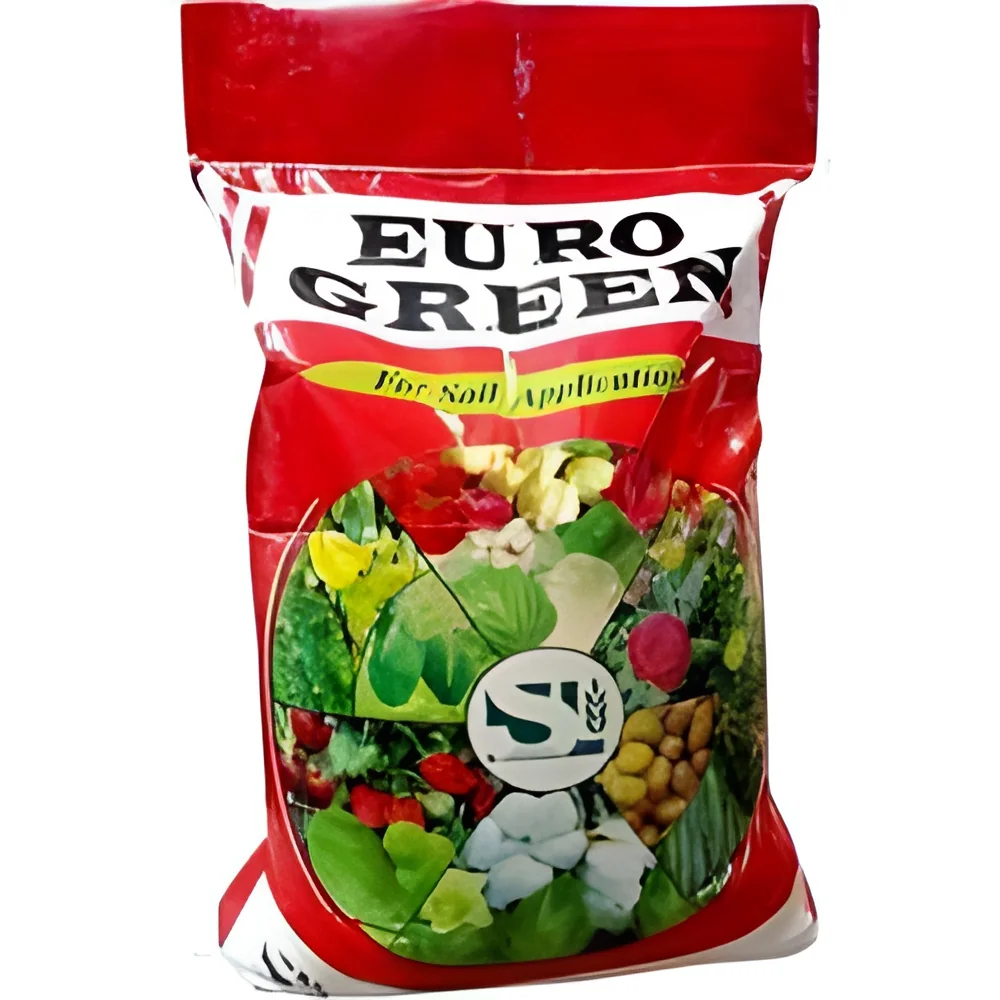
Seed exporters and distributors are companies that specialize in the procurement, storage, and distribution of various types of seeds for agriculture and horticulture. They play a crucial role in the supply chain by ensuring that high-quality seeds are available to farmers and agricultural businesses. These entities often operate on both national and international levels, facilitating trade between seed producers and end-users. Their operations can include seed treatment, packaging, and logistics to ensure the seeds maintain their viability during transport.
The primary uses of seed exporters and distributors include providing seeds for crop production, landscaping, and gardening. They cater to a diverse range of customers, including commercial farms, nurseries, and home gardeners. By sourcing seeds from reliable producers, they help ensure that their customers receive products that meet specific agricultural standards and quality requirements. The relevance of seed exporters and distributors in the agricultural industry cannot be understated, as they contribute significantly to food security and sustainable farming practices. In a global market, they are essential for the movement of seeds across borders, impacting agricultural productivity and innovation.
Key Features and Specifications
Seed exporters and distributors must adhere to a variety of specifications and standards to ensure quality and reliability. These specifications are essential for maintaining product integrity and meeting customer demands.
Key specifications include:
1. Seed Quality
- High germination rates
- Disease resistance
2. Packaging Standards
- Durable and moisture-resistant materials
- Labeling that includes crop type, variety, and expiration date
3. Storage Conditions
- Controlled temperature and humidity levels to maintain seed viability
- Use of pest control measures
4. Traceability
- Ability to track seed origin and supply chain
- Compliance with labeling regulations
5. Certification
- Seeds must meet local and international certification standards
- Quality assurance through third-party testing
6. Minimum Order Quantities (MOQ)
- Defined MOQs depending on seed type and supplier
- Flexibility for bulk orders
7. Lead Times
- Standard lead times for order fulfillment
- Options for expedited shipping
8. Compliance with Agricultural Standards
- Adherence to local agricultural regulations
- Compliance with international trade requirements
These specifications ensure that seed exporters and distributors provide high-quality products that meet market demands.
Common Applications and Use Cases
Seed exporters and distributors serve a wide range of industries, each with specific applications.
1. Agriculture: Seeds are supplied to farmers for crop production, including grains, vegetables, and fruits, ensuring food supply and sustainability.
2. Horticulture: Distributors provide seeds for ornamental plants and flowers, catering to nurseries and landscape professionals.
3. Research Institutions: Seeds are often used in agricultural research to develop new varieties and improve crop yields.
4. Home Gardening: Distributors offer a variety of seeds for home gardeners, including herbs and specialty plants.
5. Organic Farming: Seed exporters provide organic-certified seeds to meet the growing demand for organic produce.
6. Landscape Architecture: Seeds for turf and ground cover plants are provided to landscape architects for public and private projects.
7. Greenhouses: Seeds suitable for greenhouse cultivation are distributed for year-round production.
Product Variants and Subcategories
The seed export and distribution market features various product variants tailored to different agricultural needs.
Hybrid Seeds
Hybrid seeds are developed through controlled pollination to enhance yield and disease resistance. They are commonly used in commercial agriculture for crops like corn and soybeans.
Open-Pollinated Seeds
These seeds are naturally pollinated and can be saved and replanted. They are favored by organic farmers and home gardeners for their sustainability.
Heritage Seeds
Heritage seeds are traditional varieties that have been passed down through generations. They are valued for their unique flavors and adaptability.
GMO Seeds
Genetically modified seeds are engineered for specific traits, such as pest resistance or drought tolerance. They are often used in large-scale farming.
Benefits and Advantages
Sourcing seeds from reputable exporters and distributors offers several key benefits.
1. Quality Assurance: Reliable distributors ensure high germination rates and seed health, crucial for successful crop production.
2. Diverse Selection: Access to a wide variety of seed types allows businesses to choose the best options for their specific needs.
3. Expertise and Support: Seed distributors often provide expert advice on seed selection and cultivation techniques.
4. Time Efficiency: By sourcing from established distributors, buyers can streamline their procurement process and reduce lead times.
5. Compliance with Standards: Reputable exporters help ensure that seeds meet necessary agricultural standards and certifications.
6. Risk Mitigation: Working with trusted suppliers reduces the risk of receiving substandard or non-compliant products.
Buying Guide for B2B Buyers
When sourcing seed exporters and distributors, several factors should be considered to ensure a successful partnership.
1. Quality Assessment: Evaluate the quality of seeds through certifications, germination tests, and customer reviews.
2. Supplier Verification: Conduct thorough background checks on potential suppliers to confirm their reliability and reputation in the market.
3. Pricing and MOQ: Understand the pricing structure and minimum order quantities to align with your budget and requirements.
4. Delivery and Lead Times: Discuss logistics and confirm lead times to ensure timely delivery of seeds.
5. Compliance Requirements: Ensure that the supplier adheres to local and international agricultural regulations and standards.
Compliance and Certifications
Compliance with relevant quality standards is crucial for seed exporters and distributors. Important certifications include ISO 9001 for quality management systems, HACCP for food safety, and GDP for good distribution practices. These standards ensure that the products meet specific quality and safety requirements throughout the supply chain.
Industry certifications, such as CE marking, indicate compliance with European standards, enhancing marketability. Safety and testing requirements often involve rigorous testing for diseases and contaminants, ensuring seed health and viability.
Regional compliance considerations are also important, as different countries have varying regulations concerning seed imports and exports. Adhering to these regulations is essential for smooth international trade and to avoid legal complications.
Why Source Seed Exporters & Distributors from Pepagora?
Pepagora provides a trusted platform for sourcing seed exporters and distributors, offering numerous advantages to buyers.
Verified Supplier Network: Pepagora meticulously verifies its suppliers to ensure they meet stringent quality and reliability standards. This verification process helps buyers make informed choices and reduces the risk of sourcing low-quality seeds.
Streamlined RFQ Process: The request for quotation (RFQ) system simplifies the procurement process for buyers. It allows them to quickly compare supplier offerings and obtain competitive pricing.
Trade Assurance and Support: Buyers benefit from trade assurance programs that offer protection and support throughout the purchasing process. This includes assistance with logistics and compliance issues.
Regional Coverage: Pepagora has a wide geographic reach, serving markets in India, the GCC, and Southeast Asia. This extensive network allows buyers to access a diverse range of seeds and distributors, enhancing their sourcing options.
By choosing Pepagora, buyers can confidently navigate the seed export and distribution market, ensuring they find the right partners for their agricultural needs.

 IN
IN