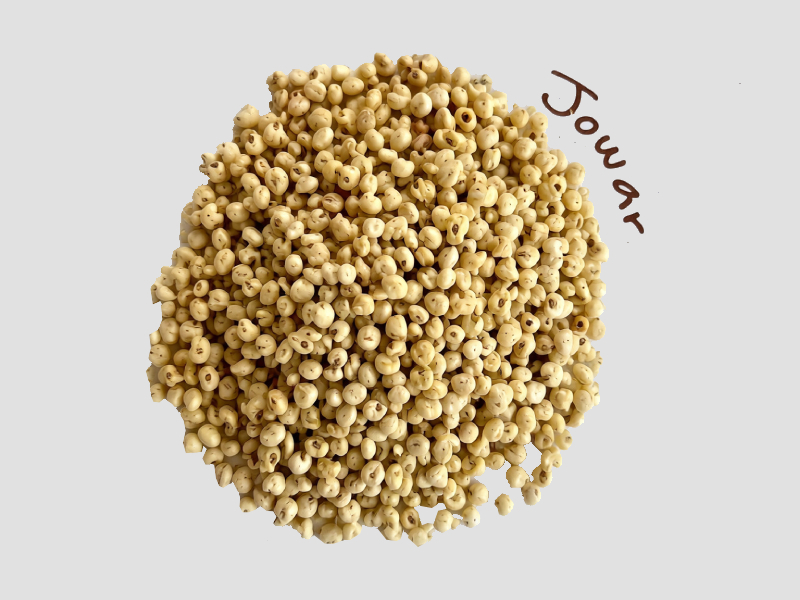
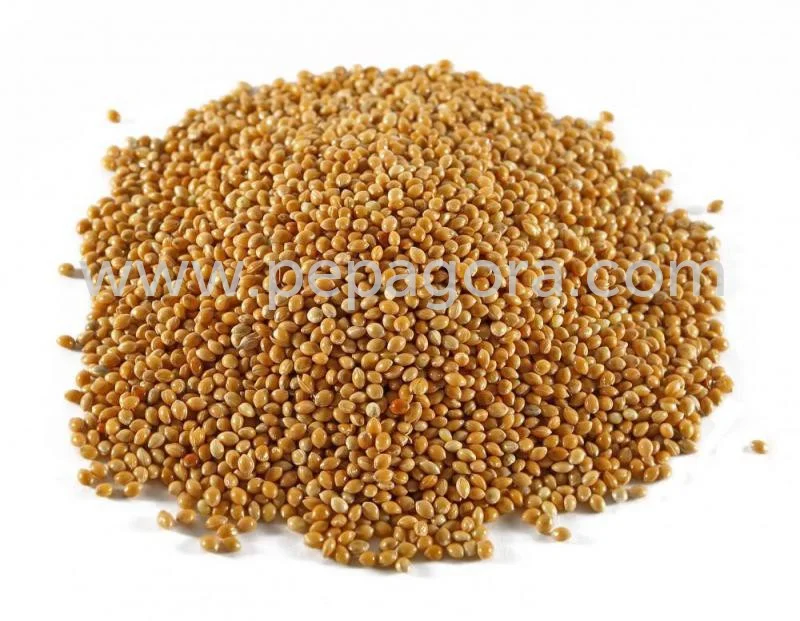
Key Features and Specifications
Sorghum seeds offer a range of features and specifications that make them suitable for various agricultural applications. These seeds are characterized by their hardy nature and adaptability to diverse climatic conditions.
Key specifications include:
1. Germination Rate
- Typically ranges from 85% to 95%
- A critical factor for seed viability
2. Seed Size
- Average size is approximately 3 to 5 mm in diameter
- Affects planting density and yield
3. Color Variety
- Available in colors such as white, yellow, red, and brown
- Color can influence market demand and pricing
4. Moisture Content
- Ideal moisture content is between 12% to 14%
- Essential for storage and shelf life
5. Nutritional Value
- Contains about 70% carbohydrates, 10% protein, and 3% fat
- High in fiber and essential minerals
6. Pests Resistance
- Naturally resistant to certain pests and diseases
- Reduces reliance on chemical pesticides
7. Harvesting Time
- Typically harvested 90 to 120 days after planting
- Varies based on specific varieties and growing conditions
8. Shelf Life
- Properly stored seeds can last up to 2 years
- Important for long-term planning and inventory management
These specifications highlight the versatility and resilience of Sorghum, making it a valuable crop for farmers and businesses alike.
Common Applications and Use Cases
Sorghum (Jowar) seeds have diverse applications across multiple industries.
1. Agriculture: Used primarily as a staple food crop, providing essential calories for populations in many regions.
2. Animal Feed: Sorghum is an economical choice for livestock feed, offering a good source of energy and nutrients.
3. Food Processing: The seeds can be ground into flour for baking gluten-free products, such as bread and pastries.
4. Biofuels: Sorghum is increasingly used in the production of bioethanol, contributing to renewable energy solutions.
5. Brewing Industry: The fermentation of Sorghum seeds is utilized in producing traditional alcoholic beverages in various cultures.
6. Health Products: Due to its gluten-free nature, Sorghum is incorporated into health foods and dietary supplements.
7. Snack Foods: Sorghum is processed into snacks and cereals, catering to the growing demand for healthy snack options.
Product Variants and Subcategories
Sorghum seeds come in various types, each with unique characteristics that cater to different market needs.
White Sorghum
This variant is commonly used in food processing and is favored for its mild flavor. It is ideal for flour production and is often used in gluten-free baking.
Red Sorghum
Known for its high antioxidant content, red Sorghum is often utilized in health-focused products. It is a popular choice for traditional dishes in various cultures.
Yellow Sorghum
This variety is rich in carotenoids and is often used in animal feed and food products. Its vibrant color appeals to consumers looking for nutritious options.
Brown Sorghum
Brown Sorghum has a higher fiber content and is commonly used in whole grain products. It is popular among health-conscious consumers.
Benefits and Advantages
Sorghum (Jowar) seeds offer numerous benefits for businesses and consumers alike.
Key benefits include:
1. Nutritional Richness: Sorghum is packed with essential nutrients, making it a valuable addition to diets.
2. Gluten-Free: Its natural gluten-free property makes it suitable for individuals with gluten intolerance or celiac disease.
3. Drought Resistant: Sorghum's ability to thrive in dry conditions ensures stable yields even in adverse climates.
4. Versatile Applications: The seeds can be used in various industries, from food production to biofuels, enhancing market opportunities.
5. Cost-Effective: Sorghum is often less expensive to cultivate compared to other grains, providing economic advantages for farmers.
6. Sustainable Crop: The growth of Sorghum requires fewer resources and can contribute to sustainable agricultural practices.
Buying Guide for B2B Buyers
When sourcing Sorghum (Jowar) Seeds, it is essential for B2B buyers to consider several factors to ensure they make informed purchasing decisions.
1. Quality Assessment: Buyers should evaluate seed quality based on germination rates and nutritional content. Samples may be requested for testing before bulk purchases.
2. Supplier Verification: It is crucial to vet suppliers for their reliability and reputation in the market. Certifications and references can help in making informed choices.
3. Pricing and MOQ: Understanding market prices and the minimum order quantities can help buyers plan their budgets and manage inventory effectively.
4. Delivery and Lead Times: Buyers should inquire about expected delivery schedules and lead times to ensure they meet their operational timelines.
5. Compliance Requirements: Familiarity with local and international regulations regarding agricultural products is necessary to avoid legal issues.
Compliance and Certifications
Sorghum (Jowar) Seeds are subject to various quality standards and certifications that ensure their safety and effectiveness in the market. Key certifications include CE, which indicates conformity with health, safety, and environmental protection standards within the European Union.
Additionally, compliance with ISO 9001 ensures that suppliers maintain quality management systems, leading to consistent product quality. Adherence to HACCP guidelines is also crucial, as it focuses on identifying and managing food safety hazards.
Regional compliance considerations may vary, so it is essential for buyers to be aware of local regulations governing agricultural products, ensuring that sourced seeds meet all required standards.
Why Source Sorghum (Jowar) Seeds from Pepagora?
Pepagora is a trusted platform for sourcing Sorghum (Jowar) Seeds, offering a range of advantages to B2B buyers.
Verified Supplier Network: Pepagora connects buyers with a network of verified suppliers, ensuring that the seeds sourced are of high quality and meet industry standards. This reduces the risk associated with procurement.
Streamlined RFQ Process: The platform features a user-friendly Request for Quotation (RFQ) process, allowing buyers to easily communicate their needs and receive competitive quotes from multiple suppliers.
Trade Assurance and Support: Pepagora provides trade assurance, offering buyers protection throughout the purchasing process. Their support team is available to assist with any inquiries or issues that may arise.
Regional Coverage: With a presence in India, the GCC, and Southeast Asia, Pepagora ensures that buyers have access to a wide range of Sorghum (Jowar) Seed suppliers, catering to various market needs and preferences.

 IN
IN