
 IN
Tawas & Griddles
7 products available
What are Tawas & Griddles?
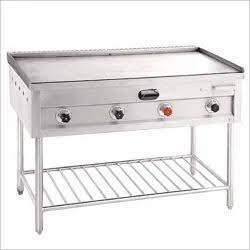
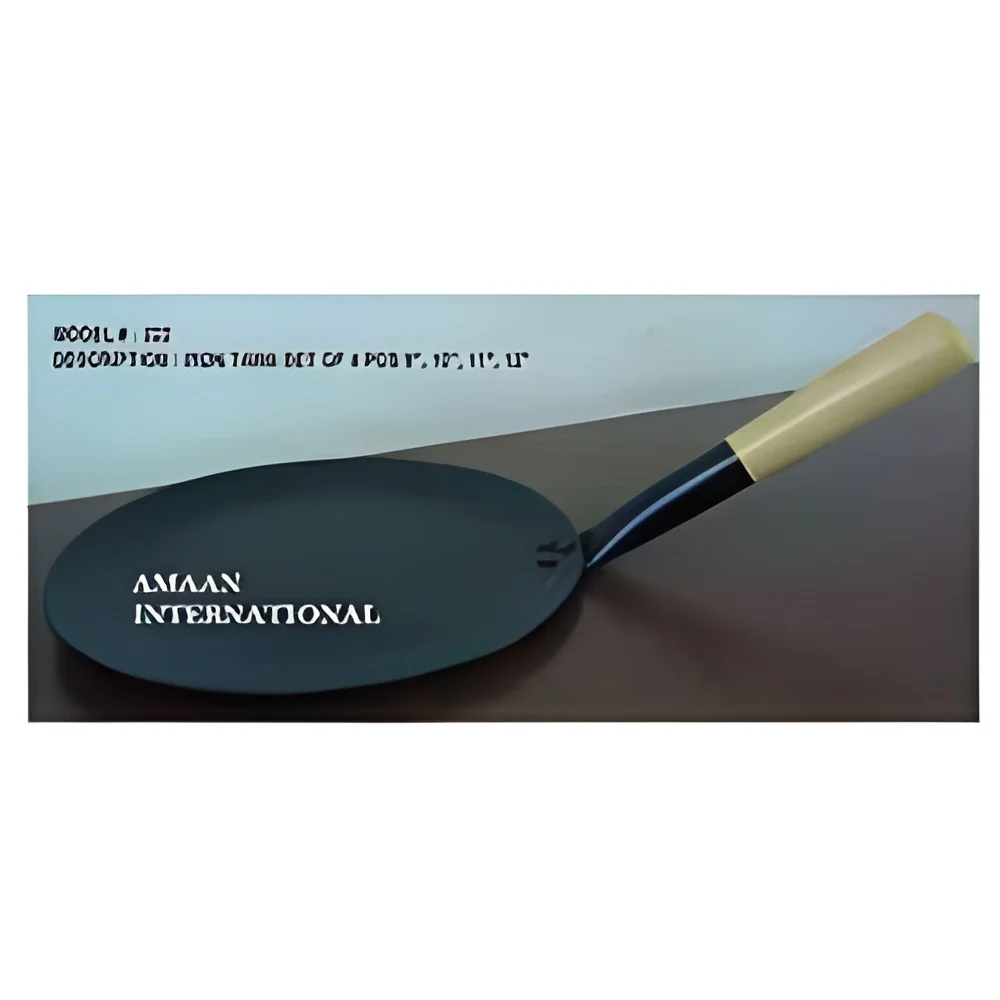
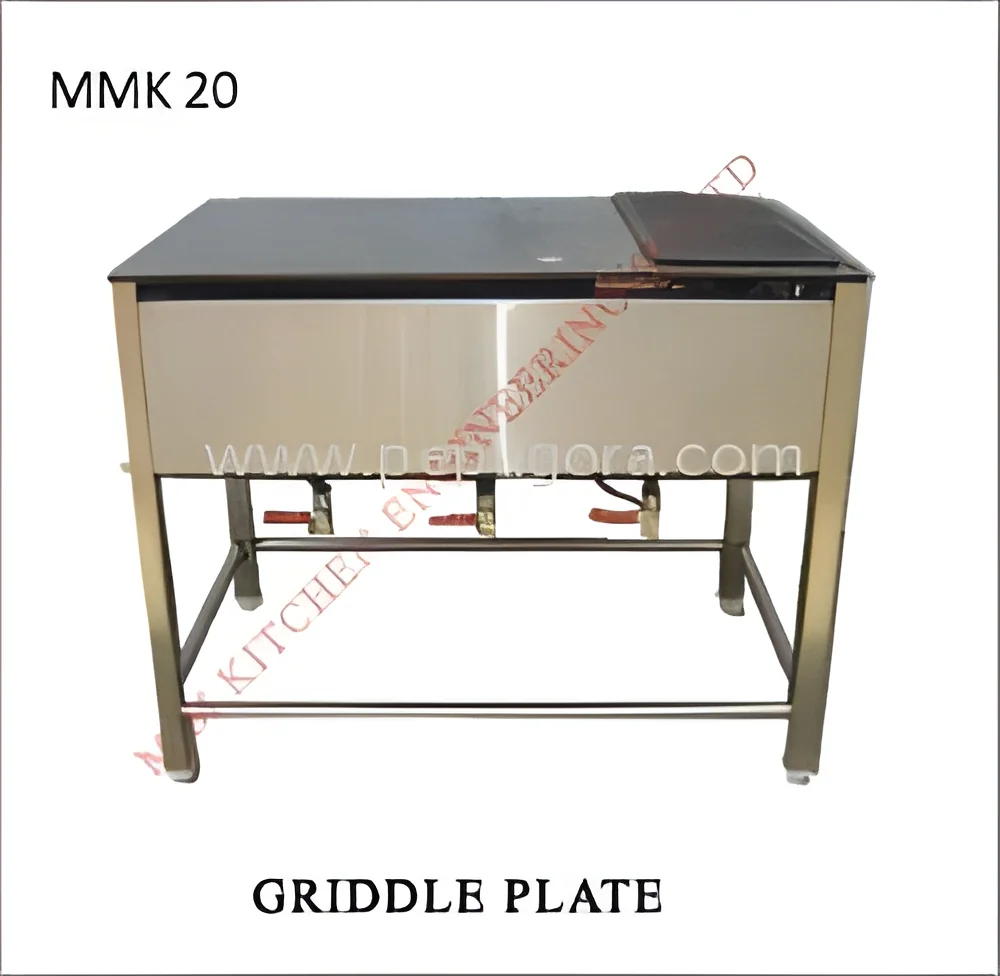
Tawas and griddles are essential cooking tools widely used in both commercial and residential kitchens. Tawas, often made from cast iron or aluminum, are flat, round pans traditionally used in Indian cooking to prepare a variety of dishes. Griddles, on the other hand, are flat cooking surfaces that can be heated directly and are typically used to cook pancakes, burgers, and sandwiches. Both of these tools are designed for high heat cooking, providing even heat distribution and ensuring that food is cooked thoroughly.
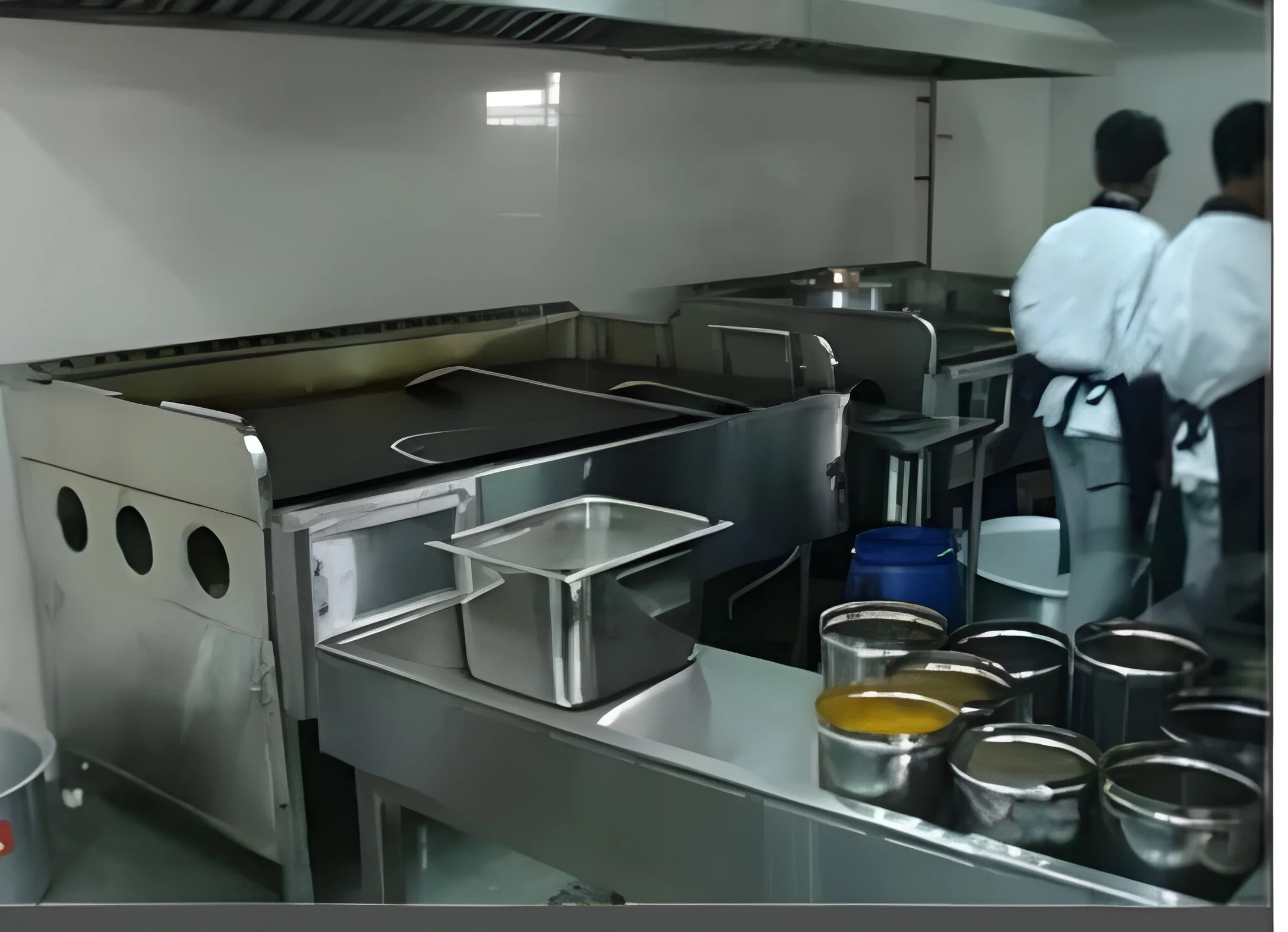
The primary uses of tawas and griddles extend beyond basic cooking. In a commercial setting, they are ideal for preparing large quantities of food quickly and efficiently. Restaurants, catering services, and food trucks benefit from these tools due to their versatility and ability to accommodate various cooking techniques, such as sautéing, frying, and toasting. The importance of tawas and griddles in the foodservice industry cannot be overstated, as they contribute to consistent food quality and operational efficiency.
In the current market, tawas and griddles are gaining popularity due to the increasing demand for diverse culinary experiences. As more consumers seek authentic dishes from different cultures, the need for these cooking tools is rising in both professional kitchens and home cooking environments. This trend is reinforced by the growth of the restaurant industry and the rise of food delivery services that require efficient cooking solutions.
Key Features and Specifications
Tawas and griddles come with several features and specifications that enhance their usability and performance. Understanding these specifications can help buyers select the right product for their needs.
Key specifications include:
1. Material
- Common materials include cast iron and aluminum.
- Cast iron offers durability and excellent heat retention.
2. Size and Dimensions
- Available in various diameters, typically ranging from 20 cm to 40 cm.
- Larger sizes are suitable for commercial applications.
3. Heat Resistance
- Designed to withstand high temperatures for various cooking methods.
- Typically resistant to temperatures above 300 degrees Celsius.
4. Surface Finish
- Non-stick coatings are available for easy cleaning and food release.
- Some models come with a seasoned finish for enhanced flavor.
5. Weight
- Weights can vary significantly, impacting ease of handling.
- Heavier models provide better stability during cooking.
6. Compatibility
- Suitable for use on gas, electric, and induction cooktops.
- Some griddles are designed for outdoor grilling.
7. Maintenance Requirements
- Cast iron tawas require seasoning to maintain their quality.
- Non-stick griddles need careful cleaning to preserve the coating.
8. Warranty and Support
- Many manufacturers offer warranties ranging from one to five years.
- Customer support for maintenance and replacement parts is often available.
In summary, understanding the key features and specifications of tawas and griddles is crucial for making an informed purchasing decision. By considering the material, size, and maintenance needs, businesses can choose the right tools to enhance their cooking capabilities.
Common Applications and Use Cases
Tawas and griddles are utilized across various industries, catering to diverse culinary requirements.
1. Restaurants: Tawas and griddles are commonly found in Indian and Asian restaurants, where they are used to prepare traditional dishes such as dosas and parathas.
2. Catering Services: These tools allow caterers to cook and serve large quantities of food efficiently, making them ideal for weddings and events.
3. Food Trucks: With their compact design and versatility, tawas and griddles are perfect for food trucks that offer a range of grilled items and quick snacks.
4. Hotels: Tawas and griddles are used in hotel kitchens to provide breakfast items, including pancakes and omelets, to guests.
5. Educational Institutions: Culinary schools and training institutes use these cooking tools to teach students various cooking techniques.
6. Home Kitchens: Many home cooks prefer tawas and griddles for their ability to prepare quick meals, especially breakfast items.
7. Meal Prep Businesses: With the rise of meal prep services, tawas and griddles are essential for efficiently cooking large batches of food.
Product Variants and Subcategories
Tawas and griddles come in various forms, each serving unique purposes in the kitchen. Their diversity allows users to select the right variant based on their specific cooking needs.
Traditional Tawa
This variant is typically made of cast iron and is used for making flatbreads like roti and chapati. It retains heat well and provides a distinct flavor to the cooked items.
Non-Stick Griddle
Designed for easy cleaning and hassle-free cooking, these griddles feature a non-stick surface that prevents food from sticking. They are ideal for pancakes and eggs.
Electric Griddle
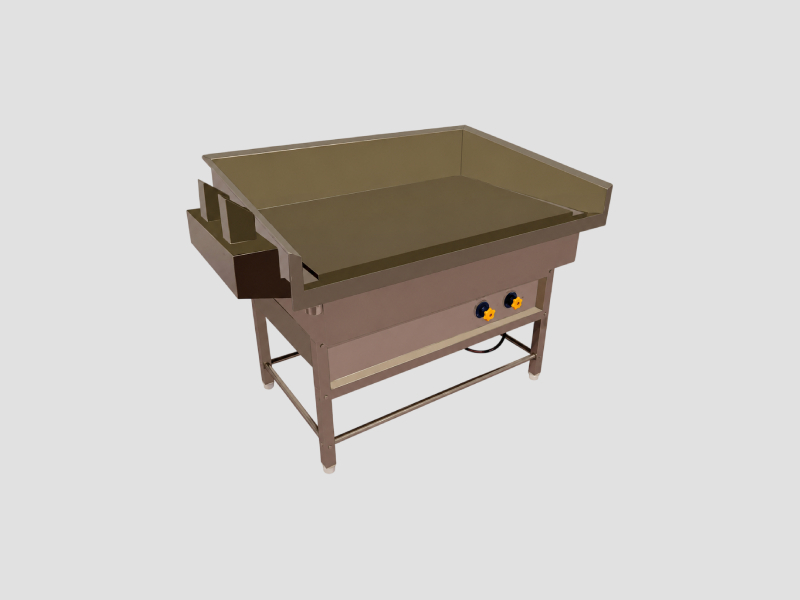
These griddles come with built-in heating elements, providing precise temperature control. They are commonly used in commercial kitchens for cooking various dishes simultaneously.
Cast Iron Griddle
Known for its durability, this variant provides excellent heat retention and distribution. It is suitable for high-heat cooking methods and can be used on stovetops or grills.
Benefits and Advantages
Investing in tawas and griddles offers several advantages for businesses in the culinary sector.
Key benefits include:
1. Versatility: Tawas and griddles can be used for a wide range of cooking methods, from frying to baking, making them essential kitchen tools.
2. Efficiency: These cooking tools enable quick cooking, allowing businesses to serve customers faster and increase overall productivity.
3. Durability: High-quality materials like cast iron ensure longevity and consistent performance, reducing the need for frequent replacements.
4. Flavor Enhancement: Cooking on cast iron tawas enhances the flavor of food, adding a unique taste that customers appreciate.
5. Easy Maintenance: Non-stick options simplify the cleaning process, allowing busy kitchen staff to maintain hygiene standards easily.
6. Cost-Effectiveness: Investing in durable tawas and griddles reduces long-term costs associated with replacements and repairs.
Buying Guide for B2B Buyers
When sourcing tawas and griddles, B2B buyers should consider several critical factors to ensure they select the right products for their operations.
1. Quality Assessment: Look for tawas and griddles made from high-quality materials that can withstand the rigors of commercial use. Check for certifications and customer reviews.
2. Supplier Verification: Vet suppliers by reviewing their history, reputation, and customer feedback. Ensure they provide reliable products and prompt service.
3. Pricing and MOQ: Understand the pricing structure and minimum order quantities (MOQs) offered by suppliers to ensure they align with your budget and needs.
4. Delivery and Lead Times: Inquire about delivery schedules and lead times to ensure timely receipt of products, especially for urgent orders.
5. Compliance Requirements: Ensure that the products meet relevant food safety and industry regulations, including certifications like CE, to avoid compliance issues.
Compliance and Certifications
Compliance with industry standards is vital when sourcing tawas and griddles. Key quality standards include ISO 9001, which ensures that manufacturers maintain quality management systems.
The CE certification is important for confirming that products meet European health, safety, and environmental protection standards. This certification is particularly relevant for businesses importing or exporting cooking tools.
Safety and testing requirements must also be considered. Manufacturers should conduct thorough testing to ensure their products are safe for food contact and can withstand high temperatures.
Additionally, regional compliance considerations may vary based on local regulations. Buyers should familiarize themselves with the specific compliance requirements in their operating regions to ensure their products meet all necessary standards.
Why Source Tawas & Griddles from Pepagora?
Pepagora provides a trusted platform for sourcing tawas and griddles, offering several key advantages for B2B buyers.
Verified Supplier Network: Pepagora connects buyers with a network of verified suppliers, ensuring that all listed products meet quality standards and customer expectations. This verification process helps buyers make informed purchasing decisions.
Streamlined RFQ Process: The platform features an easy-to-use Request for Quotation (RFQ) system, allowing buyers to receive multiple quotations from suppliers quickly. This efficiency helps businesses find competitive pricing and suitable options.
Trade Assurance and Support: Pepagora offers trade assurance to protect buyers against potential issues during transactions. This support provides peace of mind, knowing that assistance is available if needed.
Regional Coverage: With a broad geographic reach that includes India, the GCC, and Southeast Asia, Pepagora ensures that businesses can find local suppliers who understand regional market needs. This regional focus helps facilitate smoother transactions and timely deliveries.


 India
 India
 India
Frequently Asked Questions
What are Tawas & Griddles?
Tawas and griddles are flat cooking surfaces commonly used in Indian cuisine. Tawas are typically made of cast iron or non-stick materials, designed for making rotis, dosas, and chapatis, while griddles offer a larger cooking area suitable for a variety of dishes.
What are the different types of Tawas & Griddles?
There are several types of Tawas and griddles, including cast iron tawas, non-stick tawas, stone griddles, and electric griddles. Each type has its own unique properties and benefits, catering to different cooking styles and preferences.
How do I choose the right Tawas & Griddles?
Choosing the right tawas and griddles depends on your cooking needs and preferences. Consider factors such as material, size, heat conductivity, and whether you prefer non-stick surfaces for easier cleaning.
What are the standard specifications for Tawas & Griddles?
Standard specifications for tawas and griddles include material type (cast iron, aluminum, or non-stick), diameter or size (ranging from 8 inches to 16 inches), and thickness, which can affect heat retention and cooking efficiency.
What is the price range for Tawas & Griddles?
The price range for tawas and griddles varies significantly based on material, size, and brand. Generally, you can expect prices to range from INR 500 to INR 3000 or more, depending on these factors.
What quality standards apply to Tawas & Griddles?
Quality standards for tawas and griddles typically include durability, heat resistance, and safety certifications. It's important to choose products that meet food-grade quality standards to ensure safe cooking.
Where can I find Tawas & Griddles suppliers in India?
You can find tawas and griddles suppliers in India through online B2B marketplaces like Pepagora.com, local kitchenware stores, or directly from manufacturers specializing in cookware.
Can Tawas & Griddles be customized?
Yes, many manufacturers offer customization options for tawas and griddles. This can include variations in size, material, or even branding with your logo, depending on the supplier.
What is the typical minimum order quantity for Tawas & Griddles?
The typical minimum order quantity (MOQ) for tawas and griddles can vary by supplier but generally ranges from 50 to 100 units. It's advisable to check with individual suppliers for their specific MOQs.
What is the typical lead time for Tawas & Griddles?
The typical lead time for tawas and griddles can vary based on the supplier and order size, but it usually ranges from 2 to 6 weeks. Custom orders may require additional time.
Why Businesses Trust Pepagora
Thousands of companies trust Pepagora to source smarter and sell faster
Expand Your Sales Globally

Source Smarter,Grow Faster
