𝗪𝗵𝗮𝘁 𝗮𝗿𝗲 𝗖𝗼𝗼𝗸𝘄𝗮𝗿𝗲 & 𝗕𝗮𝗸𝗲𝘄𝗮𝗿𝗲?
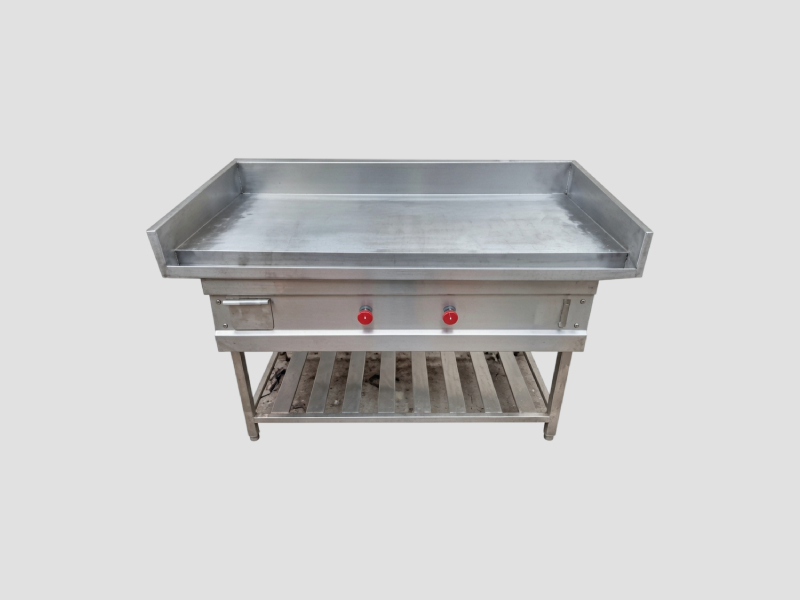
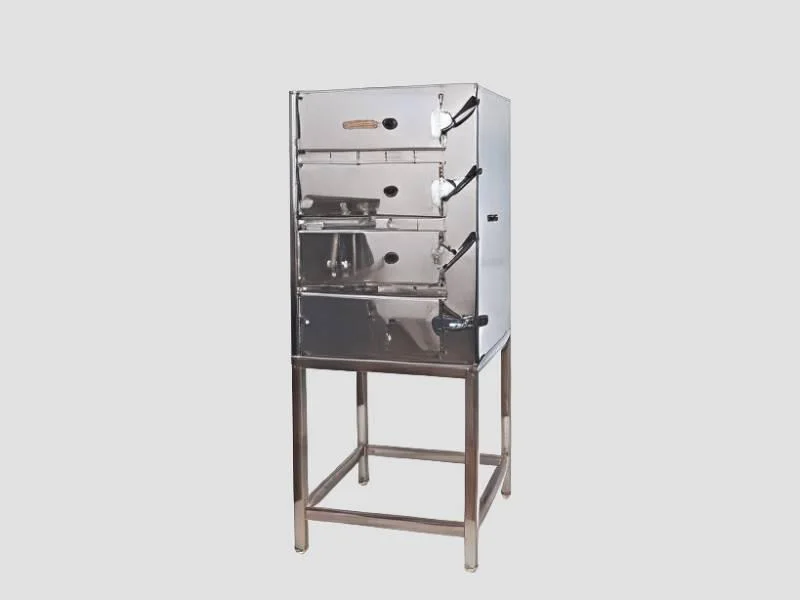
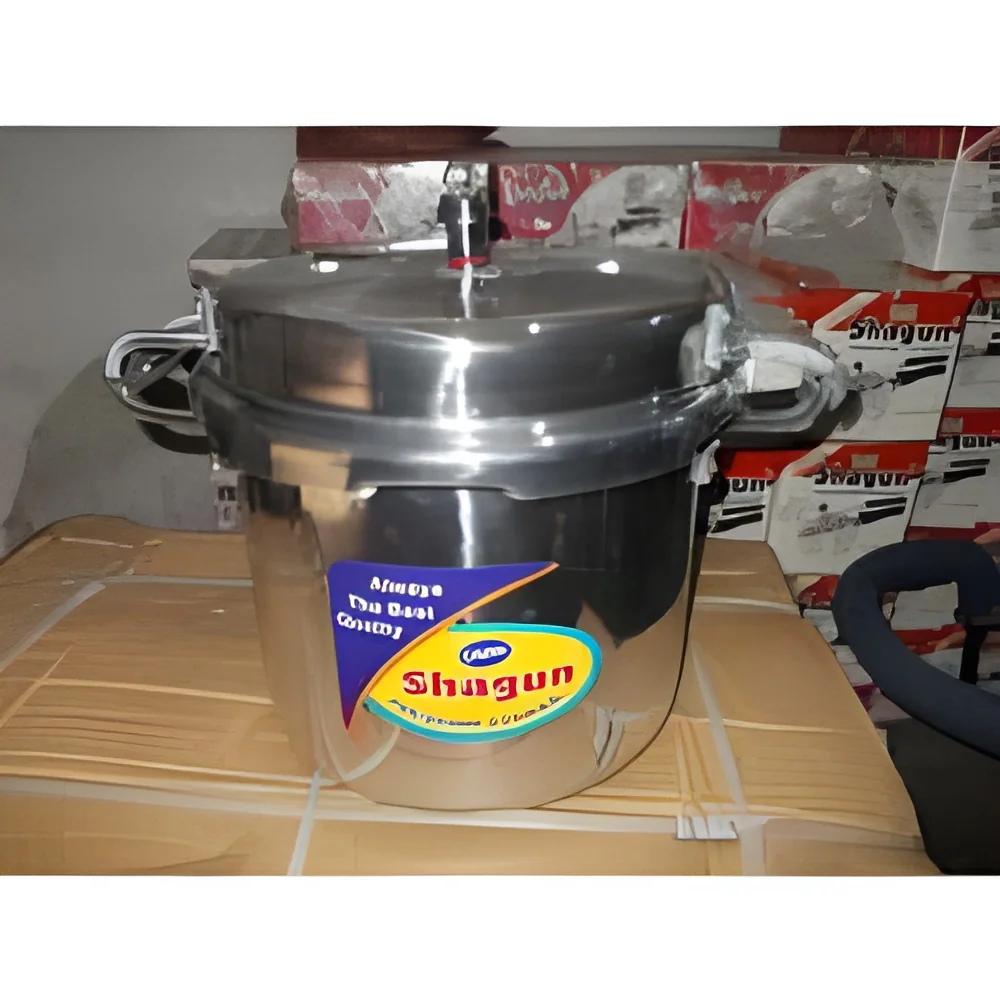
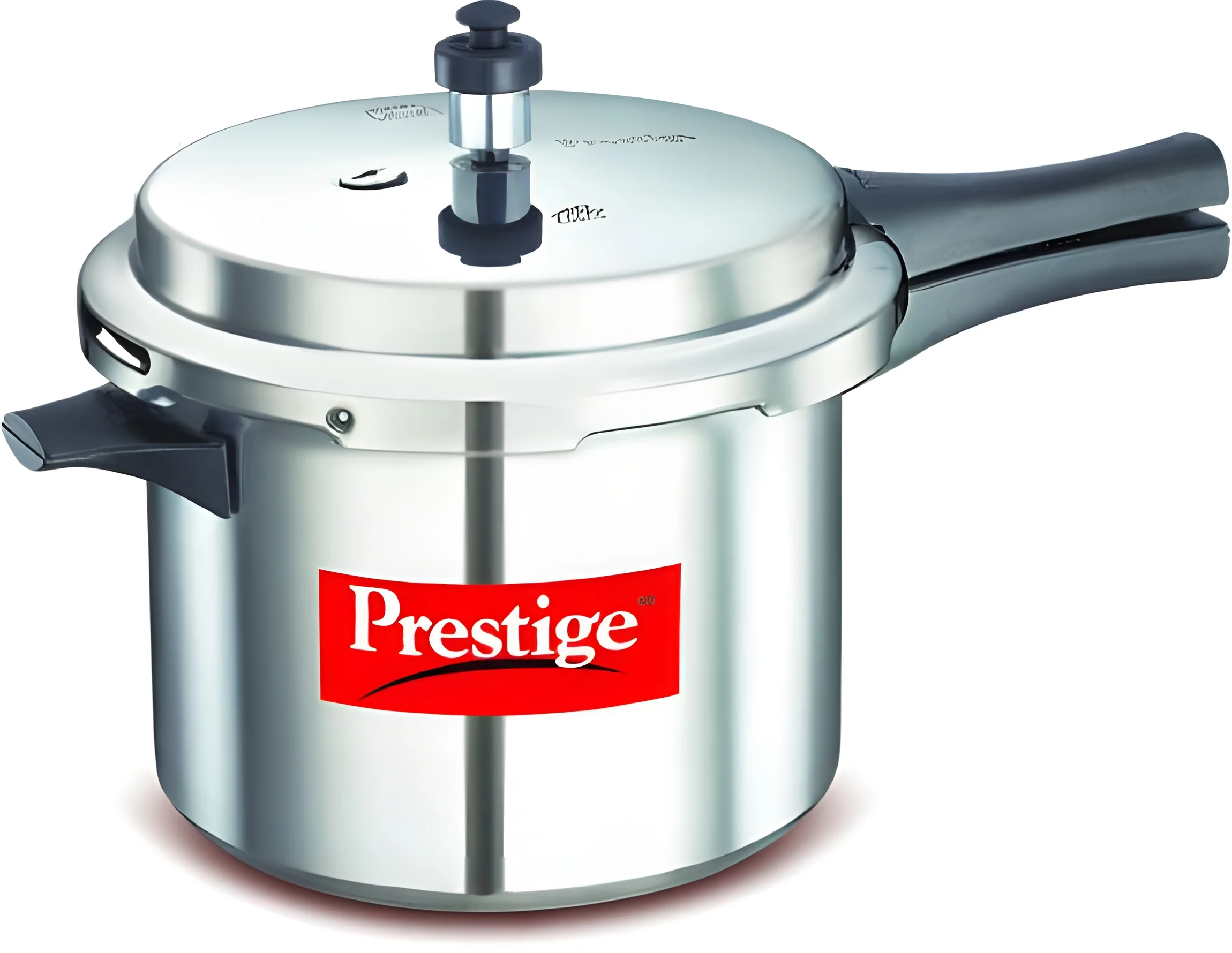
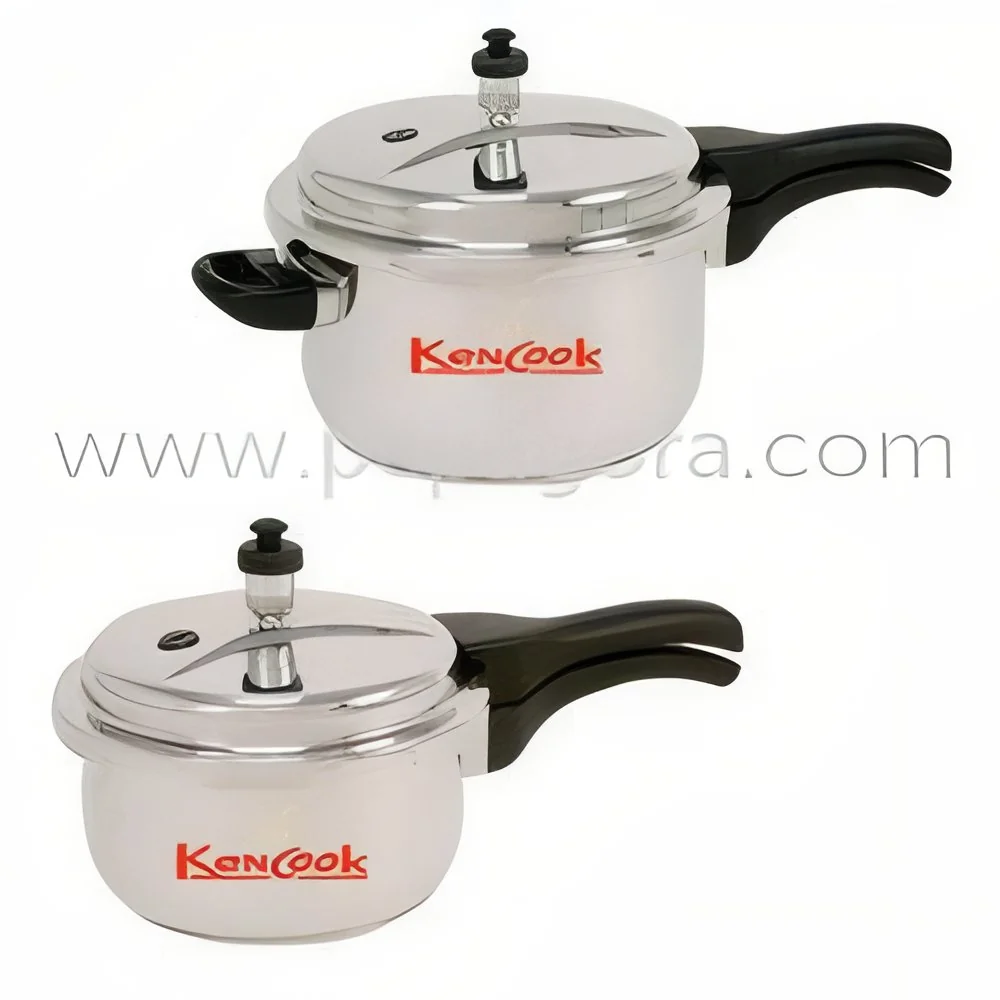
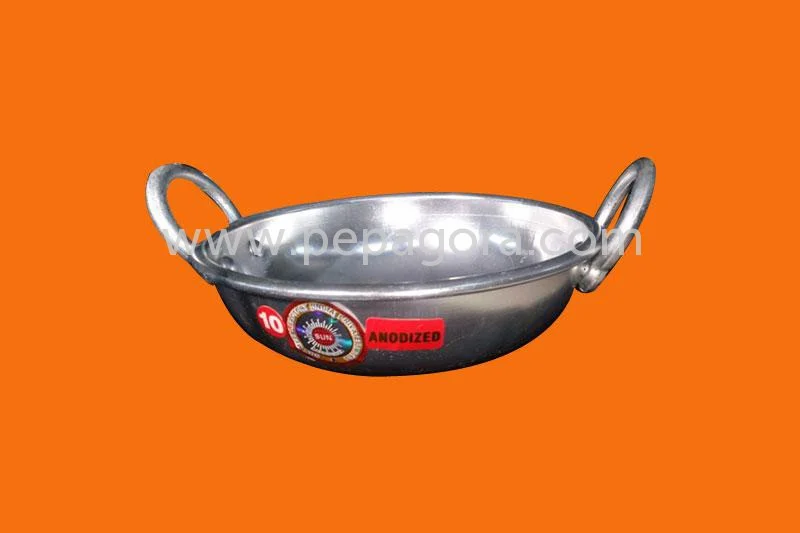
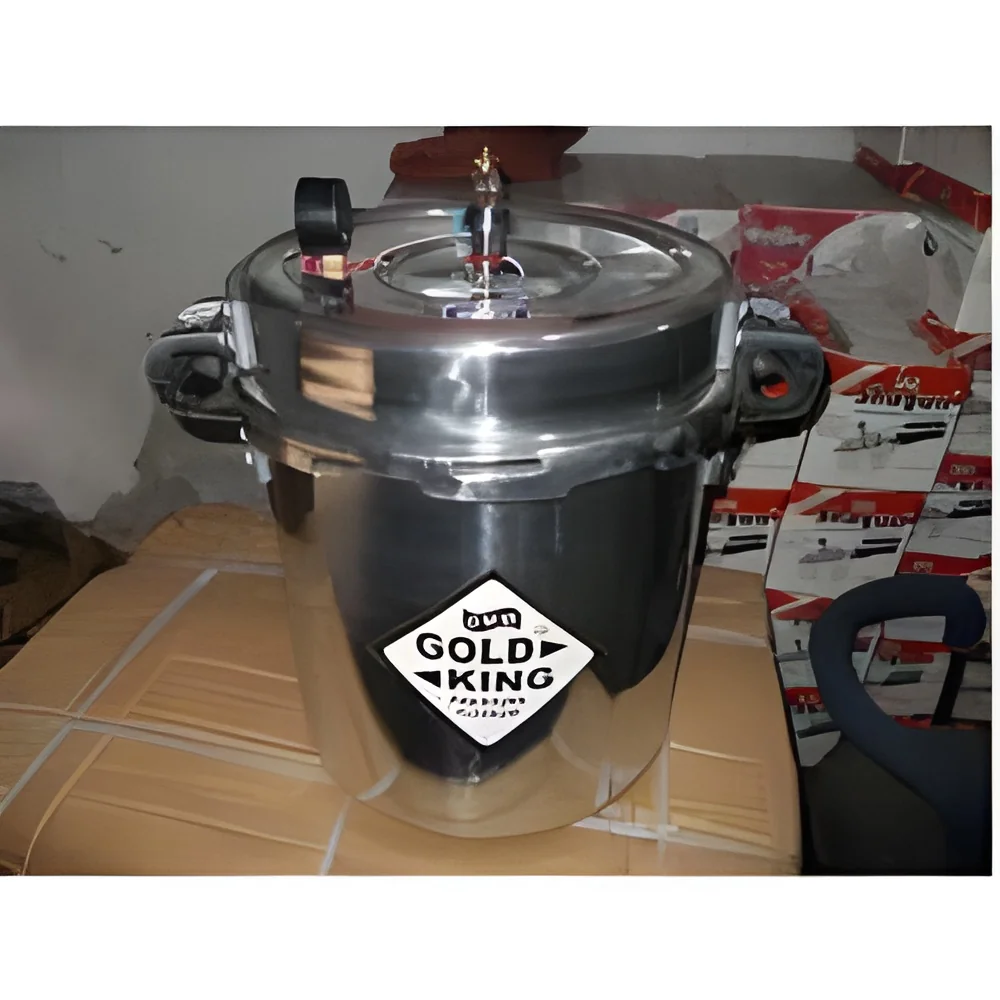
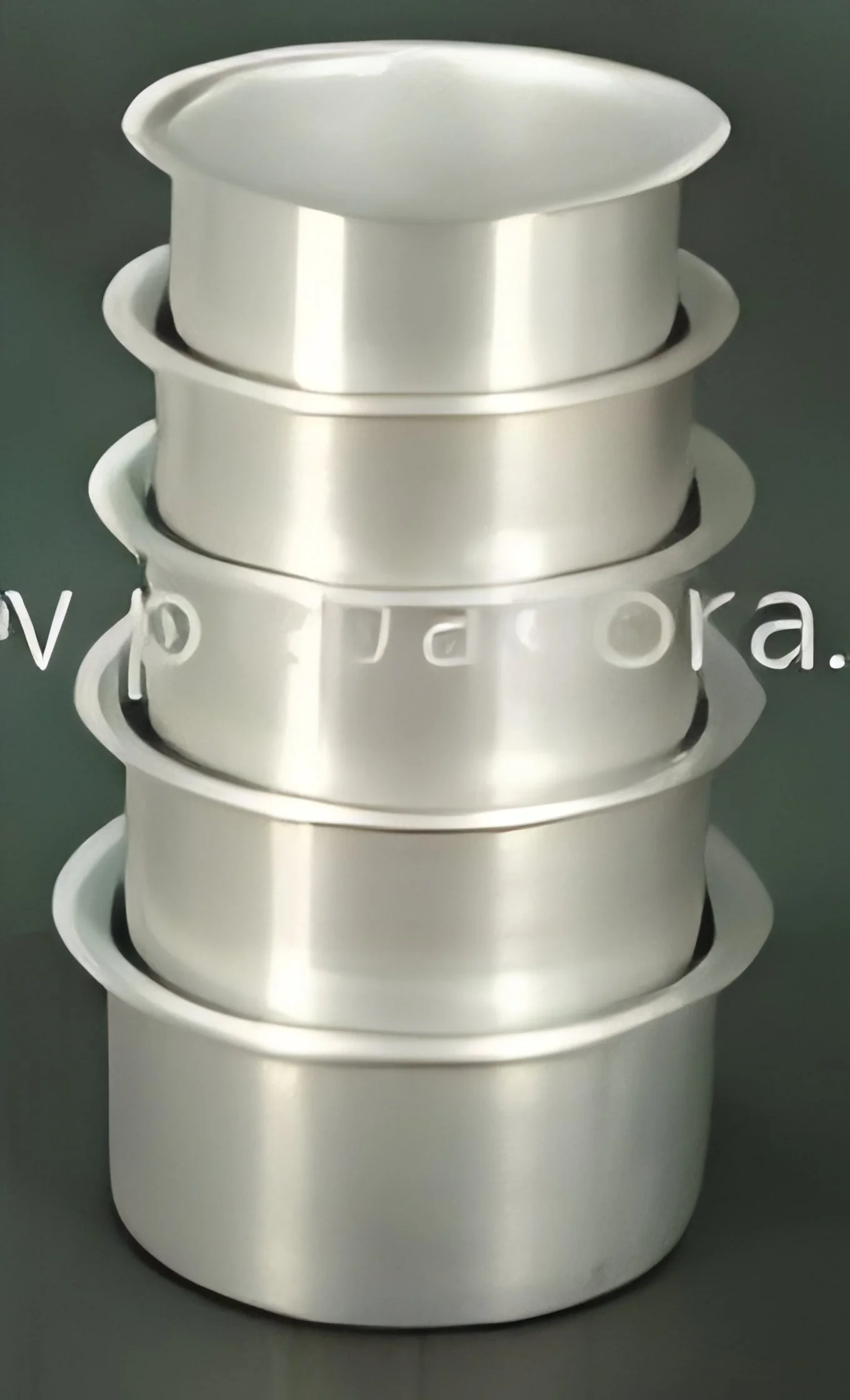
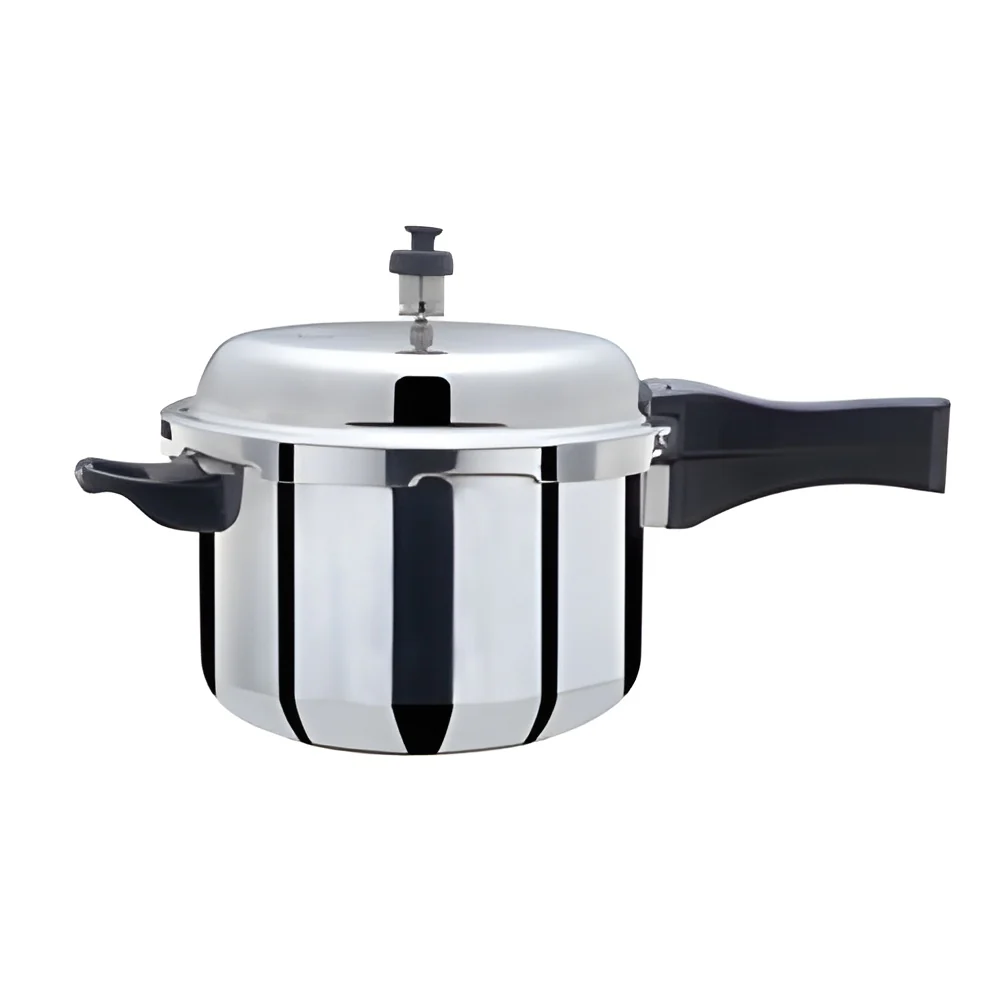
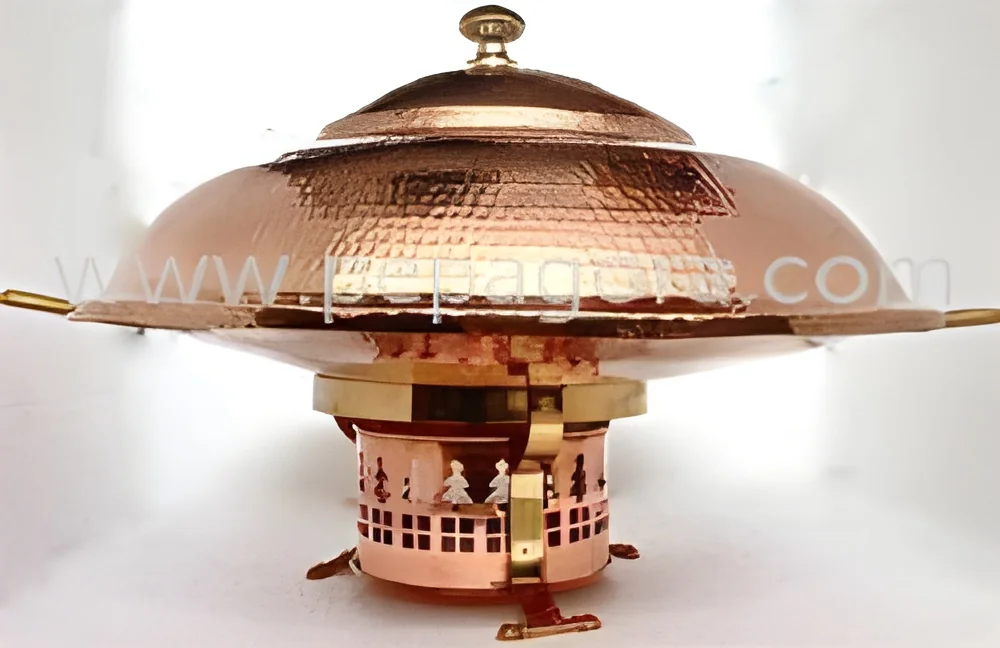
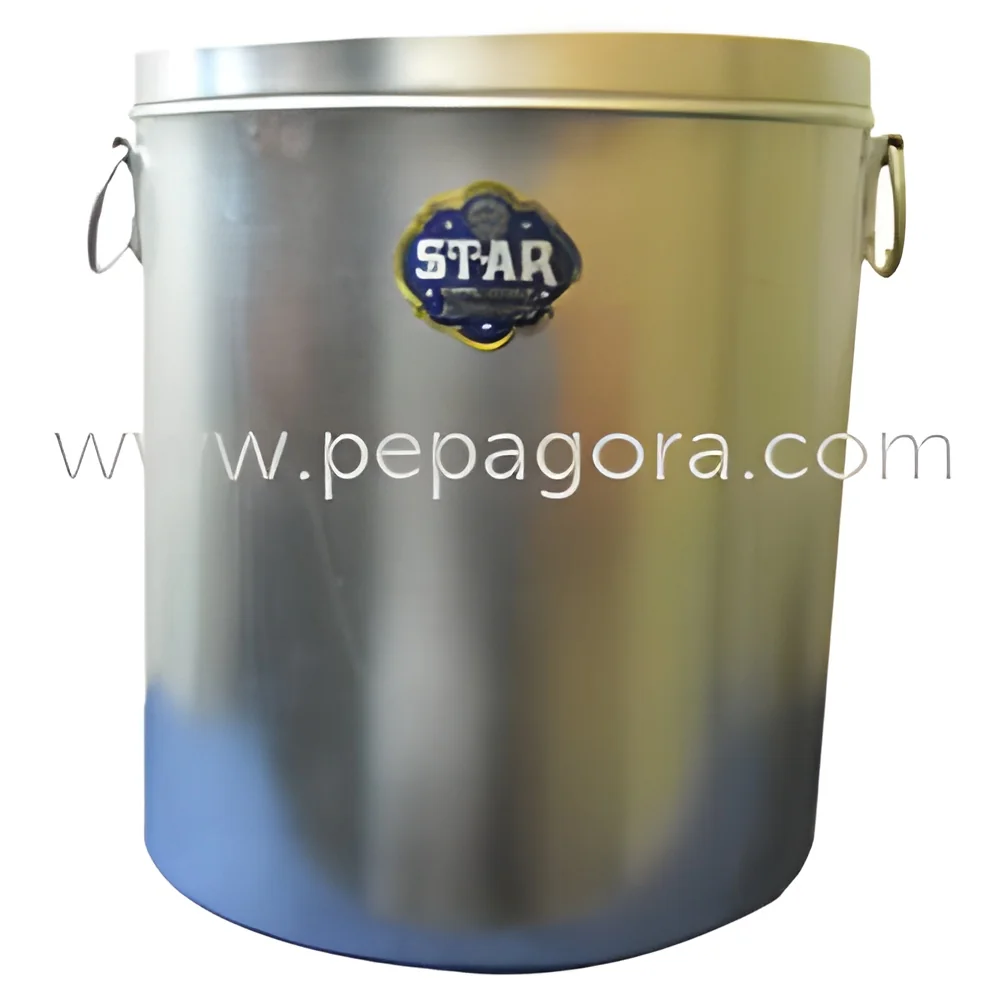
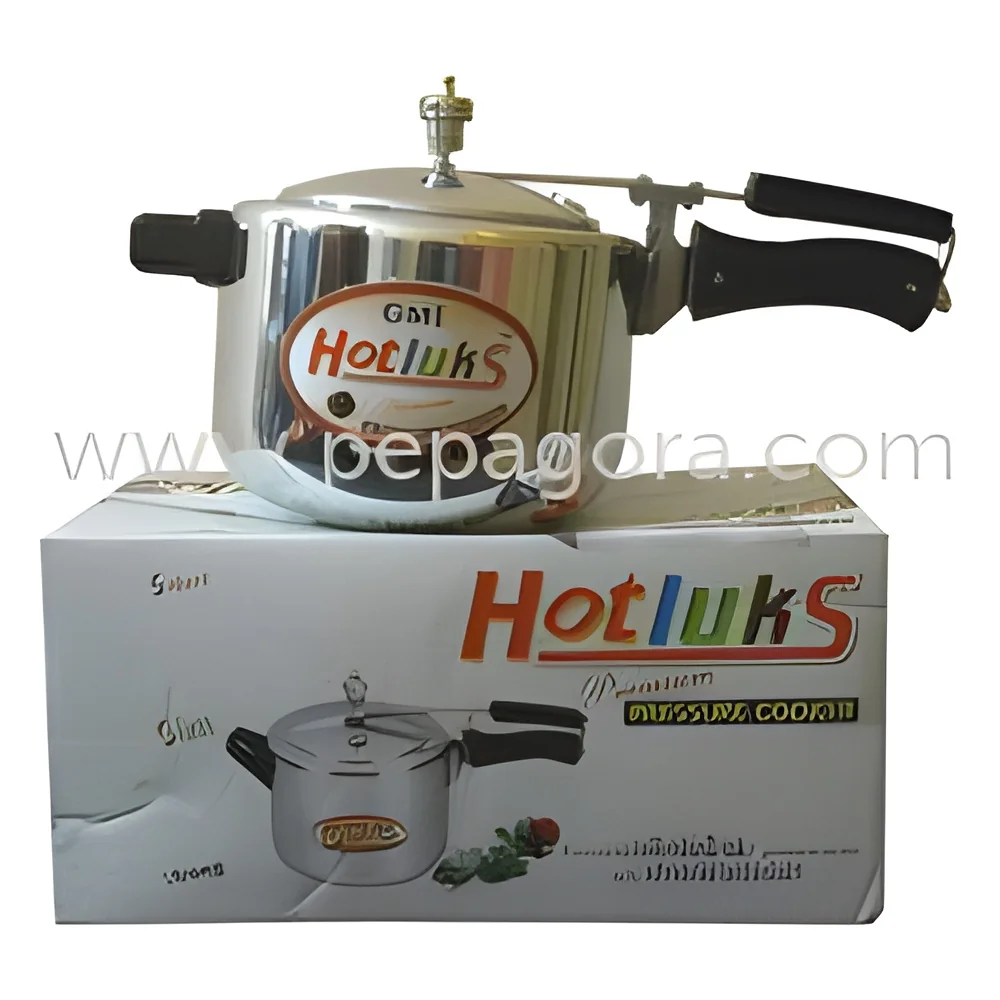
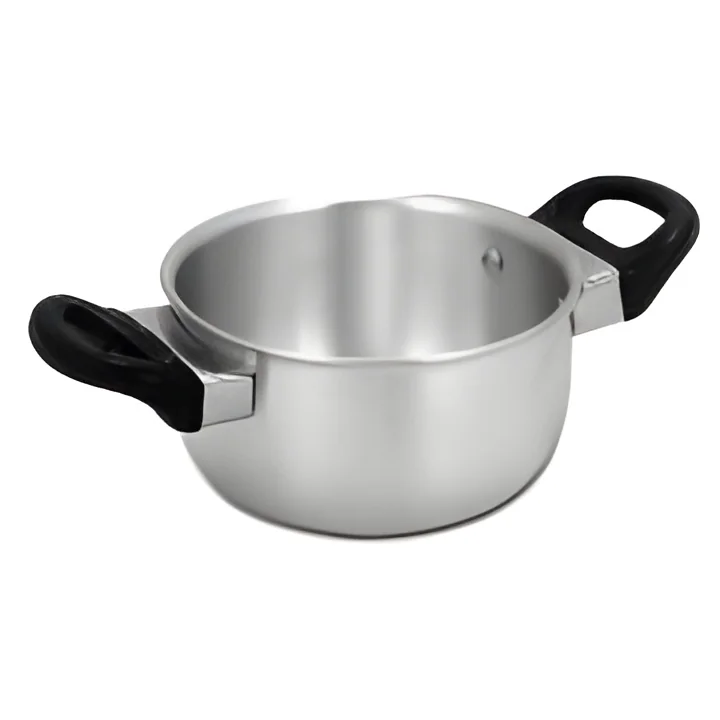
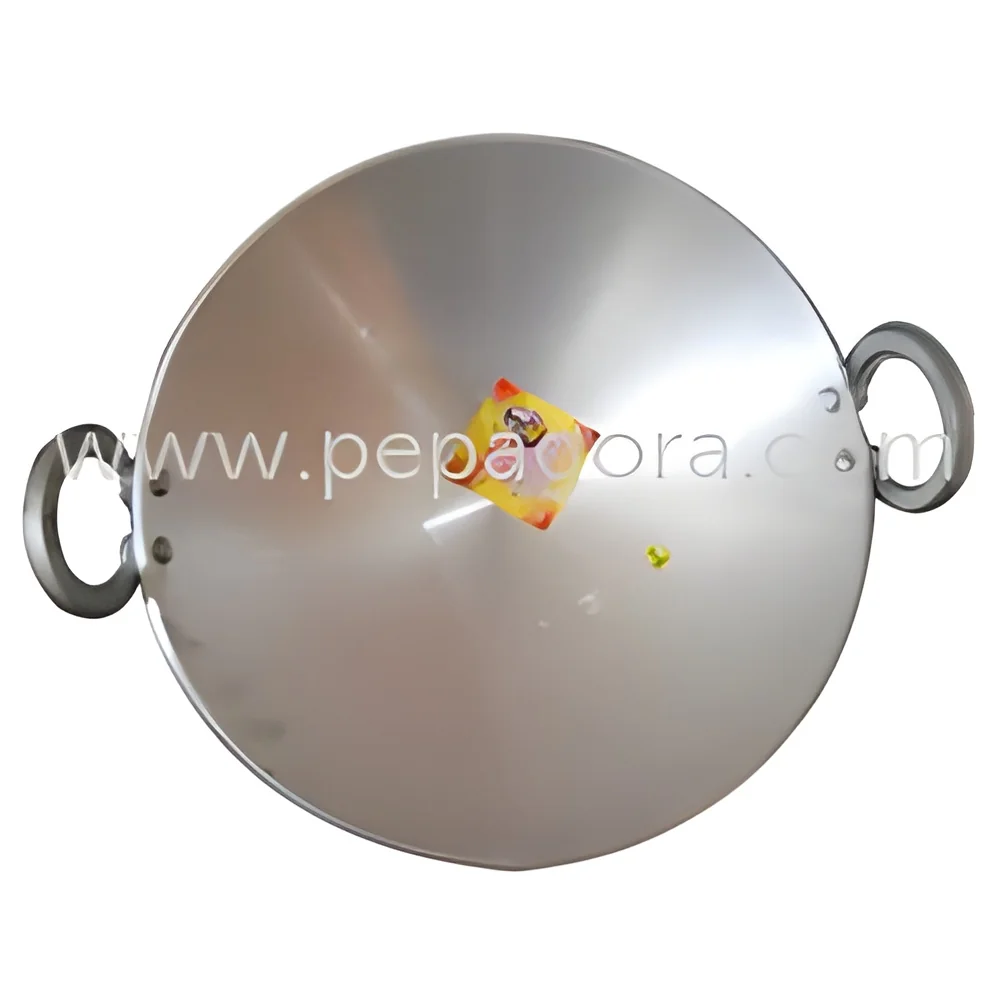
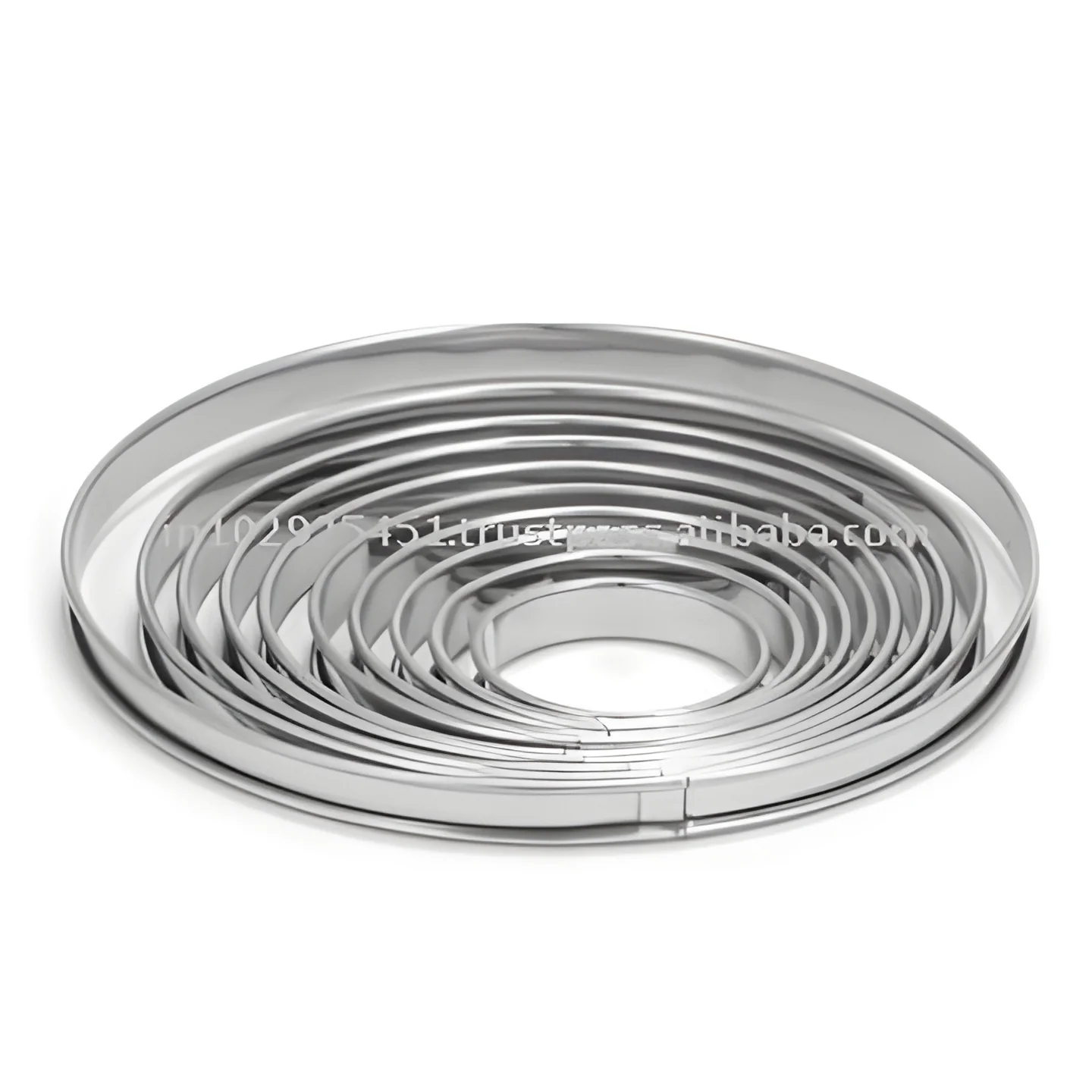
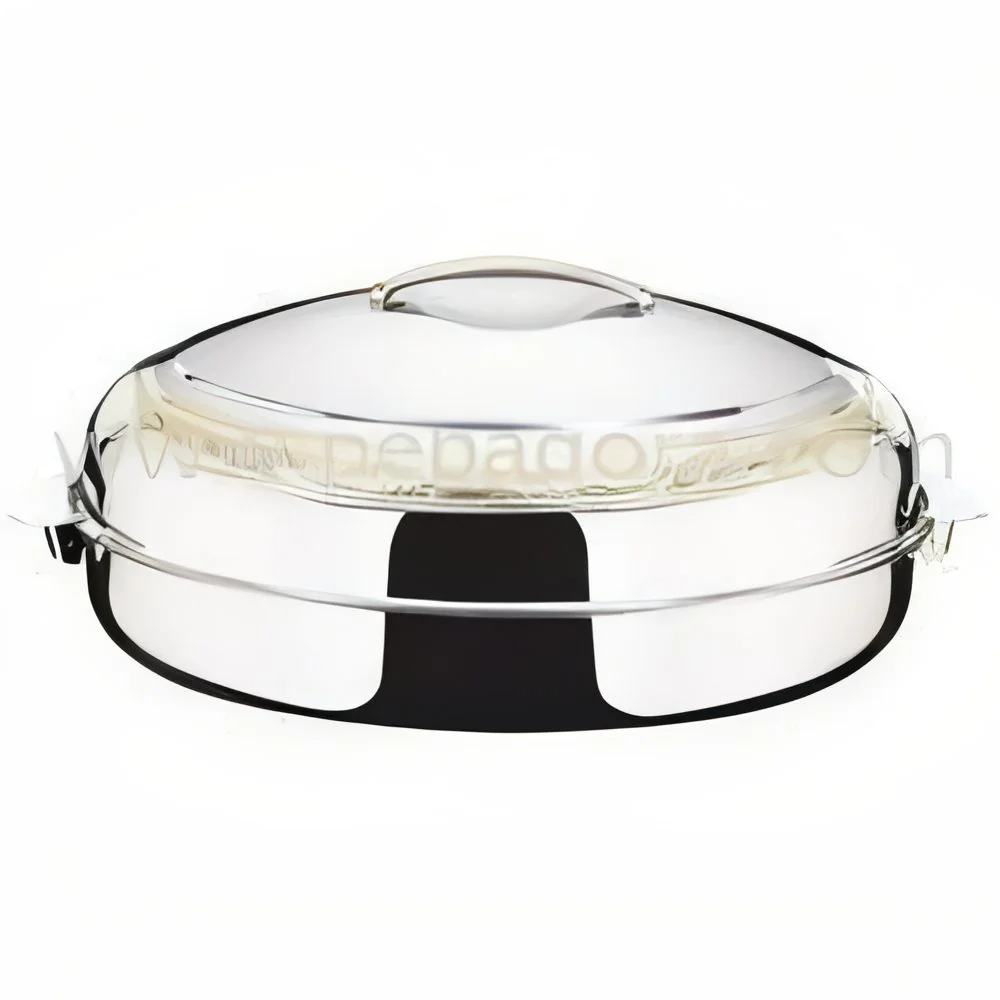
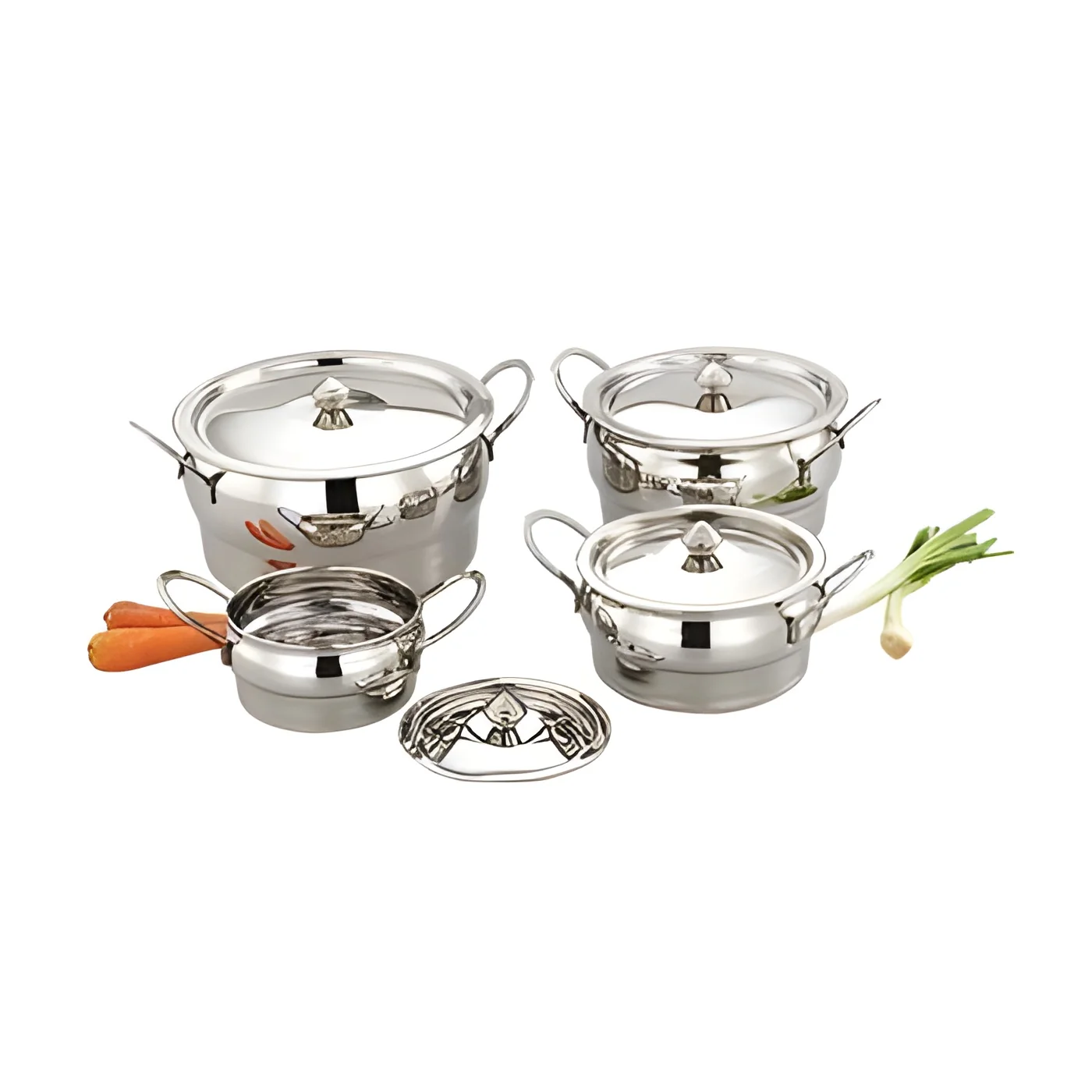
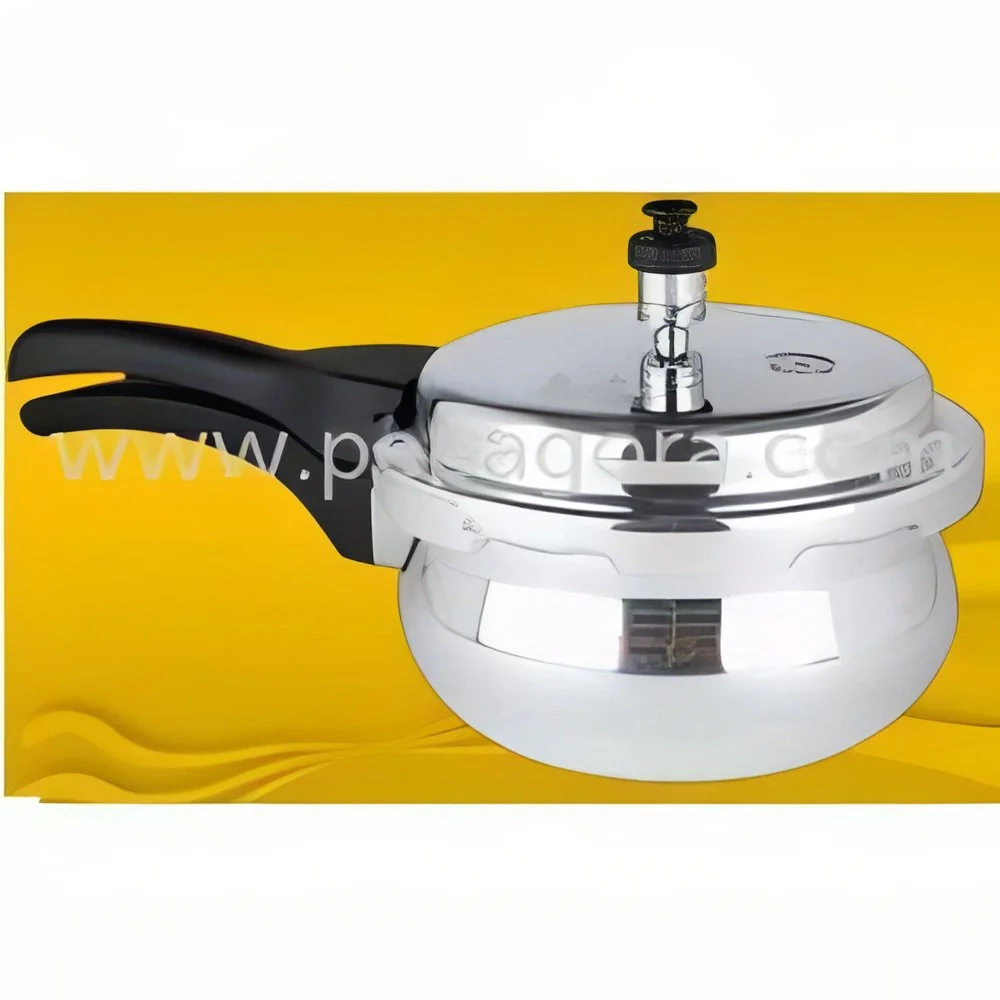
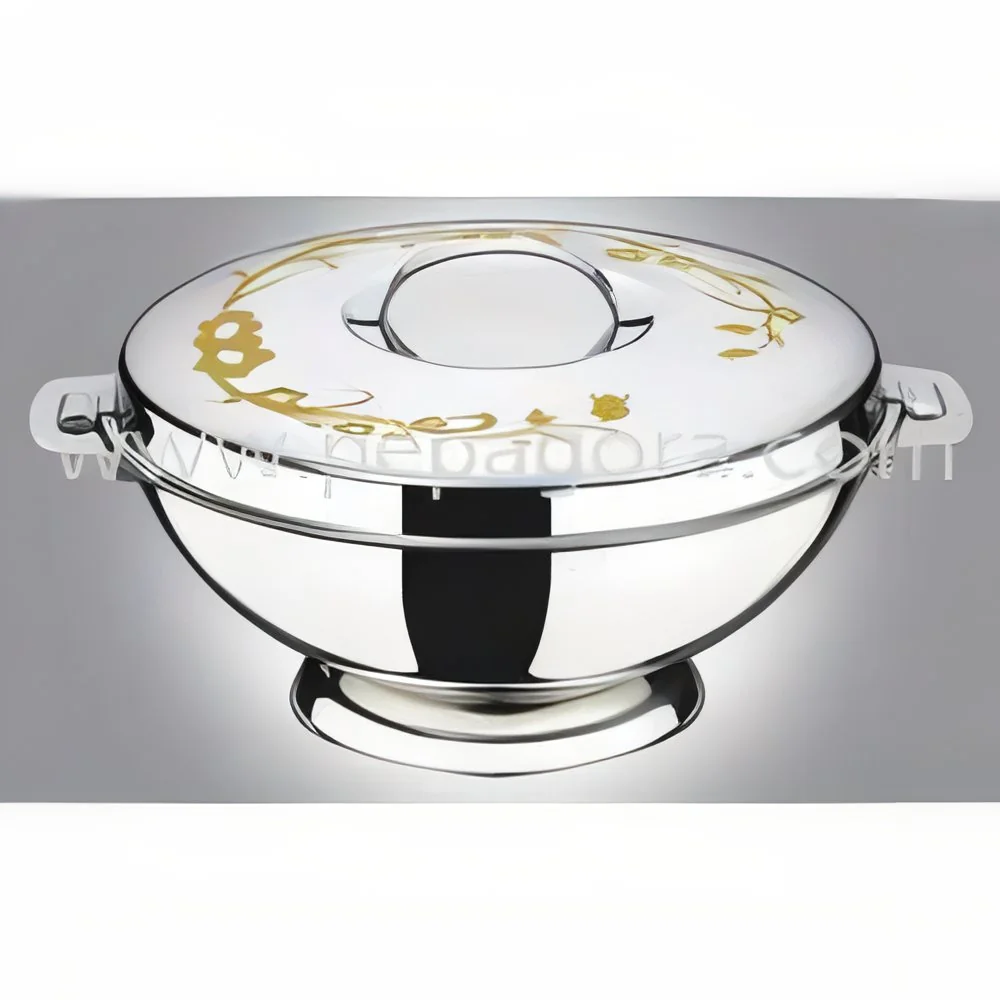
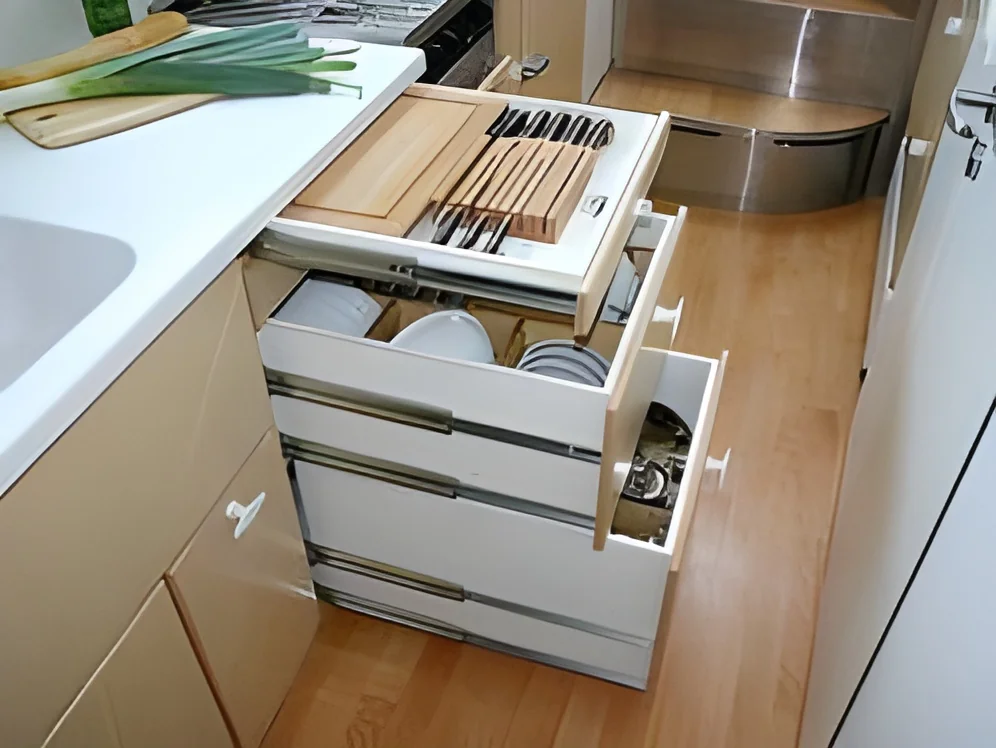
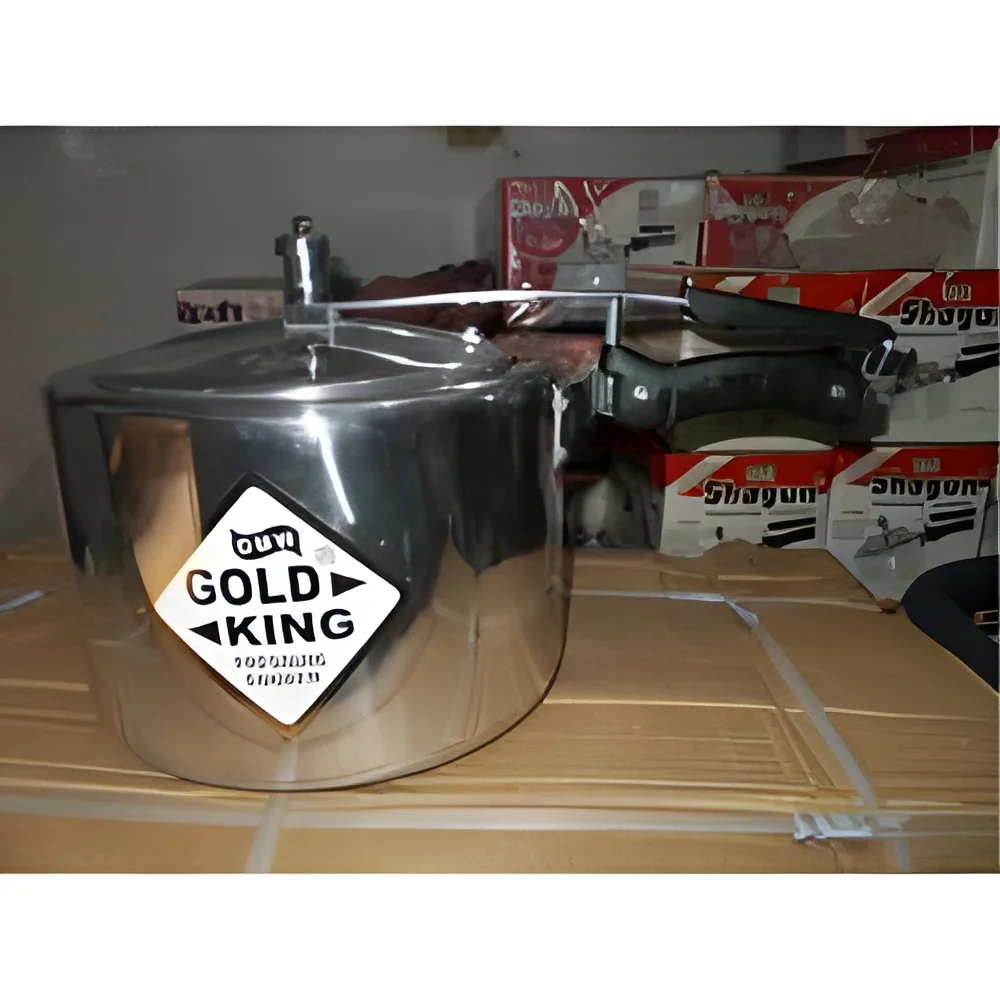
Cookware and bakeware refer to a wide range of products designed for food preparation and cooking. Cookware includes items such as pots, pans, and skillets that are typically used on stovetops, while bakeware encompasses dishes specifically designed for baking, such as cake pans, muffin tins, and baking sheets. These products are essential in both commercial kitchens and residential settings, providing the necessary tools for various cooking methods.
In business applications, cookware and bakeware play a vital role in the food service industry, including restaurants, catering services, and bakeries. These products are designed to withstand high temperatures and provide durability for continuous use. They also contribute to the efficiency of food preparation and the quality of the final products, making them indispensable in any culinary operation.
The cookware and bakeware market continues to grow as the demand for quality kitchen tools increases. With trends emphasizing health and convenience, businesses are looking for reliable products that enhance their cooking processes. As a result, the industry sees innovations in materials and designs that cater to the evolving needs of commercial kitchens.
𝗞𝗲𝘆 𝗙𝗲𝗮𝘁𝘂𝗿𝗲𝘀 𝗮𝗻𝗱 𝗦𝗽𝗲𝗰𝗶𝗳𝗶𝗰𝗮𝘁𝗶𝗼𝗻𝘀
Cookware and bakeware come with a variety of features and specifications that enhance their usability and performance. Understanding these specifications helps businesses make informed purchasing decisions.
Key specifications include:
1. Material Composition
- Common materials include stainless steel, aluminum, cast iron, and non-stick coatings.
- Each material offers different heat conductivity and durability traits.
2. Temperature Resistance
- Items can withstand varying temperature ranges depending on their material.
- Cookware is often designed for stovetop use, while bakeware may handle oven temperatures.
3. Size and Capacity
- Products come in multiple sizes to accommodate different cooking needs.
- Common sizes for pans range from small (8 inches) to large (14 inches or more).
4. Compatibility with Cooking Surfaces
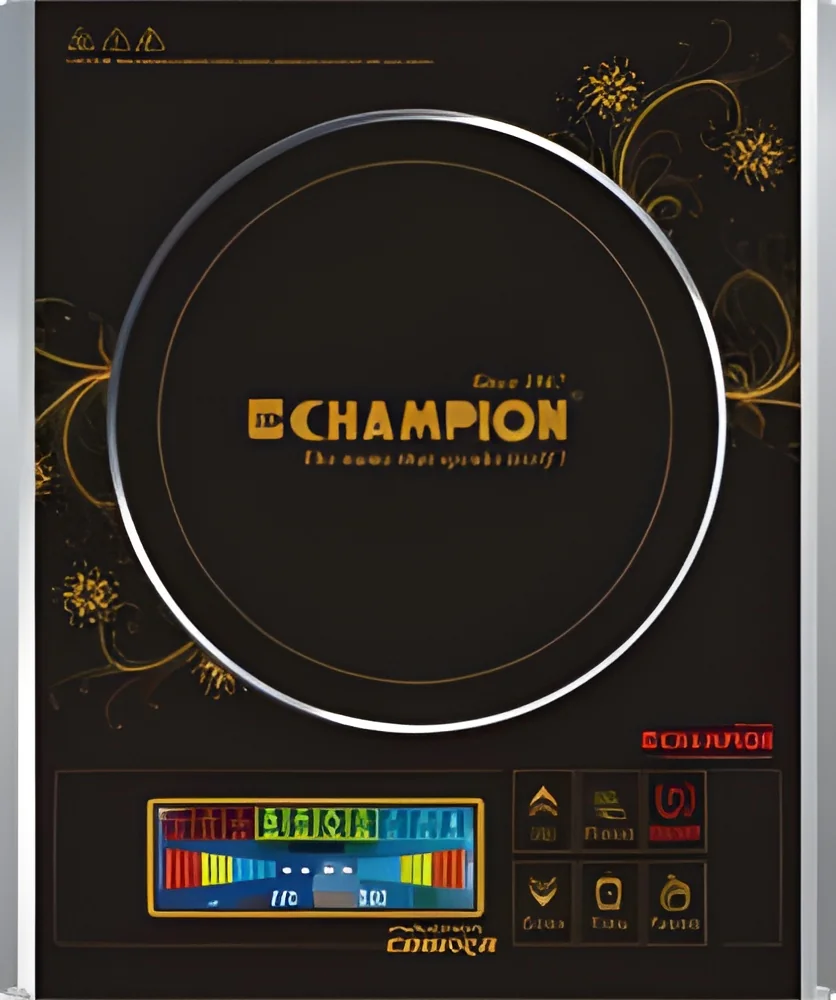
- Some cookware is suitable for induction, gas, and electric stovetops.
- Bakeware may vary in compatibility with different oven types.
5. Non-Stick Properties
- Non-stick coatings can reduce the need for oil and ease cleaning.
- Important for both health-conscious cooking and efficient food release.
6. Dishwasher Safety
- Some products are labeled as dishwasher safe, providing convenience for cleaning.
- Others may require hand washing to maintain quality.
7. Heat Distribution
- Quality cookware ensures even heat distribution for consistent cooking results.
- Variations in design can affect cooking performance.
8. Weight and Handling
- Cooking tools vary in weight, impacting ease of use and maneuverability.
- Heavier items may provide stability, while lighter options enhance portability.
In summary, understanding the key features and specifications of cookware and bakeware is crucial for businesses to select the right products that meet their culinary needs.
𝗖𝗼𝗺𝗺𝗼𝗻 𝗔𝗽𝗽𝗹𝗶𝗰𝗮𝘁𝗶𝗼𝗻𝘀 𝗮𝗻𝗱 𝗨𝘀𝗲 𝗖𝗮𝘀𝗲𝘀
Cookware and bakeware serve a multitude of industries, each with unique requirements and applications.
1. Restaurant Industry: Professional kitchens utilize a wide variety of cookware and bakeware to prepare diverse menus. High-quality tools ensure efficiency and consistency in food preparation.
2. Catering Services: Catering companies require durable and versatile cookware to handle large volumes of food. Bakeware is essential for creating desserts and baked goods for events.
3. Bakeries: Specialized bakeware is crucial for bakeries, providing the right shapes and materials for cakes, pastries, and bread. Quality bakeware impacts the texture and flavor of baked items.
4. Hospitality Sector: Hotels and resorts depend on a range of cookware to serve breakfast, lunch, and dinner to guests. This includes both cooking and baking needs.
5. Food Production: Large-scale food manufacturers utilize commercial-grade cookware for meal prep and product development. Efficiency and safety are key considerations.
6. Educational Institutions: Culinary schools equip students with professional-grade cookware and bakeware as part of their training. Proper tools are essential for learning cooking techniques.
7. Food Trucks: Mobile food vendors require compact and efficient cookware that can handle high turnover. Bakeware is also needed for on-the-go dessert options.
𝗣𝗿𝗼𝗱𝘂𝗰𝘁 𝗩𝗮𝗿𝗶𝗮𝗻𝘁𝘀 𝗮𝗻𝗱 𝗦𝘂𝗯𝗰𝗮𝘁𝗲𝗴𝗼𝗿𝗶𝗲𝘀
Cookware and bakeware products come in various forms to meet different culinary needs. The diversity allows businesses to choose items that best fit their operations.
Non-Stick Cookware: This variant is designed with a special coating that prevents food from sticking, making cooking and cleanup easier. Ideal for both amateur cooks and professional chefs, it is popular for frying and sautéing.
Cast Iron Cookware: Known for its durability and heat retention, cast iron cookware is excellent for frying, baking, and slow cooking. It requires proper seasoning and maintenance but offers exceptional cooking performance.
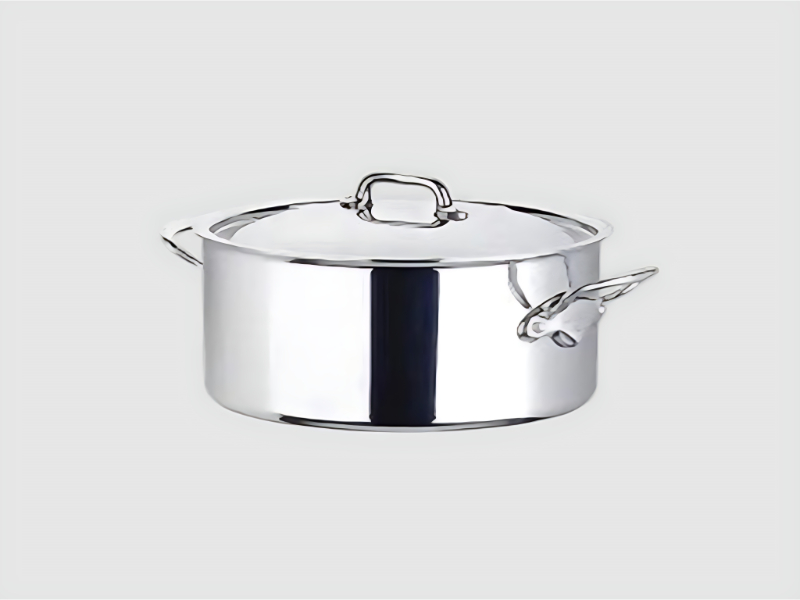
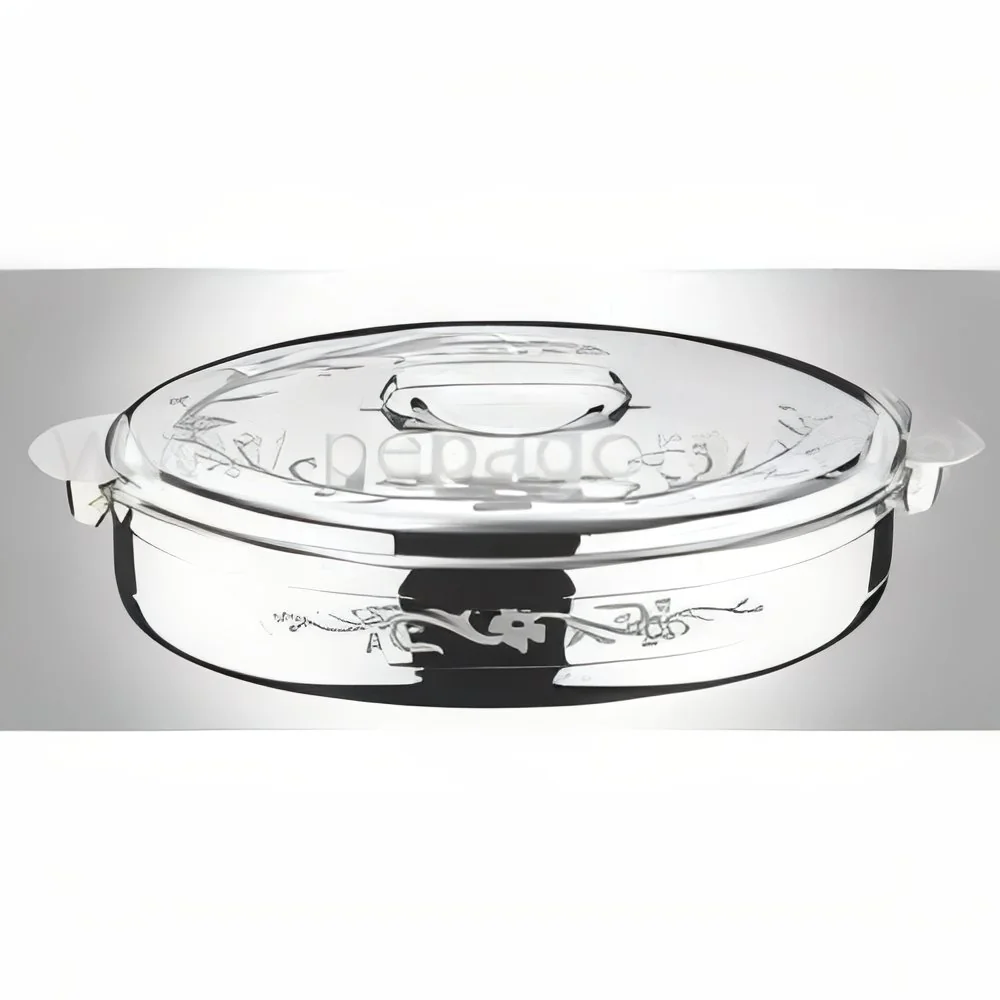
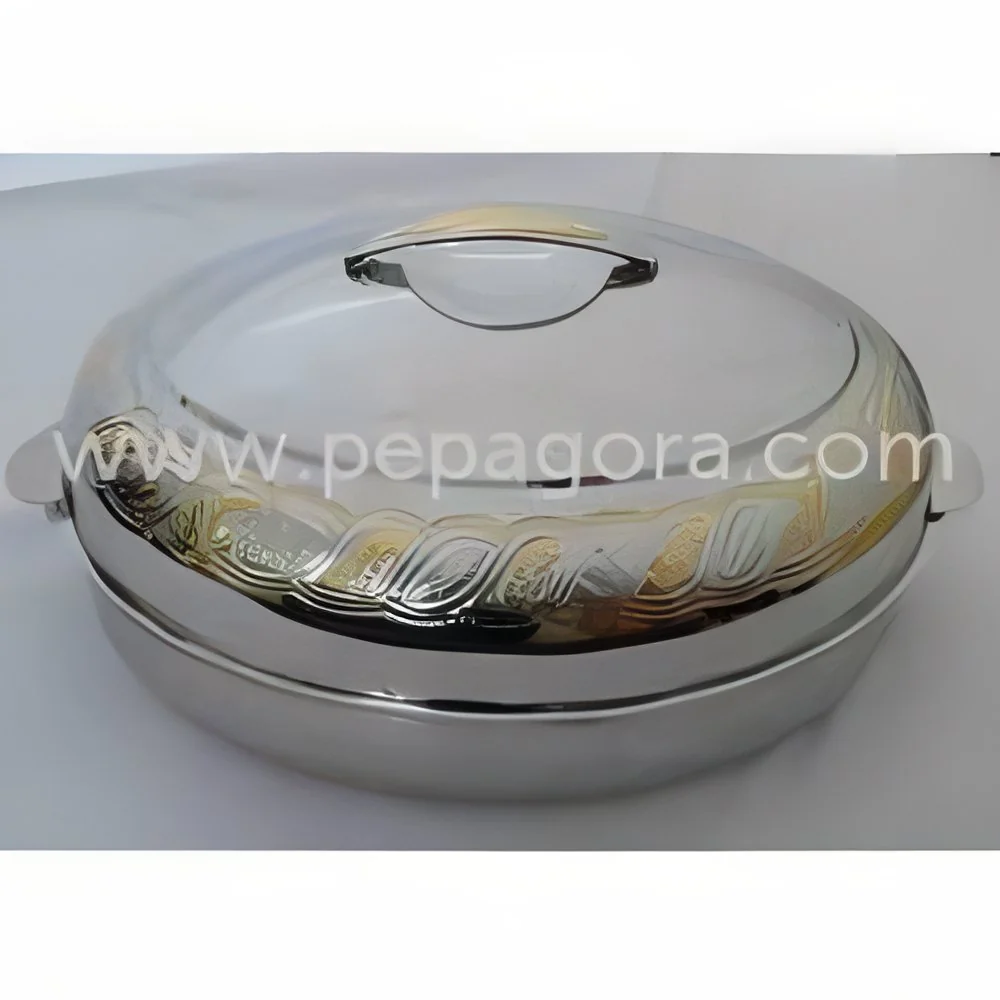
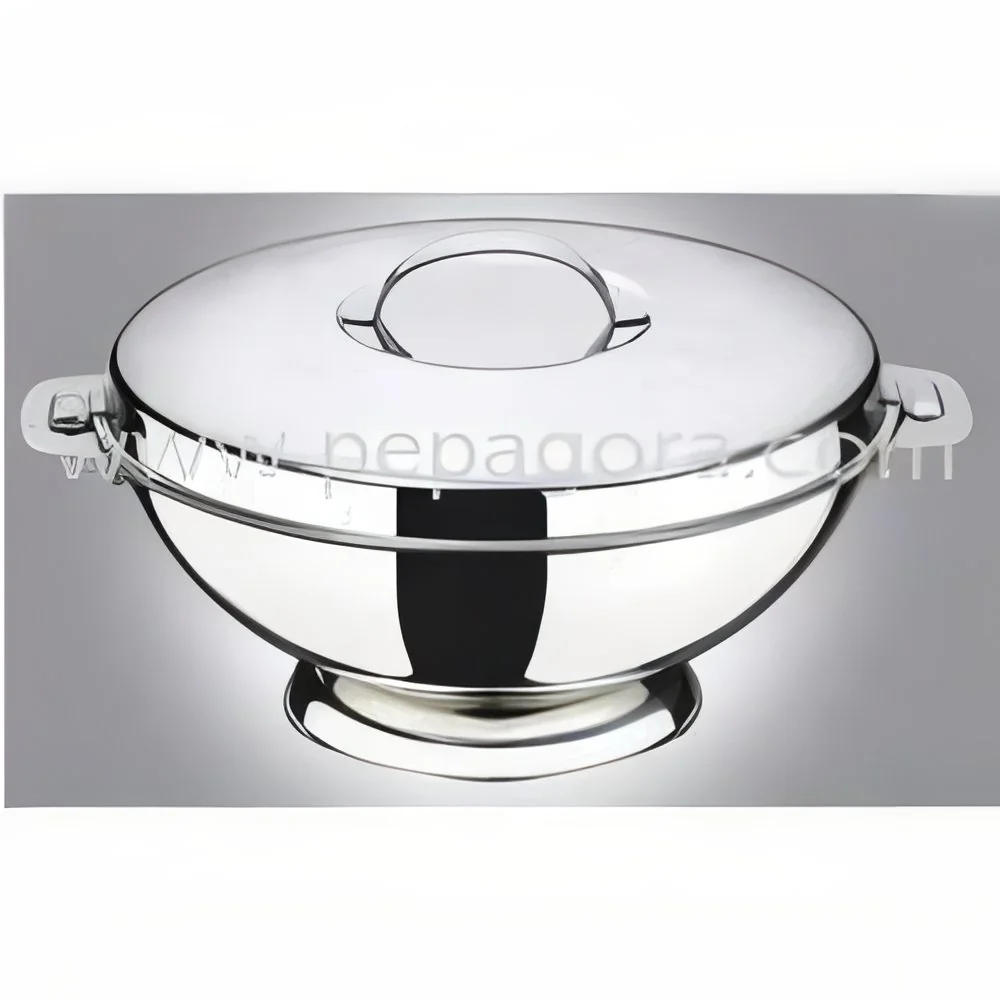
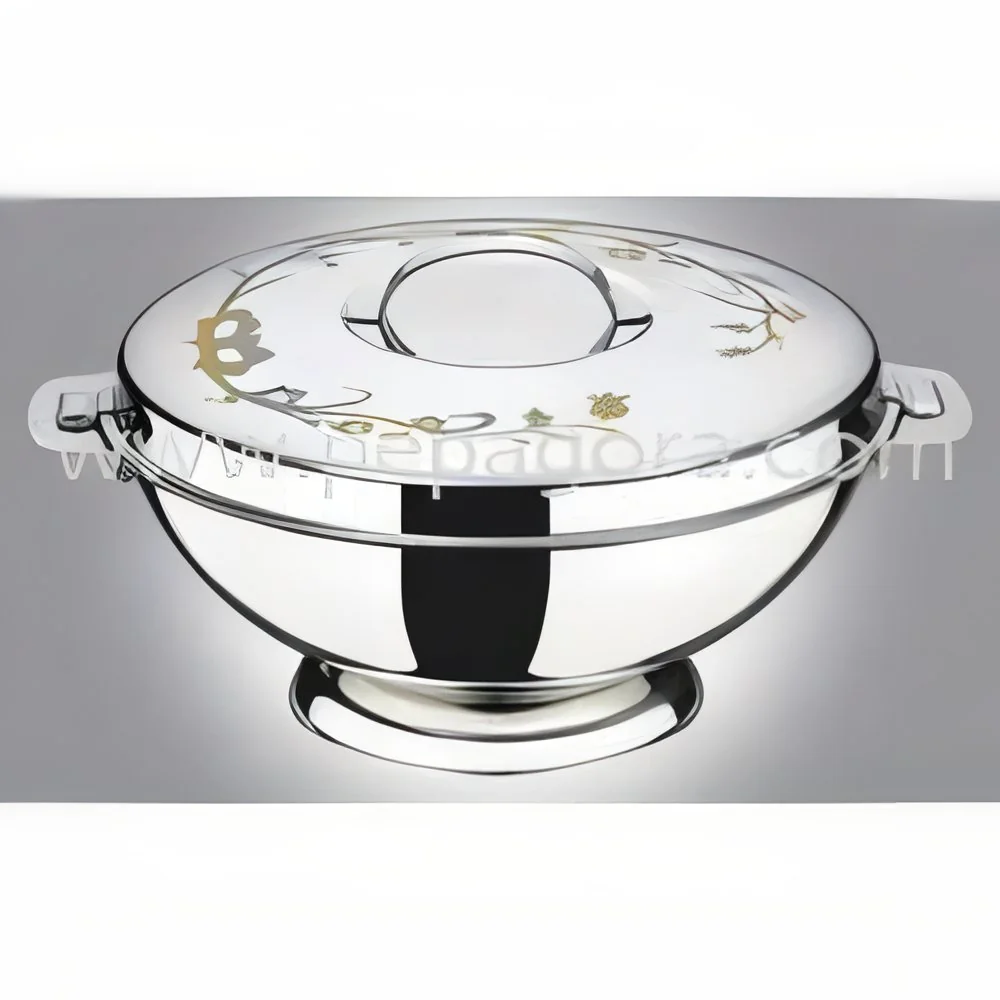
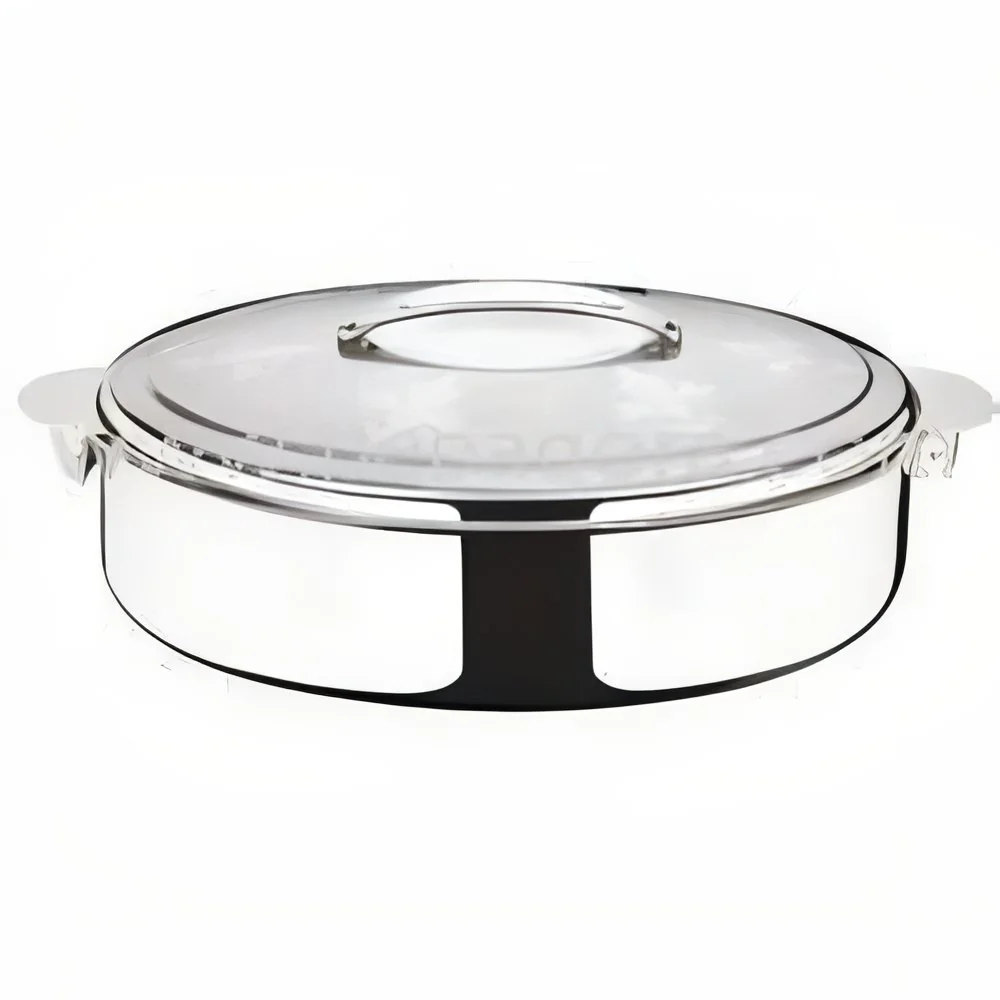
Stainless Steel Cookware: This type is prized for its durability and resistance to rust and staining. Stainless steel is perfect for high-heat cooking and is often used in commercial kitchens for its longevity and safety.
Baking Sheets: Essential for baking cookies, roasting vegetables, and more, baking sheets come in various sizes and materials. They can be used in ovens or for cooling baked goods.
Muffin Tins: Specifically designed for baking muffins and cupcakes, these tins often come with a non-stick coating for easy removal of baked goods.
𝗕𝗲𝗻𝗲𝗳𝗶𝘁𝘀 𝗮𝗻𝗱 𝗔𝗱𝘃𝗮𝗻𝘁𝗮𝗴𝗲𝘀
Using quality cookware and bakeware provides numerous advantages that enhance cooking operations.
1. Enhanced Cooking Efficiency: High-quality cookware allows for even heat distribution, leading to faster cooking times and better food quality.
2. Durability: Well-made products withstand the rigors of commercial use, reducing the need for frequent replacements and repairs.
3. Safety Features: Many cookware and bakeware items are designed with safety in mind, minimizing the risk of burns or accidents during use.
4. Versatility: A wide range of cooking techniques can be executed with the right tools, allowing businesses to expand their menus and offerings.
5. Easy Maintenance: Non-stick and dishwasher-safe options simplify cleaning processes, saving time in busy kitchens.
6. Improved Food Quality: Quality materials and construction lead to better cooking results, enhancing the taste and presentation of dishes.
𝗕𝘂𝘆𝗶𝗻𝗴 𝗚𝘂𝗶𝗱𝗲 𝗳𝗼𝗿 𝗕𝟮𝗕 𝗕𝘂𝘆𝗲𝗿𝘀
When sourcing cookware and bakeware, it is essential to consider several factors to ensure the best purchase decisions.
1. Quality Assessment: Determine the quality of materials and construction. Look for products that offer durability and performance in high-use environments.
2. Supplier Verification: Vet potential suppliers through reviews and references. Ensure they have a good reputation for reliability and product quality.
3. Pricing and MOQ: Understand the pricing structure and minimum order quantities required. Compare quotes from different suppliers to find the best value.
4. Delivery and Lead Times: Consider logistics and the expected lead times for delivery. Timely delivery is crucial for maintaining kitchen operations.
5. Compliance Requirements: Be aware of any regulatory standards or certifications required for cookware and bakeware in your region, such as CE certification.
𝗖𝗼𝗺𝗽𝗹𝗶𝗮𝗻𝗰𝗲 𝗮𝗻𝗱 𝗖𝗲𝗿𝘁𝗶𝗳𝗶𝗰𝗮𝘁𝗶𝗼𝗻𝘀
Compliance with industry standards is critical for cookware and bakeware manufacturers. Relevant quality standards such as ISO 9001 ensure that products meet international quality management criteria. Additionally, HACCP (Hazard Analysis and Critical Control Points) guidelines help ensure food safety throughout the cooking process.
Certain certifications, such as CE marking, indicate that products comply with European health, safety, and environmental protection standards. Manufacturers must also adhere to safety and testing requirements to ensure that their products are safe for food contact and use.
Regional compliance considerations may vary, so it is essential for businesses to stay informed about local regulations that impact the cookware and bakeware industry. This includes understanding the requirements for materials used, safety testing, and any specific certifications needed for commercial use.
𝗪𝗵𝘆 𝗦𝗼𝘂𝗿𝗰𝗲 𝗖𝗼𝗼𝗸𝘄𝗮𝗿𝗲 & 𝗕𝗮𝗸𝗲𝘄𝗮𝗿𝗲 𝗳𝗿𝗼𝗺 𝗣𝗲𝗽𝗮𝗴𝗼𝗿𝗮?
Pepagora provides a trusted platform for sourcing cookware and bakeware, offering several key advantages for businesses.
Verified Supplier Network: Pepagora connects buyers with a network of verified suppliers. This ensures that businesses can trust the quality and reliability of the products they are sourcing.
Streamlined RFQ Process: The request for quotation (RFQ) system simplifies the sourcing process. Buyers can easily compare offers from different suppliers, making it easier to find the best deals.
Trade Assurance and Support: Pepagora offers buyer protection through trade assurance, ensuring that transactions are secure. Additionally, dedicated support teams are available to assist with any questions or concerns.
Regional Coverage: With a strong presence in India, the GCC, and Southeast Asia, Pepagora provides extensive geographic reach. This enables businesses to access a diverse range of products and suppliers, catering to various culinary needs.

 IN
IN