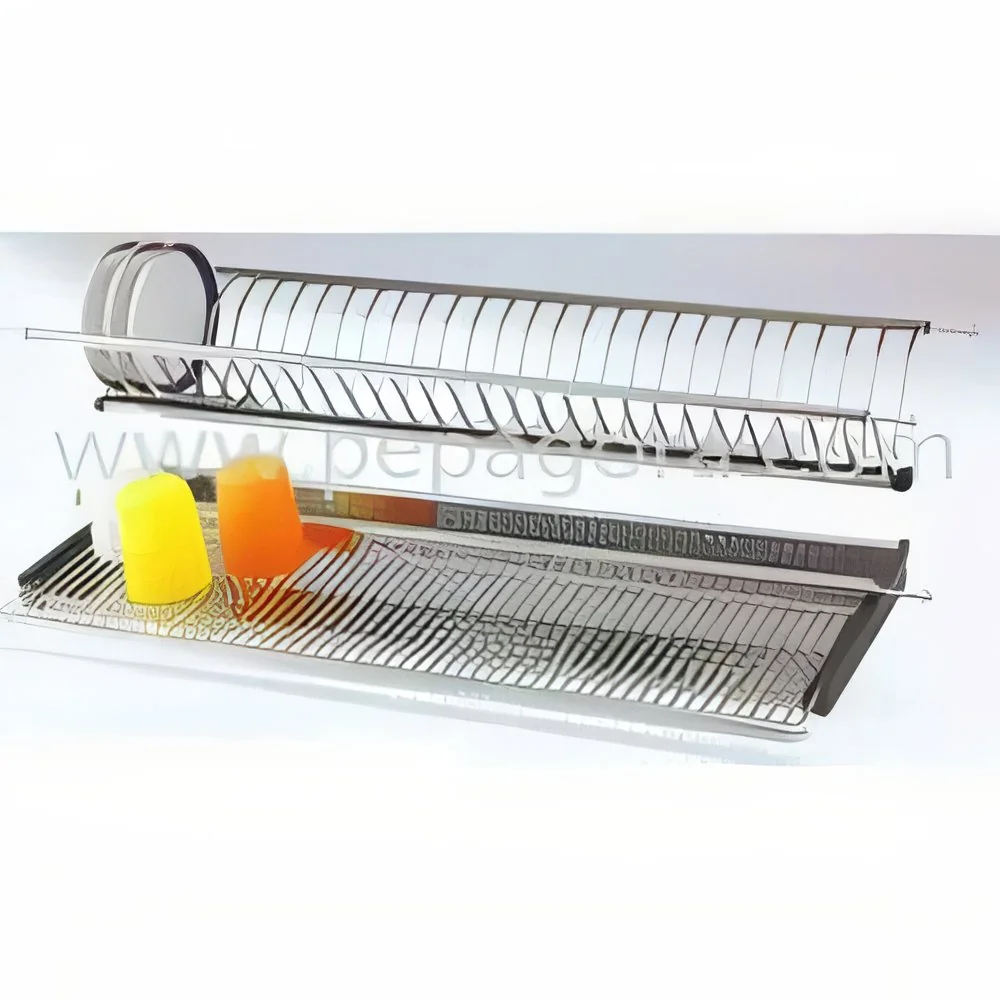
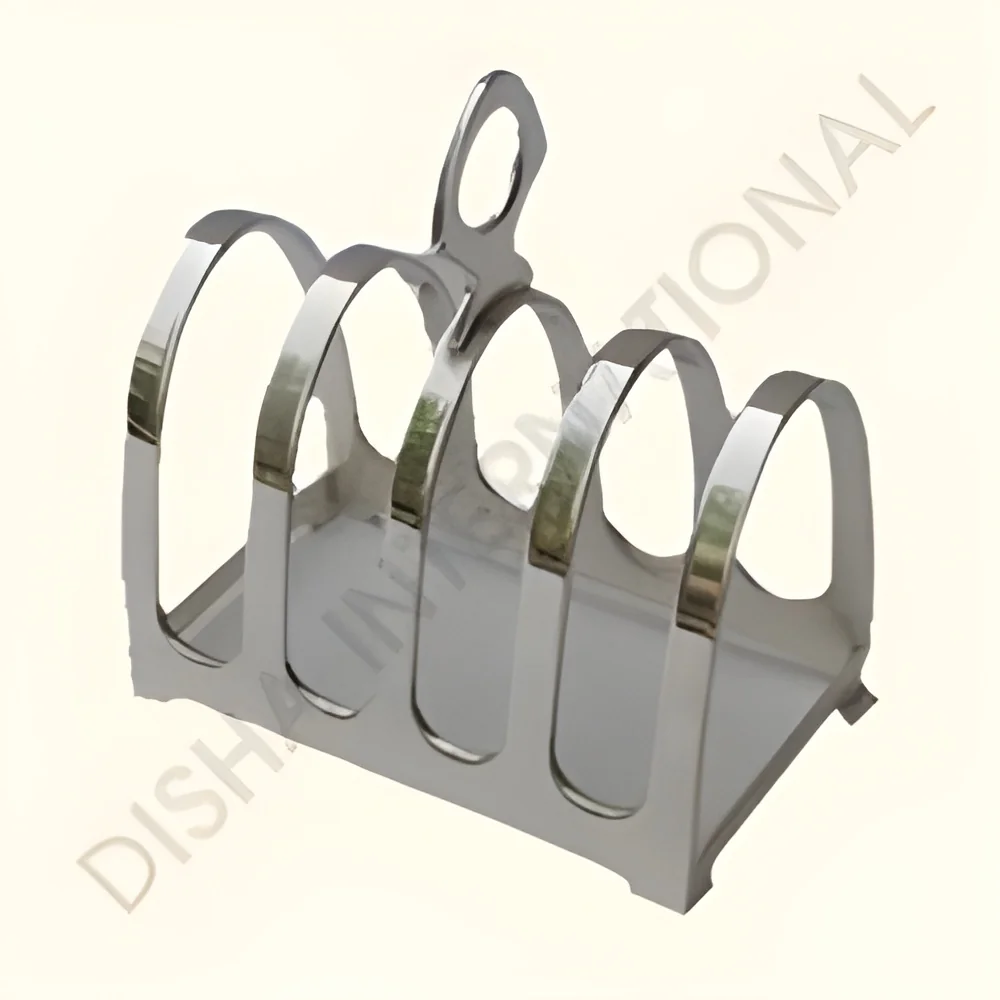
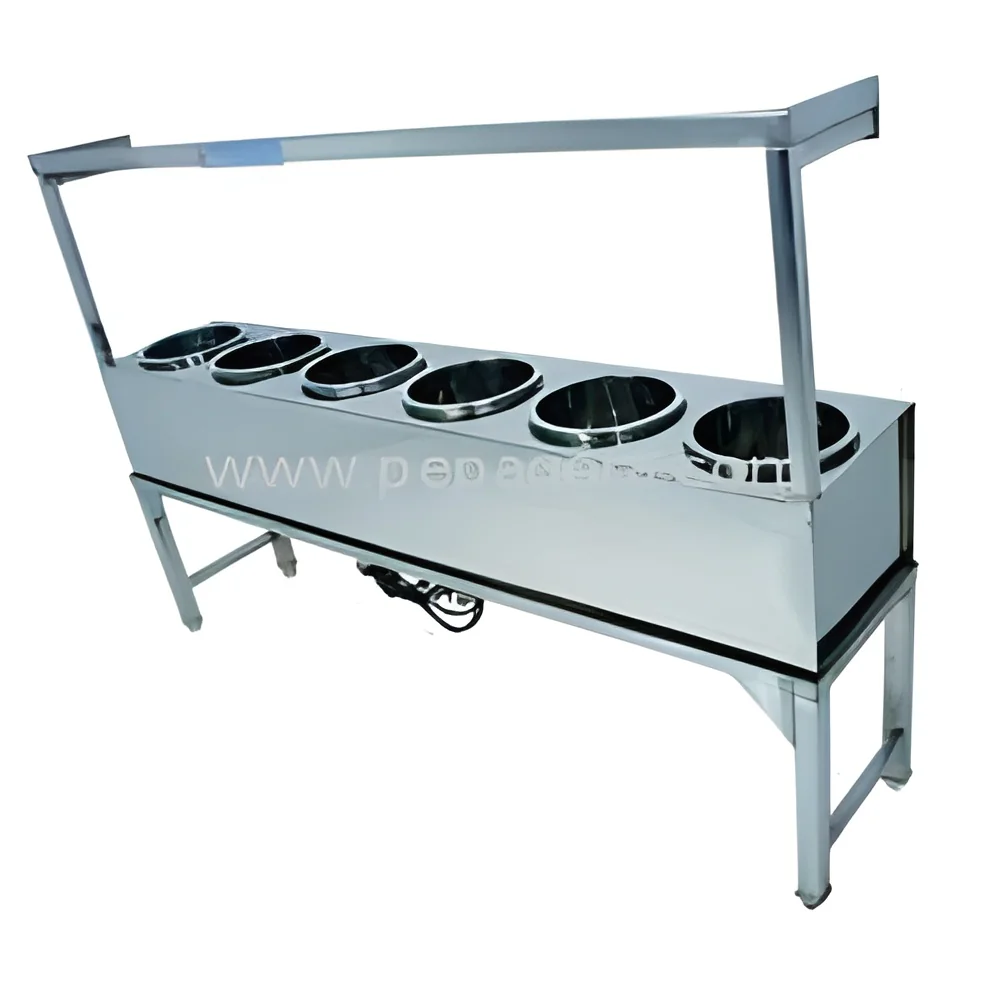
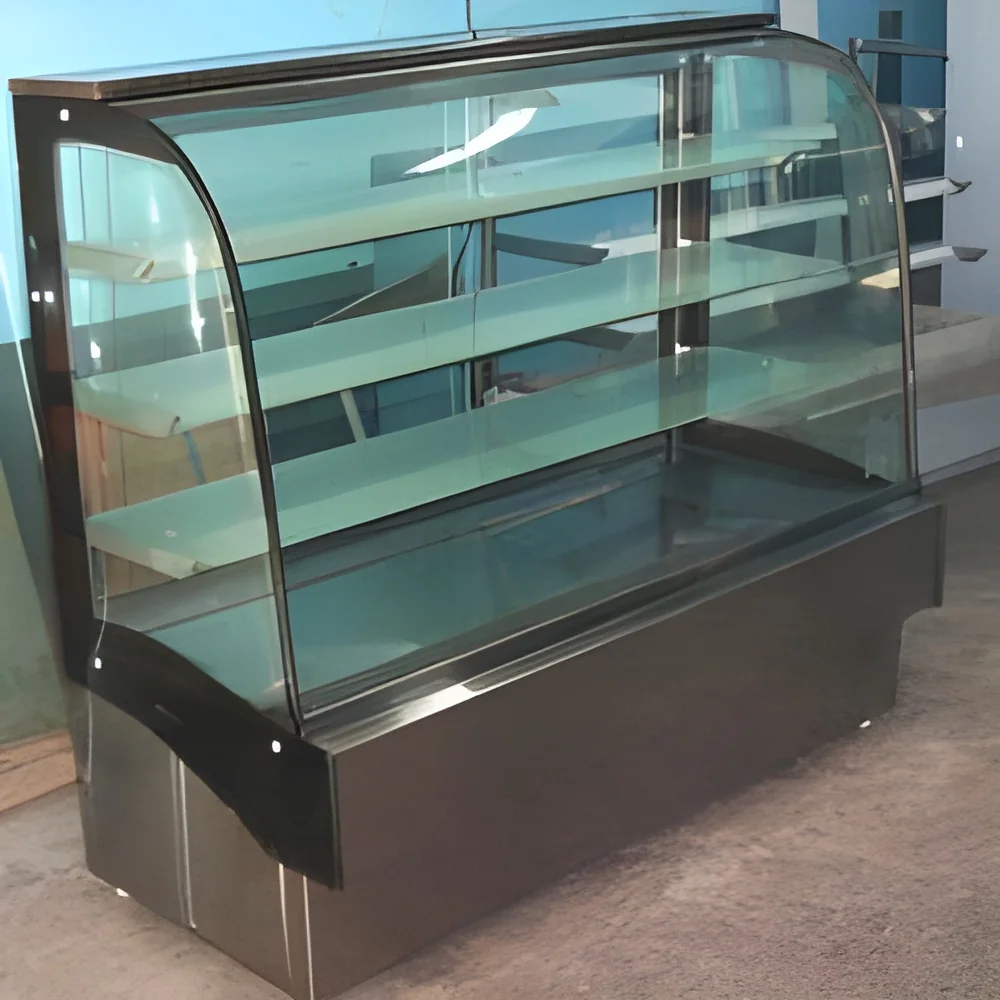
What are Cooling Racks?
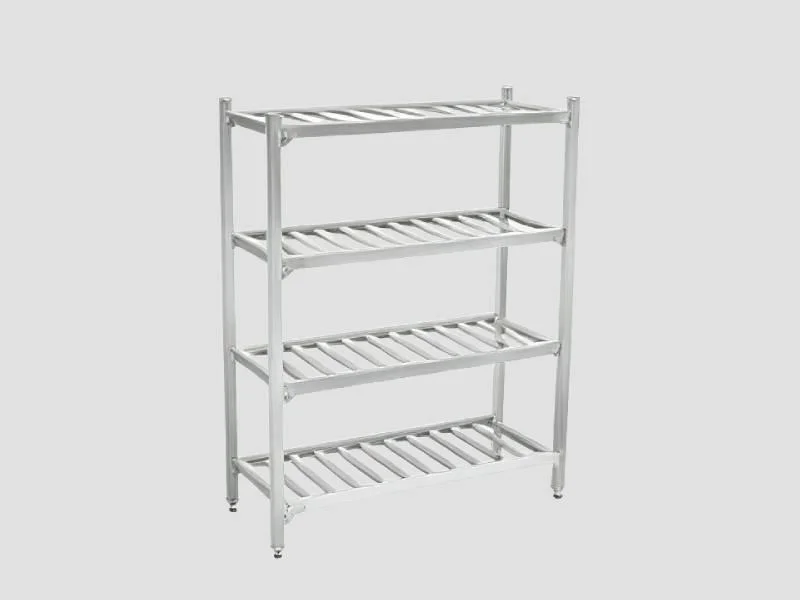
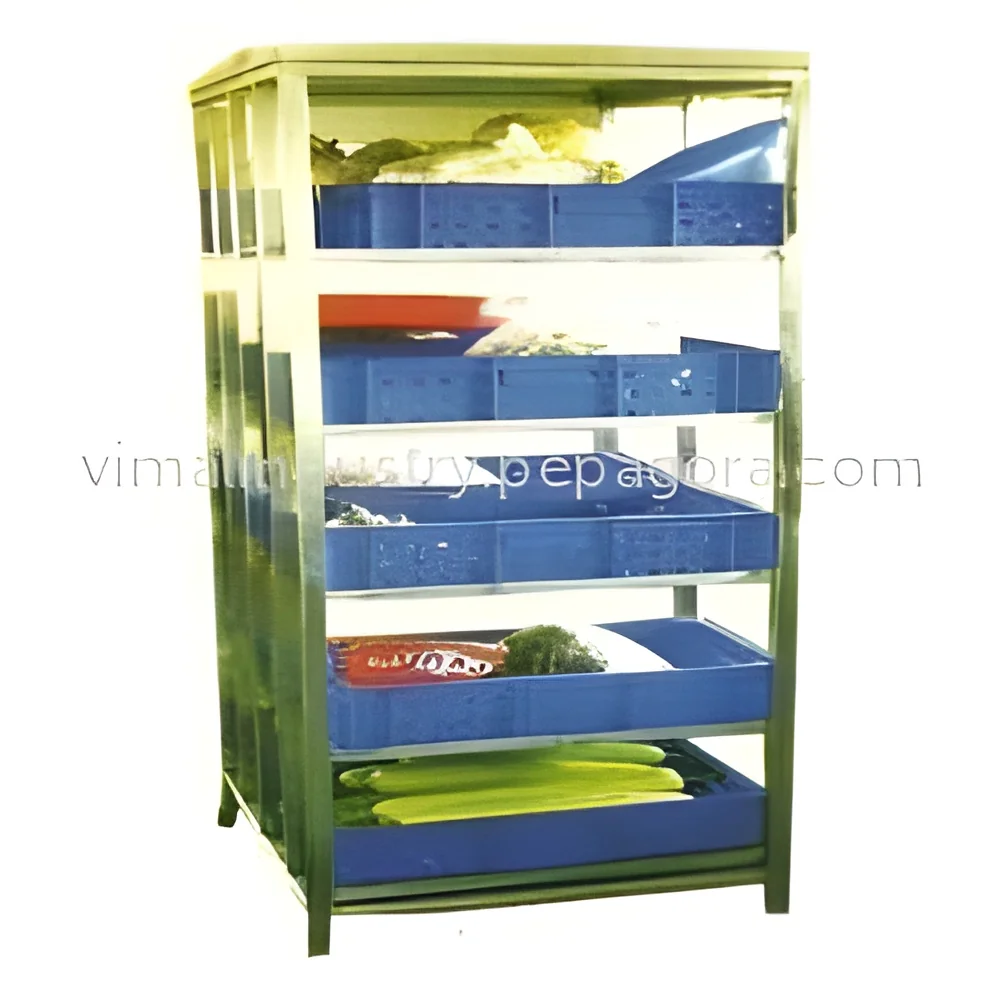
Cooling racks are essential equipment used in various industries to facilitate the cooling process of products after they have been subjected to heat treatment or cooking. These racks are typically designed with a grid-like structure that promotes airflow around the items placed on them, allowing for even cooling and preventing moisture buildup. This design is crucial in maintaining the quality and integrity of products that require temperature control.
Businesses utilize cooling racks in numerous applications, particularly in food processing and manufacturing. In bakeries, for instance, cooling racks help to cool baked goods efficiently, ensuring they retain their texture and flavor. Similarly, in pharmaceutical and chemical industries, these racks are employed to cool products following sterilization or heating processes. The relevance of cooling racks spans multiple sectors, making them a vital component in production lines where temperature management is critical.
Key Features and Specifications
Cooling racks come with various features tailored to meet the specific needs of different industries. Their designs focus on durability, efficiency, and usability.
Key specifications include:
1. Material Composition
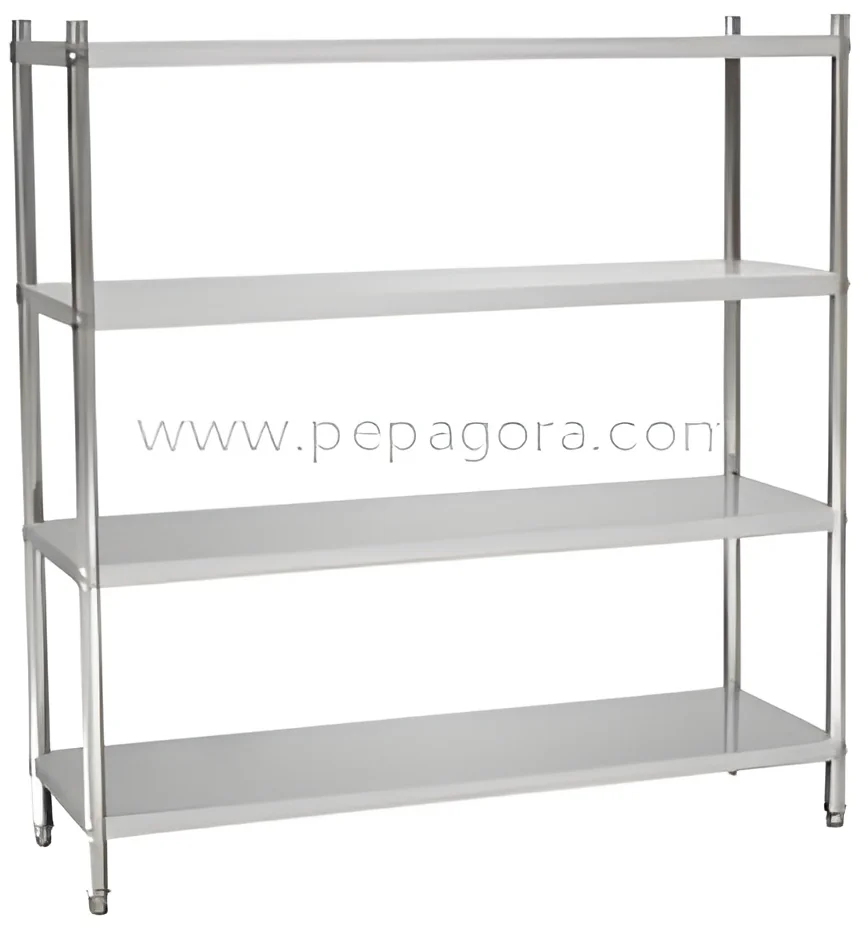
- Typically made from stainless steel or aluminum for durability and corrosion resistance
- Provides strength to support heavy items
2. Size and Dimensions
- Available in various sizes to accommodate different products
- Common dimensions range from small racks for personal use to large industrial racks
3. Load Capacity
- Designed to support a specified maximum weight
- Load capacities can range from 10 kg to over 150 kg depending on the model
4. Design Type
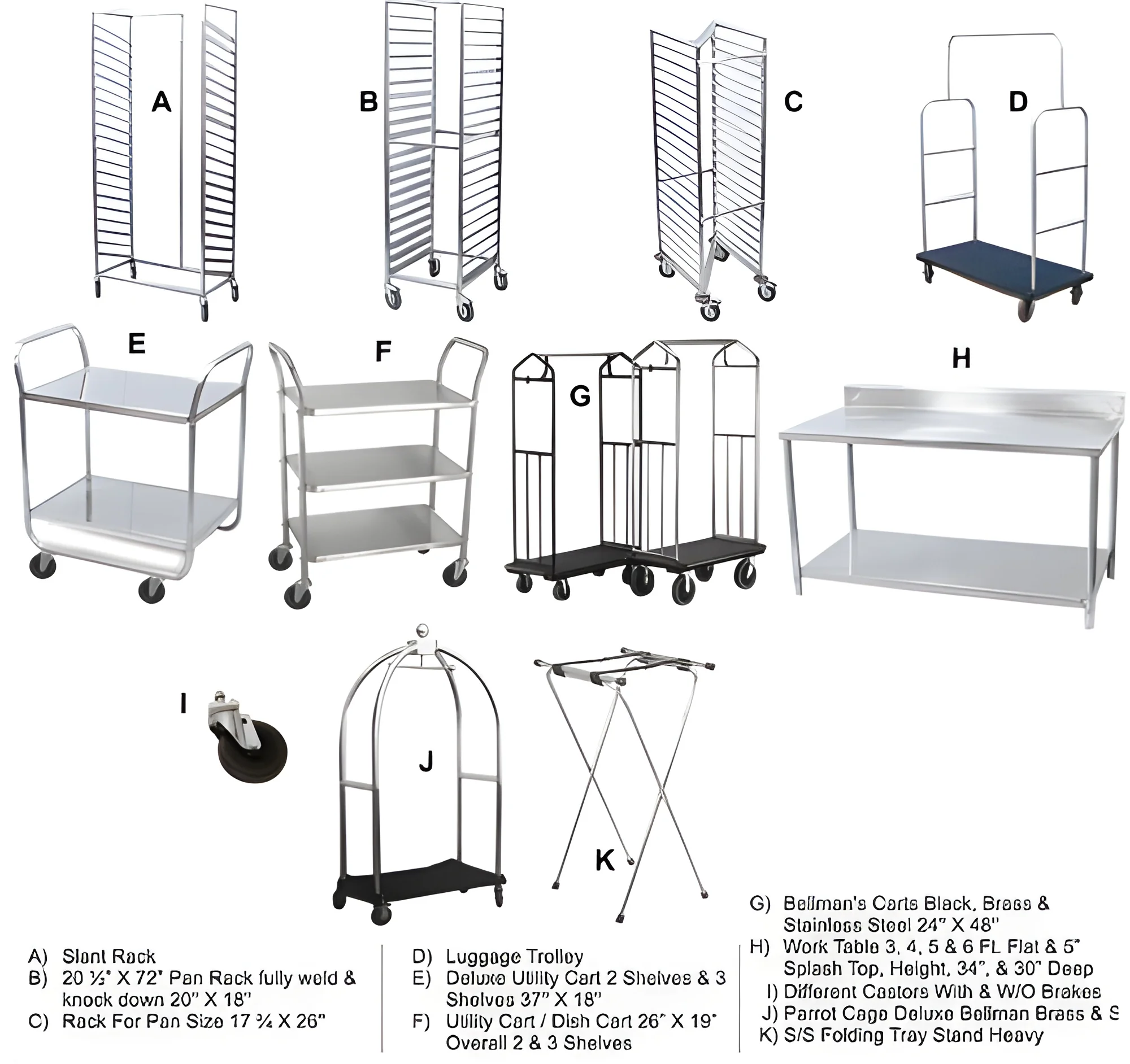
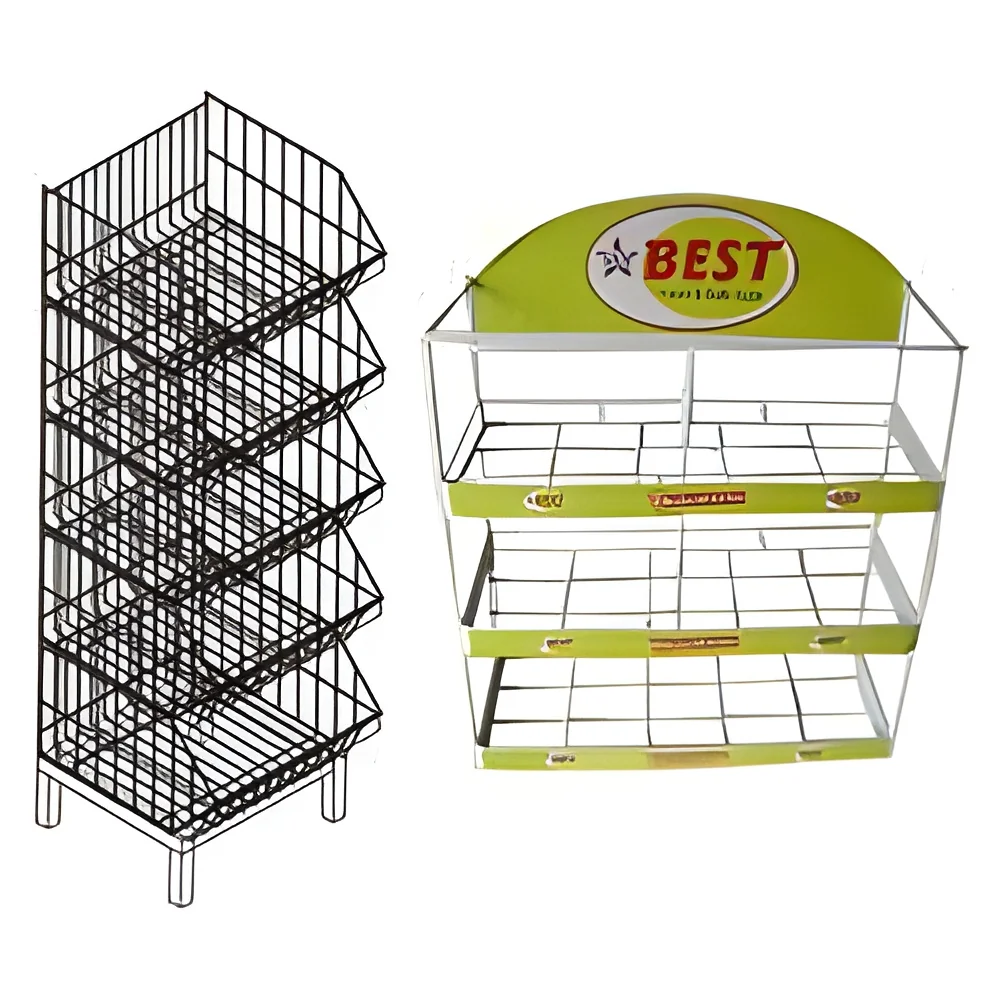
- Options include stackable racks, collapsible designs, and fixed structures
- Stackable racks allow for efficient storage when not in use
5. Surface Finish
- Often treated with a smooth finish to prevent sticking and facilitate cleaning
- Some models may have a non-stick coating
6. Temperature Resistance
- Capable of withstanding high temperatures during cooling processes
- Specific temperature ranges may not be available
7. Compliance Features
- Certain racks may comply with industry standards such as HACCP or CE
- Ensures adherence to safety and quality regulations
8. Customization Options
- Some suppliers offer customizable features to meet specific business requirements
- Custom sizes or designs may be available based on order volume
Cooling racks are versatile and essential in multiple applications, enhancing efficiency and product quality.
Common Applications and Use Cases
Cooling racks serve various industries, each benefiting from their unique design and functionality.
1. Food Industry: Cooling racks are widely used in bakeries and food processing plants to cool baked goods, ensuring they maintain their texture and flavor. They also prevent condensation, which can spoil products.
2. Pharmaceutical Sector: In drug manufacturing, cooling racks are critical for cooling sterilized products. They ensure that pharmaceuticals cool evenly, which is vital for maintaining efficacy.
3. Electronics Manufacturing: Cooling racks are utilized to cool components after soldering or heat treatment processes. Proper cooling helps in maintaining the quality and reliability of electronic devices.
4. Chemical Processing: These racks are used for cooling chemicals post-reaction, ensuring safety and quality control in the production process.
5. Automotive Industry: Cooling racks assist in cooling parts after machining or heat treatments, enhancing the overall quality of the components.
6. Catering Services: Professional kitchens use cooling racks to cool large batches of food quickly, improving workflow and efficiency.
7. Research Laboratories: Cooling racks in labs help in managing temperature-sensitive experiments, ensuring accurate results.
Product Variants and Subcategories
Cooling racks come in a variety of designs and configurations to suit different applications.
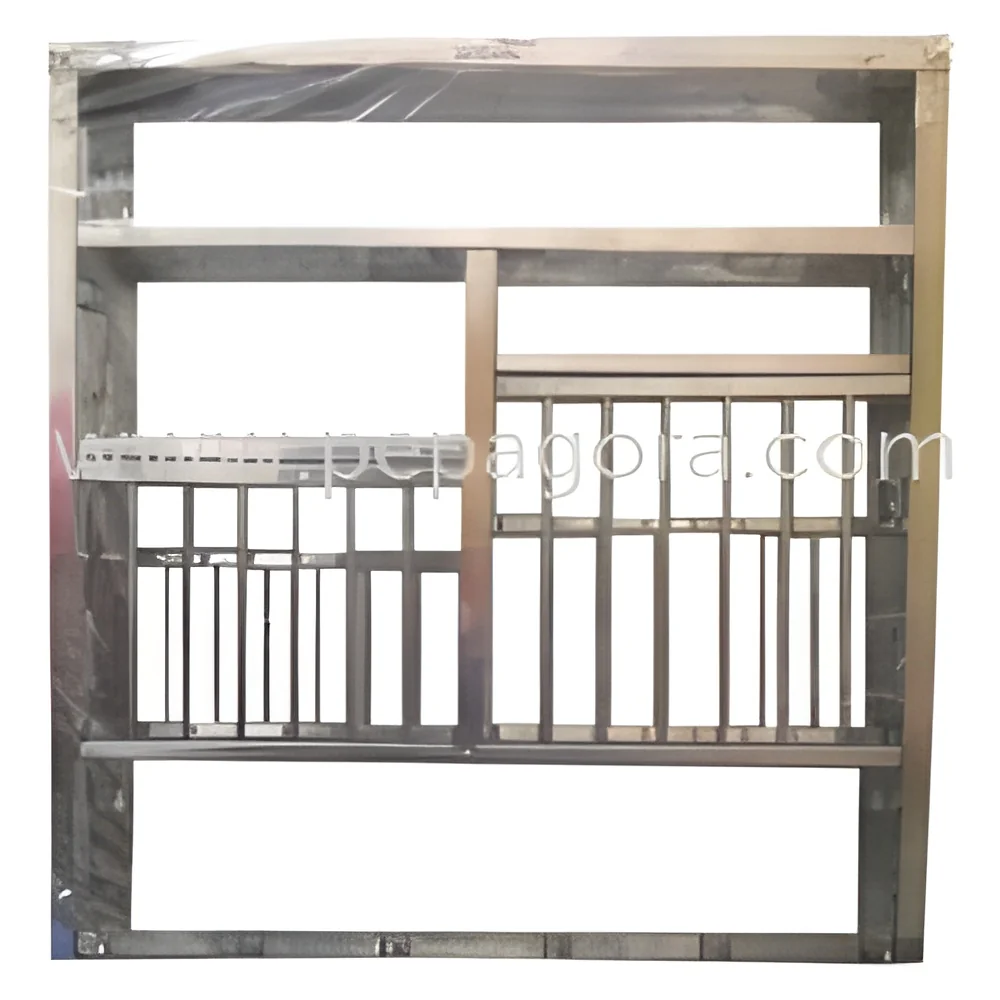
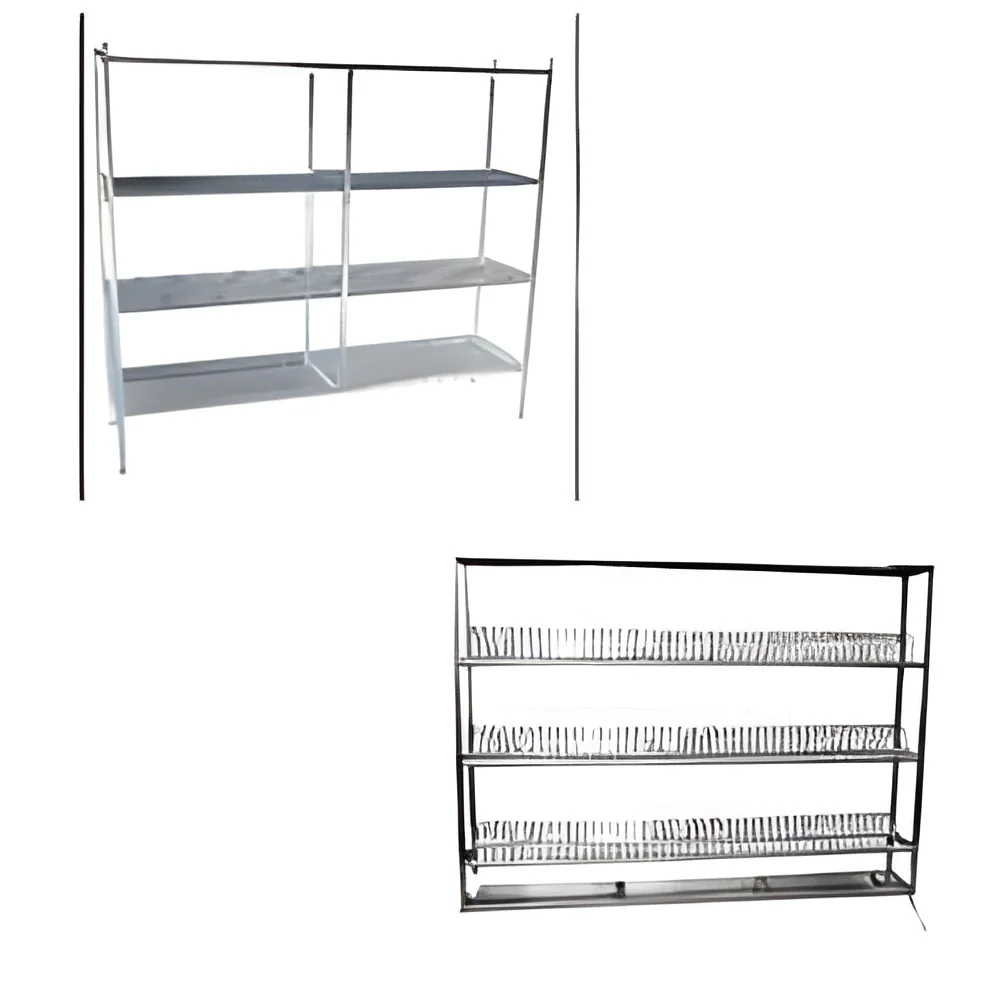
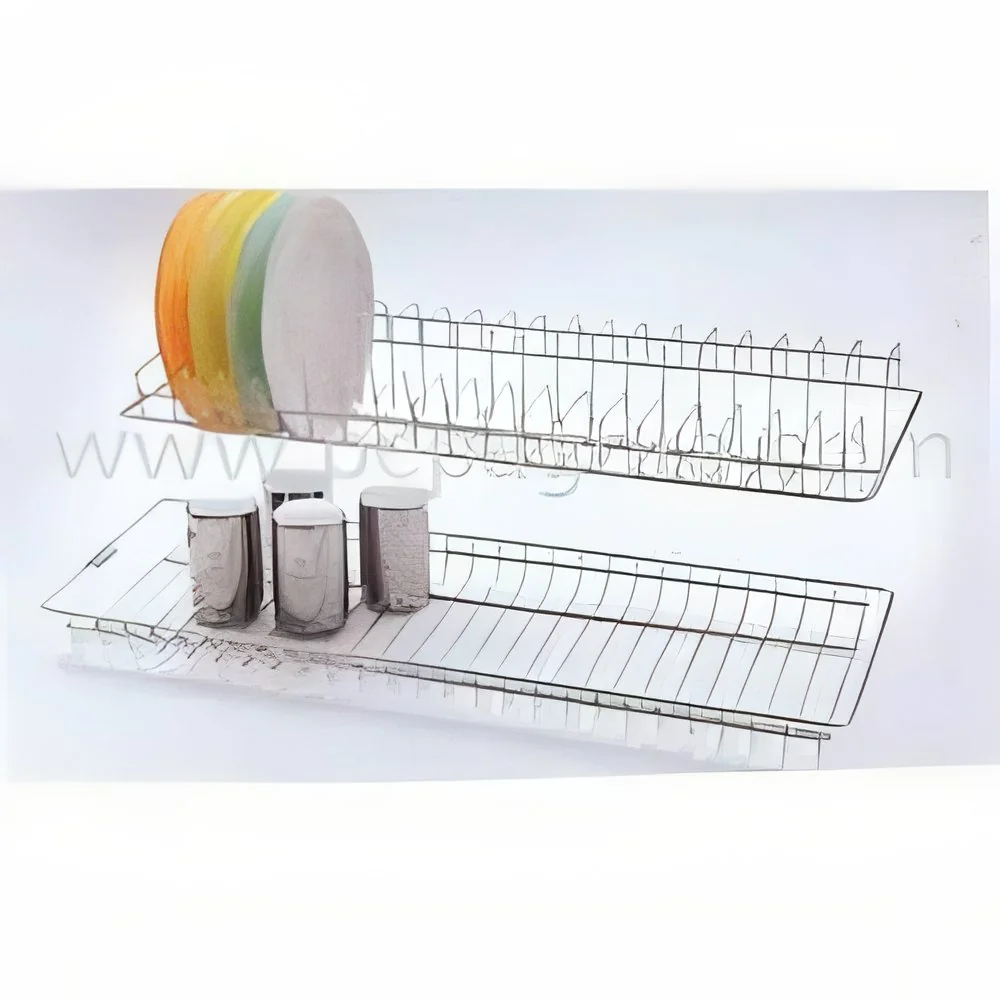
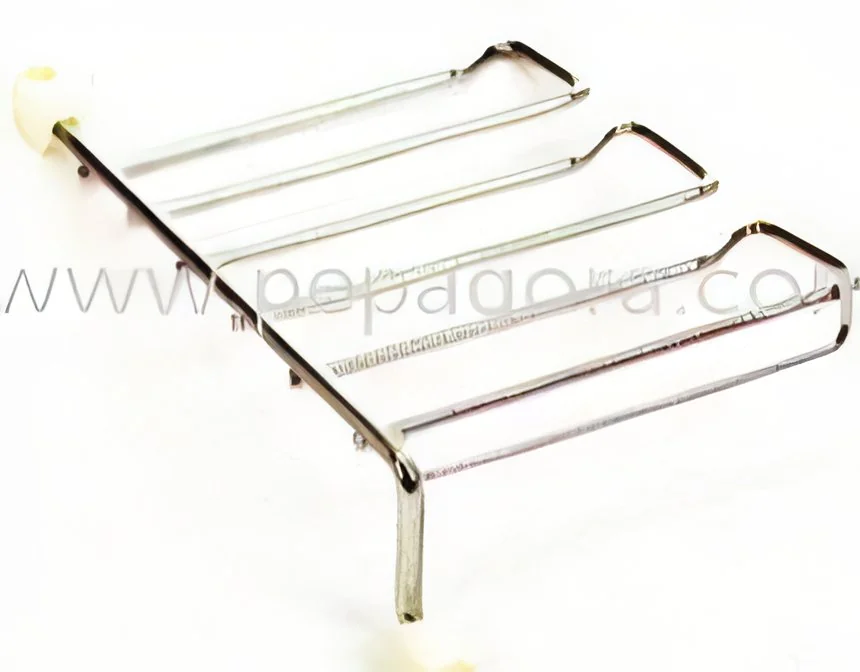
Standard Wire Cooling Racks: These are widely used in bakeries and food production environments. Their wire design allows for optimal airflow, ensuring even cooling of products.
Heavy-Duty Cooling Racks: Designed for industrial use, these racks can handle heavier loads and are typically made from thicker materials. They are ideal for larger items and ensure stability during cooling.
Stackable Cooling Racks: These racks are designed for space efficiency, allowing multiple racks to be stacked when not in use. They are particularly useful in environments with limited storage space.
Collapsible Cooling Racks: These racks can be easily folded down for storage. They are convenient for businesses that require flexibility in their equipment.
Benefits and Advantages
Cooling racks offer numerous benefits that make them a valuable investment for businesses.
1. Enhanced Cooling Efficiency: The design of cooling racks promotes optimal airflow, significantly reducing cooling times for products.
2. Improved Product Quality: By facilitating even cooling, these racks help maintain the texture and flavor of food products and ensure the integrity of other items.
3. Space Optimization: Many cooling racks are designed to be stackable or collapsible, allowing businesses to save space when not in use.
4. Versatility: Cooling racks can be used across various industries, making them a multifunctional solution for many businesses.
5. Cost-Effective: Investing in quality cooling racks can lead to improved operational efficiency, ultimately reducing costs associated with product spoilage.
6. Compliance Assurance: Many cooling racks comply with industry standards, ensuring that businesses meet safety and quality regulations.
Buying Guide for B2B Buyers
When sourcing cooling racks for business needs, several factors should be considered to ensure the right choice.
1. Quality Assessment: Evaluate the materials used in the construction of cooling racks. Stainless steel is preferred for its durability and resistance to corrosion. Always check for quality certifications that ensure standards are met.
2. Supplier Verification: Vet suppliers to ensure they have a good reputation and can provide reliable products. Reviews and testimonials can be useful in assessing their credibility.
3. Pricing and MOQ: Consider cost implications, including the price per unit and any minimum order quantities. Understanding pricing structures can help in budgeting effectively.
4. Delivery and Lead Times: Inquire about delivery schedules and lead times to ensure that cooling racks arrive when needed. Timely delivery is essential for maintaining operational efficiency.
5. Compliance Requirements: Ensure that the cooling racks meet relevant quality and safety standards specific to your industry. This may include certifications such as CE or compliance with HACCP guidelines.
Compliance and Certifications
Compliance with industry standards is crucial for the performance and safety of cooling racks. Key quality standards include ISO 9001, which ensures consistent quality management systems, and HACCP, which focuses on food safety. Meeting these standards is essential for businesses operating in the food and pharmaceutical sectors.
Additionally, many cooling racks are certified with CE marking, indicating compliance with European safety standards. This certification assures businesses that the racks have been tested and meet essential requirements for safety and health.
Safety and testing requirements also play a significant role in the production of cooling racks. Manufacturers often conduct rigorous testing to ensure durability and performance under various conditions. Moreover, regional compliance considerations may vary, so it is essential to understand local regulations when sourcing cooling racks.
Why Source Cooling Racks from Pepagora?
Pepagora provides a trusted platform for sourcing cooling racks, offering several key advantages to businesses.
Verified Supplier Network: Pepagora features a network of verified suppliers, ensuring that buyers can access high-quality products. This verification process helps minimize the risk of sourcing inferior or non-compliant items.
Streamlined RFQ Process: The platform offers a simplified Request for Quotation (RFQ) process, allowing businesses to efficiently compare quotes from multiple suppliers. This streamlines the procurement process and saves time.
Trade Assurance and Support: Pepagora provides trade assurance, protecting buyers against potential issues during the transaction. Their support team is available to assist with any questions or concerns, enhancing the overall purchasing experience.
Regional Coverage: With a strong presence in markets like India, GCC, and Southeast Asia, Pepagora enables businesses to source cooling racks from reliable suppliers in their regions. This geographic reach ensures access to a wide variety of products tailored to local needs.

 IN
IN