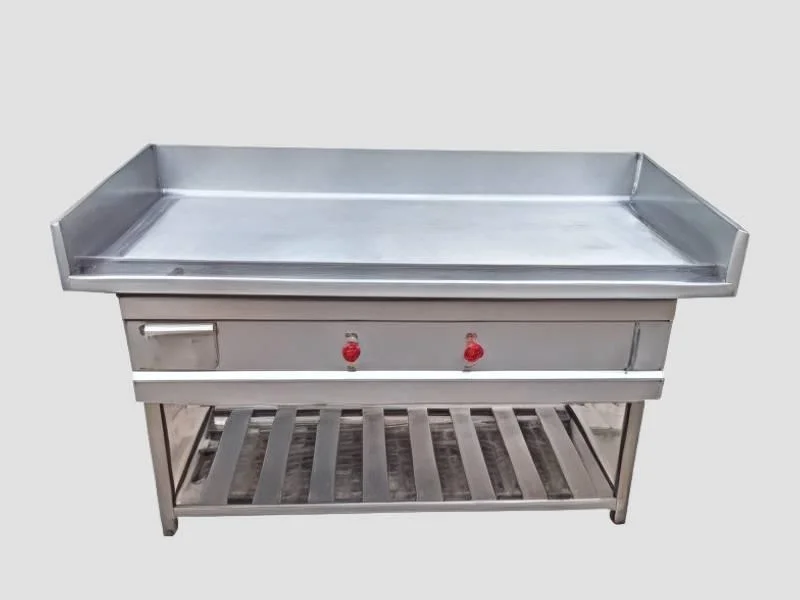
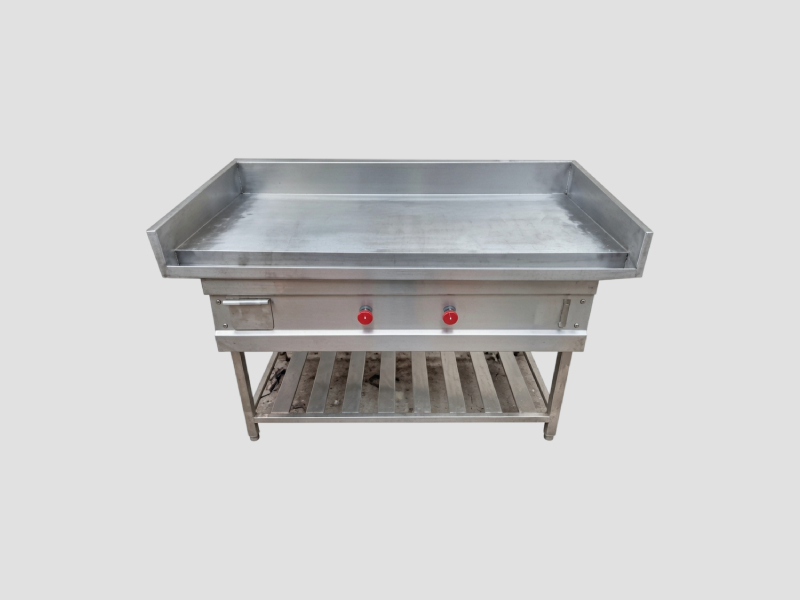
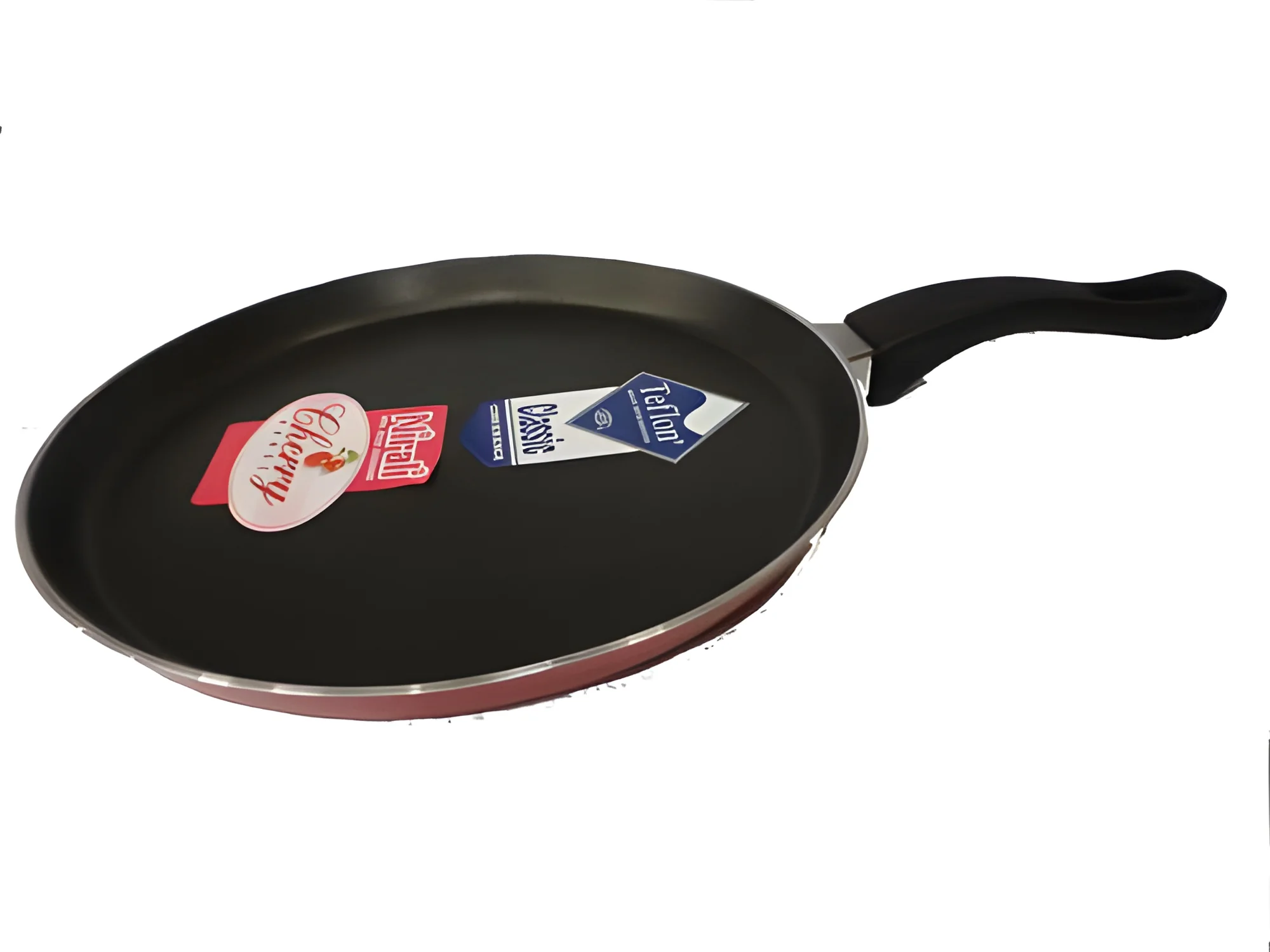
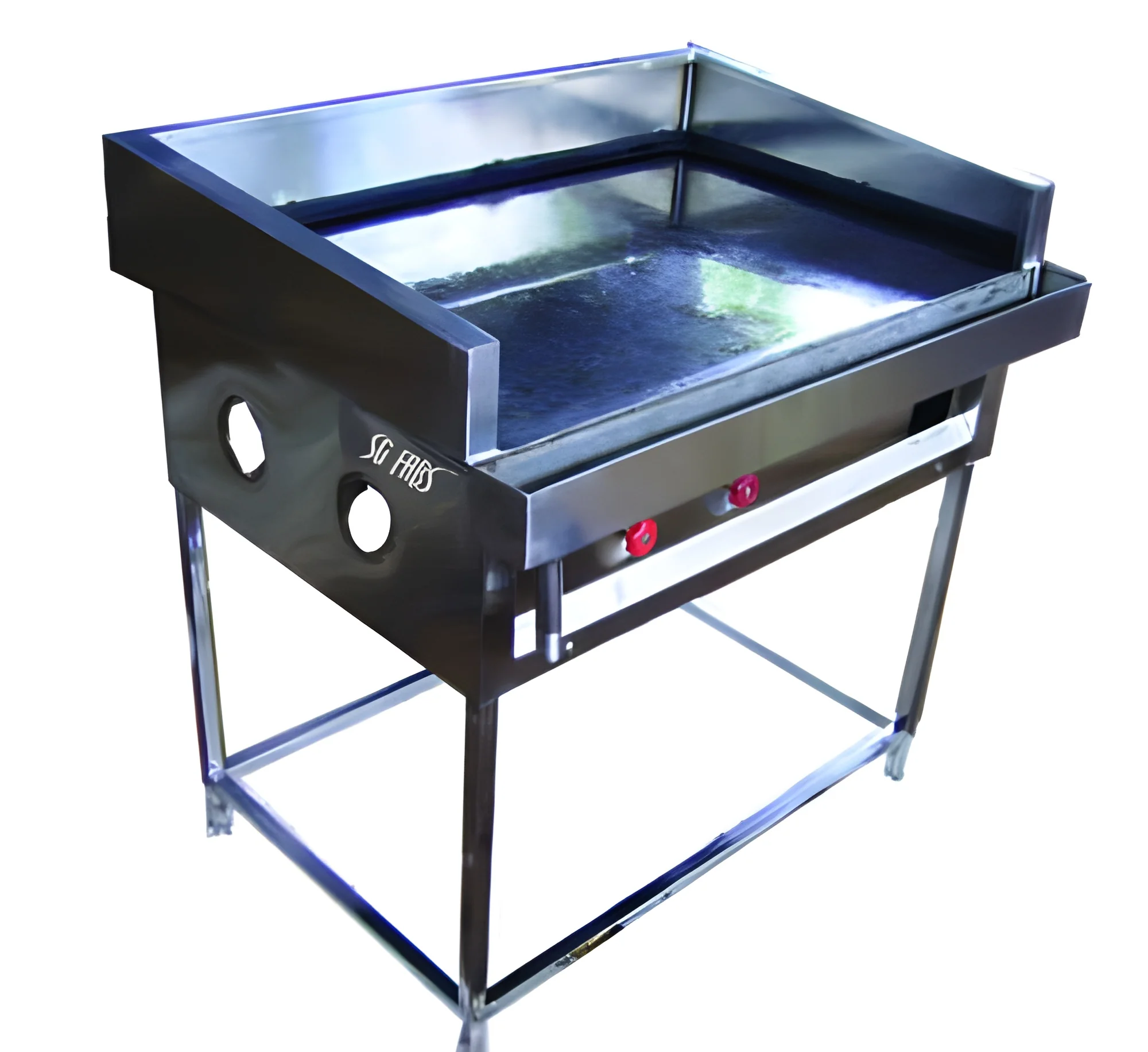
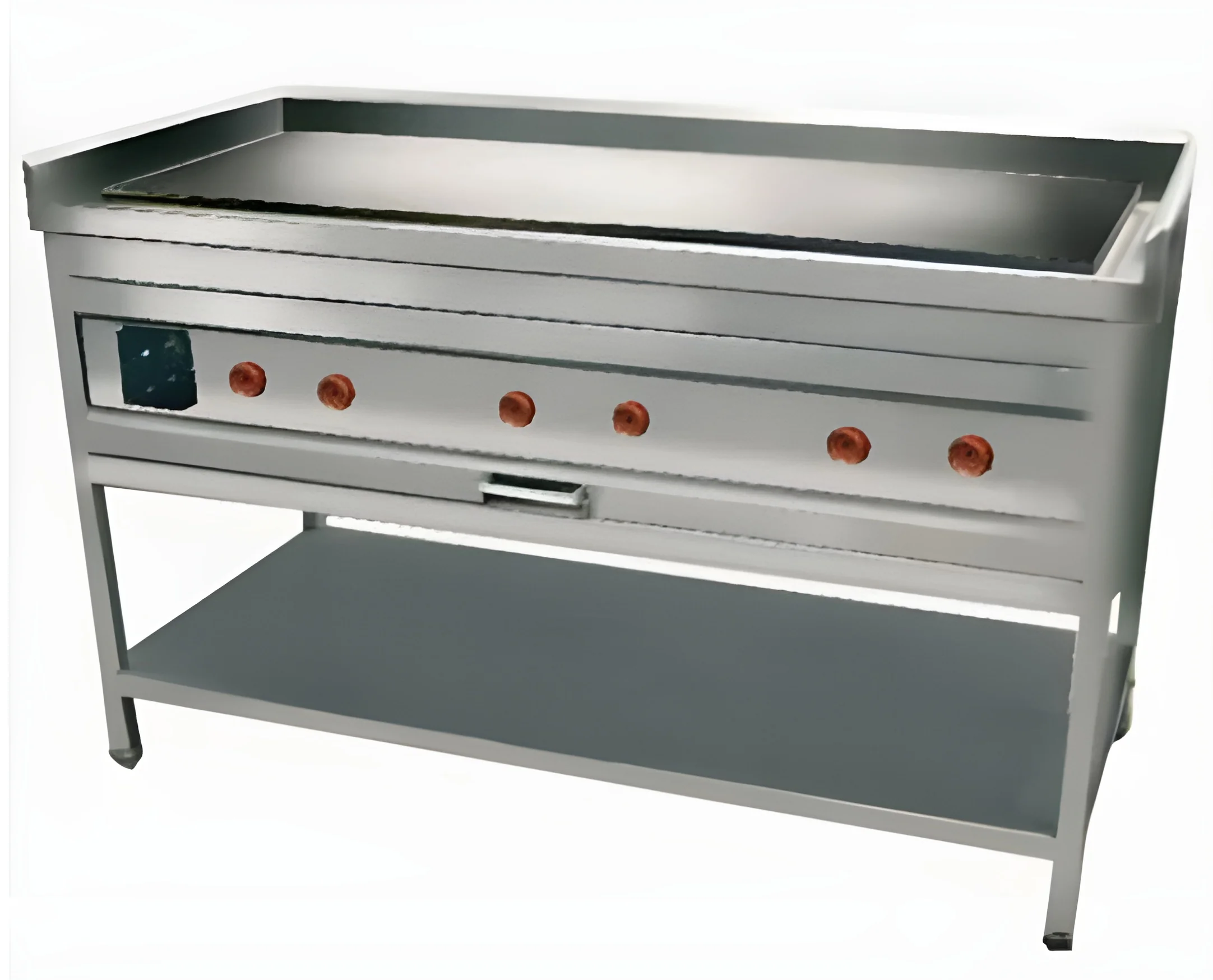
𝗪𝗵𝗮𝘁 𝗮𝗿𝗲 𝗗𝗼𝘀𝗮 𝗧𝗮𝘄𝗮 & 𝗥𝗼𝘁𝗶 𝗧𝗮𝘄𝗮?
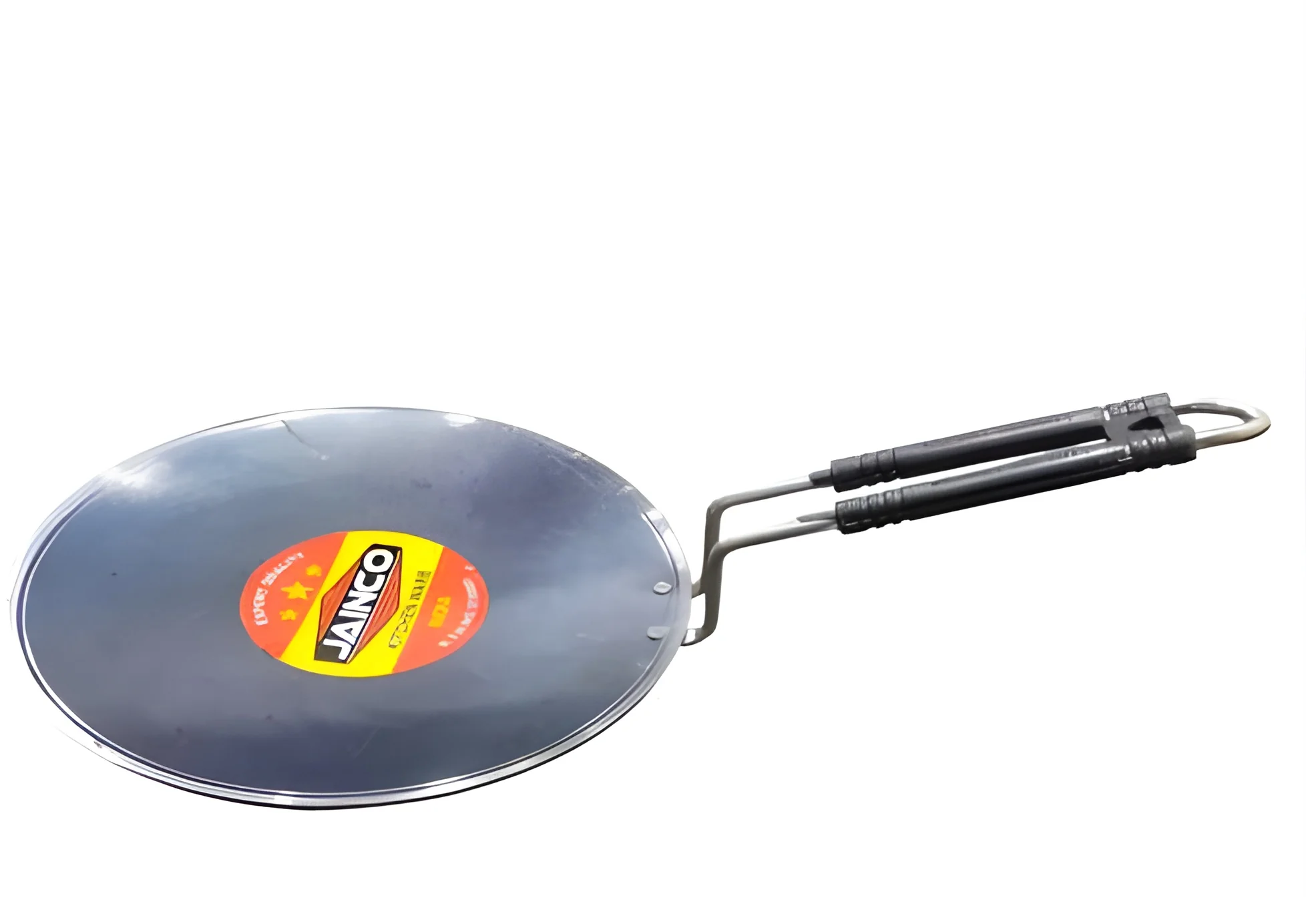
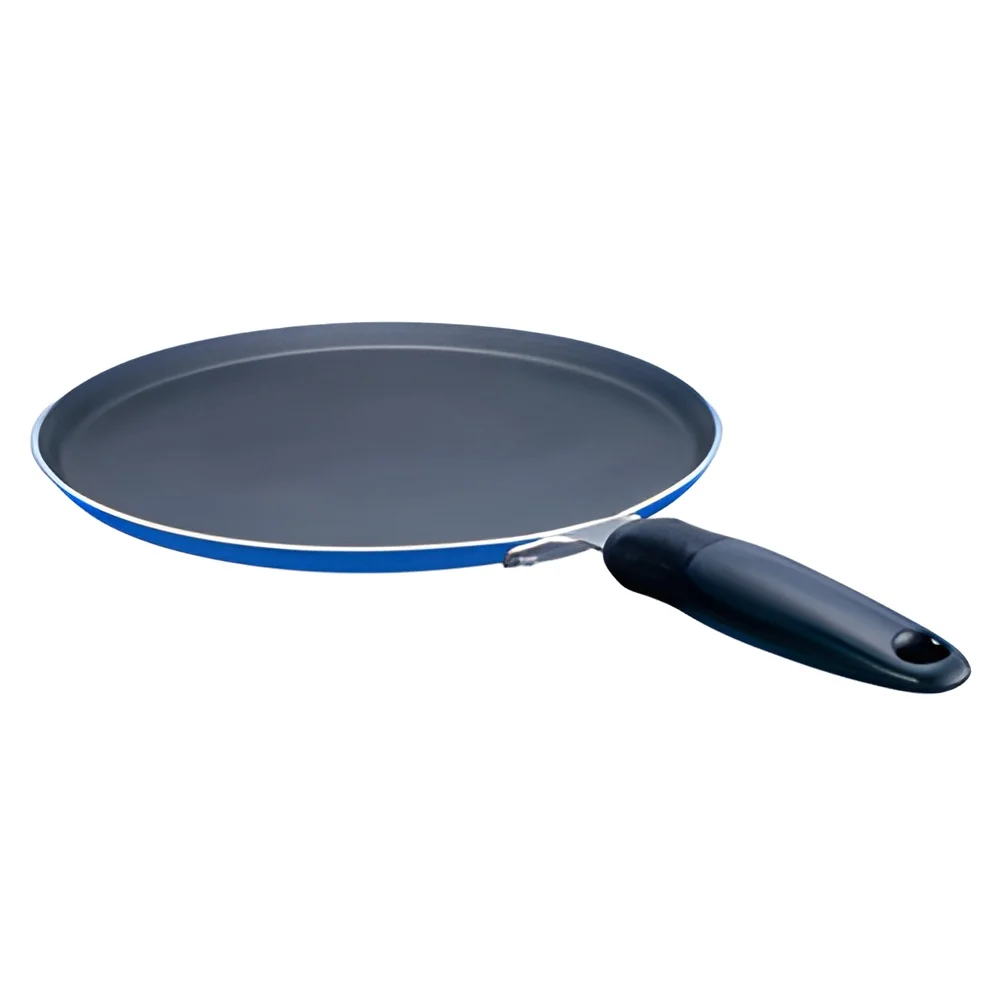
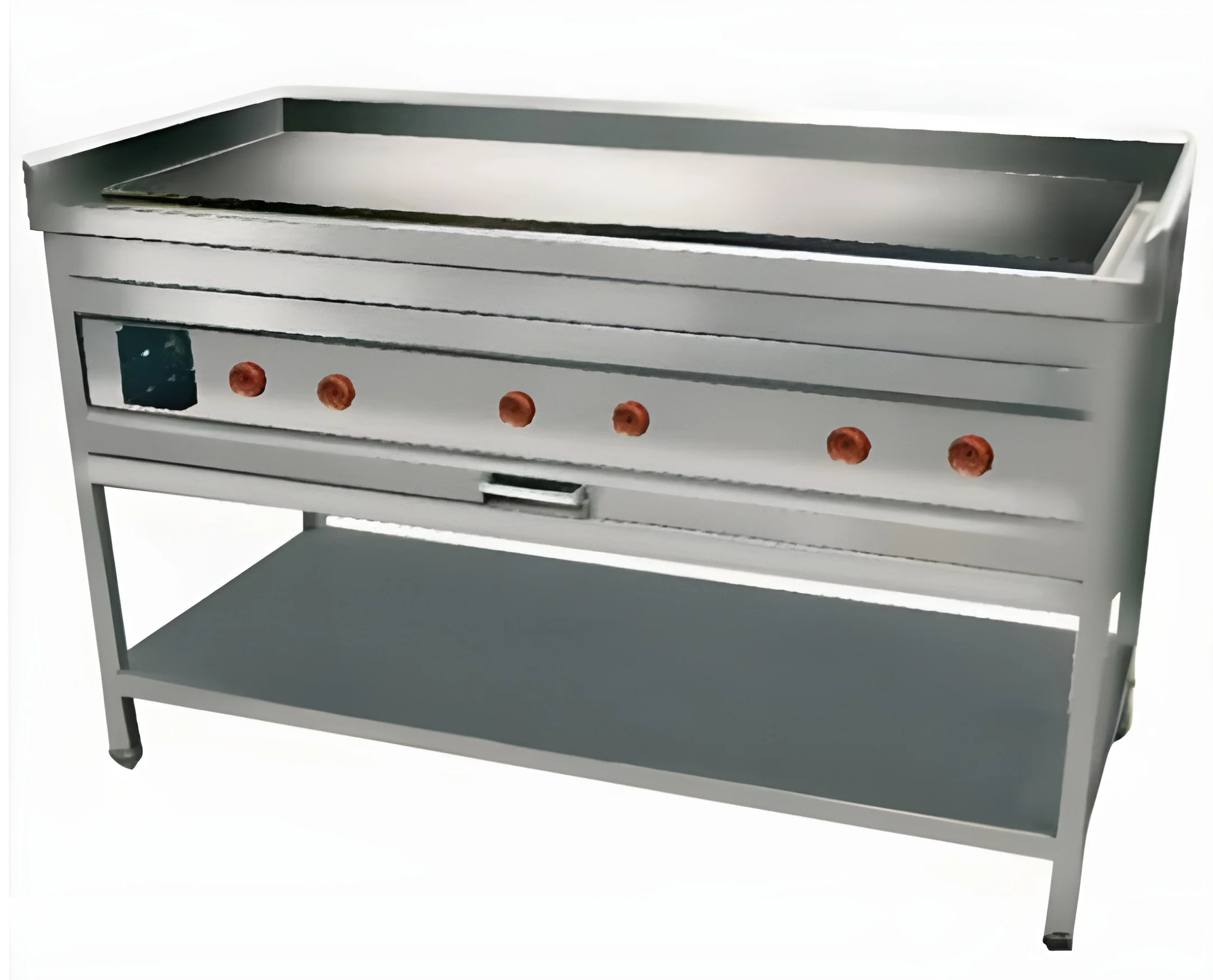
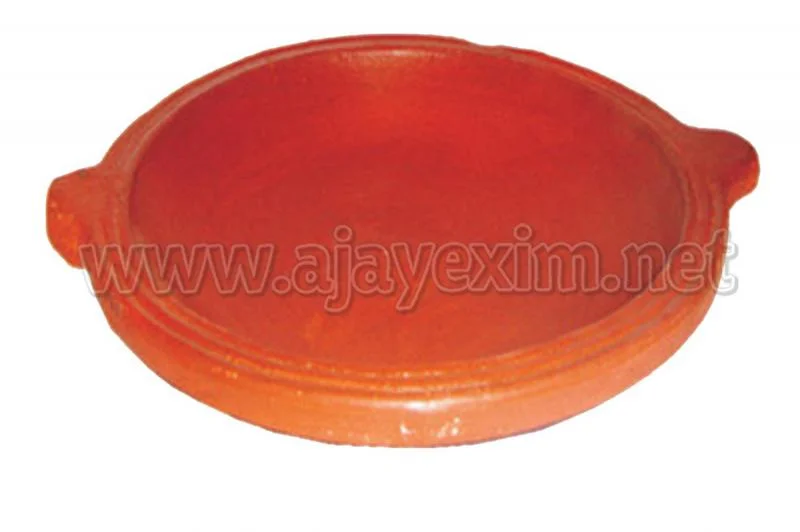
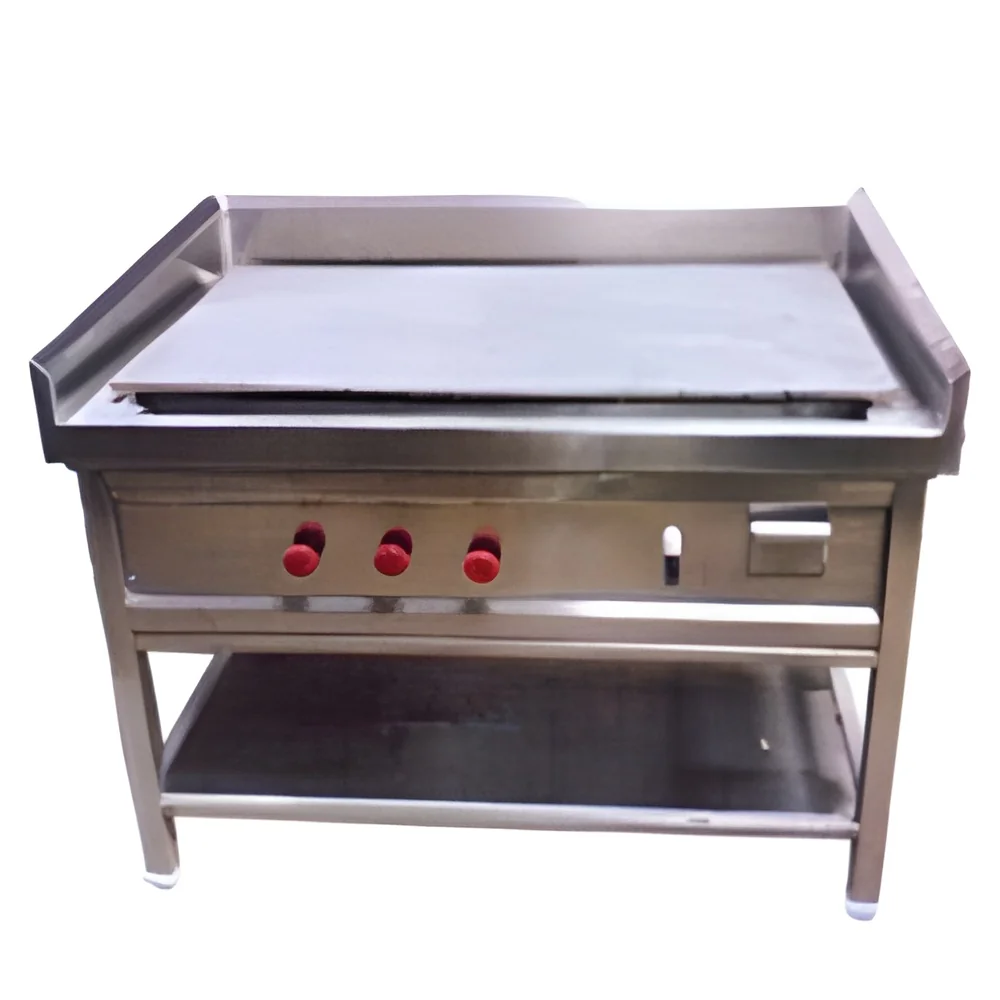
Dosa Tawa and Roti Tawa are specialized cooking pans used primarily in Indian cuisine. They are designed to facilitate the preparation of dosas, a type of thin, crispy pancake made from fermented rice and lentils, and rotis, which are unleavened flatbreads made from whole wheat flour. Both types of tawas are typically made from materials like cast iron, stainless steel, or non-stick coatings, allowing for even heat distribution and efficient cooking.
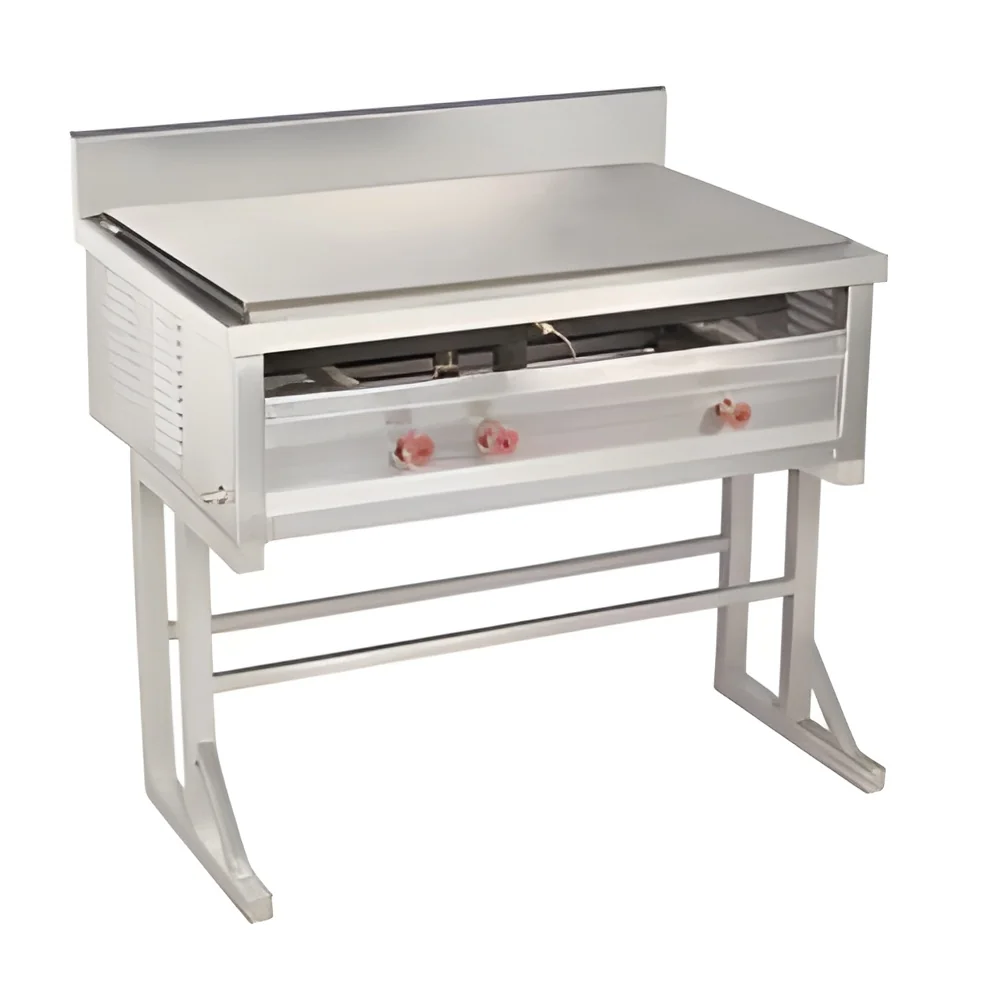
These cooking tools find extensive use in commercial kitchens, restaurants, and catering services, where speed and consistency are crucial. Dosa Tawa is particularly favored for its flat surface and ability to cater to the high demand for dosas in South Indian eateries, while Roti Tawa is essential for the preparation of rotis in various Indian dining establishments. Their significance in the culinary industry is underscored by the growing popularity of Indian cuisine worldwide, leading to an increased demand for these essential cooking implements.
𝗞𝗲𝘆 𝗙𝗲𝗮𝘁𝘂𝗿𝗲𝘀 𝗮𝗻𝗱 𝗦𝗽𝗲𝗰𝗶𝗳𝗶𝗰𝗮𝘁𝗶𝗼𝗻𝘀
Dosa Tawa and Roti Tawa come with several features that enhance their usability and performance. These features are tailored to meet the needs of commercial kitchens and help in delivering high-quality food consistently.
Key specifications include:
1. Material
- Made from cast iron, stainless steel, or non-stick materials.
- Ensures durability and longevity of the product.
2. Size
- Available in various diameters, typically ranging from 12 inches to 20 inches.
- Larger sizes are ideal for bulk cooking.
3. Heat Distribution
- Designed for even heat distribution across the surface.
- Reduces the chances of uneven cooking.
4. Handle Design
- Equipped with heat-resistant handles for safe and easy handling.
- Some models have detachable handles for easier storage.
5. Weight
- Varies depending on size and material, typically between 1.5 kg to 5 kg.
- Heavier models provide better stability during cooking.
6. Non-Stick Coating
- Available in some variants to prevent sticking and facilitate easy cleaning.
- Improves the cooking experience by reducing the need for excessive oil.
7. Compatibility
- Suitable for use on gas stoves, electric cooktops, and induction cooktops.
- Versatile in application across different kitchen setups.
8. Maintenance
- Some models require seasoning while others are easy to maintain with simple cleaning.
- User instructions often include care tips to prolong the lifespan of the tawa.
Overall, these specifications emphasize the importance of choosing the right material and features according to the specific cooking needs.
𝗖𝗼𝗺𝗺𝗼𝗻 𝗔𝗽𝗽𝗹𝗶𝗰𝗮𝘁𝗶𝗼𝗻𝘀 𝗮𝗻𝗱 𝗨𝘀𝗲 𝗖𝗮𝘀𝗲𝘀
Dosa Tawa and Roti Tawa are utilized across various industries, showcasing their versatility and importance in food preparation.
1. Restaurants: These tawas are essential in Indian restaurants where dosas and rotis are staple items on the menu. Their ability to cook quickly and evenly is vital for high-volume service.
2. Catering Services: Catering professionals rely on these tawas to prepare large quantities of dosas and rotis for events. Their size and efficiency make them suitable for outdoor cooking and buffets.
3. Hotels: Many hotels offer Indian cuisine in their dining options, necessitating the use of Dosa and Roti Tawaz in their kitchens for breakfast and dinner services.
4. Food Trucks: Mobile food vendors specializing in Indian foods use these tawas to prepare and serve fresh dosas and rotis quickly to customers.
5. Educational Institutions: Colleges and schools with dining facilities may incorporate these tawas in their kitchens to provide students with authentic Indian meals.
6. Home Kitchens: Enthusiastic home cooks often use these tawas to recreate restaurant-style dosas and rotis, reflecting a growing interest in Indian cooking.
7. Food Processing Units: Some commercial food manufacturers use these tawas for bulk production of ready-to-eat meals that include dosas and rotis.
𝗣𝗿𝗼𝗱𝘂𝗰𝘁 𝗩𝗮𝗿𝗶𝗮𝗻𝘁𝘀 𝗮𝗻𝗱 𝗦𝘂𝗯𝗰𝗮𝘁𝗲𝗴𝗼𝗿𝗶𝗲𝘀
Dosa Tawa and Roti Tawa come in various variants to cater to different cooking styles and preferences.
Cast Iron Dosa Tawa: This variant is known for its excellent heat retention and even cooking. It is suitable for traditional cooking methods and enhances the flavor of dosas. It requires regular seasoning to maintain its non-stick properties.
Non-Stick Roti Tawa: Designed for easy cooking and cleaning, this variant features a non-stick surface that prevents rotis from sticking. It is ideal for those who prefer low-oil cooking and want a hassle-free experience.
Stainless Steel Dosa Tawa: This variant is durable and resistant to rust. It provides a modern look and is easy to clean. It is suitable for professional kitchens looking for long-lasting cookware.
Heavy-duty Roti Tawa: Built for commercial use, this variant is thicker and heavier, ensuring stability during high-volume cooking. It is perfect for restaurants with a large turnover of customers.
𝗕𝗲𝗻𝗲𝗳𝗶𝘁𝘀 𝗮𝗻𝗱 𝗔𝗱𝘃𝗮𝗻𝘁𝗮𝗴𝗲𝘀
Choosing Dosa Tawa and Roti Tawa provides numerous advantages for businesses in the food industry.
1. Consistent Cooking: These tawas ensure even heat distribution, leading to perfectly cooked dosas and rotis every time.
2. Durability: Made from high-quality materials, these tawas are designed to withstand the rigors of a busy kitchen environment.
3. Efficiency: Their design allows for quick cooking, enabling chefs to serve customers faster during peak hours.
4. Versatility: Suitable for various cooking surfaces, these tawas can adapt to different kitchen setups and cooking methods.
5. Easy Maintenance: Many variants are designed for easy cleaning, saving time and effort in kitchen upkeep.
6. Enhanced Flavor: Cast iron tawas, in particular, can enhance the flavor of dishes, making them a preferred choice for traditional cooking.
𝗕𝘂𝘆𝗶𝗻𝗴 𝗚𝘂𝗶𝗱𝗲 𝗳𝗼𝗿 𝗕𝟮𝗕 𝗕𝘂𝘆𝗲𝗿𝘀
When sourcing Dosa Tawa and Roti Tawa, buyers should consider several key factors to ensure they make informed decisions.
1. Quality Assessment: Evaluate the material and construction quality. Look for products that are durable and have a good reputation for performance in commercial settings.
2. Supplier Verification: Vet suppliers to ensure they have a track record of delivering high-quality products. Check for reviews and customer feedback to assess reliability.
3. Pricing and MOQ: Understand the pricing structure and minimum order quantities. This can vary significantly based on the supplier and the specifications of the tawas.
4. Delivery and Lead Times: Inquire about logistics and lead times to ensure timely delivery, especially if you have specific project deadlines to meet.
5. Compliance Requirements: Check if the products meet industry standards and certifications, such as CE. Ensure that they comply with any regional regulations that may apply.
𝗖𝗼𝗺𝗽𝗹𝗶𝗮𝗻𝗰𝗲 𝗮𝗻𝗱 𝗖𝗲𝗿𝘁𝗶𝗳𝗶𝗰𝗮𝘁𝗶𝗼𝗻𝘀
Dosa Tawa and Roti Tawa must meet various quality standards and certifications to ensure safety and reliability in food preparation.
ISO 9001 is a widely recognized standard that focuses on quality management systems. Manufacturers of these tawas should adhere to this standard to ensure consistent quality in their production processes.
HACCP (Hazard Analysis and Critical Control Points) is another essential standard applicable to food safety. Tawaz intended for commercial use should comply with HACCP guidelines to mitigate food safety risks.
CE certification indicates that the product meets European safety, health, and environmental protection standards. This certification is crucial for suppliers intending to export their tawas to European markets.
Safety and testing requirements are vital for ensuring that the materials used are safe for food contact. Manufacturers should conduct rigorous testing to confirm that their products meet these requirements.
Regional compliance considerations may vary, so it's essential for buyers to be aware of local regulations regarding cookware used in food preparation.
𝗪𝗵𝘆 𝗦𝗼𝘂𝗿𝗰𝗲 𝗗𝗼𝘀𝗮 𝗧𝗮𝘄𝗮 & 𝗥𝗼𝘁𝗶 𝗧𝗮𝘄𝗮 𝗳𝗿𝗼𝗺 𝗣𝗲𝗽𝗮𝗴𝗼𝗿𝗮?
Pepagora offers a reliable platform for sourcing Dosa Tawa and Roti Tawa, providing several key advantages for B2B buyers.
Verified Supplier Network: All suppliers on Pepagora are thoroughly vetted to ensure they meet high standards of quality and reliability. This gives buyers confidence in their sourcing decisions.
Streamlined RFQ Process: The platform simplifies the request for quotation (RFQ) process, allowing buyers to quickly connect with multiple suppliers and receive competitive pricing.
Trade Assurance and Support: Pepagora provides trade assurance to protect buyers throughout the purchasing process. This includes support for dispute resolution and guidance on best practices.
Regional Coverage: With a strong presence in India, GCC, and Southeast Asia, Pepagora ensures that buyers have access to local suppliers and can easily source products suited to their specific market needs.

 IN
IN