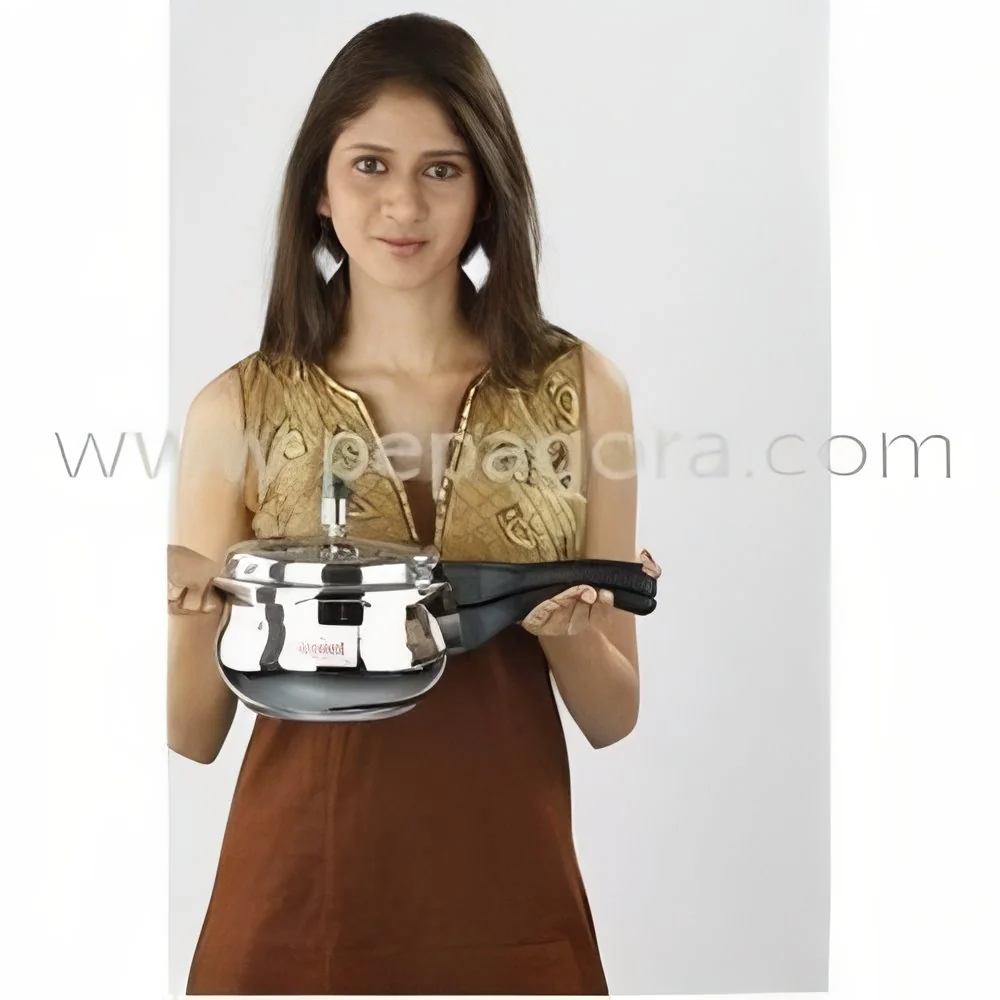
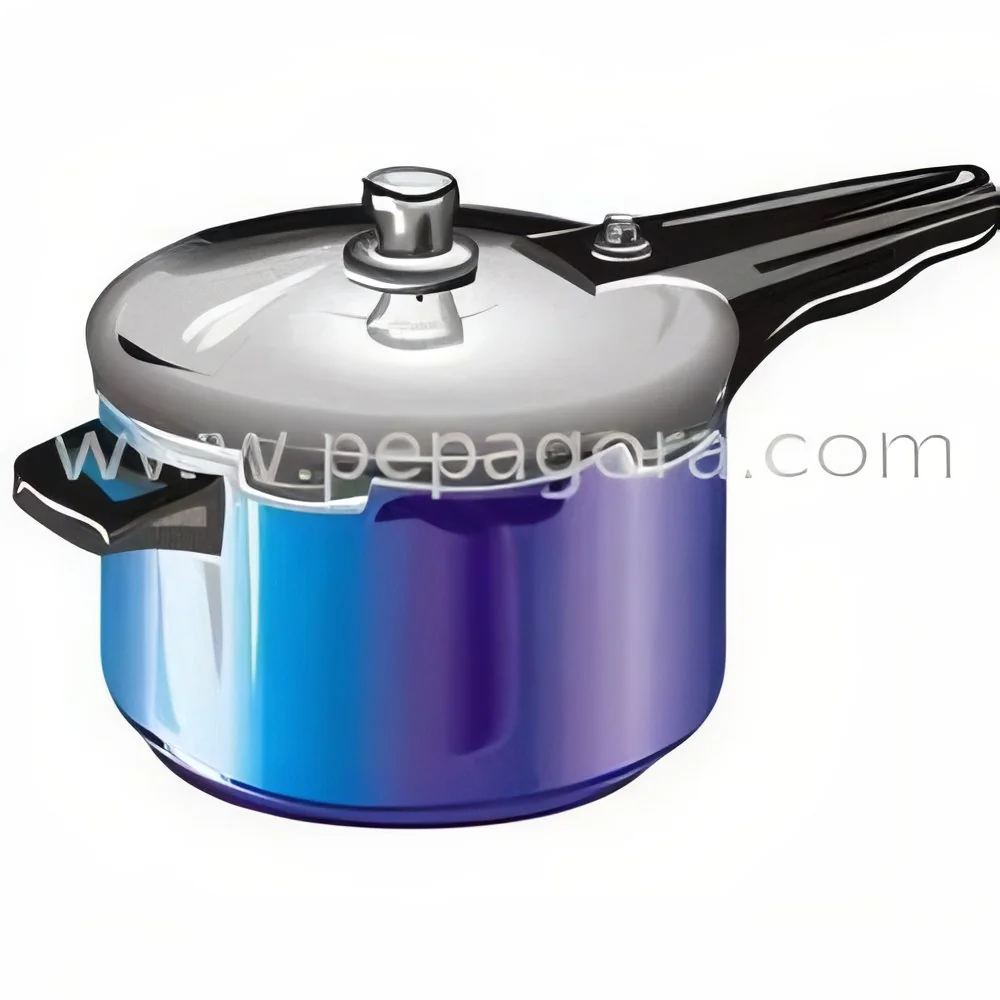
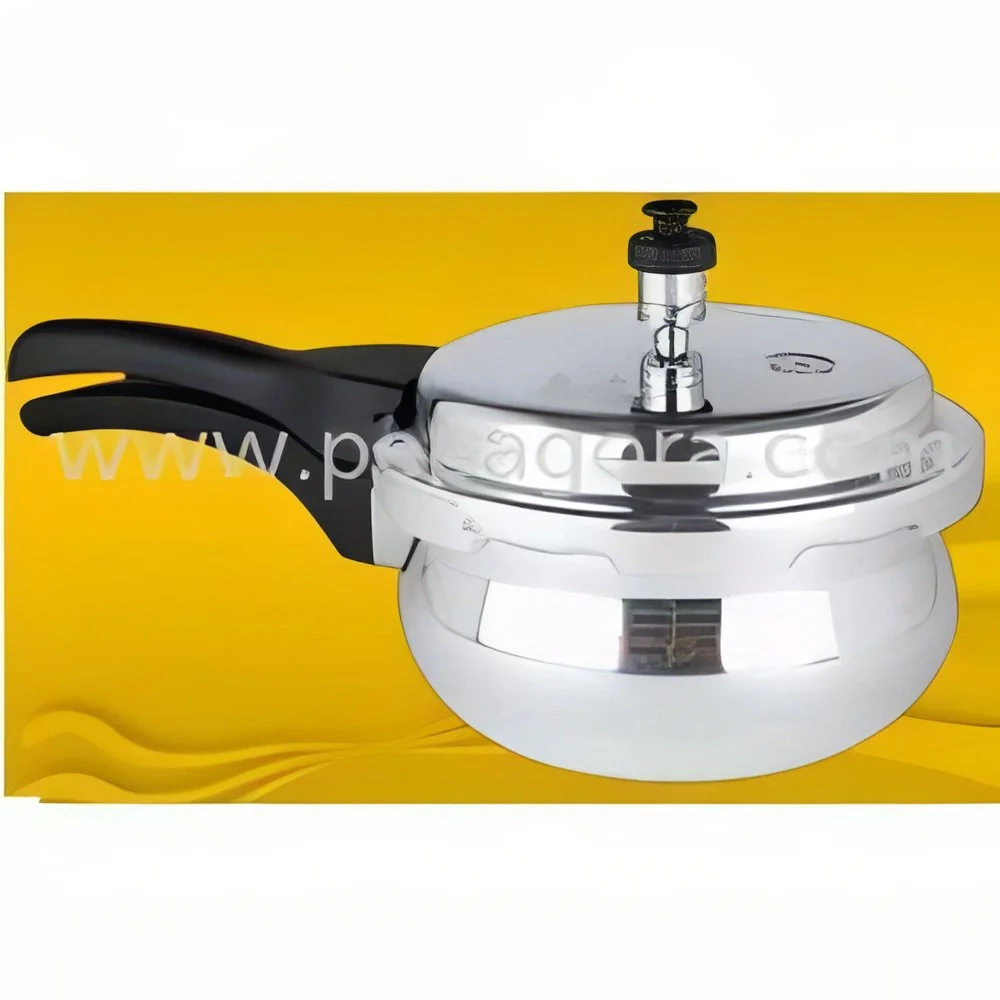
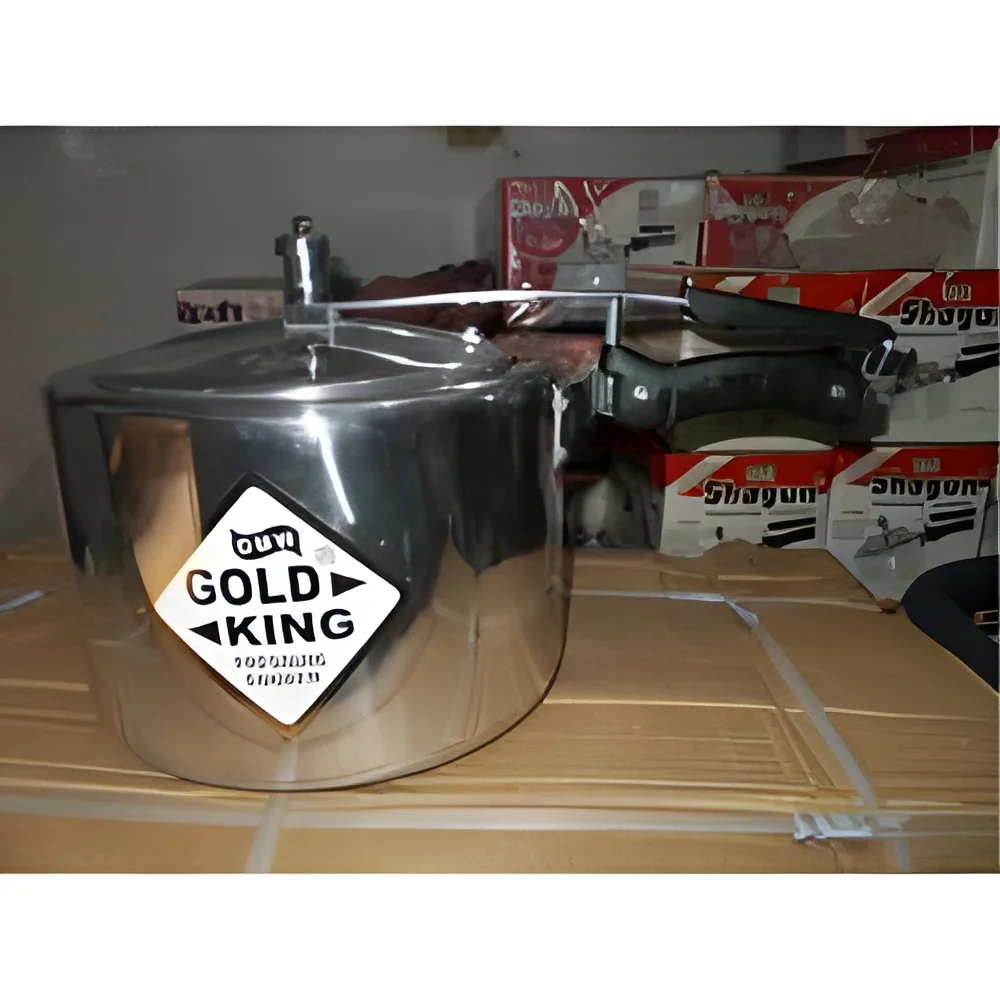
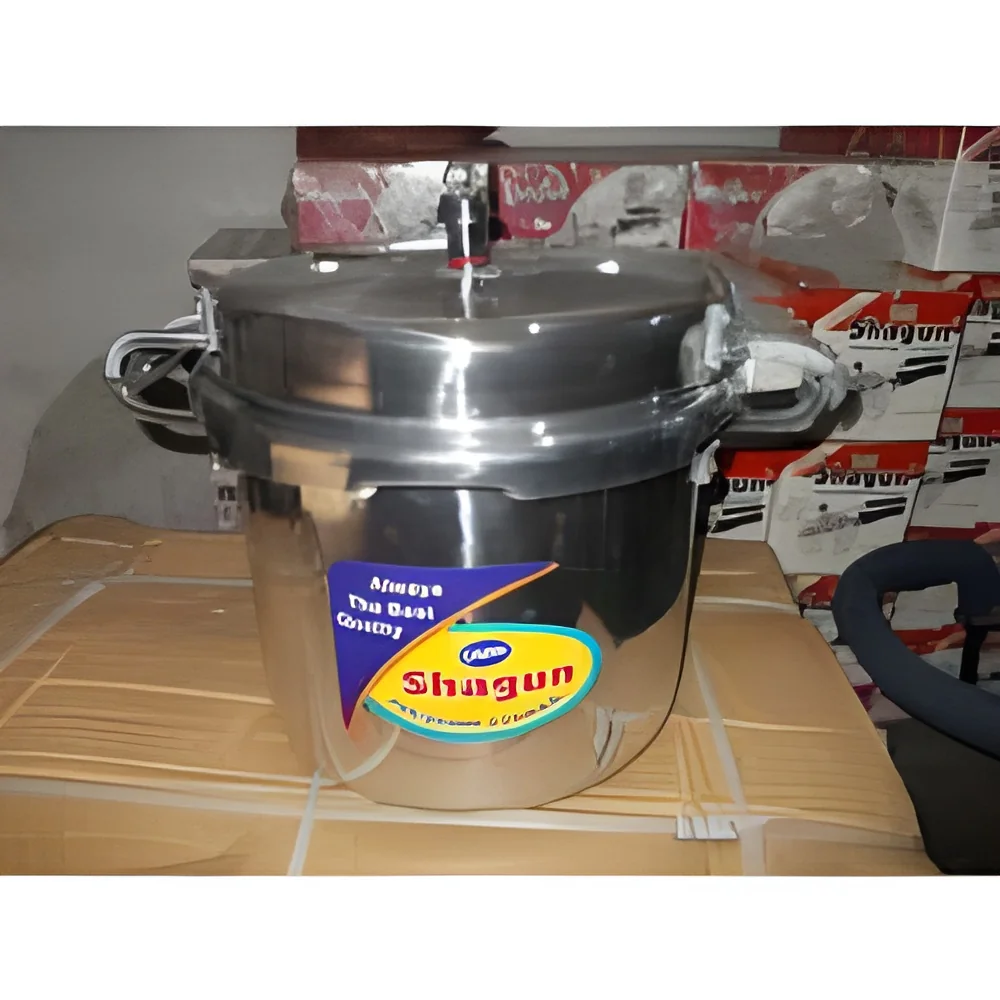
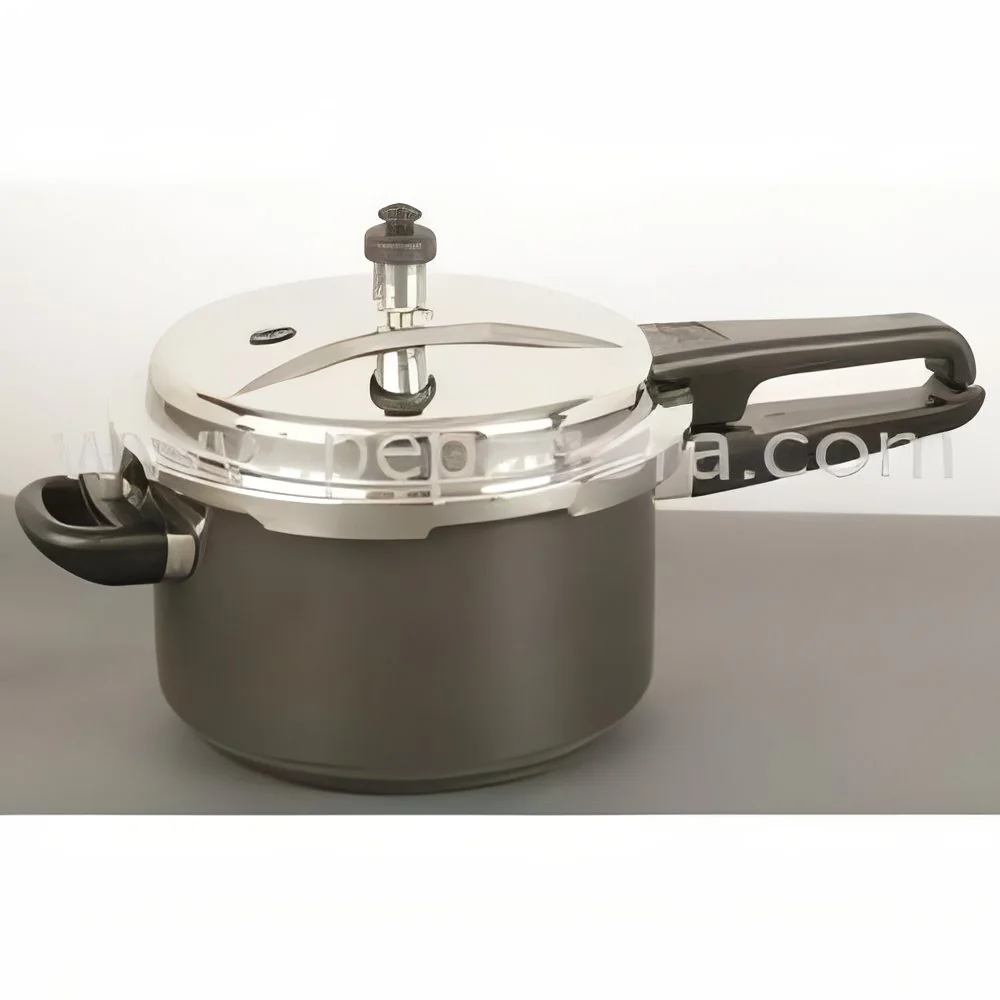
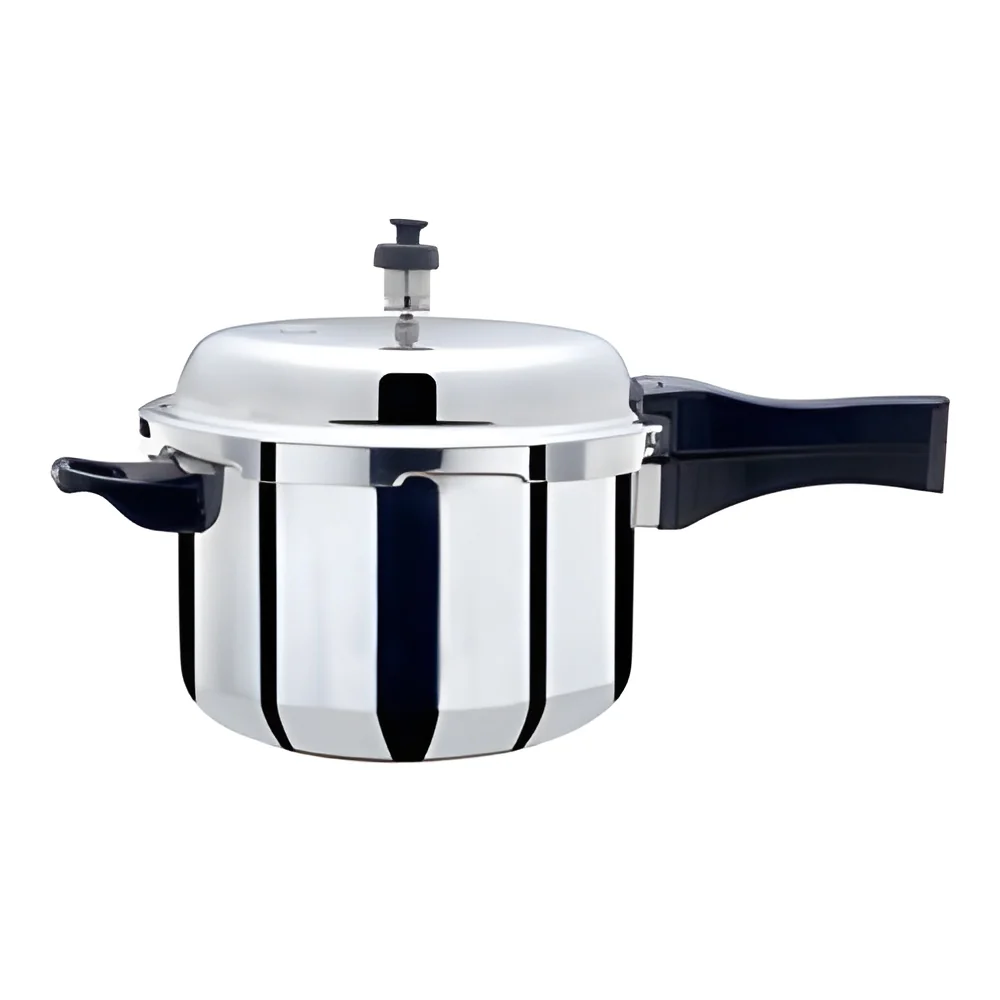
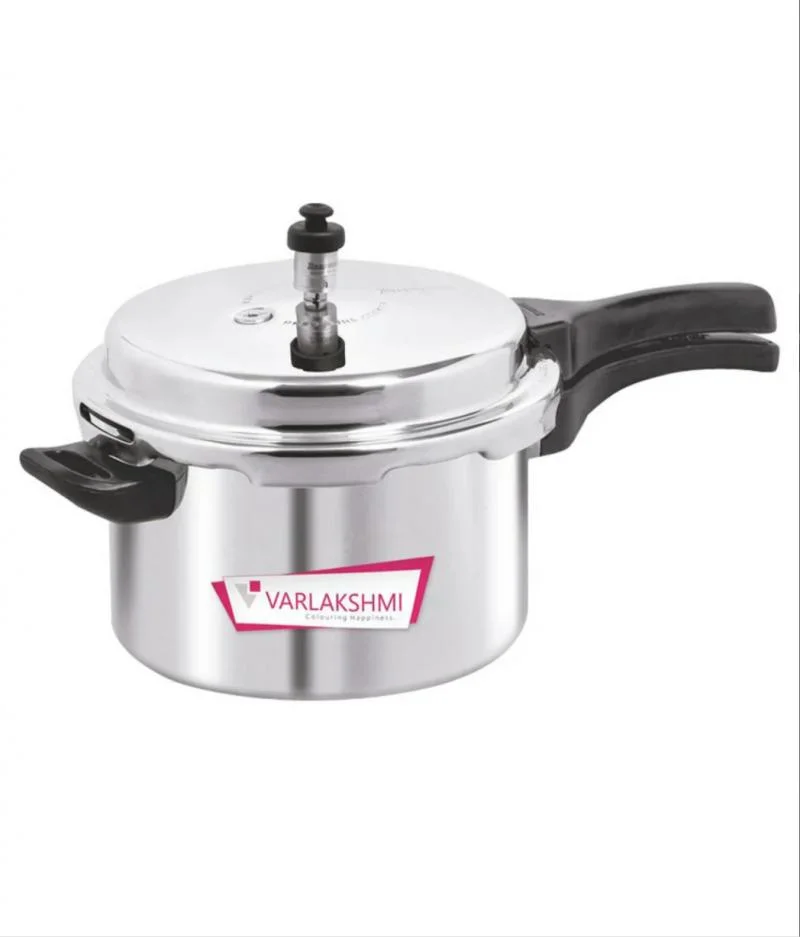
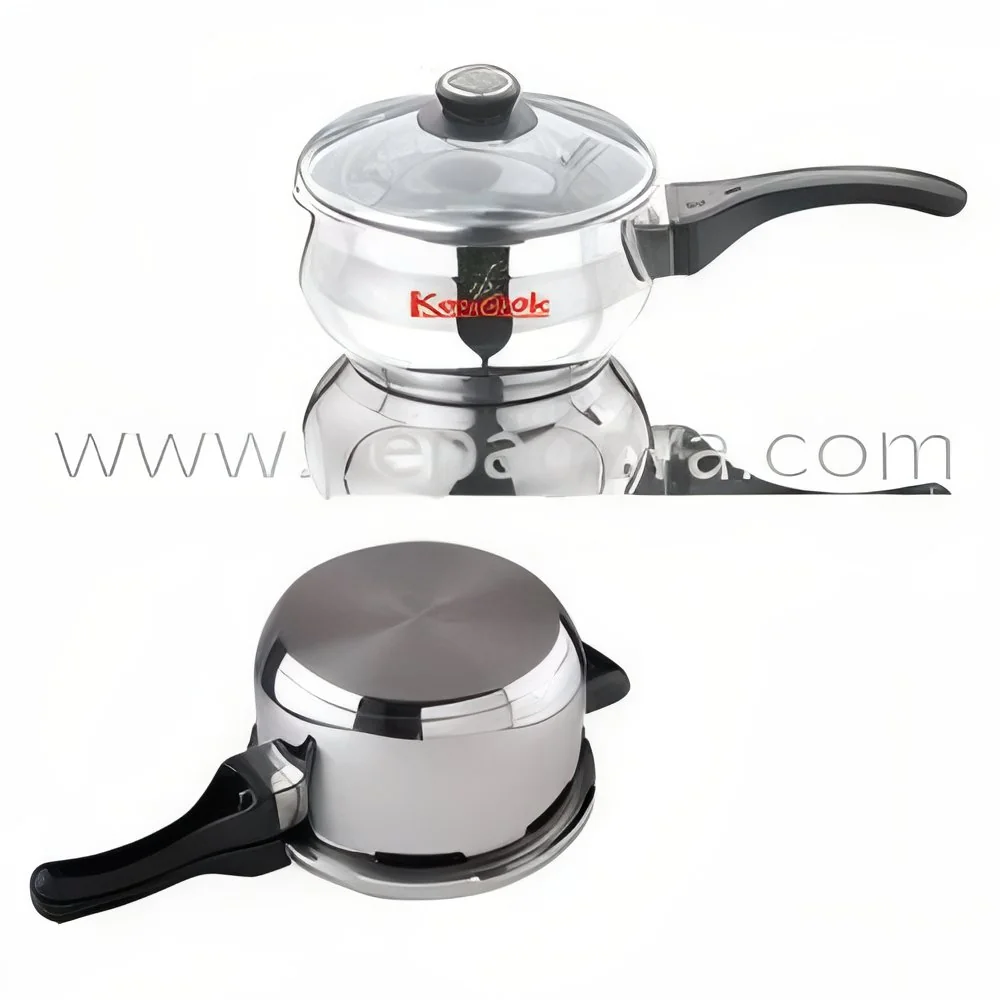
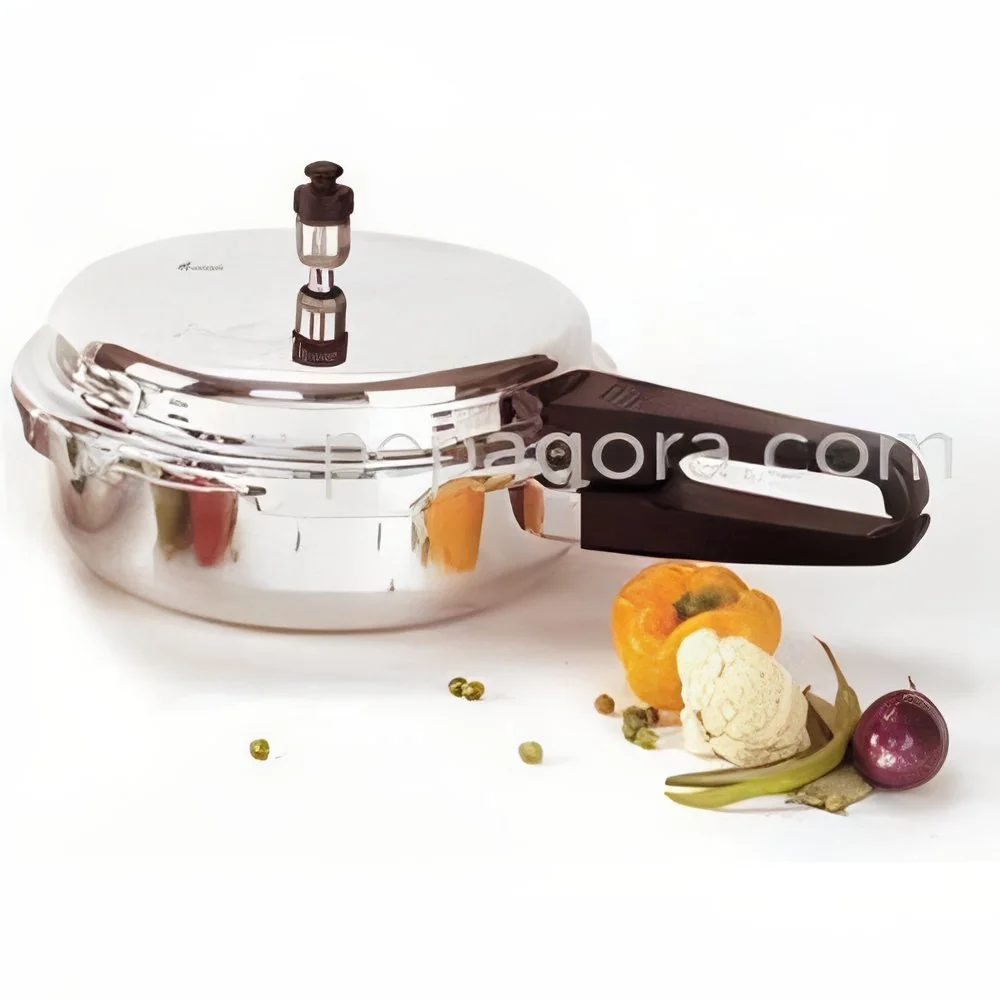
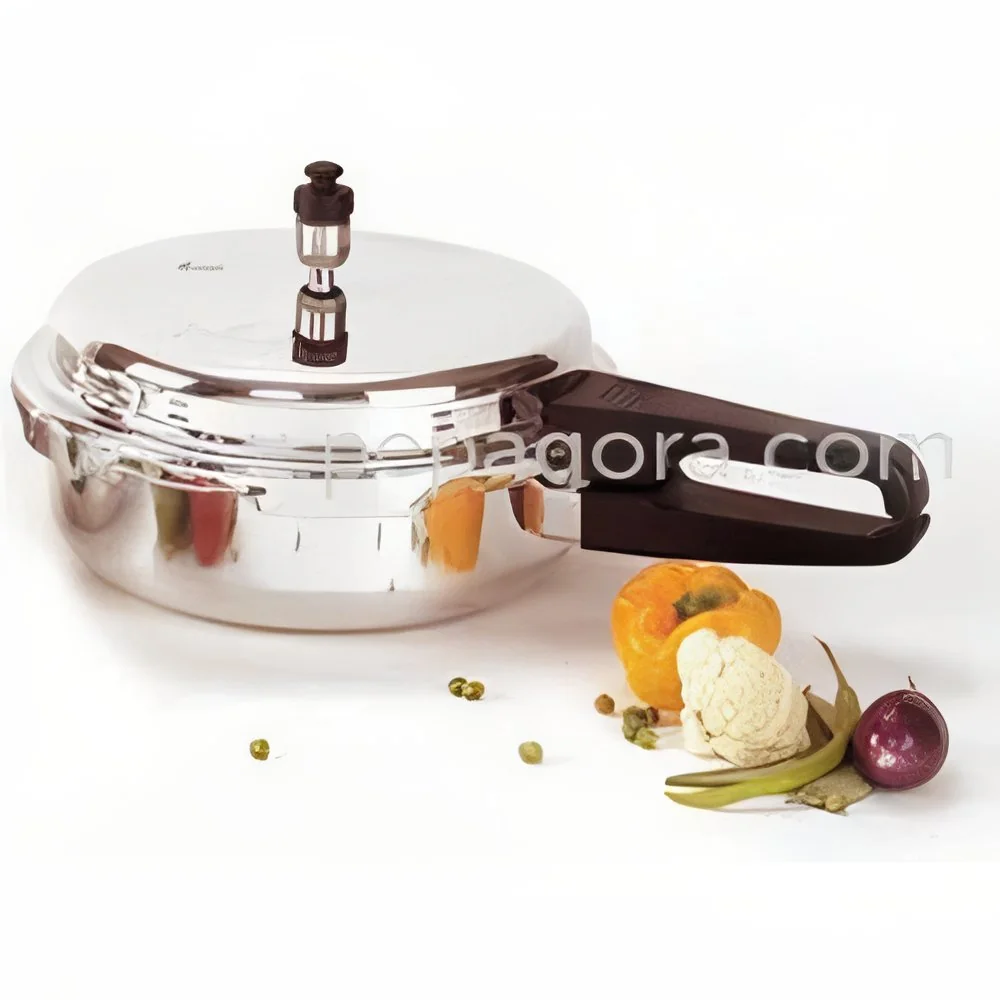
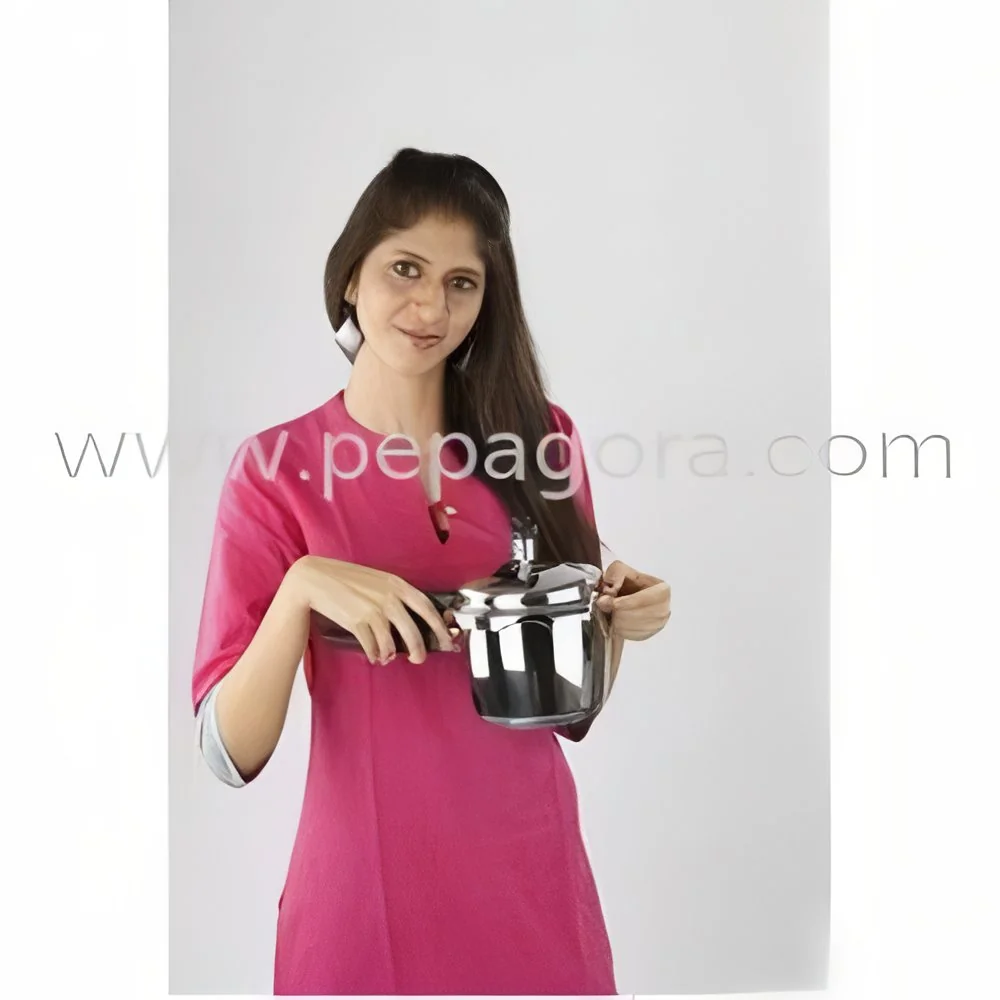
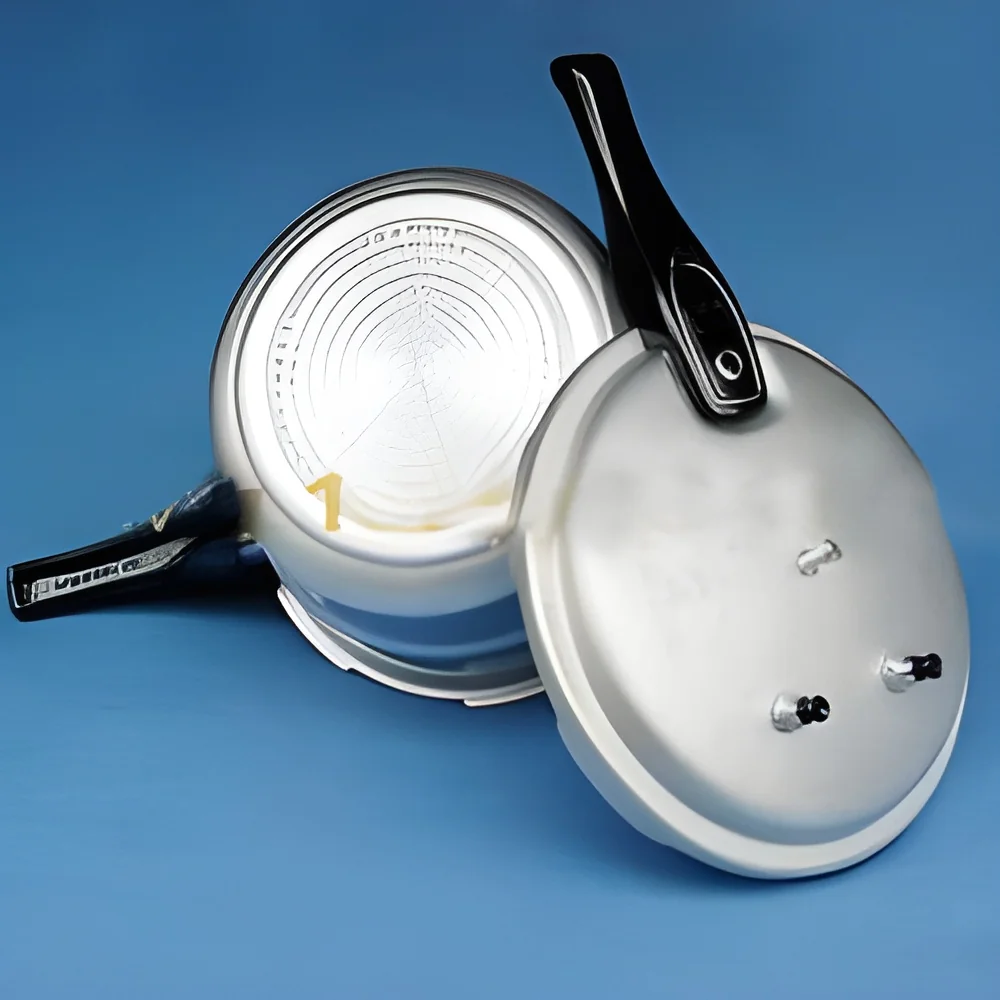
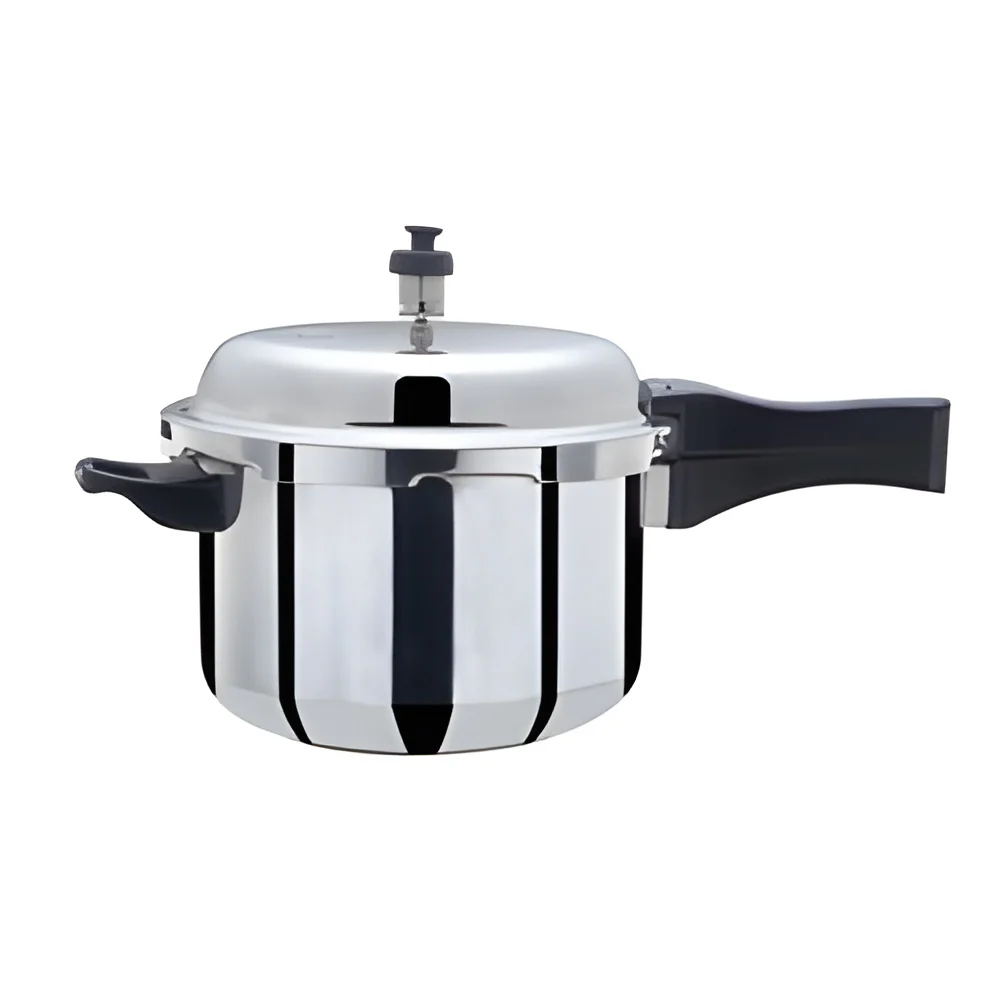
What are Pressure Cookers?
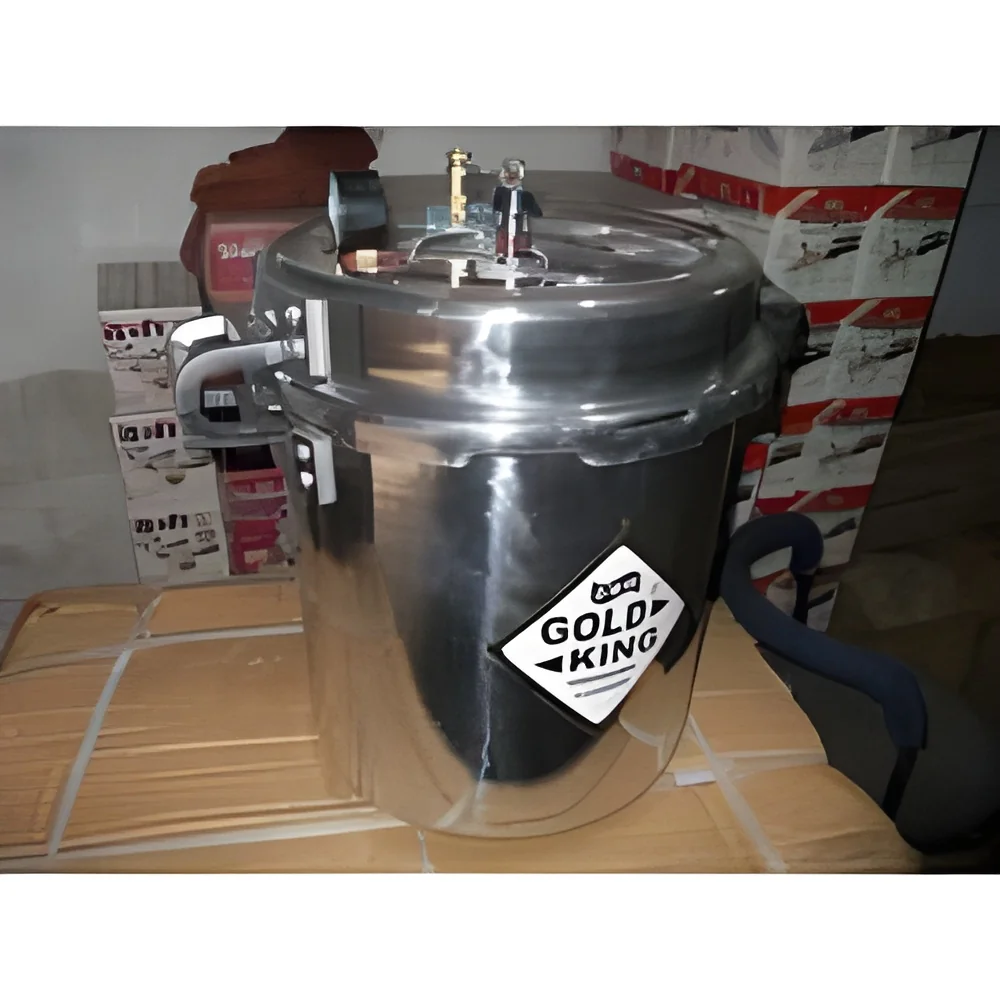
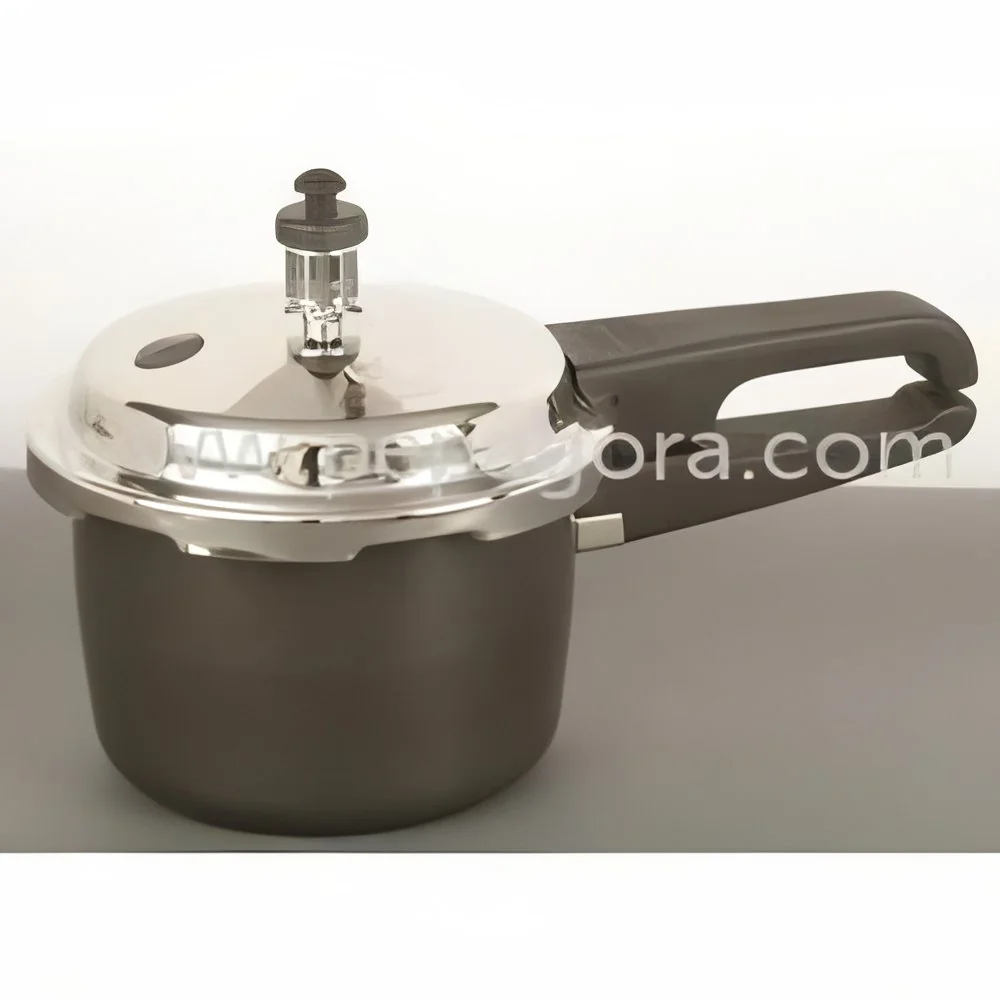
Pressure cookers are specialized kitchen appliances designed to cook food quickly under high pressure. The mechanism involves sealing the pot to trap steam, which increases the internal pressure and cooking temperature. This results in faster cooking times compared to conventional methods, making pressure cookers highly efficient for both household and industrial applications.
In the business context, pressure cookers are widely used in commercial kitchens, food processing plants, and catering services. They are ideal for preparing large quantities of food while retaining moisture and flavor. The ability to cook a variety of foods, from grains to meats, makes pressure cookers essential in many culinary operations. The market for pressure cookers has seen substantial growth as businesses look for ways to enhance productivity and reduce cooking times.
Key Features and Specifications
Pressure cookers come equipped with various features that enhance their functionality and efficiency. Understanding these specifications is crucial for selecting the right model for specific business needs.
Key specifications include:
1. Construction Material
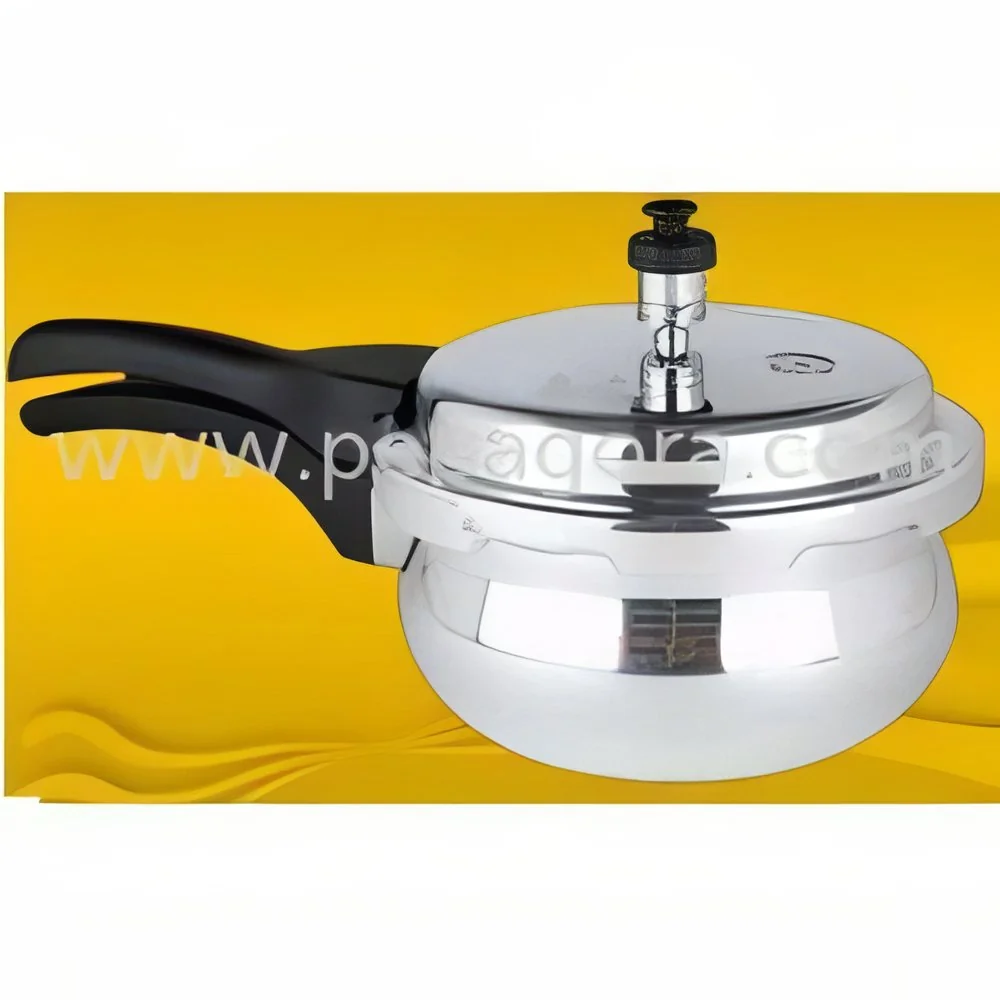
- Typically made of stainless steel or aluminum for durability and heat conductivity.
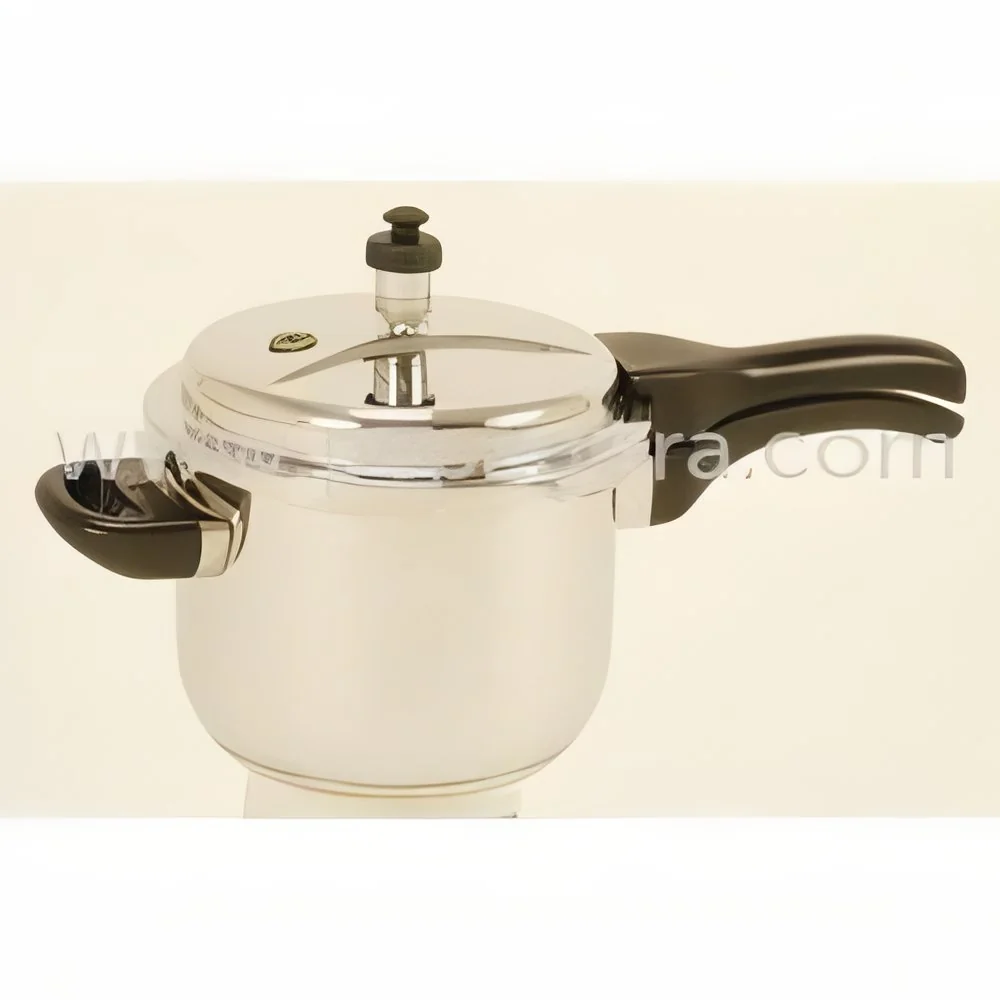
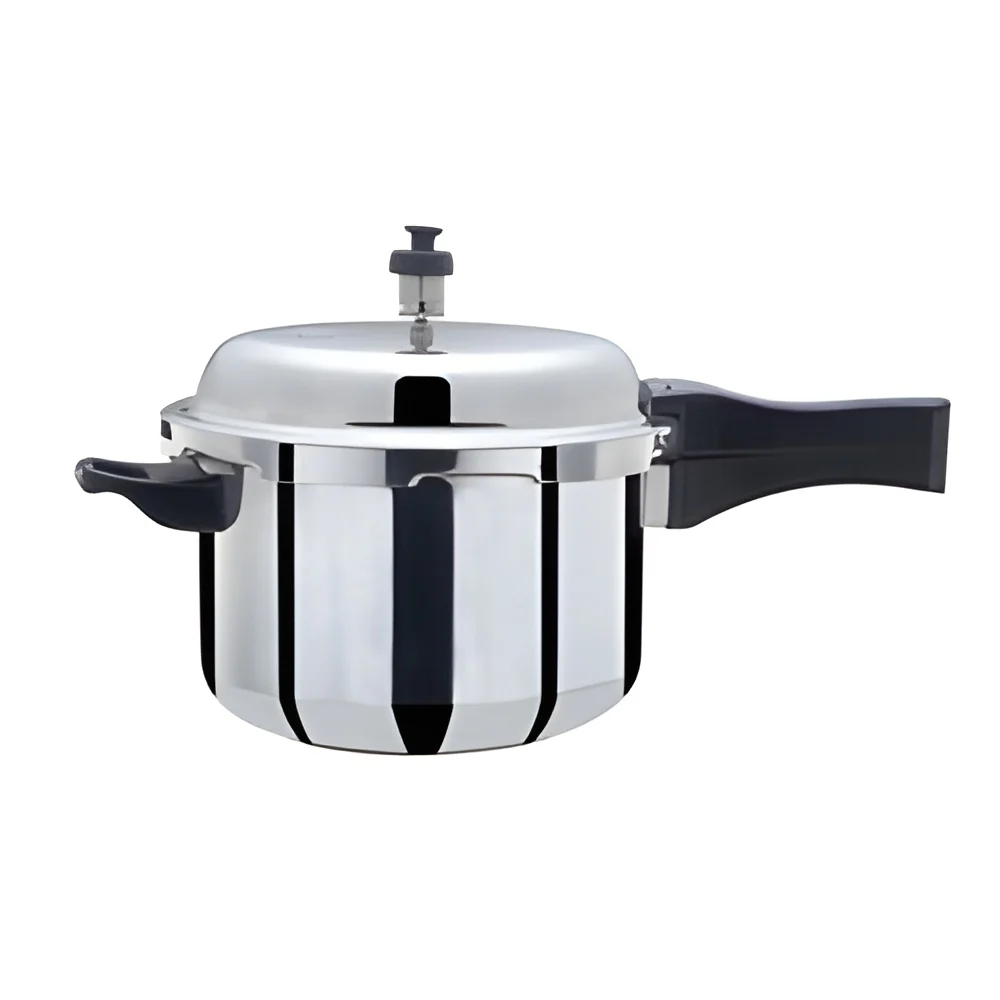
- Stainless steel models are often preferred for their resistance to corrosion and scratching.
2. Capacity
- Available in various sizes, ranging from 4 liters to over 20 liters.
- Larger capacities are ideal for commercial use or bulk cooking.
3. Safety Features
- Equipped with locking lids, pressure indicators, and safety valves to prevent accidents.
- Safety mechanisms ensure that pressure cannot build up excessively.
4. Cooking Functions
- Multi-functional models may include settings for steaming, sautéing, and slow cooking.
- Programmable options allow for precise control over cooking times and temperatures.
5. Energy Efficiency
- Designed to consume less energy compared to traditional cooking methods.
- Insulation features help retain heat and reduce cooking times.
6. Ease of Cleaning
- Many pressure cookers have detachable parts that are dishwasher safe.
- Smooth interior surfaces help prevent food from sticking.
7. Warranty
- Typically comes with a manufacturer's warranty ranging from one to several years.
- Extended warranties may be available for commercial use.
In summary, pressure cookers offer a variety of features that cater to both individual and business cooking requirements. Understanding these specifications helps buyers make informed decisions.
Common Applications and Use Cases
Pressure cookers serve various industries, providing versatile cooking solutions.
1. Food Service Industry: Pressure cookers are commonly used in restaurants and catering services to prepare large quantities of food quickly. They help maintain the quality and flavor of dishes, making them ideal for busy kitchens.
2. Food Processing: In food manufacturing, pressure cookers are essential for sterilizing and cooking food products. They ensure safety and compliance with health regulations while improving efficiency.
3. Catering and Events: Catering companies utilize pressure cookers to deliver meals to large gatherings. Their ability to cook quickly allows for timely meal preparation without compromising quality.
4. Institutional Kitchens: Hospitals, schools, and other institutions rely on pressure cookers to prepare nutritious meals efficiently. They are ideal for cooking grains, legumes, and meats in bulk.
5. Research and Development: Culinary schools and food laboratories use pressure cookers for experimentation in cooking techniques. They allow for precise control over cooking conditions.
6. Home Cooking: While primarily used in commercial settings, pressure cookers are also popular among home cooks for their speed and versatility.
Product Variants and Subcategories
Pressure cookers come in various configurations to suit different cooking needs.
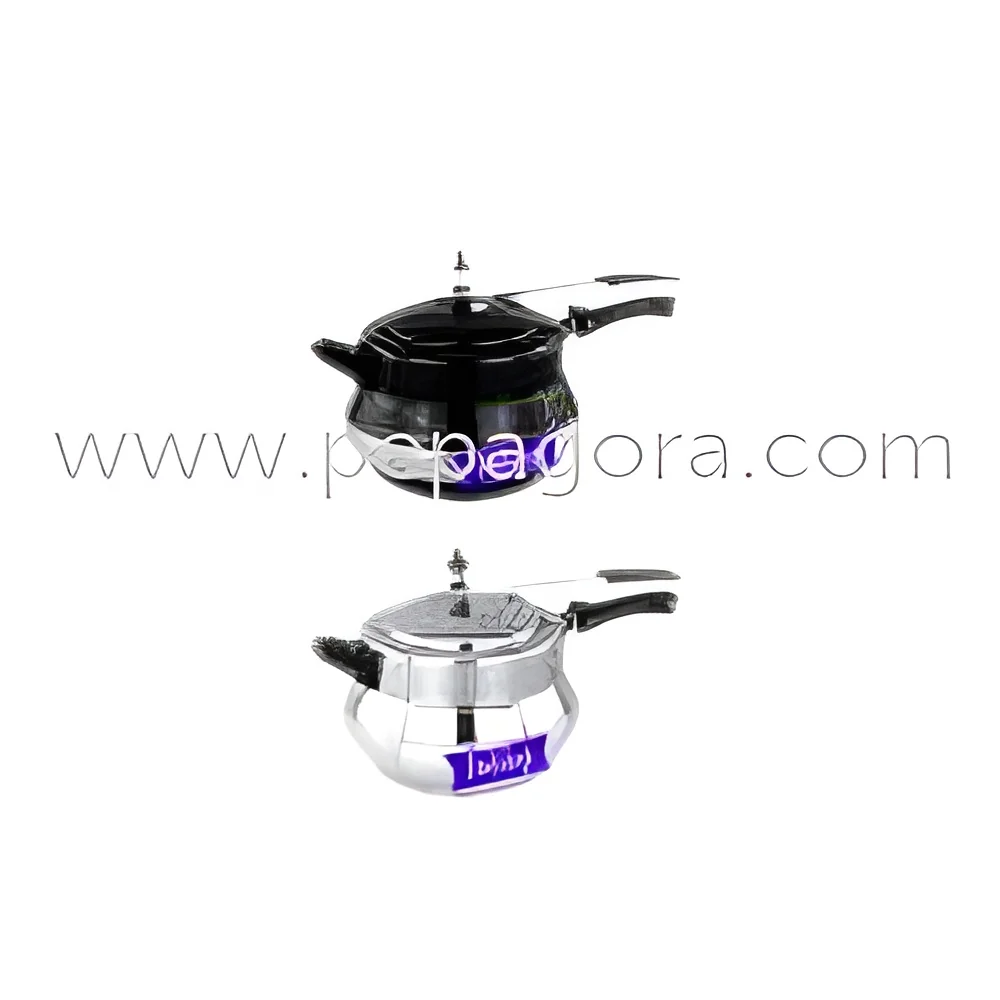
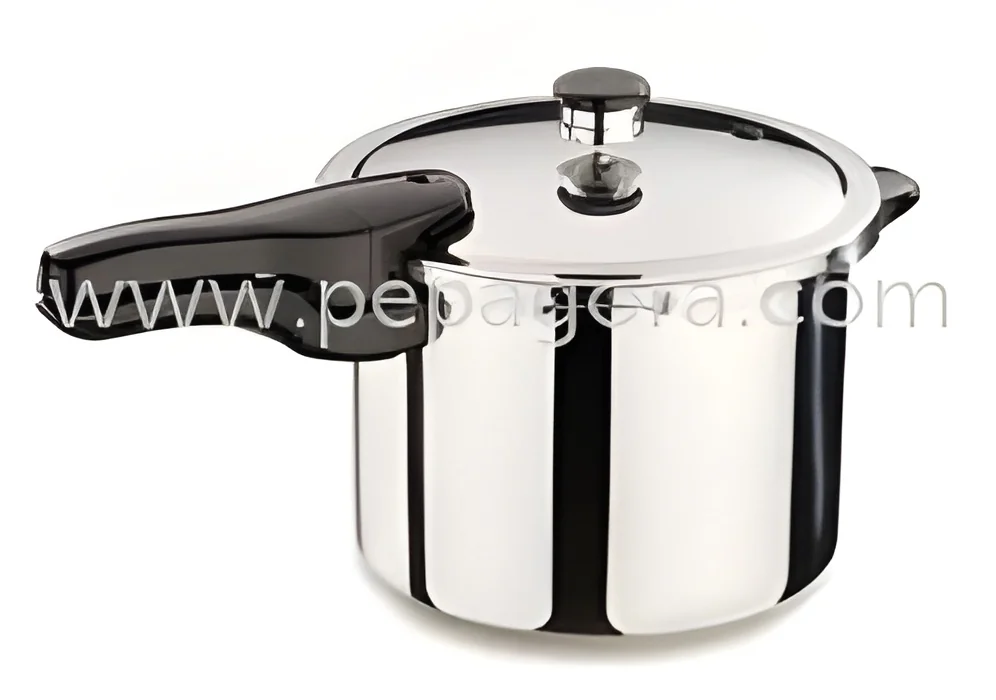
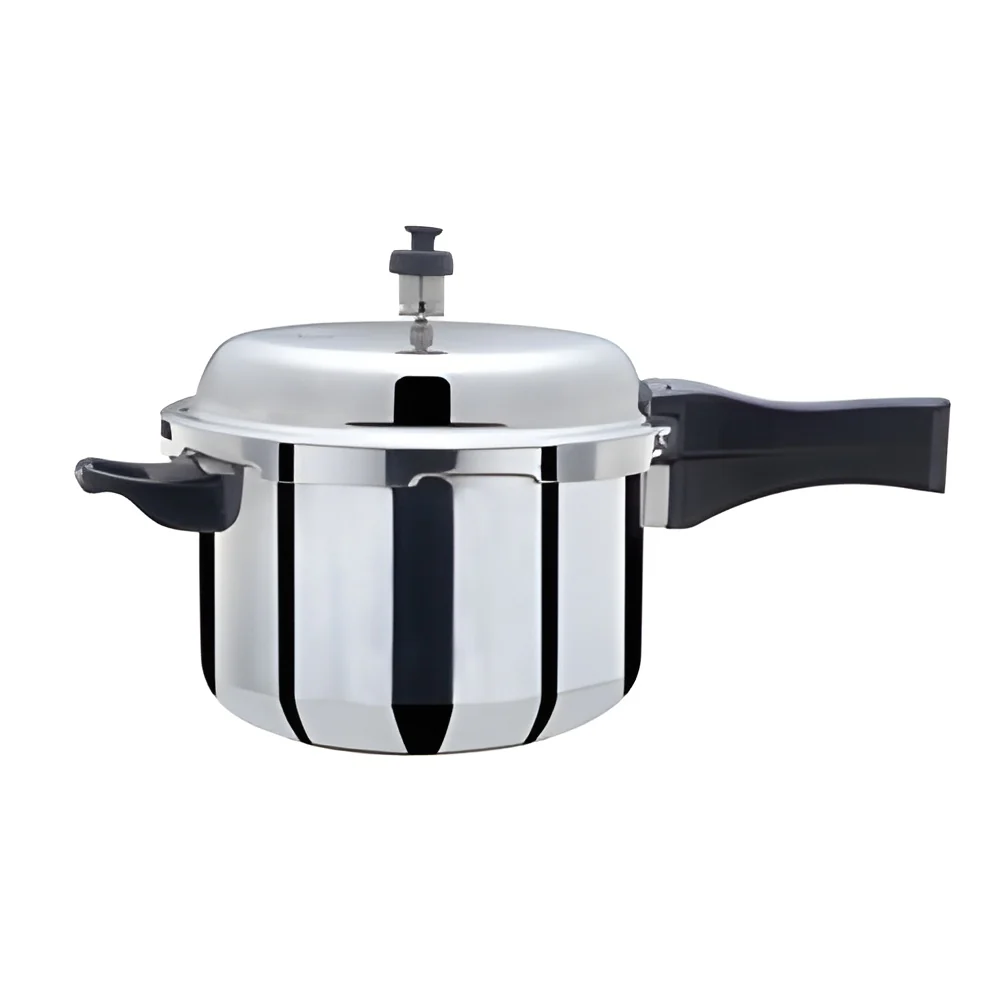
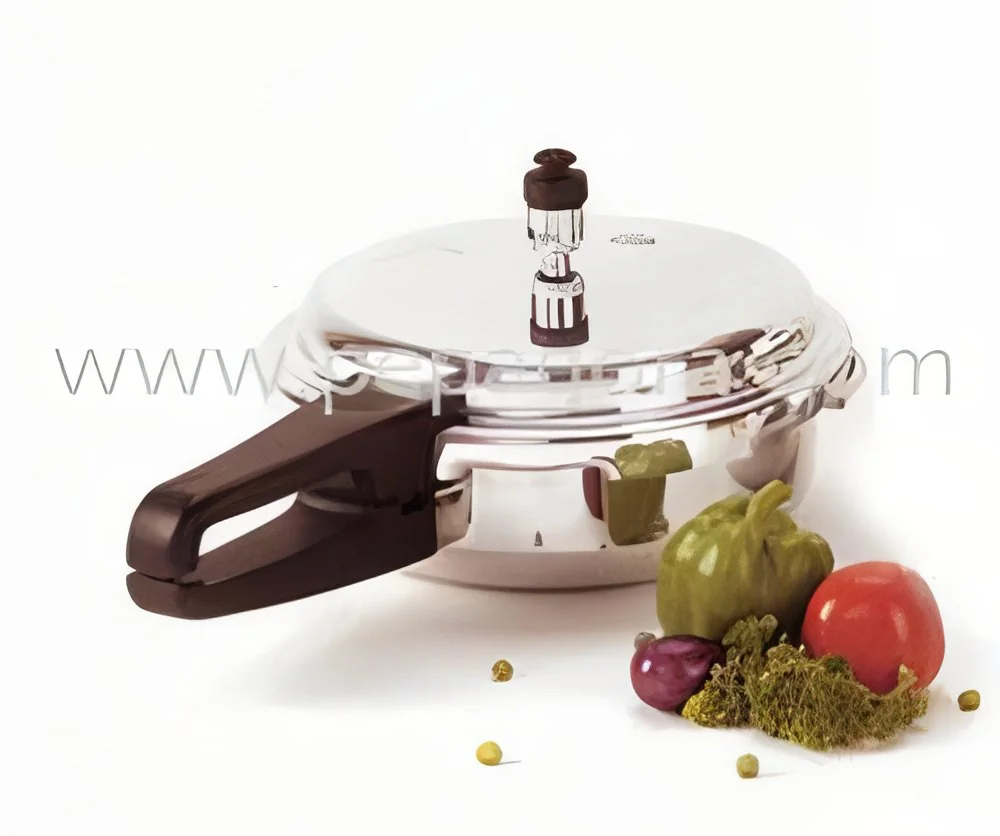
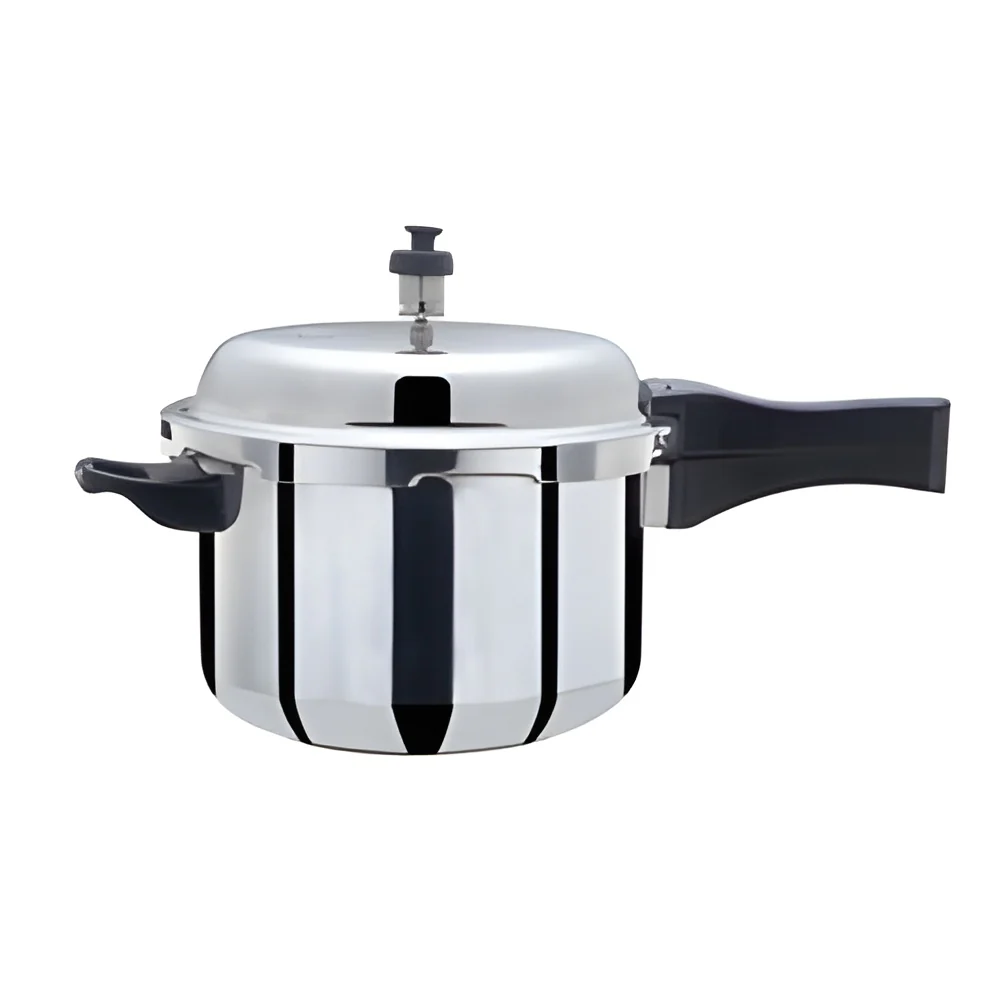
Stainless Steel Pressure Cookers
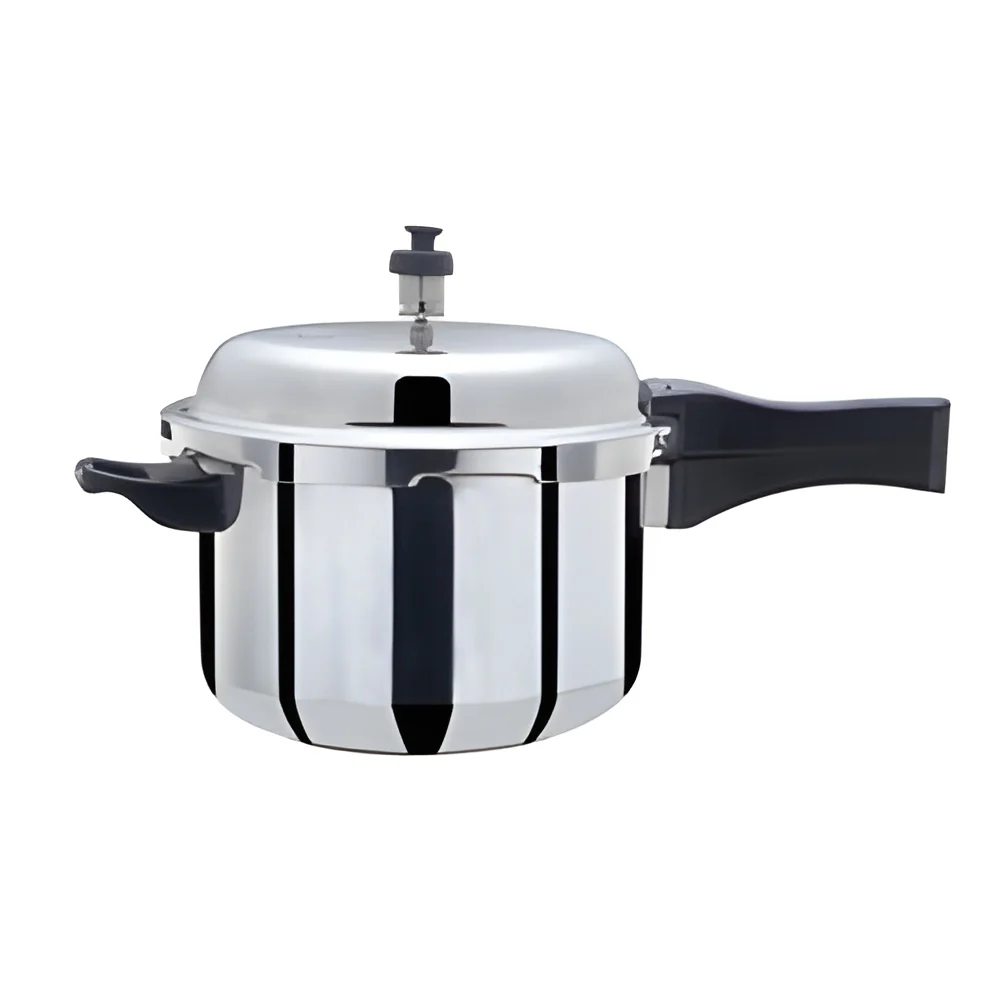
These models are favored for their durability and non-reactive properties. They are suitable for a wide range of cooking tasks, from canning to pressure cooking meats and vegetables.
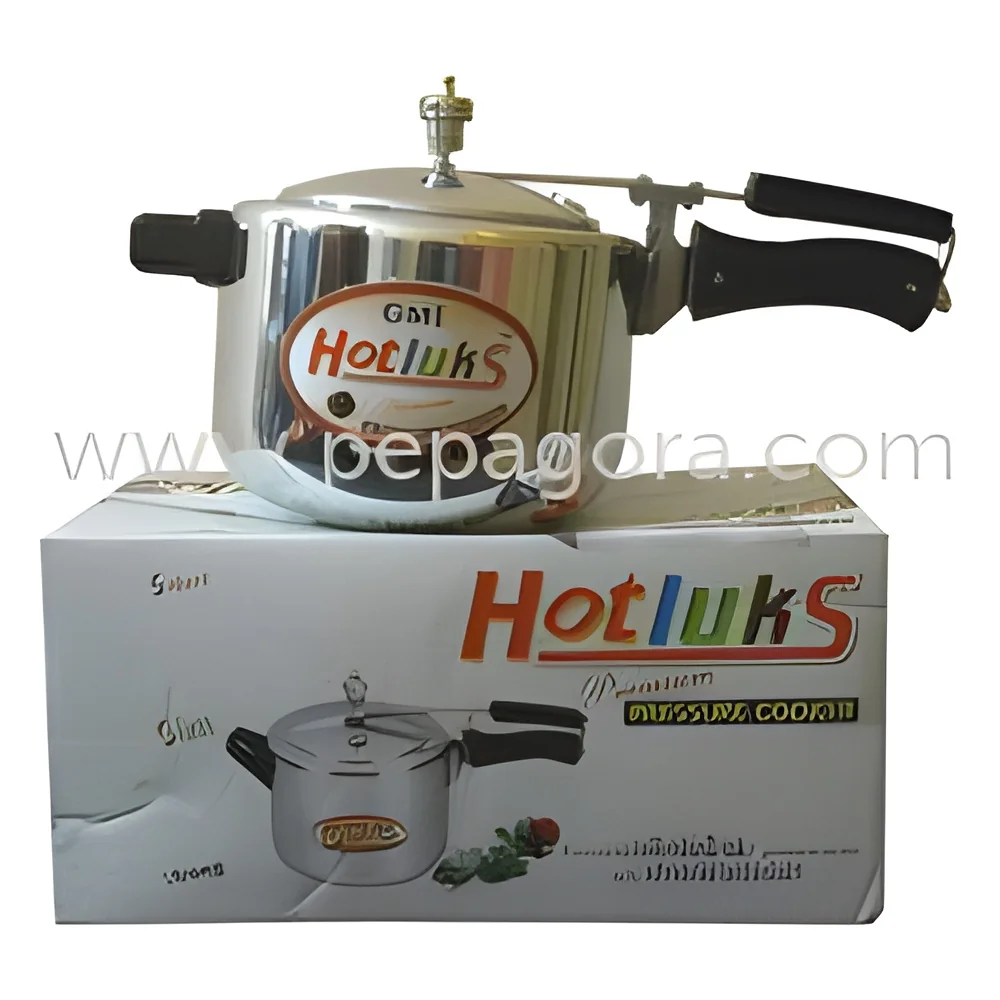
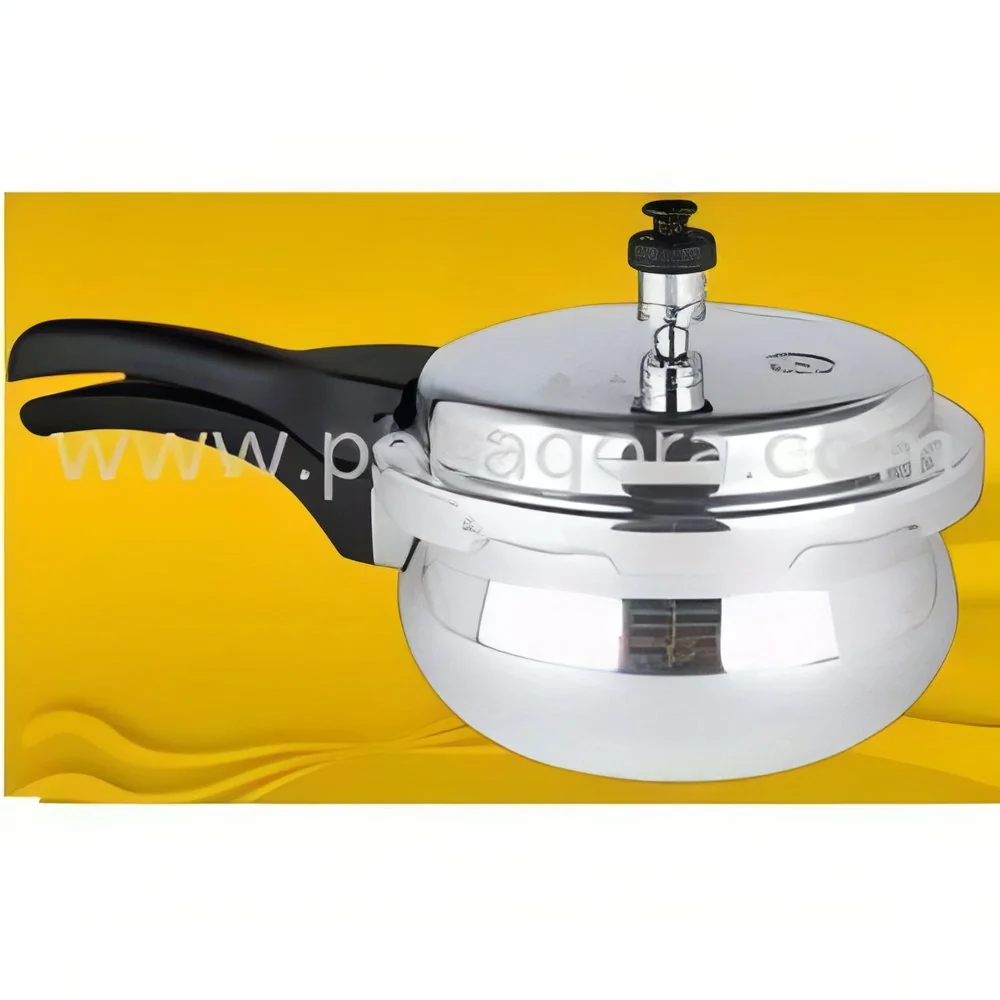
Aluminum Pressure Cookers
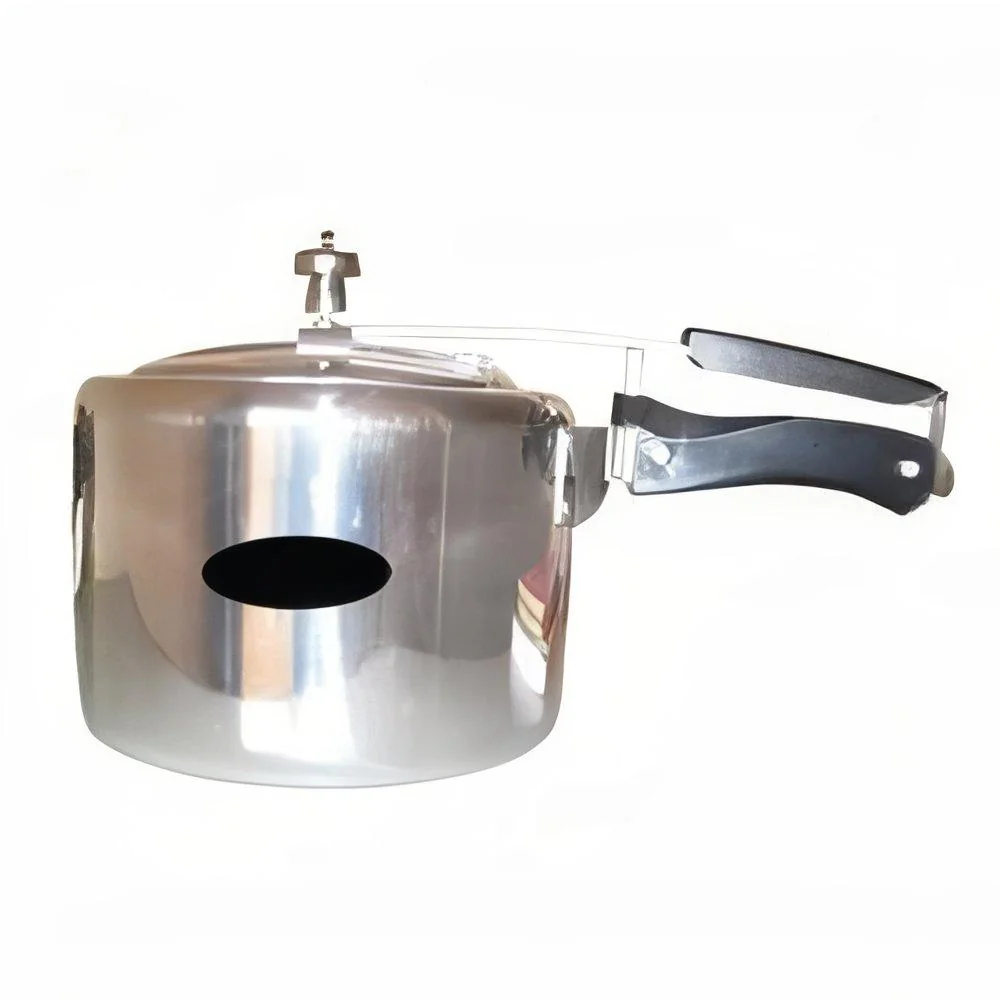
Aluminum variants are lightweight and heat up quickly, making them popular for home use. They are often more affordable but may require careful maintenance to prevent warping.
Electric Pressure Cookers
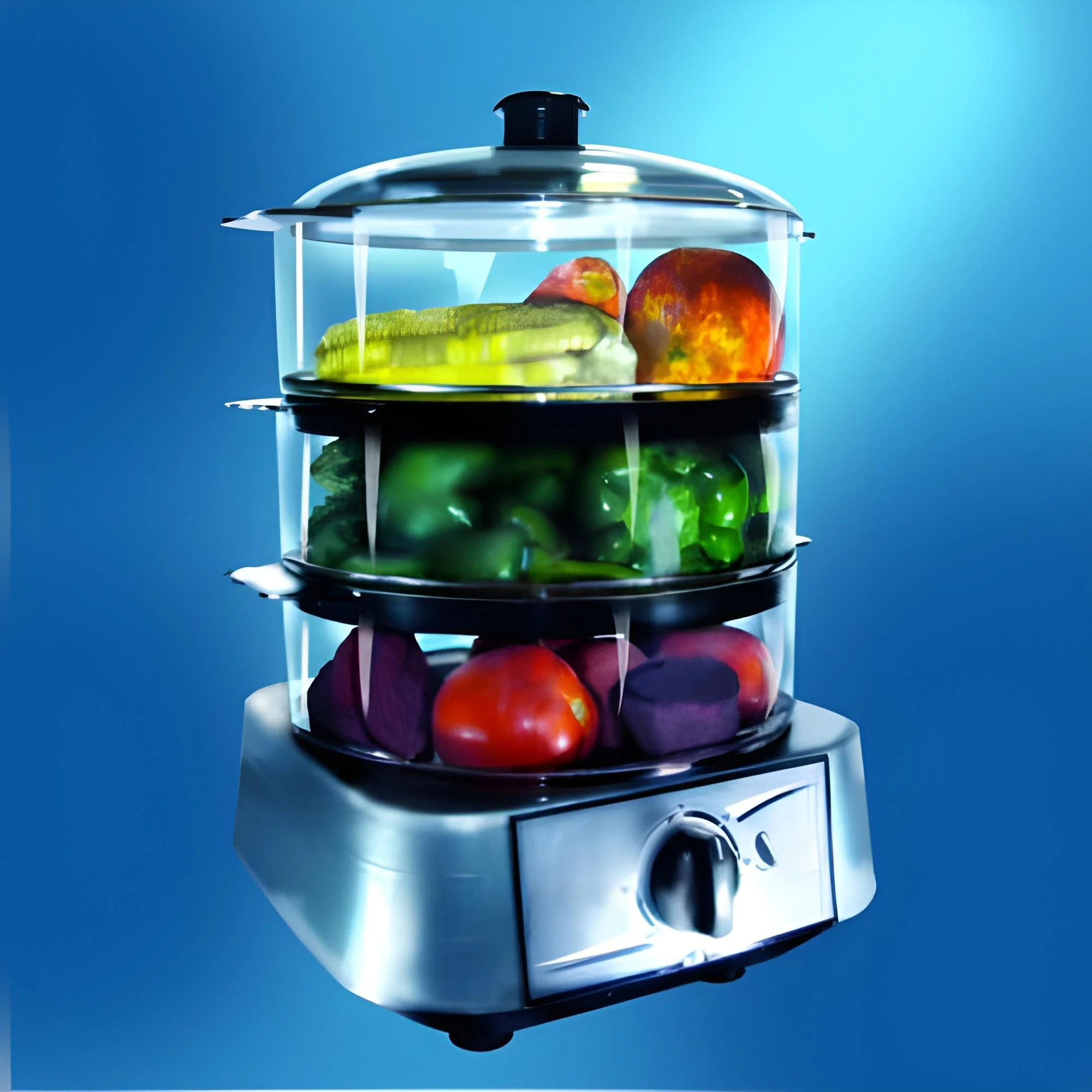
Electric models offer programmable features and preset cooking settings. They are user-friendly and ideal for those who prefer convenience and automation in their cooking process.
Benefits and Advantages
Pressure cookers provide numerous advantages for businesses looking to optimize their cooking processes.
1. Time Efficiency: Pressure cookers significantly reduce cooking times, allowing food to be prepared faster than traditional methods.
2. Energy Savings: By cooking food more quickly, pressure cookers consume less energy, leading to lower utility costs.
3. Nutrient Retention: The sealed environment of pressure cooking helps retain vitamins and minerals, resulting in healthier meals.
4. Versatility: Pressure cookers can be used for a wide range of cooking methods, including steaming, sautéing, and canning.
5. Flavor Enhancement: Cooking under pressure intensifies flavors and reduces the need for additional seasonings.
6. Consistency: Pressure cookers provide uniform cooking results, which is essential for maintaining quality in commercial food preparation.
Buying Guide for B2B Buyers
When sourcing pressure cookers, it is essential for B2B buyers to consider several key factors.
1. Quality Assessment: Evaluate the build quality and materials used in the pressure cookers. Look for products that meet industry standards for safety and durability.
2. Supplier Verification: Vet suppliers to ensure they have a reliable track record in the industry. Check for certifications and reviews from other buyers.
3. Pricing and MOQ: Understand the pricing structure and minimum order quantities. Compare prices across different suppliers to ensure competitive rates.
4. Delivery and Lead Times: Inquire about delivery schedules and lead times, especially if you require the cookers for specific projects or events.
5. Compliance Requirements: Ensure that the pressure cookers comply with regional and industry-specific regulations. Check for necessary certifications, such as CE.
Compliance and Certifications
Pressure cookers must adhere to various quality standards and regulations to ensure safety and reliability. Relevant quality standards include ISO 9001, which focuses on quality management systems, and HACCP, which addresses food safety protocols.
Industry certifications, such as CE, indicate that the product meets European safety and health requirements. Additionally, pressure cookers are subject to safety testing to ensure they function correctly under high pressure. Buyers must also consider regional compliance requirements, as these can vary significantly by location. Familiarity with these standards is crucial for businesses to ensure that their pressure cookers meet all necessary safety and quality benchmarks.
Why Source Pressure Cookers from Pepagora?
Pepagora provides a trusted platform for sourcing pressure cookers, offering several key advantages to buyers.
Verified Supplier Network: Pepagora has established a network of verified suppliers who meet stringent quality and safety standards. This network ensures that buyers have access to reliable products.
Streamlined RFQ Process: The Request for Quotation process is designed to be efficient, allowing buyers to receive competitive quotes from multiple suppliers quickly. This saves time and facilitates better purchasing decisions.
Trade Assurance and Support: Pepagora offers trade assurance programs that protect buyers throughout the purchasing process. This includes support for resolving disputes and ensuring product quality.
Regional Coverage: With a presence in India, the GCC, and Southeast Asia, Pepagora caters to a wide range of markets. This geographical reach enables buyers to find suitable suppliers in their regions, enhancing logistics and reducing shipping times.

 IN
IN