𝗪𝗵𝗮𝘁 𝗮𝗿𝗲 𝗗𝘂𝘁𝗰𝗵 𝗢𝘃𝗲𝗻𝘀 & 𝗦𝘁𝗼𝗰𝗸𝗽𝗼𝘁𝘀?
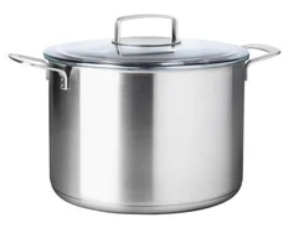
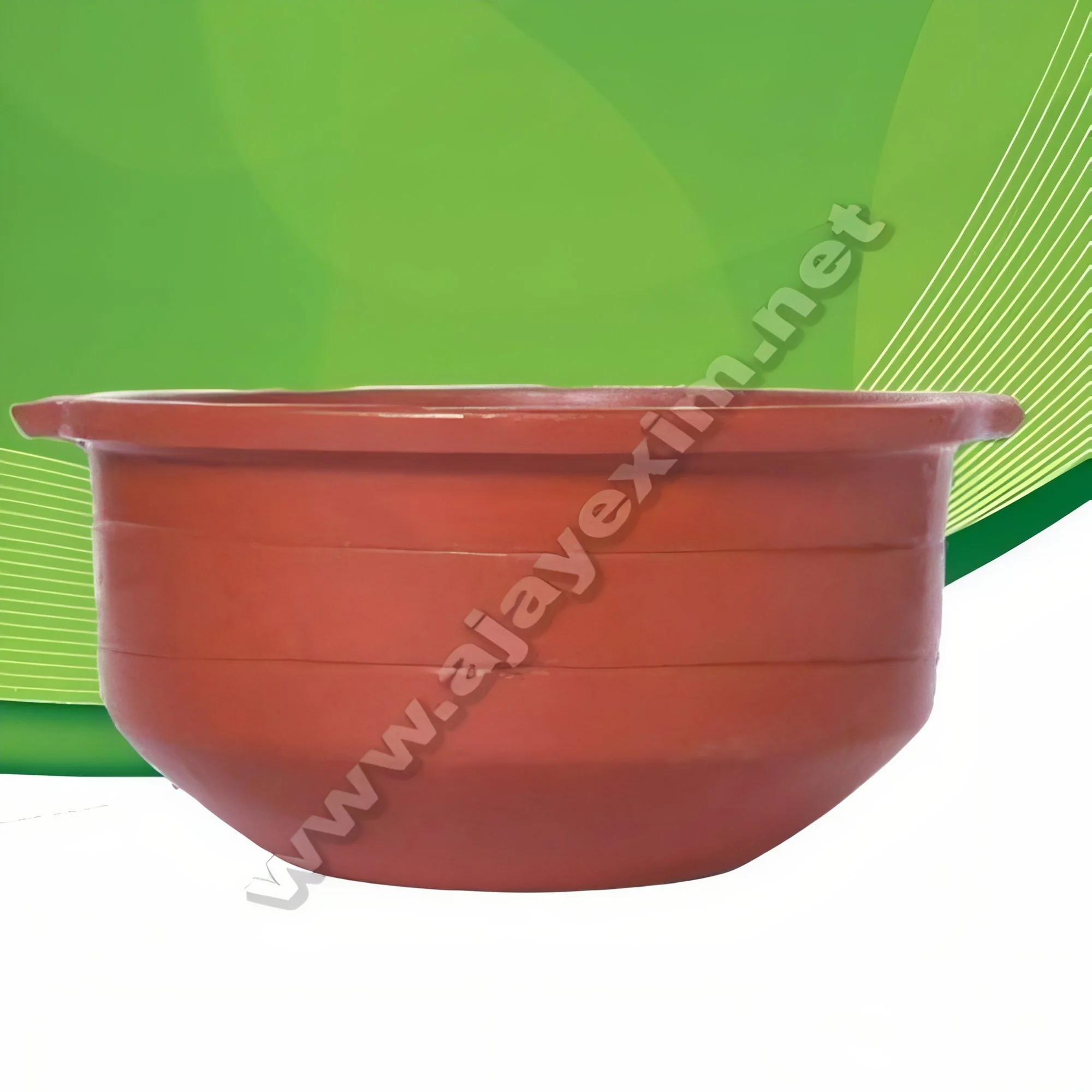
Dutch ovens and stockpots are essential cookware items commonly used in both commercial and residential kitchens. Dutch ovens are typically made of cast iron, often with an enamel coating, designed for slow cooking, braising, and baking. Their thick walls and tight-fitting lids help retain heat and moisture, making them ideal for a variety of cooking methods. Stockpots, on the other hand, are larger, high-sided pots that are primarily used for boiling, simmering, and preparing large quantities of stocks, soups, and stews.
These cookware items have a wide range of applications in the foodservice industry. Restaurants, catering companies, and food manufacturers utilize Dutch ovens and stockpots for preparing diverse dishes, from hearty stews to delicate sauces. Their robust construction allows for even heat distribution, which is crucial for achieving consistent cooking results. The increasing demand for high-quality cookware in the culinary world highlights the relevance of these products, with a growing market that caters to both professional chefs and home cooks.
𝗞𝗲𝘆 𝗙𝗲𝗮𝘁𝘂𝗿𝗲𝘀 𝗮𝗻𝗱 𝗦𝗽𝗲𝗰𝗶𝗳𝗶𝗰𝗮𝘁𝗶𝗼𝗻𝘀
Dutch ovens and stockpots offer several features that enhance their usability and performance in cooking. When selecting these products, it's important to understand their specifications to ensure they meet your business needs.
Key specifications include:
1. Material
- Typically made from cast iron or stainless steel
- Durable and capable of withstanding high temperatures
2. Capacity
- Available in various sizes, generally ranging from 4 quarts to over 20 quarts
- Size selection based on intended use, such as personal cooking or large batch production
3. Lid Type
- Comes with a tight-fitting lid to trap moisture
- Some variants include glass lids for monitoring food without lifting
4. Compatibility
- Suitable for all types of stovetops, including induction
- Oven-safe up to certain temperature limits, often around 500°F
5. Handle Design
- Features sturdy, heat-resistant handles
- Some models have side handles for easier lifting of larger pots
6. Finish
- Available with enamel coating for easier cleaning and enhanced aesthetics
- Non-stick options are available for specific cooking needs
7. Weight
- Heavier options provide better heat retention
- Lightweight alternatives available for ease of handling
In summary, understanding these key specifications will help businesses select the right Dutch ovens and stockpots for their culinary operations.
𝗖𝗼𝗺𝗺𝗼𝗻 𝗔𝗽𝗽𝗹𝗶𝗰𝗮𝘁𝗶𝗼𝗻𝘀 𝗮𝗻𝗱 𝗨𝘀𝗲 𝗖𝗮𝘀𝗲𝘀
Dutch ovens and stockpots have diverse applications across various industries. Their functionality makes them indispensable in many settings.
1. Restaurants: Dutch ovens are used for preparing slow-cooked dishes, while stockpots are essential for making large batches of soups and stocks.
2. Catering Services: These pots allow catering companies to prepare meals for large events efficiently, ensuring consistent quality and flavor.
3. Food Processing: In food manufacturing, stockpots are utilized for boiling and simmering ingredients on a large scale.
4. Educational Institutions: Culinary schools often use Dutch ovens and stockpots in training programs to teach students about different cooking methods.
5. Hospitality: Hotels and resorts utilize these cookware items in their kitchens to serve guests quality meals.
6. Home Cooking: Many home chefs prefer these pots for their versatility and ability to produce restaurant-quality dishes.
𝗣𝗿𝗼𝗱𝘂𝗰𝘁 𝗩𝗮𝗿𝗶𝗮𝗻𝘁𝘀 𝗮𝗻𝗱 𝗦𝘂𝗯𝗰𝗮𝘁𝗲𝗴𝗼𝗿𝗶𝗲𝘀
Dutch ovens and stockpots come in various styles to cater to different cooking methods and preferences.
Enamel-Coated Dutch Ovens: These feature a durable enamel finish that simplifies cleaning while providing an attractive appearance. Ideal for braising and baking, they evenly distribute heat and retain moisture.
Stainless Steel Stockpots: Known for their durability and resistance to rust and corrosion, stainless steel stockpots are perfect for boiling and simmering. They often have an aluminum core for improved heat conduction.
Cast Iron Dutch Ovens: These heavy-duty pots excel in heat retention and are favored for slow cooking and baking. They require seasoning but provide excellent flavor enhancement over time.
Aluminum Stockpots: Lightweight and economical, aluminum stockpots heat quickly and are often used in commercial kitchens for high-volume cooking.
𝗕𝗲𝗻𝗲𝗳𝗶𝘁𝘀 𝗮𝗻𝗱 𝗔𝗱𝘃𝗮𝗻𝘁𝗮𝗴𝗲𝘀
Investing in quality Dutch ovens and stockpots brings numerous benefits to businesses in the culinary space.
1. Versatility: These cookware items can be used for various cooking methods, from braising to boiling, making them suitable for diverse recipes.
2. Durability: Made from robust materials, Dutch ovens and stockpots are designed to withstand high temperatures and frequent use.
3. Heat Retention: Their construction ensures even heat distribution, resulting in consistent cooking results.
4. Easy Maintenance: Many models feature non-stick or enamel coatings that facilitate easy cleaning and maintenance.
5. Large Capacity: Stockpots, in particular, come in larger sizes, making them ideal for preparing meals for large groups or batch cooking.
6. Aesthetic Appeal: Enamel-coated options add a touch of elegance to kitchen displays, enhancing the visual appeal of culinary settings.
𝗕𝘂𝘆𝗶𝗻𝗴 𝗚𝘂𝗶𝗱𝗲 𝗳𝗼𝗿 𝗕𝟮𝗕 𝗕𝘂𝘆𝗲𝗿𝘀
When sourcing Dutch ovens and stockpots for your business, it is crucial to consider several factors to ensure you make an informed decision.
1. Quality Assessment: Look for cookware made from high-grade materials that can withstand the demands of a commercial kitchen. Check for reputable brands known for their durability and performance.
2. Supplier Verification: Vet suppliers to ensure they have a reliable track record and can provide high-quality products consistently. Request references and check online reviews.
3. Pricing and MOQ: Understand the pricing structures and minimum order quantities (MOQ) to align with your budget and inventory needs. Compare different suppliers for competitive pricing.
4. Delivery and Lead Times: Confirm the delivery schedules and lead times to ensure you receive your orders promptly, especially if you have upcoming events or menu changes.
5. Compliance Requirements: Be aware of any industry-specific compliance standards that your cookware must meet, such as safety and hygiene regulations.
𝗖𝗼𝗺𝗽𝗹𝗶𝗮𝗻𝗰𝗲 𝗮𝗻𝗱 𝗖𝗲𝗿𝘁𝗶𝗳𝗶𝗰𝗮𝘁𝗶𝗼𝗻𝘀
Dutch ovens and stockpots are subject to various quality standards and certifications that ensure their safety and performance in commercial settings.
ISO 9001 is a widely recognized standard that specifies requirements for quality management systems. Compliance with this standard indicates that a supplier consistently meets quality requirements and customer expectations.
HACCP (Hazard Analysis Critical Control Point) is essential in the food industry, focusing on food safety management. Cookware must be designed to comply with HACCP guidelines, ensuring safe food preparation.
CE certification is important for products sold in European markets, indicating that they meet safety, health, and environmental protection standards set by the European Union.
Safety and testing requirements are crucial for ensuring that cookware can withstand high temperatures and is made from materials safe for food contact.
Regional compliance considerations vary by location. It is essential to check local regulations and standards that apply to your market to ensure full compliance.
𝗪𝗵𝘆 𝗦𝗼𝘂𝗿𝗰𝗲 𝗗𝘂𝘁𝗰𝗵 𝗢𝘃𝗲𝗻𝘀 & 𝗦𝘁𝗼𝗰𝗸𝗽𝗼𝘁𝘀 𝗳𝗿𝗼𝗺 𝗣𝗲𝗽𝗮𝗴𝗼𝗿𝗮?
Pepagora provides a trusted platform for sourcing Dutch ovens and stockpots with several key advantages that cater to B2B buyers.
Verified Supplier Network: Pepagora ensures that all listed suppliers undergo thorough vetting, providing buyers with confidence in the quality and reliability of the products offered.
Streamlined RFQ Process: The request for quotation (RFQ) system simplifies the procurement process, allowing buyers to easily request quotes from multiple suppliers and compare offers efficiently.
Trade Assurance and Support: Pepagora offers buyer protection through trade assurance, ensuring that transactions are secure and that buyers receive the products as promised.
Regional Coverage: With a strong presence in India, the GCC, and Southeast Asia, Pepagora connects buyers with local suppliers, facilitating easier access to quality cookware while supporting regional economies.

 IN
IN