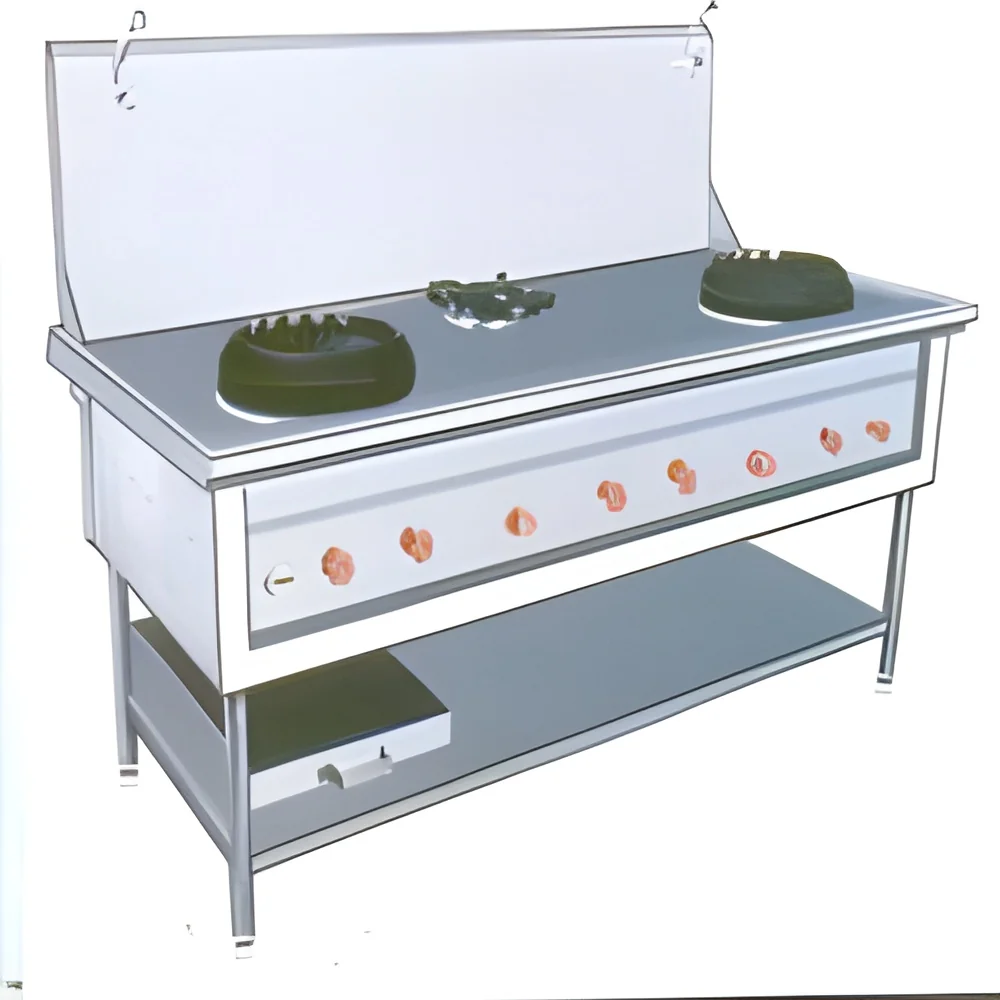
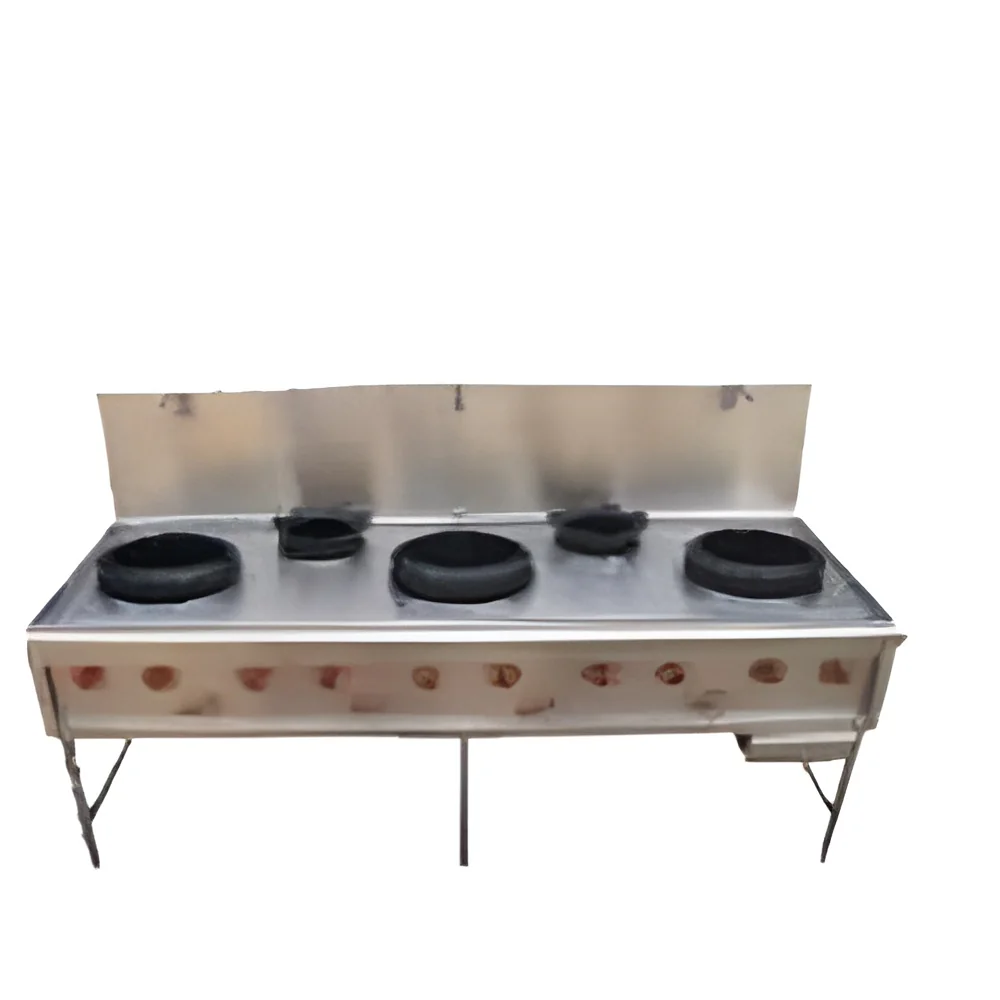
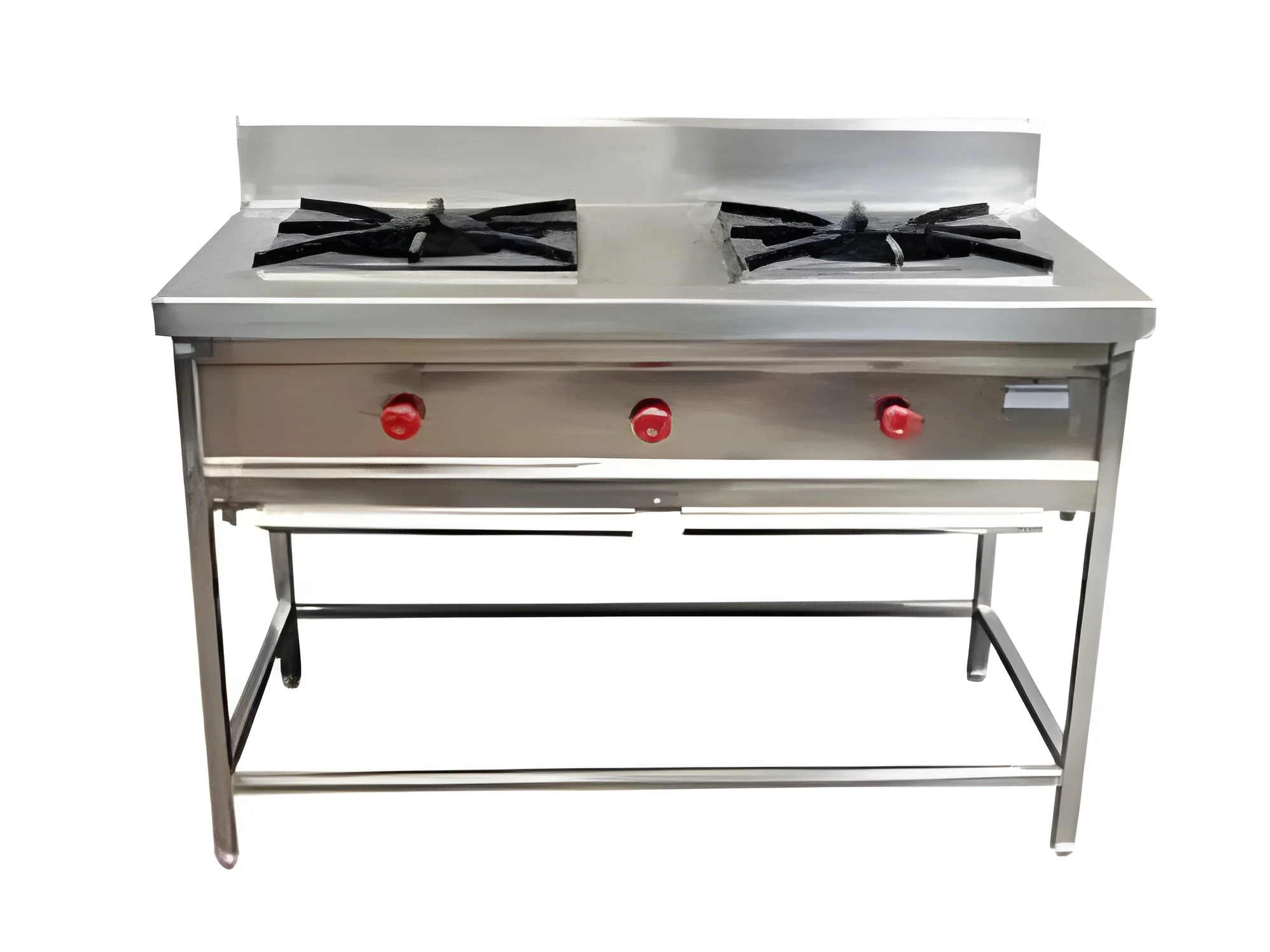
What are Kadai & Woks?
Kadai and woks are traditional cooking vessels that are widely used in various culinary applications. A Kadai, often referred to as a wok in some regions, is characterized by its deep, rounded shape and high, sloping sides. Made from materials like stainless steel, cast iron, or non-stick coatings, these cooking tools are designed to withstand high temperatures and facilitate quick cooking techniques.
These vessels are primarily used for stir-frying, deep-frying, and simmering. Their unique shape allows for even heat distribution and efficient cooking, making them an essential tool in commercial kitchens, restaurants, and home cooking. Kadai and woks are particularly popular in Asian cuisines, where they are integral for preparing a wide range of dishes, from curries to fried rice.
In the context of the industrial market, Kadai and woks have gained relevance due to the growing demand for authentic cooking experiences. As culinary trends evolve, chefs and foodservice operators seek quality cookware that can deliver both performance and durability. The market for these products continues to expand, driven by the rise in Asian dining establishments and the increasing popularity of ethnic foods worldwide.
Key Features and Specifications
Kadai and woks come with a range of features and specifications that enhance their usability and performance. These specifications help buyers select the right product for their specific needs in commercial or industrial settings.
Key specifications include:
1. Material Type
- Common materials include stainless steel, cast iron, and carbon steel.
- Each material has specific heat retention and cooking characteristics.
2. Size and Capacity
- Available in various sizes, typically ranging from 24 cm to 60 cm in diameter.
- Size selection depends on the volume of food preparation needed.
3. Handle Type
- Options may include long handles or side handles for easy maneuverability.
- Some models feature heat-resistant materials to prevent burns.
4. Coating Type
- Non-stick coatings available for easier food release and cleaning.
- Traditional uncoated options provide authentic flavor development.
5. Heat Tolerance
- Designed to withstand high cooking temperatures.
- Suitable for use on gas, electric, and induction cooktops.
6. Weight
- Varies by material and size, impacting ease of handling.
- Heavier options provide stability during cooking.
7. Design Features
- Some models include a flat base for stability.
- Others may have a rounded base to enhance heat circulation.
8. Cleaning and Maintenance
- Ease of cleaning varies by material and coating.
- Recommended care procedures depend on the specific product design.
In summary, understanding these specifications will help buyers make informed decisions when purchasing Kadai and woks for their kitchens.
Common Applications and Use Cases
Kadai and woks serve a variety of industries and culinary applications, making them versatile tools in the kitchen.
1. Restaurants: Many restaurants utilize Kadai and woks for preparing traditional dishes that require high-heat cooking methods, such as stir-frying and deep-frying.
2. Catering Services: Catering companies often use these vessels to produce large quantities of food quickly and efficiently, ensuring that meals are served hot and fresh.
3. Food Trucks: Mobile food vendors frequently rely on Kadai and woks due to their compact size and ability to cook various dishes in one pot, making them ideal for on-the-go meal preparation.
4. Educational Institutions: Culinary schools incorporate Kadai and woks into their training programs, teaching students essential techniques for Asian cooking.
5. Home Cooking: Home chefs appreciate the versatility of Kadai and woks for preparing family meals, from curries to stir-fried vegetables.
6. Meal Prep Companies: Businesses focused on meal preparation find Kadai and woks valuable for batch cooking, allowing for efficient production and portioning of meals.
7. Food Manufacturers: Industrial food manufacturers use Kadai and woks in production lines for cooking sauces and other items that require high-temperature processing.
Product Variants and Subcategories
Kadai and woks come in various styles and designs to meet diverse culinary needs.
Traditional Kadai
This variant is made from heavy-duty cast iron or carbon steel, providing excellent heat retention and even cooking. It is ideal for traditional Indian cooking, enabling the preparation of rich, flavorful dishes.
Non-Stick Wok
The non-stick wok variant features a coated surface that prevents food from sticking, making it easier to cook and clean. This variant is perfect for health-conscious cooking, as it requires less oil.
Stainless Steel Kadai
Constructed from high-quality stainless steel, this variant offers durability and resistance to corrosion. It is suitable for commercial kitchens where longevity is essential.
Deep-Frying Wok
Designed specifically for deep-frying, this variant has higher sides and a larger capacity. It is advantageous for preparing fried foods, accommodating large batches for restaurants and catering.
Benefits and Advantages
Kadai and woks offer several key benefits that enhance their appeal in commercial kitchens.
1. Versatility: These cooking vessels can be used for a variety of cooking methods, from frying to simmering, making them suitable for different cuisines.
2. Quick Cooking: The design allows for rapid heat-up times and efficient cooking processes, enabling faster meal preparation.
3. Flavor Development: Traditional materials like cast iron enhance the flavors of the food, providing an authentic cooking experience.
4. Durability: High-quality materials ensure that Kadai and woks can withstand rigorous use in professional settings, reducing the need for frequent replacements.
5. Easy Maintenance: Many models are designed for easy cleaning, especially those with non-stick surfaces, which is a significant advantage in busy kitchens.
6. Healthier Cooking: Non-stick options require less oil, promoting healthier cooking practices while maintaining flavor.
Buying Guide for B2B Buyers
When sourcing Kadai and woks for commercial use, it is essential to consider several factors to ensure a successful purchase.
1. Quality Assessment: Evaluate the material quality and craftsmanship of the Kadai and woks. Look for features that enhance durability and performance.
2. Supplier Verification: Vet suppliers by checking their reputation, reviews, and certification. Ensure they have a history of providing reliable products.
3. Pricing and MOQ: Understand the pricing structure and minimum order quantities (MOQ) required by suppliers. This will help in budgeting and planning inventory.
4. Delivery and Lead Times: Inquire about the logistics involved in shipping the products. Ensure that suppliers can meet your delivery timelines to avoid disruptions.
5. Compliance Requirements: Verify that the products meet relevant industry standards and safety regulations. This is crucial for maintaining operational integrity and customer satisfaction.
Compliance and Certifications
Kadai and woks must adhere to specific compliance and certification standards to ensure quality and safety in commercial use.
ISO 9001 is a widely recognized quality management standard that ensures consistent product quality and process efficiency. Manufacturers of Kadai and woks often pursue this certification to demonstrate their commitment to quality.
HACCP (Hazard Analysis Critical Control Point) is another critical standard, especially in foodservice applications. It focuses on food safety and hygiene practices, ensuring that the cookware does not pose any health risks during food preparation.
CE certification indicates that a product meets European safety, health, and environmental protection standards. For Kadai and woks sold in Europe, this certification is essential for compliance with regulatory frameworks.
In terms of safety and testing requirements, manufacturers should conduct thorough testing to ensure that their products can withstand high temperatures and are free from harmful substances.
Regional compliance considerations may vary, so it is important to check local regulations to ensure that the cookware meets all necessary standards for use in specific markets.
Why Source Kadai & Woks from Pepagora?
Pepagora provides a trusted platform for sourcing Kadai and woks, offering several key advantages for B2B buyers.
Verified Supplier Network: Pepagora ensures that all suppliers in its network are thoroughly vetted, providing buyers with confidence in the quality and reliability of the products they purchase.
Streamlined RFQ Process: The request for quotation (RFQ) system simplifies the purchasing process, allowing buyers to receive competitive pricing and options from multiple suppliers quickly.
Trade Assurance and Support: Pepagora offers trade assurance services that protect buyers throughout the transaction process. This includes support for resolving disputes and ensuring product satisfaction.
Regional Coverage: With a strong presence in India, the GCC, and Southeast Asia, Pepagora facilitates access to a wide range of Kadai and woks, catering to diverse culinary needs across different markets.

 IN
IN