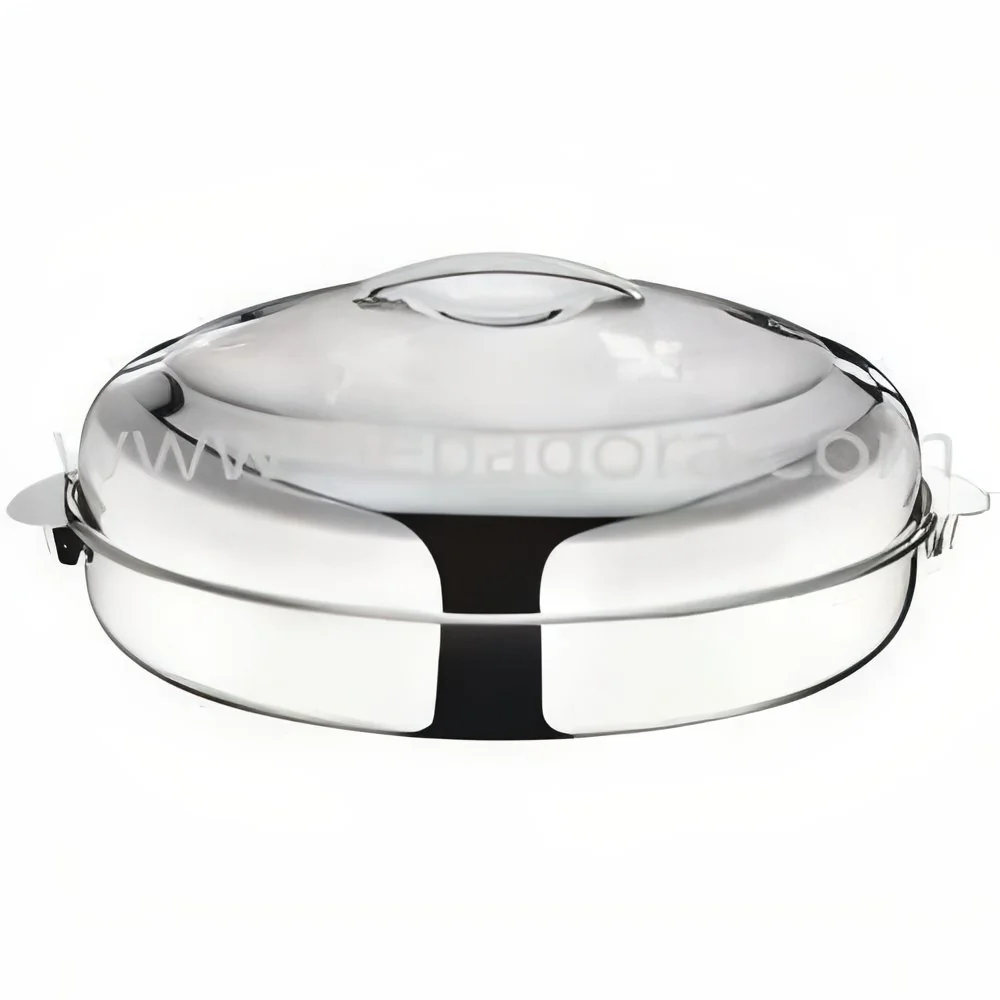
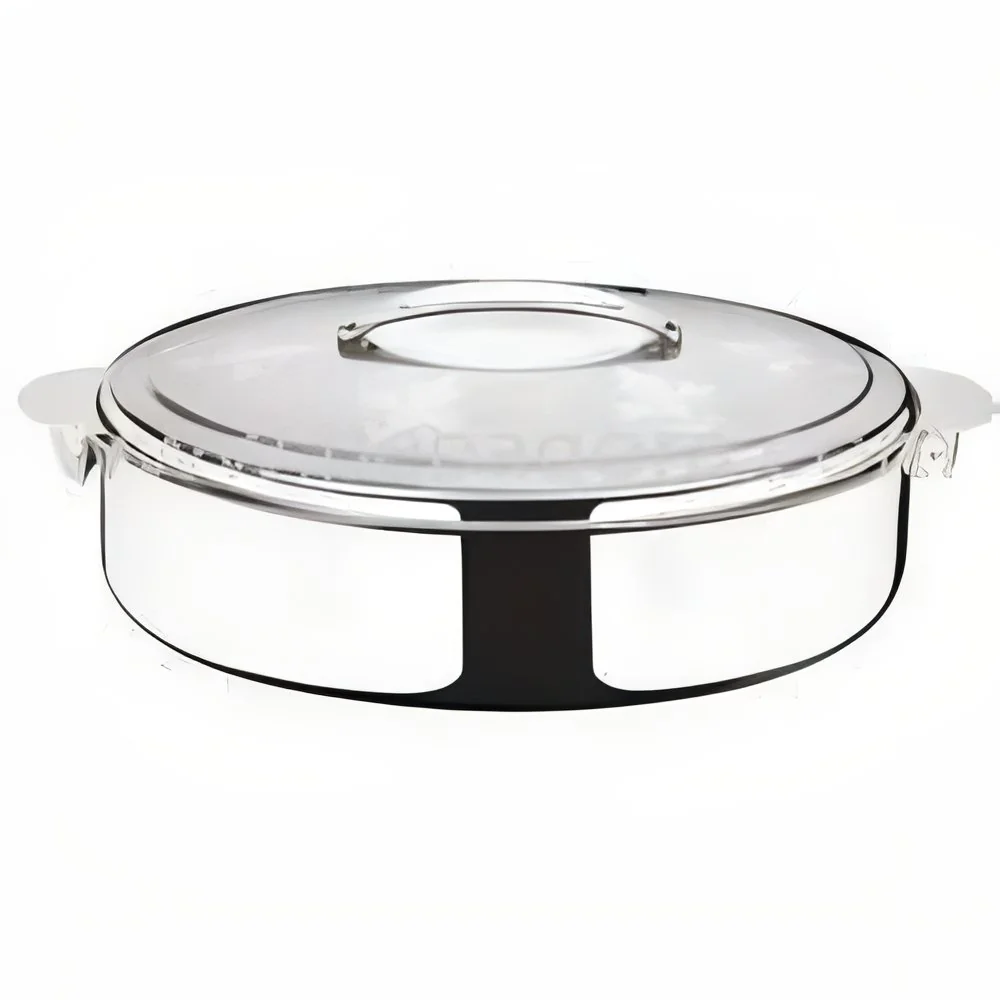
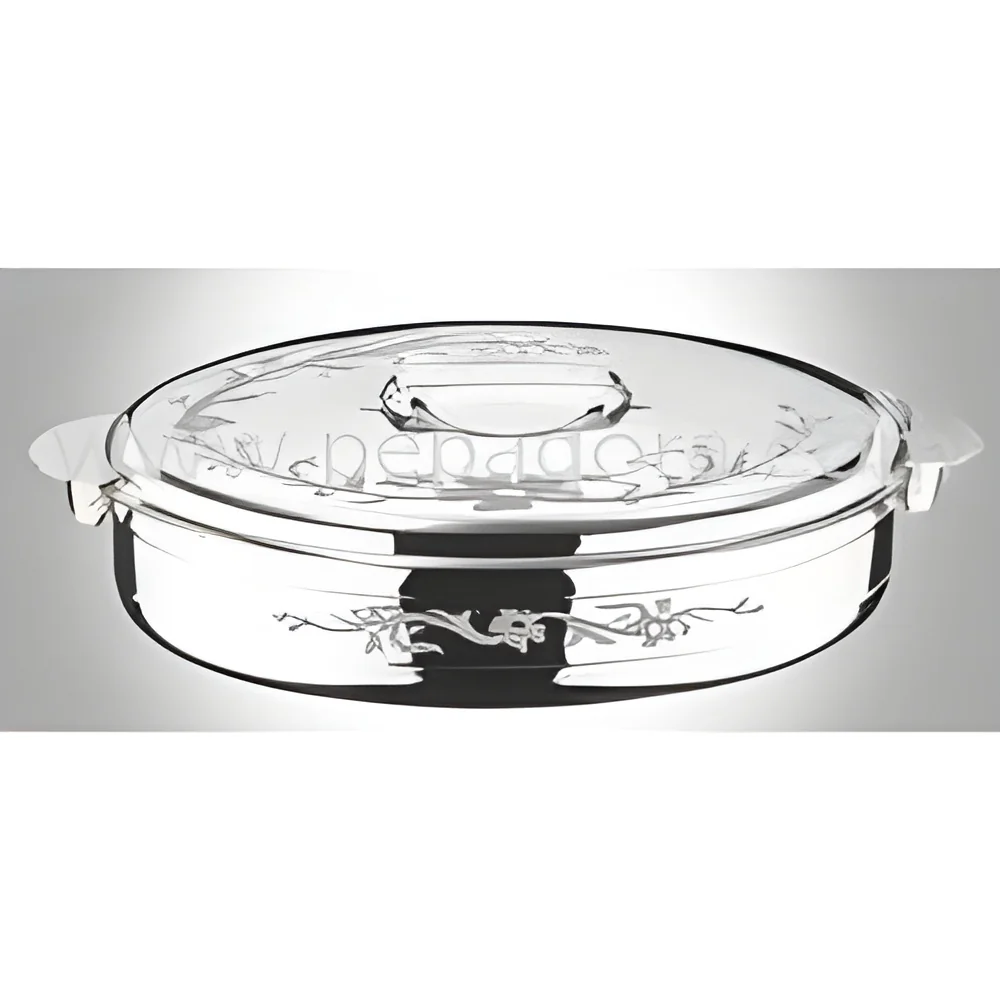
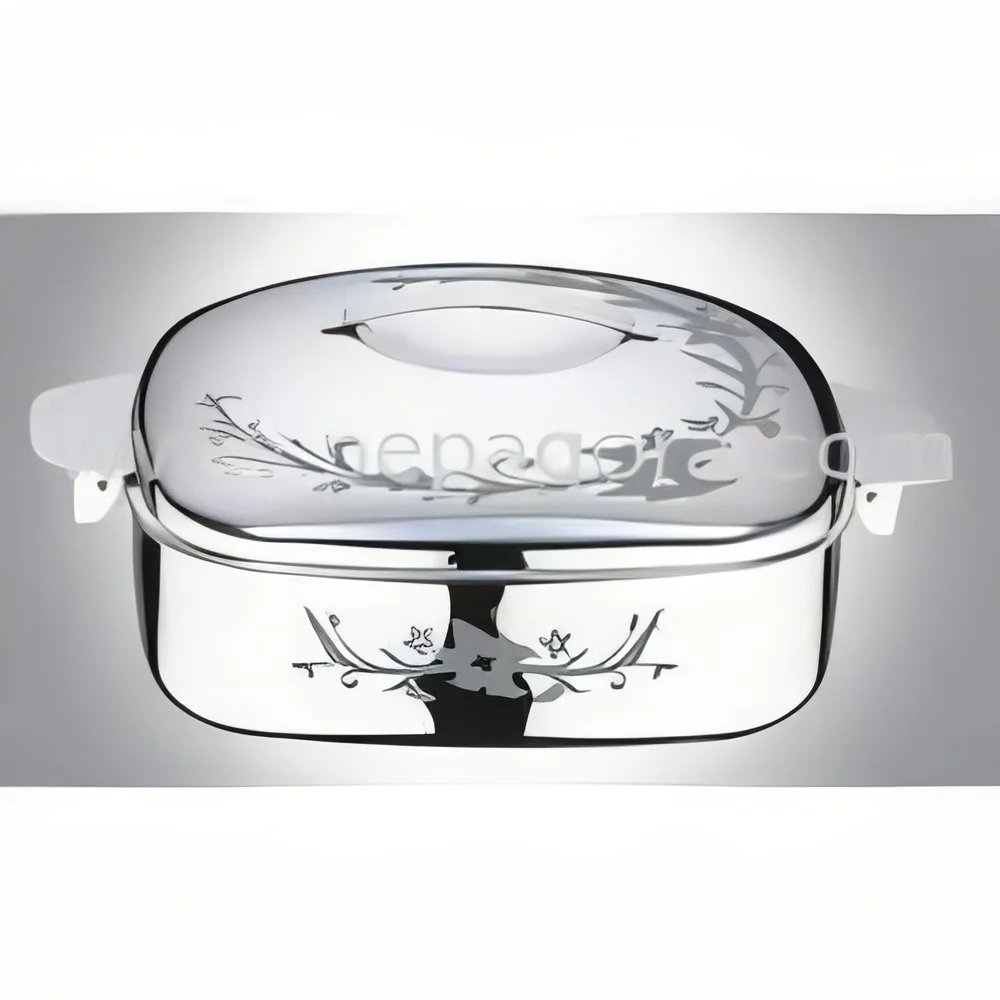
What are Casserole Pots?
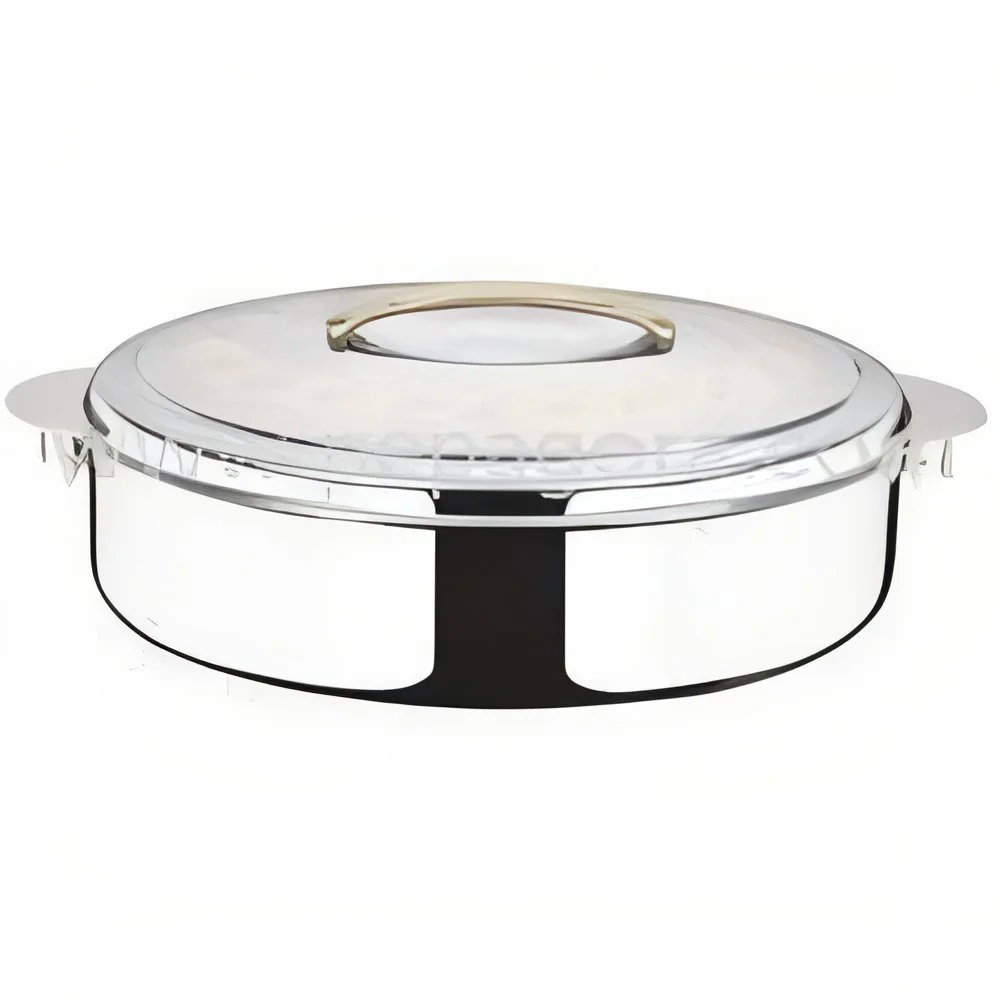
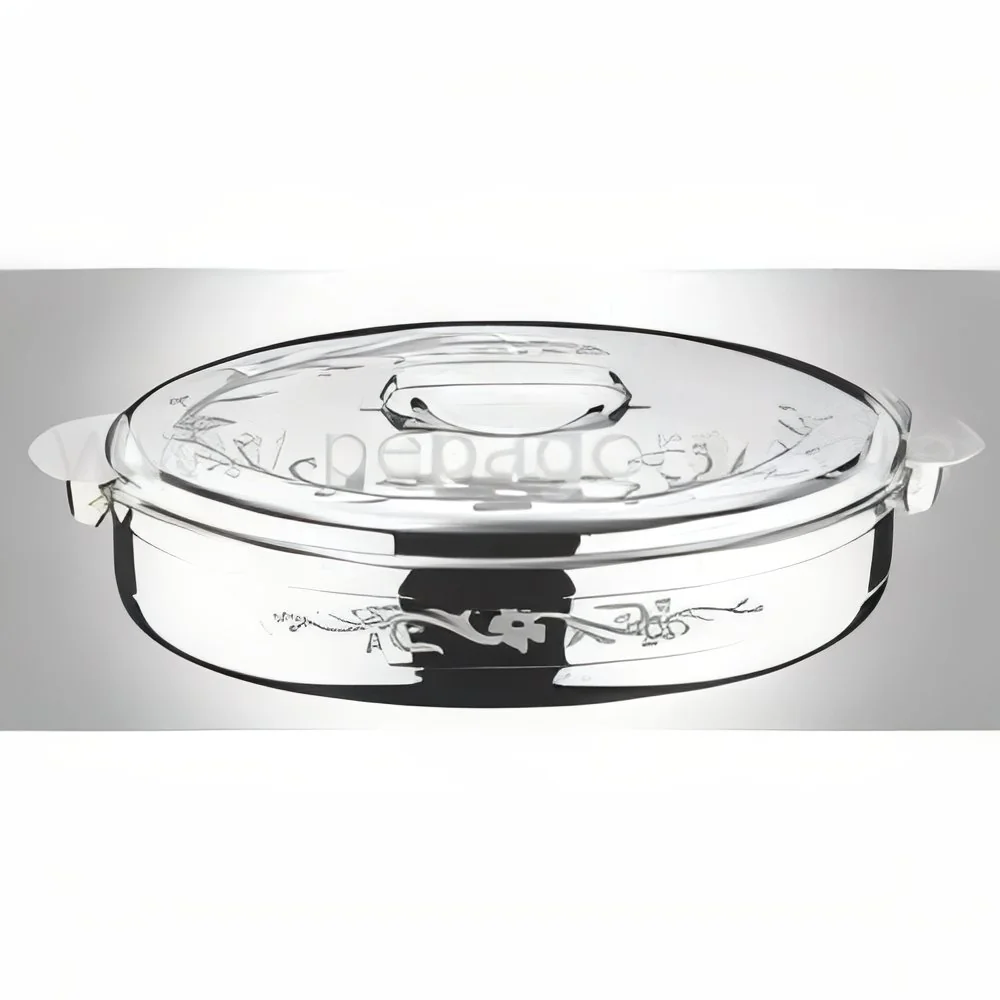
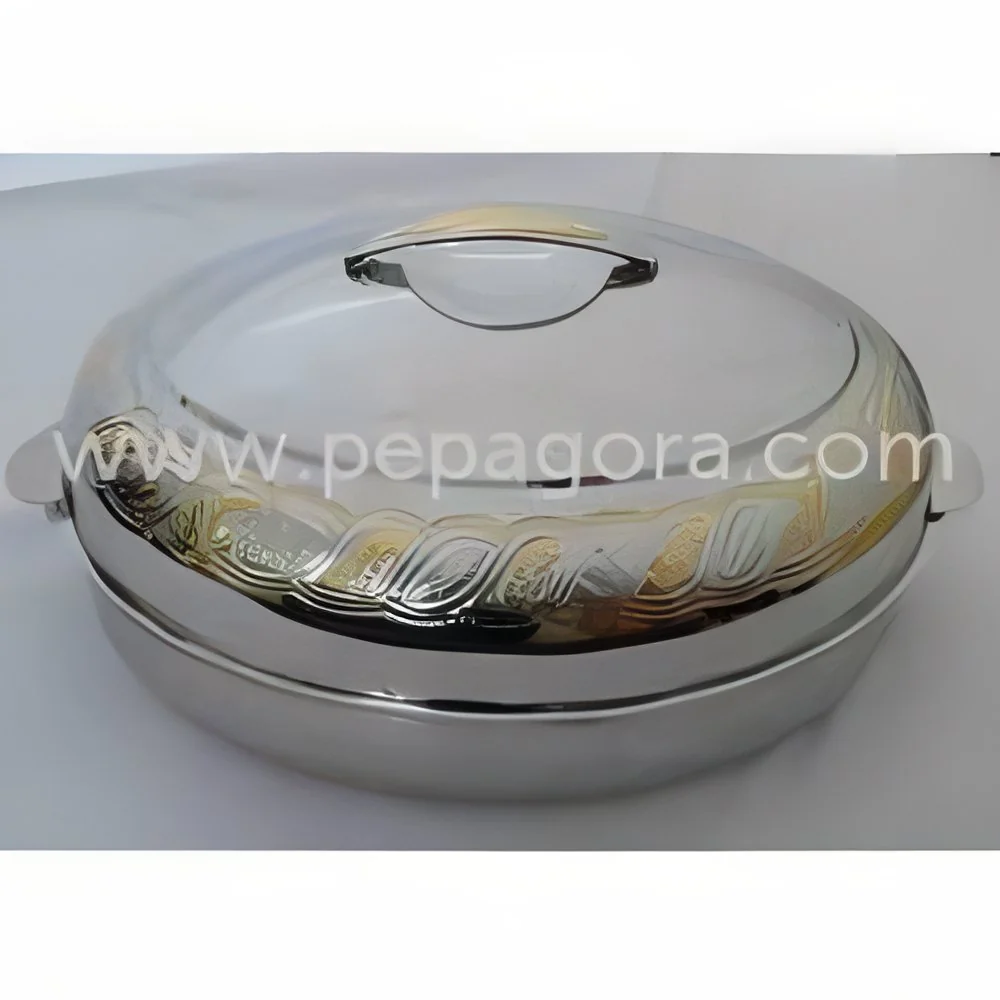
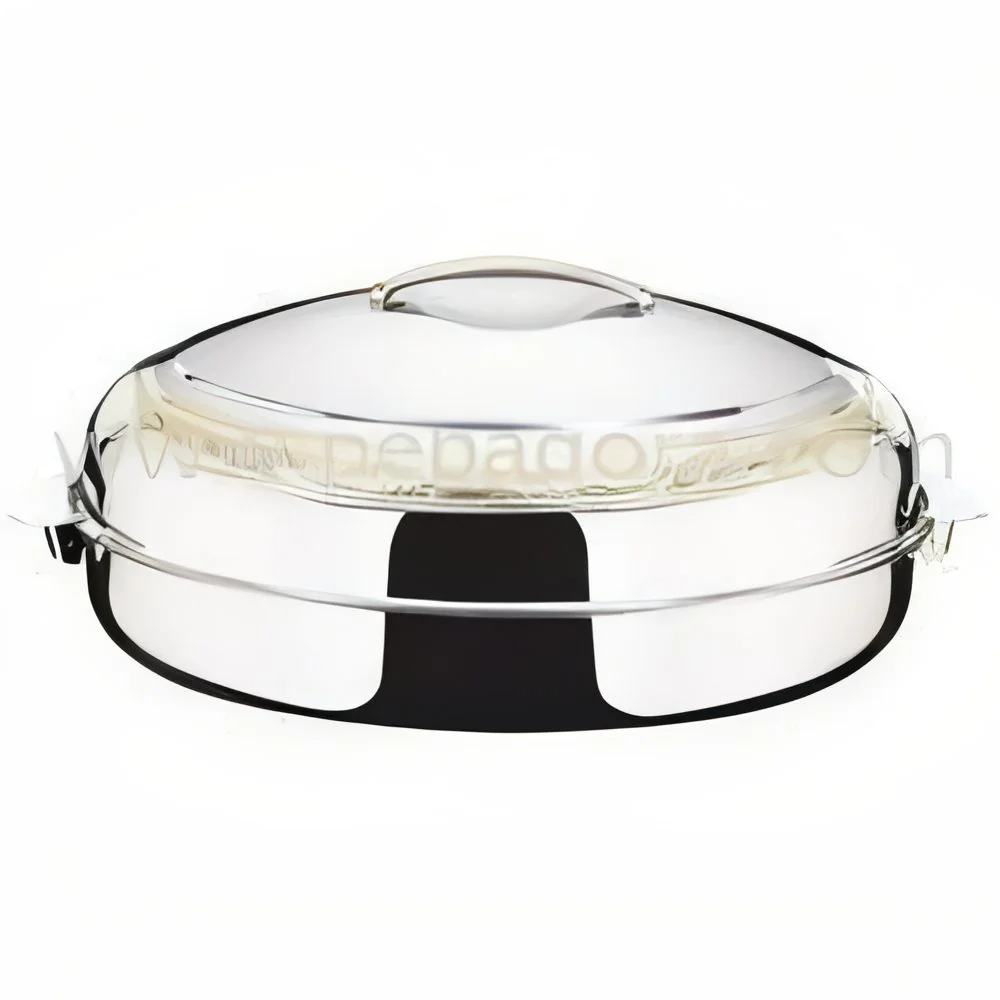
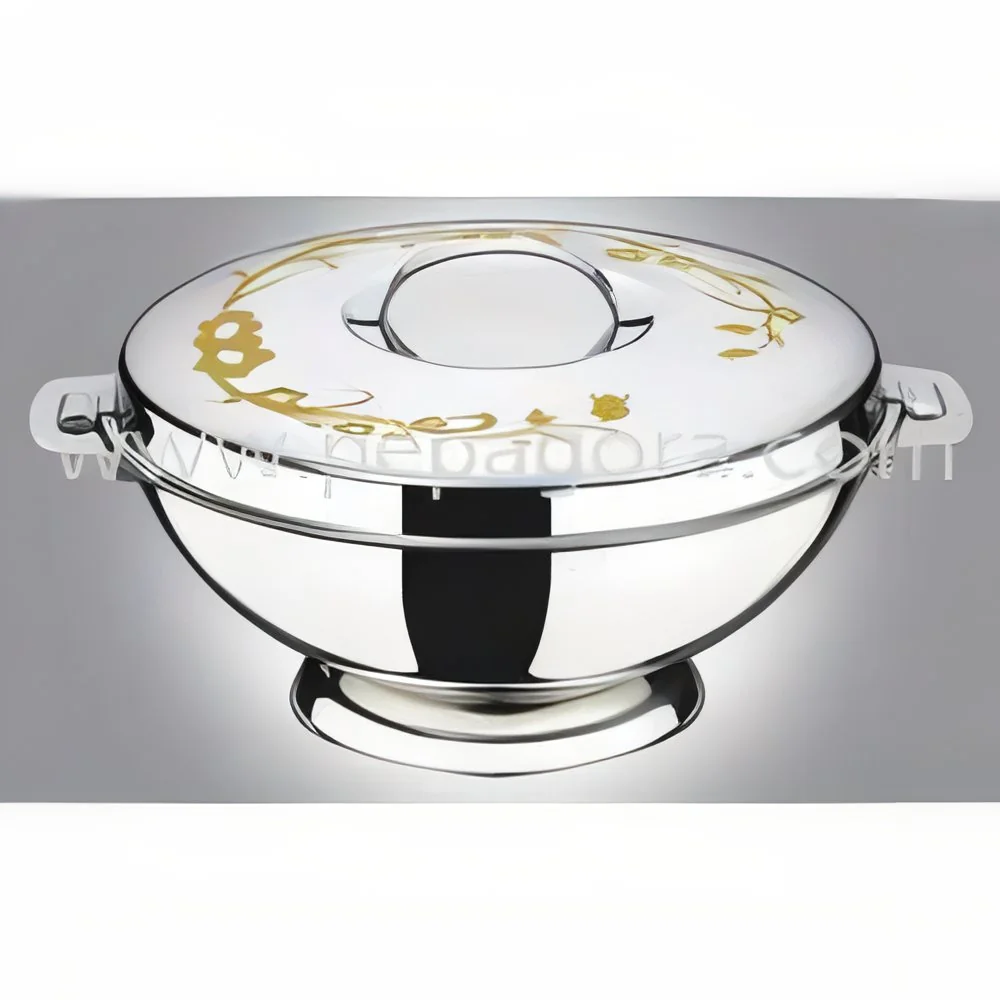
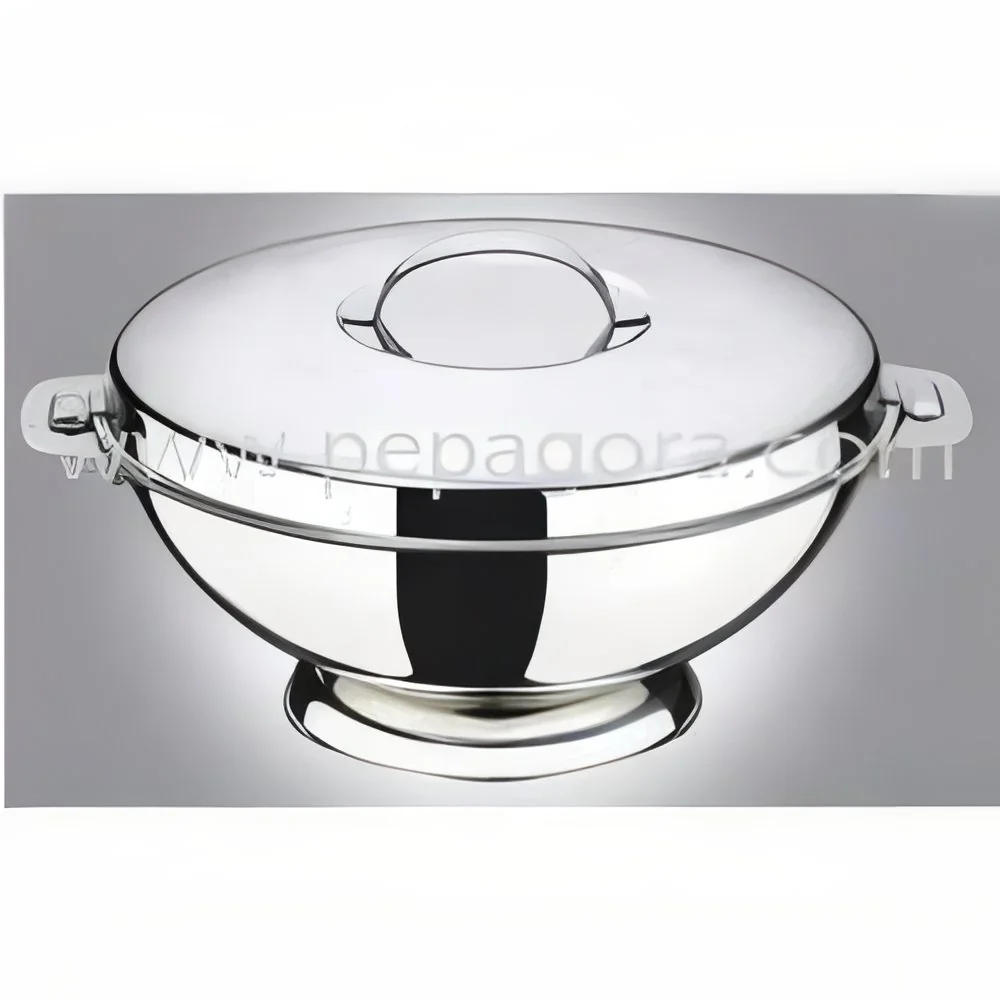
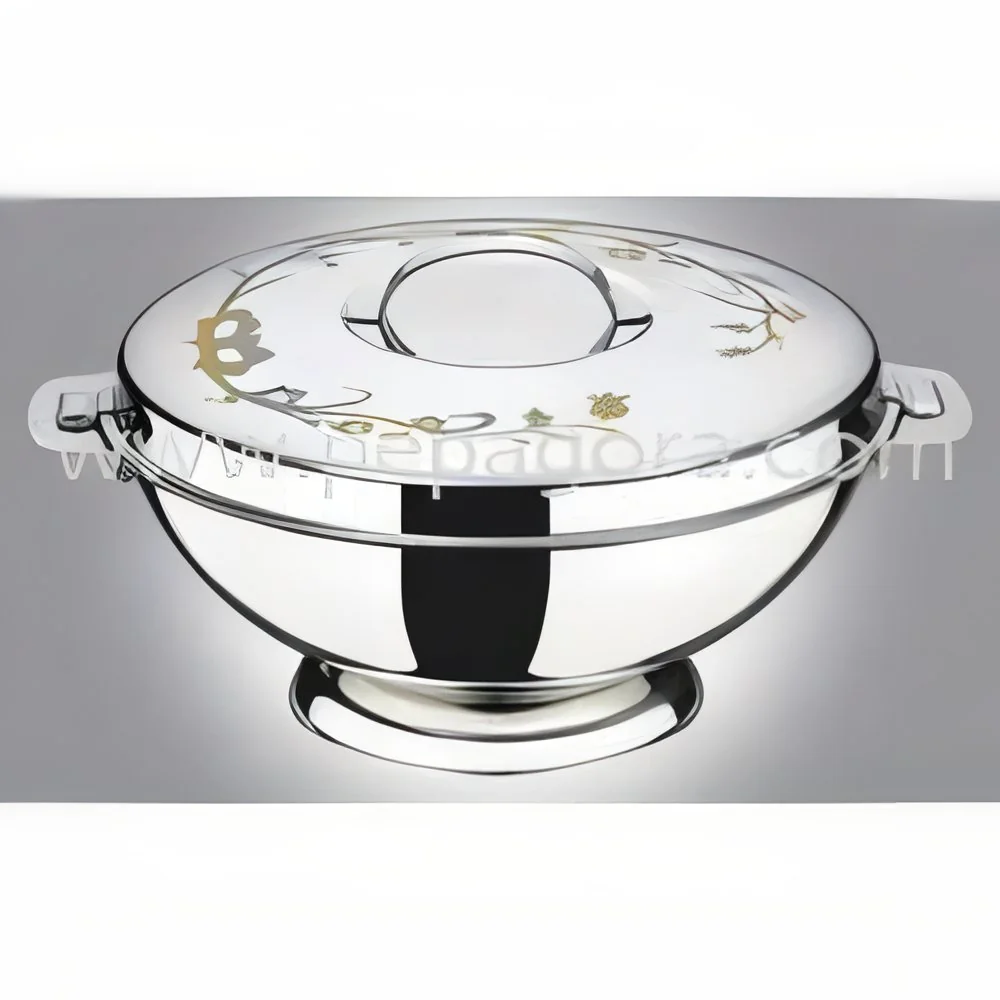
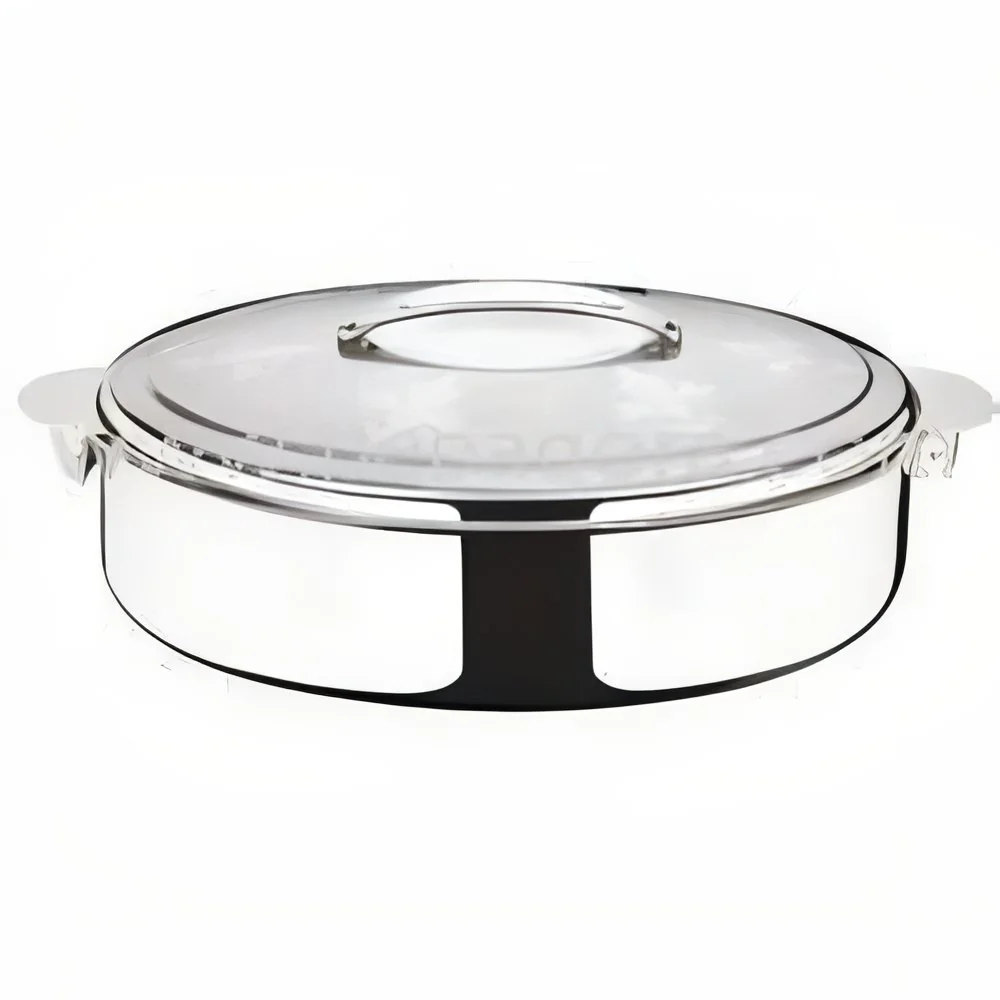
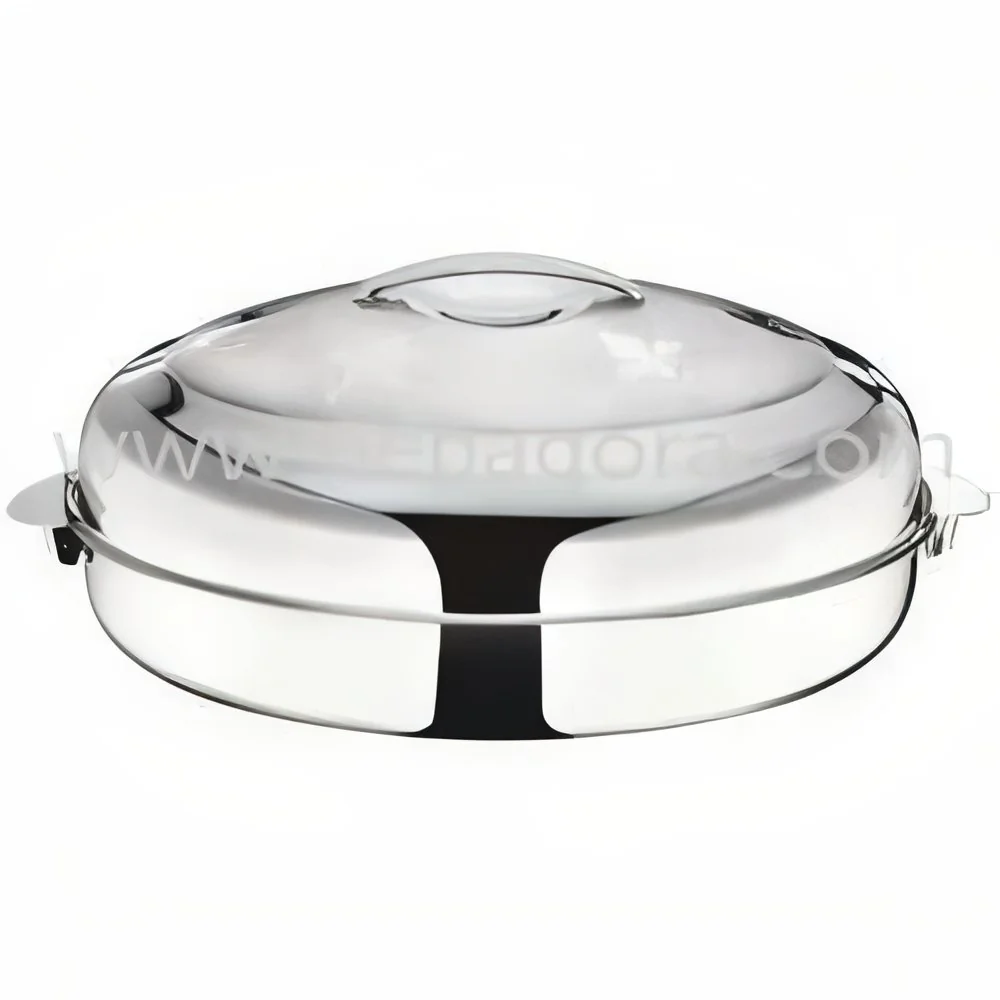
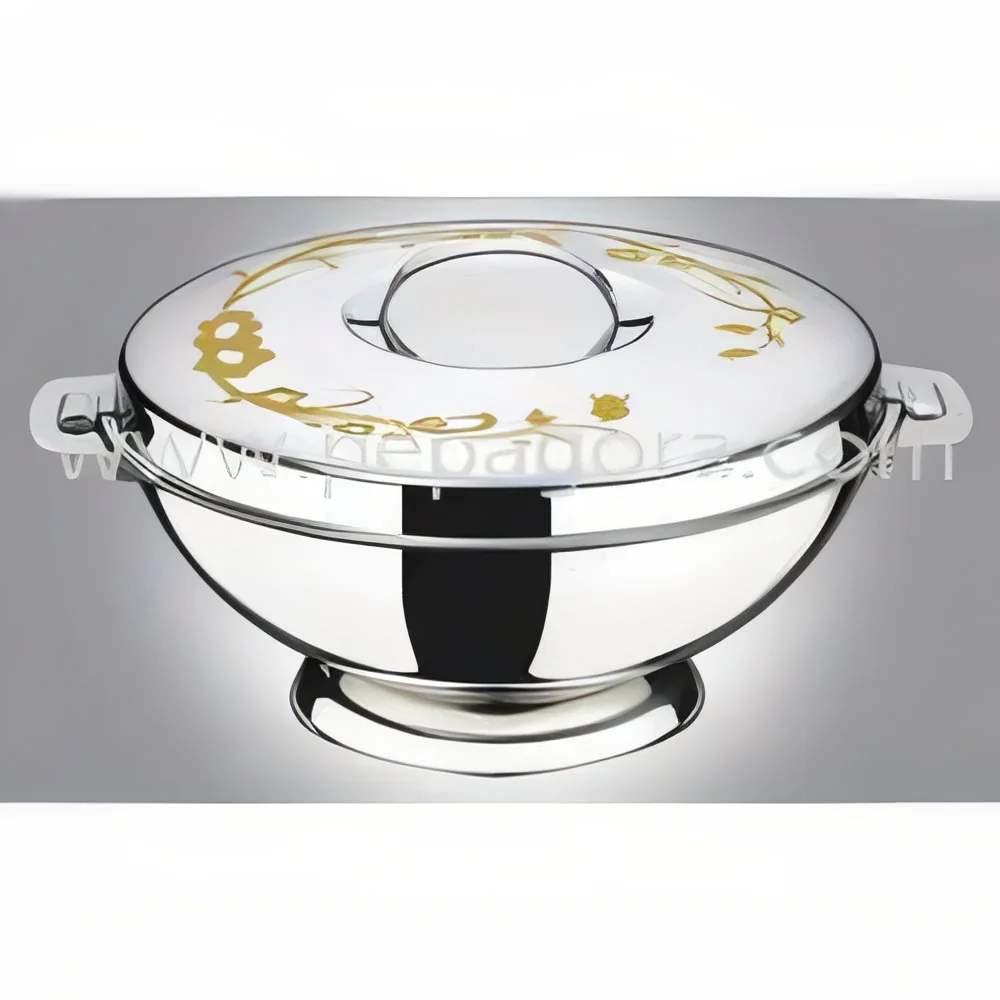
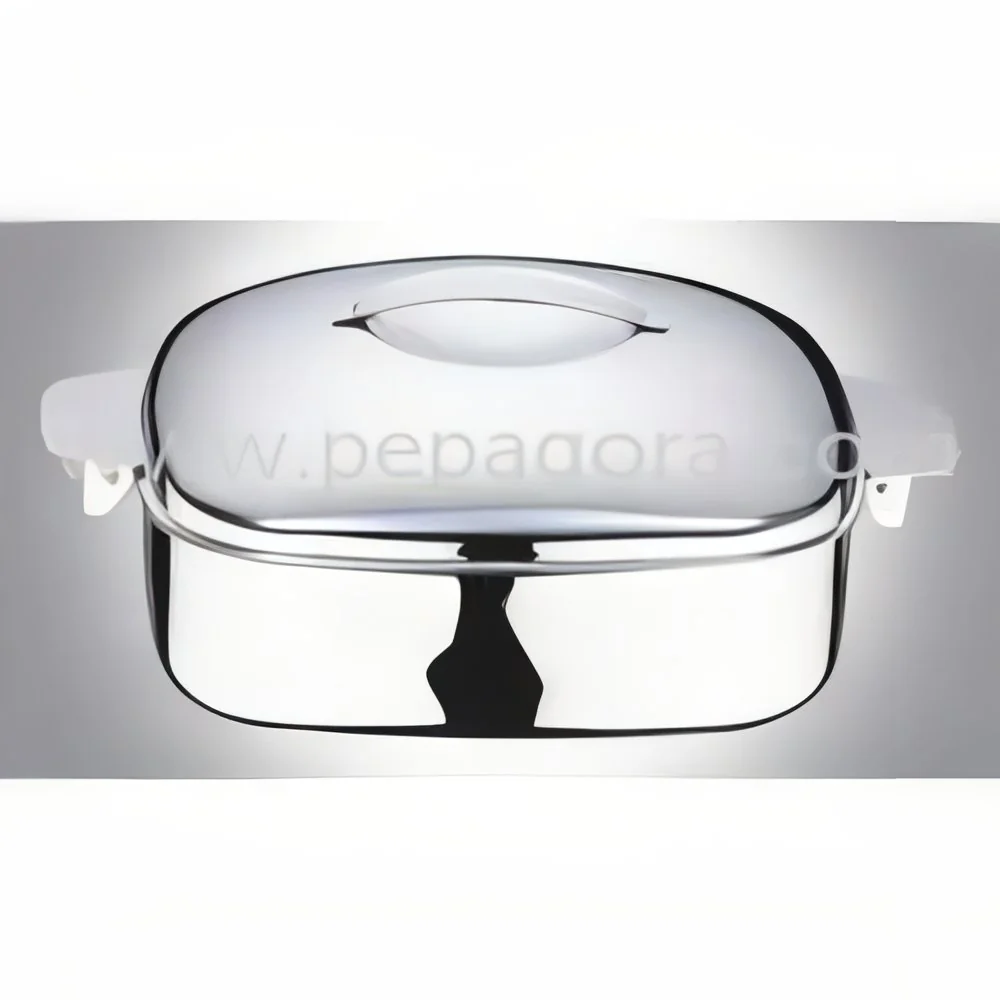
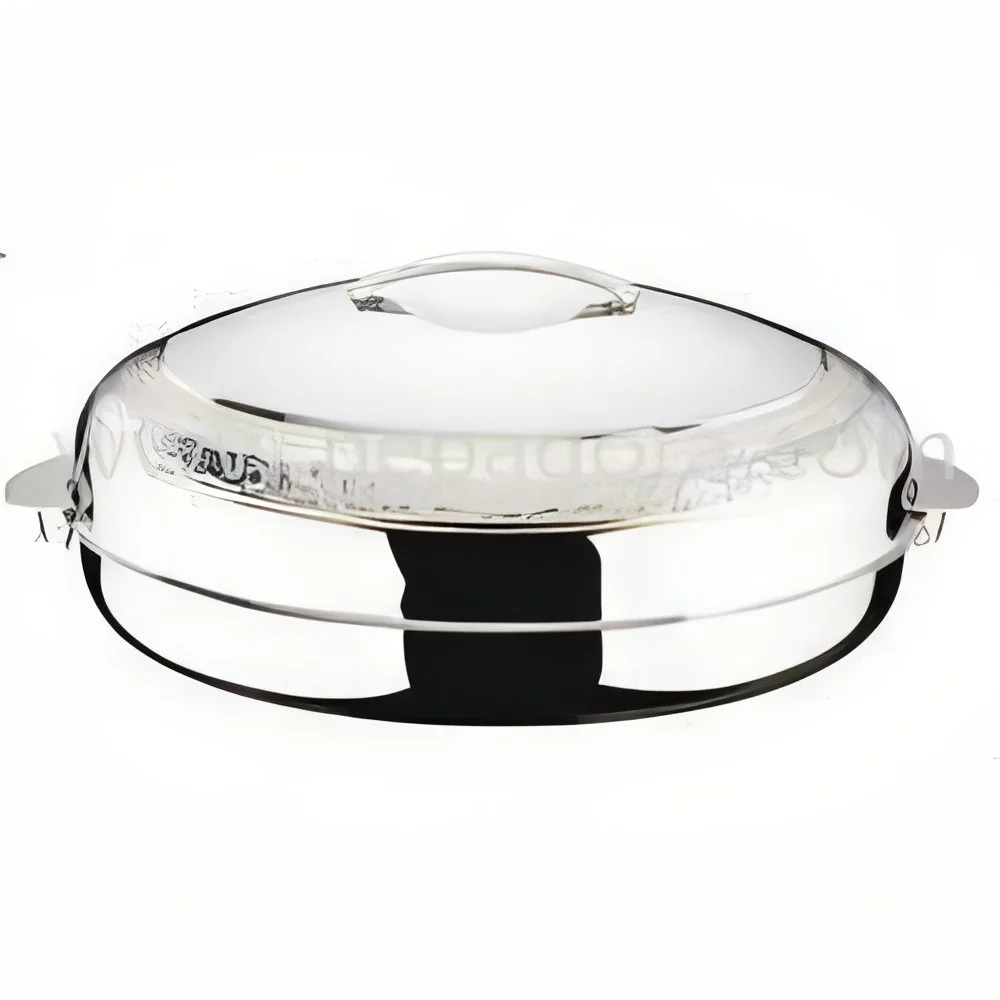
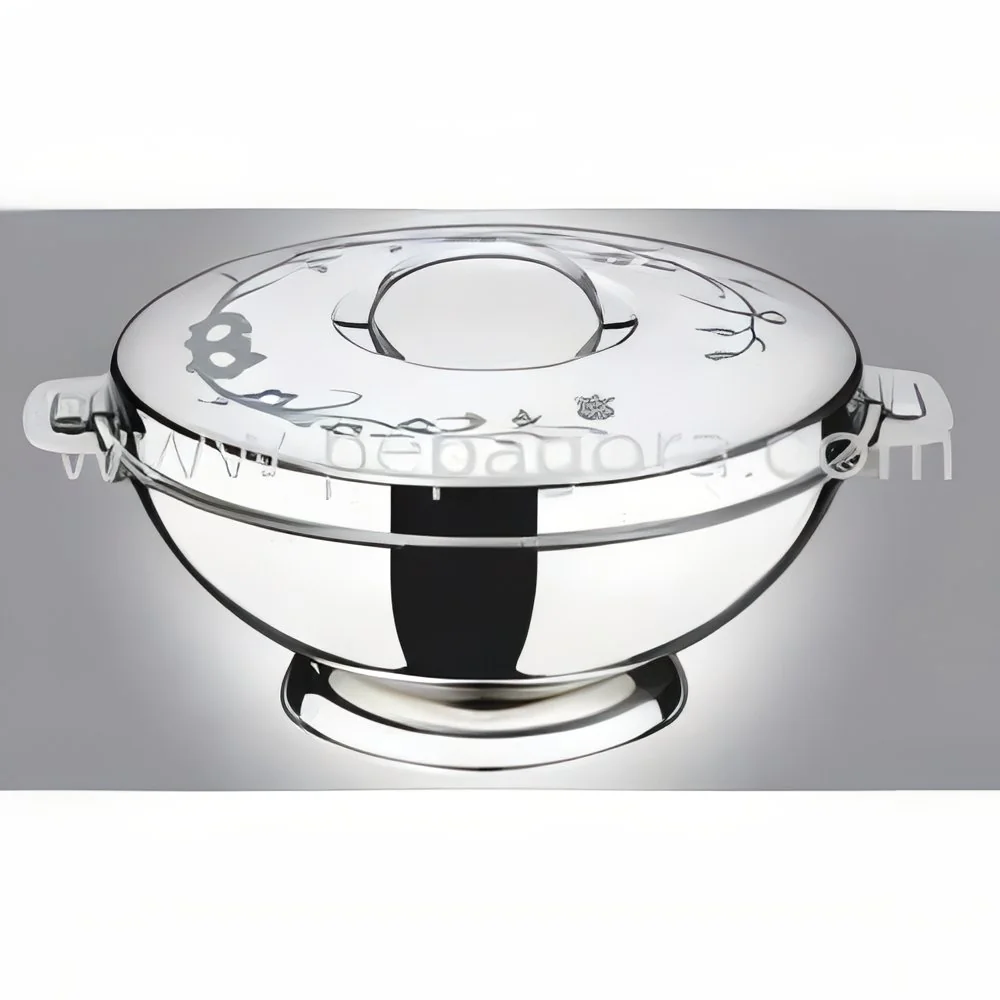
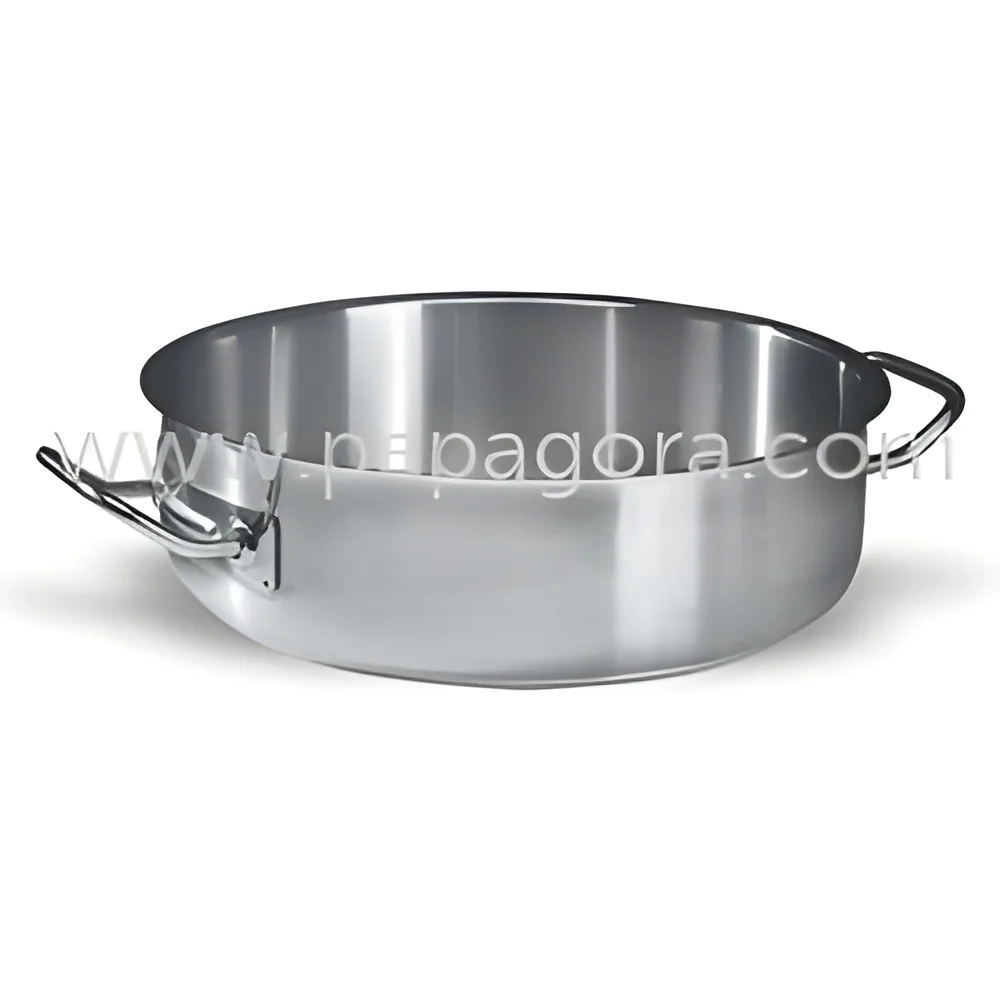
Casserole pots are versatile cooking vessels designed for slow-cooking, baking, and serving a variety of dishes. Typically made from materials such as cast iron, ceramic, or stainless steel, these pots come with a lid that helps retain heat and moisture during cooking. Their design allows for even heat distribution, which is essential for preparing hearty meals like casseroles, stews, and braises.
In the business context, casserole pots are widely used in commercial kitchens, catering services, and food production facilities. They are essential for chefs who create large quantities of food that require long cooking times. Casserole pots are also ideal for restaurants and food service providers that want to prepare and serve meals in one dish, minimizing cleanup and enhancing presentation.
The market for casserole pots is robust, reflecting the growth of the food service industry and the increasing popularity of home cooking. As culinary trends evolve, the demand for high-quality cooking equipment, including casserole pots, continues to rise. Businesses that invest in durable and efficient casserole pots can improve their cooking processes and enhance the dining experience for their customers.
Key Features and Specifications
Casserole pots come with a variety of features that enhance their usability and functionality. Buyers should consider these specifications when selecting the right product for their needs.
Key specifications include:
1. Material Composition
- Common materials include cast iron, stainless steel, and ceramic
- Each material offers unique benefits, such as durability and heat retention
2. Size and Capacity
- Available in multiple sizes, typically ranging from 2 quarts to 10 quarts
- Larger sizes are suitable for batch cooking or serving large groups
3. Lid Design
- Often includes tight-fitting lids to lock in moisture
- Some models feature glass lids for visibility during cooking
4. Oven Compatibility
- Many casserole pots are oven-safe, allowing for versatile cooking methods
- Temperature limits vary by material, so checking specifications is essential
5. Induction Compatibility
- Some casserole pots are designed for use on induction cooktops
- This feature allows for faster cooking times and energy efficiency
6. Weight
- Heavier pots provide better heat retention but may be less portable
- Lighter options are easier to handle for serving
7. Handle Design
- Ergonomic handles provide a secure grip for lifting and moving
- Some models include helper handles for added support
8. Cleaning and Maintenance
- Many casserole pots are dishwasher-safe, simplifying cleanup
- Non-stick coatings may be available for easier food release
In summary, understanding the key features and specifications of casserole pots can help buyers make informed decisions that align with their cooking requirements and operational needs.
Common Applications and Use Cases
Casserole pots serve a wide range of industries and culinary applications. Their versatility makes them a staple in various settings.
1. Restaurants: Casserole pots are used to prepare and serve signature dishes like lasagna, baked casseroles, and slow-cooked meats, allowing chefs to create hearty meals efficiently.
2. Catering Services: These pots are ideal for catering events where large quantities of food need to be prepared in advance and kept warm until service.
3. Food Production Facilities: Casserole pots are utilized in food manufacturing for batch cooking and processing, especially in the production of ready-to-eat meals.
4. Educational Institutions: Schools and universities often use casserole pots in cafeterias to prepare large servings of nutritious meals for students.
5. Healthcare Facilities: Hospitals and nursing homes use casserole pots to prepare wholesome meals that meet dietary requirements for patients.
6. Home Cooking: While primarily used in commercial settings, casserole pots are also popular among home cooks for family meals and gatherings.
7. Bulk Meal Prep: Meal prep businesses rely on casserole pots to create bulk portions of healthy meals for delivery services.
Product Variants and Subcategories
Casserole pots come in various designs and sizes to meet diverse cooking needs.
Enamel Coated Cast Iron Casserole Pots
These pots offer excellent heat retention and distribution, making them ideal for slow-cooking and baking. The enamel coating provides a non-reactive surface, enhancing flavor and making cleanup easier.
Stainless Steel Casserole Pots
Known for their durability and resistance to rust, stainless steel pots are perfect for everyday use. They often feature a polished finish that adds aesthetic value and are compatible with induction cooktops.
Ceramic Casserole Pots
Ceramic pots are favored for their ability to retain heat and provide even cooking. They are often used for oven-to-table presentations due to their attractive designs and colors.
Non-Stick Casserole Pots
These pots feature a non-stick surface that makes cooking and cleaning more manageable. They are suitable for low-fat cooking and are popular among health-conscious consumers.
Benefits and Advantages
Casserole pots provide numerous benefits for businesses seeking efficient cooking solutions.
1. Versatility: Casserole pots can be used for a variety of cooking methods, including baking, simmering, and slow-cooking, making them adaptable for different recipes.
2. Time Efficiency: These pots allow for one-pot cooking, reducing preparation and cleanup time, which is crucial in busy kitchens.
3. Consistent Results: The design of casserole pots promotes even heat distribution, ensuring that food is cooked uniformly every time.
4. Enhanced Presentation: Casserole pots often have attractive designs that allow them to go straight from the oven to the table, enhancing the dining experience.
5. Durability: Many casserole pots are made from high-quality materials that withstand regular use and last for years, providing a good return on investment.
6. Healthier Cooking: Certain casserole pots, especially those with non-stick surfaces, require less oil for cooking, promoting healthier meal preparation.
Buying Guide for B2B Buyers
When sourcing casserole pots, buyers should consider several important factors to ensure they select the right products for their needs.
1. Quality Assessment: Look for pots made from durable materials that can withstand high temperatures and heavy use. Check reviews and certifications to verify quality.
2. Supplier Verification: Vet suppliers to ensure they have a reliable track record and positive customer feedback. This reduces the risk of sourcing from untrustworthy vendors.
3. Pricing and MOQ: Understand the price range for casserole pots and inquire about minimum order quantities. This information helps in budgeting and planning purchases.
4. Delivery and Lead Times: Discuss logistics with suppliers to establish delivery timelines. Timely delivery is crucial for maintaining inventory and operational efficiency.
5. Compliance Requirements: Ensure that casserole pots meet relevant industry standards and regulations. This includes checking for necessary certifications like CE and safety compliance.
Compliance and Certifications
Casserole pots must adhere to various quality standards and certifications to ensure safety and performance.
ISO 9001 is a widely recognized standard that ensures quality management systems are in place, promoting consistent product quality. Compliance with HACCP guidelines is important in food-related industries, focusing on food safety and hygiene practices during production.
Industry certifications such as CE indicate that products meet European safety, health, and environmental protection standards. This is crucial for markets where compliance is mandatory.
In addition, manufacturers should conduct safety and testing requirements to ensure that casserole pots can withstand high temperatures and are safe for food contact. Regional compliance considerations may vary, so it is essential to verify that products meet local regulations.
Why Source Casserole Pots from Pepagora?
Pepagora provides a trusted platform for sourcing casserole pots, offering several key advantages for businesses.
Verified Supplier Network: Pepagora connects buyers with a network of verified suppliers, ensuring that all vendors meet quality and reliability standards. This reduces the risk associated with sourcing products.
Streamlined RFQ Process: The platform simplifies the request-for-quotation process, enabling buyers to receive competitive quotes from multiple suppliers quickly. This efficiency helps businesses make informed purchasing decisions.
Trade Assurance and Support: Pepagora offers trade assurance, providing protection for buyers against potential issues. This support ensures a secure purchasing experience.
Regional Coverage: With a strong presence in India, the GCC, and Southeast Asia, Pepagora facilitates sourcing for businesses across a wide geographic area, ensuring that buyers can find the products they need no matter where they are located.

 IN
IN