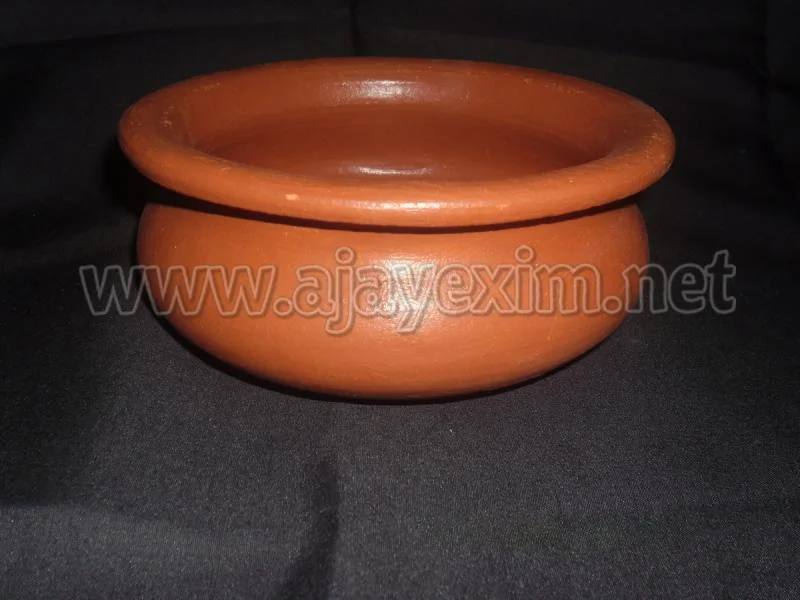
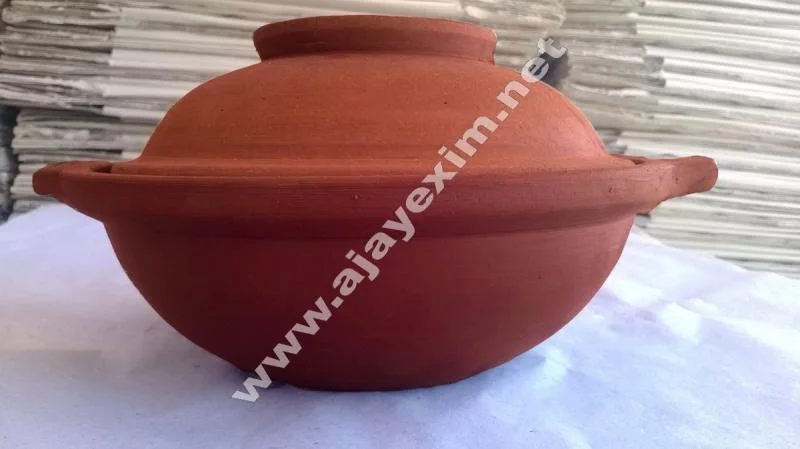
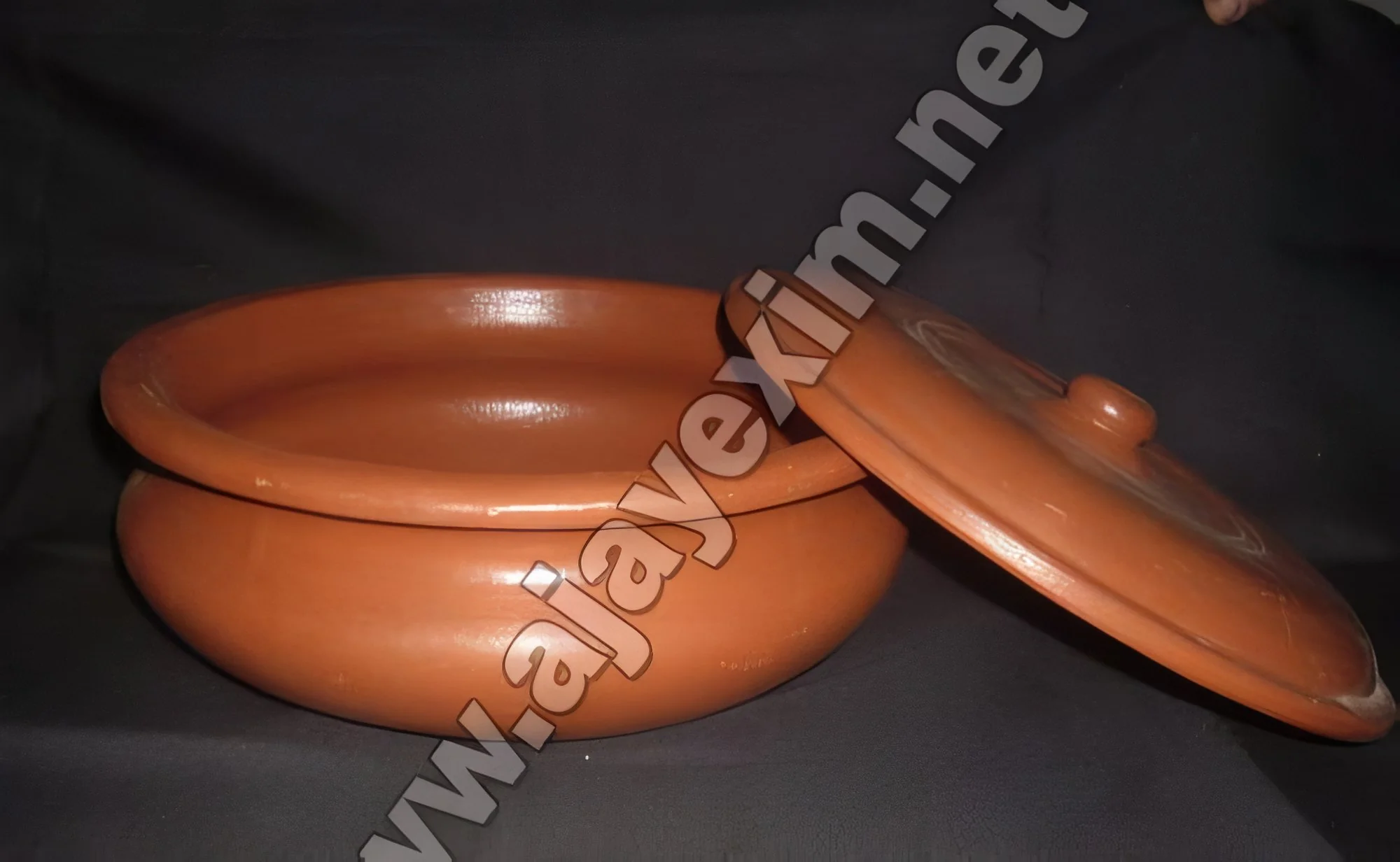
What are Tagine Pots?
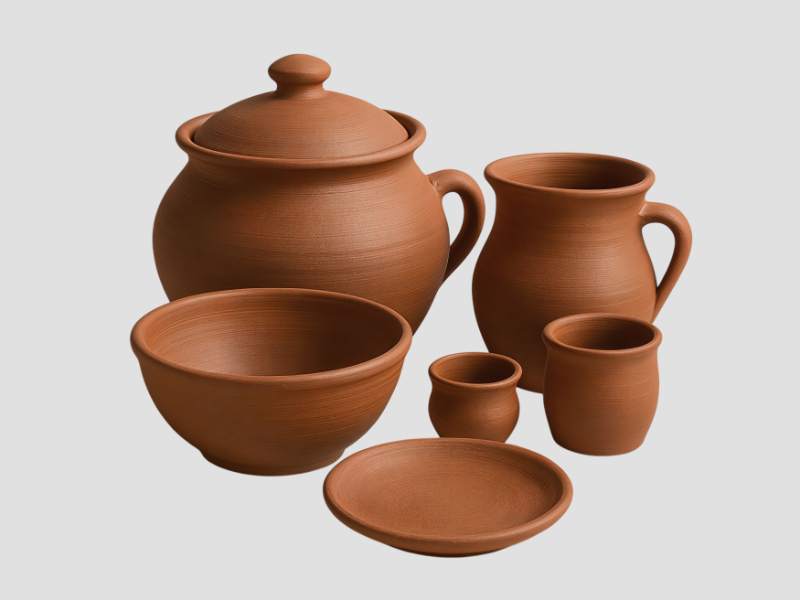
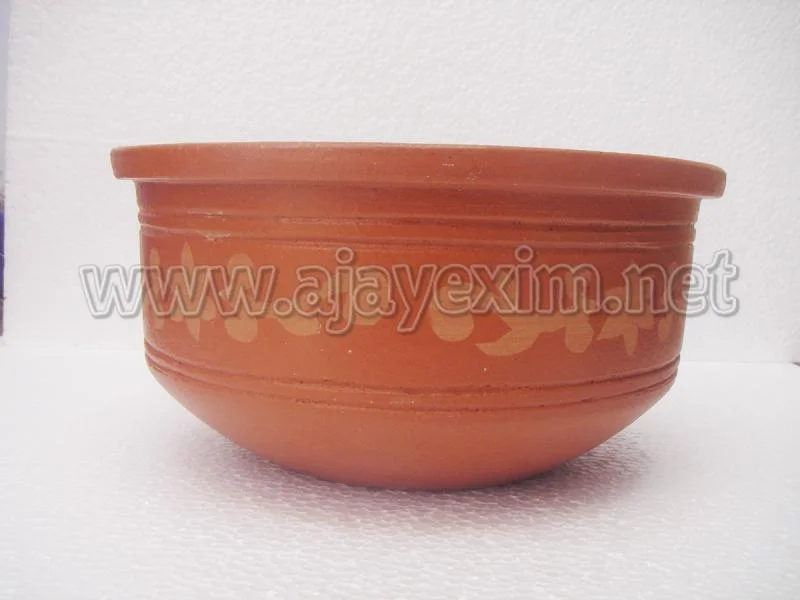
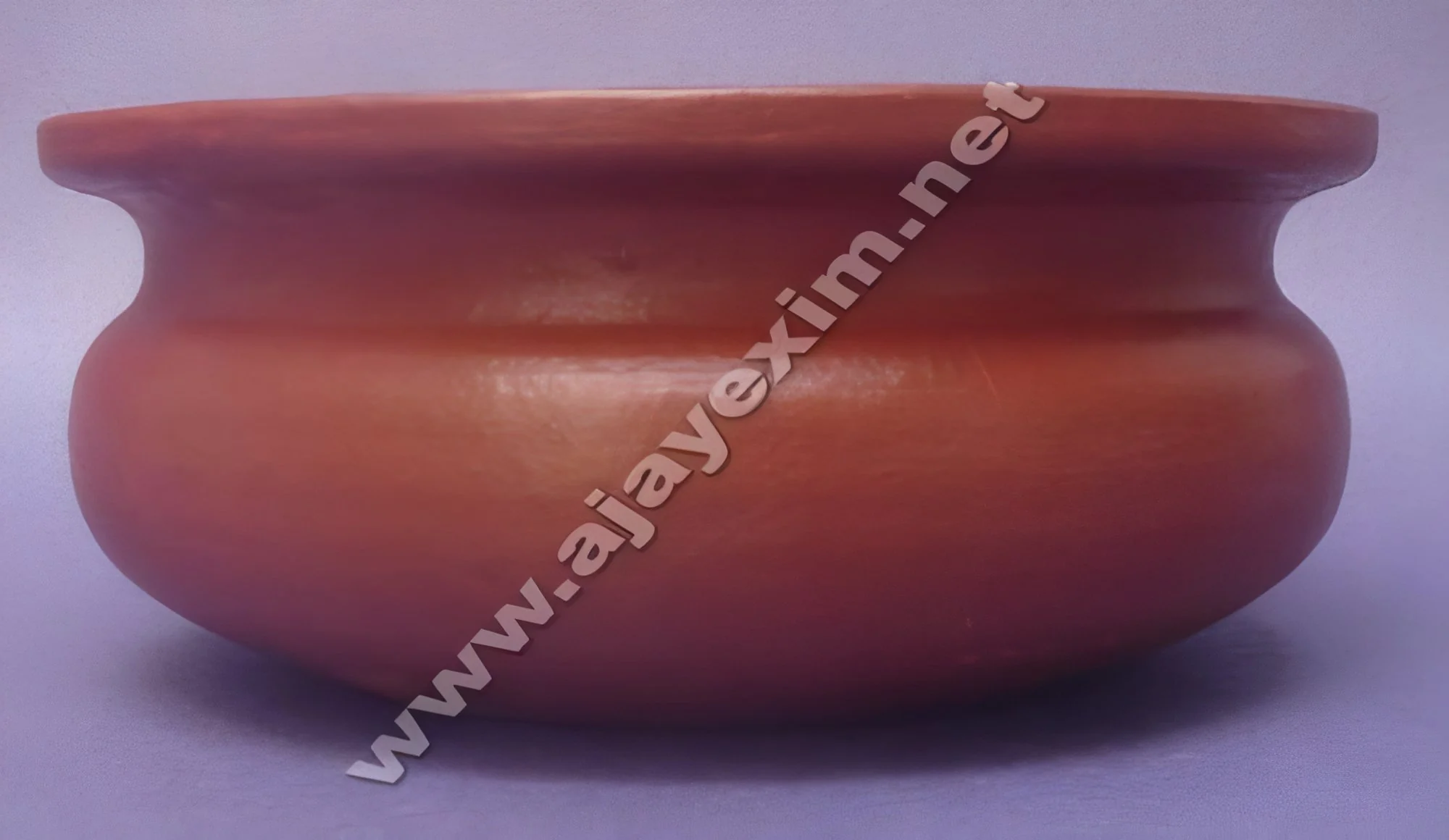
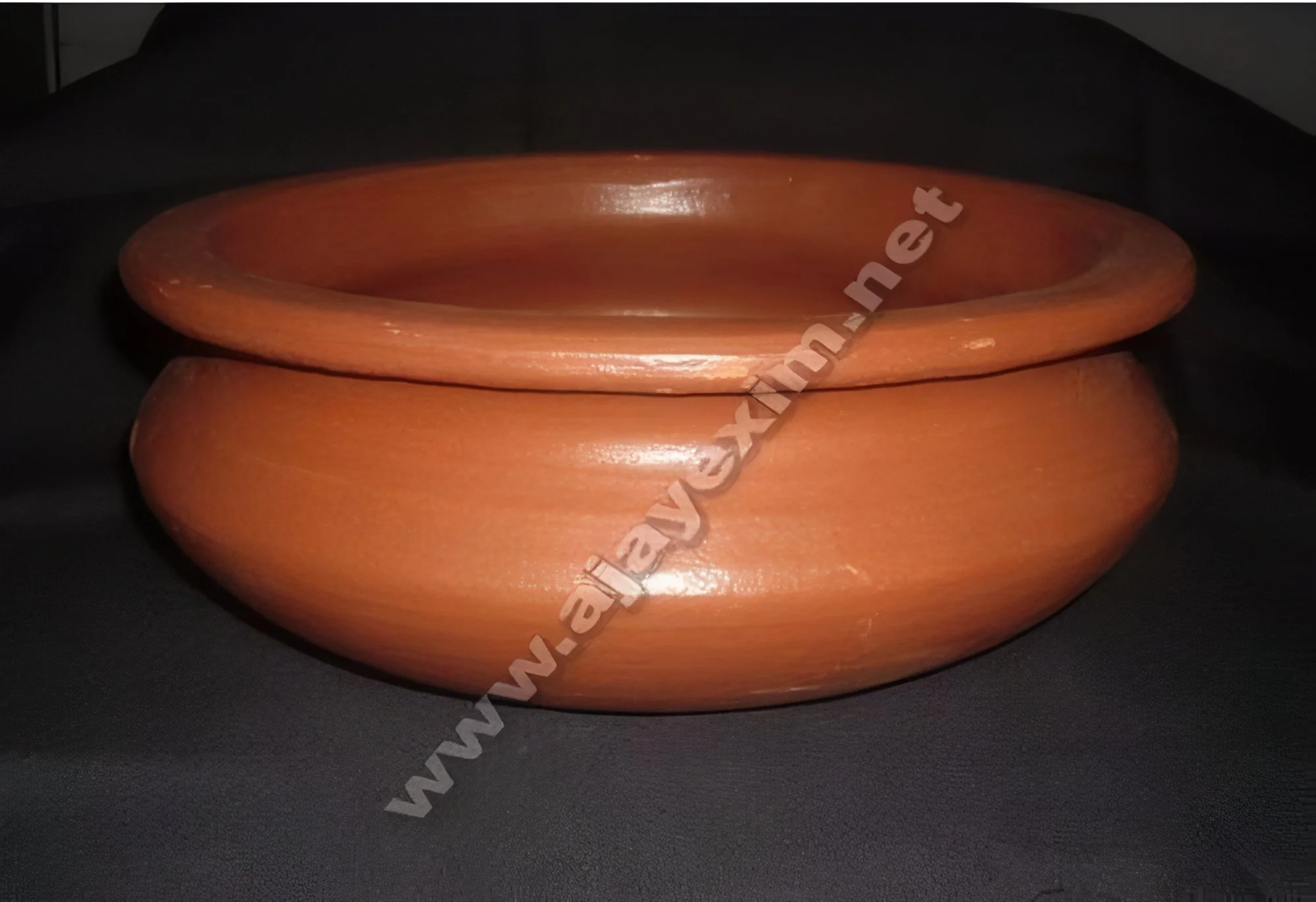
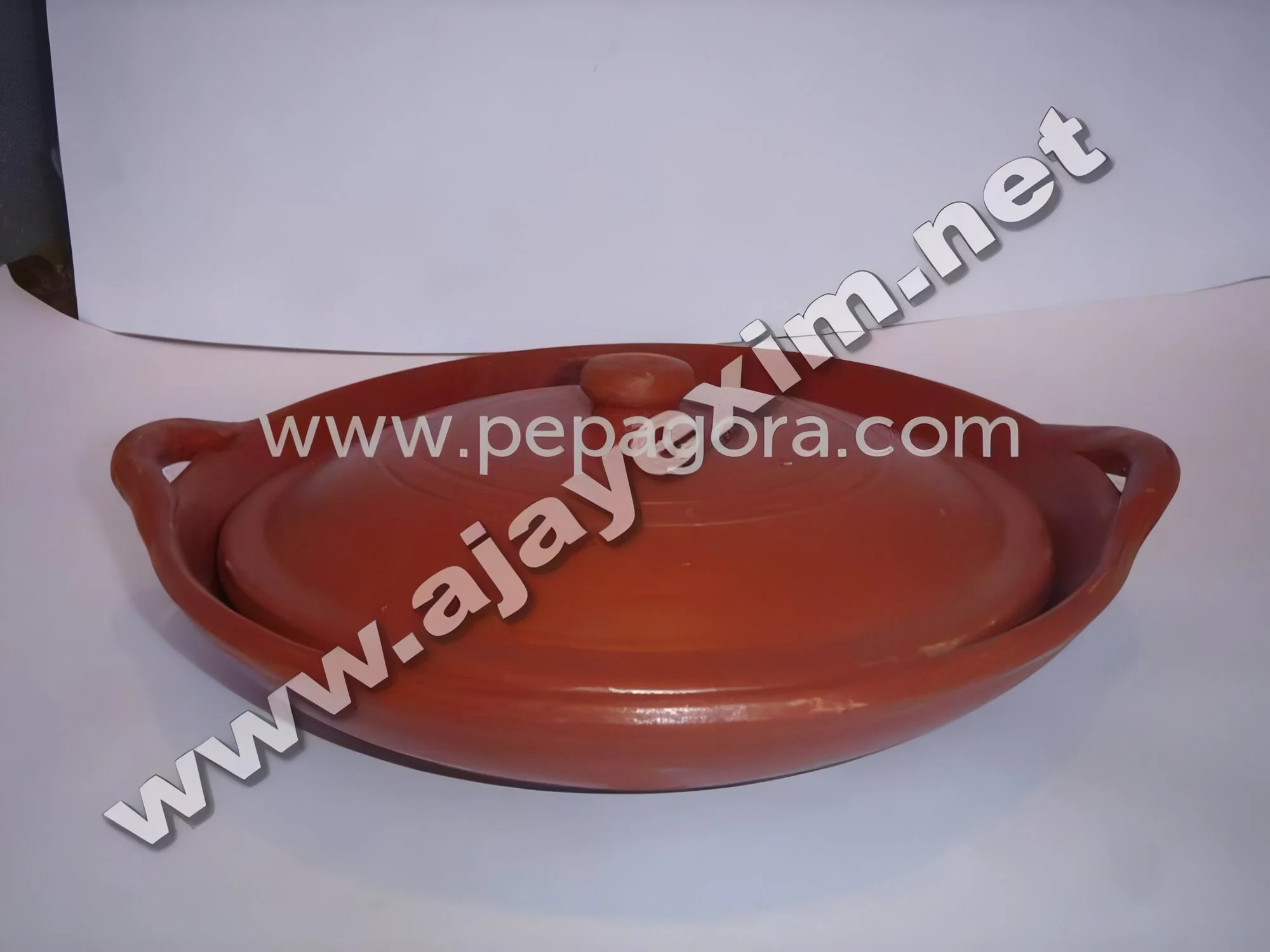
Tagine pots are traditional North African cooking vessels characterized by their conical lids and round bases. They are typically made from clay or ceramic and are designed for slow cooking, allowing flavors to meld beautifully over low heat. The unique shape of the lid facilitates steam circulation, resulting in tender meats and aromatic dishes. These pots are not just cooking vessels; they are also a cultural symbol, often used in Moroccan cuisine to prepare classic dishes such as tagine stews.
In a business context, tagine pots are increasingly valued in culinary settings, such as restaurants and catering services that focus on authentic ethnic cuisines. Their versatility allows chefs to create a variety of dishes, from stews to desserts, enhancing menu offerings. The growing trend of ethnic and fusion cuisine makes tagine pots a relevant choice for establishments looking to offer unique dining experiences. The market for these pots is expanding as more consumers are interested in home cooking, particularly in preparing meals that reflect diverse cultural backgrounds.
Key Features and Specifications
Tagine pots come with several features that make them suitable for both commercial and personal use. Their design is not only aesthetic but also functional, allowing for even heat distribution and moisture retention. Various specifications cater to different cooking needs and preferences.
Key specifications include:
1. Material
- Typically made from clay or ceramic
- Offers excellent heat retention and flavor enhancement
2. Size
- Available in various sizes, from small (1-2 servings) to large (8+ servings)
- Helps in serving different portion requirements
3. Lid Design
- Conical shape allows for steam circulation
- Prevents condensation from dripping back into the pot
4. Temperature Resistance
- Designed to withstand high cooking temperatures
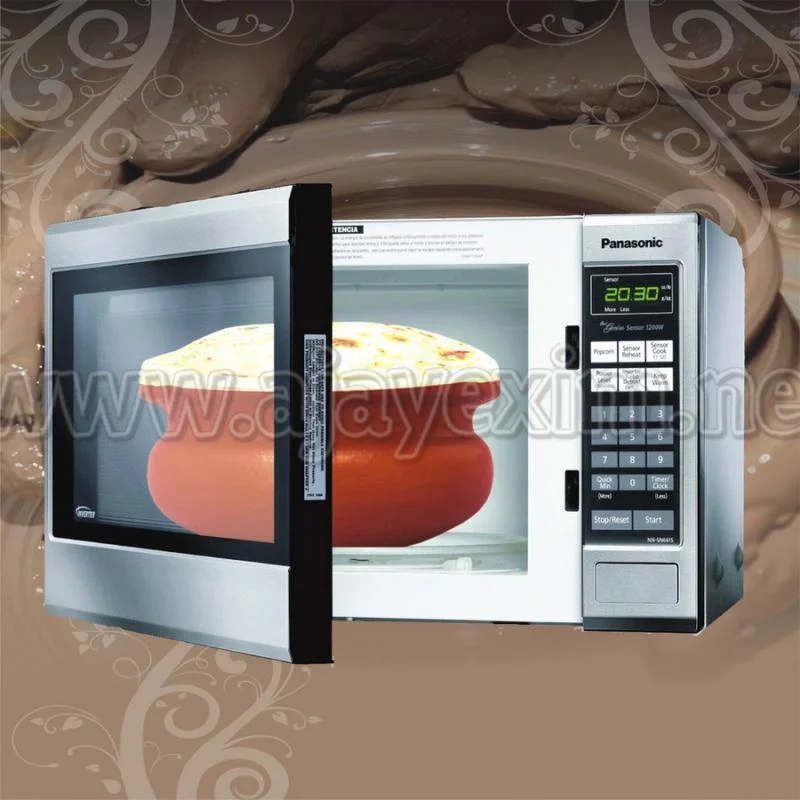
- Suitable for stovetop and oven use
5. Weight
- Generally lightweight for easy handling
- Provides stability during cooking
6. Cleaning
- Often dishwasher-safe, depending on the material
- Non-stick surfaces available for easy cleaning
7. Color Options
- Available in a range of colors and designs
- Allows customization to suit kitchen aesthetics
In summary, tagine pots are versatile cooking tools with unique features that enhance both functionality and presentation.
Common Applications and Use Cases
Tagine pots serve various industries, each utilizing them for distinct purposes.
1. Culinary Arts: Restaurants and catering businesses use tagine pots to create traditional dishes that require slow cooking, such as Moroccan tagines, stews, and casseroles.
2. Home Cooking: Many households invest in tagine pots to prepare authentic ethnic meals, allowing home cooks to explore different cuisines.
3. Culinary Schools: These pots are often included in culinary training programs to teach students about traditional cooking methods and cultural dishes.
4. Food Service: Food trucks and small vendors specializing in ethnic cuisine utilize tagine pots to serve hot, flavorful meals.
5. Hospitality: Hotels and resorts may feature tagine pots in their dining offerings, enhancing guest experiences with unique culinary options.
6. Retail: Kitchenware stores often stock tagine pots as part of their ethnic cooking section, catering to consumers interested in diverse cooking styles.
7. Cultural Events: Tagine pots are commonly used in festivals and cultural events that celebrate North African heritage, showcasing traditional cooking practices.
Product Variants and Subcategories
Tagine pots come in various forms, each designed for specific culinary needs and styles.
Traditional Tagine Pot
This classic version features a round base and a tall, conical lid. It is ideal for authentic Moroccan cooking, allowing for slow simmering of meats and vegetables.
Mini Tagine Pot
Smaller in size, these pots are perfect for individual servings or side dishes. They are often used for appetizers or small portions, making them ideal for dining experiences that emphasize sharing.
Decorative Tagine Pot
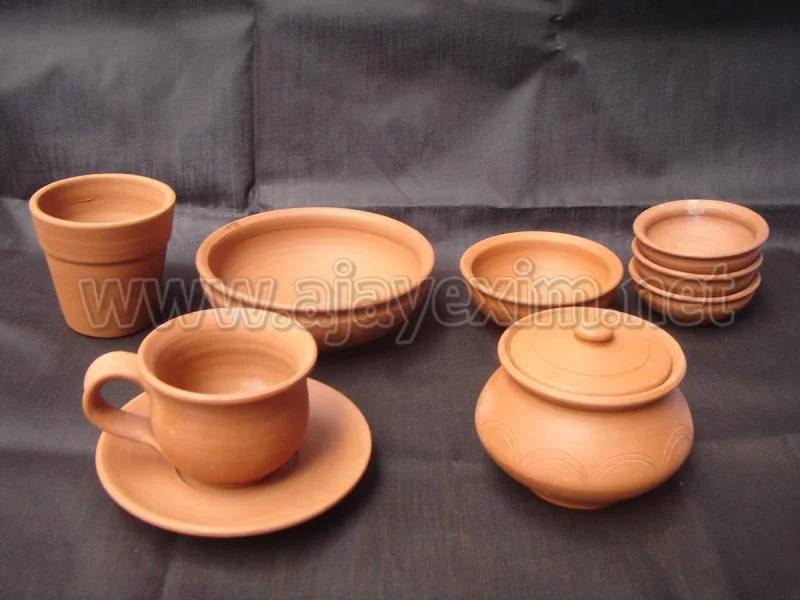
These pots are crafted with intricate designs and vibrant colors, often used for serving rather than cooking. They add an aesthetic appeal to dining tables and can serve as decorative pieces in homes.
Benefits and Advantages
Tagine pots offer a range of benefits that make them appealing to both professional chefs and home cooks.
Key benefits include:
1. Flavor Enhancement: The slow cooking method intensifies flavors, making dishes more aromatic and delicious.
2. Versatility: Tagine pots can be used for a variety of recipes, from meats and vegetables to desserts, making them a multifunctional kitchen tool.
3. Energy Efficiency: Cooking with a tagine pot requires lower heat levels, which can be more energy-efficient compared to other cooking methods.
4. Nutrient Preservation: The design allows for cooking with minimal water, helping to retain vitamins and minerals in the food.
5. Cultural Experience: Using a tagine pot can enhance the dining experience, offering guests a taste of traditional North African cuisine.
6. Aesthetic Appeal: The unique design of tagine pots makes them visually appealing, enhancing the presentation of dishes.
Buying Guide for B2B Buyers
When sourcing tagine pots, it is essential to consider several key factors to ensure the best purchase decisions.
1. Quality Assessment: Look for pots made from high-quality materials that can withstand high temperatures and provide even cooking. Checking for craftsmanship and finish is also crucial.
2. Supplier Verification: Vet suppliers by assessing their reputation, customer reviews, and certifications. Choose suppliers with proven experience in providing tagine pots.
3. Pricing and MOQ: Understand the pricing structure and inquire about minimum order quantities. This can vary widely depending on the supplier and quality of the pots.
4. Delivery and Lead Times: Discuss logistics and delivery timelines. Ensure that the supplier can meet your scheduling needs.
5. Compliance Requirements: Be aware of any regional compliance and safety standards relevant to cooking products. Certifications like CE may be necessary for certain markets.
Compliance and Certifications
Compliance with industry standards is vital for ensuring the quality and safety of tagine pots. Relevant quality standards include ISO 9001, which pertains to quality management systems, ensuring that manufacturers provide a consistent product.
HACCP (Hazard Analysis and Critical Control Points) guidelines may also apply, especially for products used in food preparation. These certifications help ensure that food safety is maintained throughout the cooking process.
Additionally, CE certification is important for products sold in European markets, indicating that they meet safety and environmental protection standards.
It is essential for buyers to understand the regulatory landscape in their regions, as compliance requirements may vary. Factors such as material safety, manufacturing processes, and labeling standards must be taken into account to ensure that the products meet consumer safety expectations.
Why Source Tagine Pots from Pepagora?
Pepagora provides a trusted platform for sourcing tagine pots, offering several key advantages to buyers.
Verified Supplier Network: Pepagora connects buyers with a network of verified suppliers, ensuring that all partners meet stringent quality standards. This reduces the risk of sourcing subpar products.
Streamlined RFQ Process: The platform simplifies the request for quotation (RFQ) process, allowing buyers to easily compare prices and specifications from multiple suppliers. This saves time and ensures competitive pricing.
Trade Assurance and Support: Buyers receive protection through trade assurance policies, which help safeguard transactions and provide support in case of issues. This builds confidence in sourcing decisions.
Regional Coverage: Pepagora has a strong presence in regions like India, the GCC, and Southeast Asia. This geographic reach allows buyers to find local suppliers, reducing shipping costs and lead times while supporting regional economies.
In conclusion, sourcing tagine pots through Pepagora not only provides access to quality products but also ensures a smooth and reliable buying experience.

 IN
IN