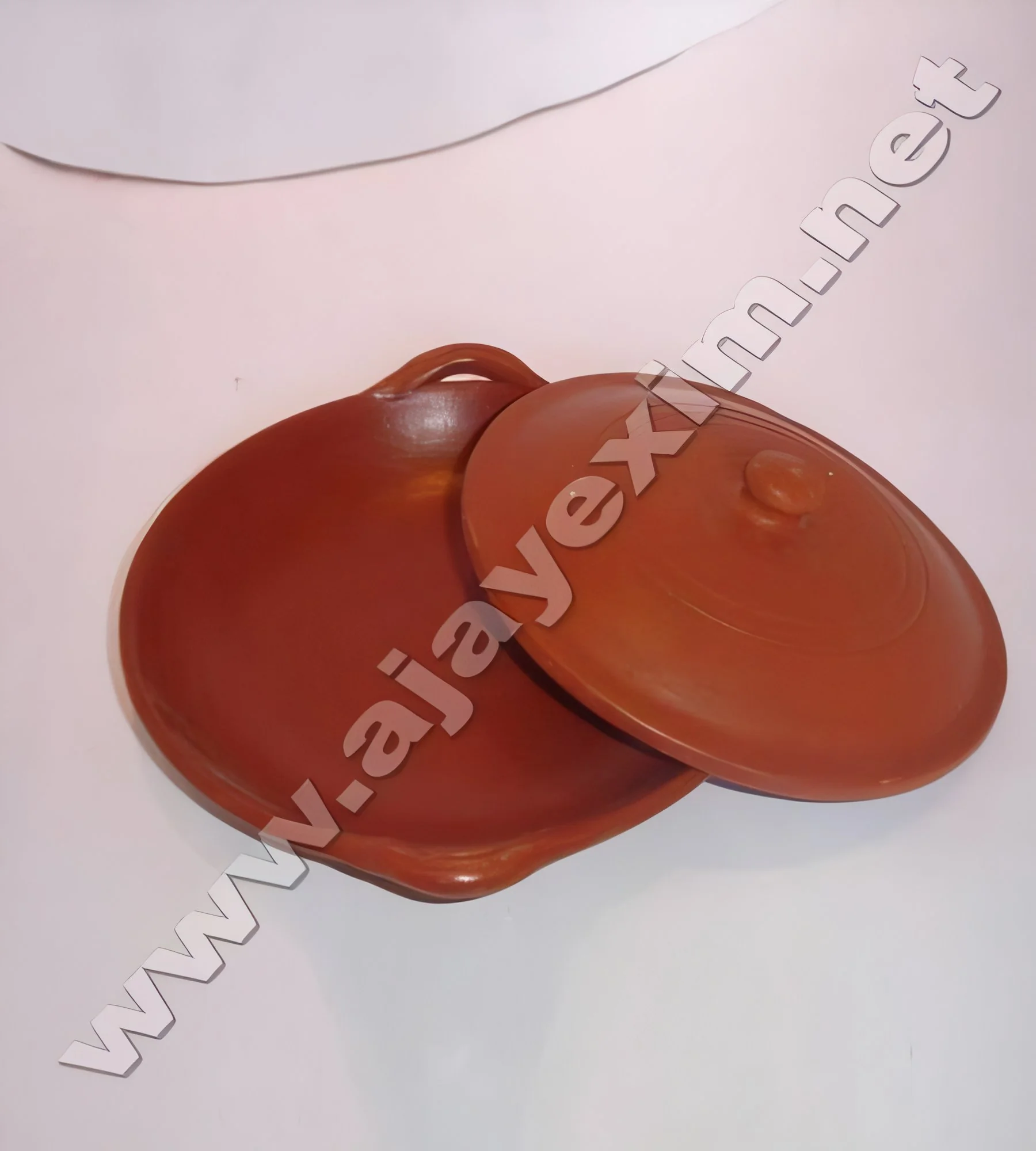
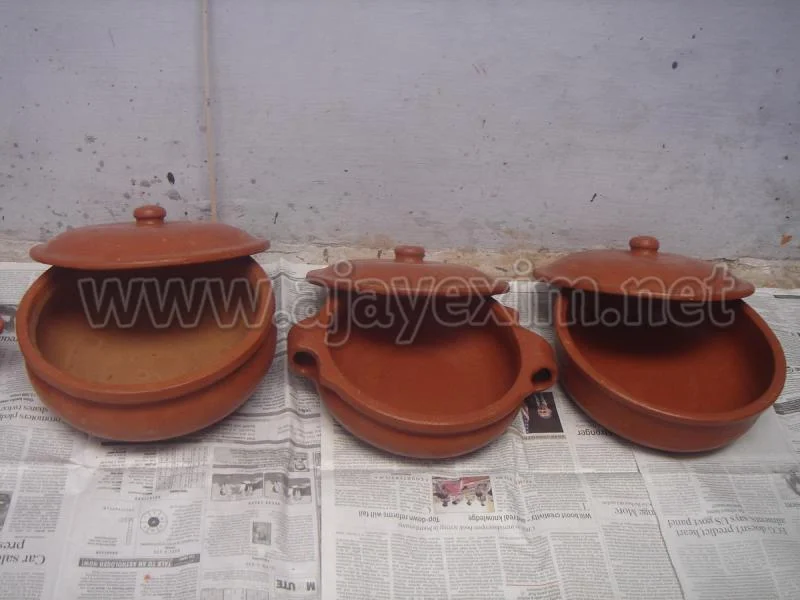
What are Hot Plates & Clay Pots?
Hot plates and clay pots are essential equipment used primarily in industrial and laboratory settings for heating and cooking applications. Hot plates are flat, electrically powered devices that provide a uniform heat source, while clay pots are traditional cooking vessels made from clay that retain heat effectively. Both products are valuable for various cooking and heating tasks across multiple industries.
The primary uses of hot plates include laboratory experiments, food preparation in commercial kitchens, and even in industrial processes requiring controlled heating. Clay pots are often used in culinary applications, especially in restaurants that focus on traditional or slow-cooking methods. Their ability to maintain moisture and enhance flavor makes them a preferred choice among chefs and food manufacturers.
In the current market context, hot plates and clay pots are increasingly relevant due to the growing demand for efficient cooking solutions in restaurants, catering services, and food production facilities. The trend towards sustainable and traditional cooking methods has also spurred interest in clay pots, as they are often viewed as eco-friendly alternatives to modern cookware.
Key Features and Specifications
Hot plates and clay pots come with a variety of features that enhance their usability and effectiveness. Understanding these specifications is crucial for selecting the right equipment for your business needs.
Key specifications include:
1. Heating Element Type
- Hot plates may feature induction, coil, or ceramic heating elements.
- Each type offers different heating efficiency and speed.
2. Temperature Control
- Adjustable temperature settings allow precise control over cooking or heating.
- Temperature ranges can vary significantly based on the model.
3. Size and Dimensions
- Available in various sizes to accommodate different cooking volumes.
- Smaller hot plates are ideal for limited workspace, while larger models suit high-volume needs.
4. Power Consumption
- Rated in watts, indicating the energy efficiency level.
- Important for operational cost assessments.
5. Material Composition
- Hot plates often use stainless steel or aluminum for durability.
- Clay pots are typically made from natural clay, promoting even heat distribution.
6. Safety Features
- Many hot plates include automatic shut-off mechanisms.
- Clay pots must be handled carefully to avoid cracking under extreme temperatures.
In summary, selecting the right hot plates and clay pots involves understanding their specifications and features, ensuring compatibility with your specific applications.
Common Applications and Use Cases
Hot plates and clay pots serve various industries and applications, making them versatile tools in different settings.
1. Food Service Industry: Hot plates are commonly used in commercial kitchens for warming sauces and preparing dishes requiring precise temperature control. Clay pots are often utilized for traditional cooking, enhancing the flavor of dishes.
2. Laboratory Settings: Hot plates are essential in laboratories for heating substances, conducting experiments, and maintaining specific temperatures in test processes.
3. Hospitality Sector: Restaurants and catering services employ both hot plates and clay pots to deliver unique dining experiences, utilizing the traditional cooking methods that clay pots offer.
4. Educational Institutions: Schools and universities use hot plates in culinary programs and science labs, providing students hands-on experience with temperature control and cooking techniques.
5. Research and Development: Food manufacturers leverage hot plates for product testing and development, while clay pots are used for creating traditional recipes that require specific cooking methods.
6. Home Cooking: While primarily industrial, hot plates and clay pots are also used in home kitchens, catering to those who appreciate traditional cooking practices.
7. Cultural Events: Clay pots are often featured in cultural events and festivals, promoting traditional cooking methods and recipes.
Product Variants and Subcategories
Hot plates and clay pots come in various types, catering to specific needs and applications.
Electric Hot Plate
This variant is powered by electricity, providing consistent heating for various cooking tasks. It is ideal for commercial kitchens and laboratories due to its reliability.
Induction Hot Plate
An induction hot plate uses electromagnetic energy to heat pots and pans directly. This variant offers energy efficiency and precise temperature control, making it suitable for professional chefs and food service providers.
Single and Double Burner Hot Plates
These hot plates cater to different cooking volumes. Single burner plates are compact for small kitchens, while double burner options are ideal for high-demand cooking environments.
Clay Casserole Pots
These pots are designed for slow cooking and baking, perfect for stews and casseroles. They maintain moisture and flavor, making them a favorite among culinary professionals.
Benefits and Advantages
Hot plates and clay pots offer several benefits that enhance their appeal in various industries.
1. Energy Efficiency: Hot plates provide quicker heating solutions, reducing energy consumption in commercial kitchens and laboratories.
2. Flavor Enhancement: Clay pots are renowned for their ability to enhance the flavor of dishes by retaining moisture and heat, making them ideal for traditional cooking.
3. Versatility: Both products can be used for a wide range of applications, from food preparation to laboratory experiments, making them valuable investments.
4. Durability: Hot plates are built to withstand heavy use in commercial settings, while clay pots are designed for longevity with proper care.
5. Safety Features: Many hot plates come equipped with safety mechanisms, ensuring safe operation in busy environments.
6. Eco-Friendliness: Clay pots are often viewed as environmentally friendly options, as they are made from natural materials and promote sustainable cooking practices.
Buying Guide for B2B Buyers
When sourcing hot plates and clay pots, several factors should be taken into account to make an informed purchase.
1. Quality Assessment: It is essential to evaluate the quality of the hot plates and clay pots. Look for products that meet industry standards and have positive reviews from other buyers.
2. Supplier Verification: Vetting suppliers is crucial to ensure reliability and product authenticity. Check for certifications and customer feedback to gauge supplier reputation.
3. Pricing and MOQ: Understand the pricing structure and minimum order quantities. Competitive pricing can lead to cost savings, but ensure that quality is not compromised.
4. Delivery and Lead Times: Consider the logistics of delivery and lead times. Ensure that suppliers can meet your timing needs for production and service continuity.
5. Compliance Requirements: Be aware of any regulatory requirements that may apply to your purchases, including safety standards and certifications for your industry.
Compliance and Certifications
Hot plates and clay pots must adhere to various quality and safety standards, ensuring they are suitable for commercial and industrial use. Common quality standards include ISO 9001, which focuses on quality management systems, and HACCP, which emphasizes food safety.
Industry-specific certifications such as CE are essential for compliance with European standards, indicating that products meet health, safety, and environmental protection requirements.
Additionally, safety and testing requirements are critical, especially for hot plates, to prevent overheating and ensure safe operation in busy environments. Regional compliance considerations vary, so it is important to stay informed about local regulations that may affect product sourcing and usage.
Why Source Hot Plates & Clay Pots from Pepagora?
Pepagora provides a trusted platform for sourcing hot plates and clay pots with several key advantages that cater to B2B buyers.
Verified Supplier Network: Pepagora emphasizes a rigorous verification process for its suppliers, ensuring that businesses can trust the quality and authenticity of the products they purchase.
Streamlined RFQ Process: The request for quotation (RFQ) system simplifies the buying process, allowing buyers to receive multiple quotes easily and make informed purchasing decisions.
Trade Assurance and Support: Buyers benefit from trade assurance measures that protect their purchases, providing peace of mind during transactions and fostering trust in the procurement process.
Regional Coverage: Pepagora has a broad geographic reach, serving markets in India, the GCC, and Southeast Asia. This extensive network allows businesses to access a diverse range of suppliers and products efficiently.

 IN
IN