What are Whisks & Spatulas?
Whisks and spatulas are essential kitchen tools widely used in food preparation and cooking. A whisk typically consists of a long handle and a set of thin wires that form a bulbous shape at the end. This design allows for effective mixing, whipping, and aerating ingredients. Spatulas, on the other hand, feature a flat, broad blade that is ideal for flipping, spreading, and scraping food items. Both tools come in various materials and sizes, catering to different culinary needs.
In a commercial kitchen, whisks and spatulas play a crucial role in a range of cooking processes. They are used for mixing batters, whipping cream, and folding ingredients together. Businesses such as restaurants, catering services, and food manufacturers rely on these tools for efficiency and precision in food preparation. The right whisk or spatula can greatly enhance the quality of the final dish, making them indispensable in both professional and home kitchens.
The relevance of whisks and spatulas extends beyond simple cooking tasks. In the food industry, the demand for high-quality tools is driven by the growing emphasis on food safety and consistency. As culinary techniques evolve, so do the designs and functionalities of these tools, leading to innovative products that meet the needs of various sectors within the industry.
Key Features and Specifications
Whisks and spatulas come with several key features and specifications that ensure their effectiveness in commercial settings. Selecting the right tools involves understanding these specifications.
Key specifications include:
1. Material Composition
- Whisks are often made from stainless steel, silicone, or plastic.
- Spatulas may be constructed from metal, silicone, or nylon, each offering different heat resistance and flexibility.
2. Size Options
- Whisks are available in various sizes, typically ranging from 8 to 14 inches in length.
- Spatulas also come in multiple sizes, with widths often between 2 to 4 inches.
3. Handle Design
- Ergonomic handles are designed for comfort during extended use.
- Some handles are heat-resistant and non-slip for added safety.
4. Whisk Shape
- Balloon whisks are suitable for aerating and whipping.
- Flat whisks are ideal for blending and mixing.
5. Spatula Blade Flexibility
- Flexible blades allow for easy maneuverability when flipping or scraping.
- Stiff blades provide better control for lifting heavier items.
6. Dishwasher Safe
- Many whisks and spatulas are designed to be dishwasher safe for easy cleaning.
7. Temperature Tolerance
- Certain materials can withstand high temperatures, making them suitable for various cooking methods.
8. Color Options
- Various colors are available, allowing for easy identification and aesthetic appeal in kitchen settings.
These specifications help buyers evaluate the best options for their specific culinary needs.
Common Applications and Use Cases
Whisks and spatulas serve a variety of industries beyond just home cooking.
1. Restaurant Industry: In restaurants, whisks are essential for preparing sauces, dressings, and batters, while spatulas are used for flipping and serving dishes.
2. Catering Services: Catering operations utilize these tools for large-scale food preparation, ensuring consistency and speed in service.
3. Food Manufacturing: In food processing plants, whisks and spatulas are employed in mixing ingredients for mass production of baked goods and other products.
4. Bakery: Bakeries rely on whisks for emulsifying and blending doughs and batters, while spatulas assist in portioning and decorating.
5. Culinary Schools: Educational institutions use these tools for teaching fundamental cooking techniques to aspiring chefs.
6. Food Trucks: Mobile food vendors utilize whisks and spatulas to prepare meals on the go, emphasizing the importance of portability and efficiency.
7. Home Kitchens: Even in home settings, these tools are vital for everyday cooking and baking tasks.
Product Variants and Subcategories
Whisks and spatulas come in various forms to meet diverse culinary needs.
Balloon Whisk
This variant features a rounded shape that is perfect for aerating egg whites or whipping cream. It is designed to incorporate air into mixtures, making it ideal for light and fluffy textures.
Silicone Spatula
A silicone spatula is heat-resistant and provides excellent flexibility for scraping bowls and pans. It is non-stick and easy to clean, making it a favorite among home cooks and professionals alike.
Flat Whisk
This variant is designed for mixing sauces and gravies. Its flat shape allows for efficient blending while preventing lumps in sauces, making it especially useful in fine dining kitchens.
Offset Spatula
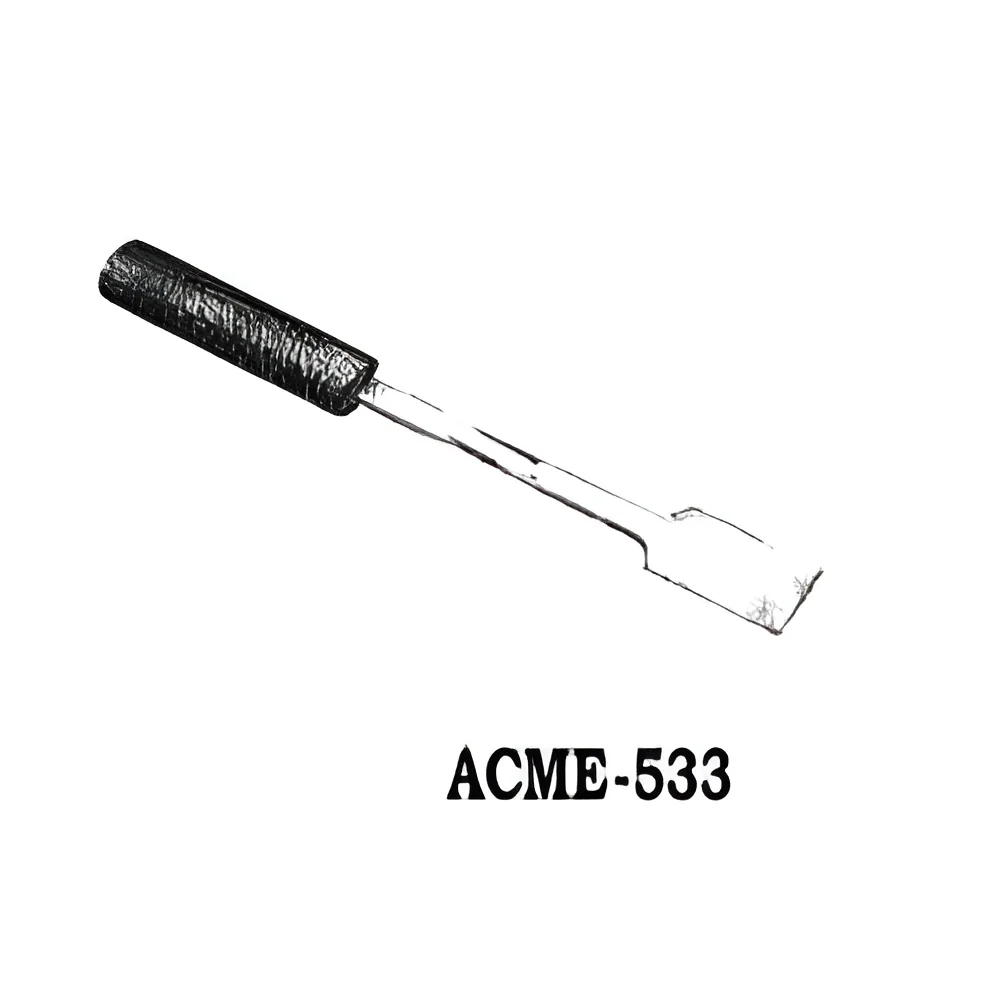
An offset spatula is designed with a slight angle, making it easier to lift and turn delicate items like pancakes or cookies. It provides better control and precision during food preparation.
Benefits and Advantages
Whisks and spatulas offer numerous advantages that enhance culinary efficiency and effectiveness.
Key benefits include:
1. Versatility: These tools can be used for a wide array of cooking tasks, from mixing to flipping, making them essential in any kitchen.
2. Time Efficiency: Whisks and spatulas are designed for speed, allowing chefs to prepare ingredients quickly and efficiently.
3. Ergonomic Design: Many options feature handles that reduce hand fatigue, enabling users to work longer without discomfort.
4. Easy Cleaning: Most whisks and spatulas are dishwasher safe, simplifying cleaning processes in busy kitchens.
5. Durability: High-quality materials ensure that these tools withstand heavy use, providing long-lasting performance.
6. Food Safety: Tools made from non-toxic materials help maintain food safety standards in commercial kitchens.
Buying Guide for B2B Buyers
When sourcing whisks and spatulas for commercial use, it is important to consider several factors to ensure the best purchase.
1. Quality Assessment: Evaluate the material and construction of the tools. Look for durable options that can withstand frequent use without wear.
2. Supplier Verification: Vet potential suppliers for reliability and quality. Check for reviews and certifications to ensure they meet industry standards.
3. Pricing and MOQ: Understand the pricing structures and minimum order quantities. Compare prices from different suppliers to find the best value.
4. Delivery and Lead Times: Discuss logistics and delivery schedules with suppliers to ensure timely receipt of products, especially for urgent needs.
5. Compliance Requirements: Be aware of any regulatory compliance needed for kitchen tools in your region, such as certifications and safety standards.
Compliance and Certifications
Compliance with quality standards and certifications is essential for whisks and spatulas in the food industry. Relevant quality standards include ISO 9001, which ensures quality management systems, and HACCP, focused on food safety.
Industry certifications such as UL and CE indicate that the products meet safety and performance criteria. These certifications are critical for buyers to ensure they are sourcing reliable and safe tools for their operations.
Safety and testing requirements also play a vital role in the manufacturing process. Whisks and spatulas should undergo rigorous testing to confirm their durability and safety in food contact. Regional compliance considerations may vary, so buyers should familiarize themselves with local regulations to avoid any issues.
Why Source Whisks & Spatulas from Pepagora?
Pepagora provides a trusted platform for sourcing whisks and spatulas, focusing on quality and reliability. With a verified supplier network, buyers can confidently select from a range of high-quality products. Each supplier is vetted to ensure they meet rigorous standards, providing peace of mind for businesses making purchases.
The streamlined RFQ process allows buyers to obtain quotations quickly and efficiently, saving time while ensuring they receive competitive pricing. This system simplifies the sourcing process, making it easier for businesses to focus on their culinary operations.
Pepagora also offers trade assurance and support to protect buyers throughout the purchasing process. This commitment to buyer protection ensures that transactions are secure, fostering trust between buyers and suppliers.
With regional coverage spanning India, the GCC, and Southeast Asia, Pepagora connects businesses with local suppliers, facilitating easier logistics and enhancing accessibility to essential kitchen tools. This geographic reach supports businesses in finding the right products tailored to their specific needs.

 IN
IN