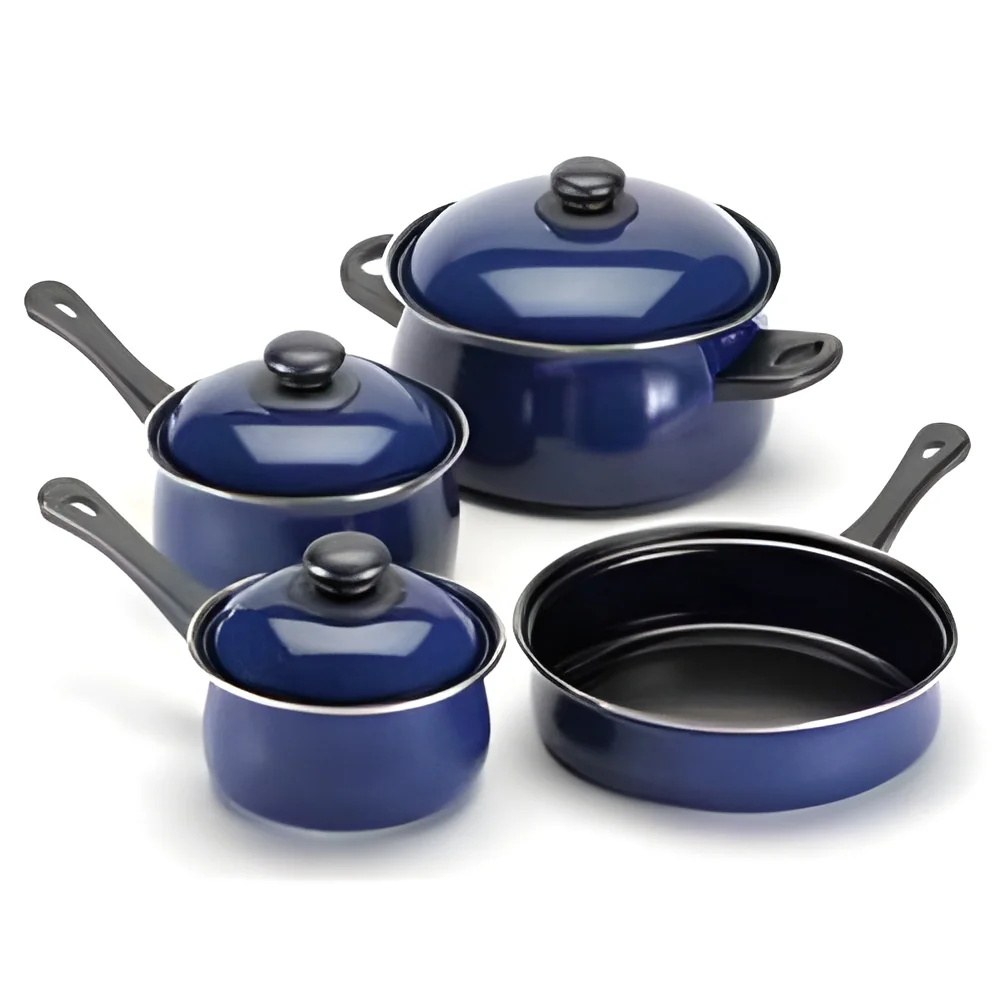
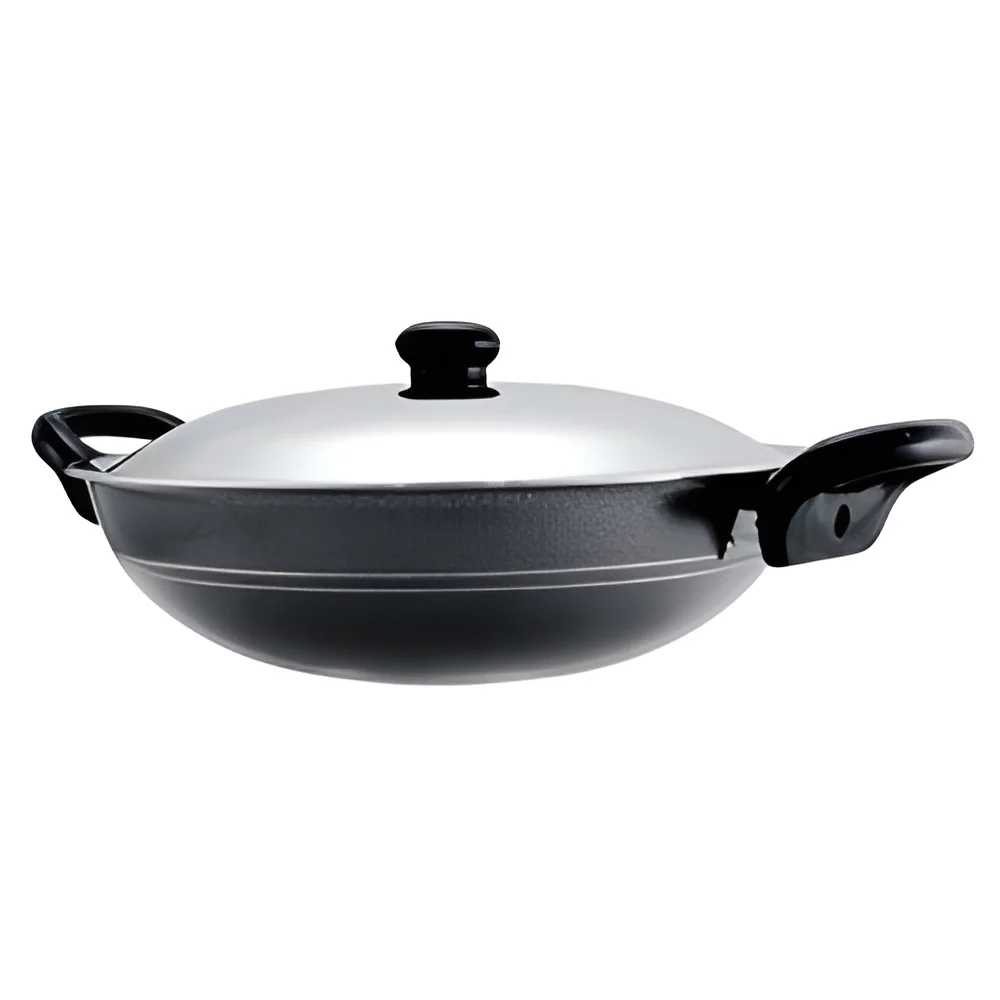
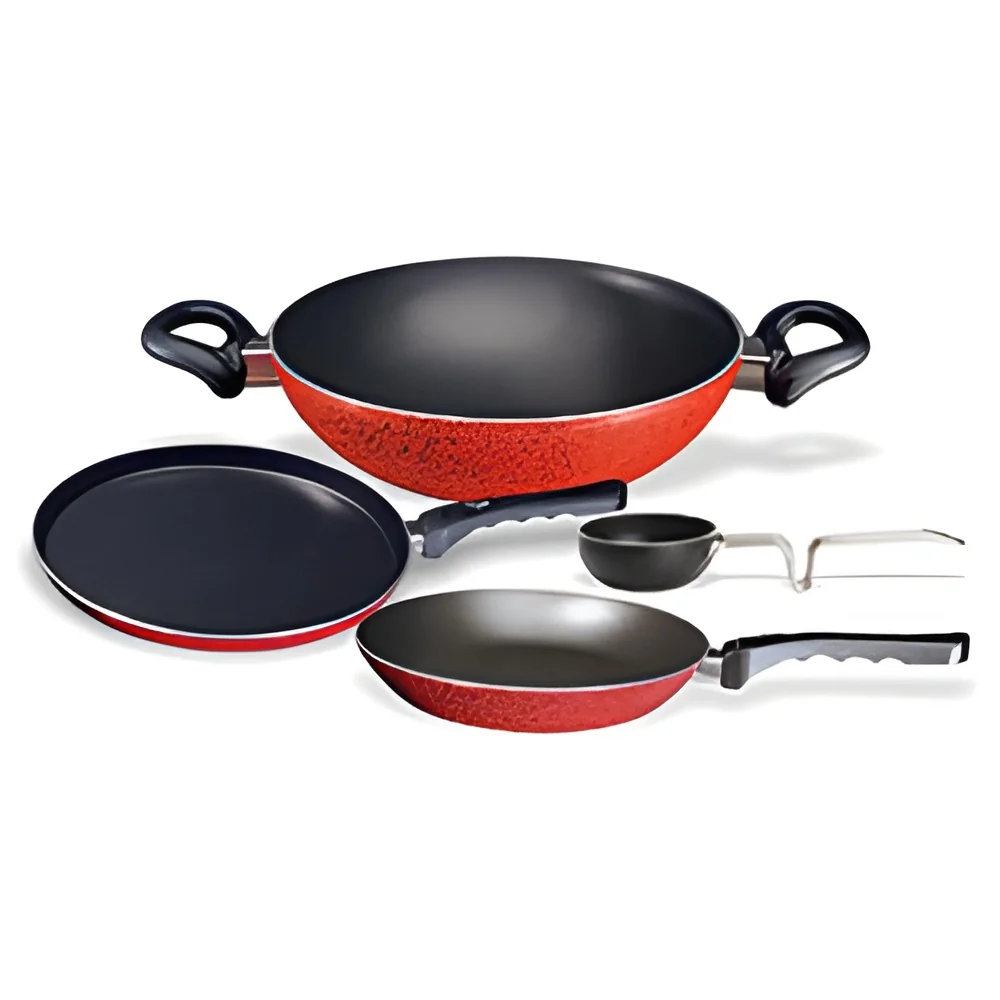
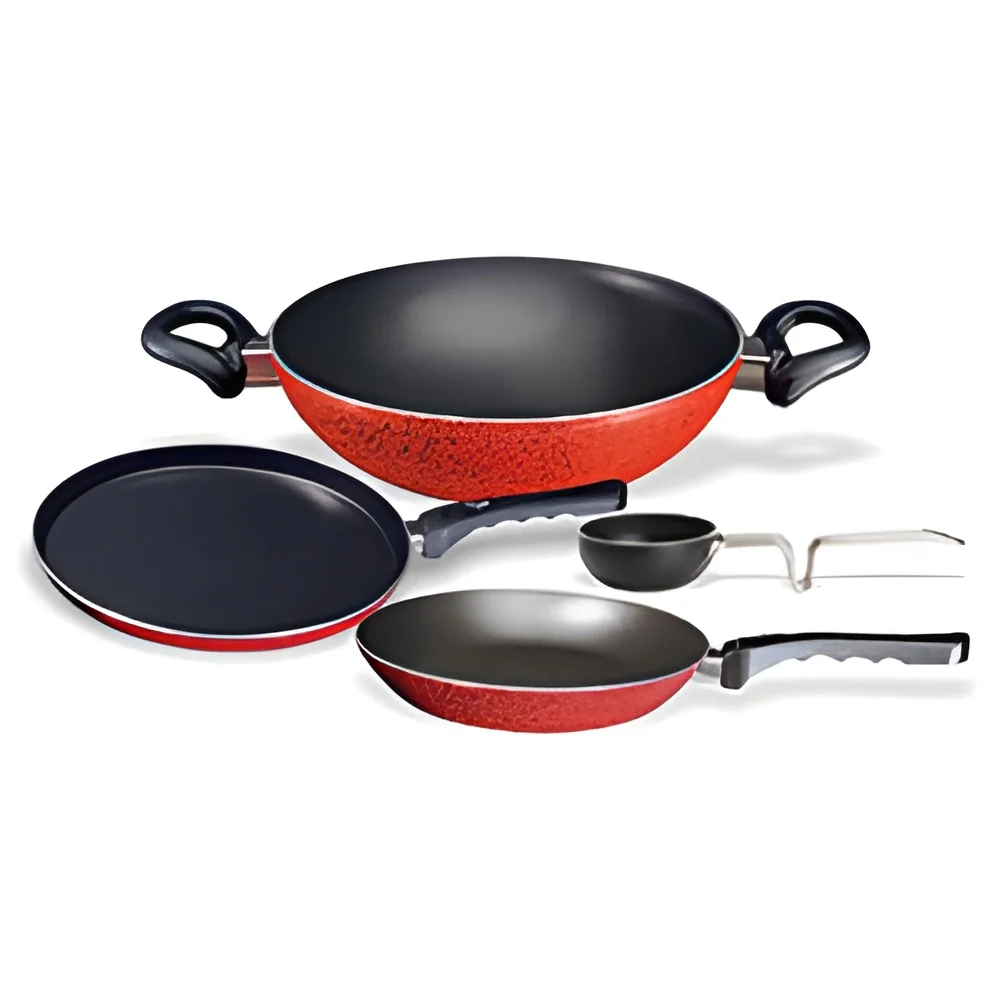
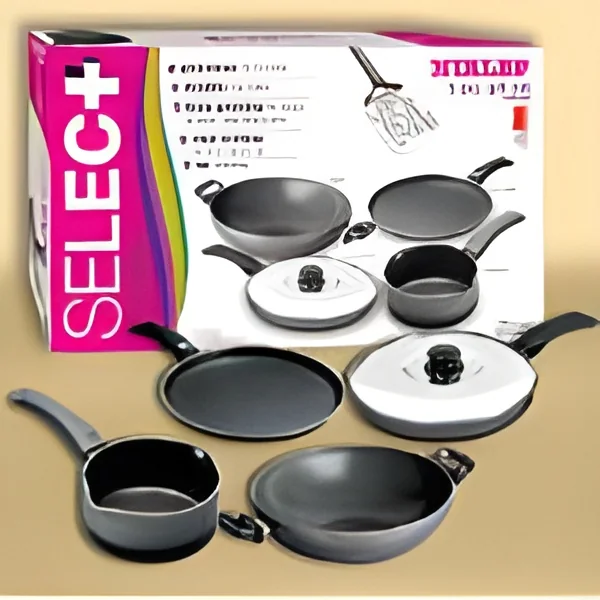
What are Non-Stick & Ceramic Coated?
Non-Stick and Ceramic Coated materials refer to surfaces designed to prevent food or other substances from adhering. Non-stick coatings are typically made from materials like polytetrafluoroethylene (PTFE), while ceramic coatings utilize natural materials to create a smooth, easy-to-clean surface. Both types are widely used in cookware, bakeware, and various industrial applications due to their ability to minimize friction and enhance the durability of the underlying material.
These coatings are primarily used in the food service industry, where they simplify cooking and cleaning processes. They are also utilized in manufacturing sectors that require non-stick properties for machinery and equipment. Industries such as automotive, aerospace, and consumer goods benefit from these coatings, as they improve the performance and longevity of various components.
The market for Non-Stick and Ceramic Coated products has been growing steadily, driven by increasing consumer demand for easy-to-clean cookware and the necessity for efficient manufacturing processes. As industries prioritize quality and performance, the relevance of these coatings continues to expand, highlighting their importance in modern manufacturing and consumer products.
Key Features and Specifications
Non-Stick and Ceramic Coated products offer a range of features that enhance their functionality. These include resistance to scratching, durability under high temperatures, and ease of cleaning. Understanding the specifications of these coatings is essential for making informed purchasing decisions.
Key specifications include:
1. Coating Material
- Non-stick coatings are generally made from PTFE or ceramic compounds.
- Each material offers different heat resistance and durability levels.
2. Temperature Resistance
- Non-stick coatings can typically withstand temperatures up to 260 degrees Celsius.
- Ceramic coatings may have varying temperature limits depending on the formulation.
3. Thickness of Coating
- Thickness can vary from 20 to 100 microns based on application needs.
- Thicker coatings often provide better durability and resistance to wear.
4. Chemical Resistance
- Both coating types can resist a range of chemicals, making them suitable for various industrial applications.
- Specific resistance levels depend on the coating formulation.
5. Adhesion Properties
- Strong adhesion to substrates is crucial for performance.
- Various testing methods determine the adhesion strength of the coatings.
6. Environmental Impact
- Many ceramic coatings are free from harmful chemicals such as PFOA and PFOS.
- Non-toxic formulations are increasingly demanded in consumer products.
7. Heat Distribution
- Non-stick surfaces often ensure even heat distribution for cooking.
- This feature helps in achieving consistent results in food preparation.
8. Ease of Cleaning
- Both coating types are designed for easy cleaning, reducing labor time.
- Non-stick surfaces require less scrubbing, prolonging their lifespan.
In summary, understanding these specifications can assist B2B buyers in selecting the appropriate Non-Stick and Ceramic Coated products for their specific applications.
Common Applications and Use Cases
Non-Stick and Ceramic Coated products are versatile and serve a wide range of industries.
1. Food Service Industry: Non-stick cookware and bakeware are essential in restaurants and catering services, allowing for easy food release and quick cleanup.
2. Automotive Sector: These coatings are used on engine parts and components to reduce friction and improve performance, leading to enhanced fuel efficiency.
3. Aerospace Industry: Non-stick coatings are applied to various components to reduce weight and improve thermal insulation properties, contributing to better aircraft performance.
4. Consumer Goods: Many household items, such as toasters and frying pans, utilize these coatings for improved usability and maintenance.
5. Manufacturing: Non-stick surfaces are employed in production lines to prevent materials from sticking to machinery, enhancing efficiency.
6. Medical Devices: Coatings are used on surgical instruments to reduce friction and facilitate easier handling and cleaning.
7. Electronics: Non-stick coatings can be found on components to protect against contamination and enhance performance.
Product Variants and Subcategories
Non-Stick and Ceramic Coated products come in various forms to meet diverse industry needs.
High-Temperature Non-Stick Coating
This variant is designed to withstand extreme temperatures while maintaining its non-stick properties. It is often used in industrial kitchens and high-performance cookware.
Ceramic Non-Stick Coating
This variant uses a ceramic base to create a non-stick surface. It is known for being environmentally friendly and is often preferred in consumer cookware due to its safety features.
PTFE Non-Stick Coating
This variant is widely used in both culinary and industrial applications. It offers excellent heat resistance and is favored for its durability.
Multi-Layer Non-Stick Coating
This type features multiple layers for added strength and resistance. It is commonly used in professional-grade cookware to ensure longevity and performance.
Benefits and Advantages
Utilizing Non-Stick and Ceramic Coated products provides numerous benefits to businesses and consumers alike.
Key benefits include:
1. Enhanced Durability: These coatings are designed to withstand wear and tear, extending the life of the products they cover.
2. Improved Efficiency: Non-stick surfaces reduce friction, enhancing the performance of machinery and cookware.
3. Easy Maintenance: Cleaning is simplified, saving time and labor costs for businesses in the food service and manufacturing sectors.
4. Health and Safety: Many ceramic coatings are free from harmful chemicals, making them safer for food preparation and consumer use.
5. Versatility: These coatings can be applied to a wide range of materials and products, from cookware to industrial equipment.
6. Cost-Effectiveness: The durability and easy maintenance associated with these coatings can lead to reduced replacement costs over time.
Buying Guide for B2B Buyers
When sourcing Non-Stick and Ceramic Coated products, several factors should be considered to ensure quality and suitability for your needs.
1. Quality Assessment: Evaluate the quality of the coatings by reviewing product specifications and certifications. Look for reliable performance metrics and customer feedback.
2. Supplier Verification: Vet suppliers to ensure they have a track record of delivering quality products. Consider their reputation in the industry and customer service capabilities.
3. Pricing and MOQ: Understand the pricing structures and minimum order quantities (MOQ) that suppliers may have. This will help in budgeting and planning your purchases effectively.
4. Delivery and Lead Times: Inquire about delivery timelines and logistics to ensure that products arrive when needed. Consider suppliers that can meet your scheduling requirements.
5. Compliance Requirements: Ensure that the products meet all relevant regulatory standards and safety requirements. This is particularly important in industries like food service and healthcare.
Compliance and Certifications
Non-Stick and Ceramic Coated products must adhere to various quality and safety standards. Compliance with ISO 9001 ensures that manufacturers maintain a consistent quality management system, enhancing product reliability. Additionally, HACCP (Hazard Analysis and Critical Control Points) certification is crucial, especially in food-related applications to ensure food safety.
CE marking signifies that products meet European safety, health, and environmental protection standards. It is essential for products entering the European market. Furthermore, safety and testing requirements are often mandated for these coatings, ensuring they can withstand real-world applications without compromising performance.
Regional compliance considerations may vary based on local regulations and market standards. Manufacturers should ensure that their products comply with the specific requirements of the regions in which they operate.
Why Source Non-Stick & Ceramic Coated from Pepagora?
Pepagora provides a trusted platform for sourcing Non-Stick and Ceramic Coated products, offering several key advantages to buyers.
Verified Supplier Network: Pepagora connects buyers with a network of verified suppliers, ensuring that you receive high-quality products. This verification process adds an extra layer of trust and reliability.
Streamlined RFQ Process: The Request for Quotation (RFQ) process on Pepagora is designed to be efficient and user-friendly. Buyers can easily submit their requirements and receive competitive quotes from multiple suppliers, simplifying the procurement process.
Trade Assurance and Support: Pepagora offers trade assurance, providing buyers with protection in their transactions. This support ensures that buyers can trust their purchases and focus on their business operations.
Regional Coverage: With a broad geographic reach, Pepagora serves customers in India, the GCC, and Southeast Asia. This regional coverage allows for easy access to suppliers and products, catering to diverse market needs.

 IN
IN