
 IN
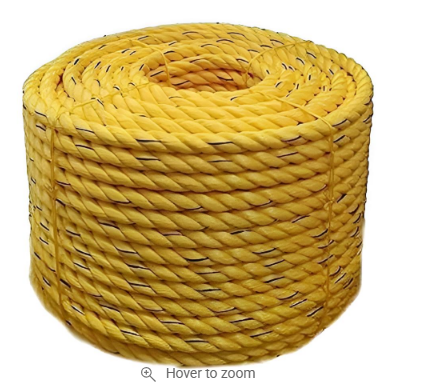
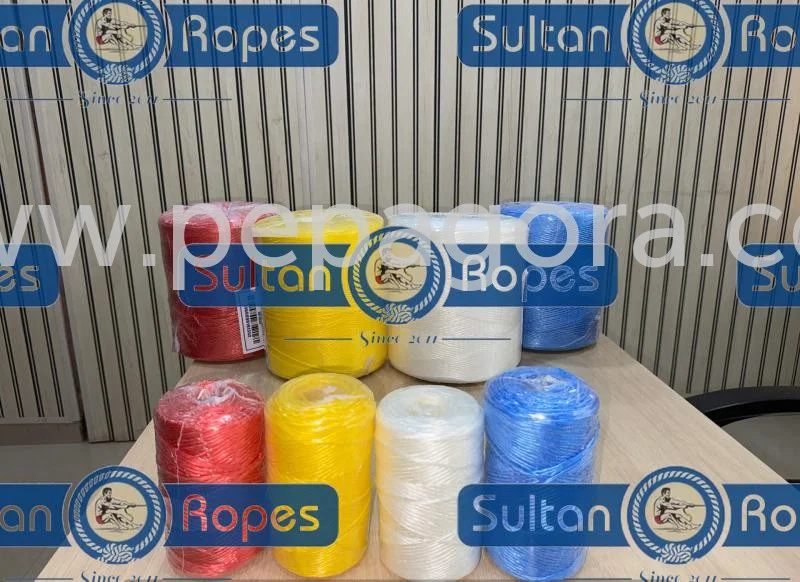
INSynthetic Ropes (Nylon, Polypropylene, Polyester)
24 products available
Key Features and Specifications
Common Applications and Use Cases
Product Variants and Subcategories
Benefits and Advantages
Buying Guide for B2B Buyers
Compliance and Certifications



 India
India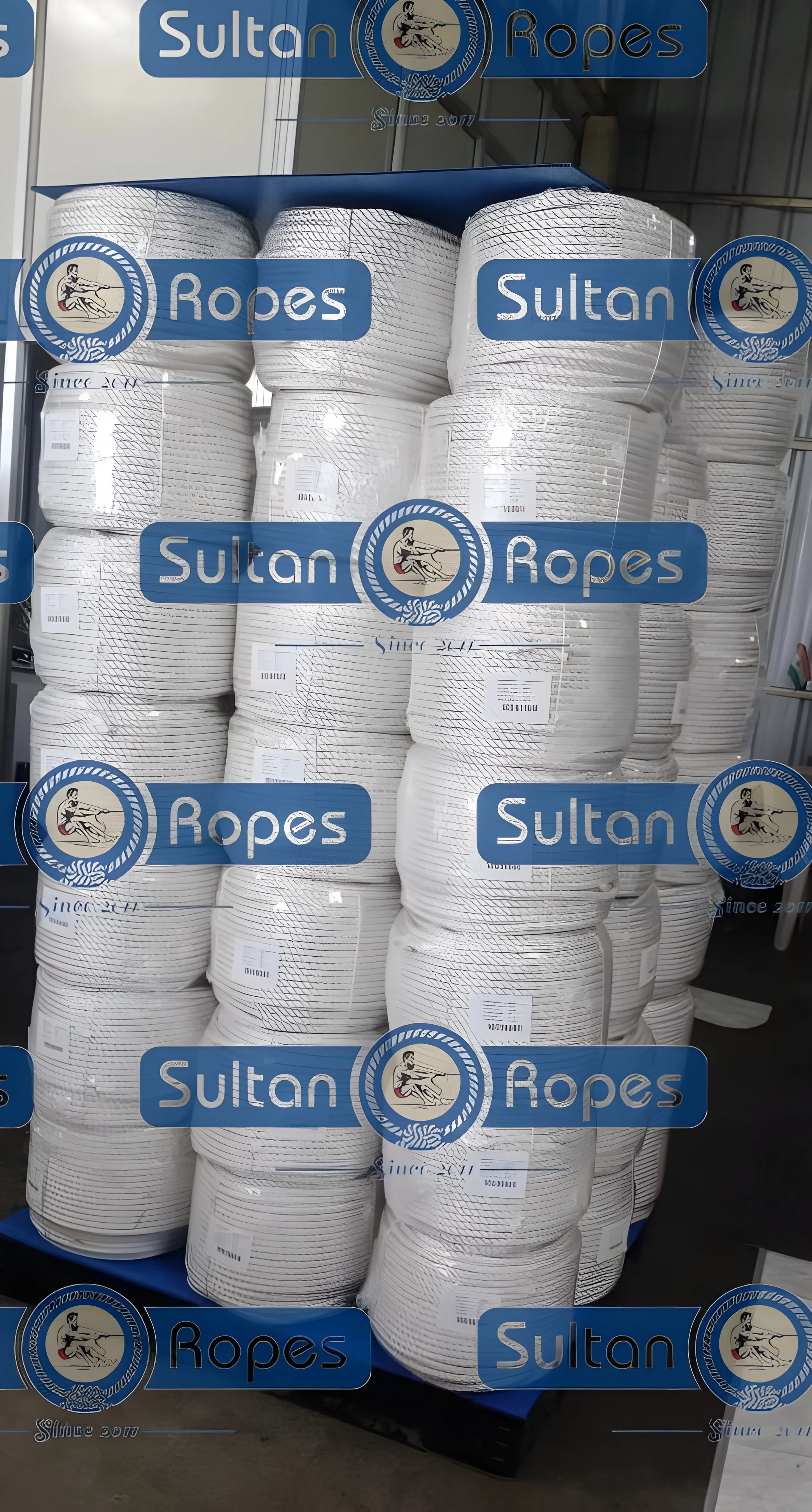
 India
India
 India
India
 India
India
 India
India India
India
 India
India India
India

 India
India
Frequently Asked Questions
What are Synthetic Ropes (Nylon, Polypropylene, Polyester)?
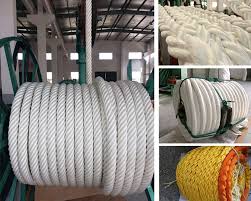
Synthetic ropes are manufactured from artificial fibers such as nylon, polypropylene, and polyester. These materials offer enhanced strength, durability, and resistance to environmental factors compared to natural fibers.
What are the different types of Synthetic Ropes (Nylon, Polypropylene, Polyester)?
The primary types of synthetic ropes include nylon ropes, which are known for their elasticity; polypropylene ropes, which are lightweight and resistant to water; and polyester ropes, which offer excellent UV resistance and low stretch. Each type serves specific applications based on their unique properties.
How do I choose the right Synthetic Ropes (Nylon, Polypropylene, Polyester)?
Selecting the right synthetic rope depends on the intended use, load requirements, and environmental conditions. Consider factors such as strength, flexibility, resistance to abrasion, and exposure to chemicals or UV light when making your choice.
What are the standard specifications for Synthetic Ropes (Nylon, Polypropylene, Polyester)?
Standard specifications for synthetic ropes include diameter, breaking strength, elongation, and weight. These specifications can vary based on the type of synthetic fiber used and the intended application.
What is the price range for Synthetic Ropes (Nylon, Polypropylene, Polyester)?
The price range for synthetic ropes can vary significantly based on factors such as material type, diameter, and length. Generally, prices can range from a few hundred to several thousand Indian Rupees per unit.
What quality standards apply to Synthetic Ropes (Nylon, Polypropylene, Polyester)?
Quality standards for synthetic ropes include compliance with industry specifications such as IS, ASTM, or ISO standards. These standards ensure that the ropes meet specific performance, safety, and durability criteria.
Where can I find Synthetic Ropes (Nylon, Polypropylene, Polyester) suppliers in India?
You can find synthetic rope suppliers in India through online B2B marketplaces, industrial supply directories, or trade exhibitions. Websites like Pepagora can help connect you with reputable manufacturers and suppliers in the industry.
Can Synthetic Ropes (Nylon, Polypropylene, Polyester) be customized?
Yes, synthetic ropes can often be customized to meet specific requirements such as length, diameter, color, and additional features like coatings for added protection. It's advisable to discuss customization options with the manufacturer.
What is the typical minimum order quantity for Synthetic Ropes (Nylon, Polypropylene, Polyester)?
The minimum order quantity (MOQ) for synthetic ropes typically varies by supplier and product type. It can range from as low as 100 meters to several kilometers depending on the manufacturer’s policies.
What is the typical lead time for Synthetic Ropes (Nylon, Polypropylene, Polyester)?
The lead time for synthetic ropes can vary based on factors such as order size, customization, and supplier location. Generally, lead times can range from a few days to several weeks.
Why Businesses Trust Pepagora
Thousands of companies trust Pepagora to source smarter and sell faster
Expand Your Sales Globally

Source Smarter,Grow Faster
