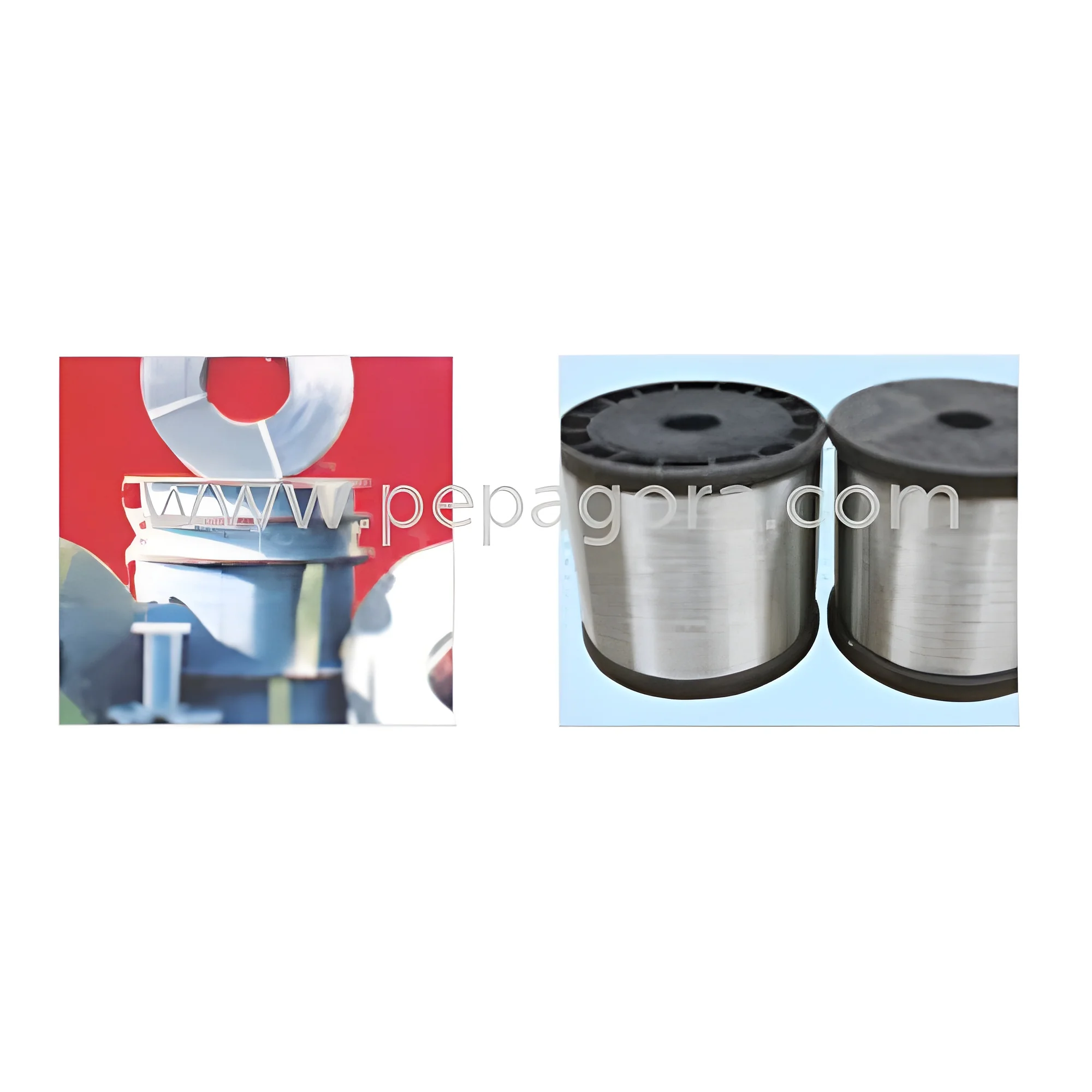
What are Steel Mesh & Wire?
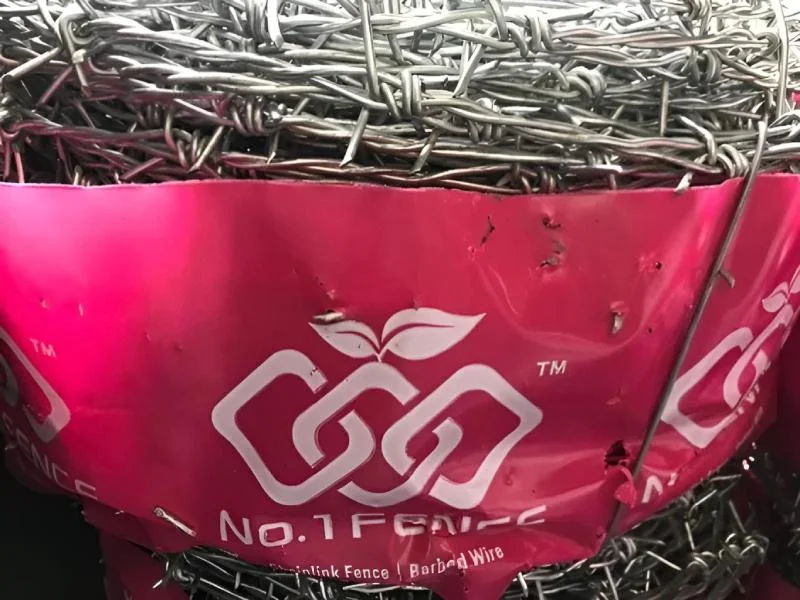
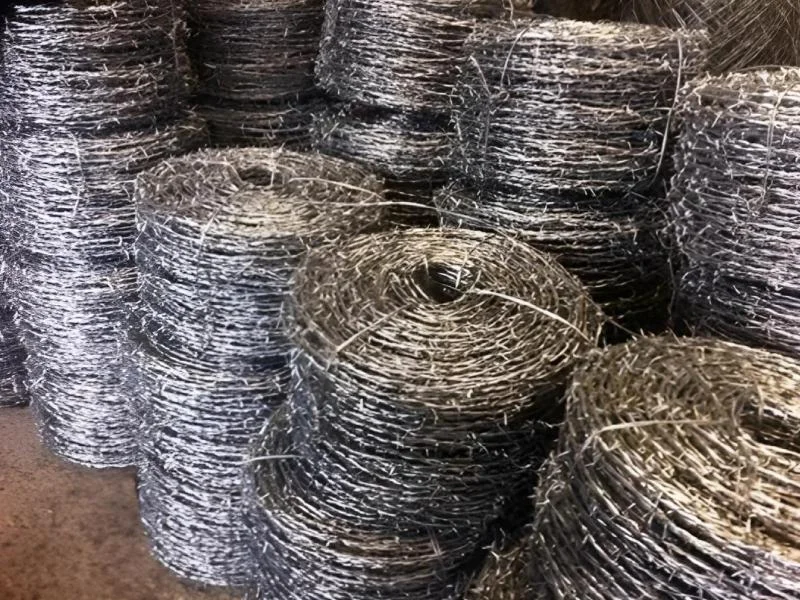
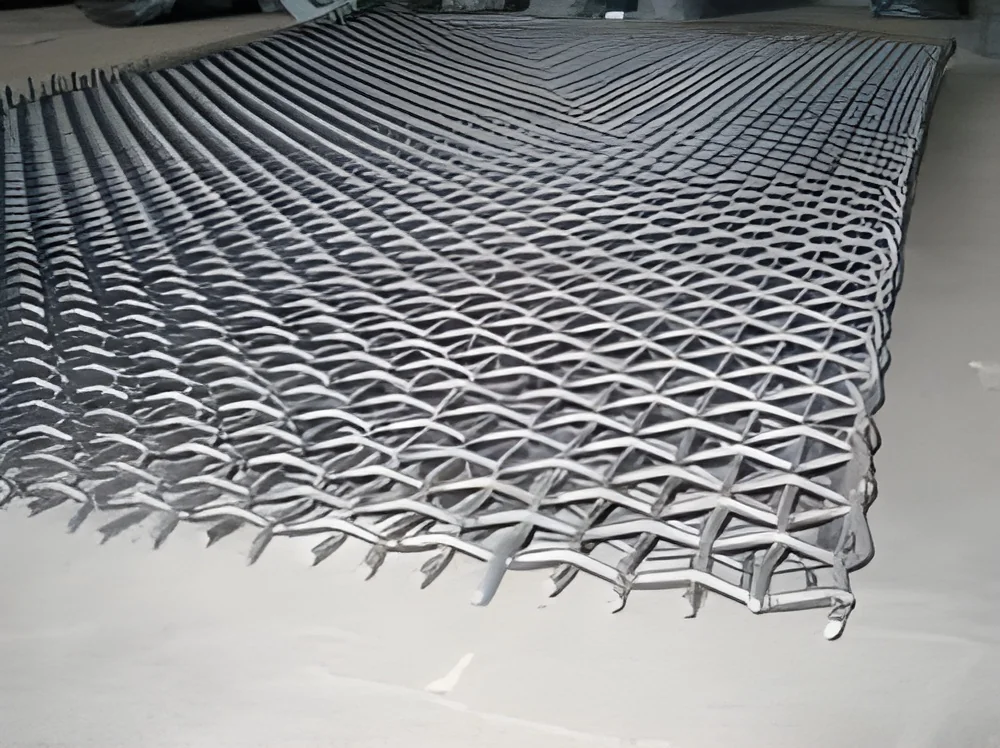
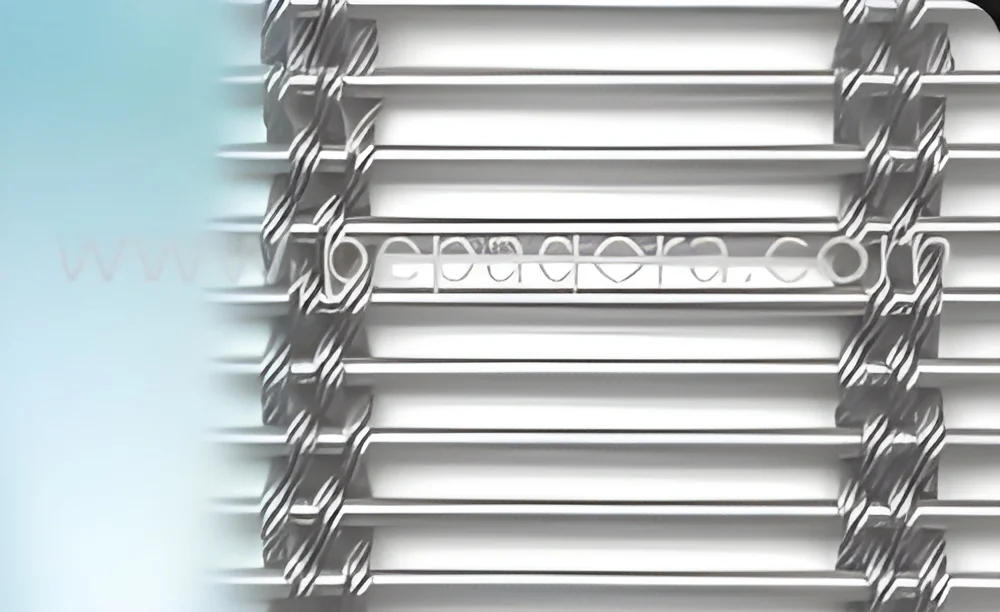
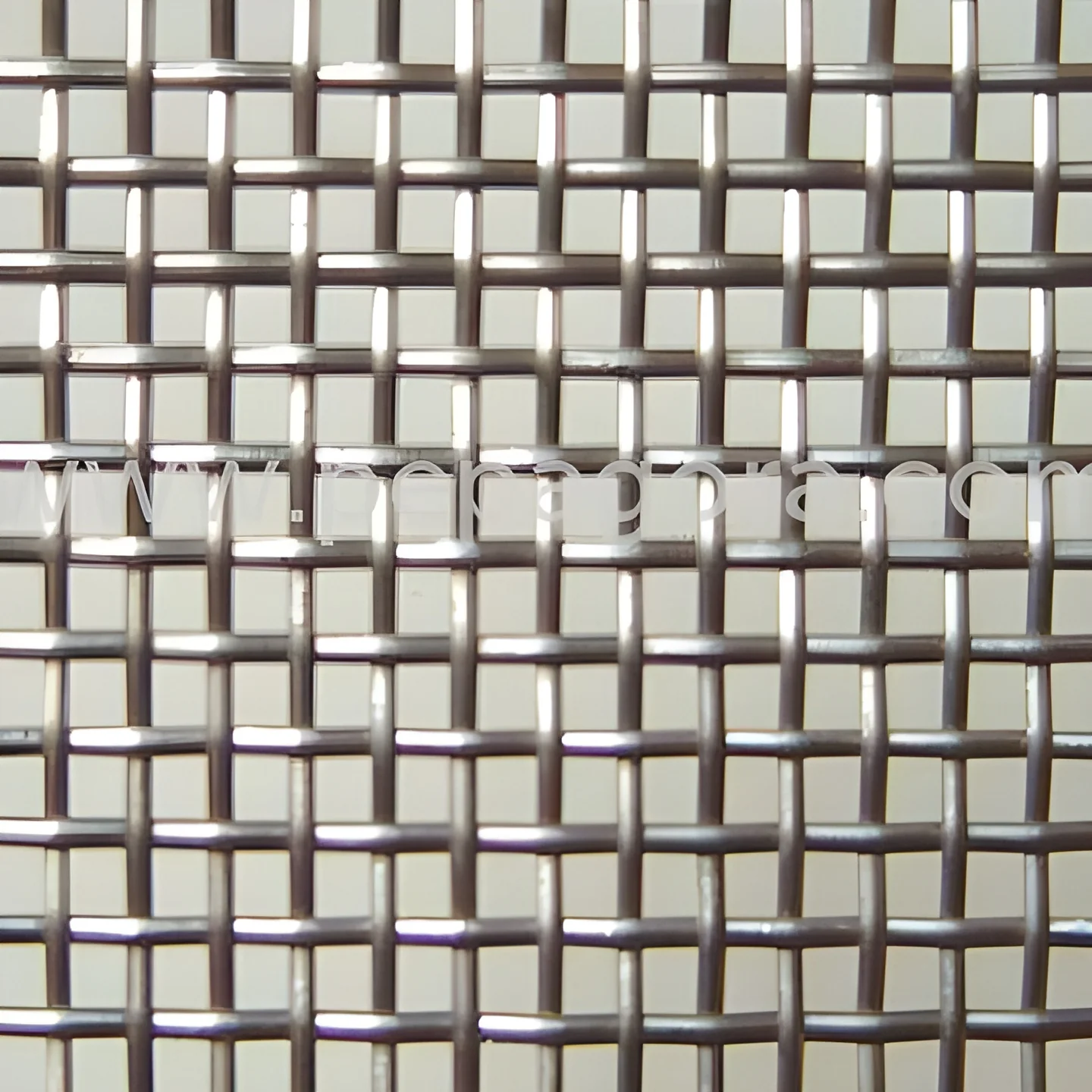
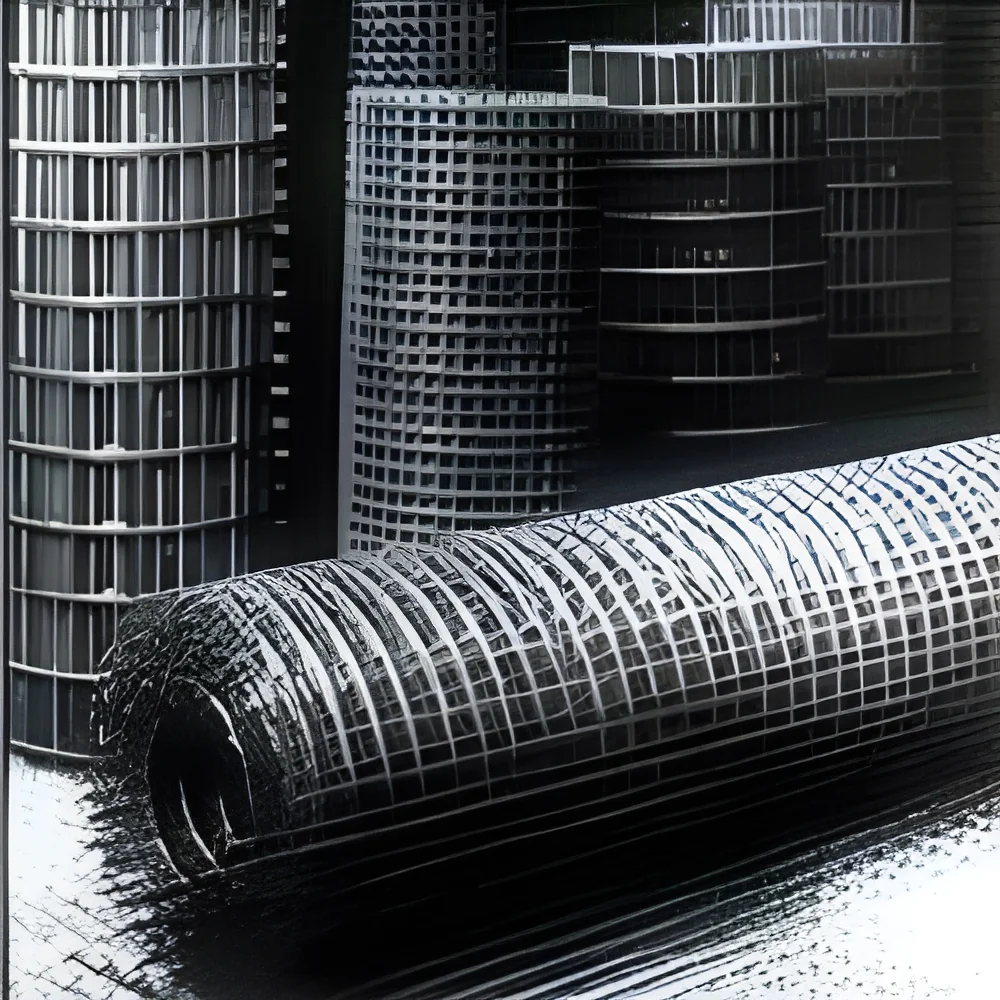
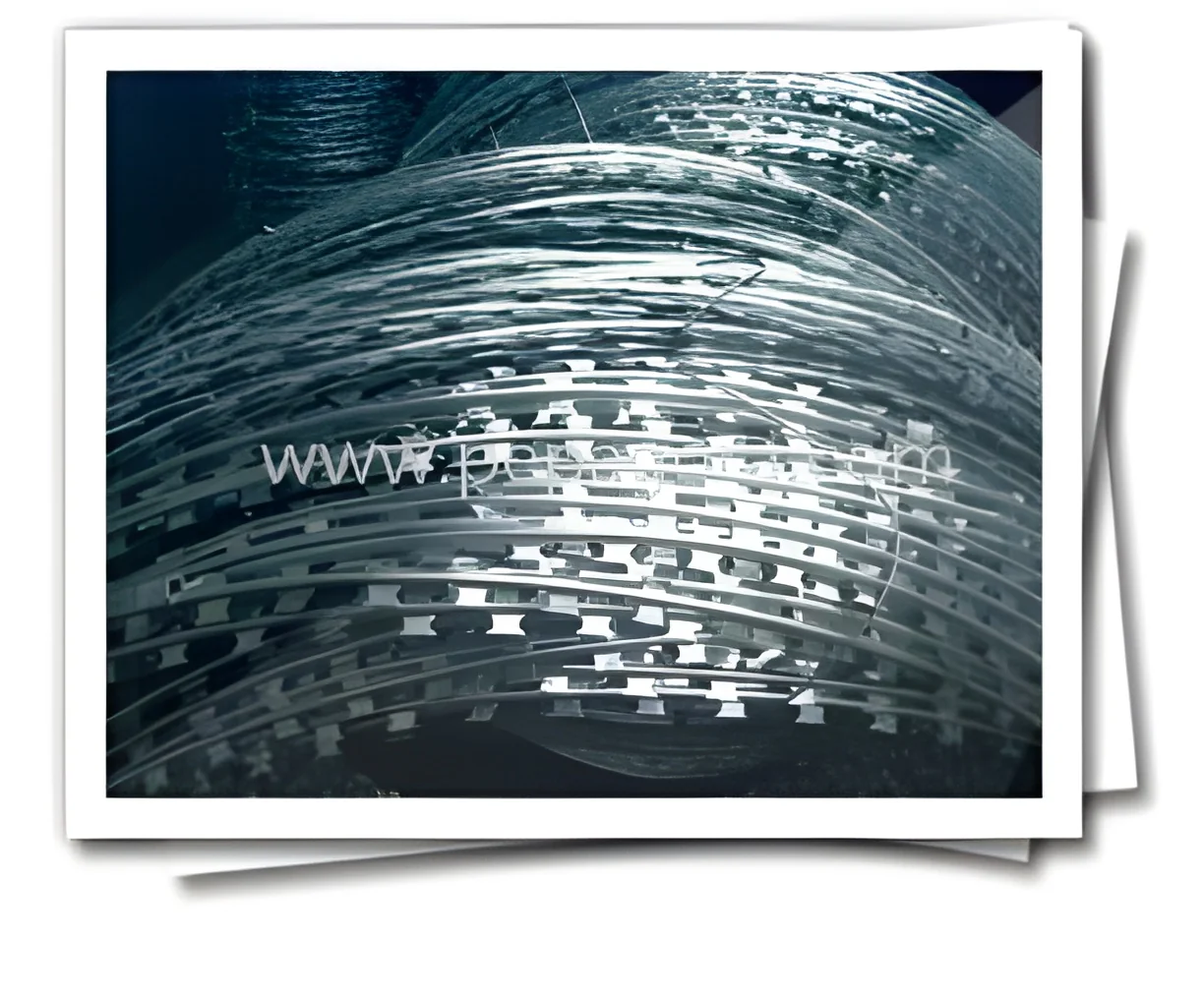
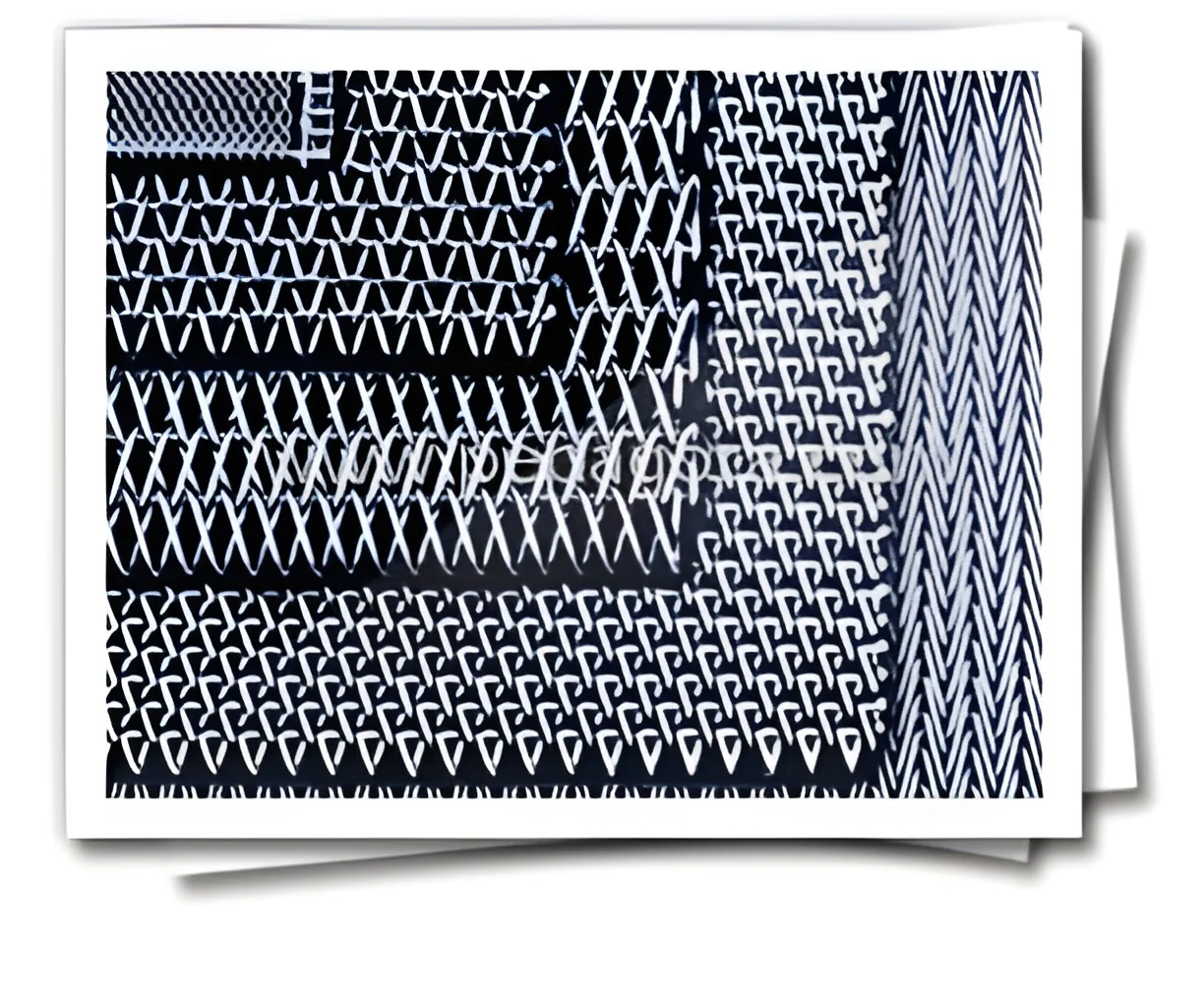
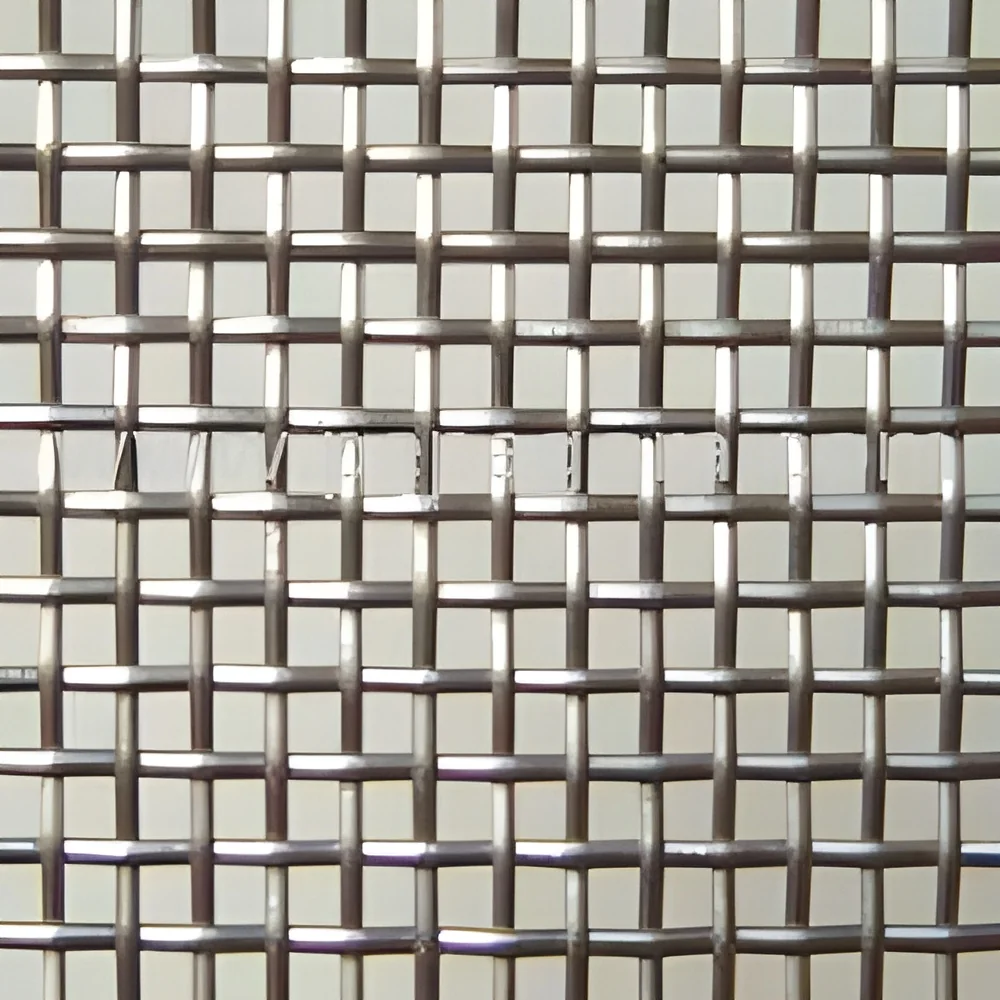
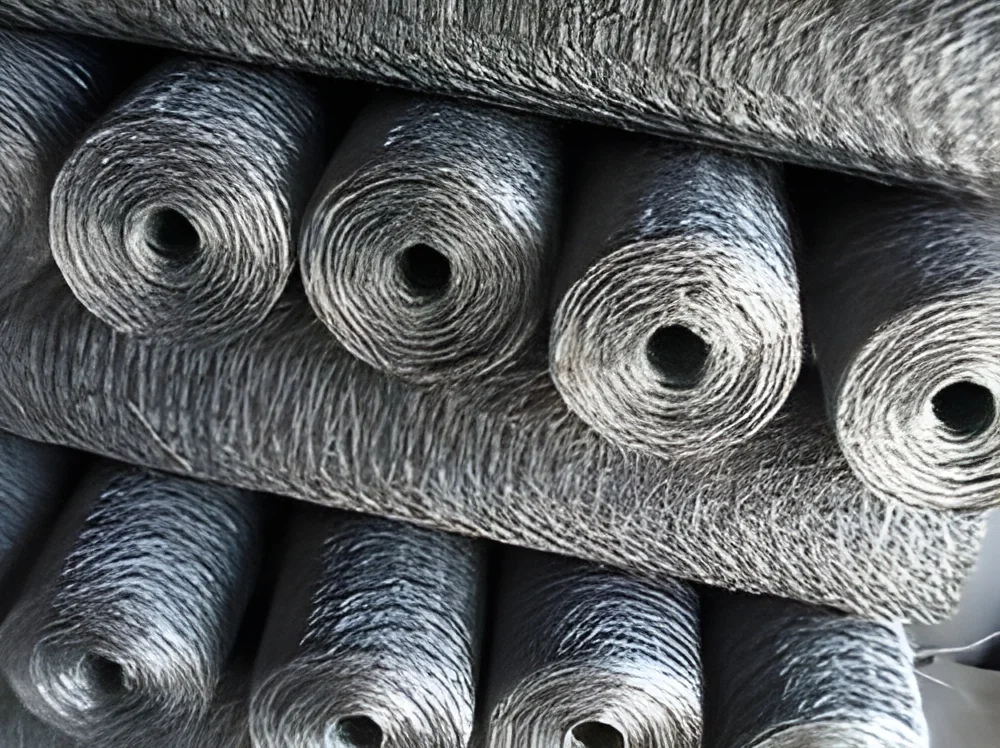
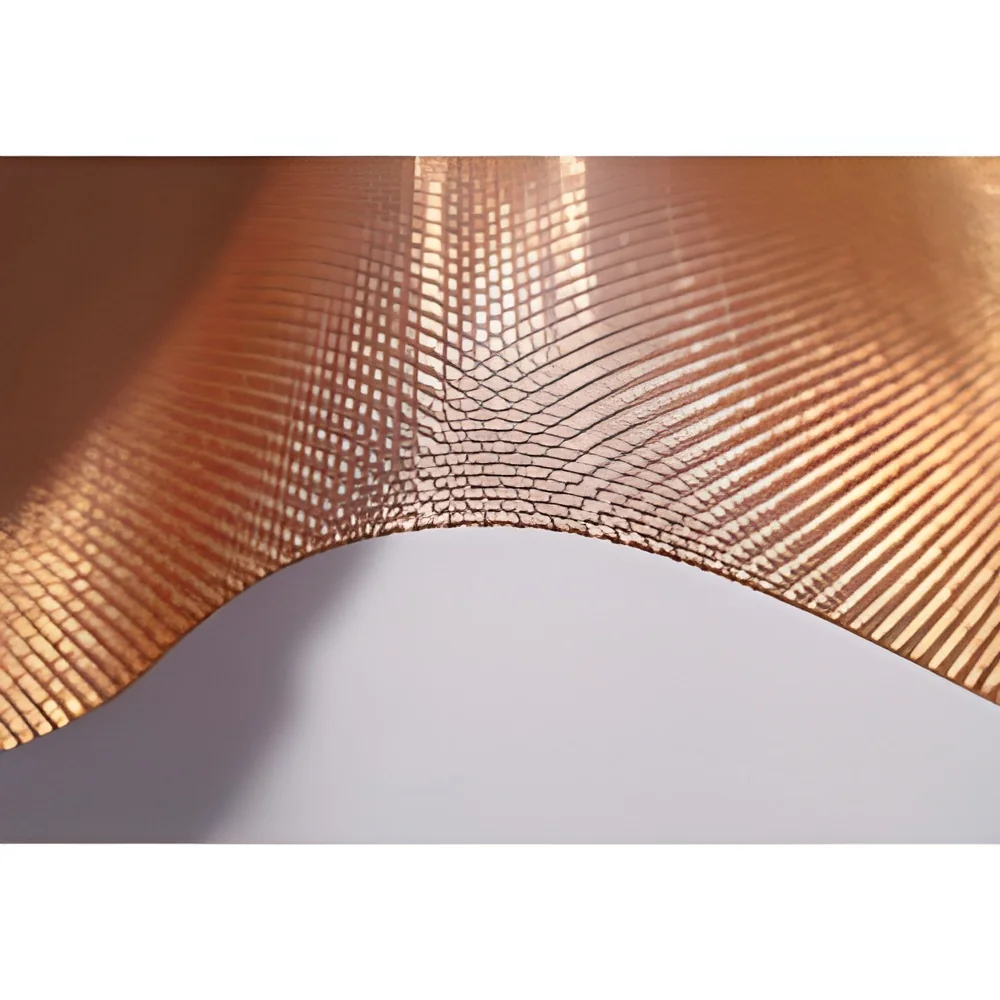
Steel mesh and wire are essential materials widely used in various industrial applications. Steel mesh typically consists of interconnected steel wires arranged in a grid pattern, providing structural integrity and strength. Steel wire, on the other hand, is a single strand or several strands twisted together, offering flexibility and durability. Together, these materials serve as critical components in construction, manufacturing, and various engineering applications.
The primary uses of steel mesh and wire include reinforcement in concrete structures, fencing solutions, and support for various architectural designs. Businesses utilize these materials for their strength, versatility, and ability to withstand harsh environmental conditions. Industries such as construction, agriculture, and automotive significantly depend on steel mesh and wire to ensure the stability and safety of their projects.
In the current market context, the demand for steel mesh and wire is rising due to rapid industrialization and infrastructural development across many regions. The material's adaptability makes it suitable for a broad range of applications, thereby enhancing its relevance in the industrial sector. As companies seek reliable and long-lasting materials, steel mesh and wire continue to play a pivotal role in meeting these needs.
Key Features and Specifications
Steel mesh and wire offer specific features that make them suitable for diverse applications. Understanding these specifications is crucial for making informed purchasing decisions.
Key specifications include:
1. Material Composition
- Typically made from carbon steel or stainless steel.
- Offers varying levels of corrosion resistance.
2. Wire Diameter
- Ranges from 1mm to 10mm depending on application.
- Affects the strength and flexibility of the mesh.
3. Mesh Size
- Common sizes include 25mm, 50mm, and 100mm apertures.
- Determines the load-bearing capacity and intended use.
4. Load Capacity
- Varies depending on the design and material used.
- Critical for applications requiring structural support.
5. Finish Type
- Options include galvanized, coated, or untreated.
- Influences durability and corrosion resistance.
6. Tensile Strength
- Typically ranges from 300 MPa to 1000 MPa.
- Indicates the material's ability to withstand tensile forces.
7. Compliance with Standards
- Adherence to relevant industry standards ensures quality.
- Certification processes may include CE marking.
8. Customization Options
- Available in various shapes and sizes to meet specific needs.
- Allows for tailored solutions in unique applications.
In summary, understanding the key features and specifications of steel mesh and wire is essential for selecting the right product for specific industrial applications.
Common Applications and Use Cases
Steel mesh and wire serve various industries, showcasing their versatility and adaptability in multiple applications.
1. Construction: In the construction industry, steel mesh is primarily used for reinforcing concrete slabs, walls, and foundations, ensuring structural integrity and durability.
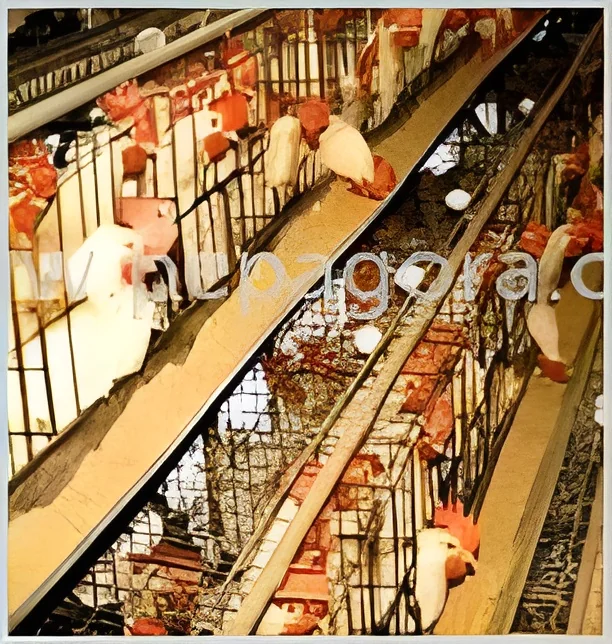
2. Agriculture: Farmers utilize wire mesh for fencing and animal enclosures, providing safety and security for livestock while also protecting crops from pests.
3. Mining: Steel wire is used in the mining sector for safety mesh in tunnels and shafts, reducing the risk of collapses and ensuring worker safety.
4. Automotive: In the automotive industry, steel mesh is applied in the manufacturing of various components, providing necessary strength and support in vehicle structures.
5. Manufacturing: Manufacturers often use steel wire for creating various products, including springs, cables, and netting, due to its flexibility and strength.
6. Infrastructure: Steel mesh is commonly employed in the construction of bridges and highways, where it reinforces concrete and improves durability.
7. Packaging: Steel wire is used in packaging applications, providing strength for securing heavy loads during transportation and storage.
Product Variants and Subcategories
Steel mesh and wire come in various forms to meet specific industry needs. This diversity allows businesses to select the most suitable option for their applications.
Welded Wire Mesh
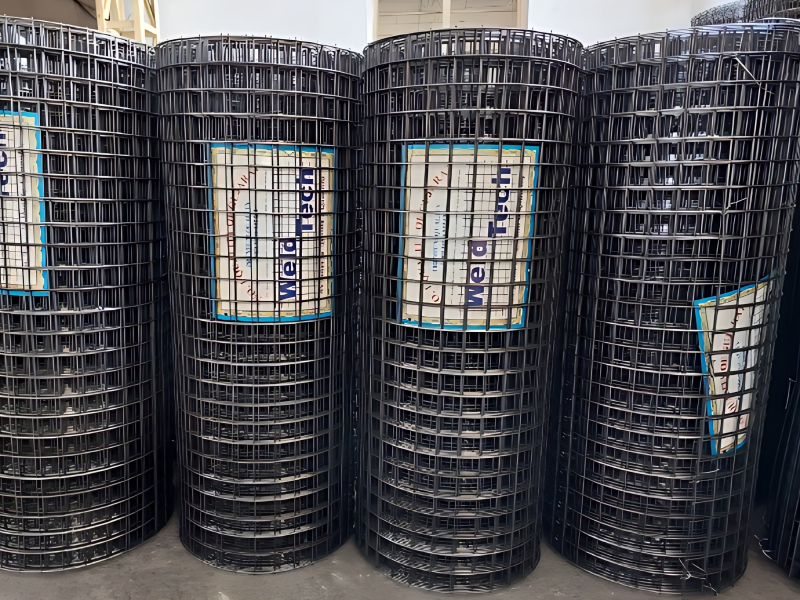
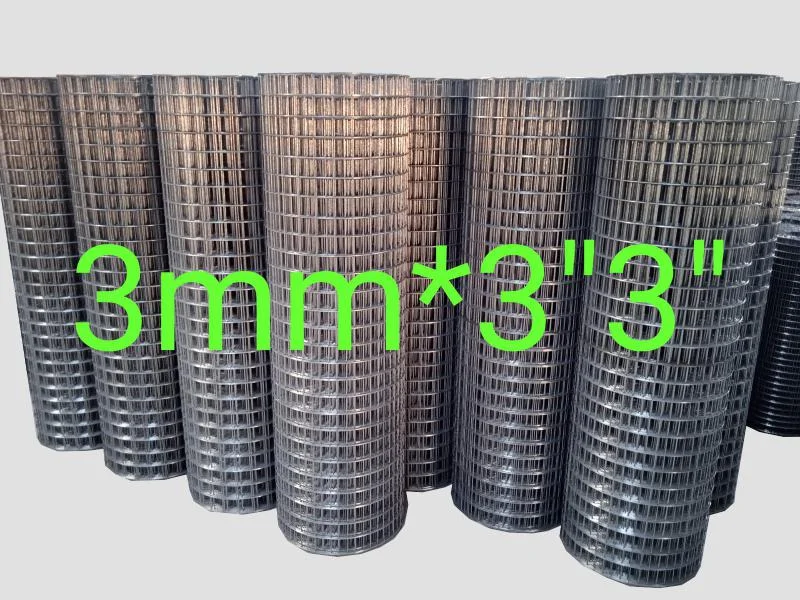
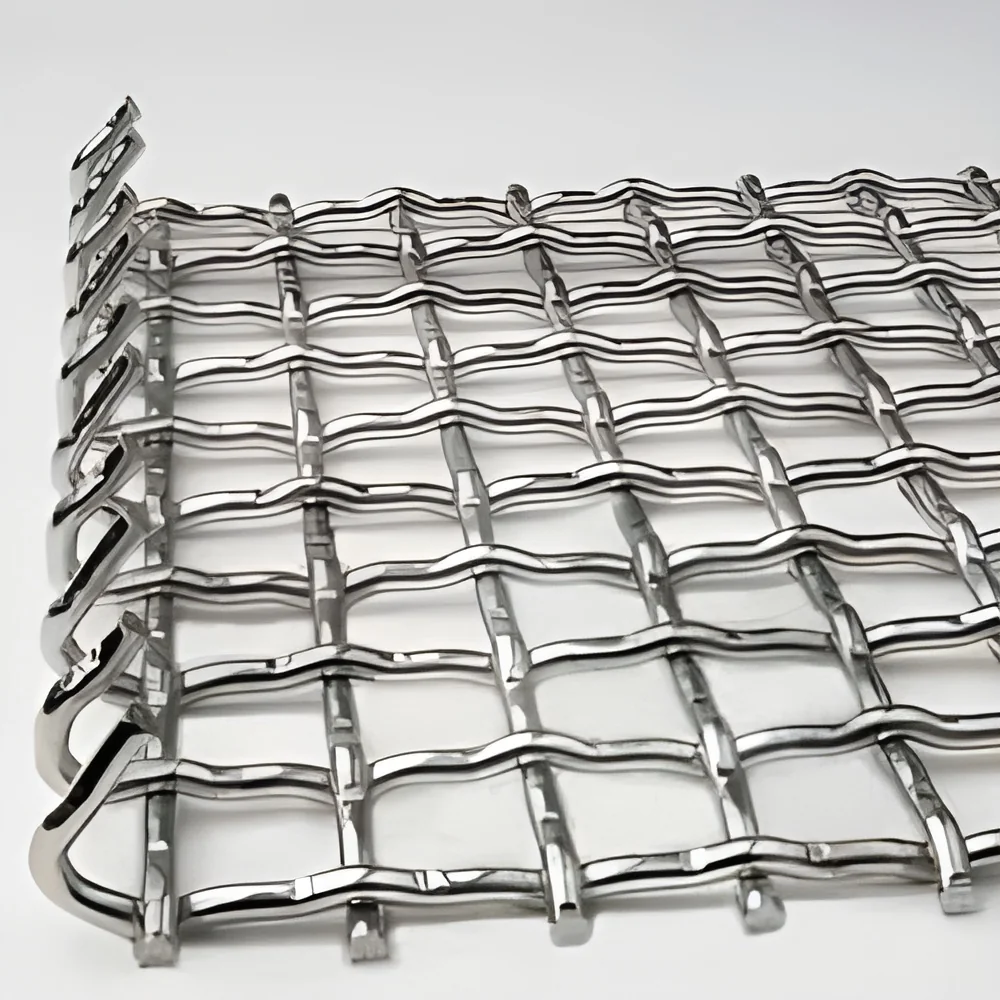
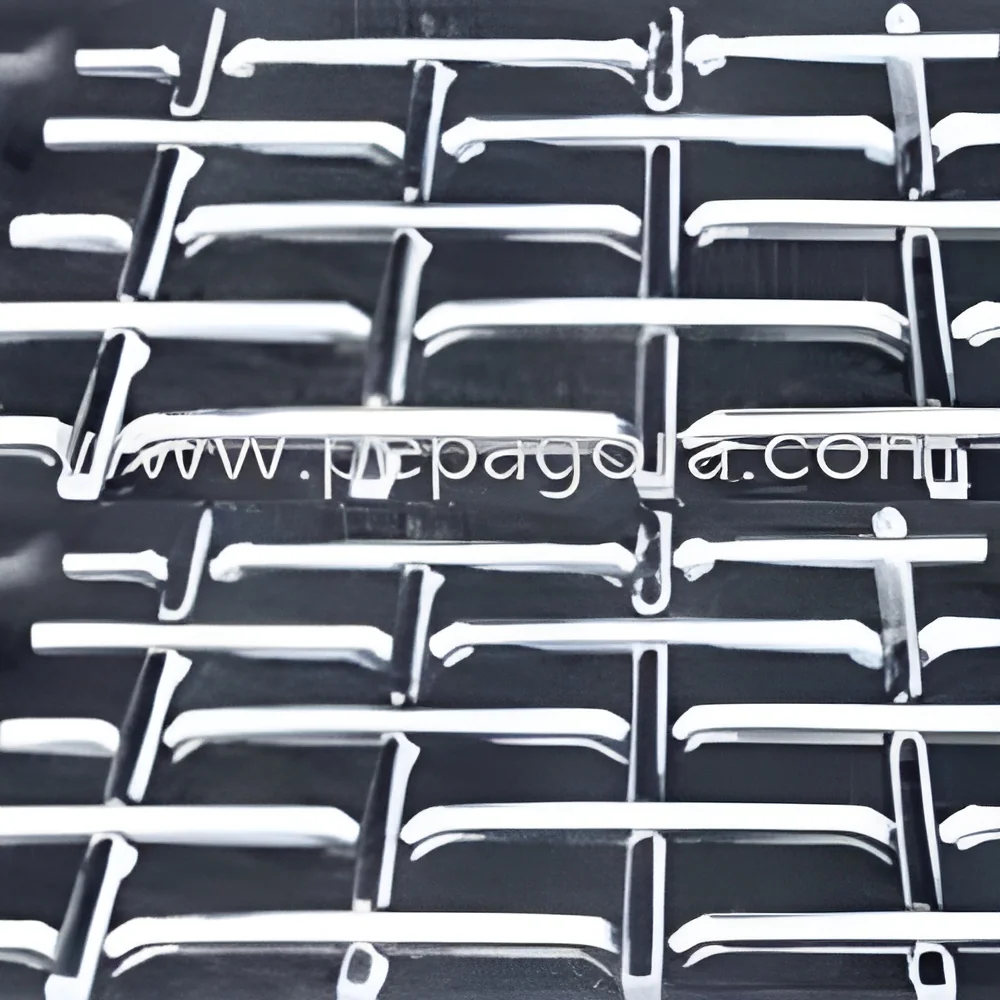
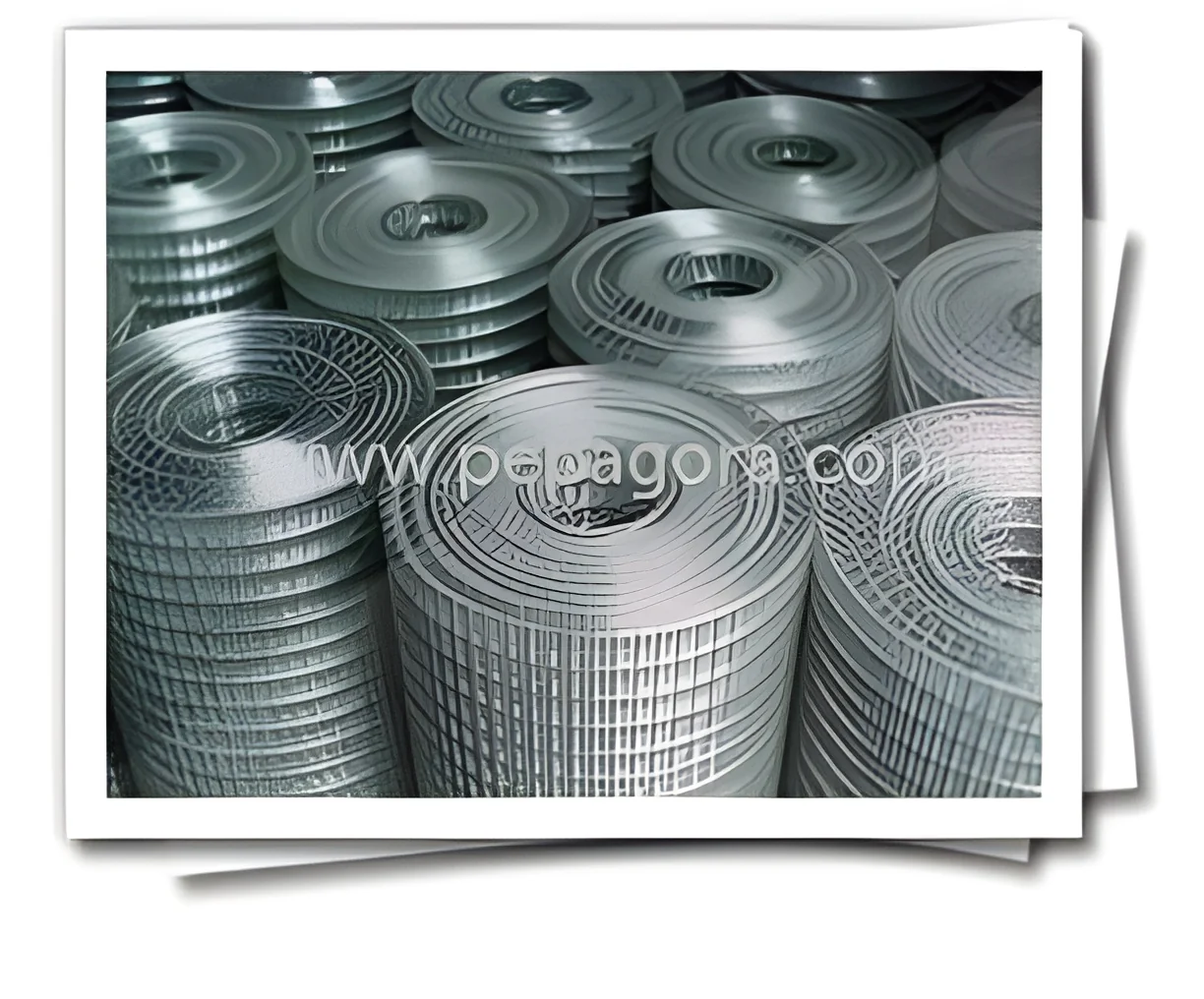
Welded wire mesh consists of steel wires that are welded at intersections, creating a strong grid. This variant is ideal for concrete reinforcement and fencing applications, providing high tensile strength and durability.
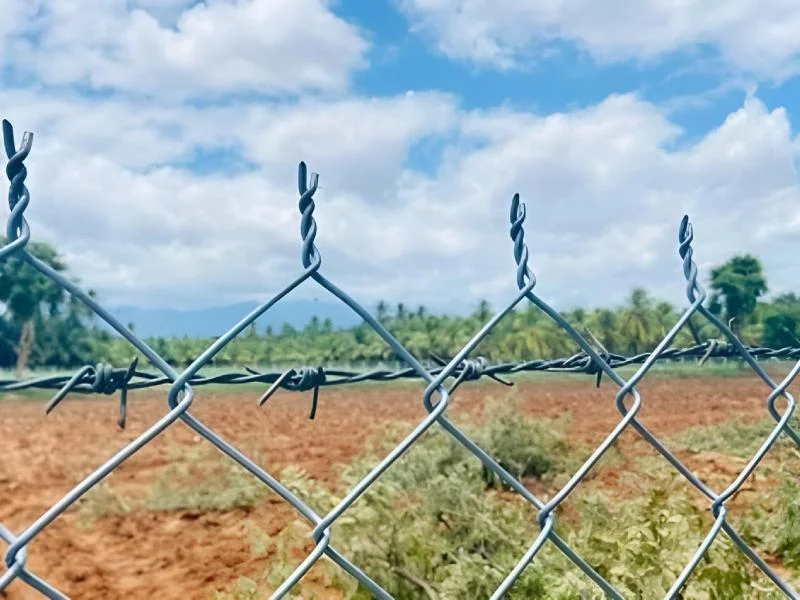
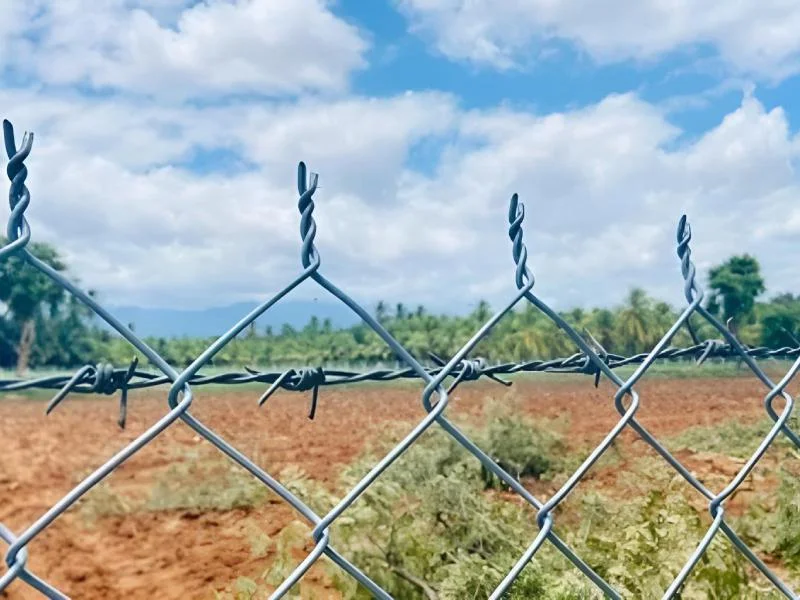
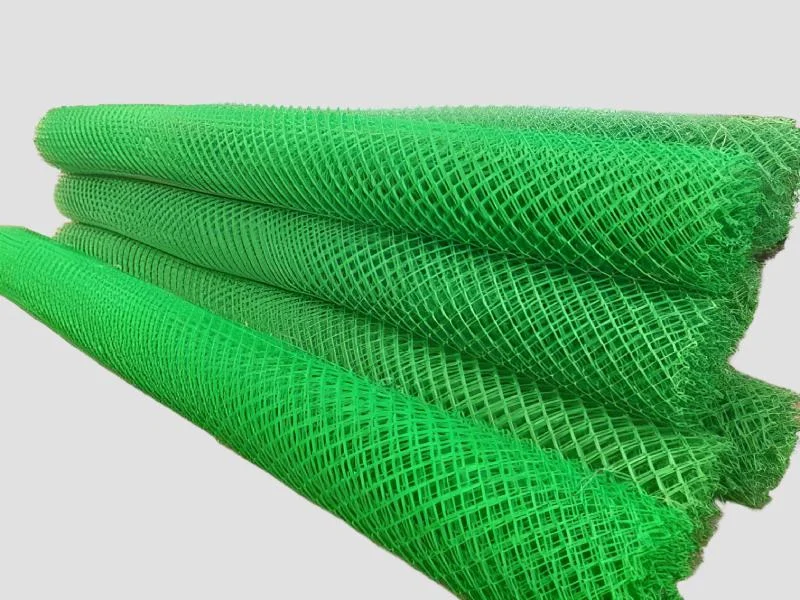
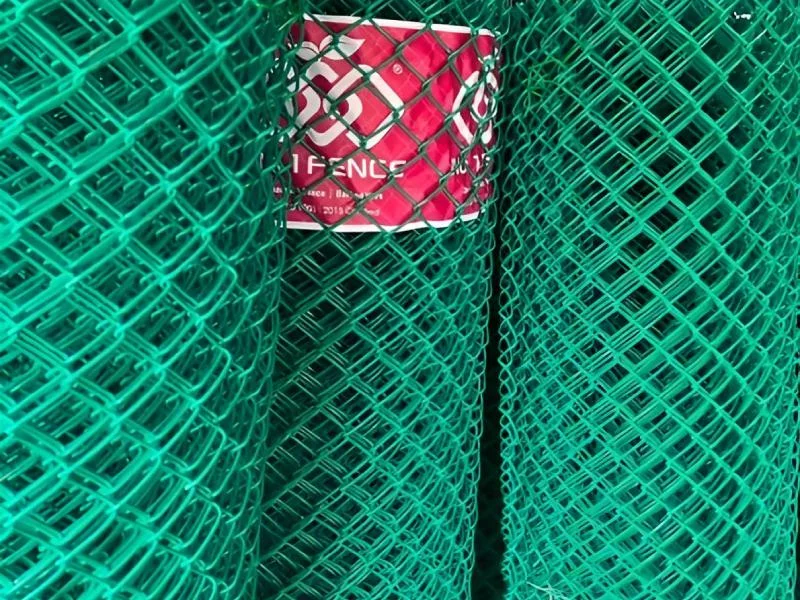
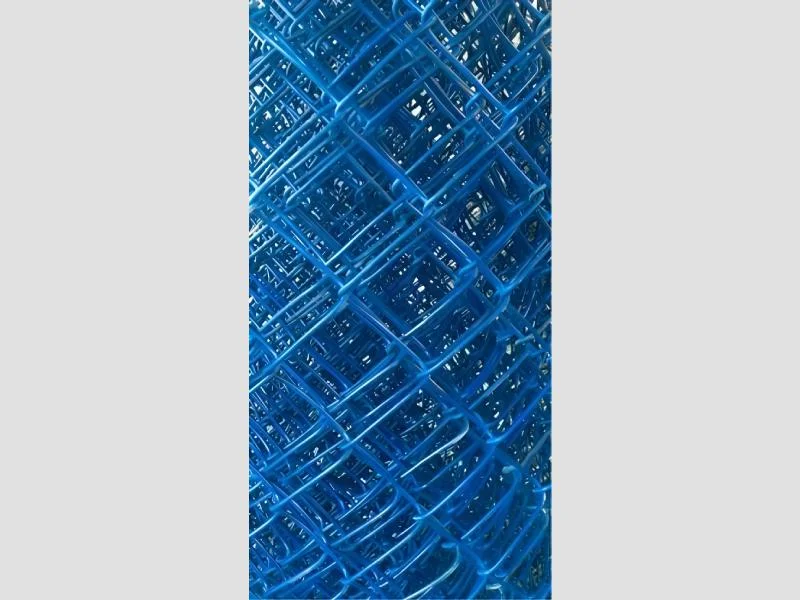
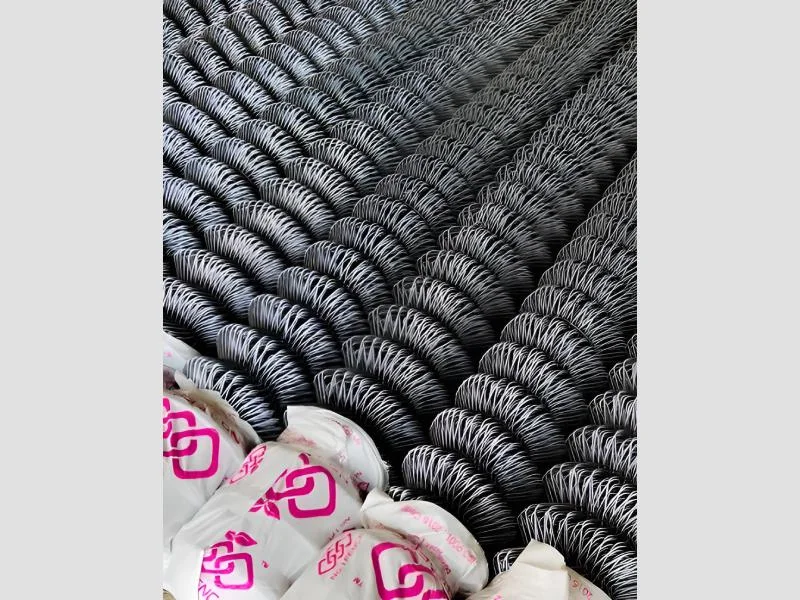
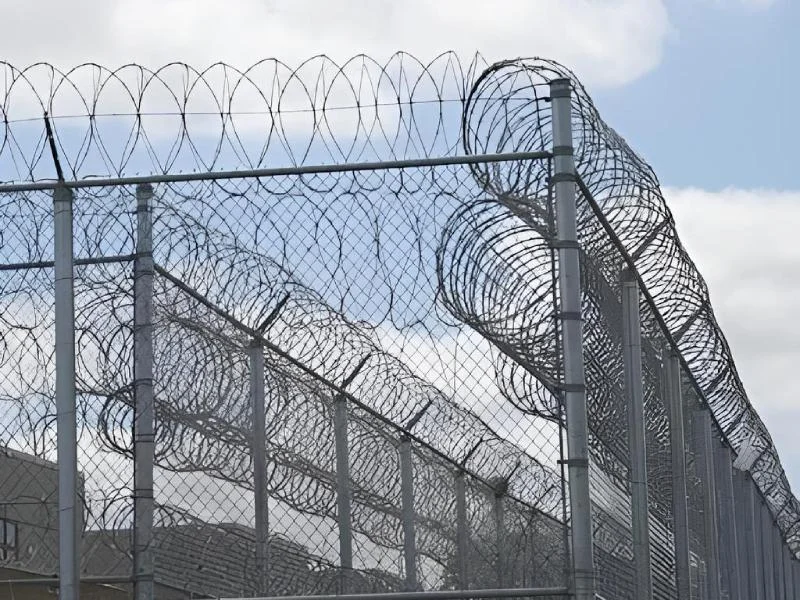
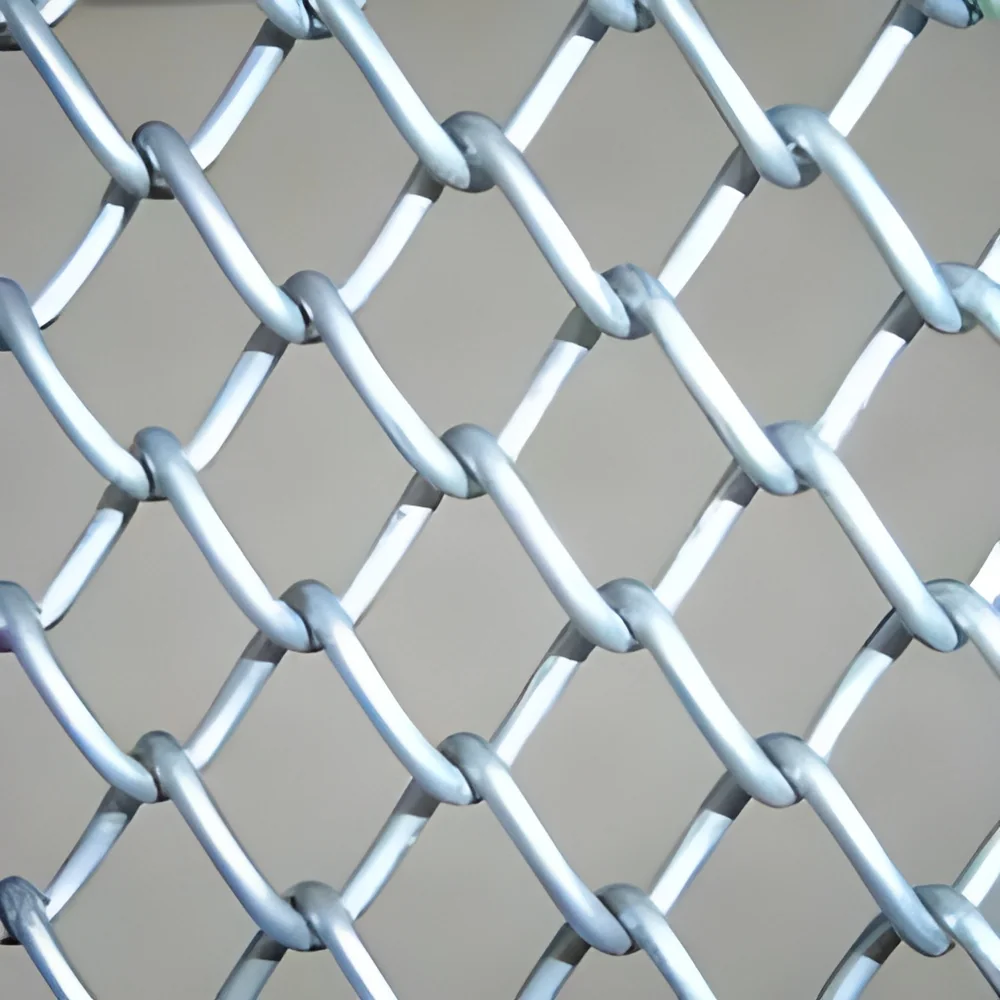
Chain Link Fencing
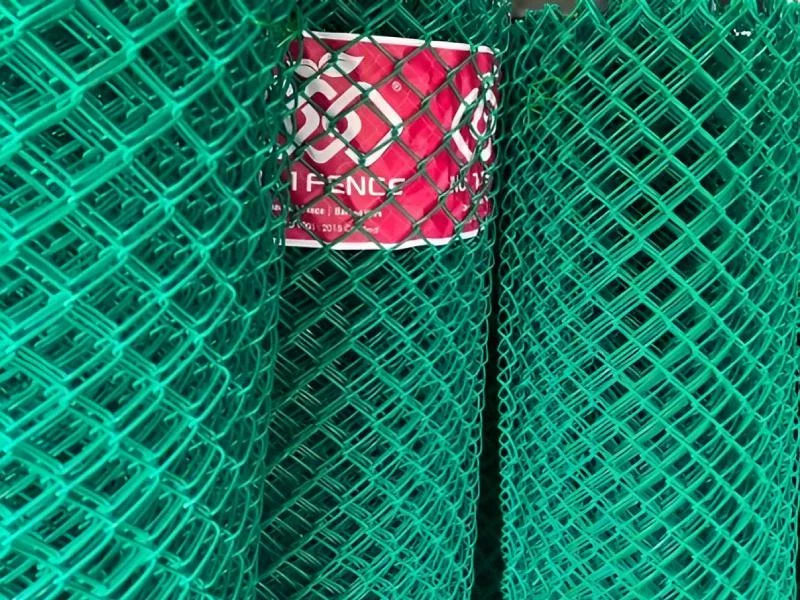
Chain link fencing is made from galvanized steel wire and is commonly used for security and boundary purposes. Its open design allows visibility while providing strength and resistance to weather conditions.
Expanded Metal Mesh
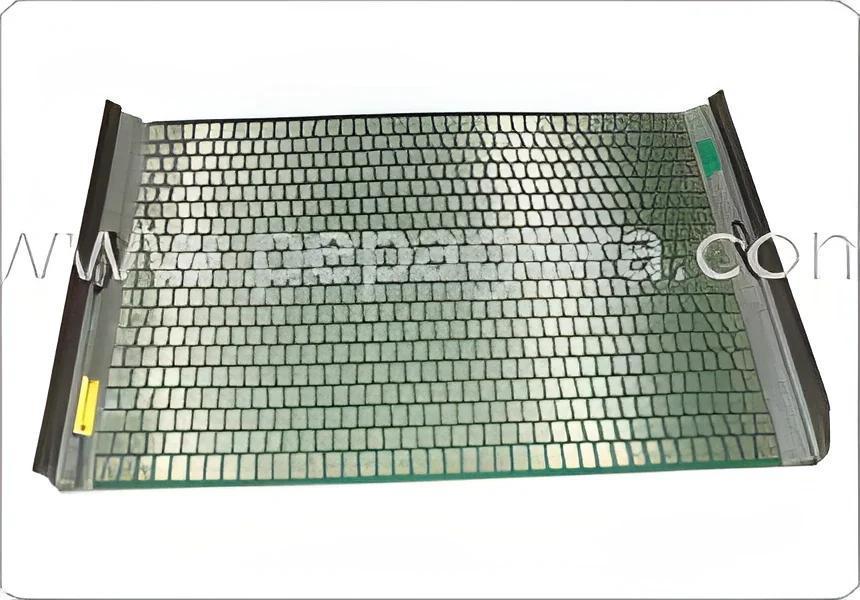
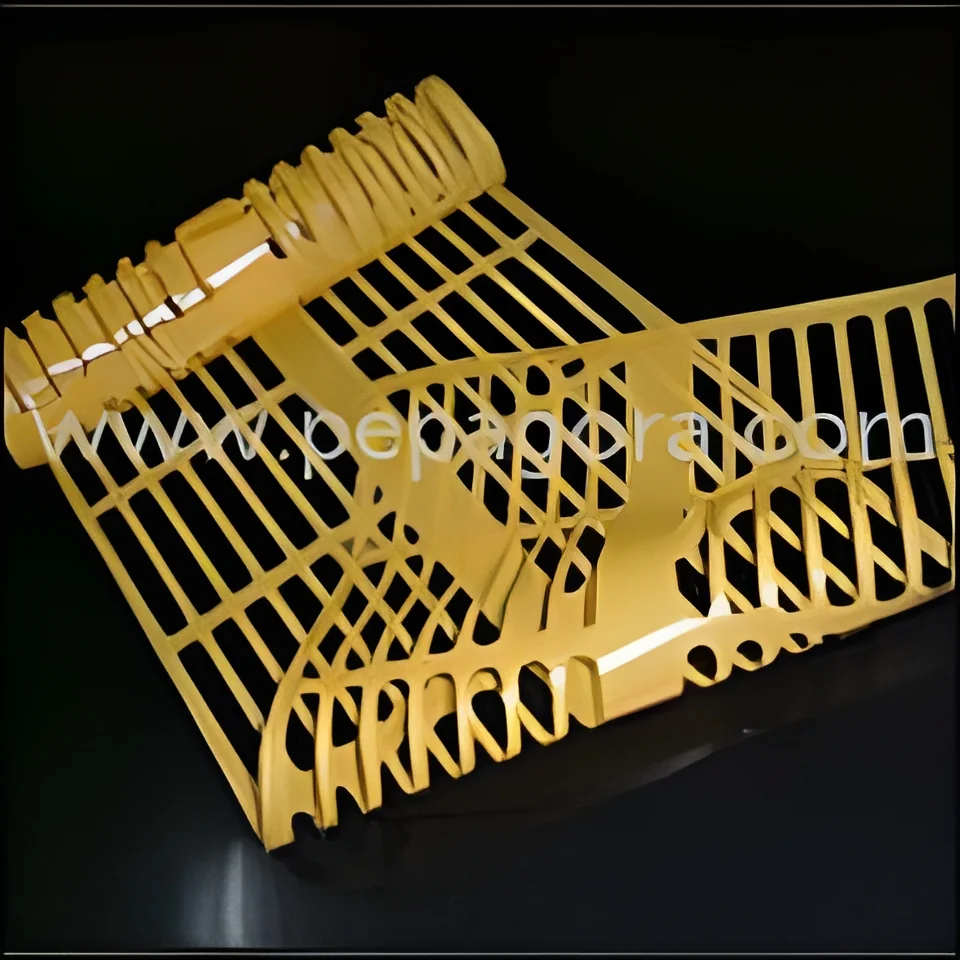
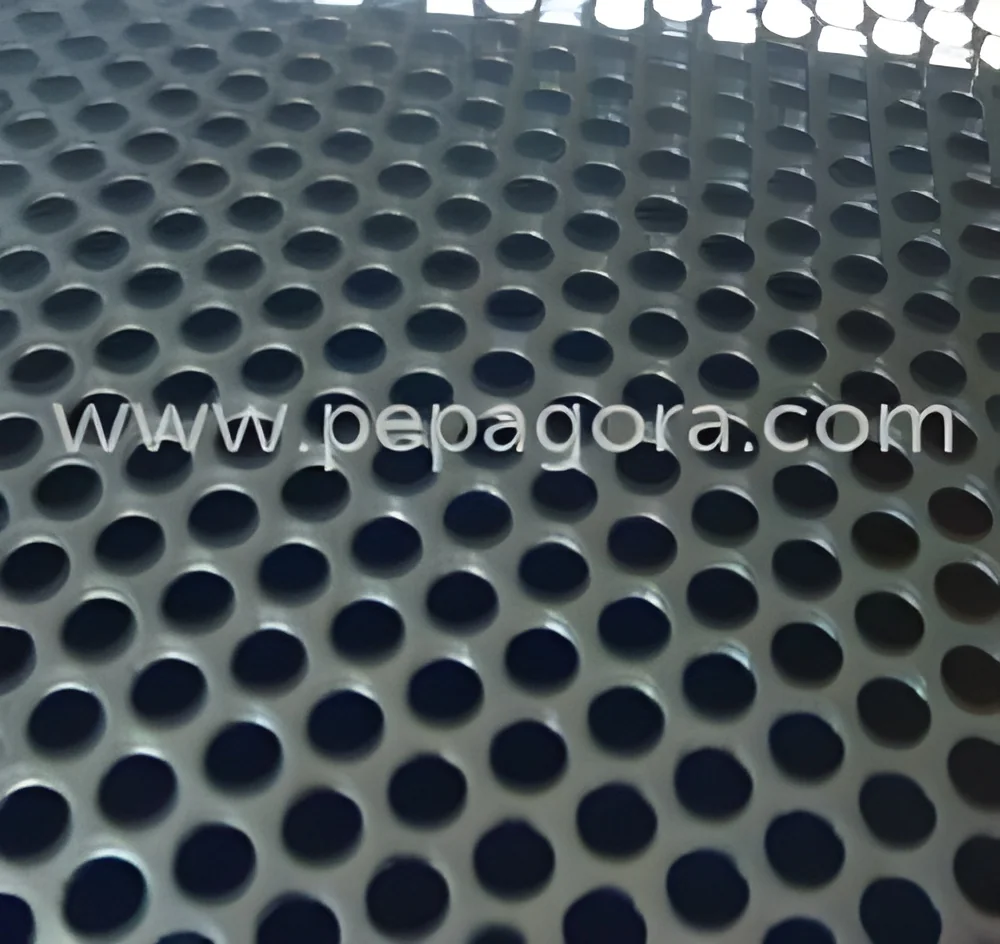
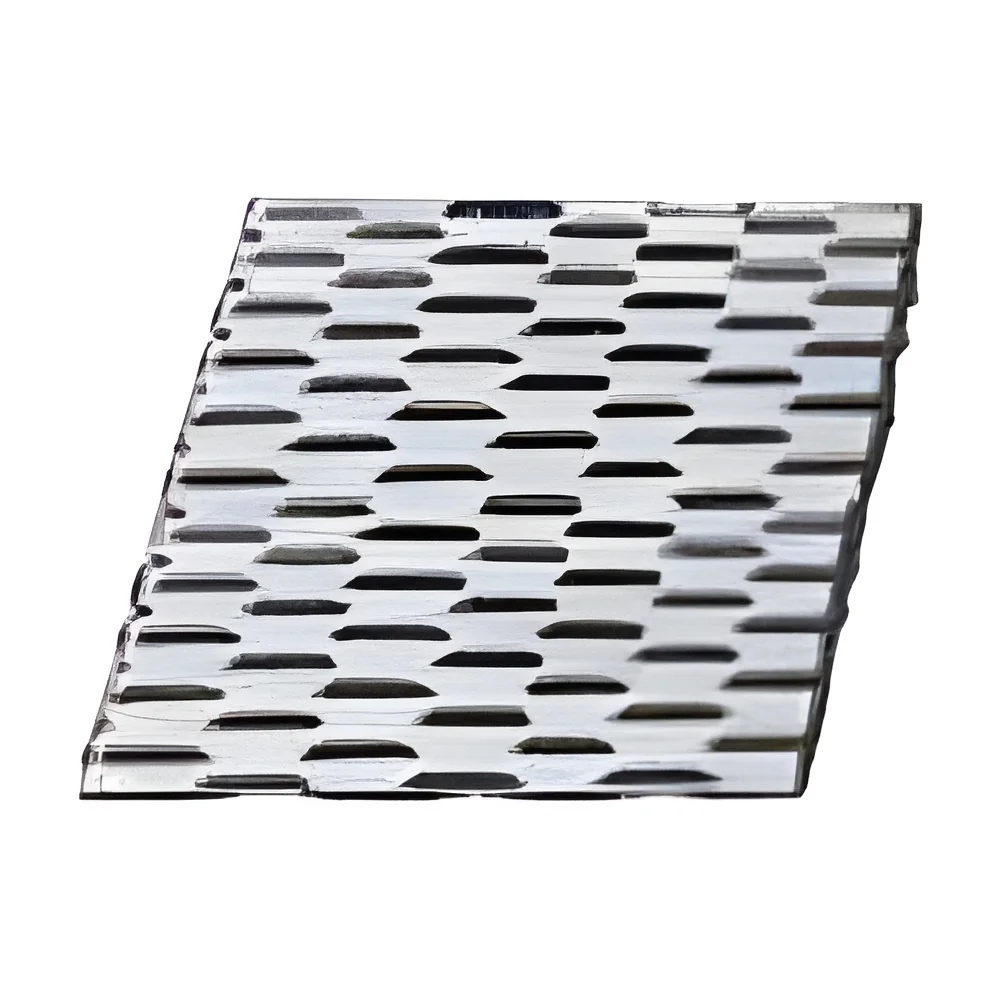
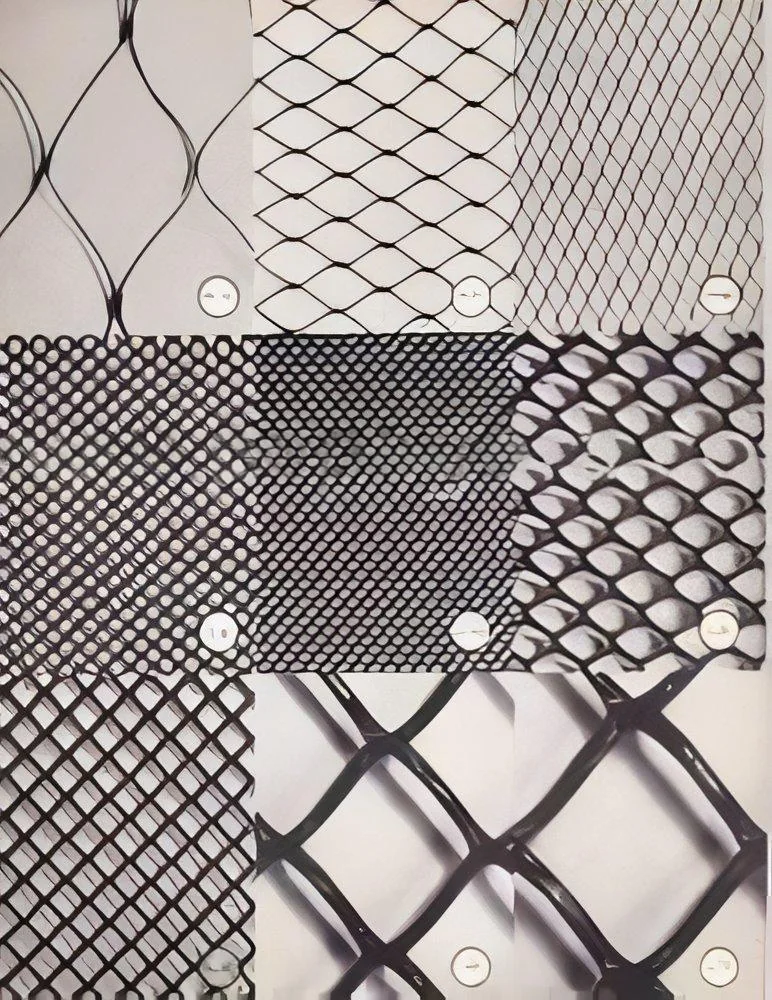
Expanded metal mesh is created by cutting and stretching a solid sheet of metal, resulting in a mesh with diamond-shaped openings. It is often used for safety barriers, walkways, and filtering applications due to its lightweight and sturdy nature.
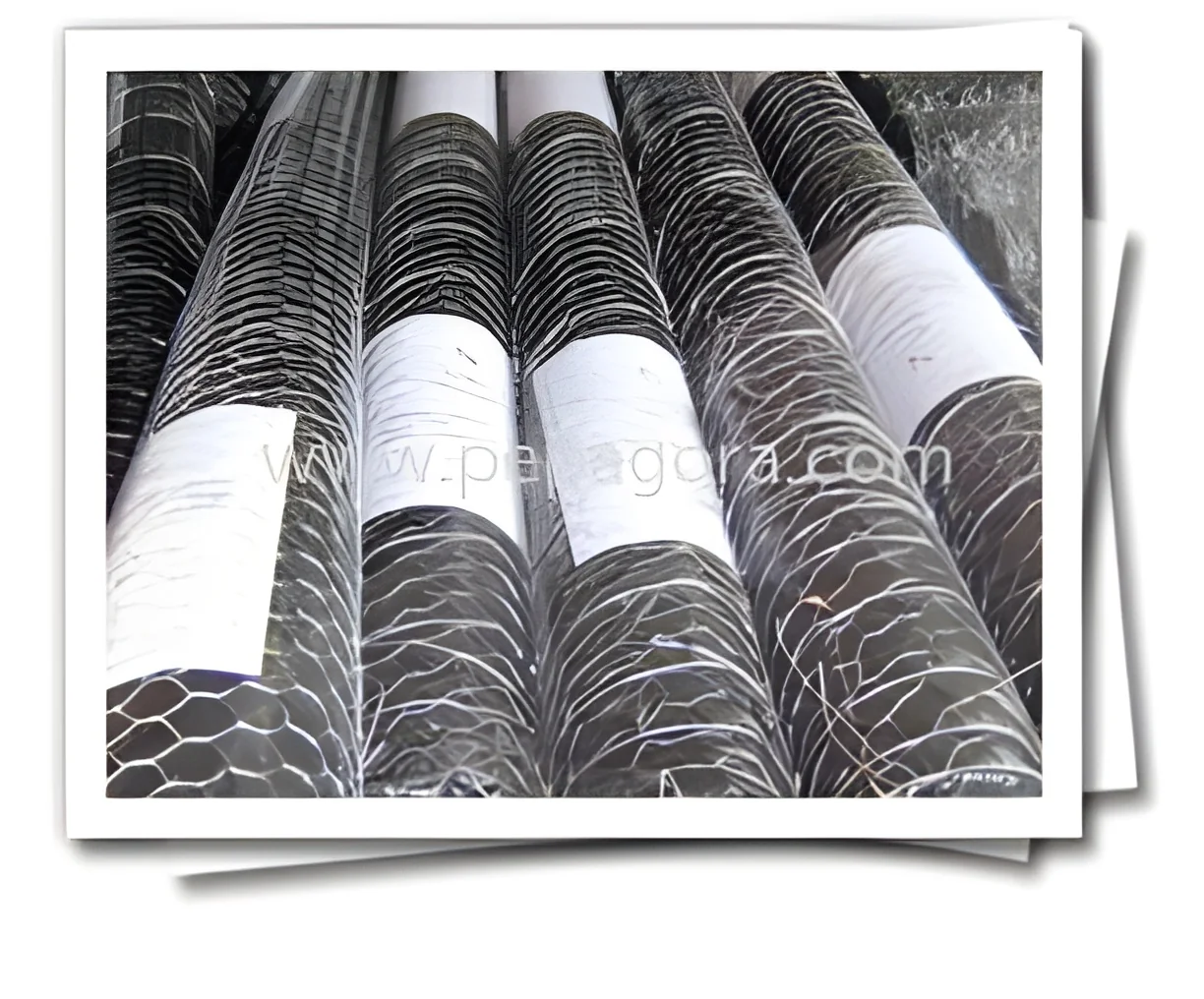
Hexagonal Wire Netting
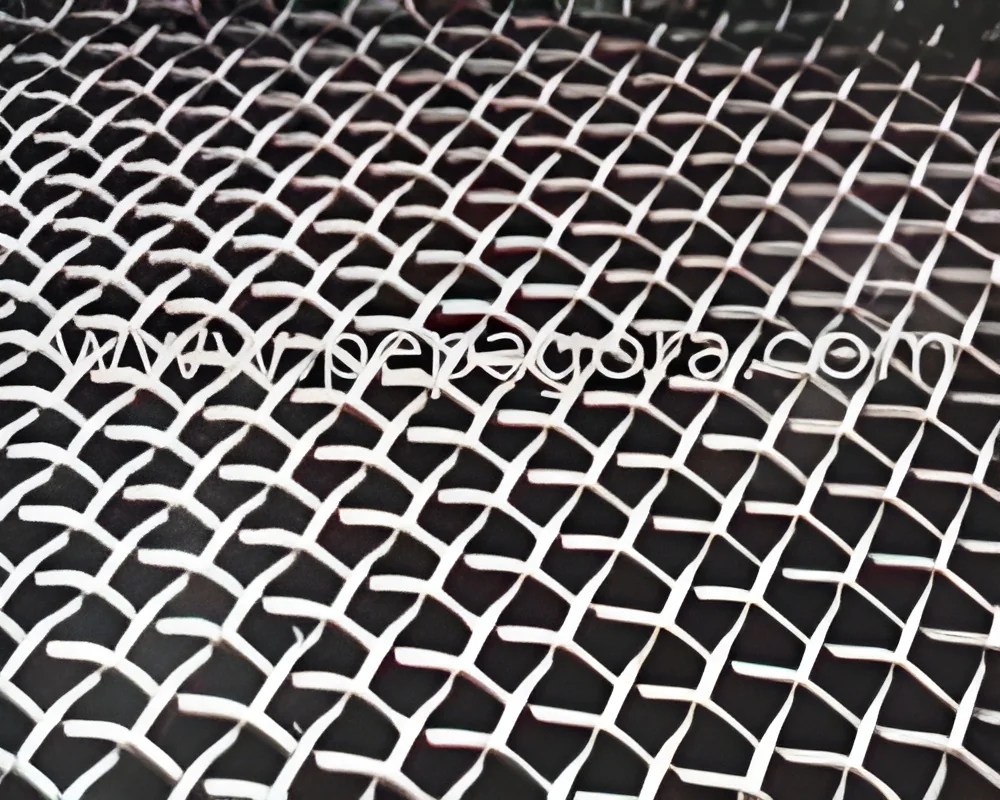
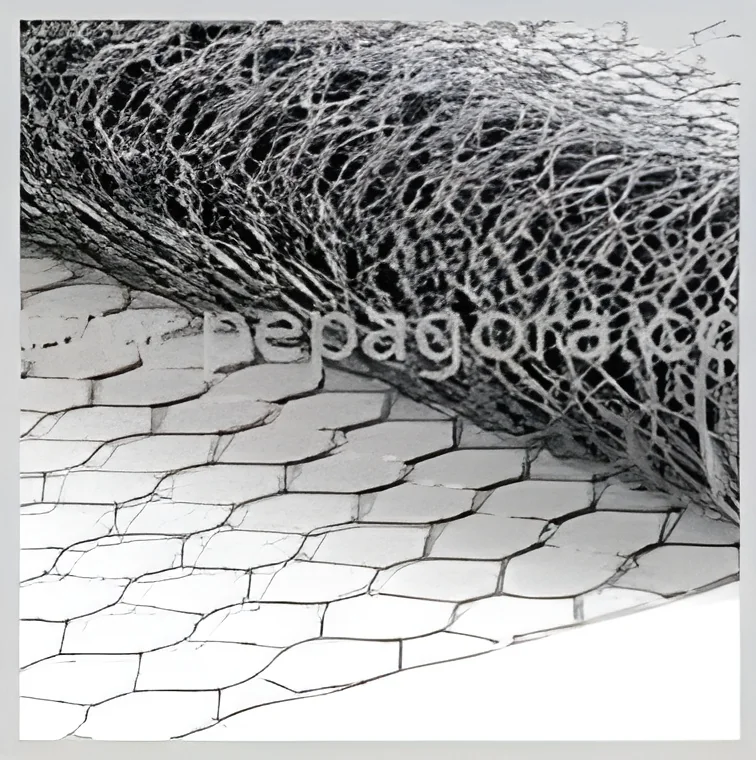
Hexagonal wire netting, often referred to as chicken wire, is used primarily in agricultural applications for fencing and enclosures. Its hexagonal shape provides flexibility and ease of installation.
Benefits and Advantages
Steel mesh and wire provide numerous benefits to businesses across various sectors.
1. Strength and Durability: Steel mesh and wire are known for their exceptional strength, making them suitable for heavy-duty applications and long-term use.
2. Versatility: These materials can be tailored for a wide range of applications, enhancing their usability across different industries.
3. Cost-Effectiveness: Steel mesh and wire offer a durable solution that can reduce maintenance costs over time, providing a good return on investment.
4. Easy Installation: Many types of steel mesh and wire can be quickly and easily installed, saving time and labor costs during project execution.
5. Corrosion Resistance: Depending on the finish, steel mesh and wire can be made resistant to corrosion, ensuring longevity in various environmental conditions.
6. Customization: The ability to customize sizes and shapes allows businesses to meet specific requirements and challenges in their applications.
Buying Guide for B2B Buyers
When sourcing steel mesh and wire, several factors should be considered to ensure the best purchase decision.
1. Quality Assessment: Buyers should evaluate the quality of steel mesh and wire by examining certifications and testing reports. This ensures that the products meet industry standards.
2. Supplier Verification: It is crucial to verify suppliers through research and references. A reliable supplier can significantly impact the quality and consistency of the products.
3. Pricing and MOQ: Understanding the pricing structures and minimum order quantities (MOQ) is essential for budget planning. Buyers should compare quotes from multiple suppliers for the best deal.
4. Delivery and Lead Times: Buyers should inquire about delivery schedules and lead times to plan project timelines effectively. Reliable logistics are essential for maintaining workflow.
5. Compliance Requirements: Ensuring that the steel mesh and wire meet all relevant regulatory compliance requirements is critical for safety and quality assurance.
Compliance and Certifications
The compliance and certification of steel mesh and wire are essential for ensuring quality and safety in industrial applications. Adherence to relevant quality standards such as ISO 9001 is important for manufacturers, as it signifies a commitment to quality management and continuous improvement.
Industry certifications, including CE marking, ensure that products meet European safety and environmental requirements. This is particularly vital for businesses operating in international markets where compliance with local regulations is enforced.
Safety and testing requirements are also crucial, as they guarantee that steel mesh and wire can withstand the conditions they will be exposed to. Regional compliance considerations may vary, so buyers should familiarize themselves with local regulations to ensure their materials meet all necessary standards.
Why Source Steel Mesh & Wire from Pepagora?
Pepagora provides a trusted platform for sourcing steel mesh and wire, offering several key advantages for businesses.
Verified Supplier Network: Pepagora connects buyers with a network of verified suppliers, ensuring that every supplier meets stringent quality and reliability standards. This verification process builds trust and confidence in the sourcing process.
Streamlined RFQ Process: The platform simplifies the request for quotation (RFQ) process, allowing businesses to receive multiple quotes quickly and efficiently. This feature saves time and helps buyers make informed decisions.
Trade Assurance and Support: Pepagora offers trade assurance and buyer protection, ensuring that transactions are secure and that buyers have recourse in case of issues. This support fosters a positive purchasing experience.
Regional Coverage: With a broad geographic reach across India, the GCC, and Southeast Asia, Pepagora can facilitate sourcing for businesses in various locations. This regional coverage ensures that buyers have access to quality steel mesh and wire products no matter where they are located.

 IN
IN