IN
IN₹
Apparel & Fashion
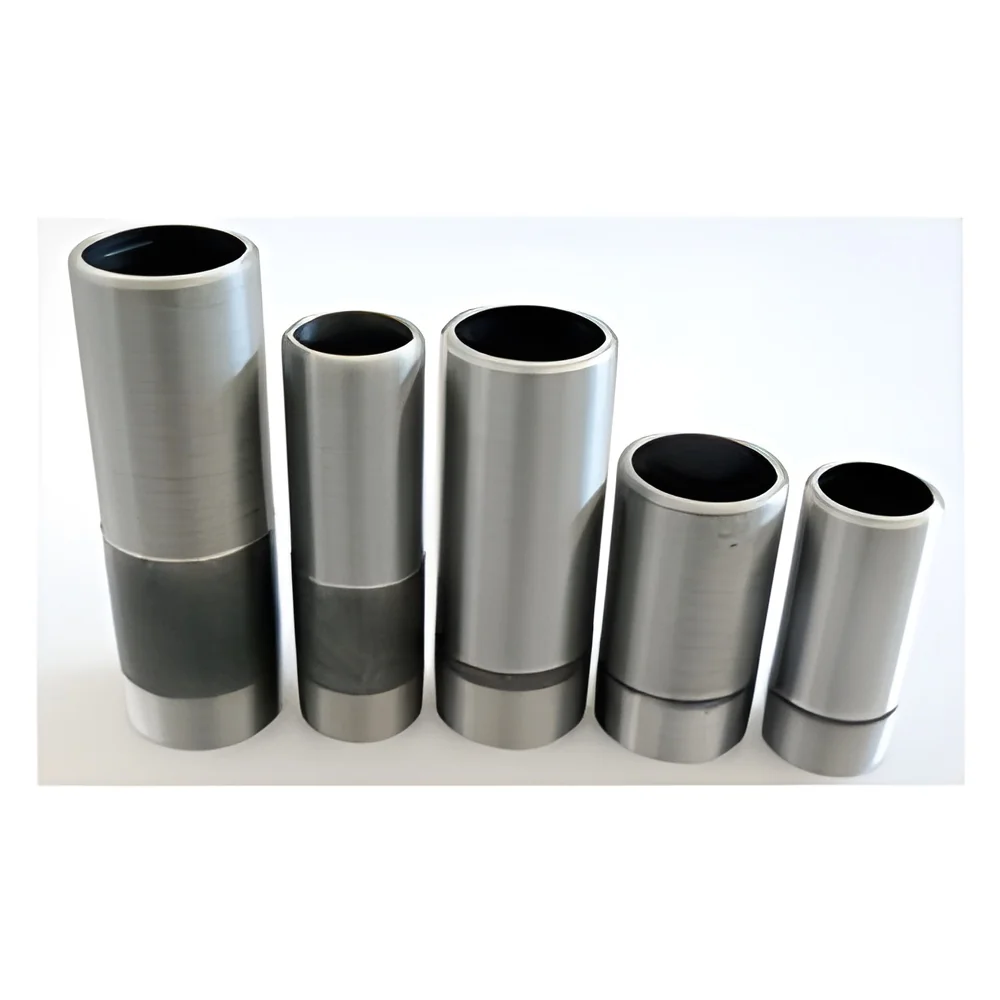
Description
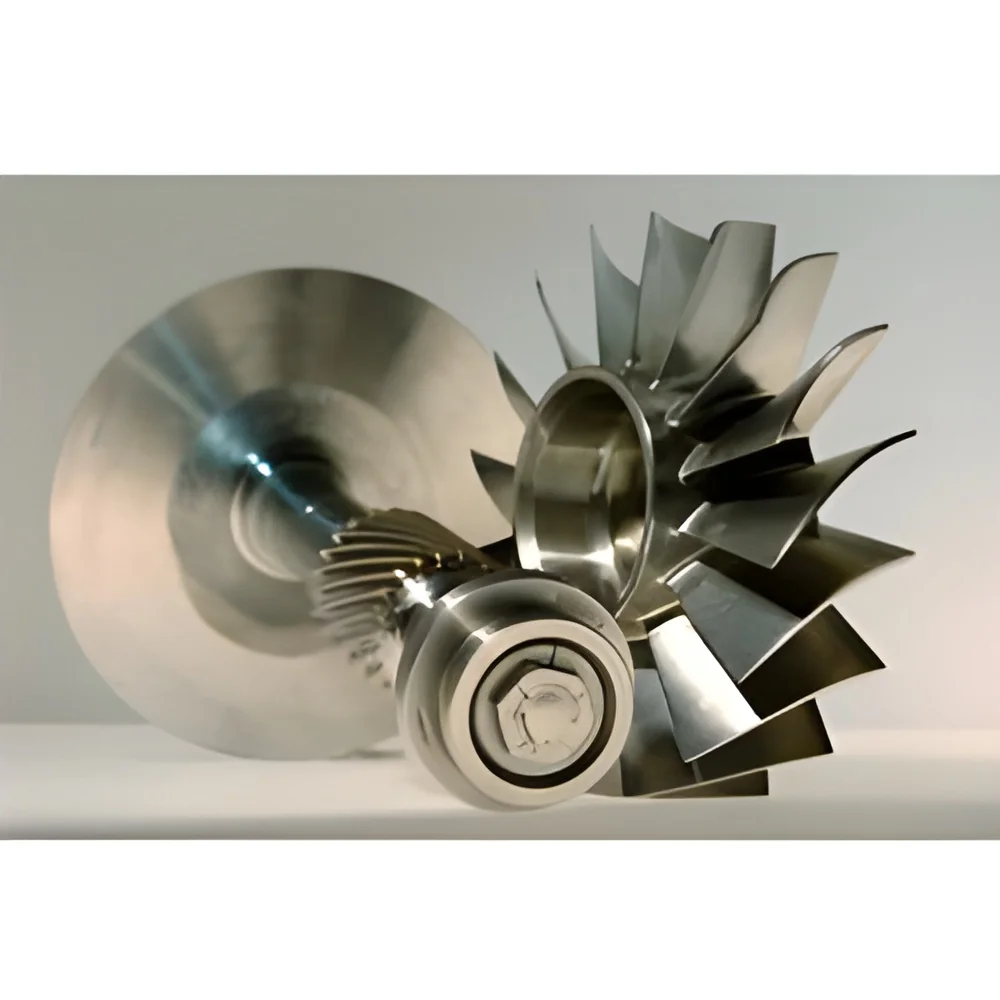
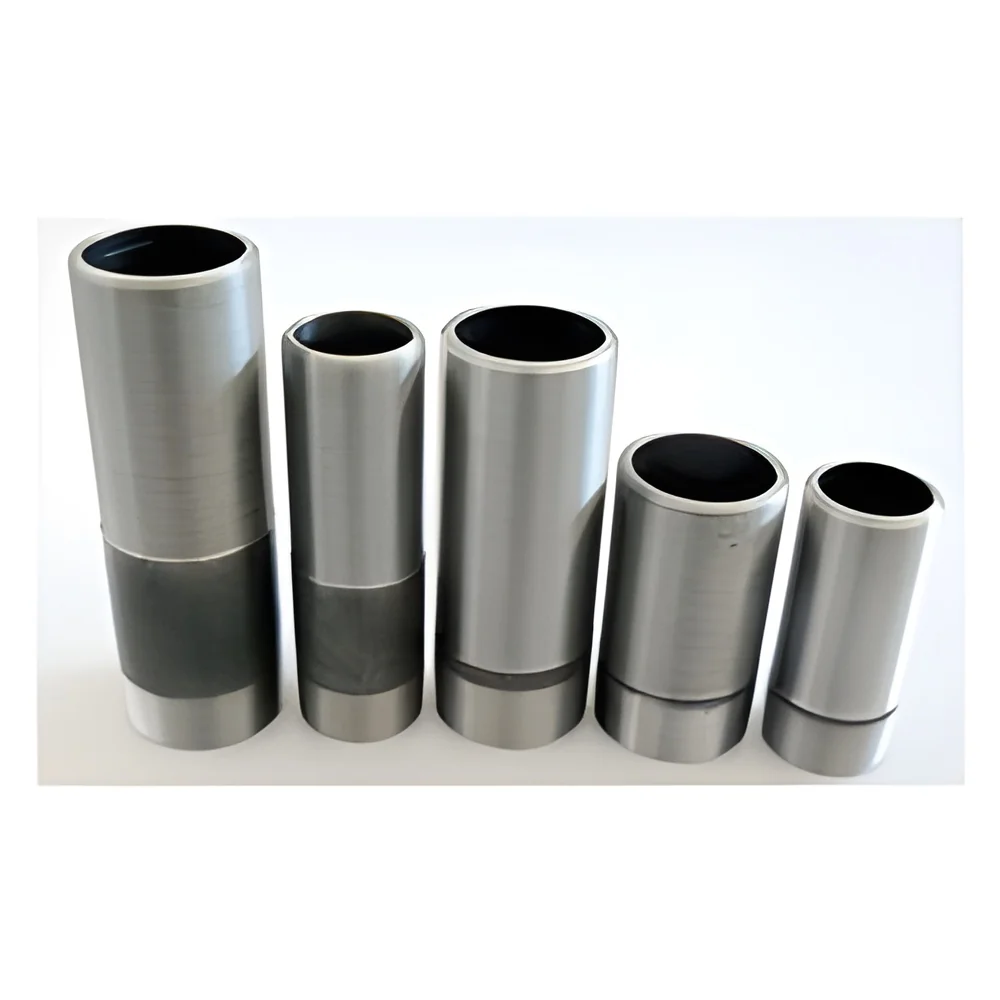
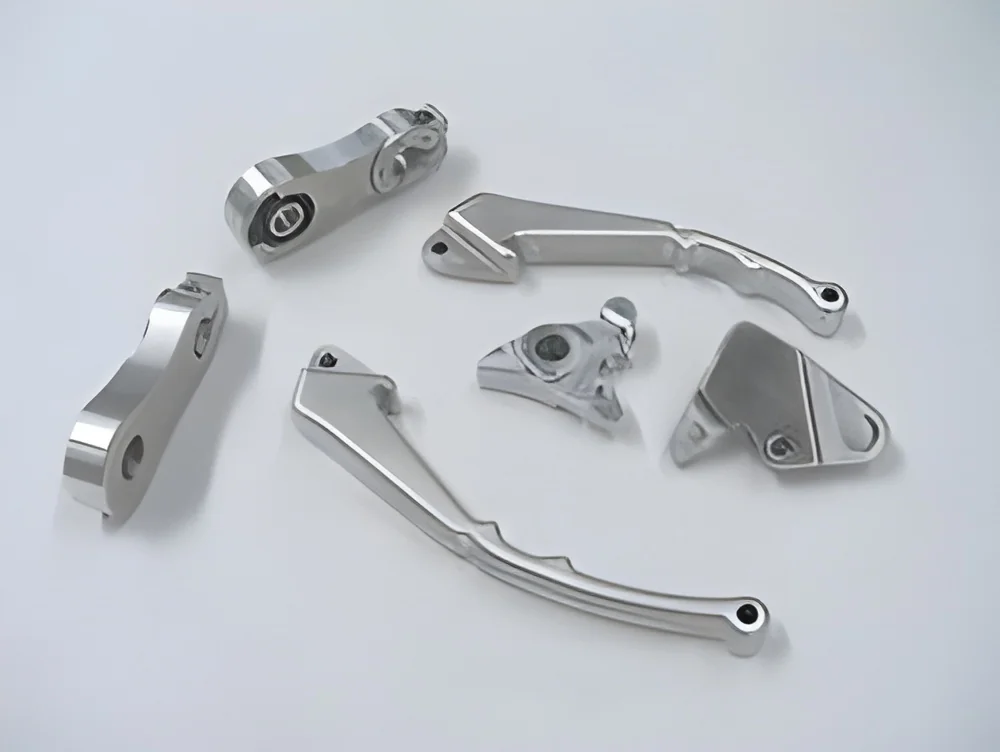
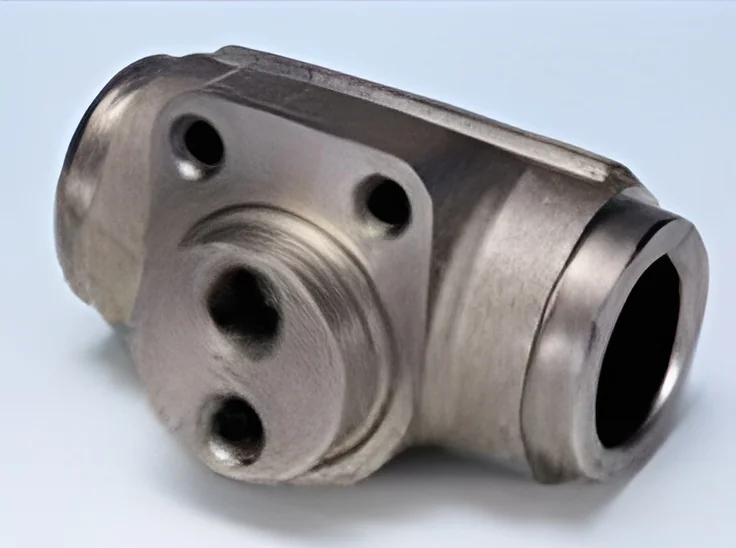
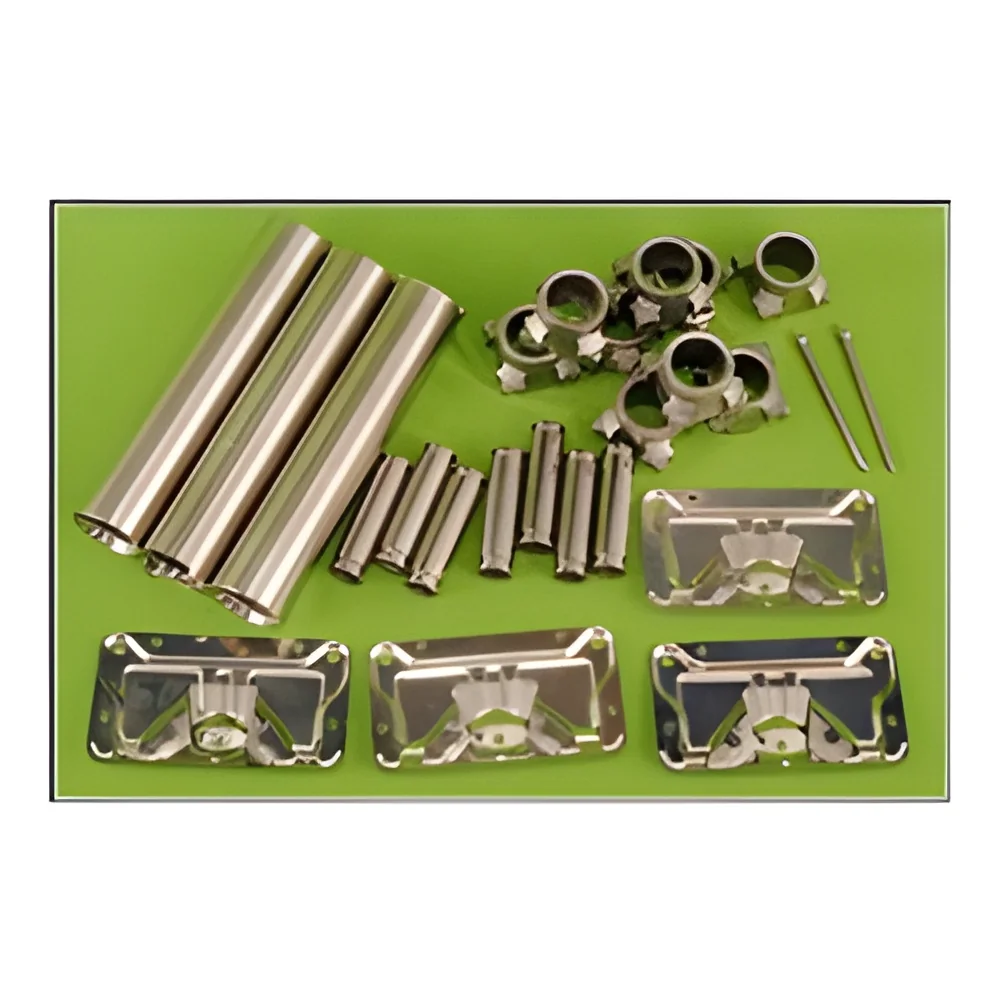
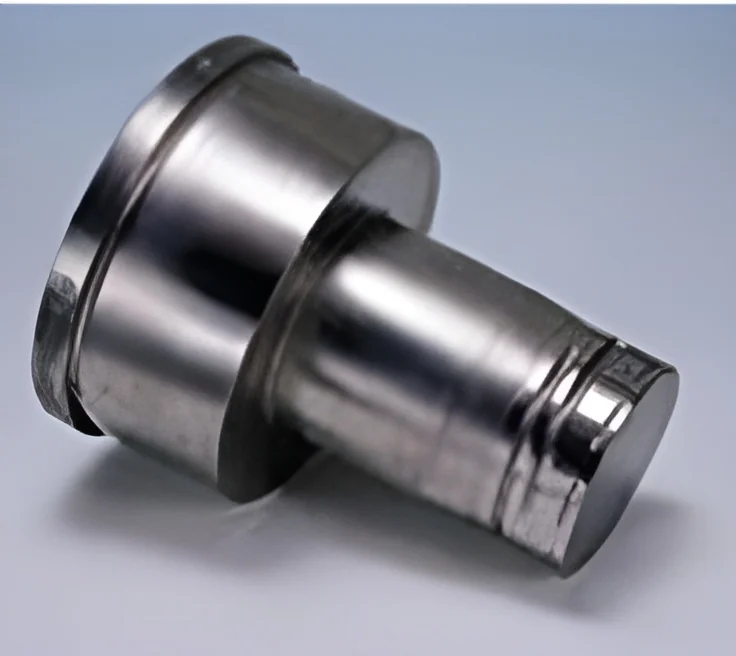
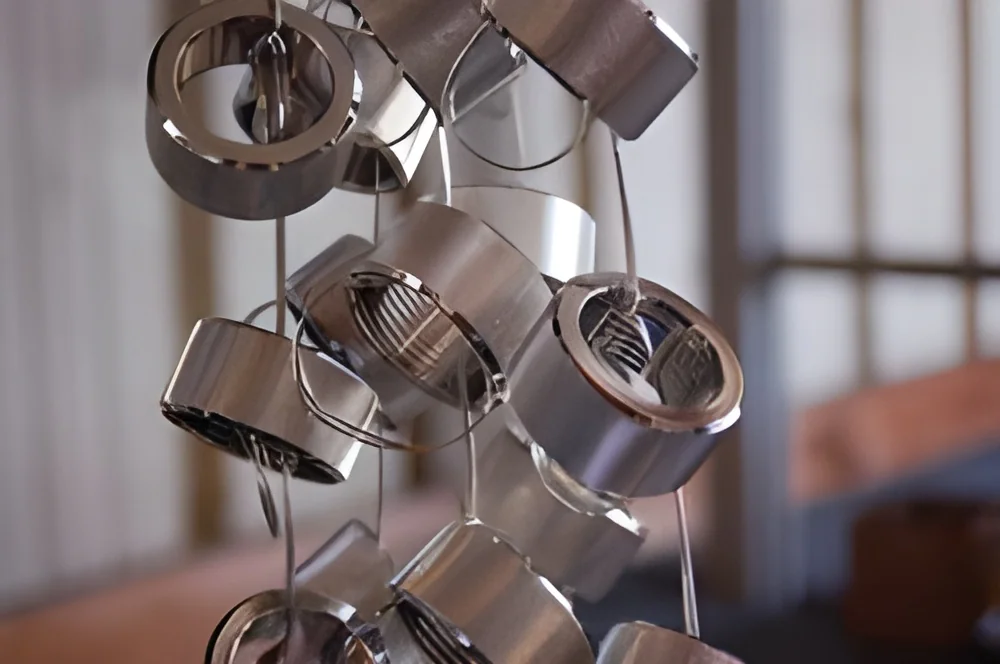
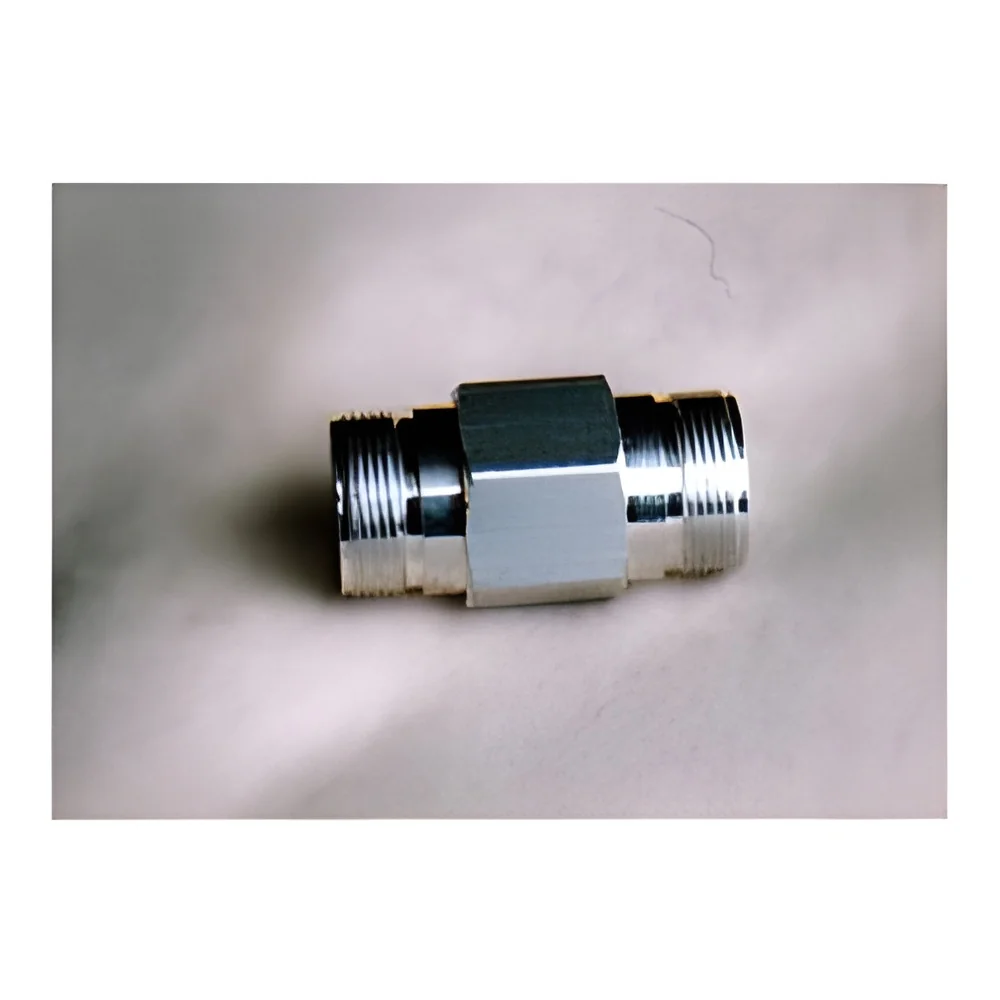
Electroless nickel plating on mild steel is an advanced autocatalytic process that deposits a high-performance, uniform metallic coating without using electrical current. This innovative method ensures exceptional adhesion and consistent coverage across all surfaces, including complex geometries, blind holes, and internal passages that are challenging for traditional electroplating. The process builds a robust, protective nickel-phosphorus alloy layer that fundamentally enhances the base material's properties. It is suitable for various metals including plain carbon steel, high alloy steels, aluminum, and copper alloys. This versatility, combined with precise thickness control from a few microns to over 100 microns, makes it an indispensable solution for demanding industrial applications where part reliability and long-term performance are non-negotiable.

This advanced plating technology serves critical roles across numerous high-stakes industries. The automotive and transportation se...
Electroless nickel plating on mild steel is an advanced autocatalytic process that deposits a high-performance, uniform metallic coating without using electrical current. This innovative method ensures exceptional adhesion and consistent coverage across all surfaces, including complex geometries, blind holes, and internal passages that are challenging for traditional electroplating. The process builds a robust, protective nickel-phosphorus alloy layer that fundamentally enhances the base material's properties. It is suitable for various metals including plain carbon steel, high alloy steels, aluminum, and copper alloys. This versatility, combined with precise thickness control from a few microns to over 100 microns, makes it an indispensable solution for demanding industrial applications where part reliability and long-term performance are non-negotiable.

This advanced plating technology serves critical roles across numerous high-stakes industries. The automotive and transportation sector utilizes it for engine components, transmission parts, fuel system elements, and brake components where superior wear resistance and corrosion protection are paramount for safety and longevity. Aerospace manufacturers rely on electroless nickel plating for critical fasteners, landing gear components, turbine parts, and hydraulic system pieces that must withstand extreme pressures, temperatures, and environmental conditions. In industrial manufacturing, it protects valves, pump bodies, hydraulic cylinders, and compressor parts that operate in aggressive chemical and abrasive environments. The electronics industry benefits from its consistent application on connectors, enclosures, and heat sinks for reliable conductivity and protection. The oil and gas, chemical processing, and marine industries also specify it for components exposed to saline, acidic, or high-humidity conditions.

Choosing electroless nickel plating delivers significant business value through enhanced component reliability, reduced lifecycle costs, and minimized operational downtime. The process provides consistent, predictable results batch after batch, ensuring quality assurance for mission-critical applications. A key differentiator is the elimination of hydrogen embrittlement risk, which preserves the structural integrity and tensile strength of high-strength steel components. The coating's inherent uniformity eliminates the need for post-plating machining, saving time and cost. This reliability translates directly into fewer in-service failures, reduced maintenance intervals, and lower total cost of ownership, offering a clear return on investment for procurement teams and engineers who prioritize durable performance and supply chain stability over initial price considerations.

Key Features:
- Uniform coating thickness on all surfaces, including complex geometries and internal passages
- Excellent adhesion to substrate materials without flaking, peeling, or blistering
- High corrosion resistance against chemicals, salts, acids, and environmental factors
- Superior wear resistance with consistent hardness throughout the coating layer
- Low coefficient of friction for smooth operation, reduced galling, and lower energy consumption

Benefits:
- Extends component service life and reduces frequency of replacement
- Minimizes maintenance costs and unplanned downtime in operations
- Provides reliable performance in harsh and corrosive operating environments
- Ensures consistent quality and repeatability for high-volume production runs
- Eliminates hydrogen embrittlement, protecting the base metal's mechanical properties
Specifications
| Additional Information | |
|---|---|
| Country of Origin | India |
Application
Electroless nickel plating is a critical surface treatment for components requiring exceptional durability and chemical resistance. It is widely used in automotive, aerospace, and industrial manufacturing for both functional performance and protective finishes. The process guarantees uniform coating thickness even on complex part geometries, making it perfect for intricate components and internal passages that traditional plating cannot reliably cover.
Industries depend on this plating to extend part life and minimize maintenance expenses. It delivers consistent performance in aggressive environments, from chemical exposure to high-wear scenarios. The solution offers precise thickness control and can be tailored to meet specific operational demands across various sectors, ensuring components perform reliably under stress.
- Hydraulic cylinders, pistons, and rods in construction and agricultural machinery
- Fasteners, connectors, and engine components in automotive and aerospace assemblies
- Valve bodies, pump housings, and impellers in chemical and fluid handling systems
- Electronic enclosures, heat sinks, and connectors requiring EMI shielding and corrosion protection
- Molds, dies, and tooling for plastic injection and metal forming to improve release and wear life
Trade Details
| Available Stock | In Stock |
| Sample Availability | No |
Payment Terms
| Payment Terms |
|
Company Profile
A. K. Finishing Technologies, Tamil Nadu
 Tamil Nadu, India
Tamil Nadu, IndiaConstruction•Manufacturer•Distributor / Wholesaler•Importer / Exporter
Factory Details
Factory SizeBelow 1000 sqm
Annual Production Capacity0
Electroless Nickel Plating For Corrosion And Wear Resistance
Electroless nickel plating provides superior corrosion and wear resistance for mild steel, carbon steel, aluminum, and copper alloys without electricity. Trusted for reliability across demanding industrial applications.
Min. Order Quantity: 1 unit
Shipping
Shipping fee and delivery date to be negotiated. Contact supplier now for more details.
A. K. Finishing Technologies
 Tamil Nadu, India
Tamil Nadu, IndiaConstructionManufacturer