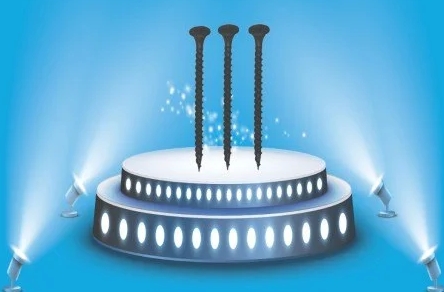
Key Features and Specifications
Screws (Wood, Metal, Drywall) come with a variety of features and specifications that cater to industrial needs. Understanding these specifications is crucial for selecting the right screw for various applications.
Key specifications include:
1. Material Composition
- Made from steel, stainless steel, or other alloys
- Varies based on resistance to corrosion and strength
2. Thread Type
- Coarse threads for wood applications
- Fine threads for metal applications
3. Length
- Ranges from short screws (1 inch) to long screws (up to 6 inches)
- Length selection depends on material thickness
4. Diameter
- Common diameters range from #4 to #14
- Diameter affects load-bearing capacity
5. Head Type
- Options include flat, pan, oval, and hex heads
- Head type influences drive style and aesthetic
6. Finish
- Options include zinc plating, black oxide, and painted finishes
- Finishes enhance corrosion resistance and appearance
7. Drive Style
- Common styles include Phillips, slotted, and Torx
- Drive style impacts ease of use and tool compatibility
8. Point Style
- Options include sharp point and drill point
- Point style affects penetration into materials
In summary, selecting screws requires careful consideration of these specifications to ensure optimal performance in various applications.
Common Applications and Use Cases
Screws find applications in a wide range of industries, each with specific use cases.
1. Construction: Used for framing, roofing, and securing structural components, screws are vital in building projects.
2. Furniture Manufacturing: Wood screws are commonly used in assembling furniture, providing strong joints and stability.
3. Automotive: Metal screws are used in vehicle assembly for fastening parts, ensuring durability under stress.
4. Electrical: Screws play a crucial role in securing electrical fixtures and components, enhancing safety and reliability.
5. HVAC: In heating, ventilation, and air conditioning systems, screws are used to secure ducts and equipment.
6. Appliance Manufacturing: Screws are critical in the production of household appliances, ensuring parts are securely fastened.
7. Drywall Installation: Drywall screws are specifically designed for attaching drywall sheets to wooden or metal studs.
Product Variants and Subcategories
Screws (Wood, Metal, Drywall) are available in various variants, each tailored to specific applications and material types.
Wood Screws
Wood screws are designed with coarse threads that provide excellent grip in wooden materials. They often feature a sharp point for easy penetration and are used in furniture assembly and construction projects.
Metal Screws
Metal screws are engineered with fine threads for secure fastening in metal applications. They are commonly used in automotive and machinery manufacturing, where strength and durability are essential.
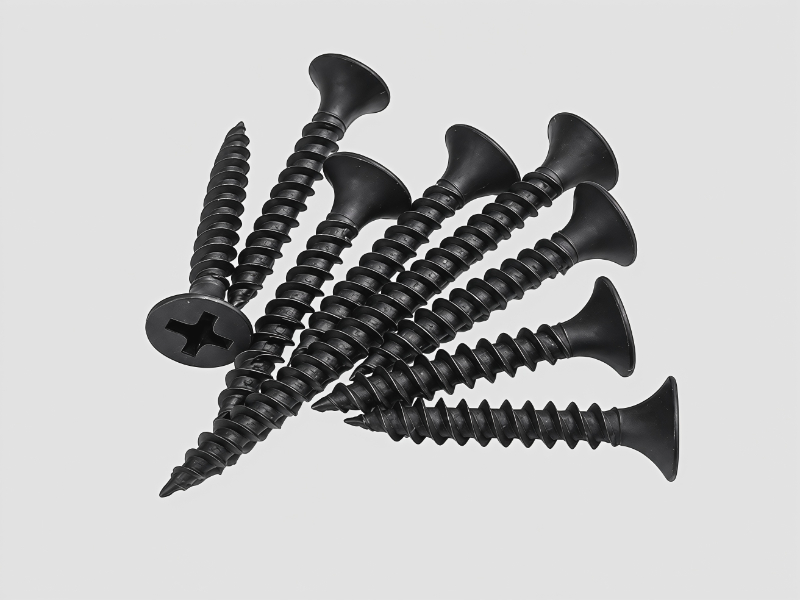
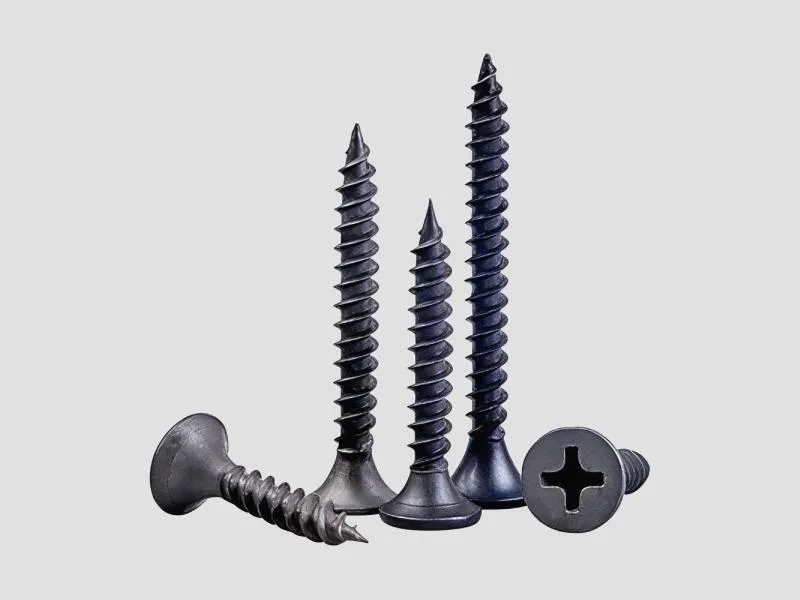
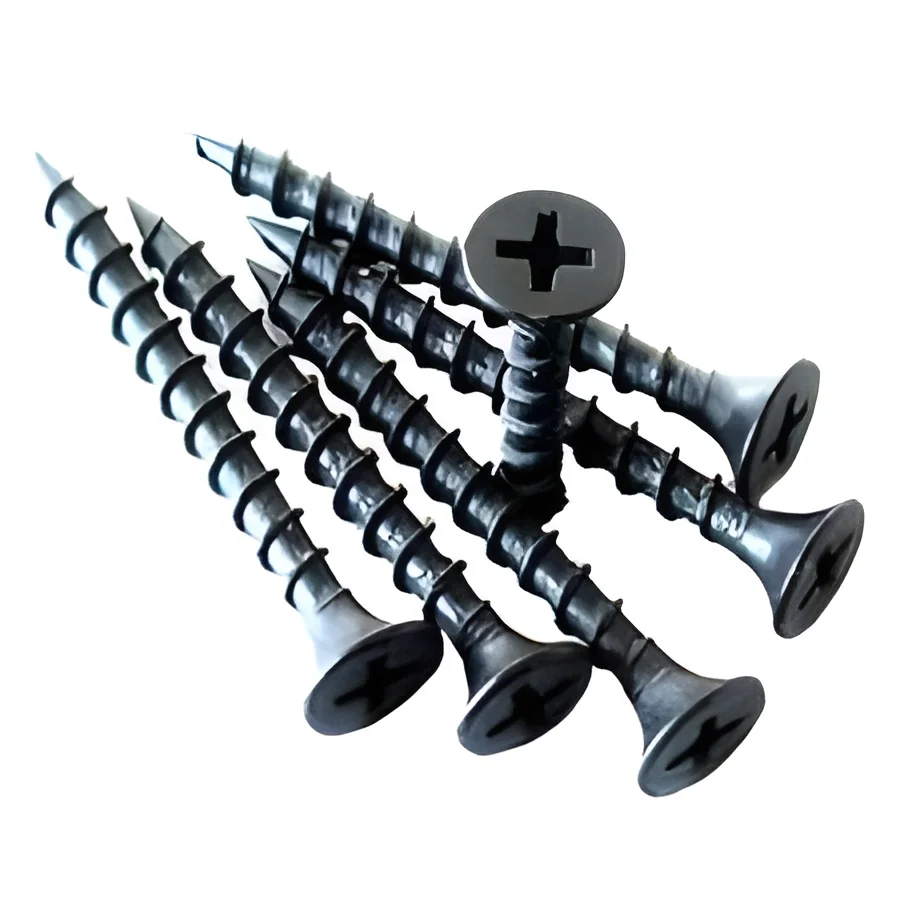
Drywall Screws
Drywall screws are specifically designed for attaching drywall to studs. They feature a bugle head and fine threads that prevent tearing of the drywall material, making them ideal for construction and renovation projects.
Benefits and Advantages
Screws offer numerous benefits that enhance their utility in various applications.
1. Strong Connections: Screws provide a reliable and robust fastening solution, ensuring components remain securely joined.
2. Versatility: Available in various materials and designs, screws can be used across multiple industries and applications.
3. Easy Installation: Screws can be easily driven into materials using standard tools, streamlining assembly processes.
4. Cost-Effective: Screws are generally affordable, making them a budget-friendly option for large-scale projects.
5. Reusability: Unlike some fasteners, screws can be removed and reused without damaging the materials, promoting sustainability.
6. Enhanced Strength: Screws offer superior tensile strength compared to other fasteners, ensuring long-lasting durability.
Buying Guide for B2B Buyers
When sourcing Screws (Wood, Metal, Drywall), several factors should be considered to make informed purchasing decisions.
1. Quality Assessment: Evaluate screws based on material quality, finish, and manufacturing standards to ensure they meet industry requirements.
2. Supplier Verification: Research potential suppliers to confirm their reliability and reputation in the market. Checking reviews and certifications can aid in this process.
3. Pricing and MOQ: Consider the cost per unit and minimum order quantity. Balance quality with budget constraints to find the best deal.
4. Delivery and Lead Times: Assess suppliers' shipping capabilities and lead times to ensure timely delivery for your projects.
5. Compliance Requirements: Ensure that the screws meet any necessary regulatory and safety standards relevant to your industry.
Compliance and Certifications
Compliance with industry standards is crucial when sourcing screws. Relevant quality standards include ISO 9001, which ensures effective quality management systems. Additionally, certifications such as CE indicate that products meet European safety and environmental requirements.
Safety and testing requirements are essential in ensuring the reliability of screws. Manufacturers should conduct rigorous testing to verify performance under various conditions. Regional compliance considerations may vary, so it is essential to understand local regulations when sourcing screws for specific markets.
Why Source Screws (Wood, Metal, Drywall) from Pepagora?
Pepagora offers a trusted platform for sourcing Screws (Wood, Metal, Drywall) with several key advantages.
Verified Supplier Network: Through a thorough vetting process, Pepagora connects buyers with suppliers who meet stringent quality and reliability standards. This network ensures that you can source screws from reputable manufacturers.
Streamlined RFQ Process: The Request for Quotation process at Pepagora is designed to be user-friendly, allowing buyers to quickly obtain competitive quotes from multiple suppliers, saving time and effort in procurement.
Trade Assurance and Support: Pepagora provides trade assurance, ensuring buyer protection throughout the sourcing process. This support includes assistance with any disputes that may arise, giving buyers peace of mind.
Regional Coverage: With a strong presence in India, the GCC, and Southeast Asia, Pepagora offers extensive regional coverage, facilitating easy access to suppliers and products across these markets. This broad reach helps buyers find the right screws for their specific needs efficiently.

 IN
IN