
 IN
Scaffold Clamps & Fittings
3 products available
What are Scaffold Clamps & Fittings?
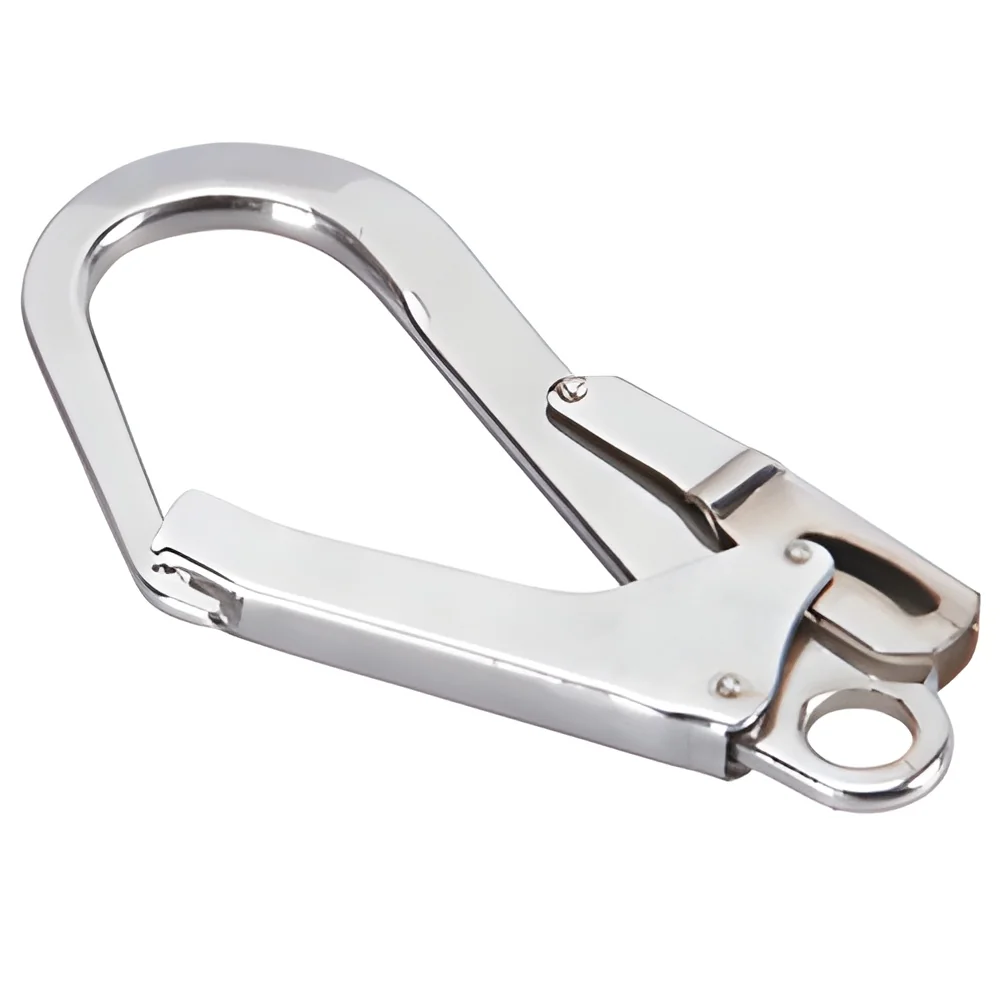
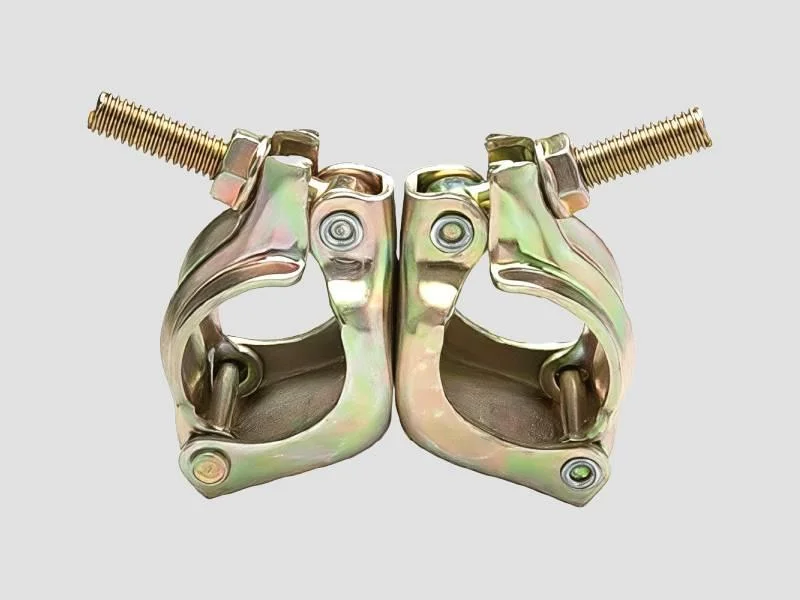
Scaffold clamps and fittings are essential hardware components used in scaffolding systems to support and connect various scaffold elements. These components ensure stability and safety while providing a platform for workers in construction and maintenance projects. Scaffold clamps attach to scaffolding tubes or pipes, holding them securely in place, while fittings connect different scaffold sections, creating a safe and reliable structure.
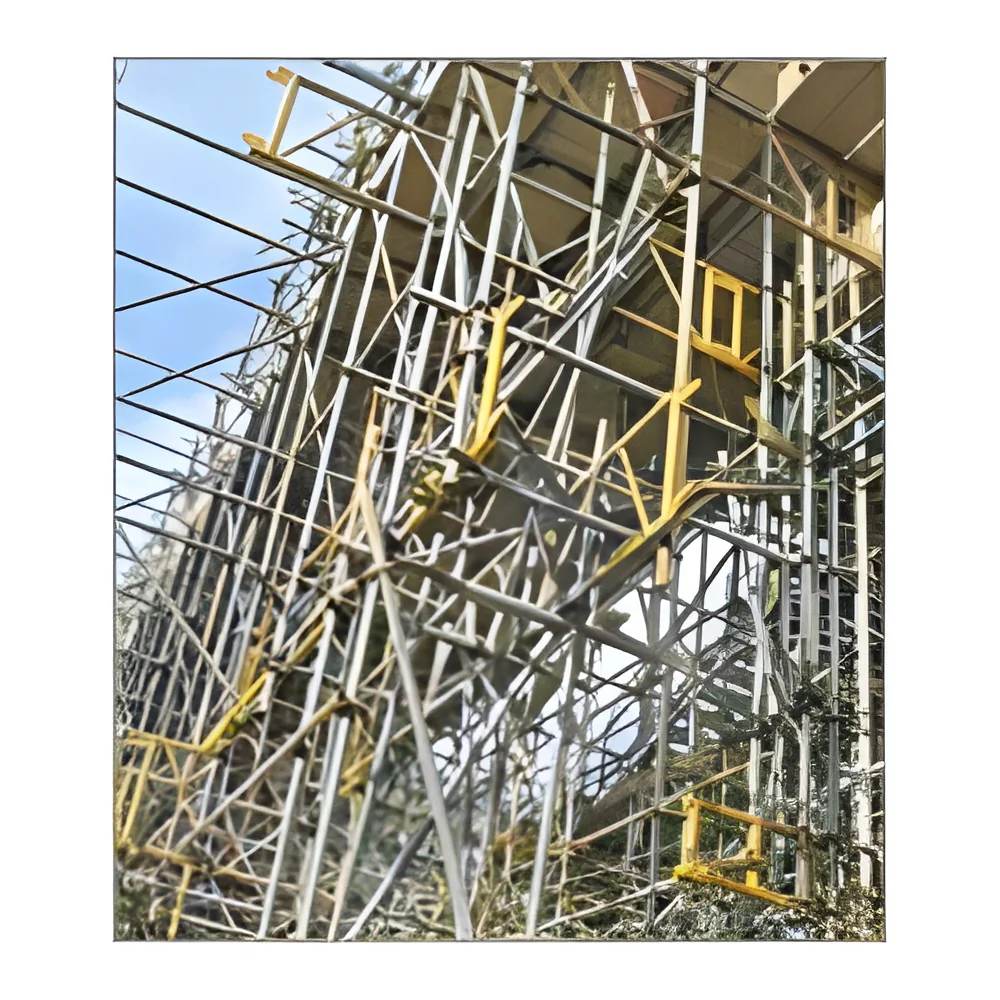
Primarily, scaffold clamps and fittings are used in construction sites, maintenance operations, and industrial settings. They play a vital role in providing safe access to elevated areas and ensuring that scaffolding systems can withstand the weight and movement of workers and materials. Businesses across various sectors, including construction, shipbuilding, and maintenance, rely on these components for their projects.
In today’s competitive market, the demand for high-quality scaffold clamps and fittings is increasing as safety regulations become more stringent. Companies are seeking reliable and durable solutions to meet these requirements. The relevance of these products is underscored by ongoing infrastructure development and maintenance needs across industries.
Key Features and Specifications
Scaffold clamps and fittings come with a range of features and specifications designed to ensure strength, durability, and ease of use. When selecting these components, it is crucial to understand their key specifications to ensure they meet project requirements.
Key specifications include:
1. Material Type
- Commonly made from steel or aluminum
- Ensures strength and corrosion resistance
2. Load Capacity
- Varies based on design and material
- Typically rated for specific weight limits
3. Size Options
- Available in various sizes to fit different scaffold tube diameters
- Ensures compatibility with existing systems
4. Finishing
- Can be galvanized or painted for increased durability
- Enhances resistance to environmental factors
5. Design Type
- Includes swivel, fixed, and corner clamps
- Provides flexibility for different scaffold configurations
6. Compliance Standards
- Must meet industry safety standards
- Ensures reliability and safety on job sites
7. Ease of Installation
- Designed for quick and easy assembly
- Reduces labor time and costs
8. Adjustment Features
- Some models allow for angle adjustments
- Enhances versatility in scaffold setup
In summary, understanding these specifications helps businesses select the right scaffold clamps and fittings for their projects, ensuring safety and efficiency.
Common Applications and Use Cases
Scaffold clamps and fittings are versatile components that find applications across multiple industries.
1. Construction: Scaffold clamps and fittings are widely used in building construction to create safe working platforms for workers and equipment at height.
2. Maintenance: Facilities management companies utilize these components for maintenance tasks, providing secure access to roofs and high structures.
3. Shipbuilding: In the shipbuilding industry, scaffold fittings support temporary structures for painting and repairs, ensuring worker safety.
4. Event Management: Temporary structures for concerts and events often use scaffold clamps to create stages and viewing platforms.
5. Oil and Gas: In the oil and gas sector, scaffolding is essential for maintenance and inspections of rigs and refineries, with clamps ensuring safety.
6. Manufacturing: Manufacturing plants use scaffold systems for equipment maintenance and installation, making clamps vital for access.
7. Telecommunications: These components are used to support scaffolding for installing and maintaining communication towers.
Product Variants and Subcategories
Scaffold clamps and fittings come in various designs to address specific needs and applications.
Swivel Clamps
Swivel clamps allow for angle adjustments, which makes them ideal for creating complex scaffold configurations. Their flexibility is particularly useful in construction projects with varied height and width requirements.
Fixed Clamps
Fixed clamps provide a secure connection between scaffold tubes at a fixed angle. They are essential for creating stable and straight scaffold structures, making them popular in many construction applications.
Corner Clamps
Corner clamps enable the construction of right angles in scaffolding frameworks. These are particularly useful in creating square or rectangular scaffold setups, ensuring stability and safety.
Benefits and Advantages
Investing in scaffold clamps and fittings offers numerous benefits for businesses involved in construction and maintenance.
1. Enhanced Safety: Quality clamps and fittings ensure a secure scaffold structure, reducing the risk of accidents and injuries.
2. Increased Durability: High-quality materials resist corrosion and wear, extending the lifespan of scaffold systems and reducing replacement costs.
3. Cost-Effective Solutions: Efficient installation and versatility reduce labor costs, making scaffold clamps and fittings a cost-effective choice.
4. Regulatory Compliance: Sourcing compliant products ensures adherence to safety standards, protecting businesses from potential liabilities.
5. Versatility: A range of designs and sizes allows for diverse applications, catering to various project requirements.
6. Quick Installation: Easy-to-use clamps and fittings facilitate faster assembly and disassembly of scaffolding, improving project timelines.
Buying Guide for B2B Buyers
When sourcing scaffold clamps and fittings, businesses should consider several critical factors to ensure they make informed purchasing decisions.
1. Quality Assessment: Evaluate the material and construction of the clamps and fittings to ensure they meet industry standards for safety and durability.
2. Supplier Verification: Research and vet potential suppliers to confirm their credibility, reputation, and compliance with relevant regulations.
3. Pricing and MOQ: Understand the pricing structure and minimum order quantities to align with budget constraints and project needs.
4. Delivery and Lead Times: Consider logistics and delivery timelines to avoid project delays, ensuring that products arrive on time.
5. Compliance Requirements: Verify that the products meet local and international safety and quality standards to ensure regulatory compliance.
Compliance and Certifications
Scaffold clamps and fittings must adhere to various compliance and quality standards to ensure safety and reliability in use. ISO 9001 is a key standard that emphasizes quality management systems, ensuring that products are manufactured consistently to high standards.
Additionally, CE certification is essential in Europe as it signifies that the product meets safety, health, and environmental protection standards. This certification is crucial for companies looking to operate in regions with stringent regulatory requirements.
Safety and testing requirements include assessments for load capacity and structural integrity. Companies must ensure that their products undergo rigorous testing to confirm they can withstand the demands of various applications.
Regional compliance considerations may also apply, depending on the location of use. It is vital for businesses to stay informed about local regulations that govern the use of scaffolding components.
Why Source Scaffold Clamps & Fittings from Pepagora?
Pepagora provides a trusted platform for sourcing scaffold clamps and fittings, offering several key advantages to B2B buyers.
Verified Supplier Network: Pepagora connects buyers with a vetted network of suppliers who meet stringent quality and safety standards. This ensures that businesses are sourcing reliable products.
Streamlined RFQ Process: The platform features an efficient request for quotation process, simplifying the procurement process for buyers while enabling competitive pricing.
Trade Assurance and Support: With trade assurance programs, Pepagora protects buyers from potential risks associated with online transactions, fostering trust and confidence.
Regional Coverage: Pepagora serves a diverse geographic market, including India, the GCC, and Southeast Asia, making it easier for businesses to find local suppliers and meet their needs effectively.

Frequently Asked Questions
What are Scaffold Clamps & Fittings?
Scaffold clamps and fittings are essential components used in scaffolding systems to connect various scaffolding components securely. They ensure stability and safety during construction and maintenance work by holding pipes and tubes together.
What are the different types of Scaffold Clamps & Fittings?
There are several types of scaffold clamps and fittings, including right-angle clamps, swivel clamps, and putlog clamps. Each type serves a specific purpose, such as connecting horizontal and vertical members or enabling adjustments in angle.
How do I choose the right Scaffold Clamps & Fittings?
When selecting scaffold clamps and fittings, consider factors such as the type of scaffolding system being used, load capacity, and environmental conditions. It is also important to ensure compatibility with existing scaffolding components.
What are the standard specifications for Scaffold Clamps & Fittings?
Standard specifications for scaffold clamps and fittings typically include material composition, load capacity, and compliance with safety regulations. Common materials include steel and aluminum, which provide durability and strength.
What is the price range for Scaffold Clamps & Fittings?
The price range for scaffold clamps and fittings can vary widely depending on the type, material, and supplier. Generally, prices can start from a few hundred rupees and can go up to several thousand rupees per unit.
What quality standards apply to Scaffold Clamps & Fittings?
Scaffold clamps and fittings must adhere to various quality standards, including those set by organizations like the Bureau of Indian Standards (BIS) and international standards such as EN 74. These standards ensure safety, reliability, and performance.
Where can I find Scaffold Clamps & Fittings suppliers in India?
You can find scaffold clamps and fittings suppliers in India through online B2B marketplaces like Pepagora, trade shows, and industry directories. It is beneficial to compare multiple suppliers to find the best options.
Can Scaffold Clamps & Fittings be customized?
Yes, many manufacturers offer customization options for scaffold clamps and fittings to meet specific requirements. Customizations may include variations in size, material, and design based on project needs.
What is the typical minimum order quantity for Scaffold Clamps & Fittings?
The typical minimum order quantity (MOQ) for scaffold clamps and fittings varies by supplier but usually ranges from 50 to 100 units. It's advisable to confirm the MOQ with the supplier before placing an order.
What is the typical lead time for Scaffold Clamps & Fittings?
The typical lead time for scaffold clamps and fittings can range from a few days to several weeks, depending on the supplier’s inventory and the complexity of the order. Always check with the supplier for estimated delivery times.
Why Businesses Trust Pepagora
Thousands of companies trust Pepagora to source smarter and sell faster
Expand Your Sales Globally

Source Smarter,Grow Faster
