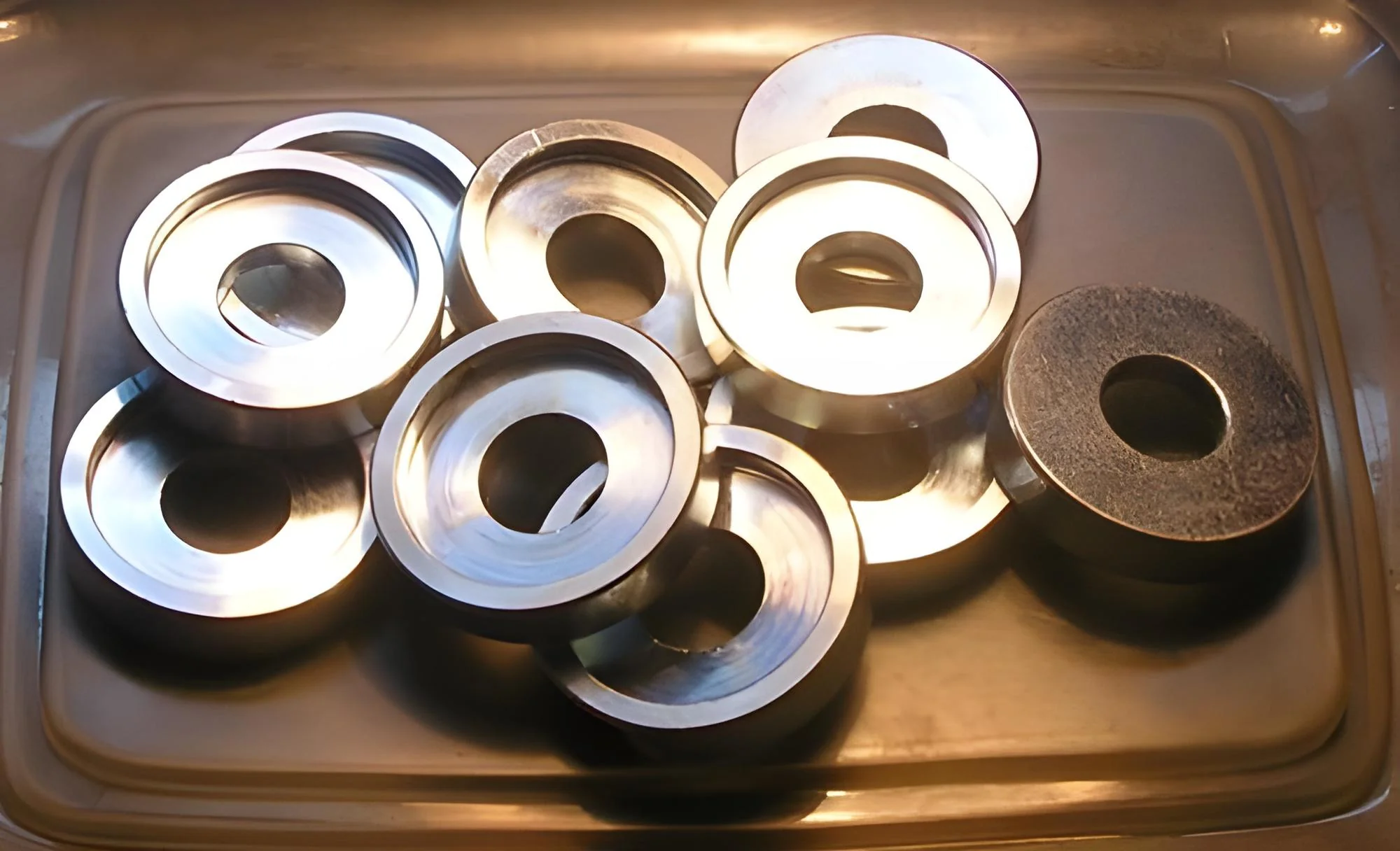
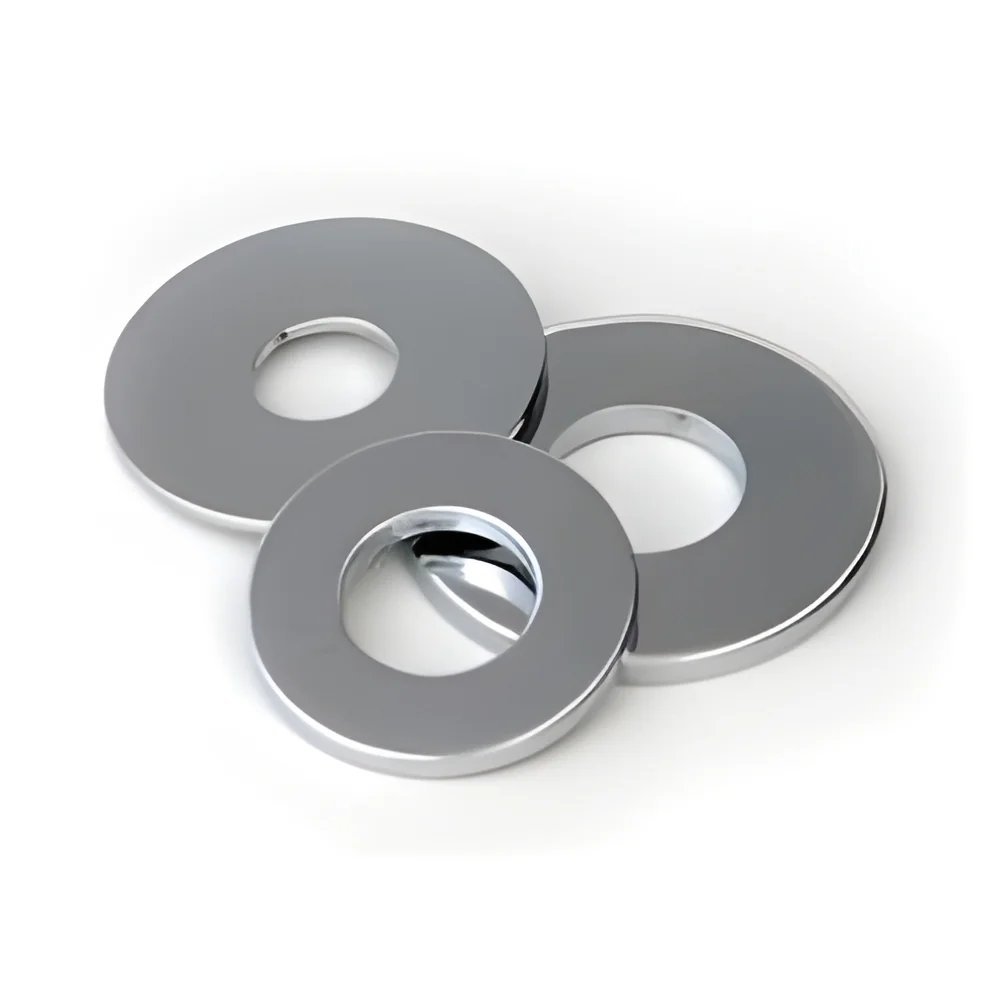
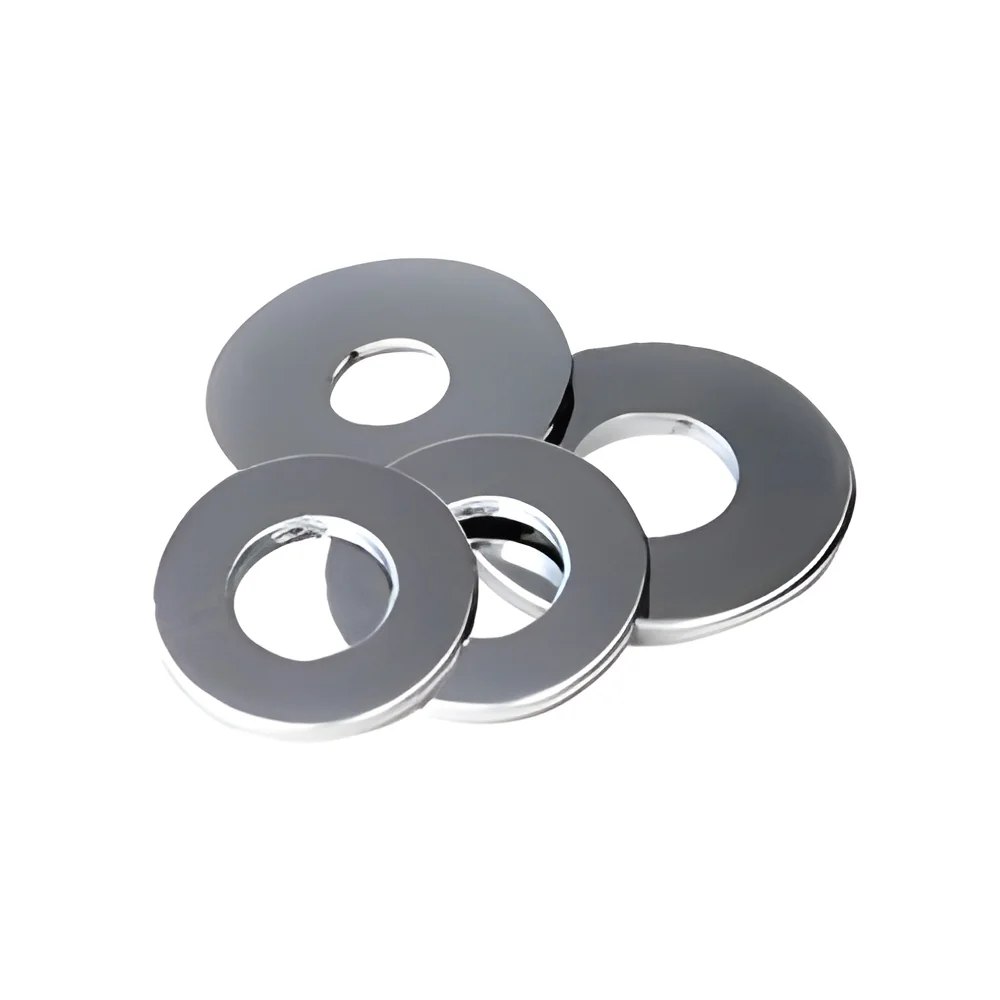
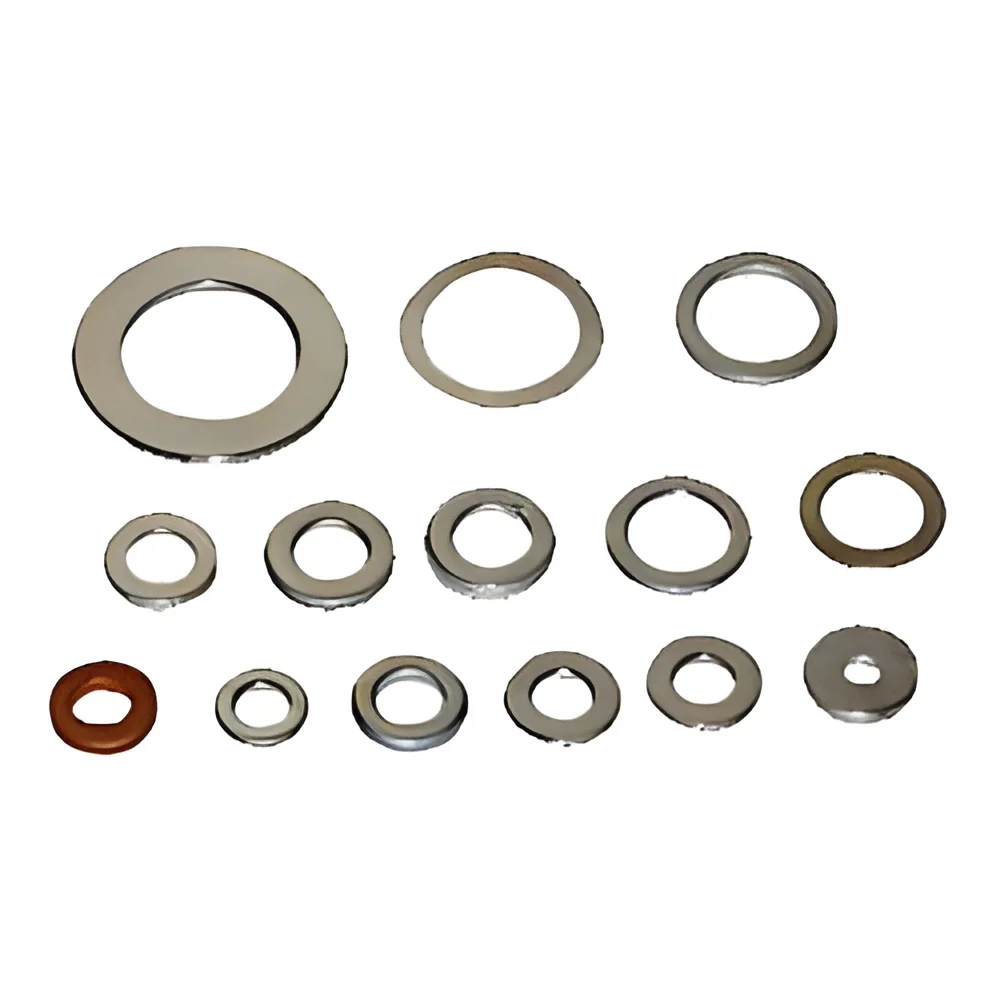
What are Washers?
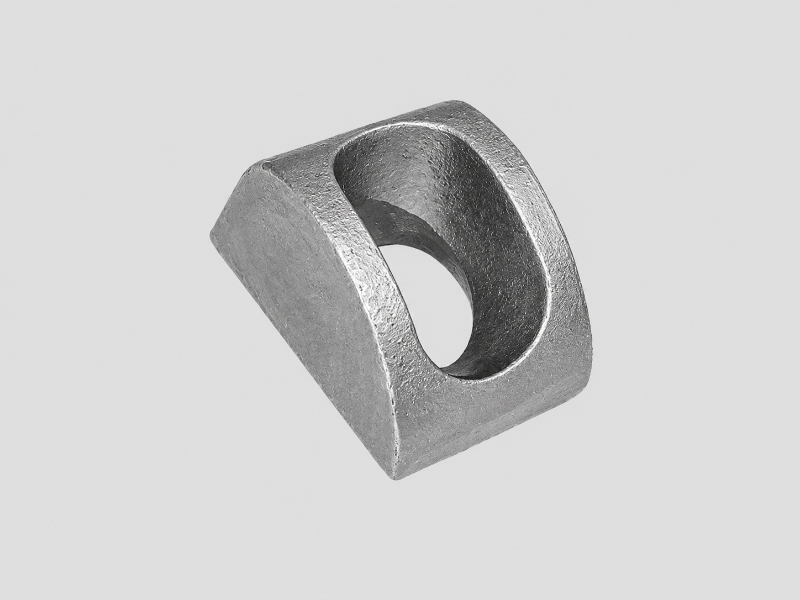
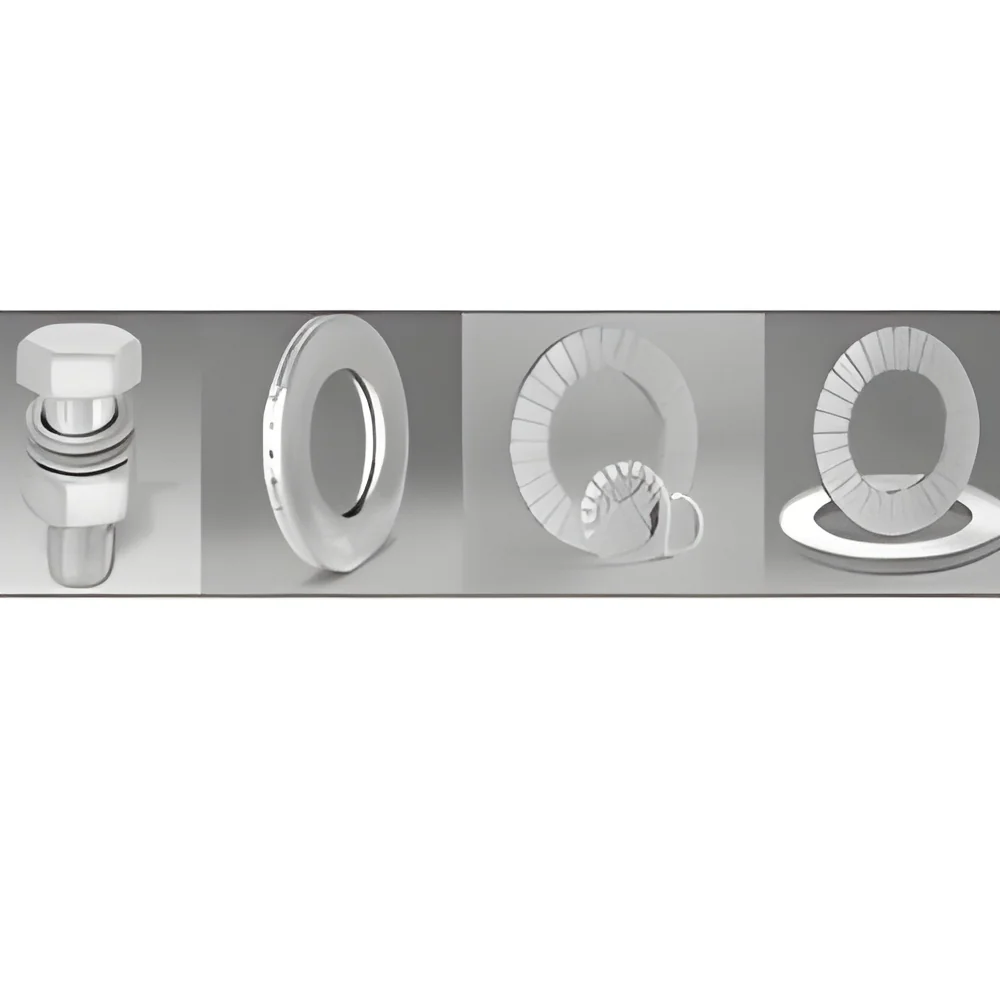
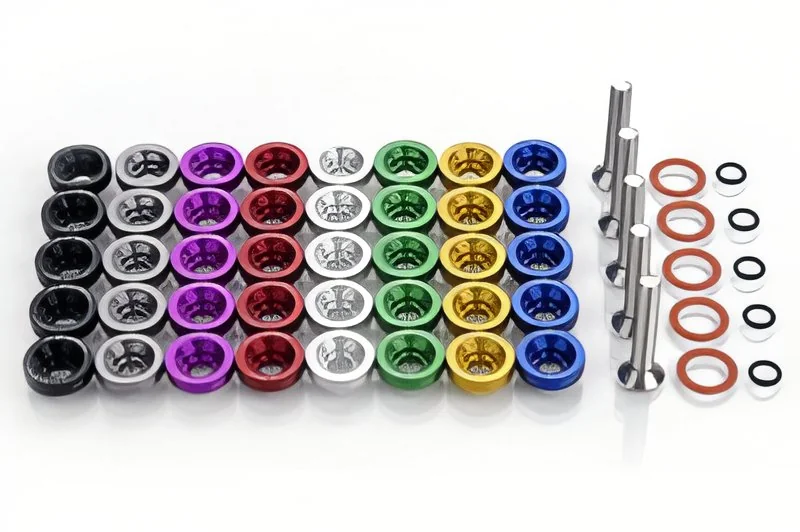
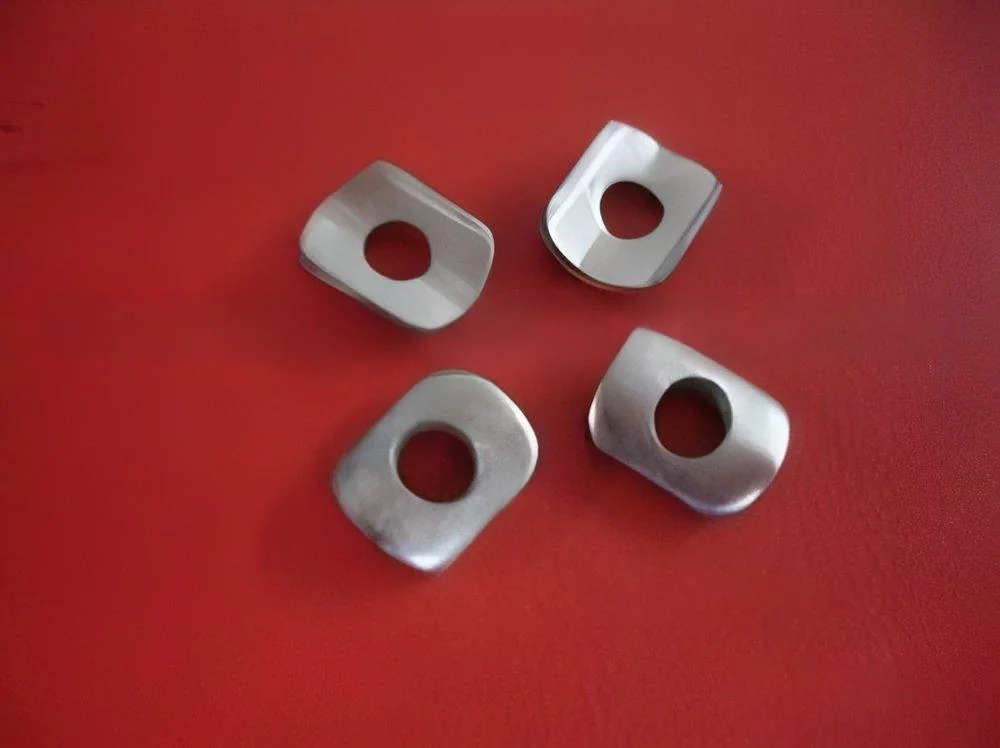
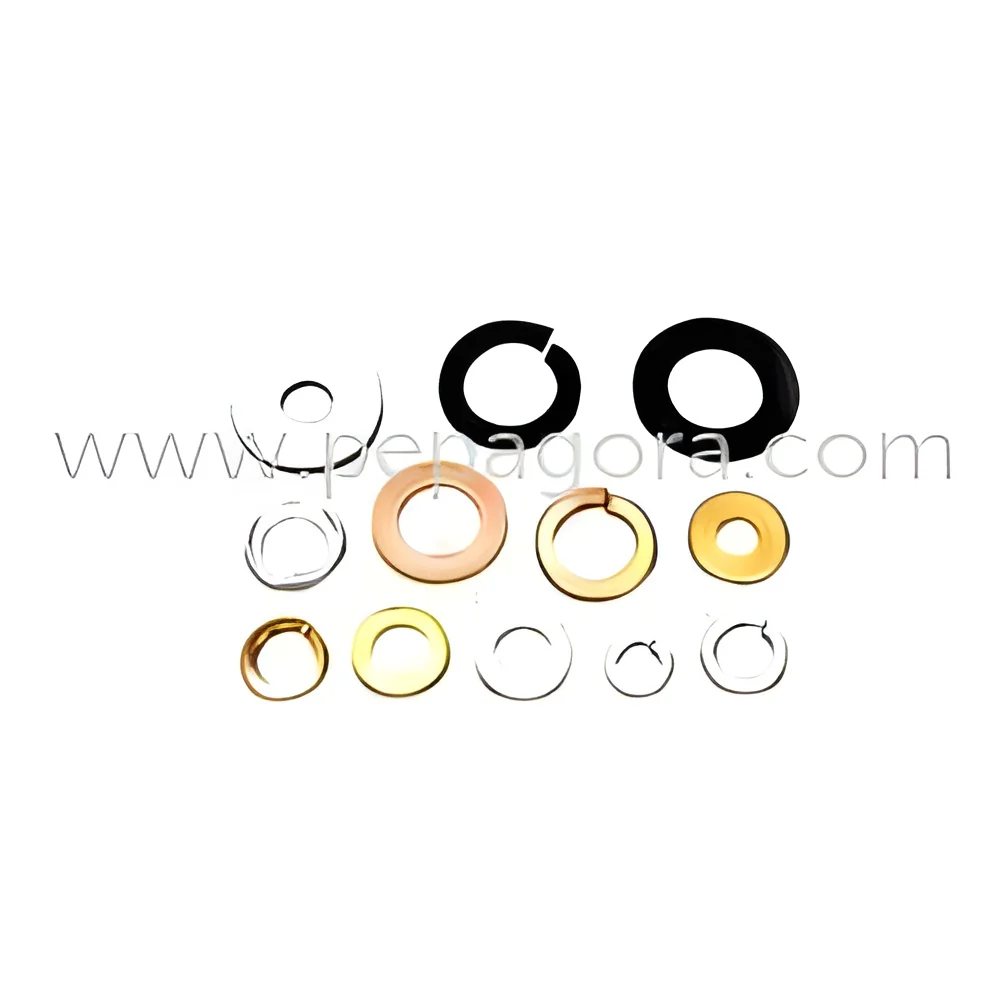
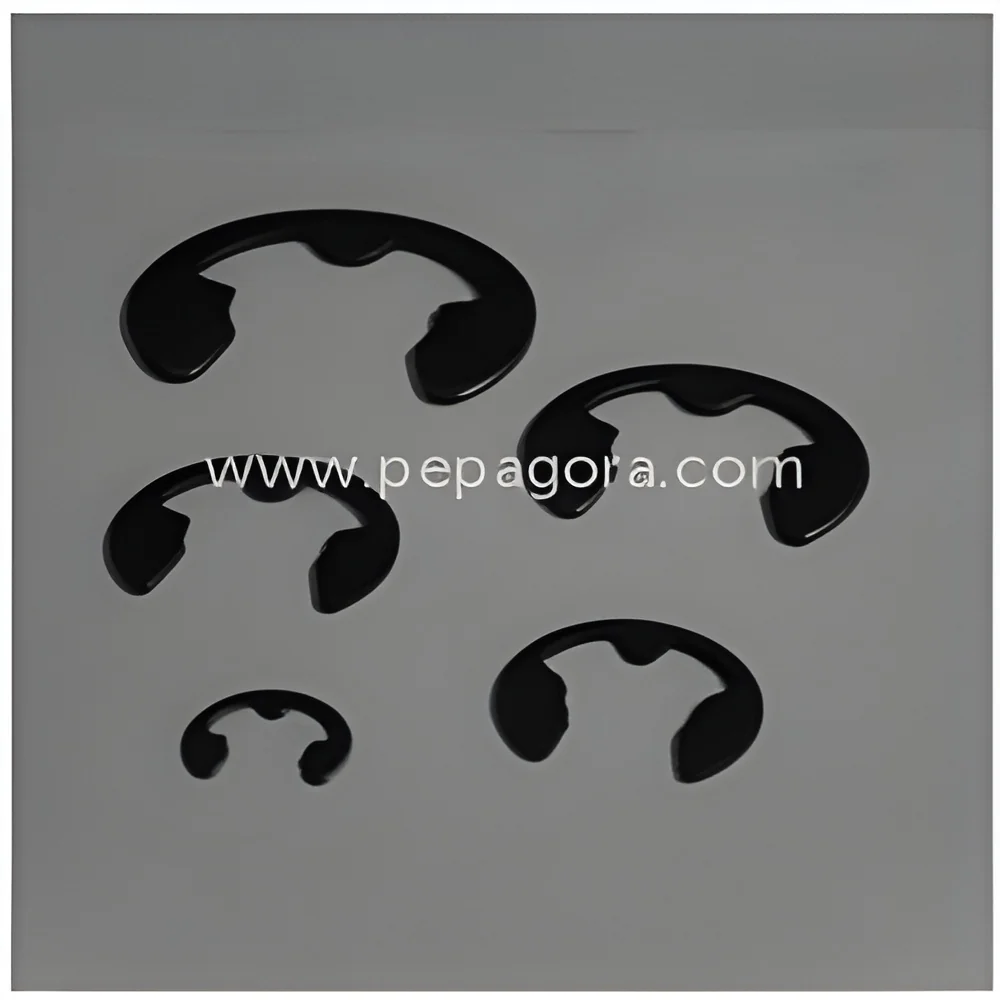
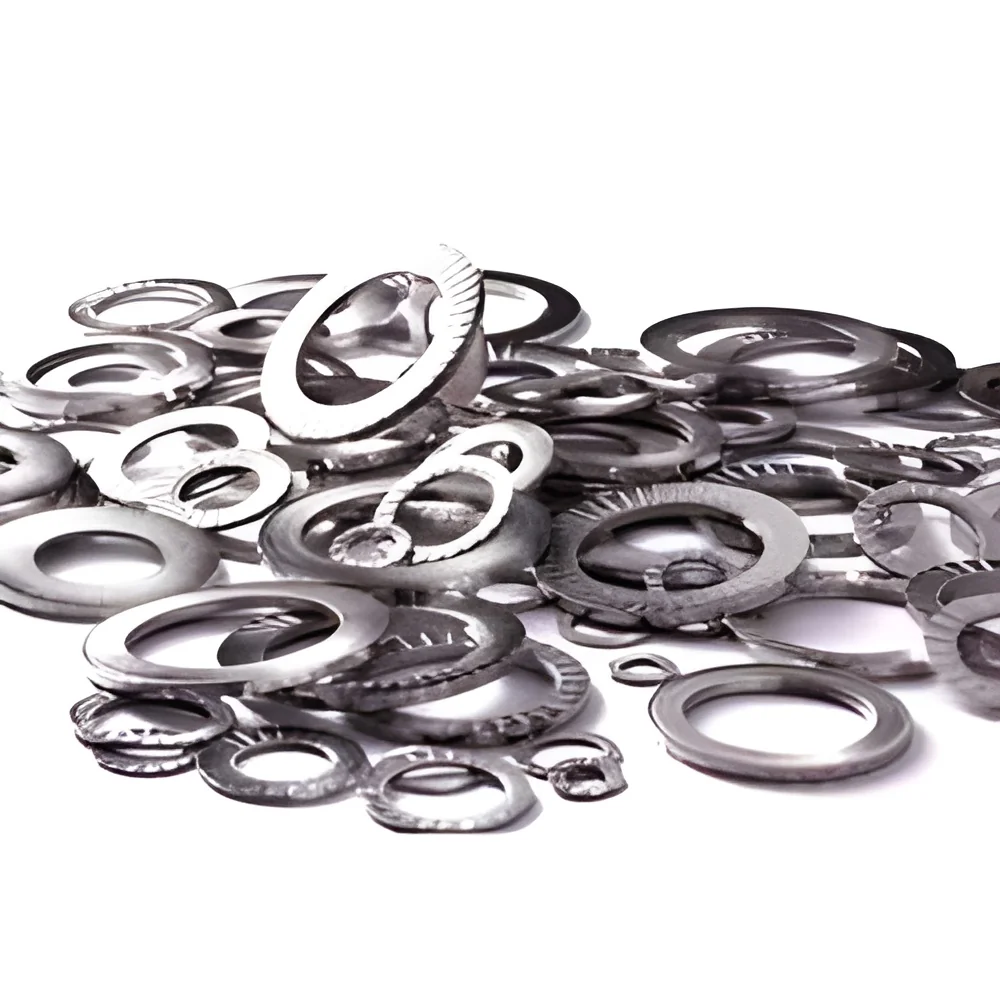
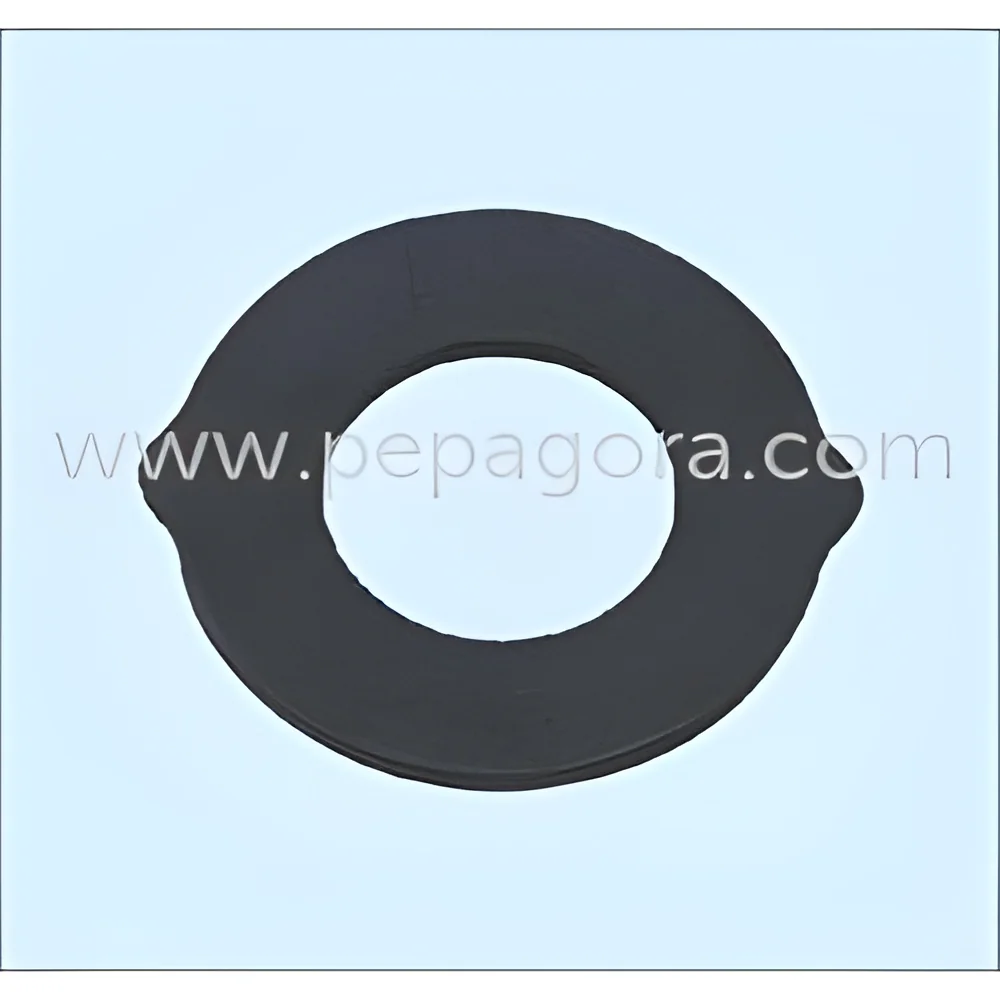
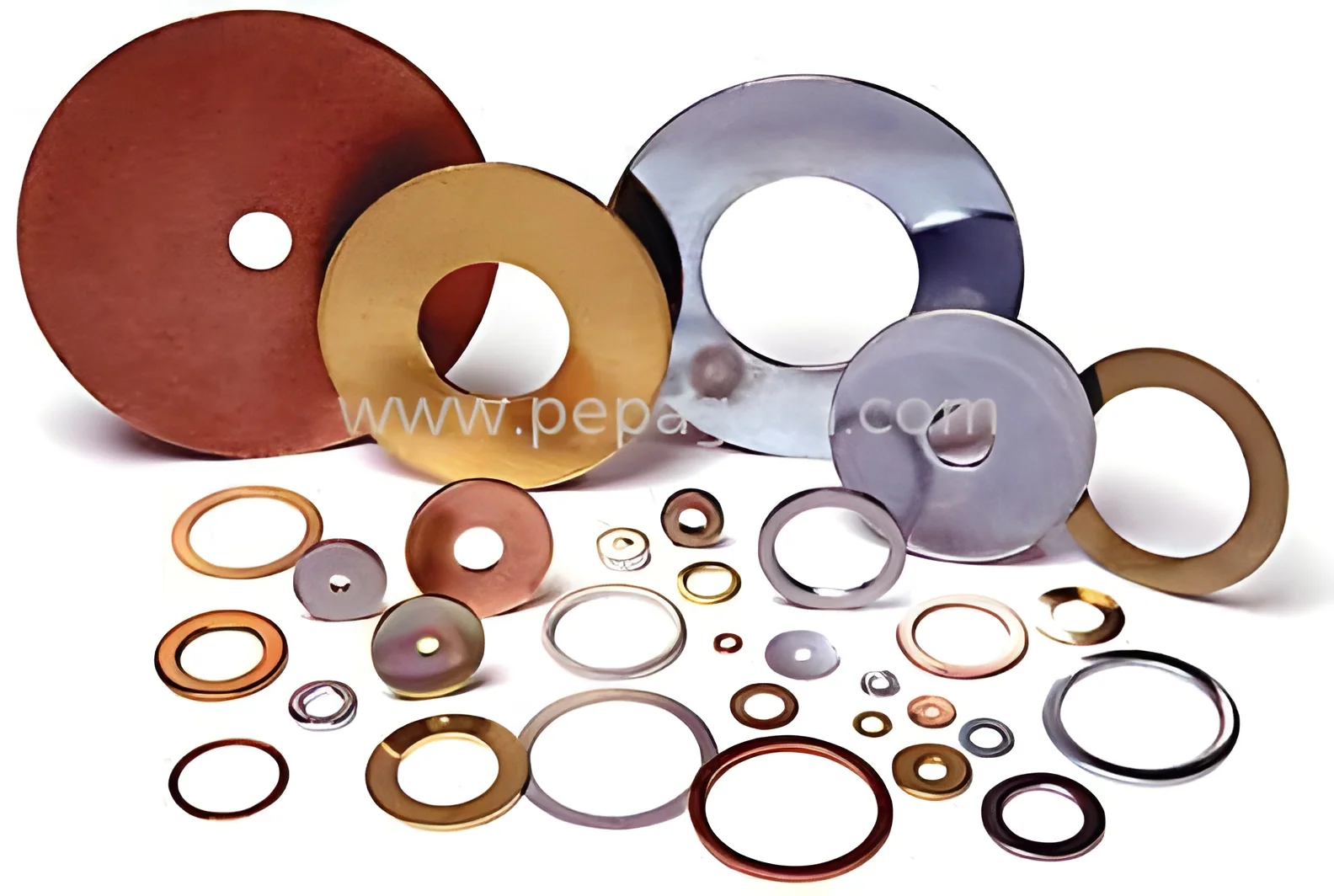
Washers are essential components used in various fastening applications to provide a stable surface for bolts, nuts, and screws. They act as spacers to distribute loads, prevent surface damage, and reduce friction in mechanical assemblies. Washers come in different shapes, sizes, and materials, making them versatile for numerous industrial uses. Their fundamental purpose is to enhance the performance and reliability of connections in machinery and structures.
In the realm of business applications, washers are widely employed across various industries, including construction, manufacturing, automotive, and aerospace. They play a critical role in ensuring the integrity of assemblies by preventing loosening due to vibration and thermal expansion. Additionally, washers are integral to improving sealing capabilities in hydraulic and pneumatic systems. Their relevance in the market is underscored by the continuous demand for reliable fastening solutions, driving innovations in materials and designs to meet evolving industry standards.
Key Features and Specifications
Washers feature a variety of specifications that cater to different industrial needs. Understanding these specifications is crucial for selecting the right washer for specific applications.
Key specifications include:
1. Material Type
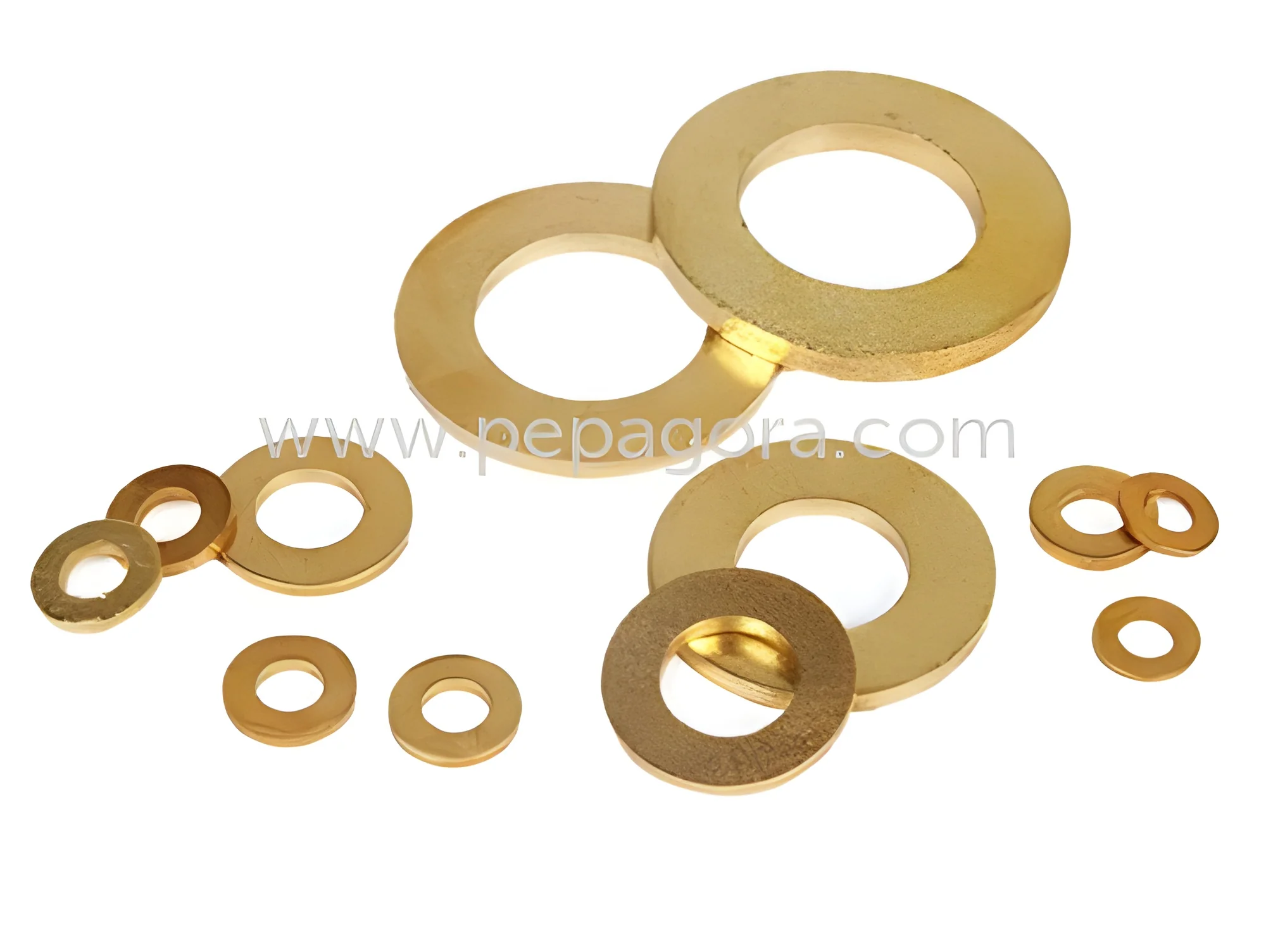
- Common materials include steel, stainless steel, rubber, and plastic.
- Each material has unique properties suited for specific environments.
2. Size and Diameter
- Washers come in a range of diameters, typically from a few millimeters to several centimeters.
- Proper sizing ensures compatibility with the fasteners used.
3. Thickness
- Thickness can vary widely, affecting load distribution and performance.
- Standard thickness ranges from 0.5 mm to several millimeters.
4. Finish
- Available finishes include plain, zinc-plated, and coated options.
- Finishing enhances corrosion resistance and aesthetic appeal.
5. Load Rating
- Defined by the washer's material and design, load ratings indicate their capacity to withstand pressure.
- Load ratings are essential for safety in high-stress applications.
6. Compliance Standards
- Many washers meet industry standards such as ISO or ASTM.
- Compliance ensures reliability and performance in various applications.
7. Temperature Resistance
- Washers can be designed to withstand specific temperature ranges.
- This is critical for applications involving high heat or cold environments.
8. Customization Options
- Custom designs are available to meet specific project requirements.
- Tailored solutions can address unique challenges in fastening.
In summary, understanding the key features and specifications of washers is vital for making informed purchasing decisions. Each specification contributes to the washer's overall performance and suitability for various applications.
Common Applications and Use Cases
Washers are utilized across a wide spectrum of industries, showcasing their versatility and importance.
1. Construction: In the construction industry, washers are employed to secure bolts and nuts in structural assemblies, ensuring stability and safety in buildings and bridges.
2. Manufacturing: Washers play a crucial role in the manufacturing sector by providing load distribution in machinery and equipment, preventing wear and tear.
3. Automotive: In automotive applications, washers are used in engine assemblies and suspension systems, contributing to vehicle safety and performance.
4. Aerospace: Aerospace applications require high-performance washers that can withstand extreme conditions, ensuring reliability in aircraft components.
5. Electrical: Washers are used in electrical panels to secure components and provide insulation, enhancing safety and functionality.
6. Marine: In marine applications, corrosion-resistant washers are essential for securing fittings and components exposed to harsh environments.
7. HVAC: Washers are utilized in heating, ventilation, and air conditioning systems to ensure airtight seals and prevent leaks.
Product Variants and Subcategories
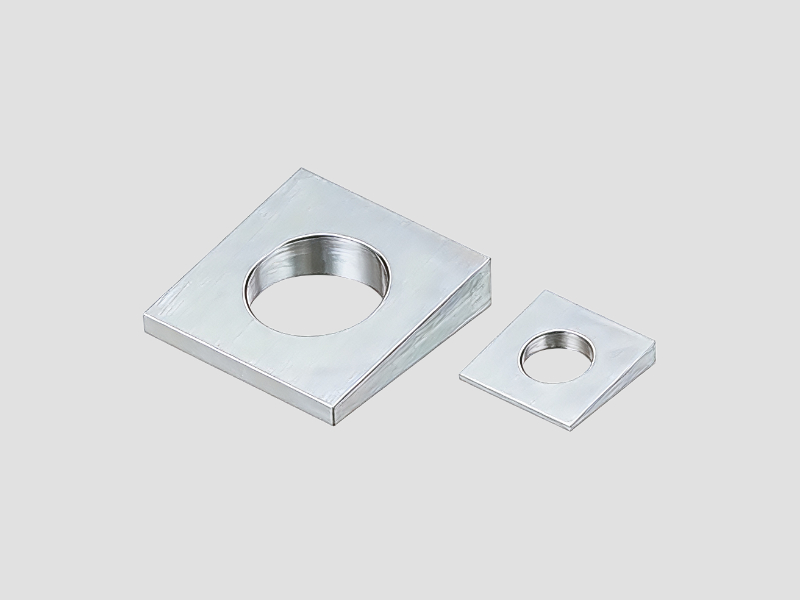
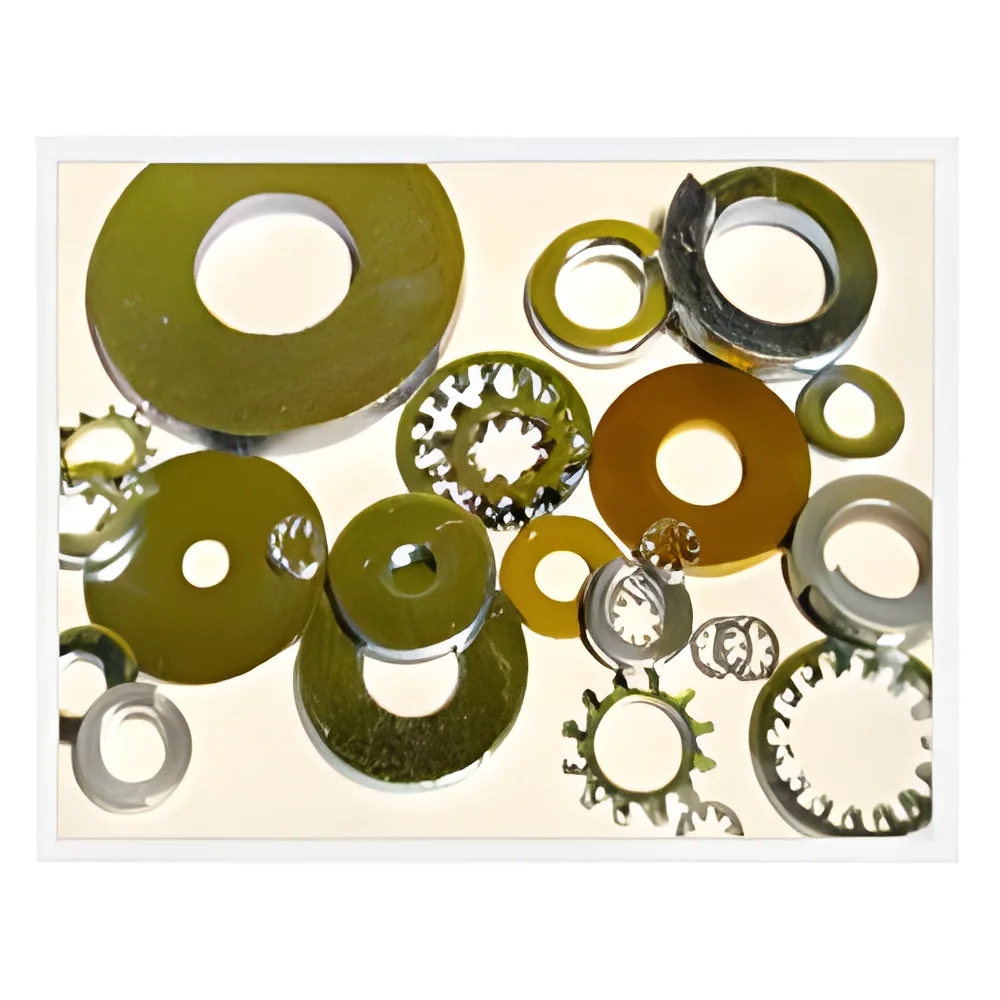
Washers come in various forms, each designed for specific applications and requirements. This diversity allows businesses to select the most suitable option for their needs.
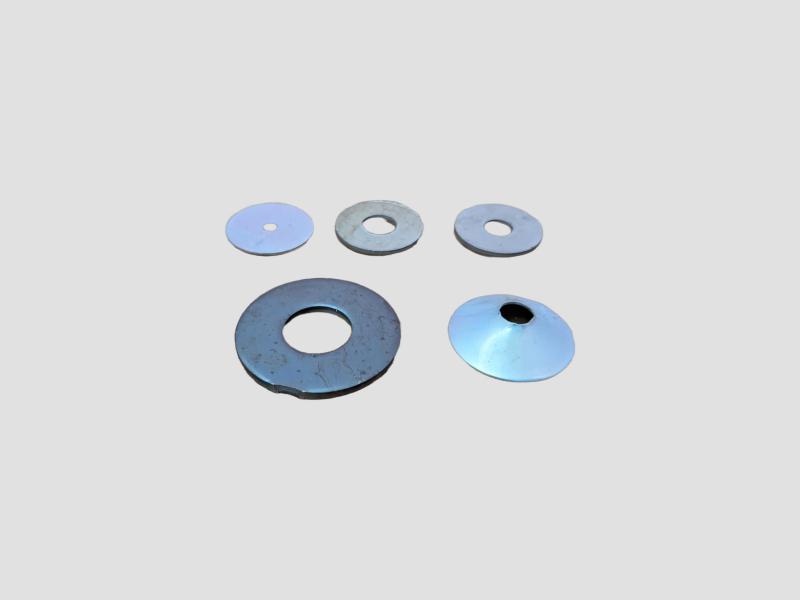
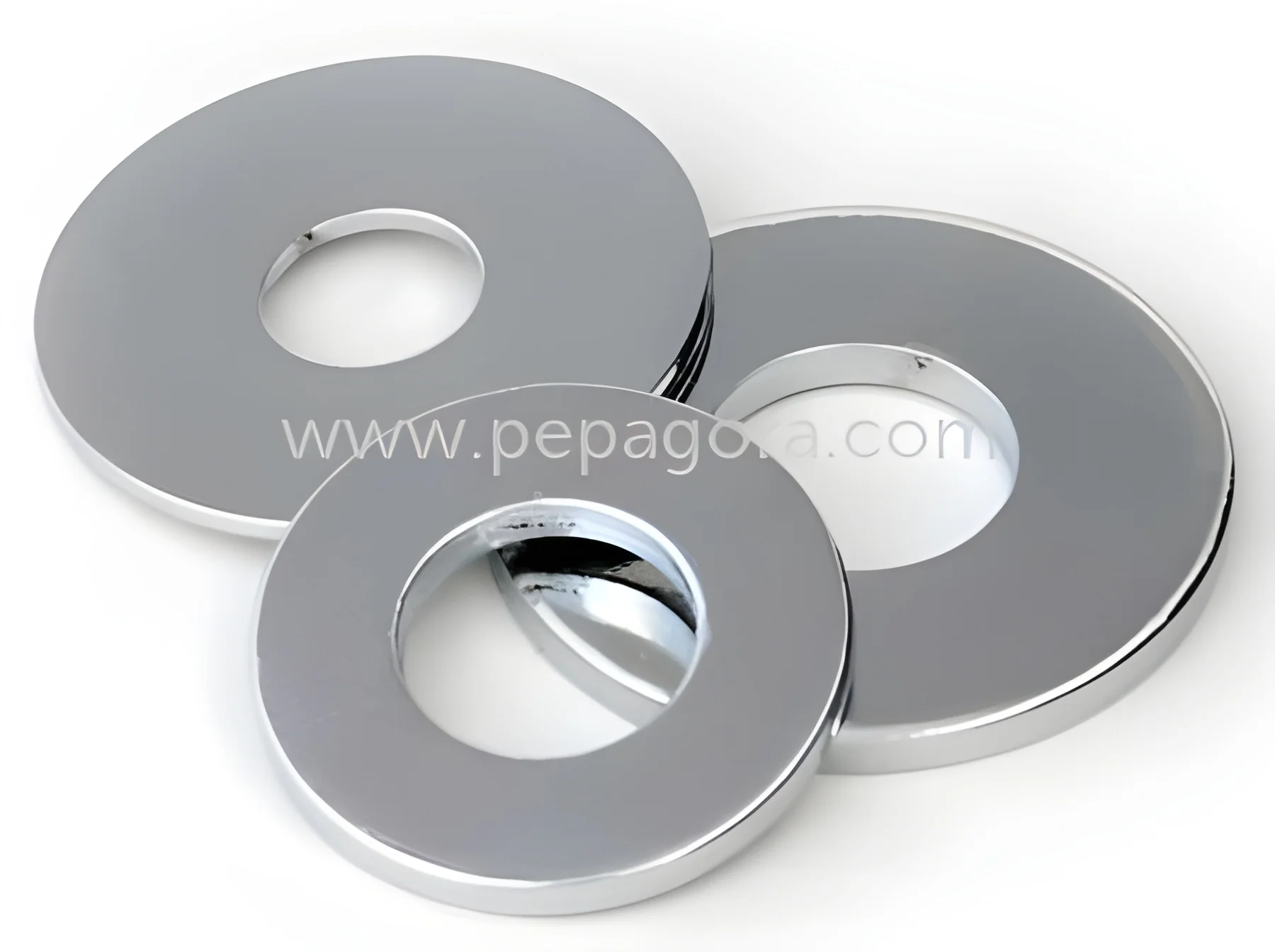
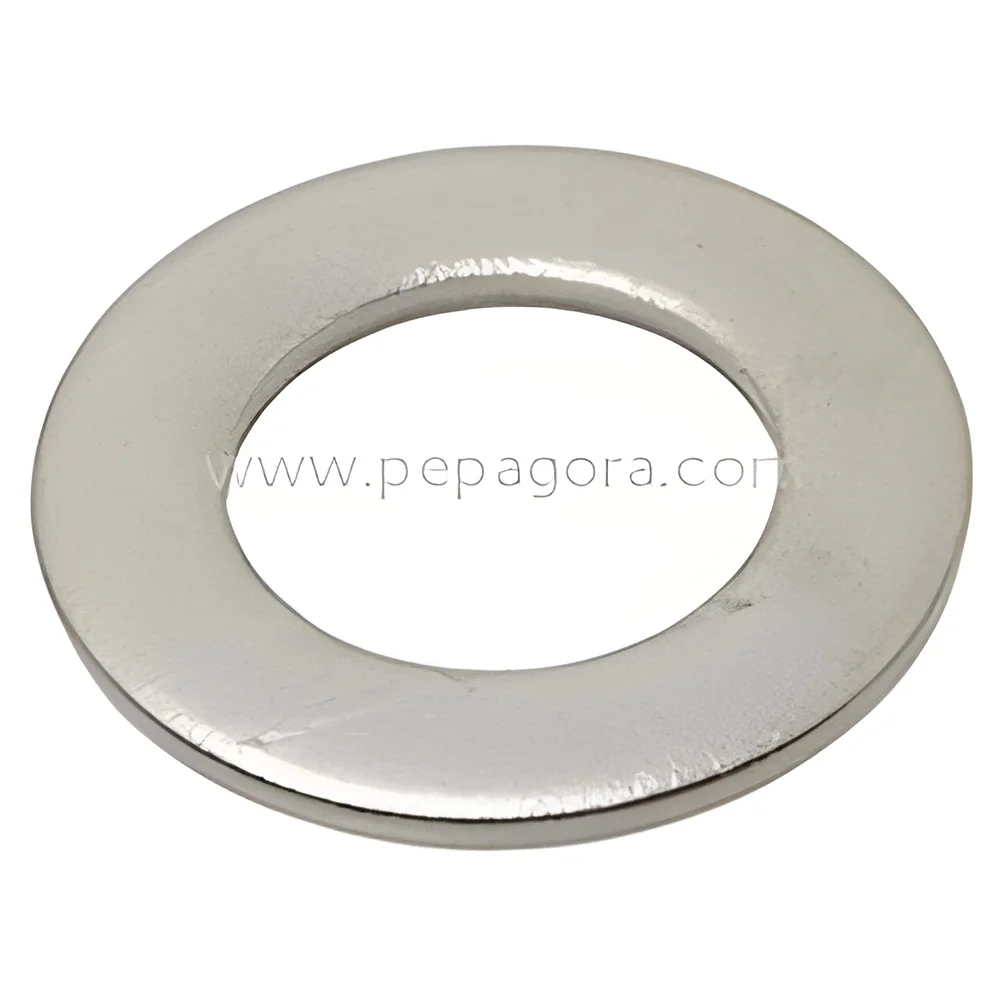
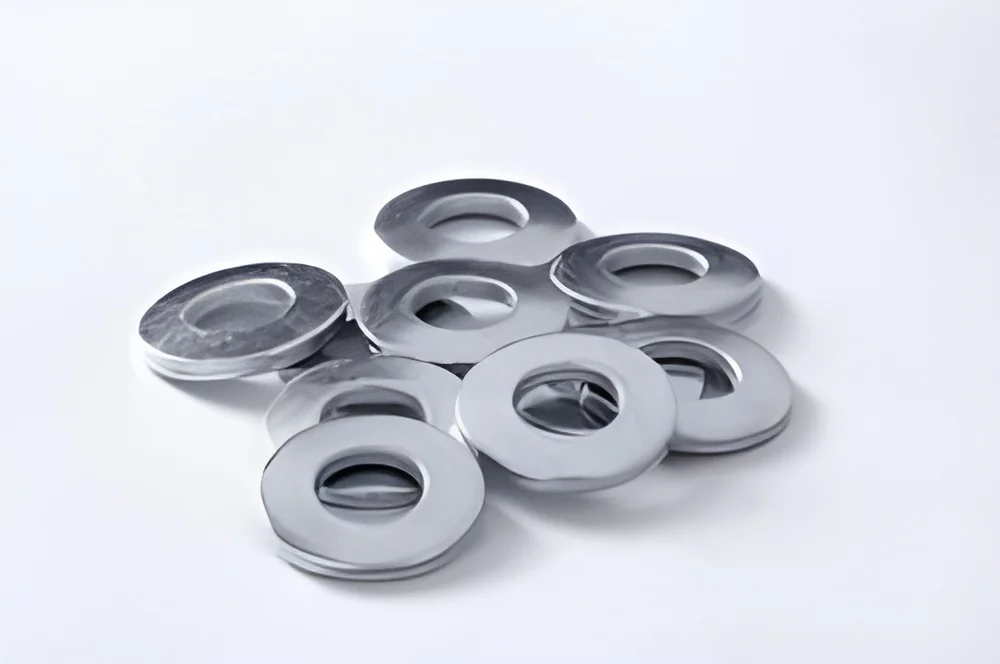
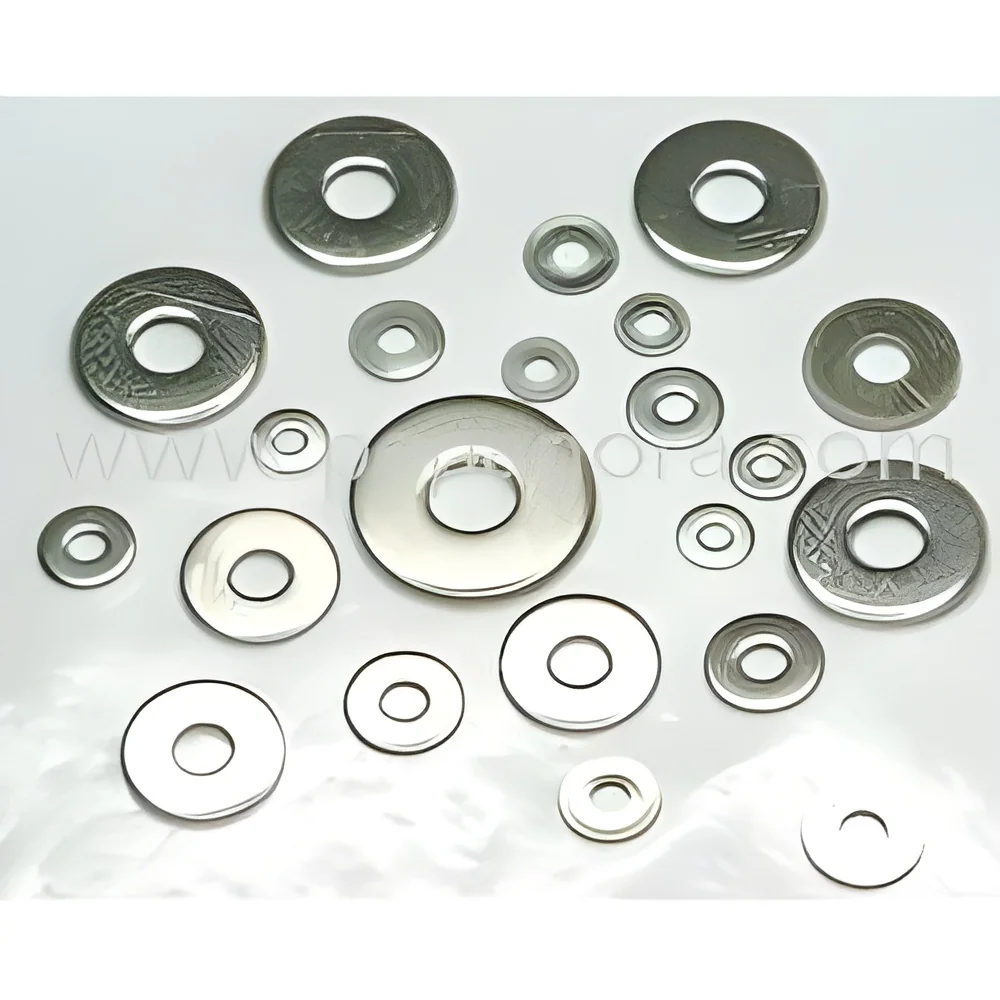
Flat Washers
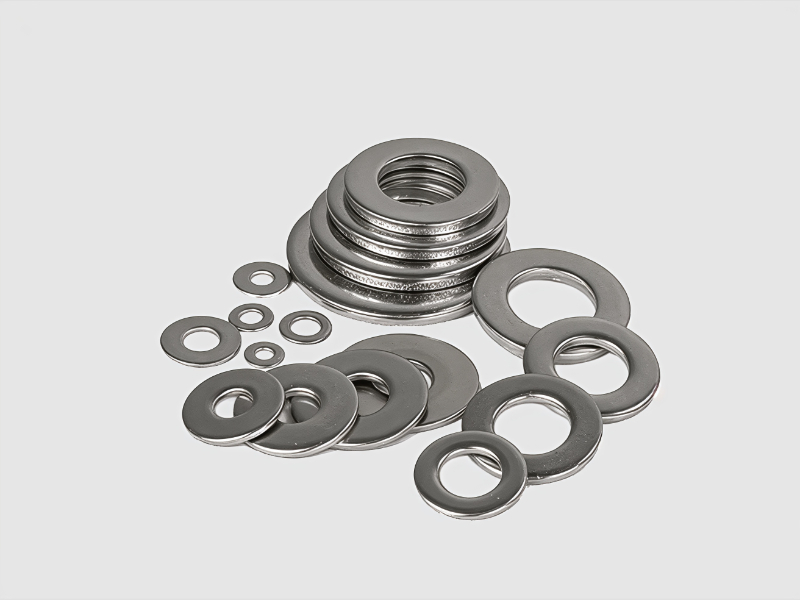
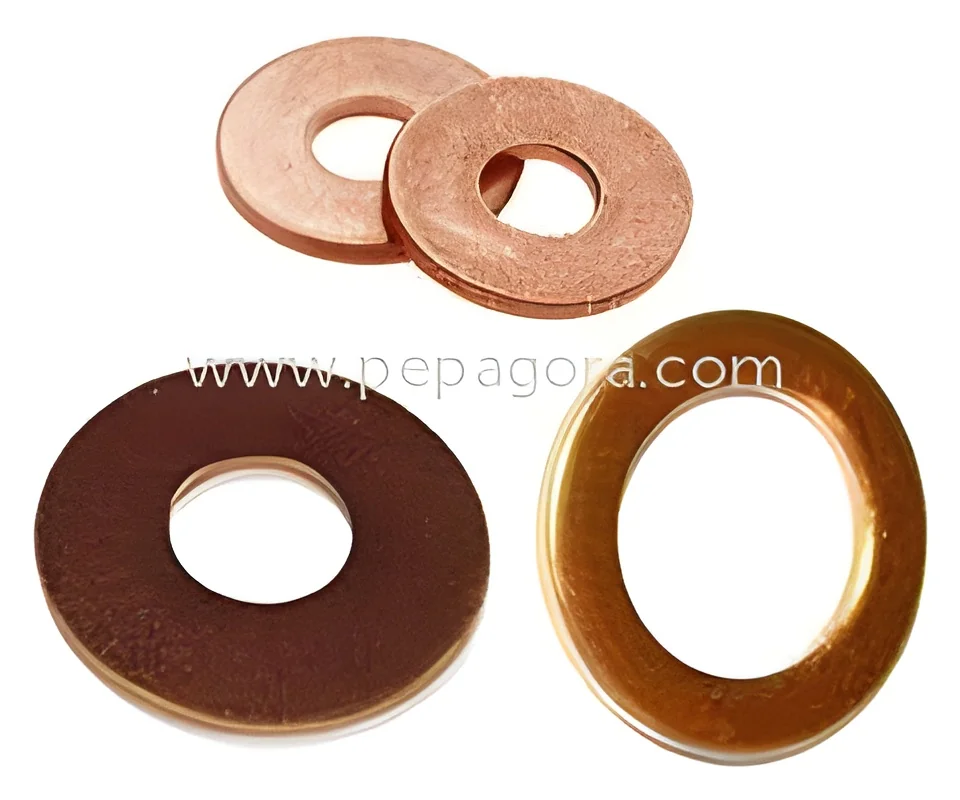
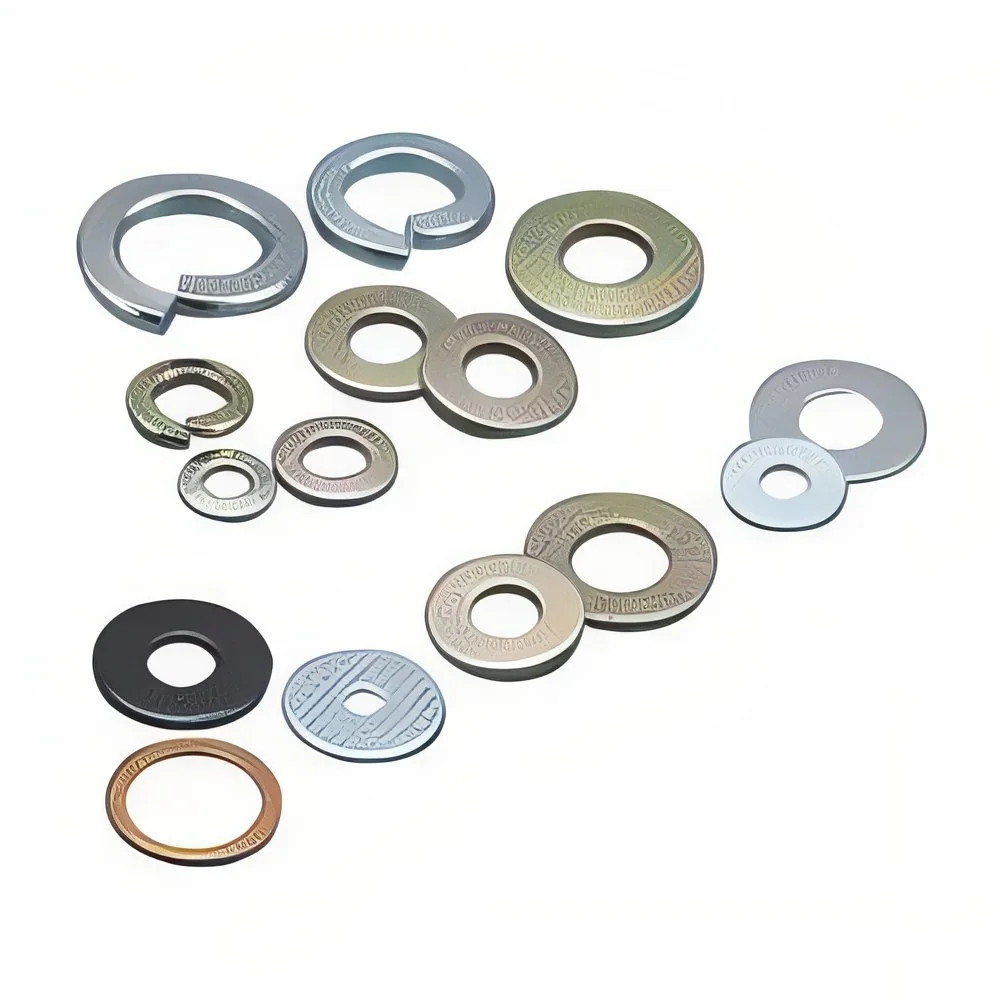
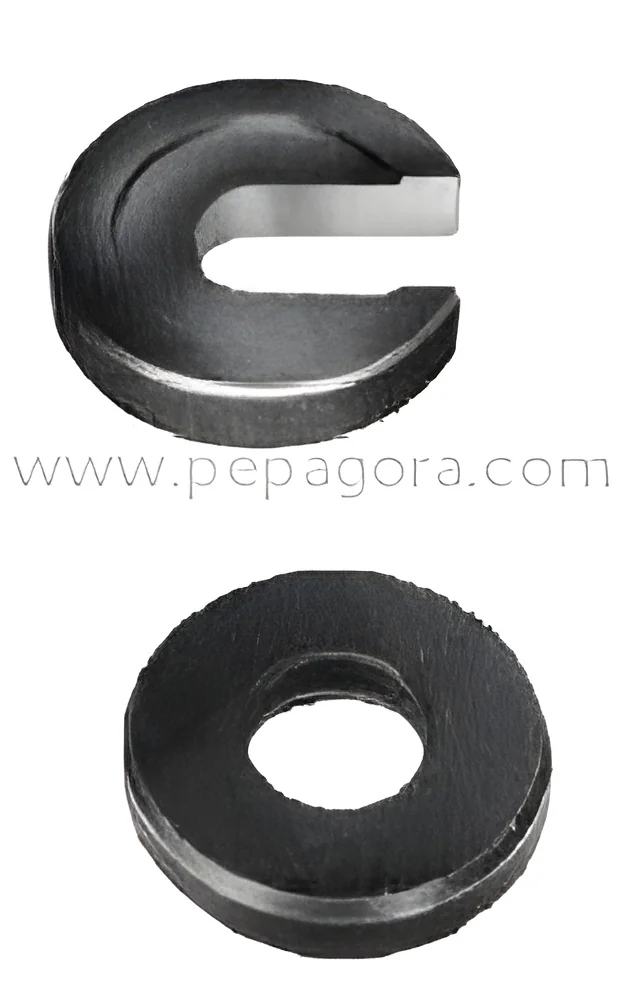
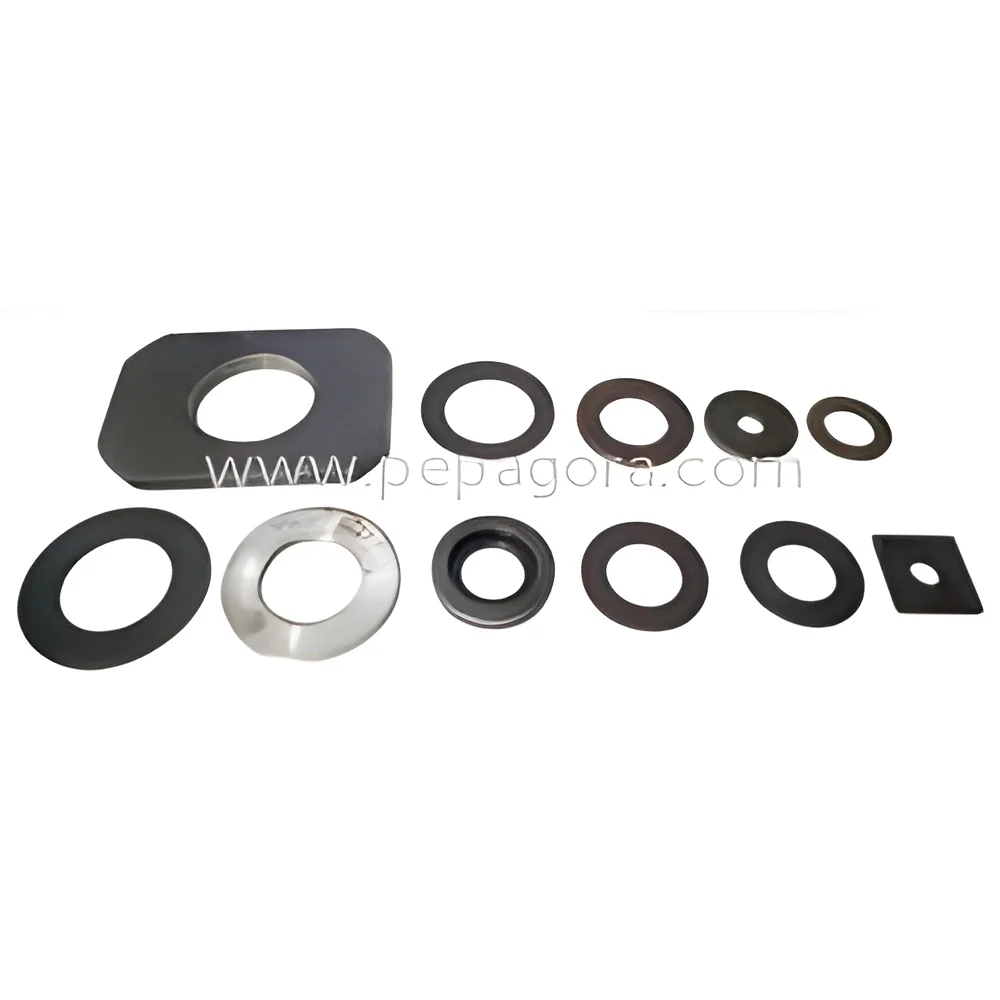
Flat washers are the most common type, providing a smooth surface for load distribution. They are often used in general fastening applications across multiple industries.
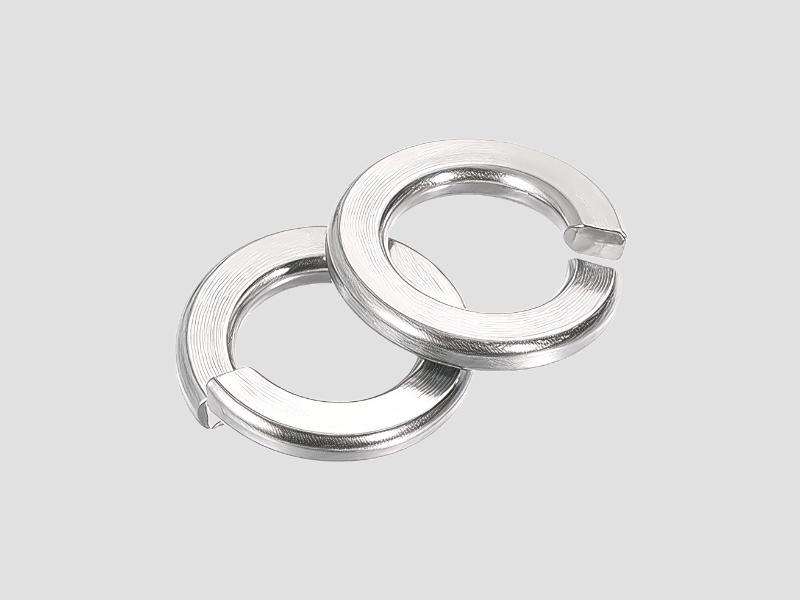
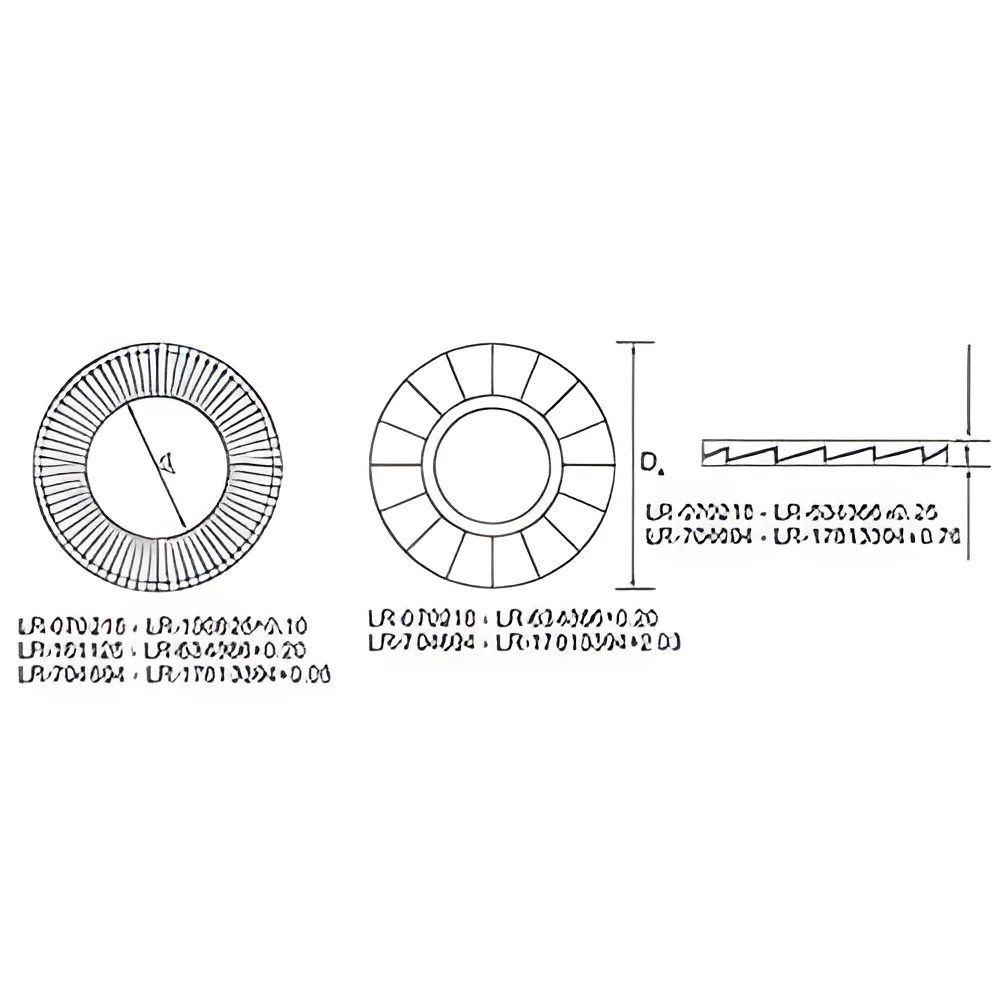
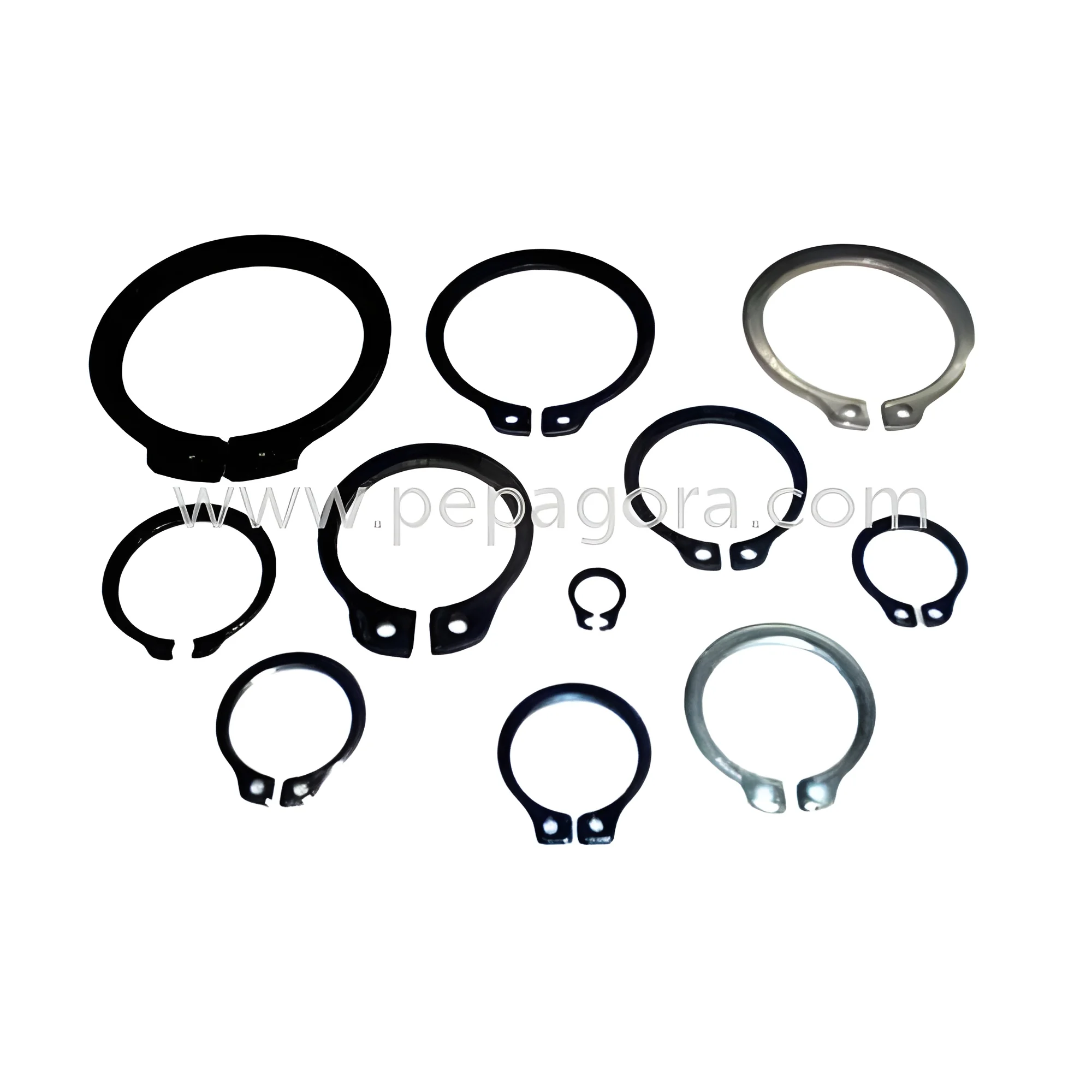
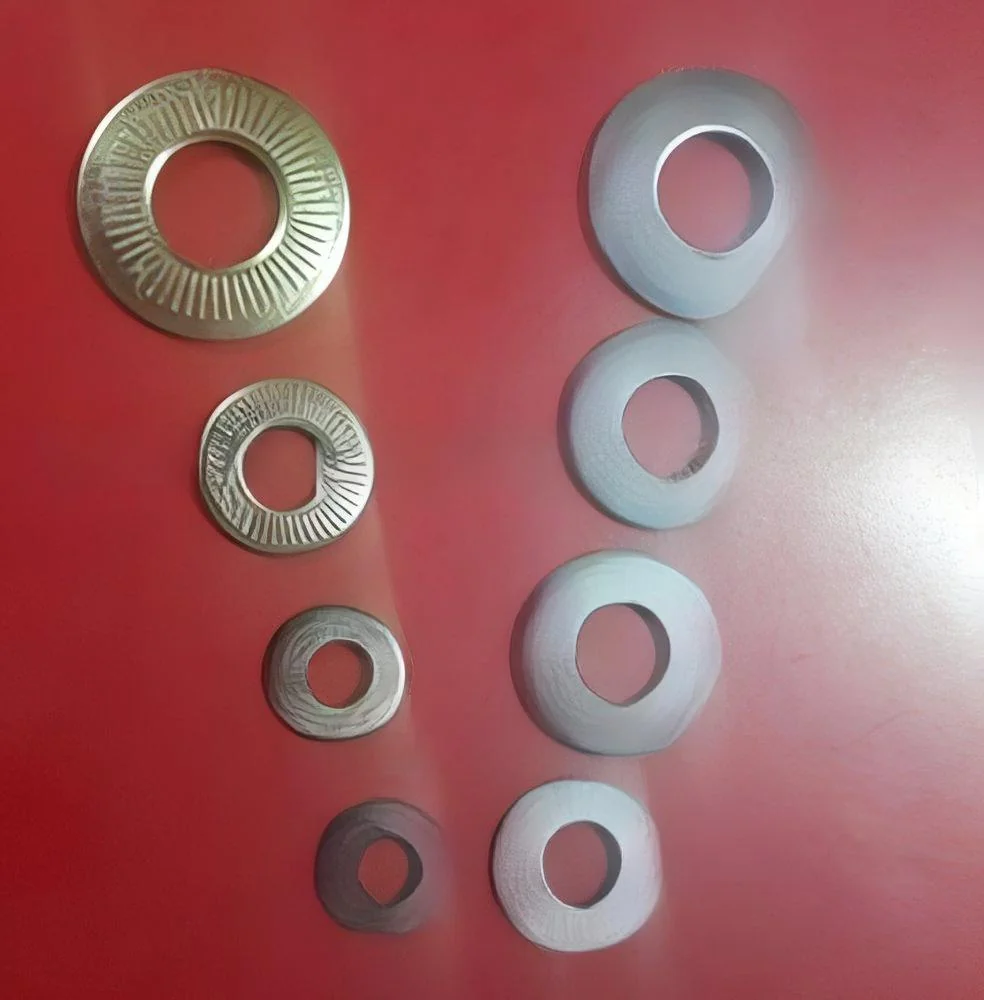
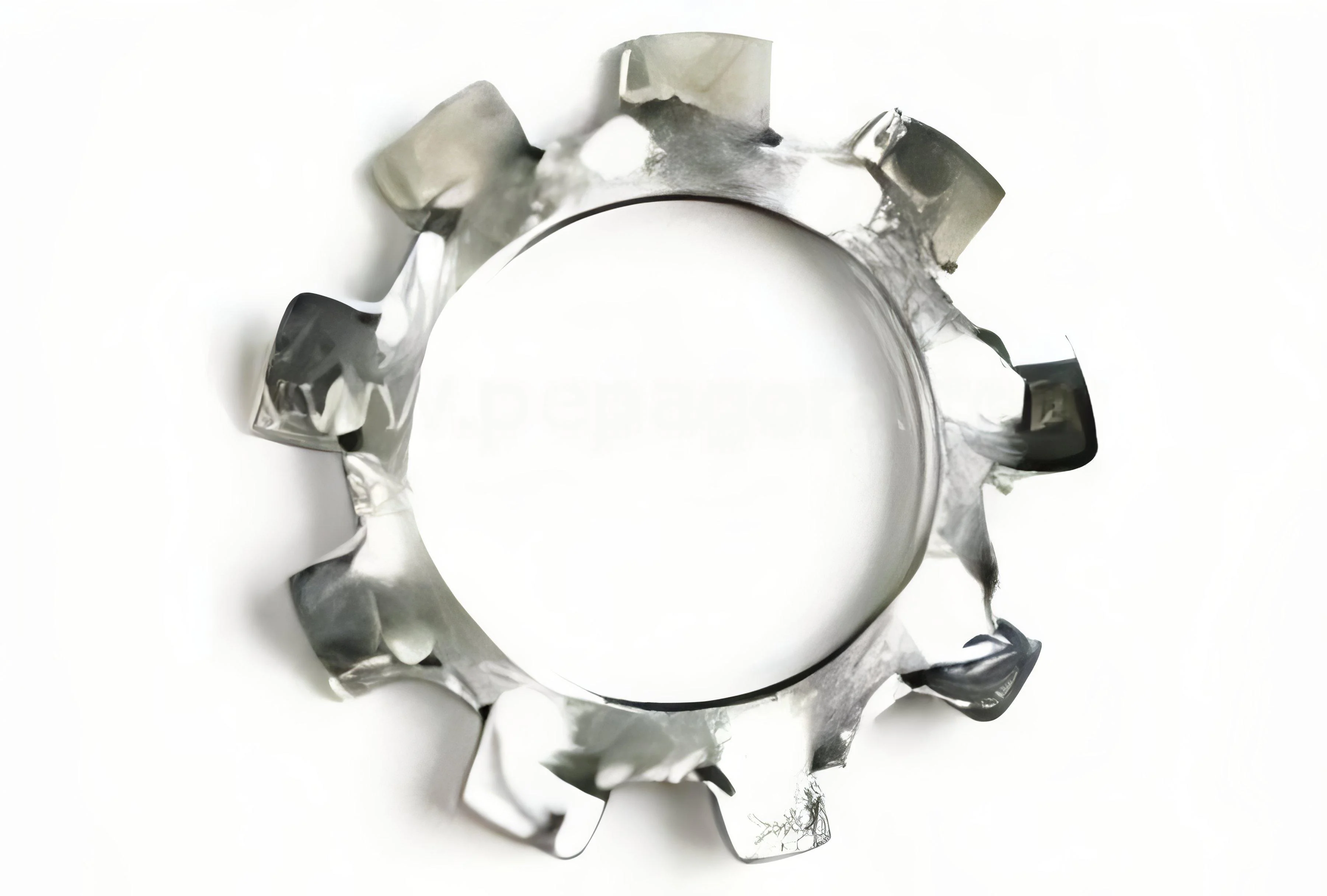
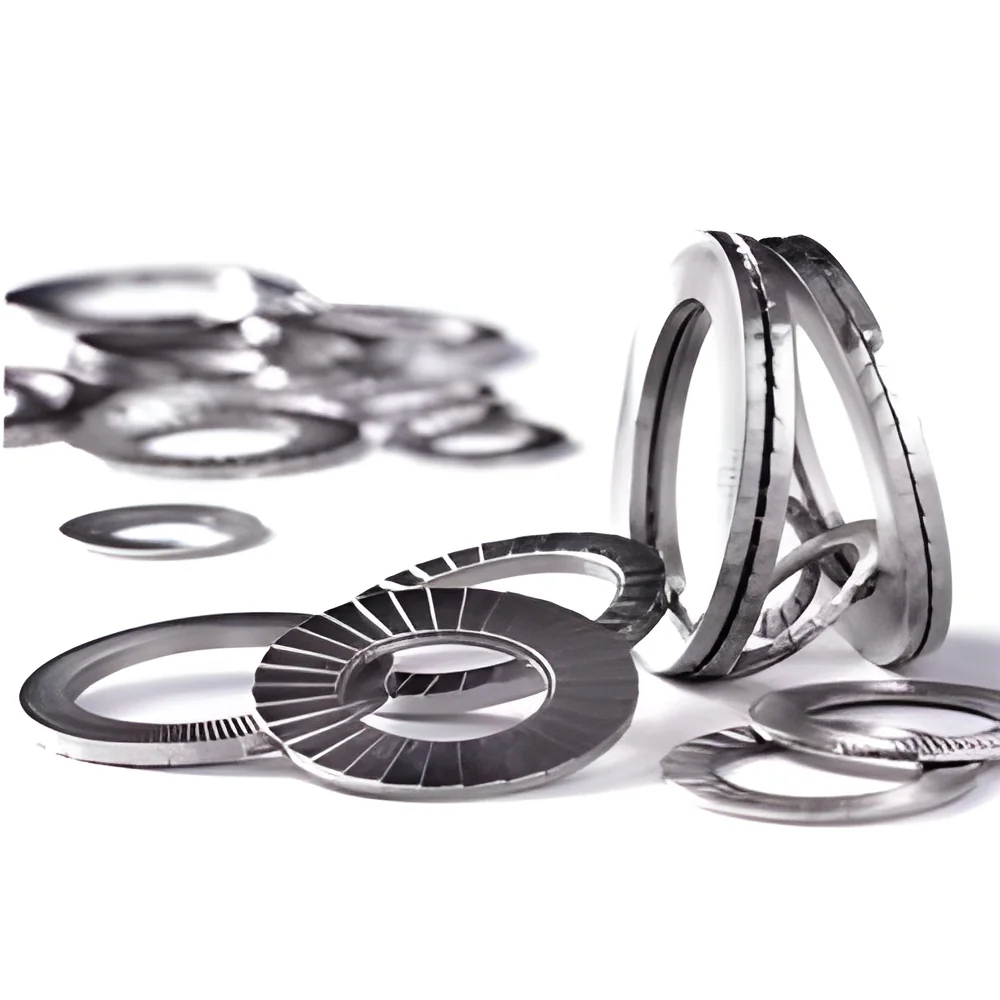
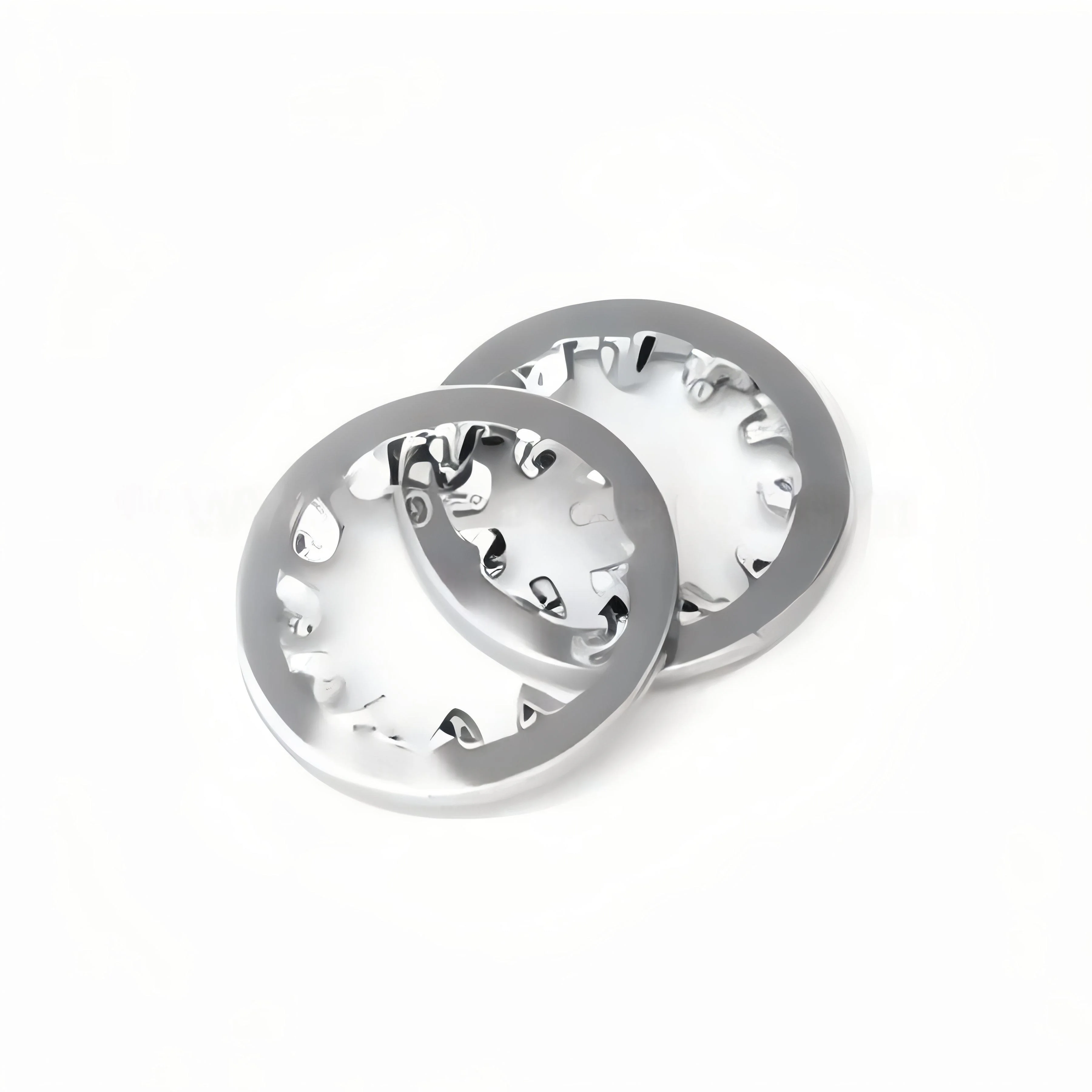
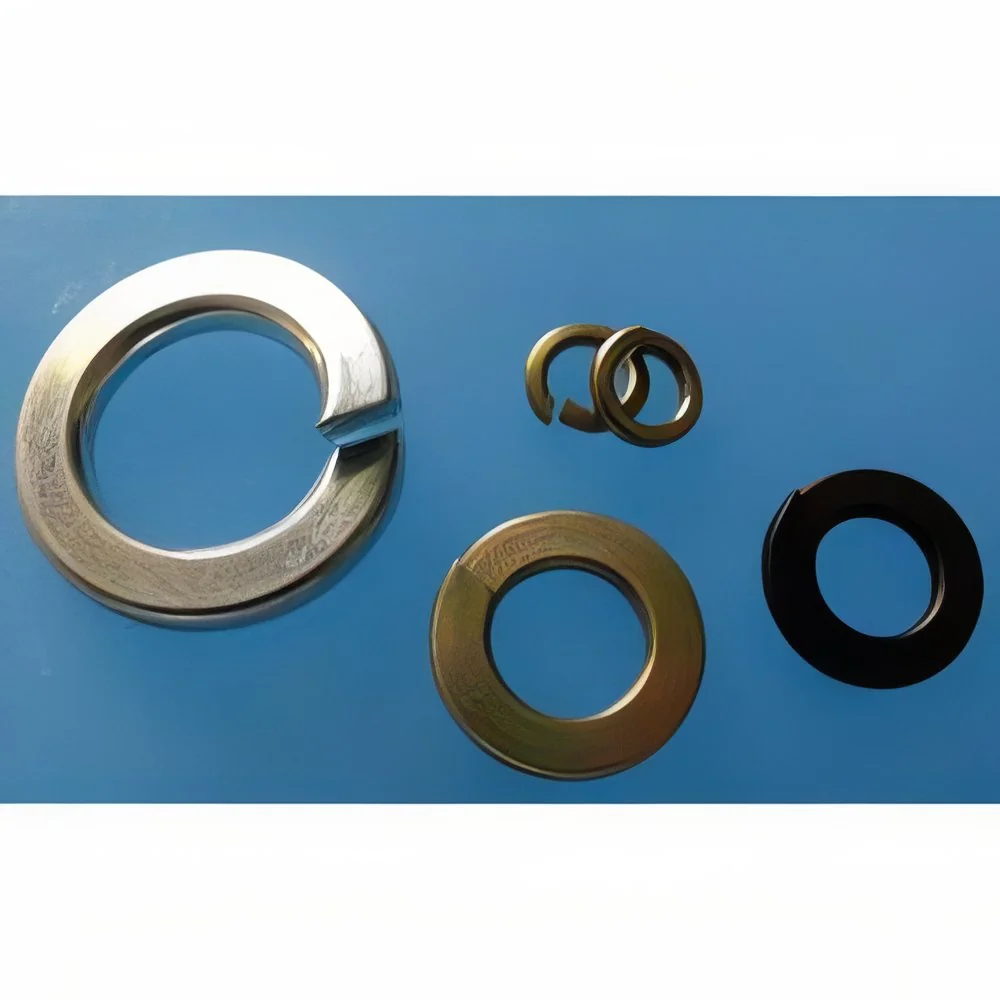
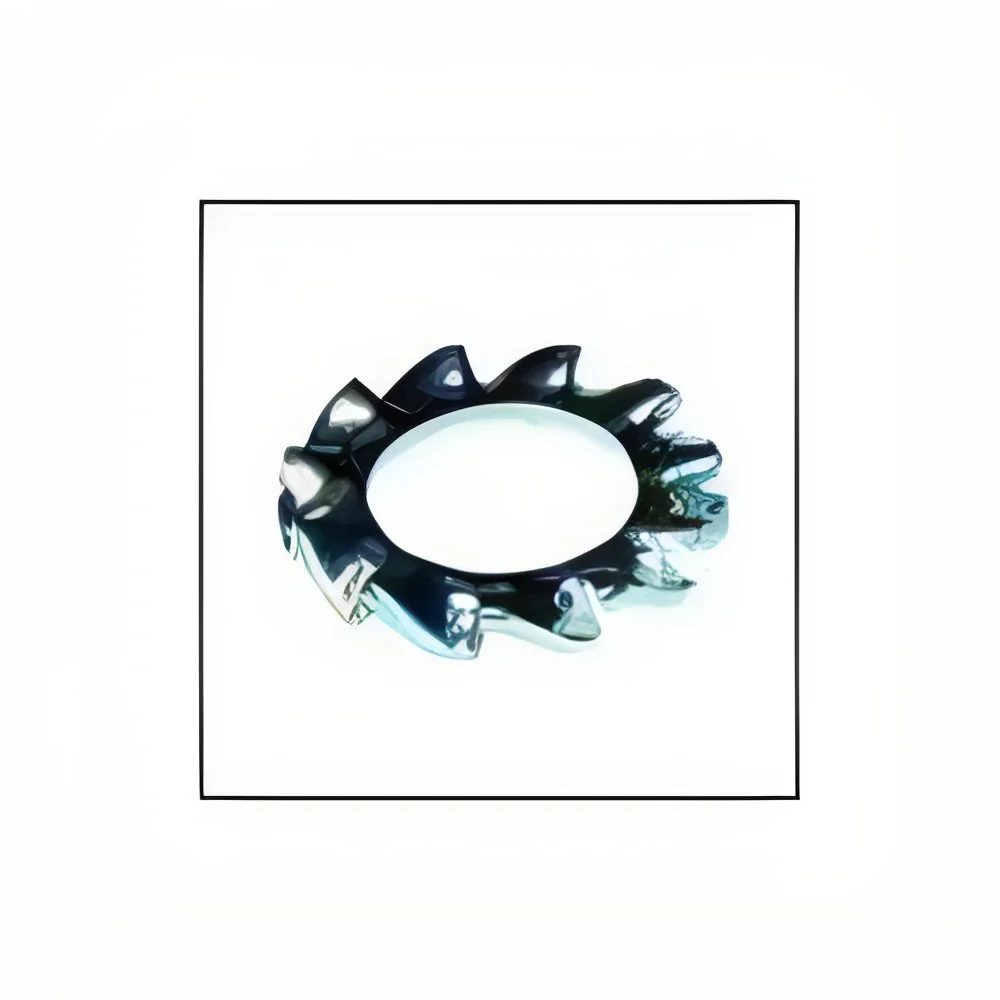
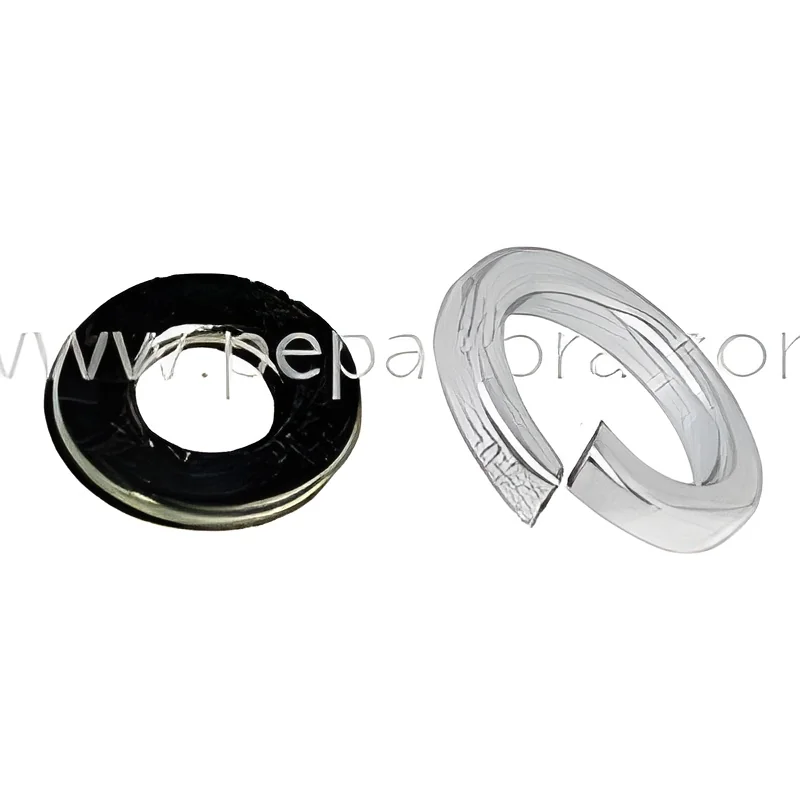
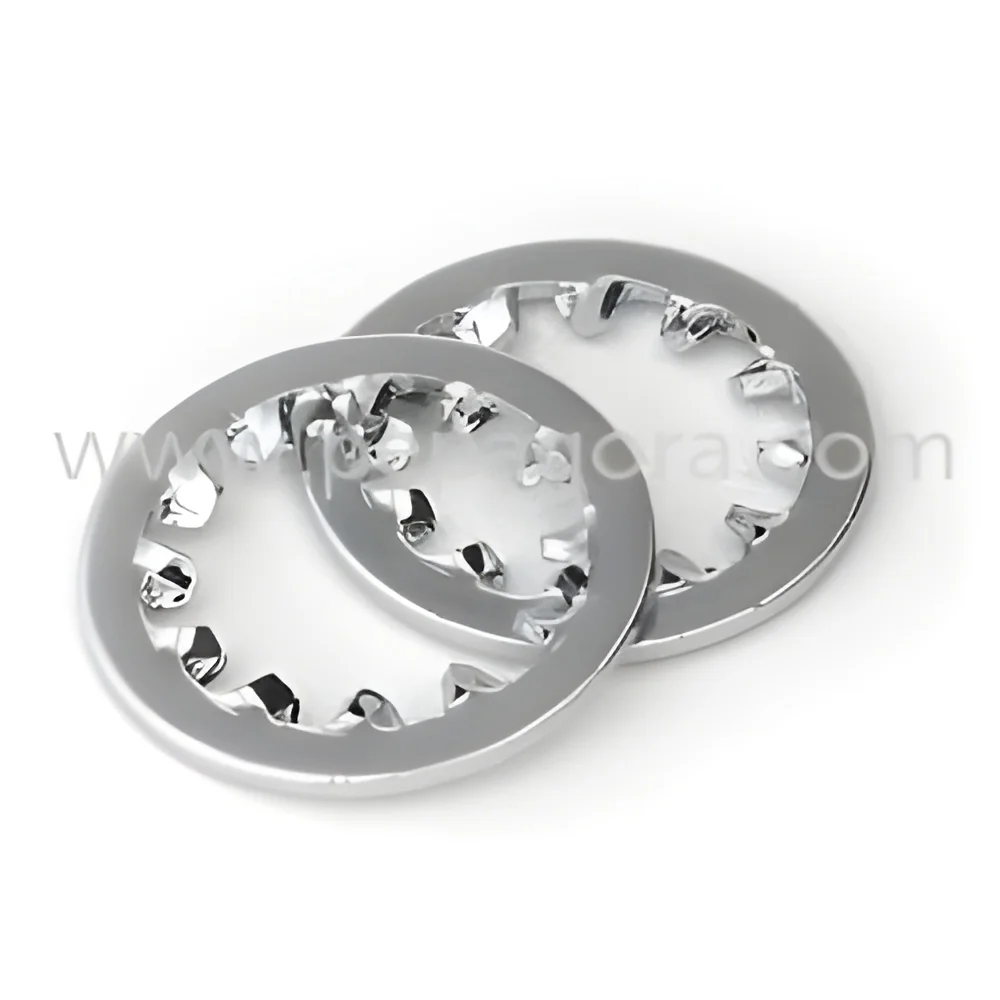
Lock Washers
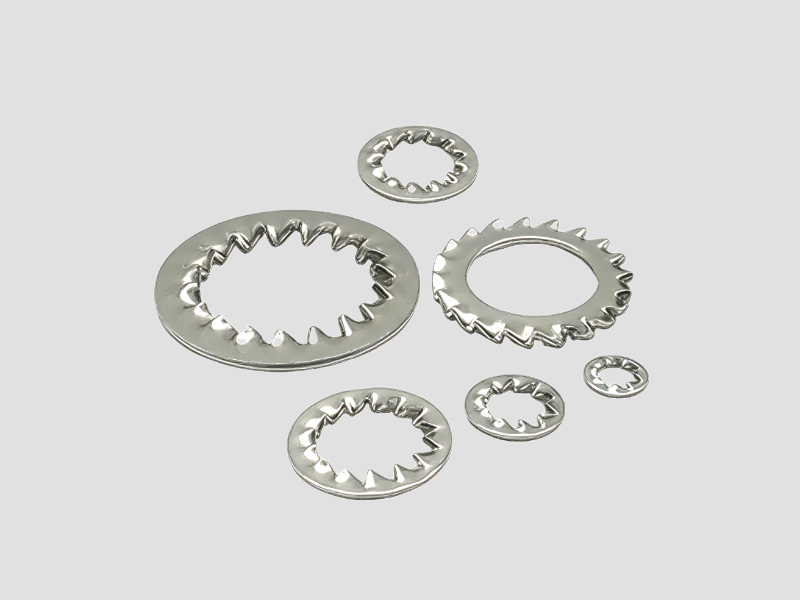
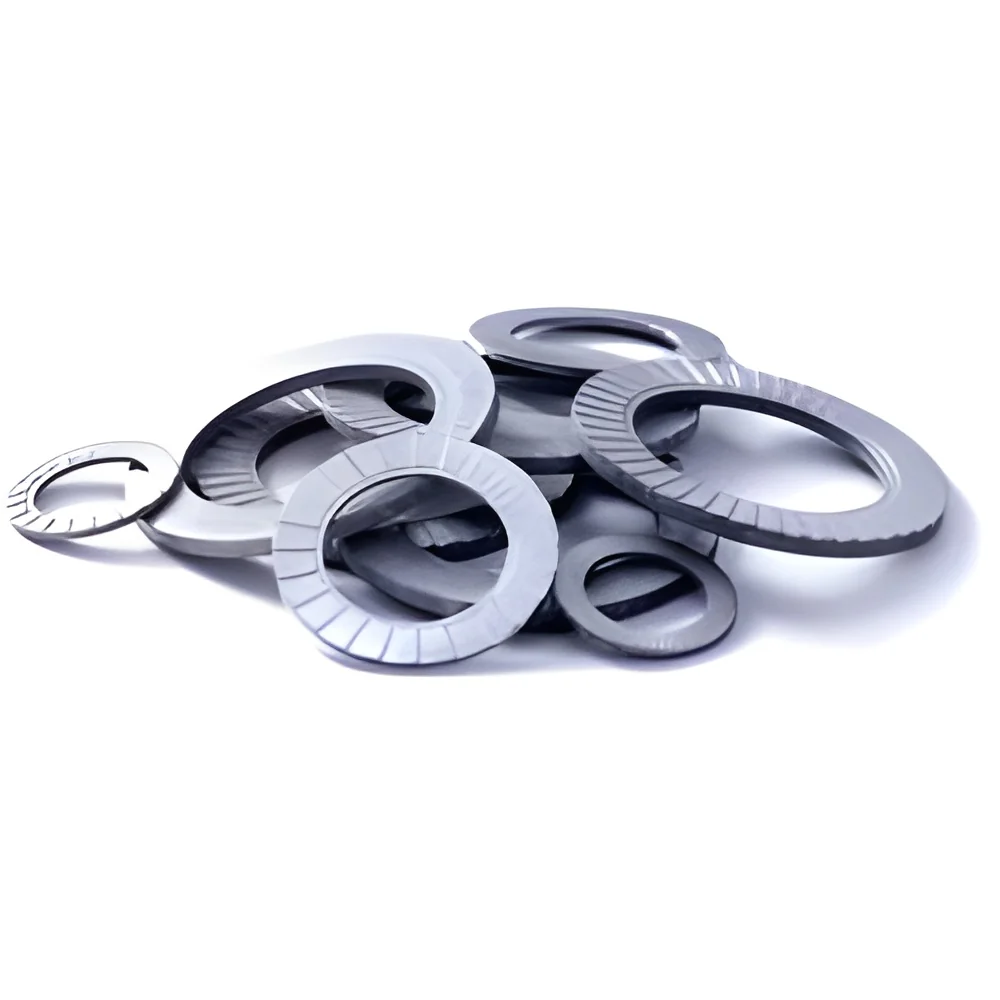
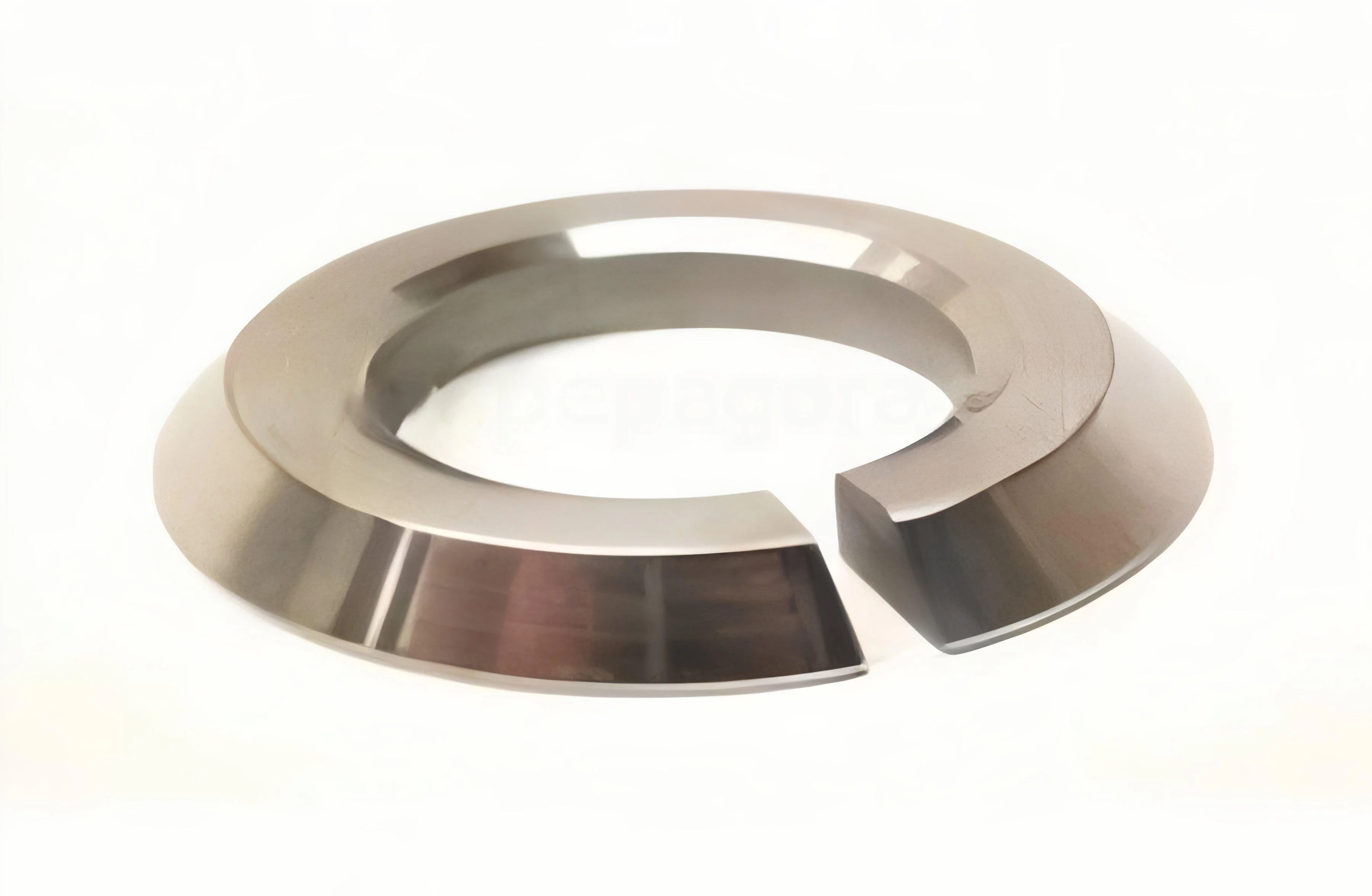
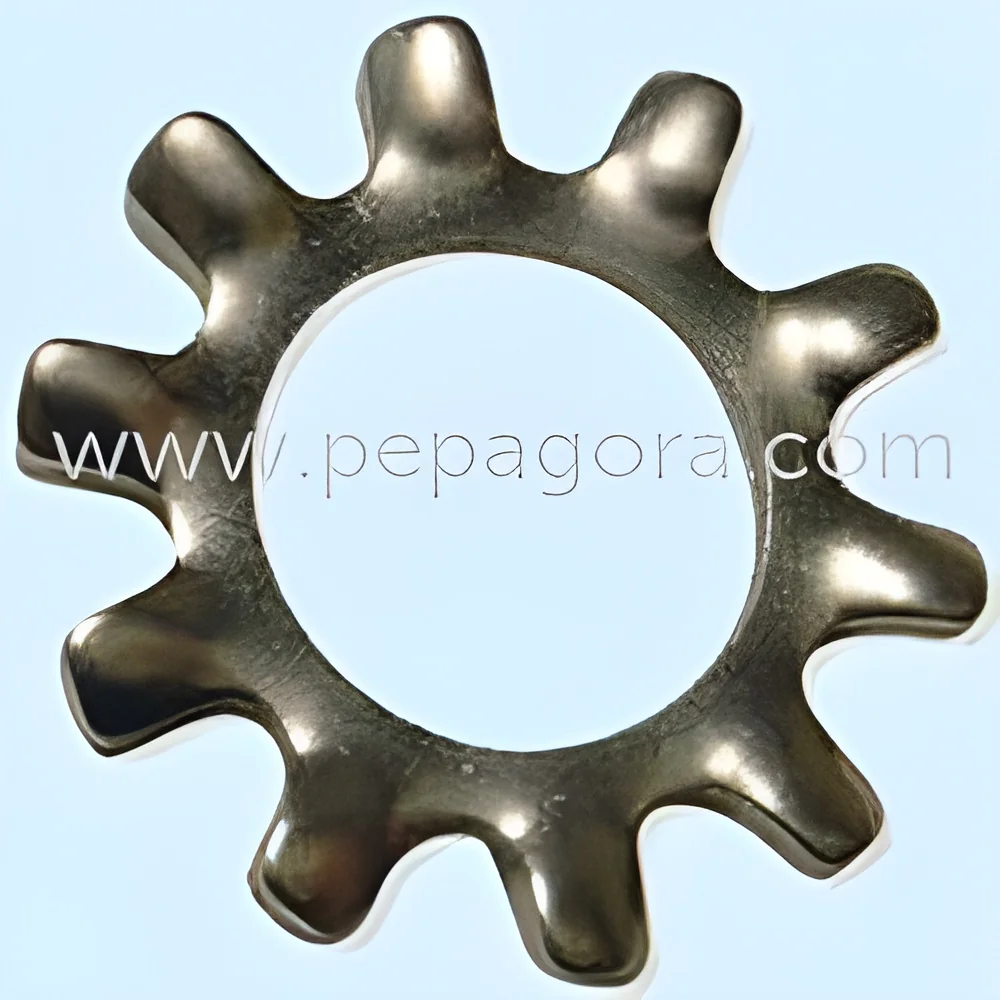
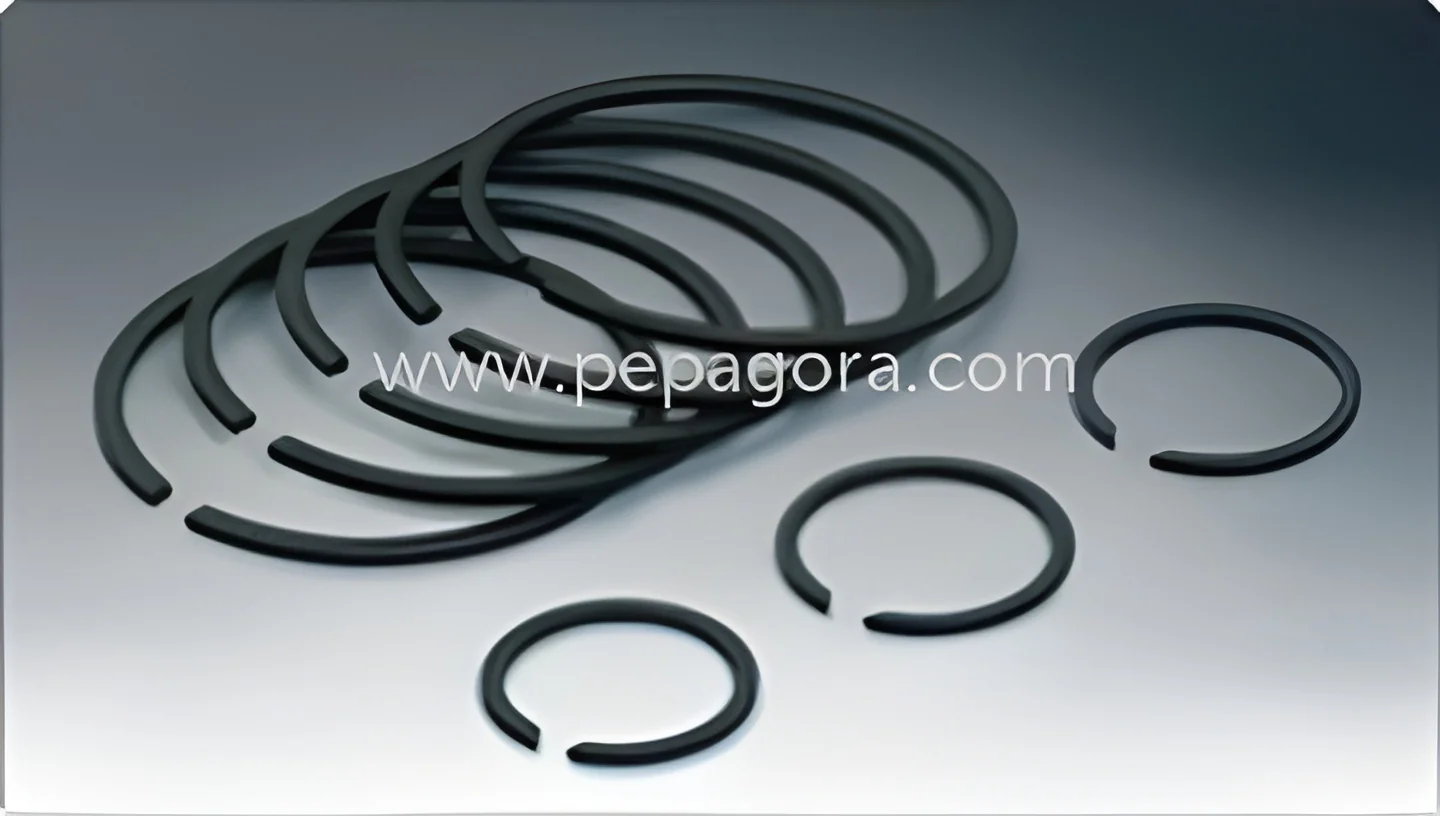
Lock washers are designed to prevent loosening under vibration. They are commonly used in automotive and machinery applications where movement and vibration are prevalent.
Fender Washers
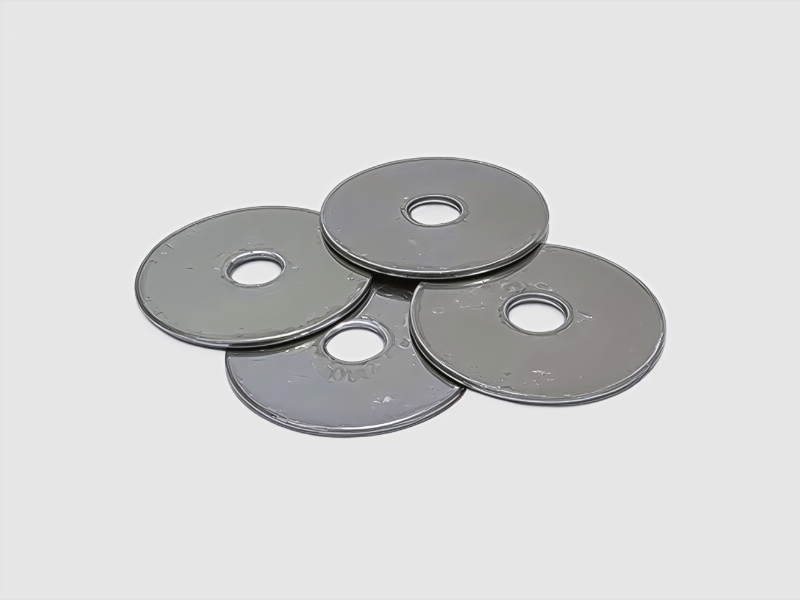
Fender washers feature a larger outer diameter, providing additional load distribution. They are often used in applications with thin materials to prevent pull-through.
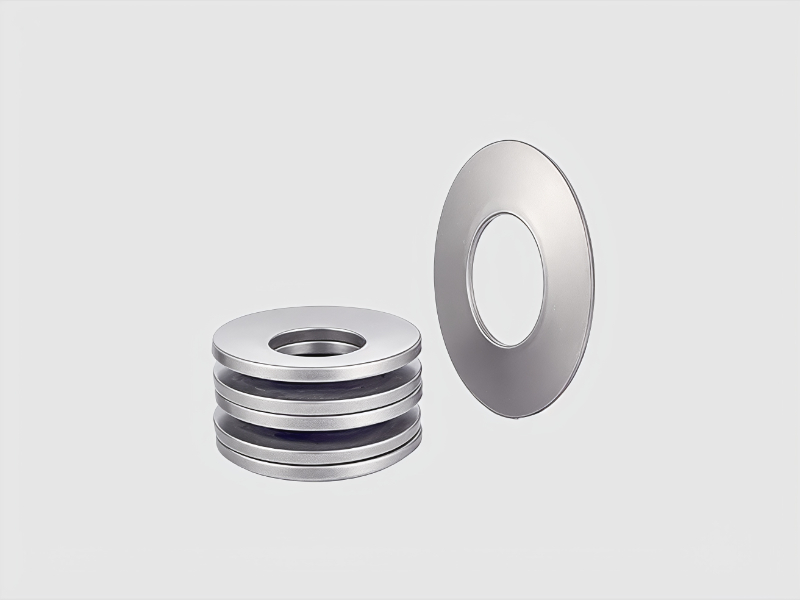
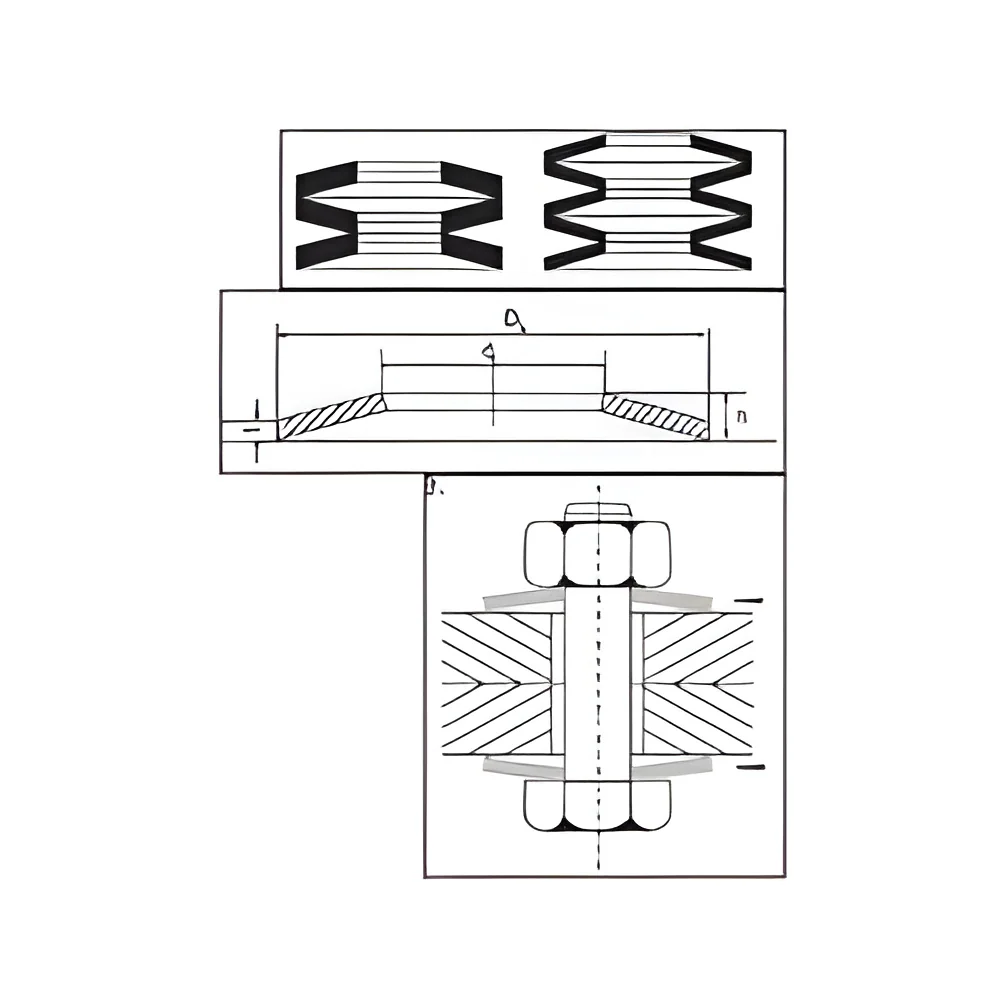
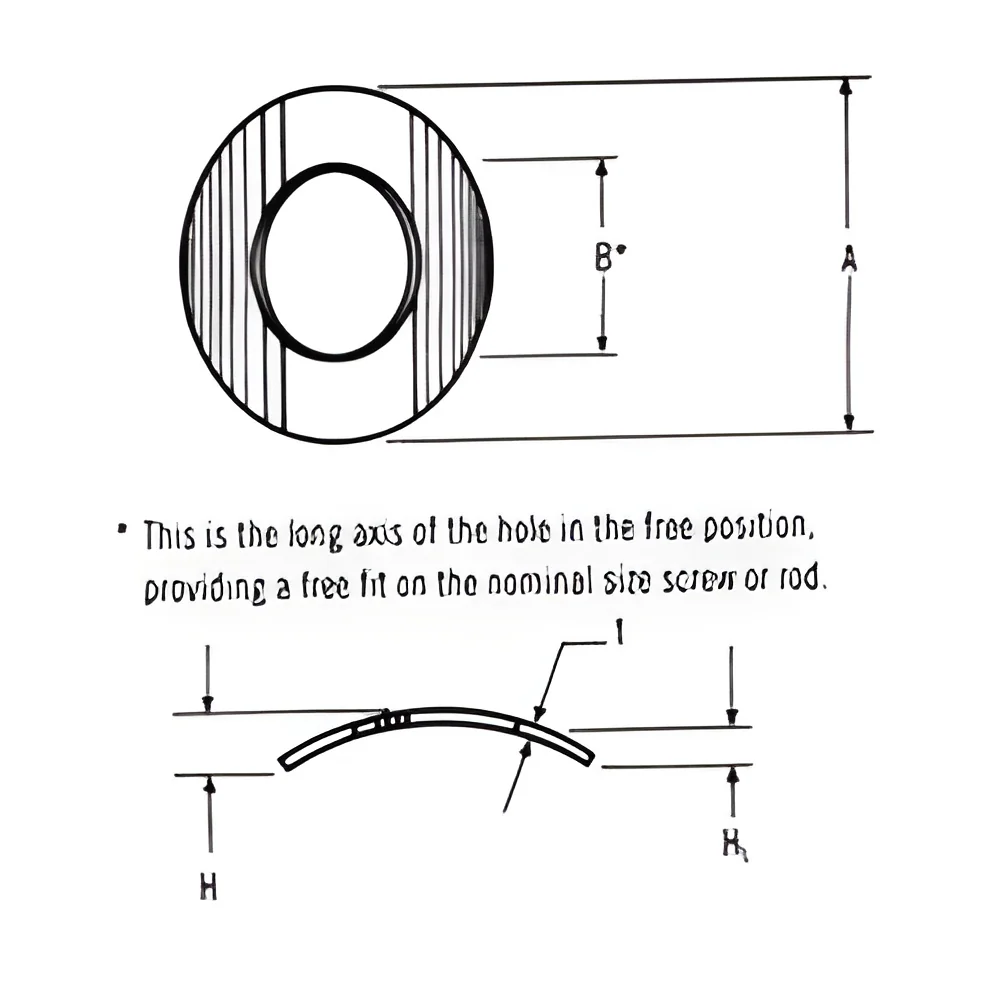
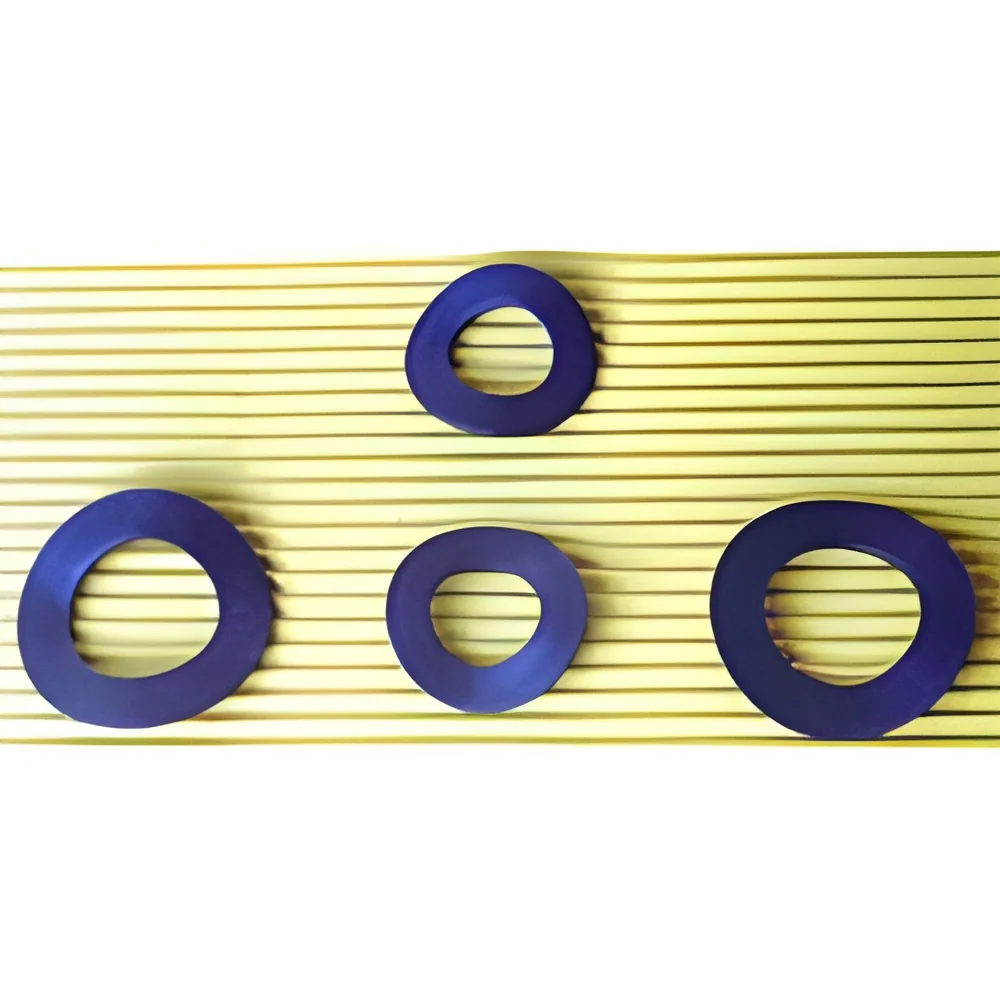
Belleville Washers
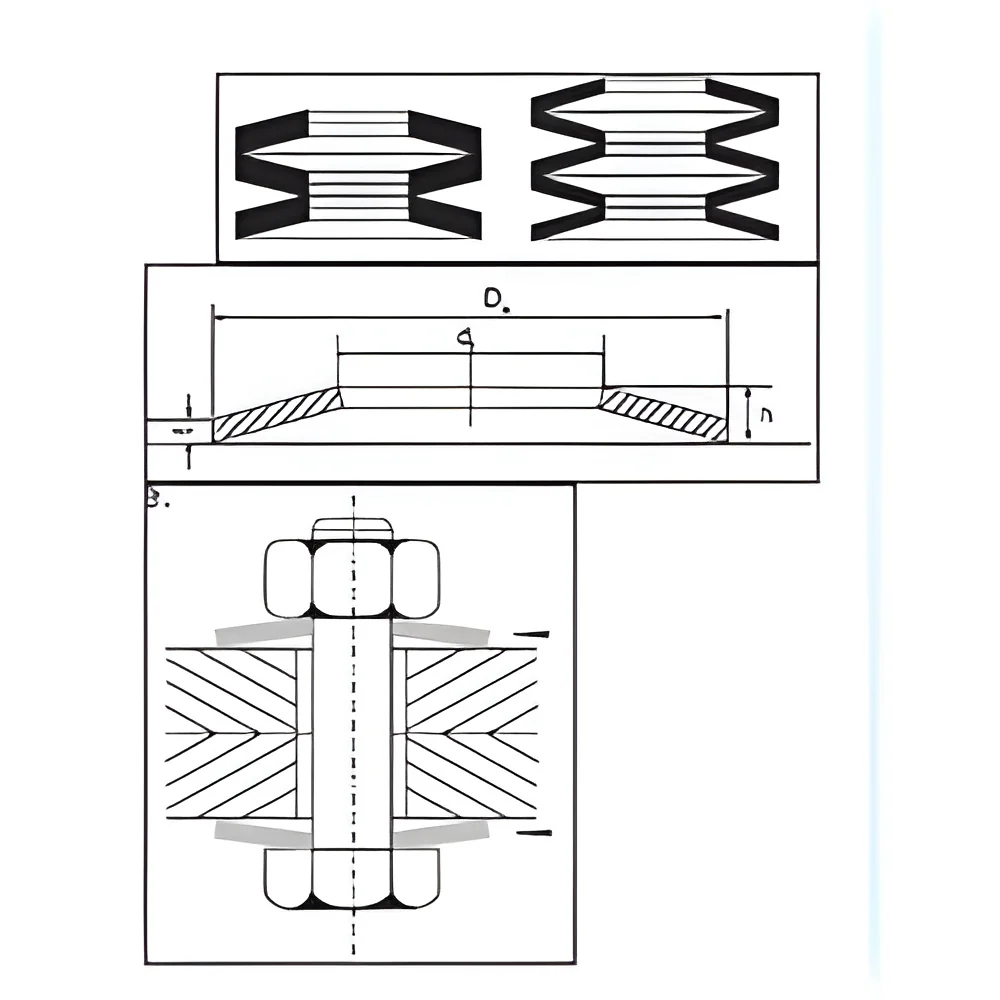
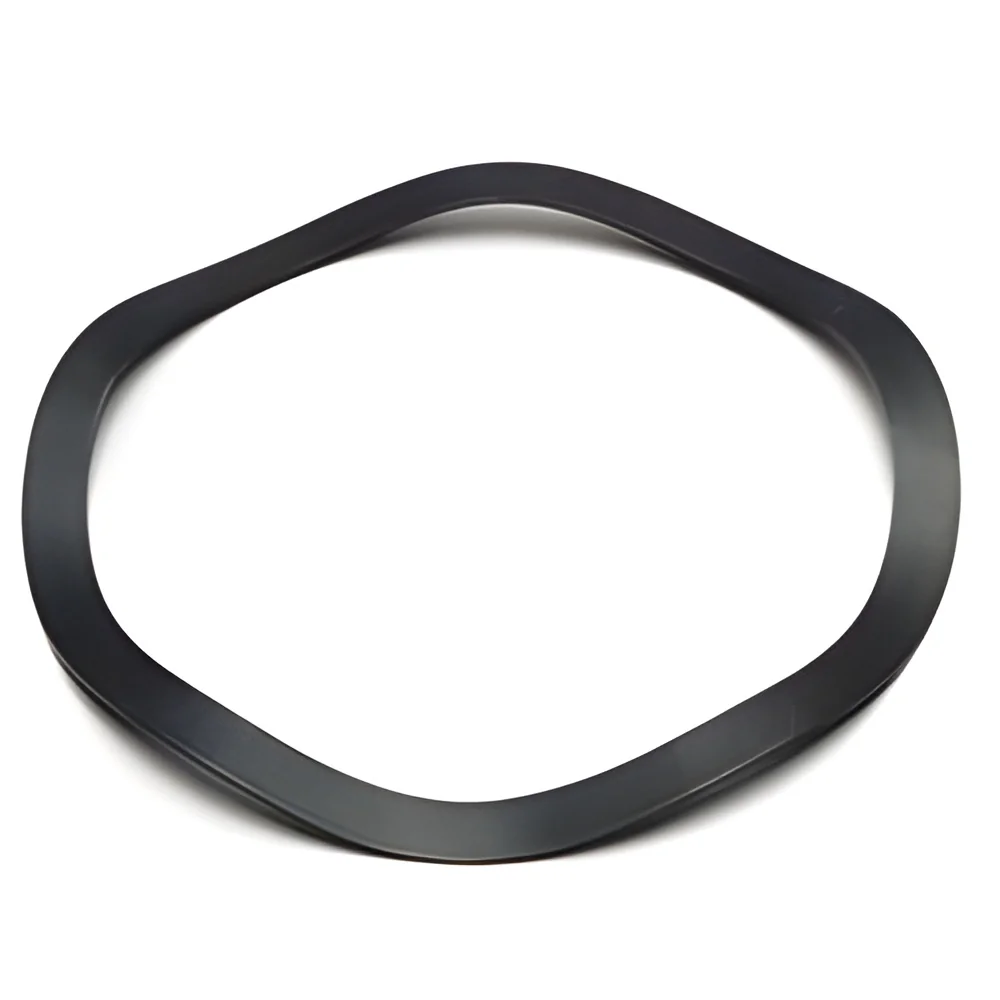
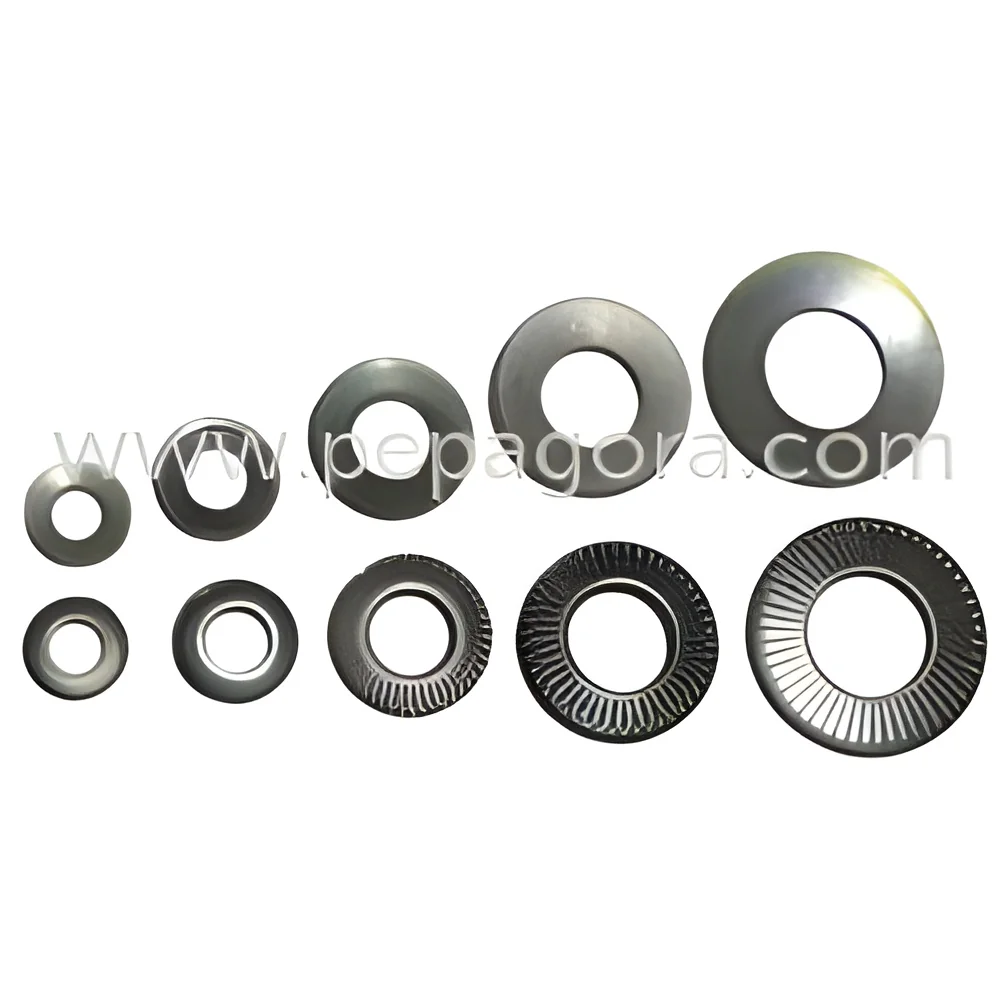
Belleville washers offer spring-like characteristics, allowing for axial load adjustment. They are used in applications requiring constant pressure, such as in mechanical assemblies.
Benefits and Advantages
Choosing the right washers offers numerous advantages that can enhance operational efficiency and safety.
1. Load Distribution: Washers distribute load evenly, reducing stress on fasteners and minimizing the risk of failure.
2. Vibration Resistance: Many washers are designed to prevent loosening due to vibration, ensuring long-lasting connections.
3. Corrosion Protection: Washers made from corrosion-resistant materials extend the lifespan of assemblies in harsh environments.
4. Improved Sealing: Washers can enhance the sealing capabilities of connections, preventing leaks in hydraulic and pneumatic systems.
5. Custom Solutions: The availability of custom washers allows businesses to address specific needs and challenges effectively.
6. Cost-Effectiveness: By enhancing the performance and durability of fasteners, washers can lead to reduced maintenance costs and downtime.
Buying Guide for B2B Buyers
When sourcing washers, it is essential to consider several factors to ensure optimal selection and procurement.
1. Quality Assessment: Evaluate the quality of washers by checking for compliance with industry standards and certifications. Look for materials that meet your specific application requirements.
2. Supplier Verification: Vet potential suppliers by reviewing their reputation, customer feedback, and production capabilities. Ensuring they meet quality standards is crucial for reliability.
3. Pricing and MOQ: Understand the pricing structure and minimum order quantities (MOQ) of washers. Consider bulk purchasing for cost savings while ensuring you meet your project needs.
4. Delivery and Lead Times: Discuss delivery schedules and lead times with suppliers. Timely delivery is critical to maintaining project timelines and avoiding delays.
5. Compliance Requirements: Ensure that the washers meet relevant regulatory and safety standards in your region. Compliance is essential for product integrity and safety.
Compliance and Certifications
Washers must adhere to various compliance and certification standards to ensure quality and safety. Key standards include ISO 9001, which focuses on quality management systems, and CE marking, which signifies compliance with European safety standards.
Safety and testing requirements are also crucial, as they ensure that washers can withstand specific environmental and operational conditions. Businesses should be aware of regional compliance considerations, particularly when sourcing from international suppliers.
It is important to work with manufacturers and suppliers who are committed to maintaining these standards. This commitment not only enhances product reliability but also fosters trust in supplier relationships.
Why Source Washers from Pepagora?
Pepagora offers a trusted platform for sourcing washers, providing several key advantages that benefit B2B buyers.
Verified Supplier Network: Pepagora connects buyers with a network of verified suppliers, ensuring quality and reliability in sourcing. This verification process helps businesses make informed decisions.
Streamlined RFQ Process: The platform features a streamlined request for quotation (RFQ) process, allowing buyers to easily request and compare quotes from multiple suppliers. This efficiency saves time and resources.
Trade Assurance and Support: Pepagora provides trade assurance and buyer protection, ensuring a secure purchasing experience. Support services are also available to assist buyers throughout the procurement process.
Regional Coverage: With a wide geographic reach covering India, GCC, and Southeast Asia, Pepagora facilitates sourcing from diverse suppliers, enhancing options and competitive pricing. This regional coverage enables businesses to find the right solutions for their specific needs.

 IN
IN