What are Glass Fittings?
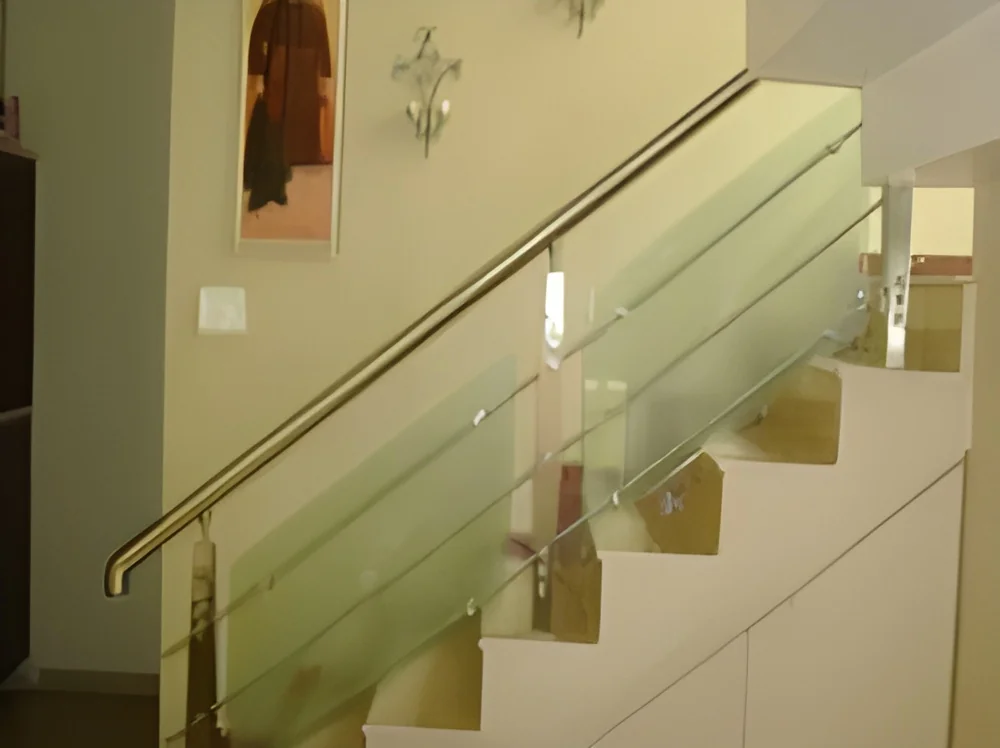
Glass fittings are specialized components designed to secure and support glass panels in various structures. These fittings are essential for ensuring the stability and safety of glass installations. They come in various designs and materials, allowing for flexibility in architectural and design applications. Their primary function is to create seamless connections between glass and other materials, enabling both aesthetic appeal and structural integrity.
These fittings are commonly used in applications such as glass railings, shower enclosures, glass facades, and display cases. They cater to the needs of industries like construction, retail, and interior design. The use of glass fittings has gained popularity due to the increasing demand for modern, transparent designs in both residential and commercial spaces. As the market for glass applications continues to grow, the relevance of glass fittings remains significant.
The market for glass fittings is influenced by trends in architectural design, sustainability, and advances in manufacturing technology. With the rise of eco-friendly building practices, there is an increasing emphasis on durable and aesthetically pleasing glass installations. As a result, manufacturers are continuously innovating to provide products that meet the evolving needs of architects and builders.
Key Features and Specifications
Glass fittings offer several key features that enhance their performance and usability. Their specifications are crucial for ensuring compatibility with various glass types and installations.
Key specifications include:
1. Material Composition
- Typically made from stainless steel, aluminum, or brass
- Provides strength and resistance to corrosion
2. Load Capacity
- Varies based on design and application
- Commonly supports loads ranging from 50 to 300 kg
3. Finishing Options
- Available in polished, brushed, or powder-coated finishes
- Affects aesthetic appeal and durability
4. Installation Type
- Designed for surface-mounted, embedded, or clamp-on applications
- Offers flexibility in installation methods
5. Glass Thickness Compatibility
- Generally accommodates glass thicknesses from 6 mm to 19 mm
- Ensures secure fitting for a variety of glass panel sizes
6. Design Variations
- Includes options such as hinges, clamps, brackets, and connectors
- Allows for tailored solutions based on specific project needs
7. Safety Features
- Often incorporates features to prevent accidental dislodging
- May include locking mechanisms for added security
8. Compliance Standards
- Must adhere to industry standards such as CE certification
- Ensures safety and quality in glass applications
These specifications ensure that glass fittings meet the diverse needs of various applications, providing both functionality and aesthetic value.
Common Applications and Use Cases
Glass fittings find widespread use across multiple industries due to their versatile nature. They serve various industries:
1. Construction: Glass fittings are essential in modern architecture, providing support for glass walls, facades, and roofs. They enhance both structural stability and the visual appeal of buildings.
2. Retail: In retail spaces, glass fittings are used for display cases and partitions. They create an open and inviting environment while securely holding glass panels.
3. Hospitality: Hotels and restaurants utilize glass fittings in shower enclosures, glass balconies, and interior designs. These fittings contribute to a contemporary, elegant atmosphere.
4. Transportation: Glass fittings are used in public transportation systems, such as train stations and airports, for safety barriers and transparent enclosures.
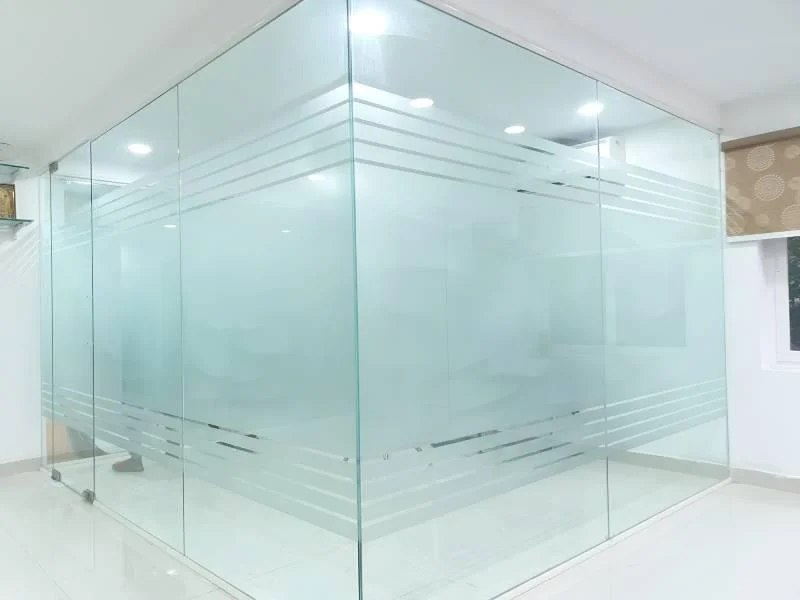
5. Office Spaces: Glass fittings are employed in office designs for conference rooms and partitions. They facilitate collaboration while maintaining a professional appearance.
6. Residential: Homeowners use glass fittings in shower doors and balustrades, providing safety and enhancing the overall design of living spaces.
7. Exhibitions: Glass fittings are vital for exhibition stands and showcases, allowing easy visibility of products while ensuring safety.
Product Variants and Subcategories
The diversity of glass fittings allows for various product variants to suit different applications.
Hinged Glass Fittings: These fittings allow glass doors to swing open and closed. They are commonly used in shower enclosures and commercial entryways, providing easy access while maintaining a sleek look.
Clamp Glass Fittings: Designed to secure glass panels without the need for drilling, clamp fittings are ideal for installations where maintaining the integrity of the glass is crucial. They are popular in retail displays and protective barriers.
Bracket Glass Fittings: These fittings provide robust support for glass panels in railings and facades. They are often used in both residential and commercial projects, offering stability and style.
Connector Glass Fittings: Used to join multiple glass panels together, connector fittings are essential in creating seamless glass structures in modern architecture. They enhance the overall aesthetic while ensuring structural integrity.
Benefits and Advantages
Opting for glass fittings offers numerous advantages that enhance both functionality and design.
Key benefits include:
1. Aesthetic Appeal: Glass fittings provide a modern and sleek look, enhancing the overall design of any space.
2. Durability: Made from high-quality materials, glass fittings are resistant to corrosion and wear, ensuring long-lasting performance.
3. Versatility: With various designs and applications, glass fittings can be used in multiple industries, catering to diverse needs.
4. Safety: Many glass fittings incorporate safety features, ensuring secure installations that protect users.
5. Easy Installation: Designed for straightforward installation, glass fittings reduce labor time and costs for projects.
6. Low Maintenance: Glass fittings require minimal maintenance, helping businesses save on upkeep expenses over time.
Buying Guide for B2B Buyers
When sourcing glass fittings, several factors should be considered to ensure the best selection for your needs.
1. Quality Assessment: Look for high-quality materials and construction to ensure durability and performance. Review product specifications and manufacturer ratings.
2. Supplier Verification: Vet suppliers for reliability and reputation. Check for certifications and customer reviews to ensure they meet industry standards.
3. Pricing and MOQ: Understand the pricing structure and minimum order quantities. Compare prices from different suppliers to find the best deal without compromising quality.
4. Delivery and Lead Times: Inquire about delivery schedules and lead times to ensure timely project completion. Factor in logistics when planning orders.
5. Compliance Requirements: Ensure that the glass fittings meet relevant safety and quality standards. Familiarize yourself with local regulations and certifications needed for your projects.
Compliance and Certifications
Compliance with industry standards is critical for glass fittings to ensure safety and quality. Key standards include ISO 9001, which focuses on quality management systems, ensuring that manufacturers consistently produce high-quality products. HACCP and GDP standards may also apply in specific industries where safety and traceability are paramount.
Additionally, glass fittings should have CE certification, indicating compliance with European health, safety, and environmental protection standards. This certification ensures that products meet the necessary regulatory requirements for use in construction and other applications.
Safety and testing requirements must be adhered to, ensuring that glass fittings can withstand various loads and environmental conditions. It is essential to consider regional compliance, as different areas may have specific regulations regarding building materials and safety standards.
Why Source Glass Fittings from Pepagora?
Pepagora provides a trusted platform for sourcing glass fittings, offering several advantages for B2B buyers.
Verified Supplier Network: Pepagora features a network of verified suppliers who meet stringent quality and reliability standards. This ensures that buyers can confidently source products that meet their specifications.
Streamlined RFQ Process: The platform simplifies the quotation process, allowing buyers to easily request and receive competitive quotes from multiple suppliers. This efficiency saves time and helps in making informed purchasing decisions.
Trade Assurance and Support: Pepagora offers trade assurance to protect buyers during transactions. This includes support for resolving any issues that may arise, ensuring a smooth purchasing experience.
Regional Coverage: With a focus on markets in India, the GCC, and Southeast Asia, Pepagora provides extensive regional coverage. This reach allows buyers to access a wide array of products and suppliers tailored to their specific needs in these diverse markets.

 IN
IN