
 IN
Gate & Fence Hardware
19 products available
What are Gate & Fence Hardware?
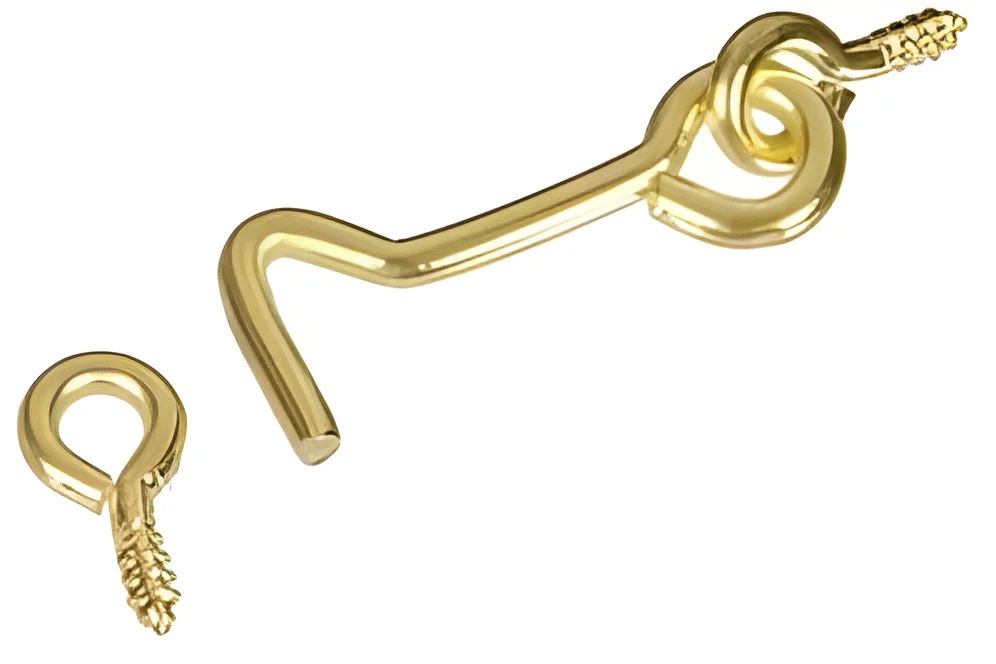
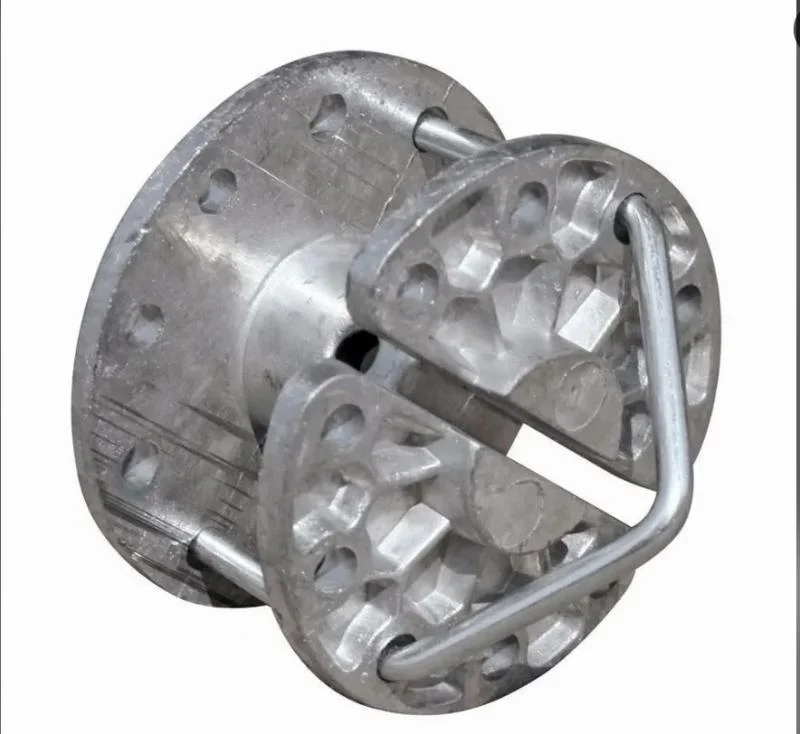
Gate and fence hardware refers to the essential components used to install, operate, and maintain gates and fences in various settings. This includes a wide range of products such as hinges, latches, locks, brackets, and posts. These components are critical for ensuring that gates and fences function correctly and maintain their structural integrity. They come in various materials, including steel, aluminum, and plastic, to cater to different environmental conditions and aesthetic preferences.
The primary uses of gate and fence hardware can be found in residential, commercial, and industrial applications. In residential settings, these products provide security and privacy. In commercial applications, they are often used to secure properties and control access. Industrial uses may involve the installation of heavy-duty gates and fences for factories or warehouses. The market for gate and fence hardware is significant and continues to grow as security concerns rise and infrastructure development increases across various industries.
With a focus on quality and durability, the gate and fence hardware industry is vital in supporting the construction and maintenance of safe environments. As the demand for enhanced security solutions continues to grow, suppliers are continuously innovating and expanding their offerings to meet evolving standards and customer needs.
Key Features and Specifications
Gate and fence hardware products come with a variety of features and specifications to meet specific installation requirements and operational needs. Understanding these specifications is crucial for selecting the right components for any project.
Key specifications include:
1. Material Type
- Common materials include steel, aluminum, and stainless steel
- Each material offers different levels of strength, corrosion resistance, and aesthetic appeal
2. Load Capacity
- Defined weight limits for gates and fences
- Load capacities vary based on material and design
3. Finish Options
- Available finishes include galvanized, powder-coated, and painted
- Finishes enhance durability and resistance to environmental factors
4. Size Options
- Various sizes available to fit different gate and fence dimensions
- Custom sizing may be available for specific projects
5. Installation Method
- Hardware can be installed using standard tools or require specialized equipment
- Different installation types may include surface mount or embedded options
6. Compatibility
- Compatibility with various gate and fence styles
- Some hardware is adjustable to fit different designs
7. Security Features
- Options for locking mechanisms and tamper-resistant designs
- These features help enhance safety and control access
8. Warranty and Lifespan
- Warranty periods may vary, typically ranging from one year to lifetime
- Lifespan depends on material and environmental exposure
Understanding these specifications helps ensure that the selected products meet project requirements and perform reliably over time.
Common Applications and Use Cases
Gate and fence hardware is utilized across multiple industries, each with unique requirements and applications.
1. Residential: Homeowners use gate and fence hardware to secure their properties and enhance privacy. Products such as decorative hinges and latches can also add aesthetic value.
2. Commercial: Businesses require robust gate and fence hardware for security. This includes high-traffic access points where durable locks and heavy-duty hinges are essential.
3. Industrial: Factories and warehouses often need heavy-duty hardware to support large gates and fences that control access to sensitive areas.
4. Agricultural: Farms utilize gate and fence hardware to manage livestock and secure boundaries. Durable materials that withstand harsh conditions are preferred.
5. Municipal: Public facilities and parks use gate and fence hardware to ensure safety and access control in community areas.
6. Transportation: Airports and railways rely on secure fencing and gates to protect sensitive infrastructure. Heavy-duty hardware is essential for these applications.
7. Retail: Retail spaces need secure access points to protect inventory while allowing controlled entry for customers and staff.
Product Variants and Subcategories
Gate and fence hardware comes in various product variants, each designed for specific applications and environments.
Heavy-Duty Gate Hardware
This variant includes robust components designed for large gates, such as those used in commercial or industrial settings. Features often include reinforced hinges and high-security locks.
Decorative Gate Hardware
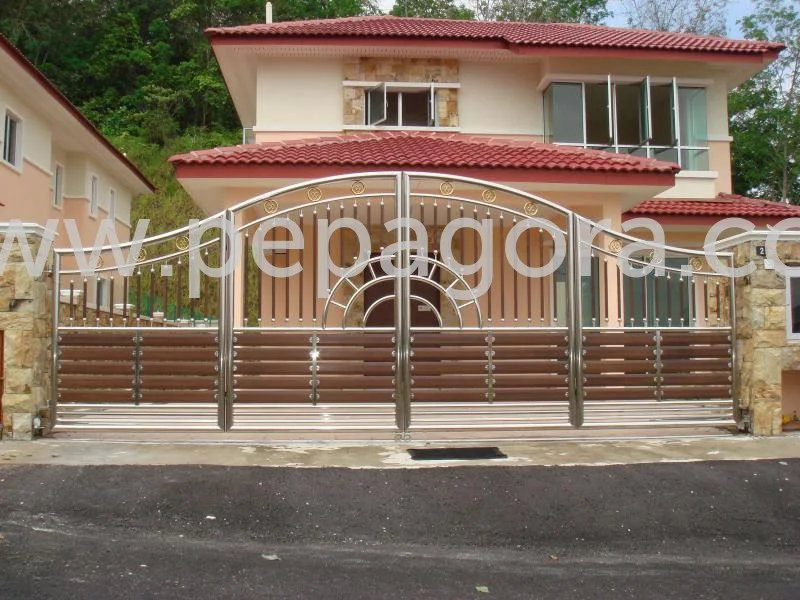
These products focus on aesthetic appeal while providing functionality. They are commonly used in residential applications to enhance the visual appeal of gates.
Self-Closing Gate Hardware
This variant includes mechanisms that automatically close gates after passage, providing added security. It is often used in pool areas and commercial properties.
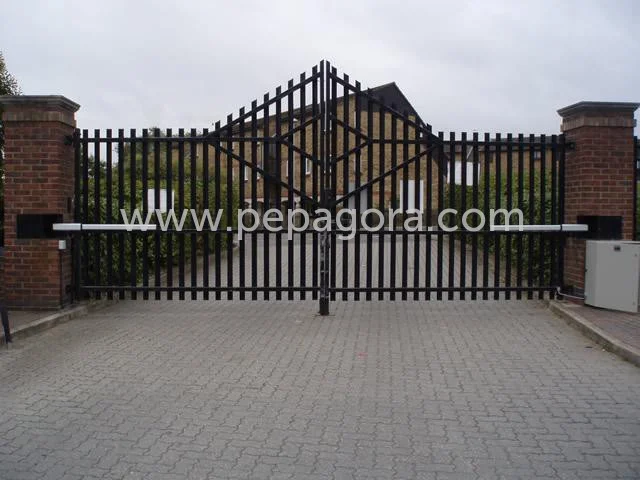
Electric Gate Hardware
Designed for automated gates, this hardware includes motors and control systems for remote operation. It is ideal for both residential and commercial applications requiring convenience.
Benefits and Advantages
Investing in quality gate and fence hardware offers several advantages that enhance both security and functionality.
1. Enhanced Security: Reliable locks and sturdy materials provide peace of mind by securing properties effectively.
2. Durability: High-quality hardware withstands environmental conditions, ensuring longevity and reducing the need for frequent replacements.
3. Aesthetic Appeal: Decorative hardware options enhance the visual aspects of gates and fences, adding value to properties.
4. Ease of Installation: Many products are designed for straightforward installation, minimizing labor costs and time.
5. Versatility: A wide range of products allows for customization according to specific needs and preferences.
6. Cost-Effectiveness: Investing in durable hardware reduces long-term maintenance and replacement costs, providing better value over time.
Buying Guide for B2B Buyers
When sourcing gate and fence hardware, it is essential for B2B buyers to consider several critical factors to ensure they make informed purchasing decisions.
1. Quality Assessment: Evaluate the material quality and durability of the hardware. Look for products that meet industry standards and have positive reviews from other customers.
2. Supplier Verification: Verify suppliers’ credibility by checking references and certifications. Reliable suppliers often have a proven track record in the industry.
3. Pricing and MOQ: Understand the pricing structure and minimum order quantities. Compare prices across different suppliers to ensure competitive rates without compromising quality.
4. Delivery and Lead Times: Consider logistics and delivery schedules. Ensure that suppliers can meet your project timelines to avoid delays.
5. Compliance Requirements: Be aware of any regulatory compliance needed for your project. This may include safety standards and local building codes.
Compliance and Certifications
Compliance and certifications are essential aspects of gate and fence hardware, ensuring that products meet quality and safety standards. Relevant quality standards like ISO 9001 ensure that manufacturers maintain consistent quality in their production processes.
Certifications such as CE indicate compliance with European safety regulations, assuring buyers of product reliability. Additionally, safety and testing requirements are crucial, as they guarantee that hardware can withstand various stressors and environmental factors.
Regional compliance considerations also play a role. Different regions may have specific regulations governing the materials and designs of gate and fence hardware, affecting sourcing decisions for B2B buyers.
Why Source Gate & Fence Hardware from Pepagora?
Pepagora stands out as a trusted platform for sourcing gate and fence hardware, offering several key advantages that cater to B2B buyers.
Verified Supplier Network: Pepagora connects buyers with a network of vetted suppliers, ensuring that all partners meet quality and reliability standards. This fosters confidence in sourcing decisions.
Streamlined RFQ Process: The platform simplifies the request for quotation process, allowing buyers to receive competitive quotes quickly. This efficiency helps businesses make timely decisions.
Trade Assurance and Support: Pepagora offers trade assurance, which protects buyers from potential disputes and ensures that transactions are secure. This support enhances buyer confidence in their purchases.
Regional Coverage: With a focus on regions like India, the GCC, and Southeast Asia, Pepagora provides extensive geographic reach, making it easier for buyers to find local suppliers that meet their needs.
Overall, Pepagora is dedicated to facilitating smooth transactions and connecting businesses with quality gate and fence hardware solutions.








Frequently Asked Questions
What are Gate & Fence Hardware?
Gate & Fence Hardware refers to the various components and accessories used in the installation, operation, and maintenance of gates and fences. This includes hinges, locks, latches, brackets, and other fittings that ensure functionality and security.
What are the different types of Gate & Fence Hardware?
There are several types of Gate & Fence Hardware, including hinges, locks, latches, gate stops, and brackets. Additionally, hardware can be categorized based on material, such as steel, aluminum, or plastic, each serving different purposes and environments.
How do I choose the right Gate & Fence Hardware?
To choose the right Gate & Fence Hardware, consider the type of gate or fence, the material used, and the specific functionality required. It's also important to assess the load capacity and compatibility with existing structures to ensure durability and safety.
What are the standard specifications for Gate & Fence Hardware?
Standard specifications for Gate & Fence Hardware typically include load ratings, dimensions, material properties, and corrosion resistance. These specifications ensure that the hardware meets safety standards and performs effectively in various weather conditions.
What is the price range for Gate & Fence Hardware?
The price range for Gate & Fence Hardware can vary significantly depending on the type, material, and quality. Generally, prices can range from a few hundred to several thousand Indian Rupees, reflecting the diversity in design and durability.
What quality standards apply to Gate & Fence Hardware?
Quality standards for Gate & Fence Hardware often include compliance with ISO, ASTM, or other relevant industry certifications. These standards ensure that the hardware is tested for strength, durability, and safety in real-world applications.
Where can I find Gate & Fence Hardware suppliers in India?
You can find Gate & Fence Hardware suppliers in India through online B2B marketplaces like Pepagora, trade shows, or industry directories. It's advisable to compare multiple suppliers to assess product availability and pricing.
Can Gate & Fence Hardware be customized?
Yes, many manufacturers offer customization options for Gate & Fence Hardware to meet specific requirements. Customization may include adjustments in size, material, or additional features to fit unique applications.
What is the typical minimum order quantity for Gate & Fence Hardware?
The typical minimum order quantity (MOQ) for Gate & Fence Hardware can vary by supplier, but it often ranges from 50 to 100 units. Always check with the manufacturer for their specific MOQ policies.
What is the typical lead time for Gate & Fence Hardware?
The typical lead time for Gate & Fence Hardware depends on the supplier and the complexity of the order, usually ranging from 1 to 4 weeks. Custom orders may require additional time for production and delivery.
Why Businesses Trust Pepagora
Thousands of companies trust Pepagora to source smarter and sell faster
Expand Your Sales Globally

Source Smarter,Grow Faster
