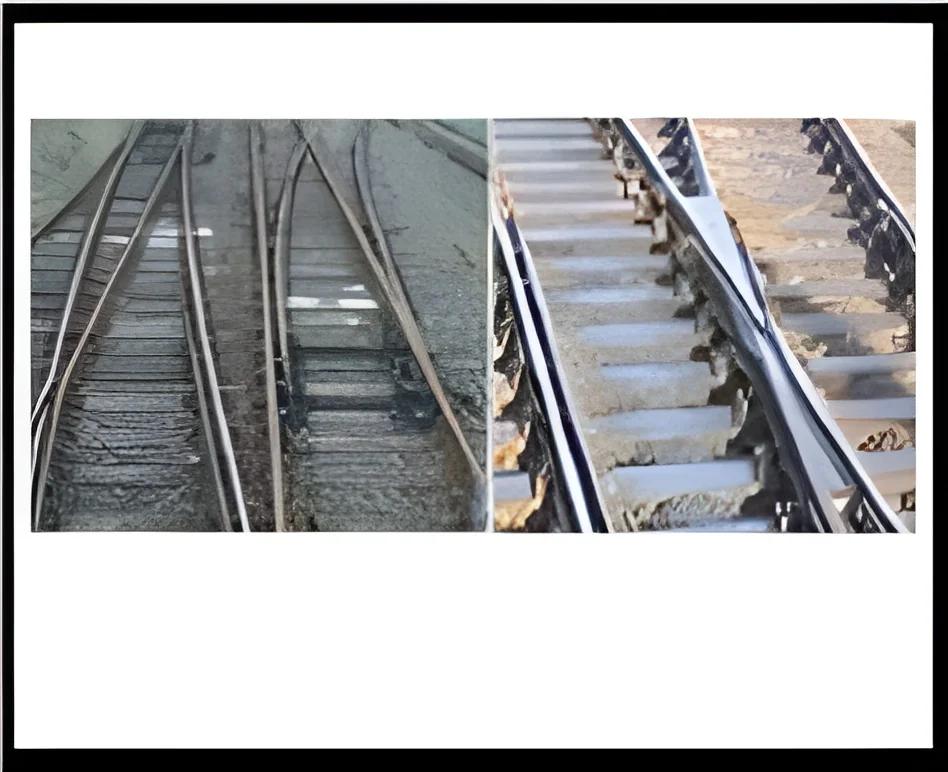
What are Sliding Track Systems?
Sliding track systems are mechanical assemblies that allow for the smooth movement of doors, panels, or other objects along a linear path. These systems typically consist of a track mounted to a wall or ceiling and a set of rollers or sliders attached to the moving object. The design ensures that the object can glide effortlessly along the track, facilitating easy access and space-saving solutions in various environments.
These systems are primarily used in commercial and industrial settings, such as warehouses, factories, and retail spaces. Their applications range from sliding doors in storage areas to movable partition walls in offices. Sliding track systems enhance functionality by maximizing space and optimizing workflow, making them essential for businesses looking to improve operational efficiency.
In the current market, sliding track systems have gained significant traction due to their versatility and practicality. Industries are increasingly adopting these solutions to streamline operations, enhance safety, and create flexible work environments. As a result, the demand for high-quality sliding track systems continues to grow, reflecting their importance in modern industrial applications.
Key Features and Specifications
Sliding track systems come with several features that contribute to their effectiveness and reliability. Understanding these specifications is crucial for selecting the right system for specific applications.
Key specifications include:
1. Load Capacity
- The maximum weight the sliding system can support.
- Typical ranges can vary from 100 kg to over 1000 kg depending on design.
2. Track Length
- The total length of the track system, which determines the range of movement.
- Common lengths range from 1 meter to 5 meters.
3. Material Composition
- Tracks and rollers are often made from durable materials such as aluminum or stainless steel.
- These materials ensure longevity and resistance to wear.
4. Roller Type
- Options include nylon rollers for quieter operation or steel rollers for heavy-duty use.
- The choice affects noise levels and load handling.
5. Installation Type
- Systems can be top-mounted or wall-mounted based on space and design requirements.
- Consideration of installation type is important for compatibility.
6. Safety Features
- Systems may include safety stops or locking mechanisms to prevent accidental movement.
- Ensuring safety is critical in high-traffic areas.
7. Ease of Maintenance
- Some systems are designed for easy access to components for maintenance.
- Regular upkeep can extend the life of the system.
8. Customization Options
- Many manufacturers offer customization to suit specific operational needs.
- Custom solutions can enhance functionality and integrate with existing systems.
In summary, selecting a sliding track system involves considering multiple specifications that align with operational needs and safety standards.
Common Applications and Use Cases
Sliding track systems are utilized across various industries for their efficiency and versatility.
1. Warehousing: In warehouses, sliding track systems are used for movable storage solutions, allowing for quick access to inventory and maximizing space utilization.
2. Retail: Retail environments often use sliding doors to create seamless entrances or to separate different sections, improving customer flow and accessibility.
3. Offices: Sliding partitions in offices help create flexible workspaces, enabling companies to adapt to changing team sizes and project requirements.
4. Manufacturing: In manufacturing facilities, sliding track systems facilitate the movement of heavy equipment and materials, contributing to streamlined operations.
5. Hospitality: Hotels and restaurants employ sliding doors for guest rooms and kitchens, enhancing aesthetics while providing efficient space management.
6. Residential: Homeowners use sliding track systems for closet doors and room dividers, combining functionality with design.
7. Healthcare: In hospitals, sliding doors are essential for maintaining hygiene while allowing easy access to various departments.
Product Variants and Subcategories
Sliding track systems come in various configurations to meet diverse needs.
Heavy-Duty Sliding Track Systems
These systems are designed to handle substantial weights, making them suitable for industrial applications. Features often include robust materials and reinforced tracks for enhanced durability.
Lightweight Sliding Track Systems
Ideal for residential or light commercial use, these systems are easier to install and operate. They are typically made from lighter materials, offering a cost-effective solution for less demanding environments.
Soft-Close Sliding Track Systems
These variants incorporate mechanisms that allow doors to close gently, reducing noise and wear. They are popular in both residential and commercial applications where a quiet environment is desired.
Bi-Fold Sliding Track Systems
These systems enable doors to fold as they slide, saving space and providing wider openings. They are commonly used in areas where traditional doors would be impractical.
Benefits and Advantages
Sliding track systems offer numerous benefits that make them an attractive choice for various applications.
1. Space Efficiency: Sliding systems require less space compared to traditional swinging doors, making them ideal for tight environments.
2. Improved Accessibility: These systems allow for easy access to areas that may be difficult to reach with conventional doors, enhancing workflow.
3. Versatility: With applications in various industries, sliding track systems can be customized to fit specific needs, accommodating different weights and sizes.
4. Enhanced Aesthetics: Available in various designs and finishes, these systems contribute to the overall look of a space while providing functionality.
5. Reduced Maintenance: Many sliding track systems are designed for low maintenance, with durable materials that withstand wear and tear.
6. Safety Features: Sliding track systems can include safety mechanisms to prevent accidents and ensure secure operation.
Buying Guide for B2B Buyers
When sourcing sliding track systems, several factors should be considered to ensure a successful purchase.
1. Quality Assessment: Evaluate the quality of materials and construction. Look for systems that meet industry standards and offer warranties.
2. Supplier Verification: Vet suppliers to ensure they have a good reputation and reliable product offerings. Check reviews and ask for references if necessary.
3. Pricing and MOQ: Understand the pricing structure and minimum order quantities. Compare quotes from multiple suppliers to find the best value.
4. Delivery and Lead Times: Consider logistics and delivery times, especially if the systems are needed for upcoming projects. Ensure suppliers can meet your timeline.
5. Compliance Requirements: Be aware of any regulatory standards that apply to your industry. Ensure that the sliding track systems meet necessary compliance certifications.
Compliance and Certifications
Compliance and certifications play a crucial role in the reliability and safety of sliding track systems.
Relevant quality standards such as ISO 9001 ensure that manufacturers maintain consistent quality management practices. These standards help guarantee that products meet customer expectations and regulatory requirements.
Industry certifications like CE indicate that the product complies with European safety standards. This certification is vital for products sold in the European market and signals adherence to health and safety regulations.
Safety and testing requirements are also critical. Manufacturers should conduct rigorous testing to ensure that sliding track systems perform safely under various conditions. This includes load testing and operational safety checks.
In addition, regional compliance considerations may vary. It is essential for manufacturers to be aware of local regulations, which can impact product design and safety features.
Why Source Sliding Track Systems from Pepagora?
Pepagora offers a trusted platform for sourcing sliding track systems, providing several advantages for B2B buyers.
Verified Supplier Network: Pepagora has established a network of verified suppliers, ensuring that buyers can access quality products from reputable manufacturers. This network helps minimize risks associated with sourcing.
Streamlined RFQ Process: The request for quotation process at Pepagora is efficient, allowing buyers to easily compare offers from multiple suppliers. This feature simplifies decision-making.
Trade Assurance and Support: Pepagora provides trade assurance, protecting buyers from potential issues during transactions. Additionally, customer support is available to assist with any inquiries or challenges.
Regional Coverage: Pepagora extends its reach across India, the GCC, and Southeast Asia, ensuring that buyers can find suitable solutions regardless of location. This broad geographic coverage enhances accessibility to quality sliding track systems.

 IN
IN