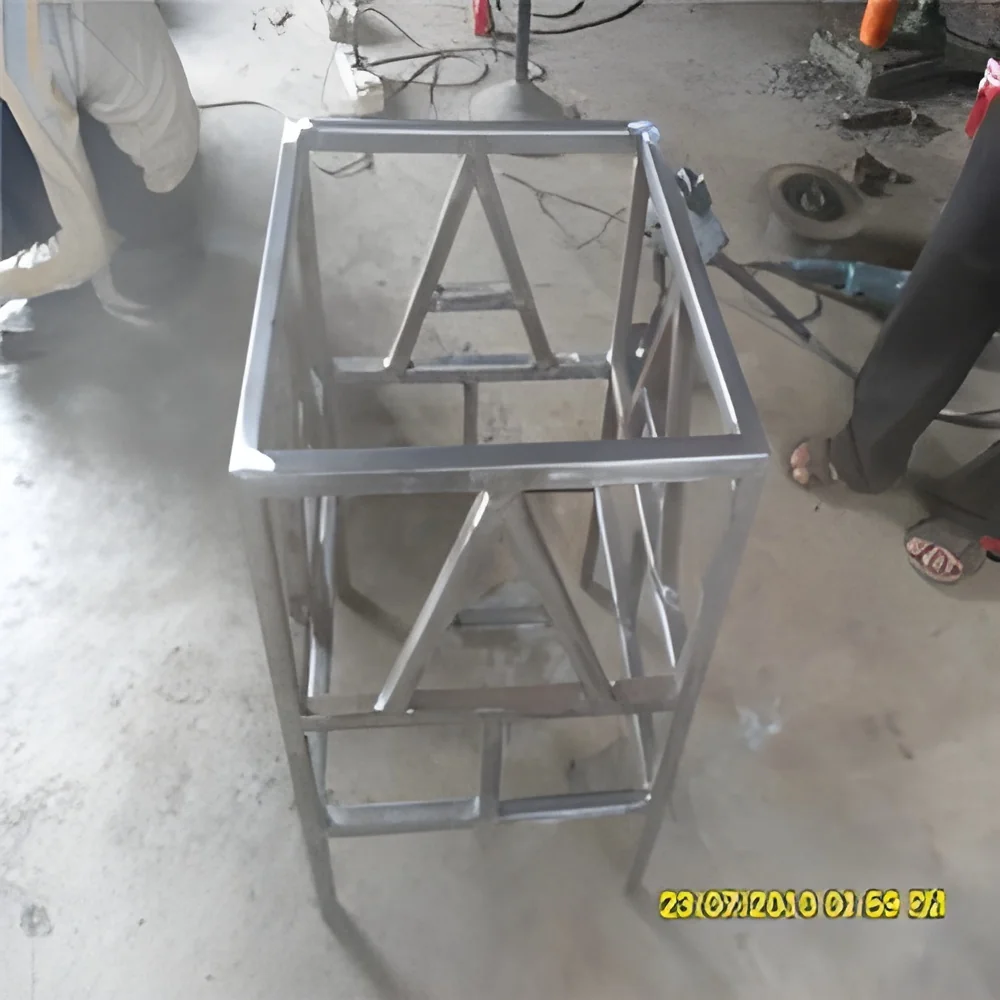
What are Framing Connectors?
Framing connectors are essential hardware components used in construction and structural engineering. They are designed to join various structural elements together, ensuring stability and strength in buildings and other constructions. Typically made from metal, these connectors come in various shapes and sizes to accommodate different types of connections, such as beams to columns or wall framing to foundation. Their primary purpose is to enhance the structural integrity of frameworks, making them a crucial element in construction projects.
These connectors find their primary applications in a range of industries, including residential, commercial, and industrial construction. They are commonly used in wooden and metal framing, where they play a vital role in resisting forces from wind, earthquakes, and other external pressures. The market for framing connectors is growing steadily, driven by increased construction activities and the ongoing need for durable and reliable building materials. As safety regulations become stricter, the demand for quality framing connectors that meet industry standards continues to rise.
Key Features and Specifications
Framing connectors are characterized by specific features and specifications that make them suitable for various applications. Understanding these specifications is essential for choosing the right connectors for a project.
Key specifications include:
1. Material Composition
- Typically made from galvanized steel or stainless steel
- Offers durability and resistance to corrosion
2. Load Capacity
- Designed to support specific load limits
- Varies based on the type of connector and application
3. Size and Dimensions
- Available in multiple sizes to fit different framing requirements
- Dimensions are critical for ensuring proper fit and function
4. Connection Type
- Includes options for nail, screw, or bolt connections
- Each type serves different applications and structural needs
5. Finishing Options
- May come in various finishes, such as powder-coated or zinc-plated
- Affects aesthetics and corrosion resistance
6. Compliance Standards
- Must meet industry standards for safety and performance
- Variations may exist based on regional requirements
7. Installation Method
- Designed for ease of installation with specific tools
- Instructions provided for proper usage and safety
In summary, understanding the features and specifications of framing connectors is crucial for ensuring they meet the demands of your specific construction projects.
Common Applications and Use Cases
Framing connectors are utilized across various industries, reflecting their versatility and importance in construction.
1. Residential Construction: Commonly used to secure wooden frames in homes, ensuring stability and safety against environmental forces.
2. Commercial Buildings: Employed in steel framing to connect beams and columns in offices and retail spaces, providing structural support.
3. Industrial Facilities: Used in warehouses and factories for connecting structural steel components, contributing to load-bearing capacity.
4. Agricultural Structures: Essential in constructing barns and silos, where strength and durability are paramount.
5. Bridge Construction: Used to join elements in bridge frameworks, ensuring they can withstand heavy loads and dynamic forces.
6. Prefabricated Structures: Integrated into modular building systems for quick assembly and enhanced structural integrity.
7. Renovation Projects: Utilized in restoring older buildings, providing modern solutions to strengthen existing frameworks.
Product Variants and Subcategories
Framing connectors come in a range of variants, each tailored for specific applications and needs.
Connector Plates: These are flat metal pieces used to connect wooden beams and joists, providing a strong joint while maintaining a low profile.
Angle Brackets: Designed to create right-angle connections between two structural elements, angle brackets are versatile and used in many applications.
Ties and Tension Connectors: These connectors are crucial for ensuring that framing elements remain aligned and stable under various load conditions.
Shear Connectors: Used primarily in steel construction, shear connectors help transfer loads between different structural components.
Benefits and Advantages
Framing connectors provide numerous benefits to construction projects, enhancing both safety and efficiency.
1. Enhanced Structural Integrity: Framing connectors help improve the overall strength of a structure, making it more resilient to external forces.
2. Cost-Effective Solutions: By providing reliable connections, these connectors minimize the risk of structural failures that can lead to costly repairs.
3. Quick Installation: Many framing connectors are designed for easy installation, significantly reducing assembly time on site.
4. Versatile Applications: Suitable for various materials and structures, framing connectors can be used in diverse construction settings.
5. Compliance with Standards: High-quality framing connectors meet industry standards, ensuring safety and reliability in construction projects.
6. Increased Design Flexibility: Framing connectors allow for innovative design solutions, enabling architects and engineers to explore new configurations.
Buying Guide for B2B Buyers
When sourcing framing connectors, it is crucial for B2B buyers to consider several key factors to ensure they make informed decisions.
1. Quality Assessment: Evaluate the material and construction quality of the connectors. Look for certifications that indicate compliance with industry standards.
2. Supplier Verification: Vet potential suppliers by checking their reputation, reviews, and past projects. Reliable suppliers should have a proven track record in the industry.
3. Pricing and MOQ: Consider the pricing structure and minimum order quantities. Understanding the cost implications will assist in budgeting for projects.
4. Delivery and Lead Times: Factor in logistics and expected delivery times to ensure that you receive the connectors when needed without delaying the project.
5. Compliance Requirements: Be aware of local regulations and compliance needs for framing connectors. This will help avoid issues during inspections or approvals.
Compliance and Certifications
Framing connectors must adhere to various quality standards and certifications to ensure they meet safety and performance requirements.
One of the most relevant standards is ISO 9001, which outlines the criteria for a quality management system. This certification ensures that manufacturers maintain consistent quality in their products.
Another important certification is CE marking, which indicates that the product meets European safety standards. This is particularly relevant for companies exporting connectors to Europe or operating within the region.
Safety testing requirements are also essential for framing connectors. They must undergo rigorous testing to confirm their load-bearing capabilities and overall performance.
Additionally, regional compliance considerations may apply, depending on the geographical location of the project. Understanding these requirements will help ensure that the connectors used are safe and compliant with local building codes.
Why Source Framing Connectors from Pepagora?
Pepagora offers a trusted platform for sourcing framing connectors, providing several advantages to B2B buyers.
Verified Supplier Network: Pepagora connects buyers with a network of verified suppliers, ensuring that each supplier meets stringent quality and reliability standards. This level of vetting helps buyers make secure purchasing decisions.
Streamlined RFQ Process: The Request for Quotation process on Pepagora is designed for efficiency, allowing buyers to quickly receive competitive quotes from multiple suppliers. This helps in comparing options and making informed choices.
Trade Assurance and Support: Buyers benefit from trade assurance programs that protect their purchases. Pepagora provides support throughout the buying process, ensuring a smooth transaction and resolving any issues that may arise.
Regional Coverage: With a focus on India, the Gulf Cooperation Council (GCC), and Southeast Asia, Pepagora offers extensive regional coverage. This geographic reach enables buyers to find local suppliers, reducing shipping times and costs while fostering relationships within their region.

 IN
IN