
 IN
Nuts & Bolts
1 products available
What are Nuts & Bolts?
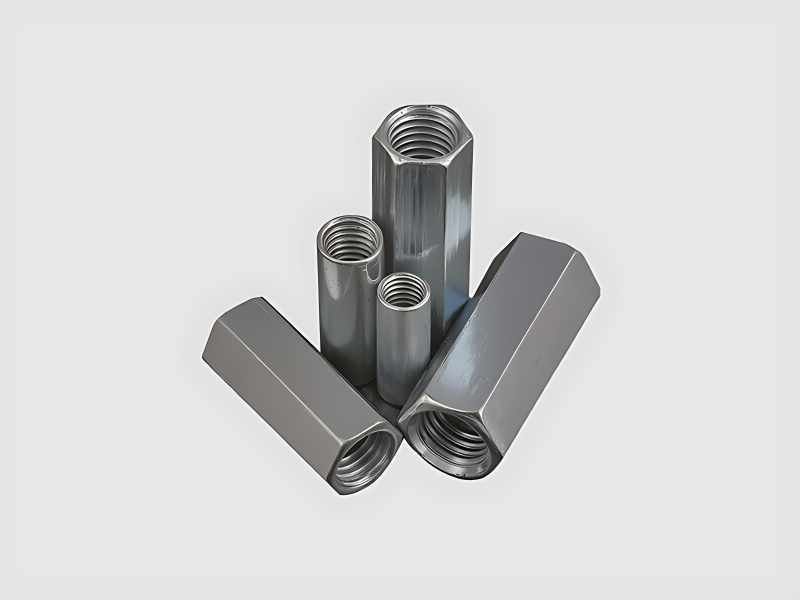
Nuts and bolts are essential fasteners used in various applications across industries. A nut is a hexagonal block with a hole in the center that is designed to fit onto a bolt, which is a cylindrical rod with a threaded end. Together, they form a secure fastening mechanism that holds materials together. Nuts and bolts come in various sizes, materials, and designs, allowing them to serve different functions in construction, manufacturing, and repair tasks.
The primary uses of nuts and bolts span across numerous industries such as automotive, construction, and machinery. They are commonly found in assembling equipment, machinery, and structures, providing strength and stability. In the automotive sector, for example, nuts and bolts hold together crucial components like engines and frames. The versatility and reliability of these fasteners make them indispensable in many business applications.
In the current market, the demand for high-quality nuts and bolts continues to grow due to the expansion of infrastructure projects and manufacturing activities. Industries are increasingly prioritizing quality and compliance with international standards to ensure safety and durability. As a result, suppliers must remain competitive by offering diverse product ranges and adhering to relevant industry certifications.
Key Features and Specifications
Nuts and bolts come with various key features and specifications that define their usability and performance. Understanding these specifications is crucial for selecting the right fasteners for specific applications.
Key specifications include:
1. Material Type
- Common materials include steel, stainless steel, brass, and nylon.
- Each material has different properties, such as corrosion resistance and strength.
2. Thread Size
- Threads can vary in size, pitch, and depth.
- Standardized sizing ensures compatibility and ease of use.
3. Coating Options
- Common coatings include zinc plating, galvanization, and powder coating.
- Coatings enhance durability and resistance to environmental factors.
4. Head Type
- Bolt heads can be hexagonal, round, or square.
- The head type affects the tool used for installation and removal.
5. Nut Types
- Nuts can be standard, locking, or flange types.
- Each type serves a specific fastening requirement based on application needs.
6. Grade and Strength
- Nuts and bolts are rated according to their tensile strength, often classified by grades such as ASTM or ISO standards.
- Higher grades indicate stronger fasteners suitable for heavy-duty applications.
7. Length and Diameter
- Available in various lengths and diameters to suit different assembly requirements.
- Precise measurements ensure proper fit and function.
8. Compliance Standards
- Many products meet industry standards such as CE certification and ISO quality standards.
- Compliance ensures reliability and safety in applications.
In summary, the features and specifications of nuts and bolts are crucial for ensuring they meet the demands of specific applications. Understanding these aspects aids in making informed purchasing decisions.
Common Applications and Use Cases
Nuts and bolts are used across various industries, highlighting their versatility and importance in different applications.
1. Automotive Industry: Nuts and bolts are vital for assembling vehicles, securing engine components, and maintaining structural integrity in frames and bodies.
2. Construction Sector: In construction, these fasteners are used for building frameworks, securing scaffolding, and attaching various materials like wood and metal.
3. Machinery Manufacturing: Nuts and bolts play a critical role in machinery assembly, ensuring that all parts are tightly secured for optimal operation.
4. Electronics: In electronics, they are used for mounting circuit boards and securing components within devices.
5. Aerospace: The aerospace industry relies on high-strength nuts and bolts for assembling aircraft and ensuring safety and durability in flight operations.
6. Furniture Production: In furniture assembly, nuts and bolts provide the strength needed to hold pieces together while allowing for easy disassembly and transport.
7. Shipbuilding: The marine industry uses specialized fasteners to withstand harsh environmental conditions and ensure the structural integrity of vessels.
Product Variants and Subcategories
Nuts and bolts come in various types and configurations to meet diverse needs. This diversity allows for tailored solutions in different applications.
Hex Nuts
Hex nuts are the most common type, characterized by their six-sided shape. They are versatile and widely used in various applications, from machinery assembly to automotive manufacturing.
Lock Nuts
Lock nuts are designed to prevent loosening due to vibration. Their unique design, often incorporating nylon inserts, makes them suitable for critical applications where safety is paramount.
Flange Bolts
Flange bolts have an integrated flange, which acts as a washer to distribute load. They are commonly used in automotive and construction applications where a strong and secure fastening is essential.
Carriage Bolts
Carriage bolts have a rounded head and a square neck that prevents rotation when tightened. They are ideal for wood applications and are frequently used in furniture assembly.
Benefits and Advantages
Sourcing high-quality nuts and bolts offers numerous advantages that can enhance operational efficiency and product reliability.
Key benefits include:
1. Durability: Quality nuts and bolts are designed to withstand various stresses and environmental conditions, ensuring long-term performance.
2. Versatility: They can be used in numerous applications across different industries, making them essential for various projects.
3. Cost-Effectiveness: High-quality fasteners reduce the need for frequent replacements, saving costs in the long run.
4. Ease of Installation: Standardized sizes and designs facilitate quick and easy installation, minimizing downtime.
5. Safety Compliance: Sourcing certified nuts and bolts ensures compliance with industry safety standards, protecting workers and reducing liability.
6. Supplier Variety: A wide range of suppliers allows businesses to find the right products tailored to their specific needs and preferences.
Buying Guide for B2B Buyers
When sourcing nuts and bolts, it is essential for B2B buyers to consider several critical factors to ensure they make informed decisions.
1. Quality Assessment: Evaluate the quality of materials and manufacturing processes. Look for certifications and standards compliance to ensure reliability and safety.
2. Supplier Verification: Vet potential suppliers by checking their reputation, customer reviews, and compliance with industry standards. A reliable supplier is crucial for consistent product quality.
3. Pricing and MOQ: Understand the pricing structure and minimum order quantities (MOQ) to ensure it aligns with your budget and purchasing needs. Compare quotes from different suppliers to find the best deal.
4. Delivery and Lead Times: Assess the supplier’s capability to meet your delivery requirements. Timely delivery is essential to avoid project delays.
5. Compliance Requirements: Be aware of any regional or industry-specific compliance requirements. Ensure that the nuts and bolts sourced meet the necessary safety and quality standards.
Compliance and Certifications
Nuts and bolts are often subject to various compliance and certification standards that ensure their quality and safety in industrial applications. Key standards include ISO 9001, which outlines quality management systems that organizations must adhere to in manufacturing processes. This certification helps ensure that products consistently meet customer and regulatory requirements.
Another important certification is CE marking, which indicates that a product meets European safety, health, and environmental protection standards. Compliance with CE marking is crucial for businesses operating within or exporting to European markets.
Safety and testing requirements also play a significant role in the production of nuts and bolts. These fasteners must undergo rigorous testing to verify their strength, durability, and performance under various conditions. Regional compliance considerations may include local regulations regarding material usage and environmental impact.
Why Source Nuts & Bolts from Pepagora?
Pepagora provides a trusted platform for sourcing nuts and bolts, offering several key advantages to B2B buyers.
Verified Supplier Network: Pepagora features a network of verified suppliers, ensuring that buyers can access high-quality products with confidence. Each supplier undergoes a thorough vetting process to guarantee reliability.
Streamlined RFQ Process: The platform simplifies the request for quotation (RFQ) process, allowing buyers to easily compare offers from multiple suppliers. This efficiency helps in making informed purchasing decisions quickly.
Trade Assurance and Support: Pepagora prioritizes buyer protection through trade assurance policies, providing peace of mind during transactions. Buyers have access to support services that assist them throughout the sourcing process.
Regional Coverage: With a broad geographic reach, Pepagora connects buyers in India, the GCC, and Southeast Asia with suppliers, facilitating international trade and expanding market opportunities. This regional coverage enhances the sourcing experience for businesses looking to procure nuts and bolts.

Frequently Asked Questions
What are Nuts & Bolts?
Nuts and bolts are essential fasteners used in various applications to secure two or more objects together. The bolt is a cylindrical rod with a head at one end, while the nut is a hexagonal block that fits onto the bolt to create a secure connection.
What are the different types of Nuts & Bolts?
There are several types of nuts and bolts, including hex bolts, carriage bolts, lag bolts, and eye bolts, among others. Each type serves specific purposes and is designed for particular applications, varying in size, shape, and material.
How do I choose the right Nuts & Bolts?
Choosing the right nuts and bolts involves considering factors such as load requirements, material compatibility, and environmental conditions. It is essential to select the correct size and type to ensure the integrity and safety of the assembly.
What are the standard specifications for Nuts & Bolts?
Standard specifications for nuts and bolts include dimensions, material grades, and strength classifications. Common standards include ASTM, ISO, and DIN, which define these specifications to ensure consistency and quality in manufacturing.
What is the price range for Nuts & Bolts?
The price of nuts and bolts can vary widely based on factors such as material, size, type, and quantity ordered. Generally, prices can range from a few rupees for standard items to several hundred rupees for specialized fasteners.
What quality standards apply to Nuts & Bolts?
Quality standards for nuts and bolts typically include specifications for material strength, corrosion resistance, and dimensional accuracy. Organizations such as ISO and ASTM set these standards to ensure products meet required performance criteria.
Where can I find Nuts & Bolts suppliers in India?
Nuts and bolts suppliers in India can be found through various online B2B marketplaces, industrial supply stores, and manufacturer directories. Platforms like Pepagora.com can help connect you with reliable suppliers across the country.
Can Nuts & Bolts be customized?
Yes, many manufacturers offer customization options for nuts and bolts to meet specific requirements. Customizations may include size, material, coating, and threading based on the needs of the application.
What is the typical minimum order quantity for Nuts & Bolts?
The typical minimum order quantity (MOQ) for nuts and bolts can vary by supplier and product type. Generally, MOQs can range from a few pieces for standard items to larger quantities for specialized fasteners.
What is the typical lead time for Nuts & Bolts?
The lead time for nuts and bolts can vary depending on factors like supplier location, order size, and customization requirements. Generally, standard products may have a lead time of 1-4 weeks, while customized items may take longer.
Why Businesses Trust Pepagora
Thousands of companies trust Pepagora to source smarter and sell faster
Expand Your Sales Globally

Source Smarter,Grow Faster
