What are Steel Channels & Angles?
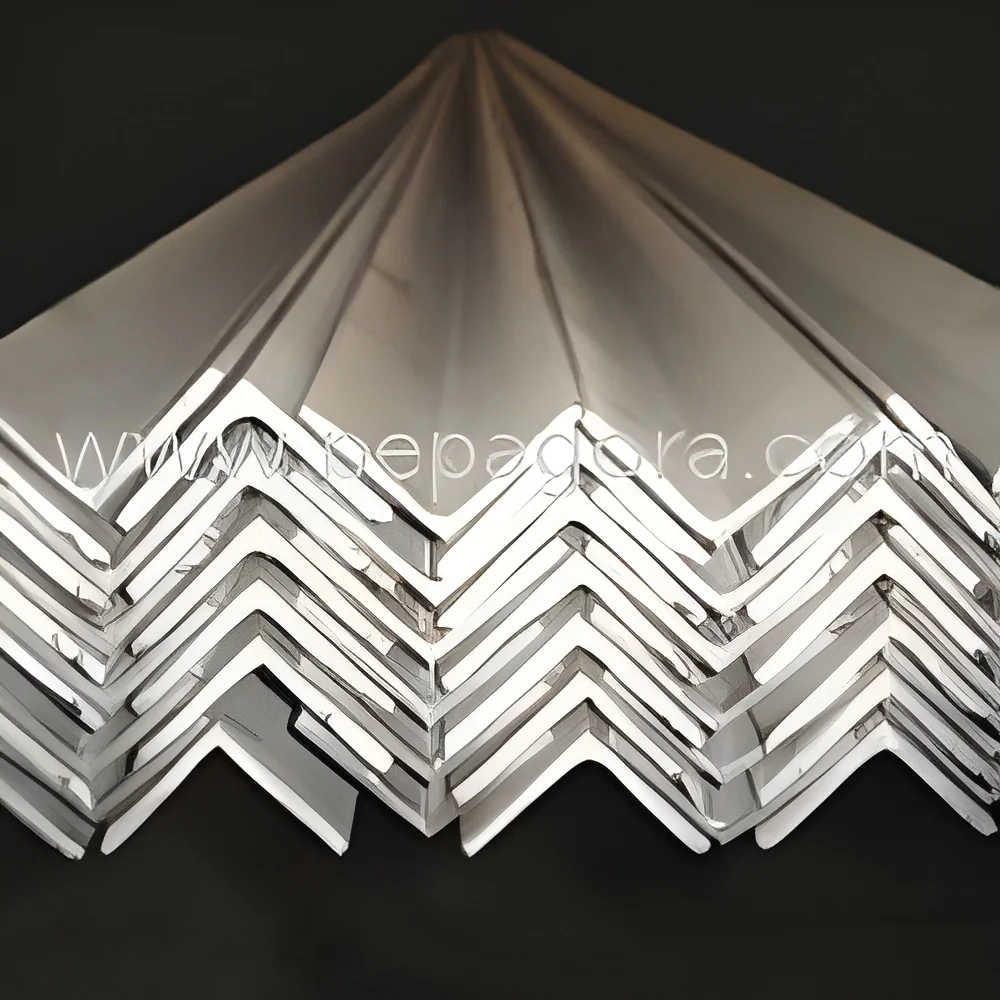
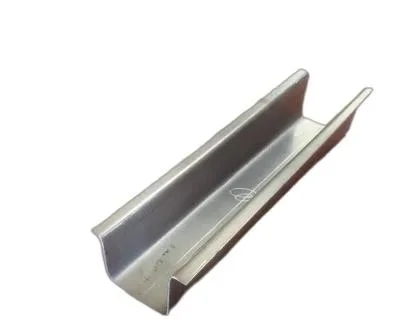
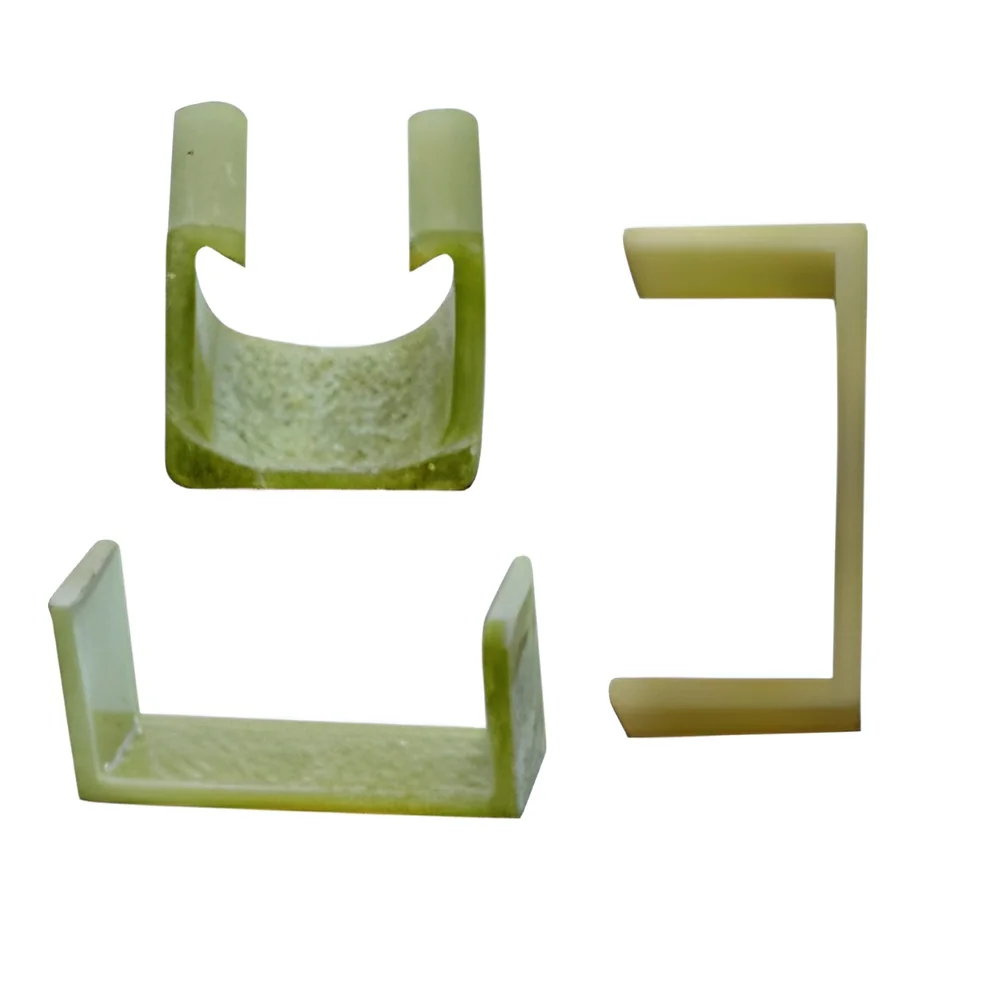
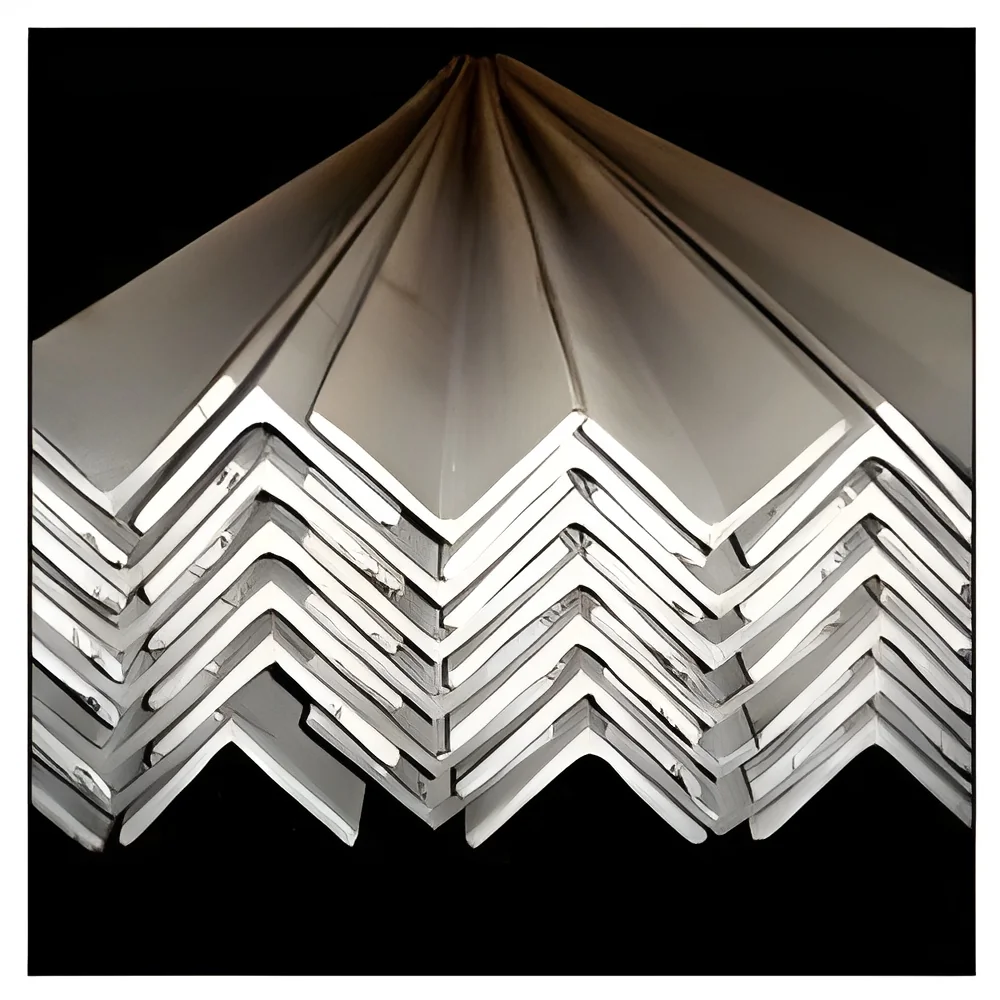
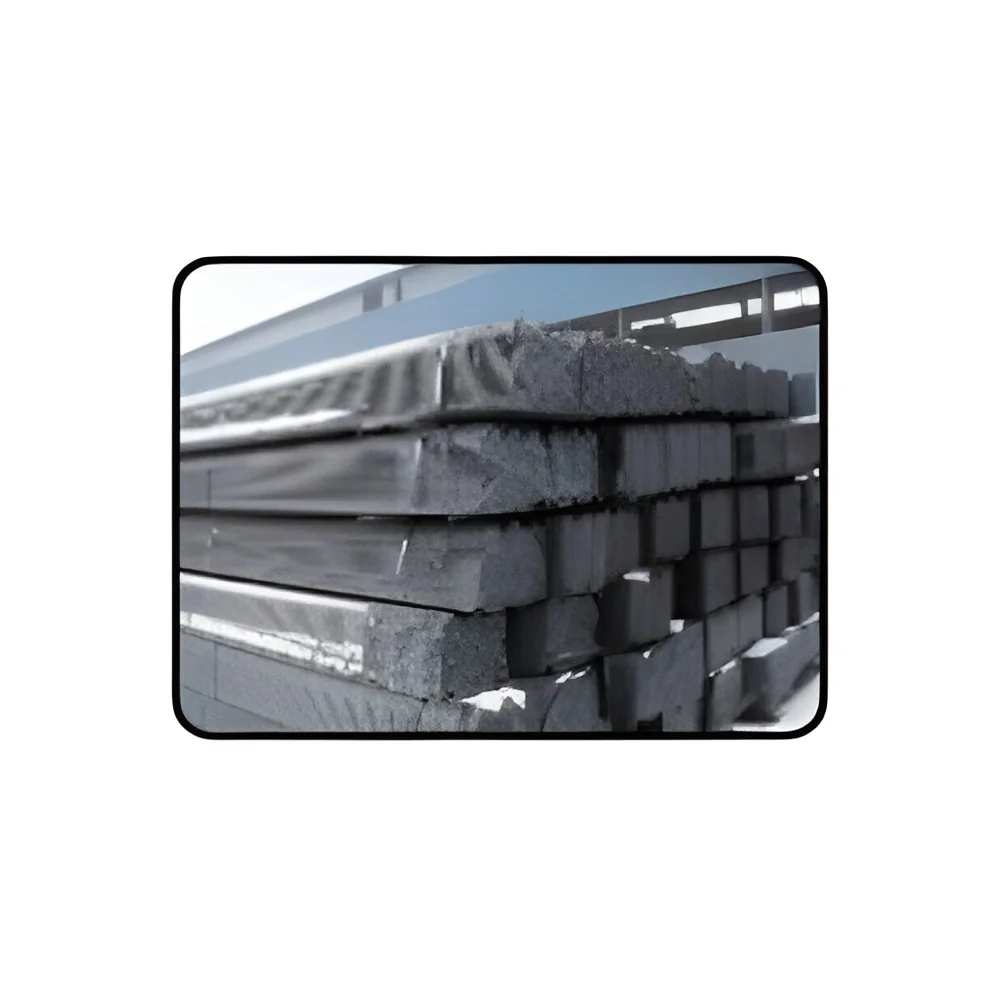
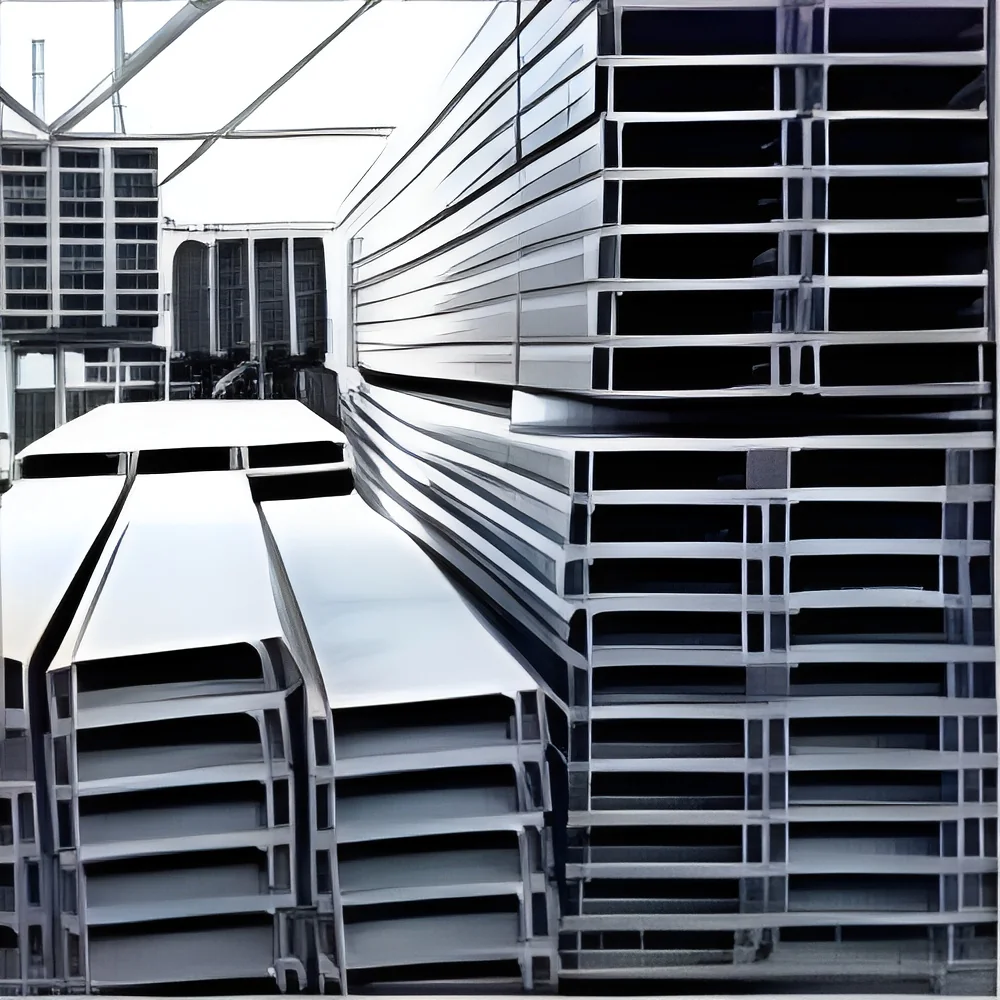
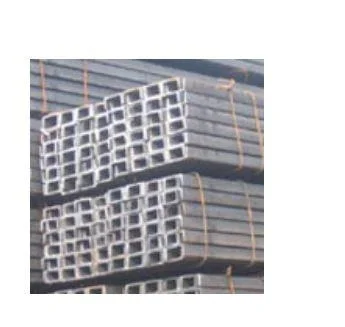
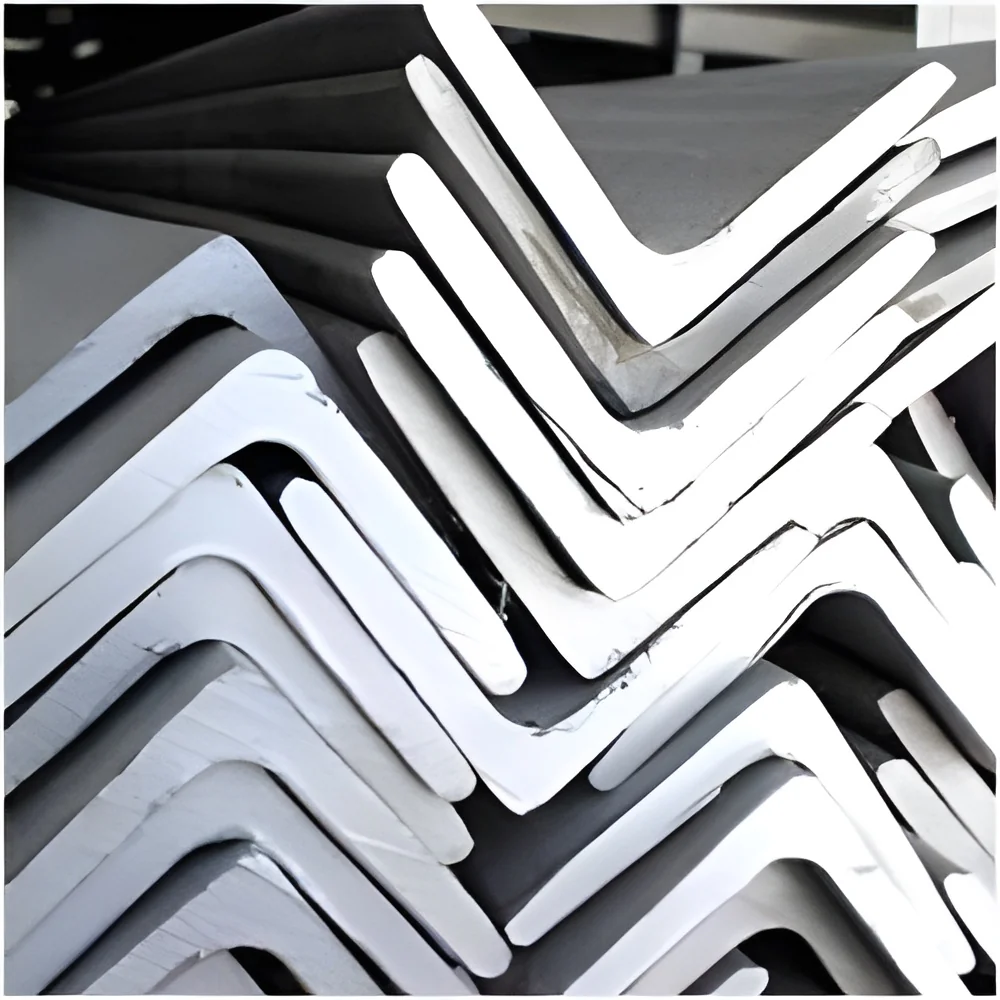
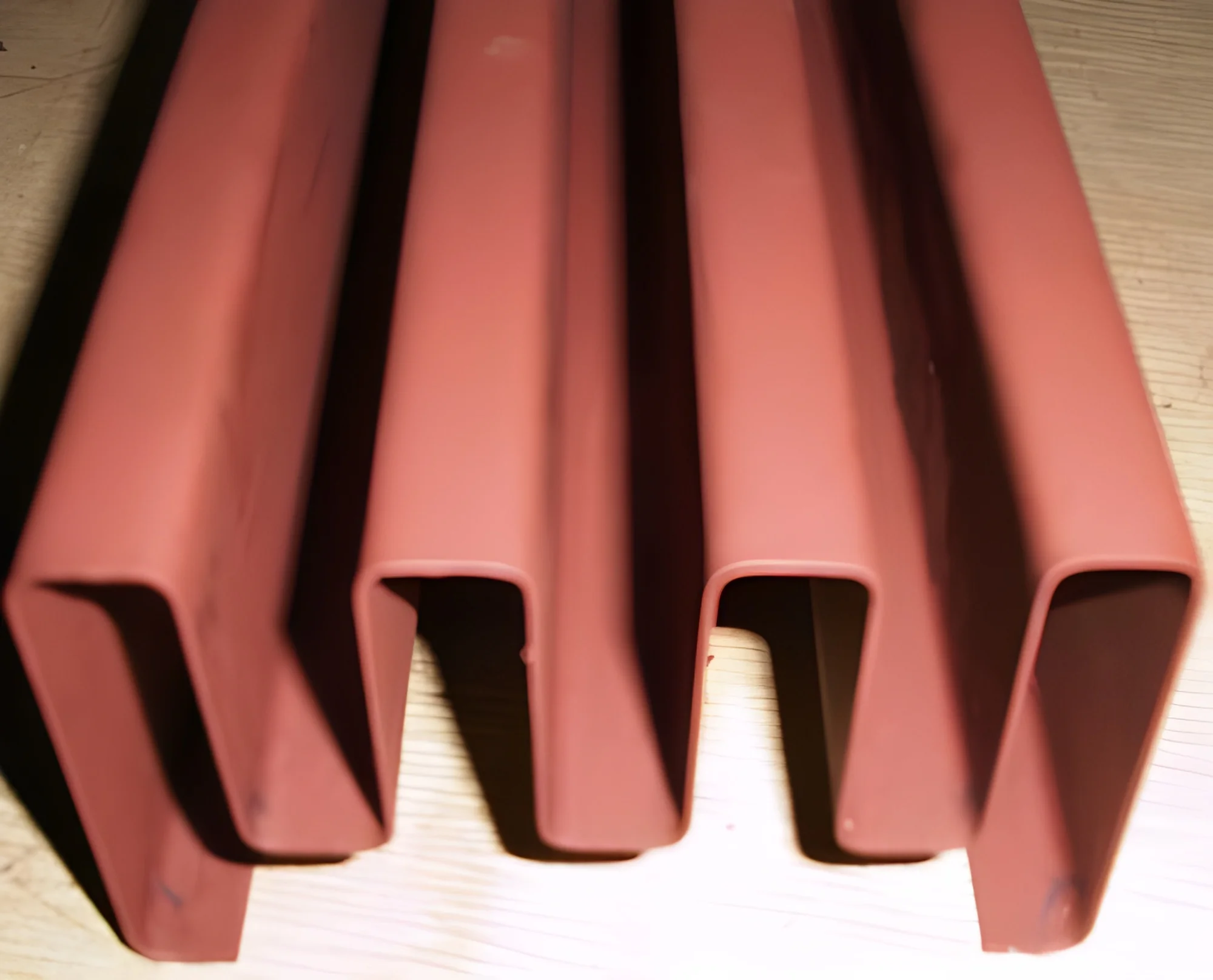
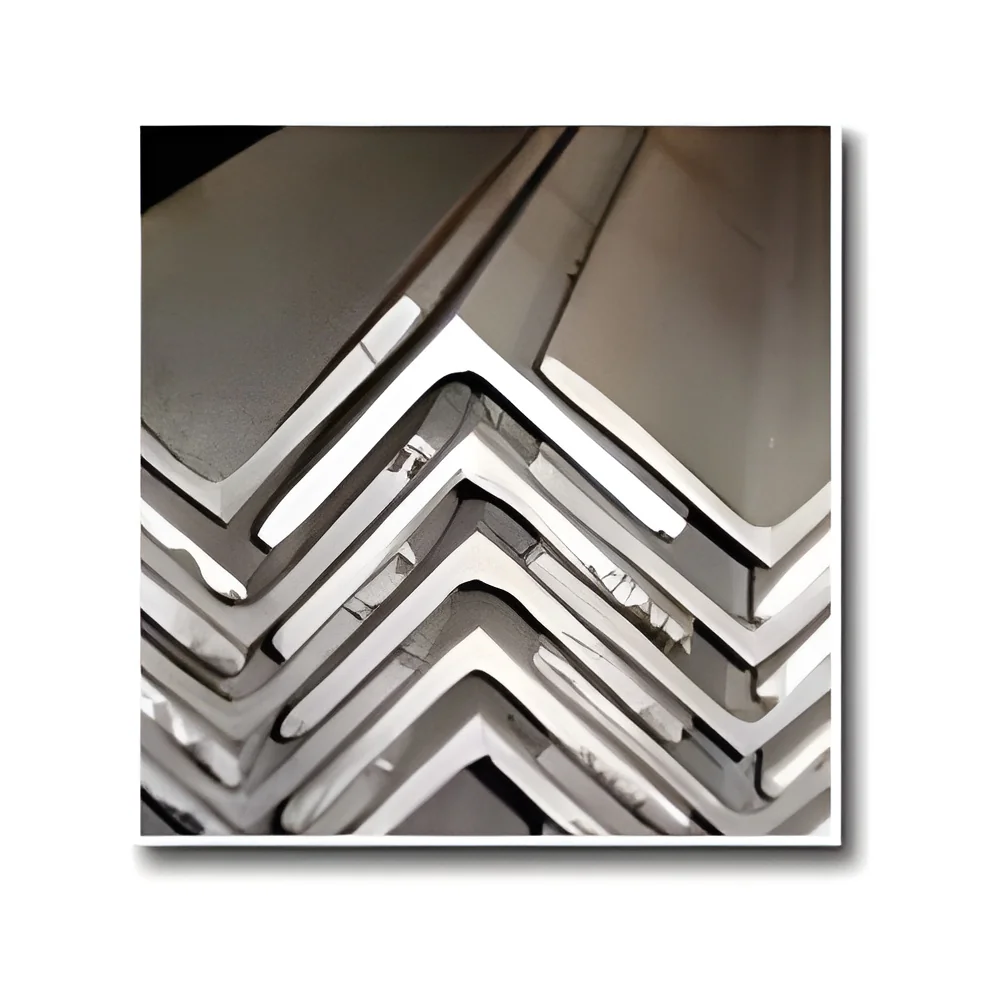
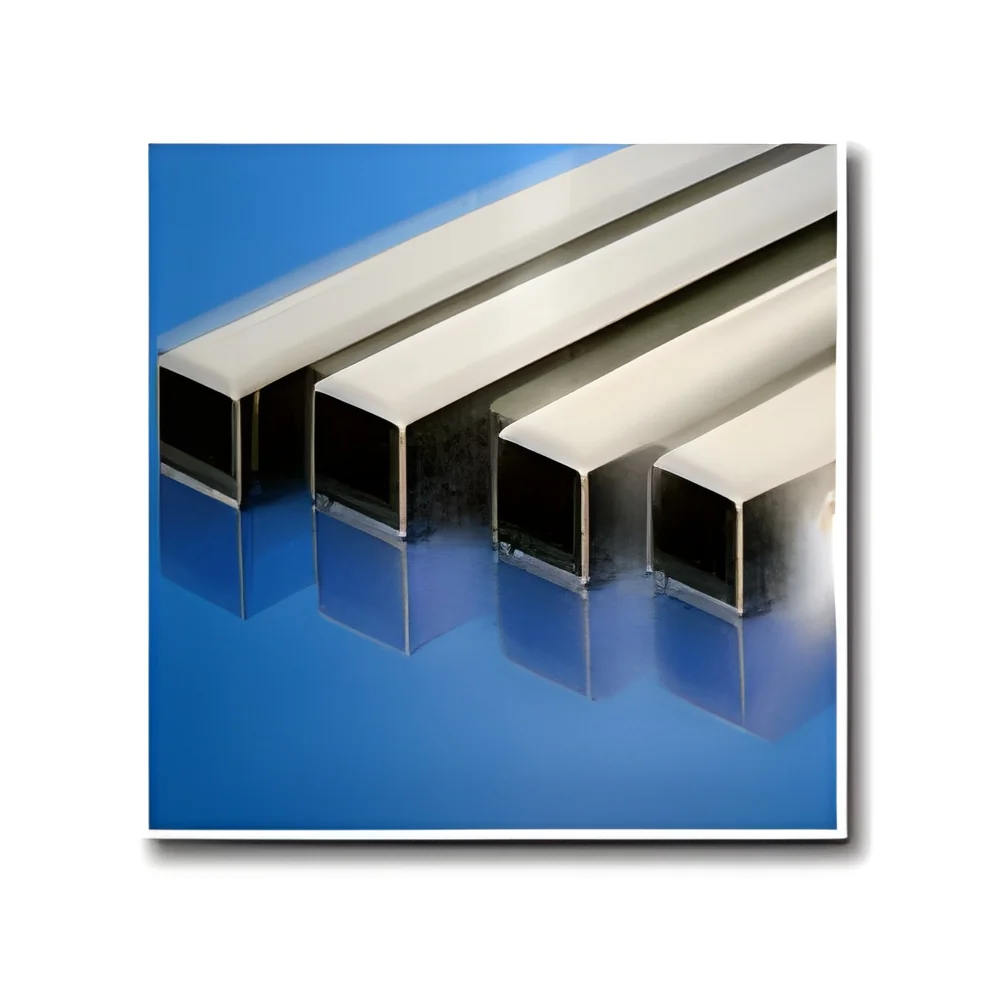
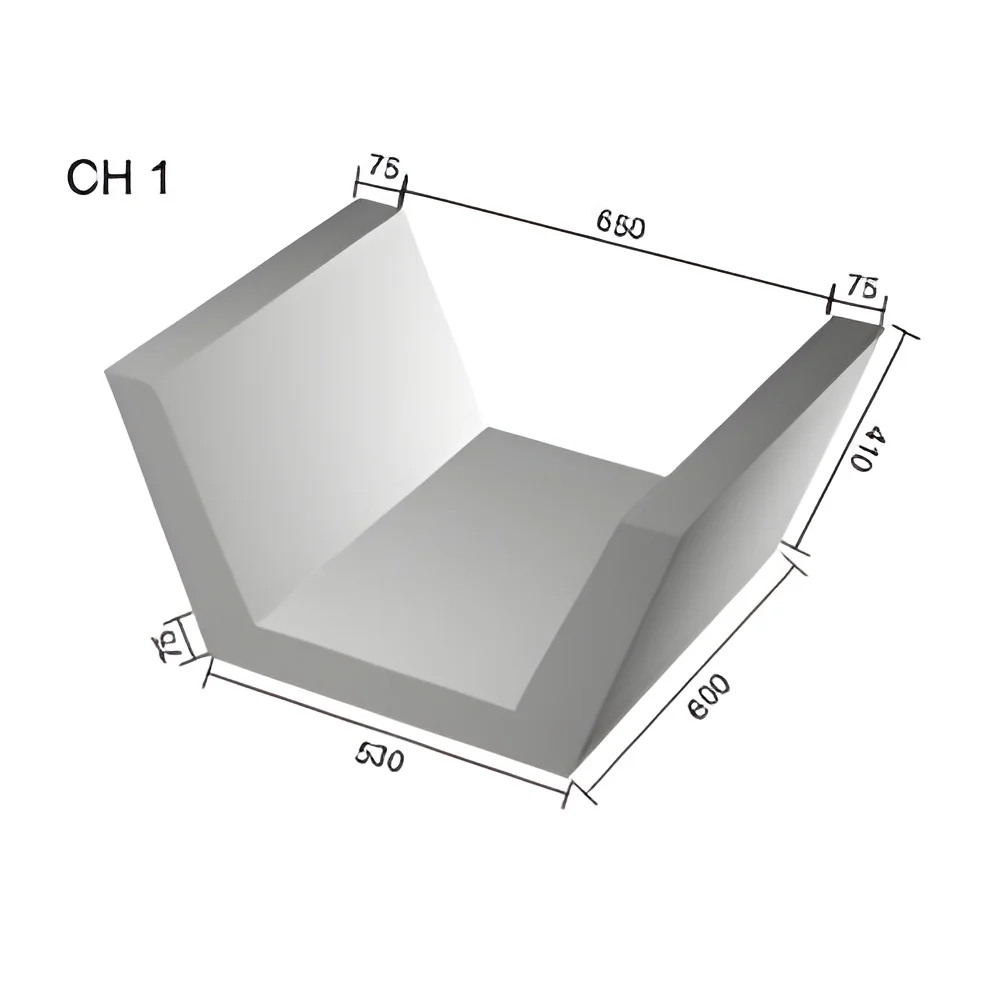
Steel channels and angles are structural steel shapes widely used in construction and industrial applications. Steel channels, characterized by their U-shaped cross-section, provide excellent load-bearing capabilities. Steel angles, on the other hand, feature an L-shaped cross-section, making them versatile for various structural support needs. Both products are made from high-quality steel, ensuring durability and strength in demanding environments.
These products serve a multitude of purposes across different sectors. Common applications include building frameworks, support structures, and bracing systems. They are essential in construction, manufacturing, and maintenance industries, where strong and reliable materials are critical. The market for steel channels and angles remains robust, driven by ongoing infrastructure development and the need for durable construction materials.
Key Features and Specifications
Steel channels and angles come with several key features that cater to the needs of various industries. Their specifications ensure they meet the rigorous demands of construction and manufacturing.
Key specifications include:
1. Material Grade
- Typically available in grades like ASTM A36 or ASTM A992.
- Ensures structural integrity and performance standards.
2. Size and Dimensions
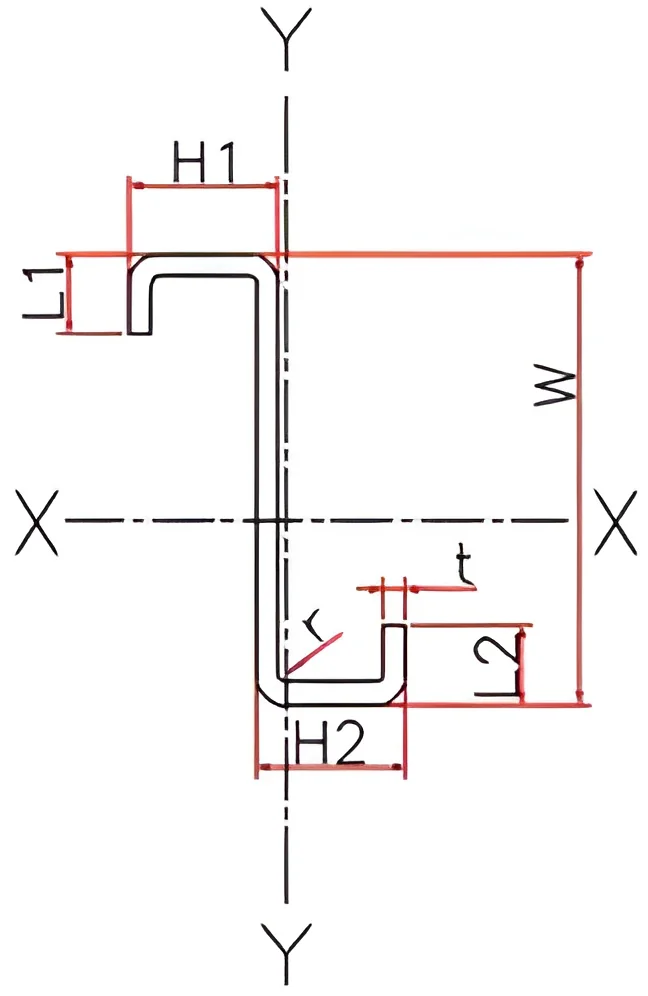
- Available in a range of sizes, with standard widths and heights.
- Dimensions can vary based on application requirements.
3. Weight per Foot
- Varies according to size and shape, impacting overall project weight considerations.
- Essential for determining load-bearing capacities.
4. Length Options
- Offered in various lengths to suit project specifications.
- Custom lengths may be available upon request.
5. Surface Finish
- Available in hot-rolled, cold-rolled, or galvanized finishes.
- Influences corrosion resistance and aesthetic appeal.
6. Tolerance Standards
- Manufactured to meet specific tolerance standards.
- Critical for ensuring compatibility with other materials.
7. Certification
- Many products come with CE certification.
- Indicates compliance with European safety and quality standards.
In summary, steel channels and angles are designed with specific features and specifications that enhance their functionality and applicability in various industries.
Common Applications and Use Cases
Steel channels and angles are integral to numerous industries due to their strength and versatility.
1. Construction: Steel channels are commonly used in building frames, supporting beams, and scaffolding systems due to their load-bearing capabilities.
2. Manufacturing: In manufacturing settings, steel angles serve as brackets and supports for machinery and equipment, ensuring stability and reliability.
3. Transportation: These products are utilized in the construction of vehicles, trailers, and shipping containers, providing essential structural support.
4. Energy: In the energy sector, steel channels and angles are employed in the framework of wind turbines and solar panel installations.
5. Telecommunications: Used in the construction of communication towers and equipment racks, ensuring robust support for technology infrastructures.
6. Oil and Gas: Steel channels and angles are frequently found in pipelines and offshore platforms, where strength and durability are paramount.
7. Retail Fixtures: In retail environments, these materials are used to construct display racks and shelving units, combining functionality with aesthetic appeal.
Product Variants and Subcategories
Steel channels and angles come in various forms to meet specific project needs.
Standard Steel Channel
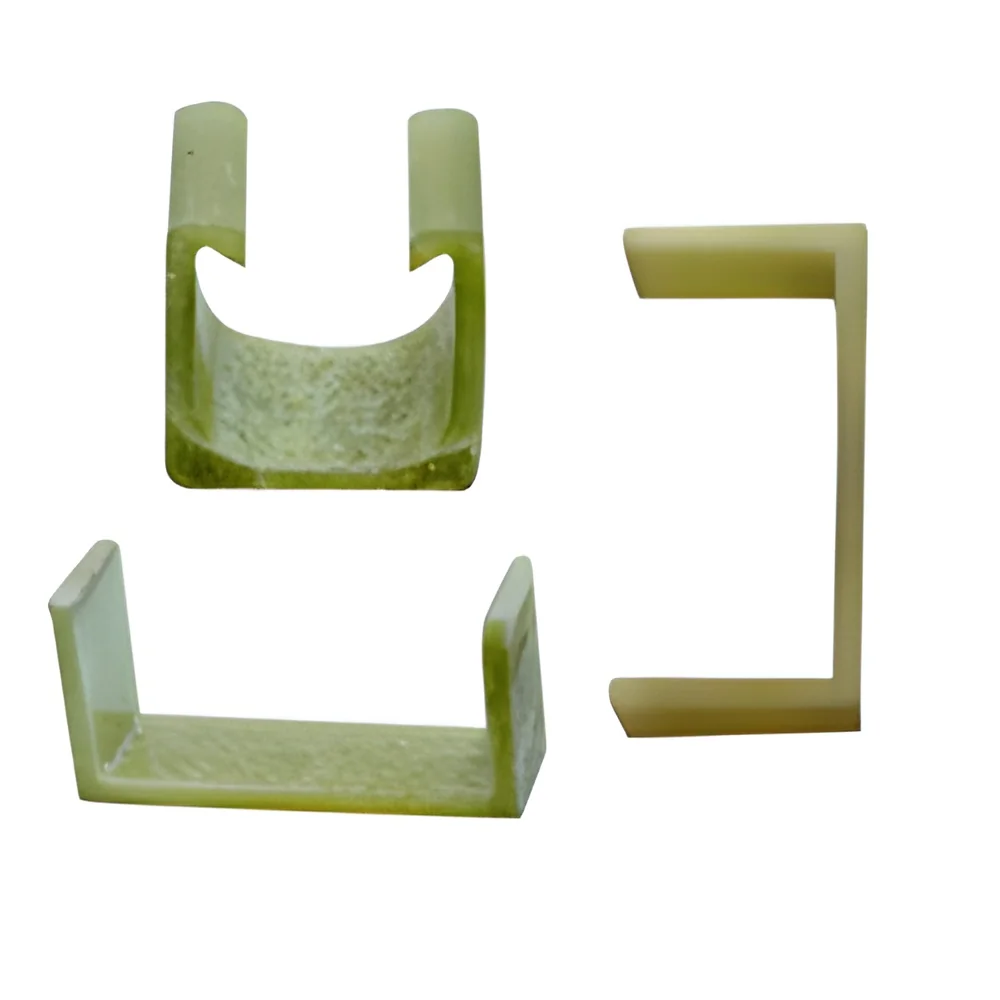
This variant features a uniform U-shaped profile, ideal for applications requiring significant load support. Its design allows for easy integration into various structures.
Equal Angle Steel
Equal angle steel features two sides of equal length, providing balanced strength. It is commonly used in framing and bracing applications, making it a favorite among builders.
Unequal Angle Steel
With one side longer than the other, unequal angle steel is perfect for applications where specific load distribution is necessary. It is often used in specialized construction projects.
Benefits and Advantages
Steel channels and angles offer numerous advantages for businesses seeking reliable materials.
1. High Strength: These products provide exceptional strength-to-weight ratios, making them ideal for load-bearing applications.
2. Versatility: The various shapes and sizes available allow for a wide range of applications across different industries.
3. Cost-Effectiveness: Steel channels and angles are often more affordable compared to alternative materials, reducing overall project costs.
4. Durability: Made from high-quality steel, these products resist wear, corrosion, and environmental factors, ensuring longevity.
5. Easy Fabrication: They can be easily cut, welded, and shaped to fit specific project requirements.
6. Environmentally Friendly: Steel is recyclable, making these products a sustainable choice for environmentally-conscious businesses.
Buying Guide for B2B Buyers
When sourcing steel channels and angles, buyers should consider several important factors.
1. Quality Assessment: Ensure that the products meet industry standards and specifications. Look for material certifications and compliance with quality regulations.
2. Supplier Verification: Vet suppliers to confirm their reliability and reputation in the market. Consider looking for reviews and testimonials from previous customers.
3. Pricing and MOQ: Understand the pricing structures and minimum order quantities set by suppliers. This helps in budgeting and planning procurement.
4. Delivery and Lead Times: Inquire about delivery schedules and lead times. Timeliness is crucial in construction and manufacturing projects.
5. Compliance Requirements: Ensure that the products comply with relevant regulatory standards, such as CE certification, to avoid any legal issues.
Compliance and Certifications
Compliance with industry standards is essential for steel channels and angles to ensure safety and quality. Key quality standards include ISO 9001, which focuses on quality management systems, ensuring that manufacturers consistently produce quality products.
In addition, steel channels and angles may require certifications such as CE, which indicates compliance with European health, safety, and environmental protection legislation. Adhering to safety and testing requirements is critical to ensure that these products can withstand the rigors of their intended applications.
Regional compliance considerations can vary based on local regulations and standards. Businesses should remain aware of these requirements to avoid penalties and ensure smooth operations.
Why Source Steel Channels & Angles from Pepagora?
Pepagora provides a trusted platform for sourcing steel channels and angles, offering several key advantages to B2B buyers.
Verified Supplier Network: Pepagora connects buyers with a network of verified suppliers, ensuring that they receive quality products from reputable manufacturers.
Streamlined RFQ Process: The platform simplifies the request for quotation (RFQ) process, making it easy for buyers to get competitive pricing and terms from multiple suppliers.
Trade Assurance and Support: Pepagora offers trade assurance, providing buyers with protection against potential risks in transactions. Dedicated support teams are available to assist throughout the purchasing process.
Regional Coverage: With a strong presence in India, the GCC, and Southeast Asia, Pepagora provides extensive geographic reach, making it convenient for businesses to source steel channels and angles suited to their local markets.

 IN
IN