What are Threaded Rods & Studs?
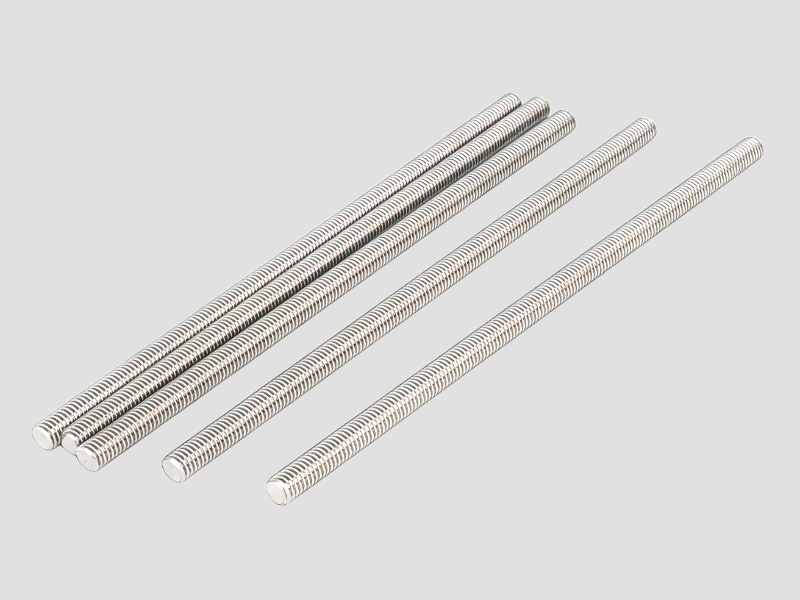
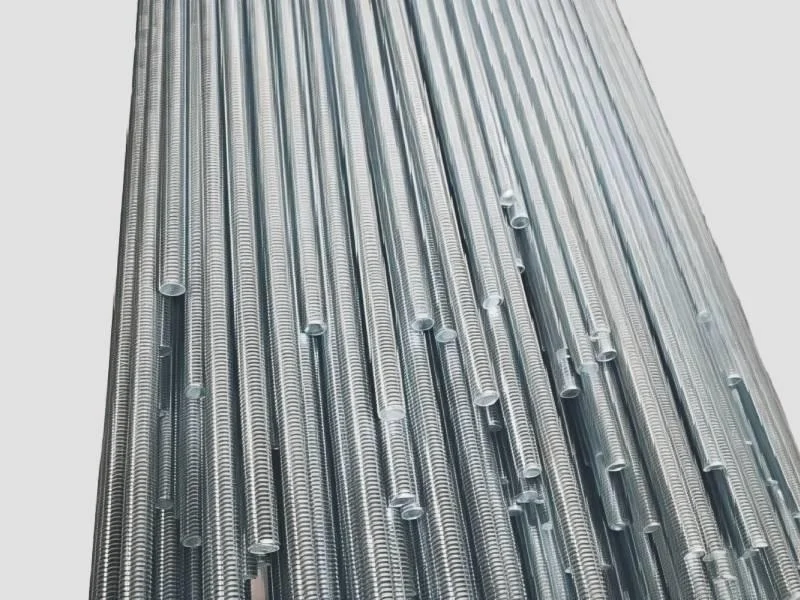
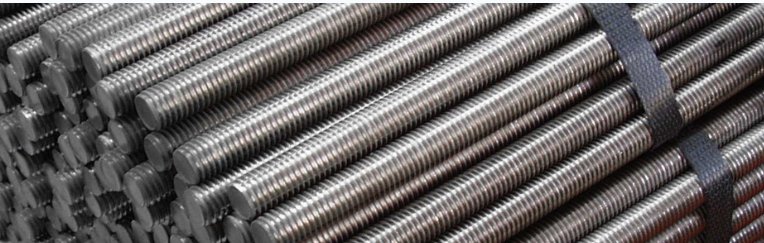
Threaded rods and studs are elongated fasteners characterized by continuous threads along their length. These components are typically utilized to connect or secure various mechanical elements in a range of applications. Threaded rods are generally longer and used for more versatile applications, while studs are shorter and usually serve specific functions. Both types of fasteners come in various materials, including steel, stainless steel, and other alloys, making them suitable for different environments and load requirements.
In business applications, threaded rods and studs are essential in construction, manufacturing, and assembly processes. They are commonly used in structural applications, such as anchoring beams and fixtures, as well as in machinery assembly, where they serve as connecting points for various mechanical parts. The versatility of these fasteners makes them relevant across many industries, including automotive, aerospace, and general manufacturing. As the demand for reliable fastening solutions grows, threaded rods and studs continue to play a critical role in ensuring safety and structural integrity in various applications.
Key Features and Specifications
Threaded rods and studs come with several important features that cater to different industrial needs. Understanding these features helps businesses select the right fasteners for their projects. The specifications of these products can vary based on material, size, and threading type, ensuring compatibility with numerous applications.
Key specifications include:
1. Material Composition
- Common materials include carbon steel, stainless steel, and alloy steel.
- Each material offers specific benefits such as corrosion resistance and strength.
2. Thread Type
- Threads can be coarse or fine, affecting the fastener's grip and holding power.
- Coarse threads are more suitable for quick assembly, while fine threads offer better adjustment.
3. Length and Diameter
- Available in various lengths, typically ranging from a few inches to several feet.
- Diameter options usually range from 1/4 inch to several inches.
4. Finish
- Common finishes include plain, galvanized, or black oxide.
- Finishes enhance corrosion resistance and can improve aesthetic appeal.
5. Load Capacity
- Load ratings can vary significantly based on material and design.
- Important for ensuring that the fastener can withstand intended loads.
6. Compliance Standards
- Often manufactured to meet specific industry standards.
- Ensures reliability and safety in applications.
The diverse specifications of threaded rods and studs provide flexibility for various industrial applications, making them essential components in many sectors.
Common Applications and Use Cases
Threaded rods and studs are widely used across numerous industries, demonstrating their versatility and functionality.
1. Construction: In construction, threaded rods are essential for securing structural elements like beams and columns. They provide stability and support for various building components.
2. Automotive: In the automotive industry, these fasteners are used to assemble engines and chassis components, ensuring that critical parts remain securely fastened during operation.
3. Aerospace: Threaded studs are often employed in aircraft manufacturing for securing critical components. Their strength and reliability are vital in maintaining safety standards.
4. Manufacturing: In manufacturing settings, threaded rods are utilized for assembly lines and machinery setups. They facilitate quick assembly and disassembly, enhancing operational efficiency.
5. Oil and Gas: In the oil and gas sector, these fasteners are crucial for securing piping systems and equipment in harsh environments. Their corrosion-resistant properties make them ideal for such applications.
6. Electrical: Threaded rods are also used in electrical installations for securing panels and mounting fixtures. They ensure safety and stability in electrical setups.
7. Marine: In marine applications, stainless steel threaded rods are preferred for their resistance to corrosion from saltwater environments.
Product Variants and Subcategories
Threaded rods and studs come in various forms to cater to specific needs in different industries.
Standard Threaded Rods
These are the most common type, available in various lengths and diameters. They are used in general construction and machinery applications, providing essential support and stability.
Stud Bolts
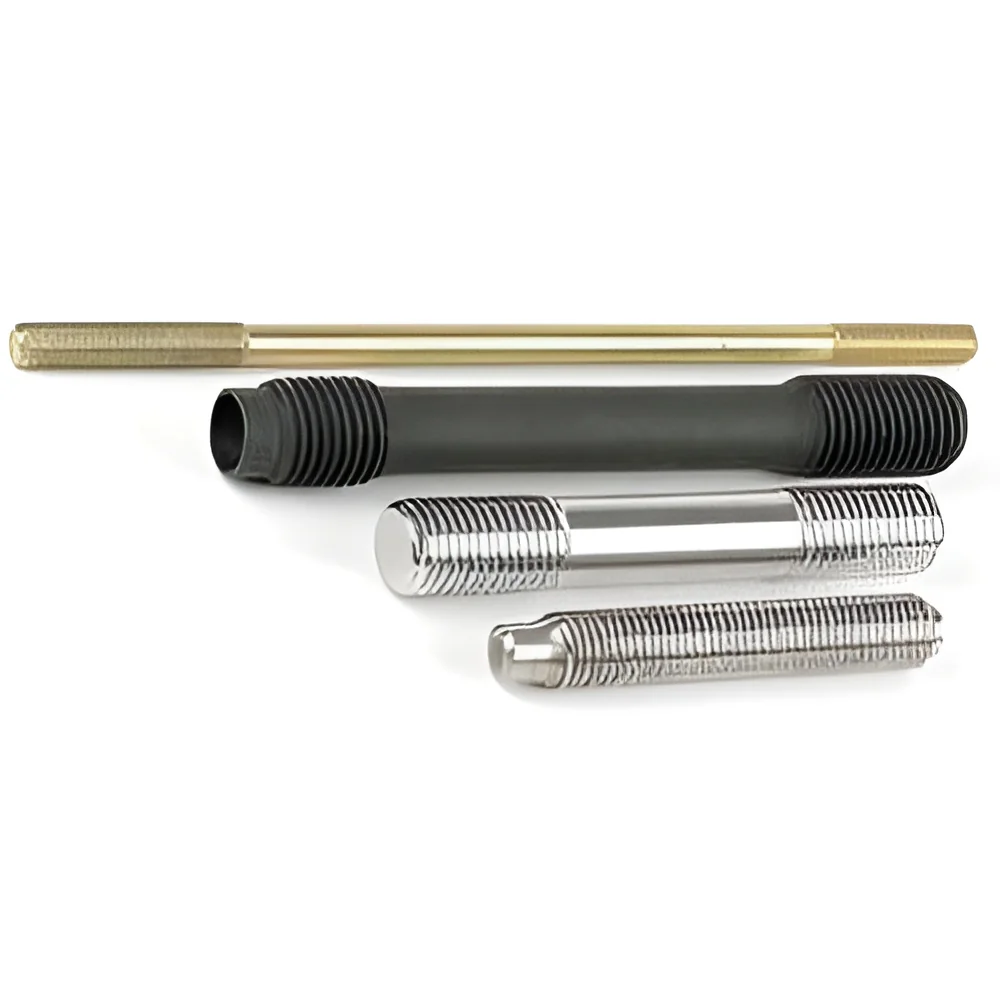
Typically shorter than standard rods, stud bolts are often used in conjunction with nuts to secure two parts together. They are prevalent in the automotive and aerospace industries for fastening critical components.
Anchor Rods
Designed specifically for anchoring applications, these rods are used to secure structures to foundations or other surfaces. They are essential for ensuring stability in construction projects.
Double-End Studs
These fasteners feature threads on both ends and are commonly used in applications requiring bolts to be secured from opposite sides.
Benefits and Advantages
Choosing threaded rods and studs for your projects offers several key benefits.
1. Versatility: These fasteners can be used in a wide range of applications, making them suitable for various industries and projects.
2. Strength and Durability: Made from high-quality materials, threaded rods and studs provide strong connections that can withstand significant loads.
3. Ease of Installation: Their design allows for quick assembly and disassembly, improving efficiency in construction and manufacturing processes.
4. Customization: Many suppliers offer customization options, ensuring that businesses can obtain the exact specifications needed for their applications.
5. Cost-Effectiveness: Threaded rods and studs are generally affordable, providing a reliable fastening solution without breaking the budget.
6. Compliance with Standards: Many threaded rods and studs are manufactured to meet industry standards, ensuring reliability and safety in use.
Buying Guide for B2B Buyers
When sourcing threaded rods and studs, businesses should consider several important factors to ensure they make informed purchasing decisions.
1. Quality Assessment: Evaluate the quality of materials and manufacturing processes. Look for certifications and compliance with industry standards to ensure reliability.
2. Supplier Verification: Vet potential suppliers by checking their reputation and customer reviews. Reliable suppliers should have a track record of delivering quality products on time.
3. Pricing and MOQ: Understand pricing structures and minimum order quantities. Negotiating bulk pricing can lead to cost savings for larger projects.
4. Delivery and Lead Times: Consider logistical aspects such as delivery times and shipping options. Ensure that the supplier can meet your project timelines.
5. Compliance Requirements: Be aware of any regulatory standards that apply to your industry. Ensure that the fasteners meet these requirements for safety and reliability.
Compliance and Certifications
Threaded rods and studs must meet various compliance and certification standards to ensure quality and safety.
ISO 9001 is a widely recognized quality management standard that emphasizes consistent quality in manufacturing processes. Suppliers who comply with this standard demonstrate their commitment to maintaining high production quality.
CE certification indicates that products meet European safety, health, and environmental protection standards. This certification is essential for products sold in European markets, ensuring they adhere to strict regulations.
Safety and testing requirements are crucial in determining the reliability of threaded rods and studs. Manufacturers should conduct rigorous testing for tensile strength and load-bearing capacity.
Regional compliance considerations may vary. Buyers should be aware of local regulations that may affect the purchase and use of threaded rods and studs in their area.
Why Source Threaded Rods & Studs from Pepagora?
Pepagora provides a trusted platform for sourcing threaded rods and studs, offering several key advantages to B2B buyers.
Verified Supplier Network: Pepagora connects buyers with a network of verified suppliers, ensuring that you have access to high-quality products. This verification process helps reduce the risk of sourcing from unreliable suppliers.
Streamlined RFQ Process: The request for quotation (RFQ) process on Pepagora is designed to be user-friendly. Buyers can easily submit their requirements and receive competitive quotes from multiple suppliers, allowing for informed decision-making.
Trade Assurance and Support: Pepagora offers trade assurance that protects buyers from potential risks associated with online purchases. Dedicated support is available to assist with any inquiries or issues, ensuring a smooth buying experience.
Regional Coverage: With a strong presence in India, the GCC, and Southeast Asia, Pepagora caters to a broad geographic area. This extensive reach allows businesses to find suppliers that can meet their specific needs and logistical requirements.

 IN
IN