
 IN
INSteel Chains (Link, Roller, Welded)
46 products available
Key Features and Specifications
Common Applications and Use Cases
Product Variants and Subcategories
Benefits and Advantages
Buying Guide for B2B Buyers
Compliance and Certifications




 India
India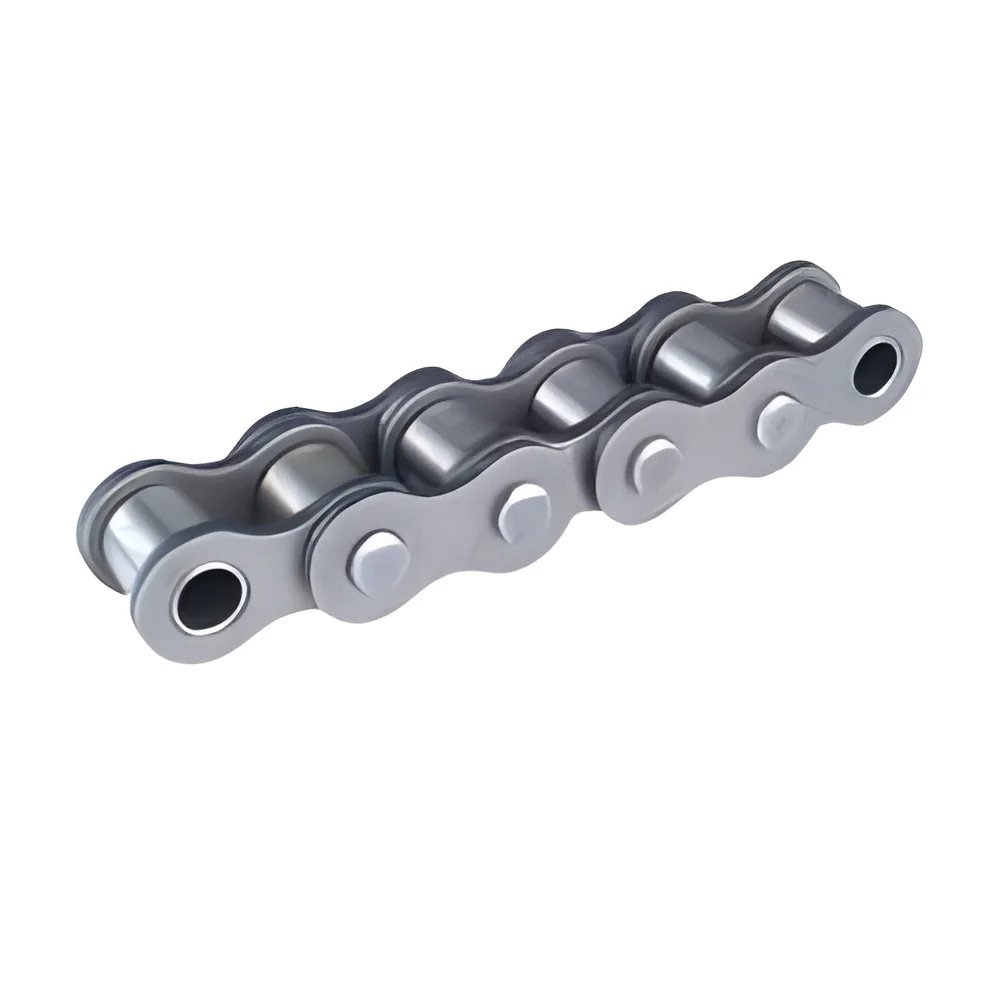
 India
India
 India
India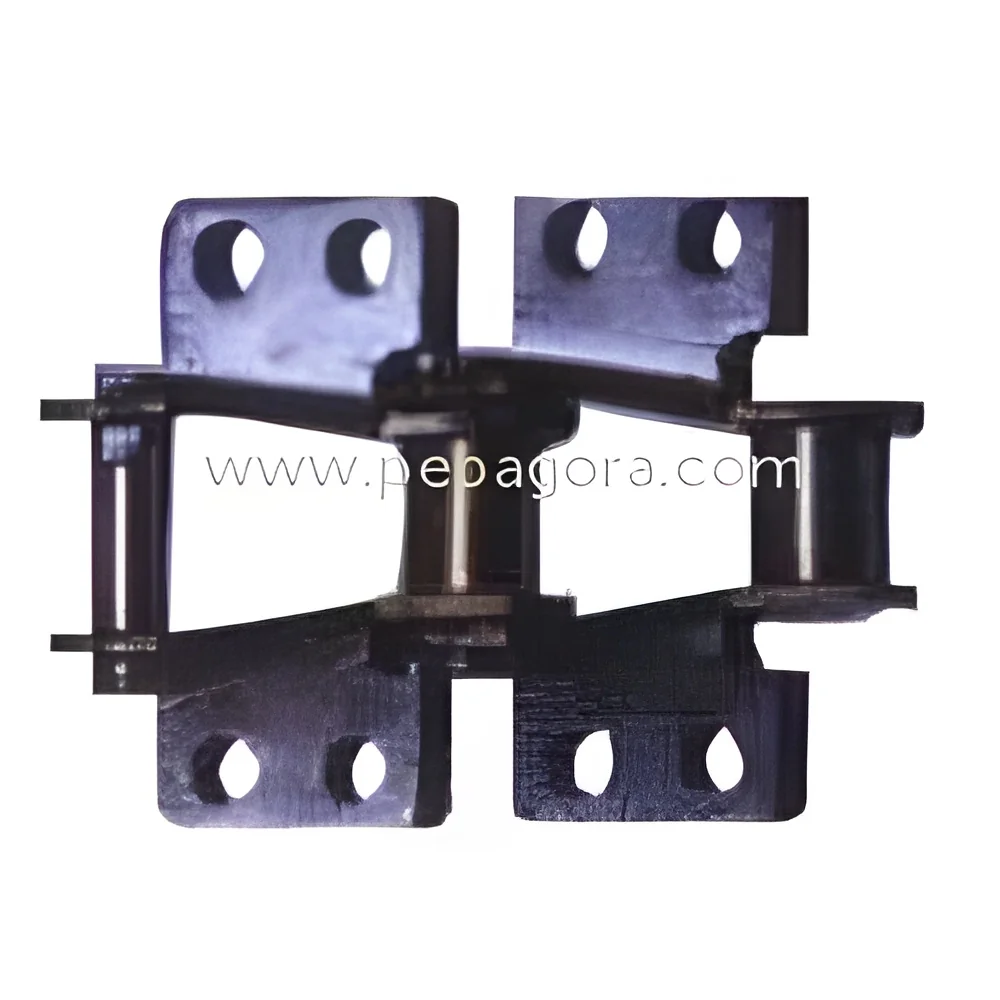
 India
India
 India
India
 India
India
 India
India
 India
India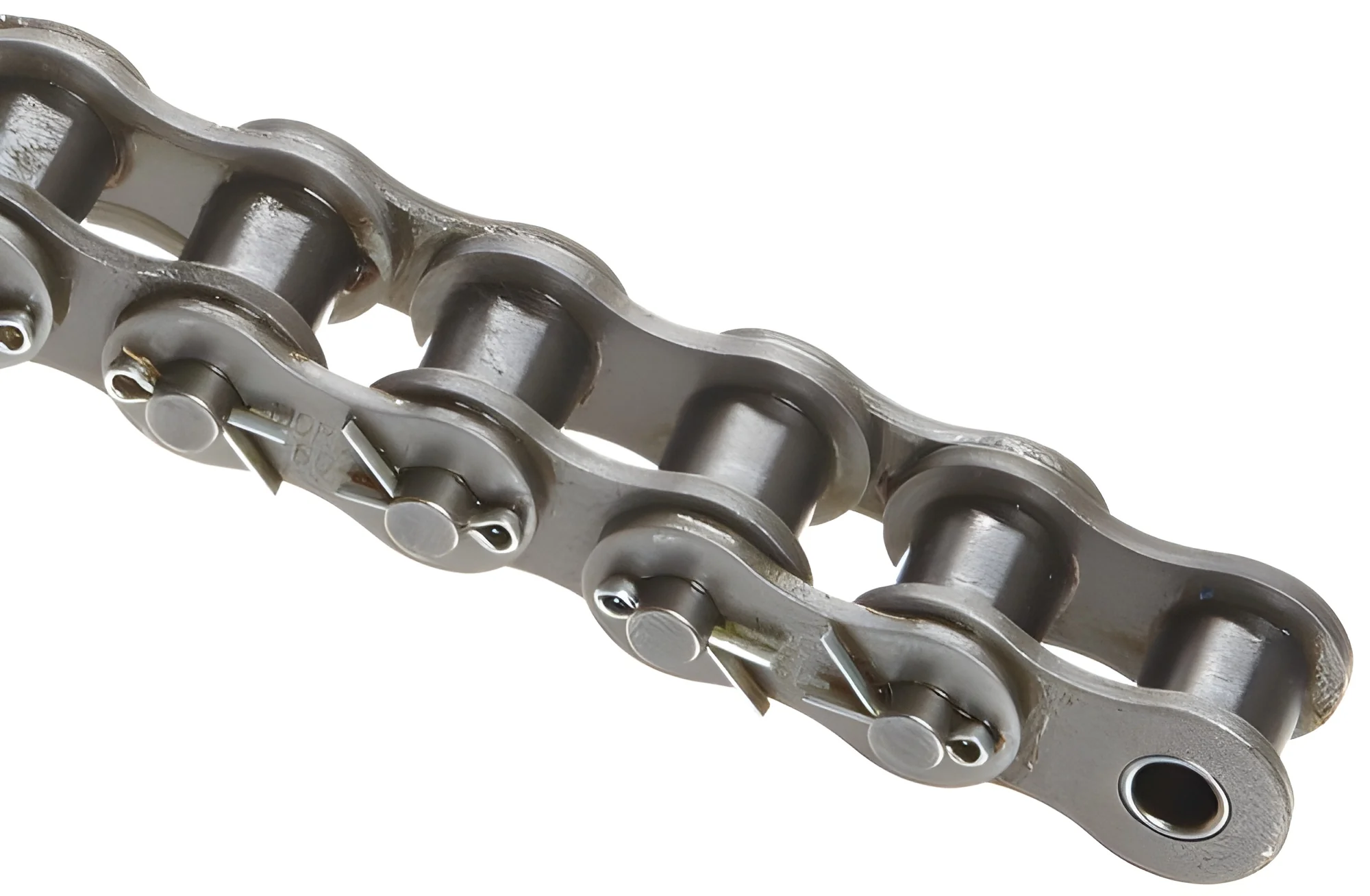 India
India
 India
India India
India India
India
 India
India
 India
India India
India India
India
 India
India India
India India
India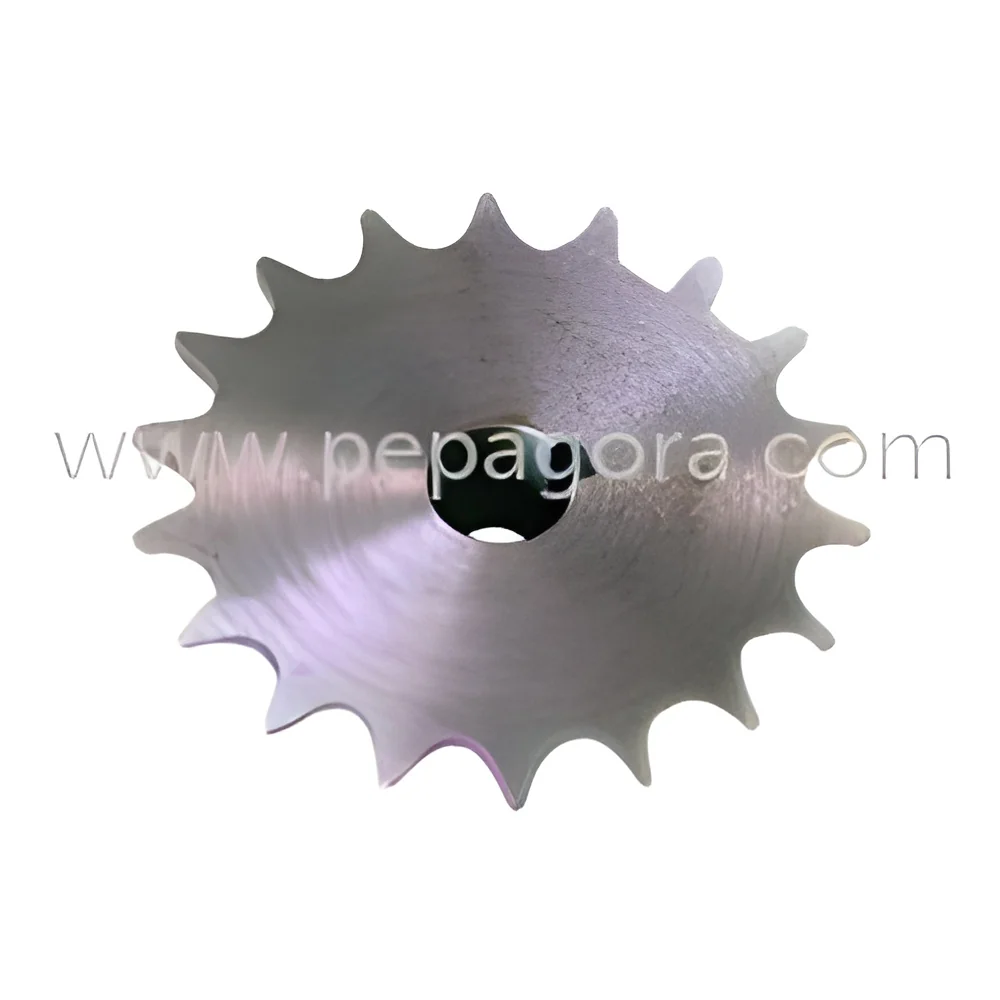 India
India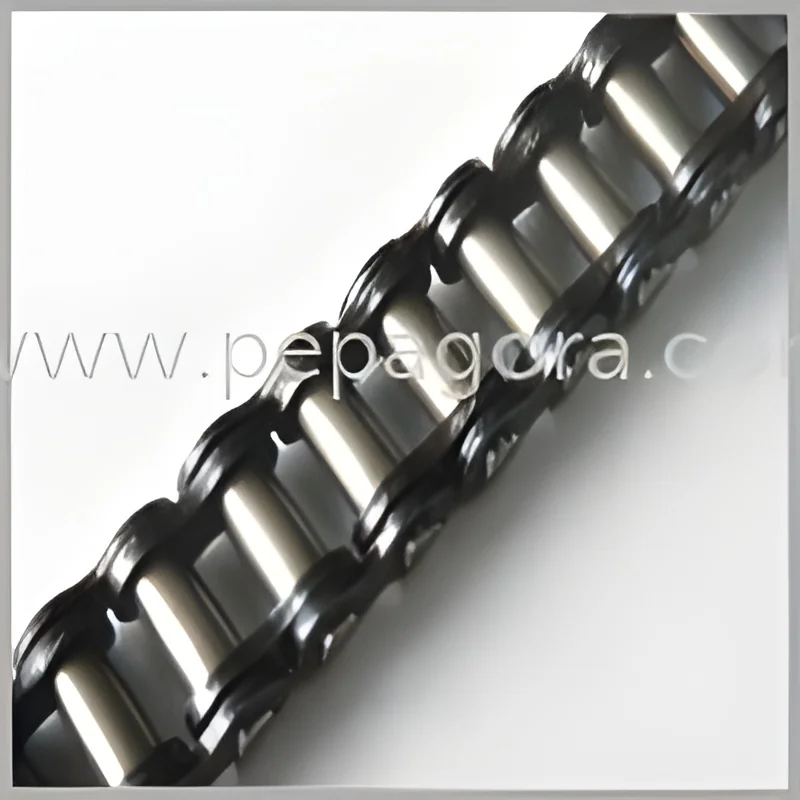
Frequently Asked Questions
What are Steel Chains (Link, Roller, Welded)?
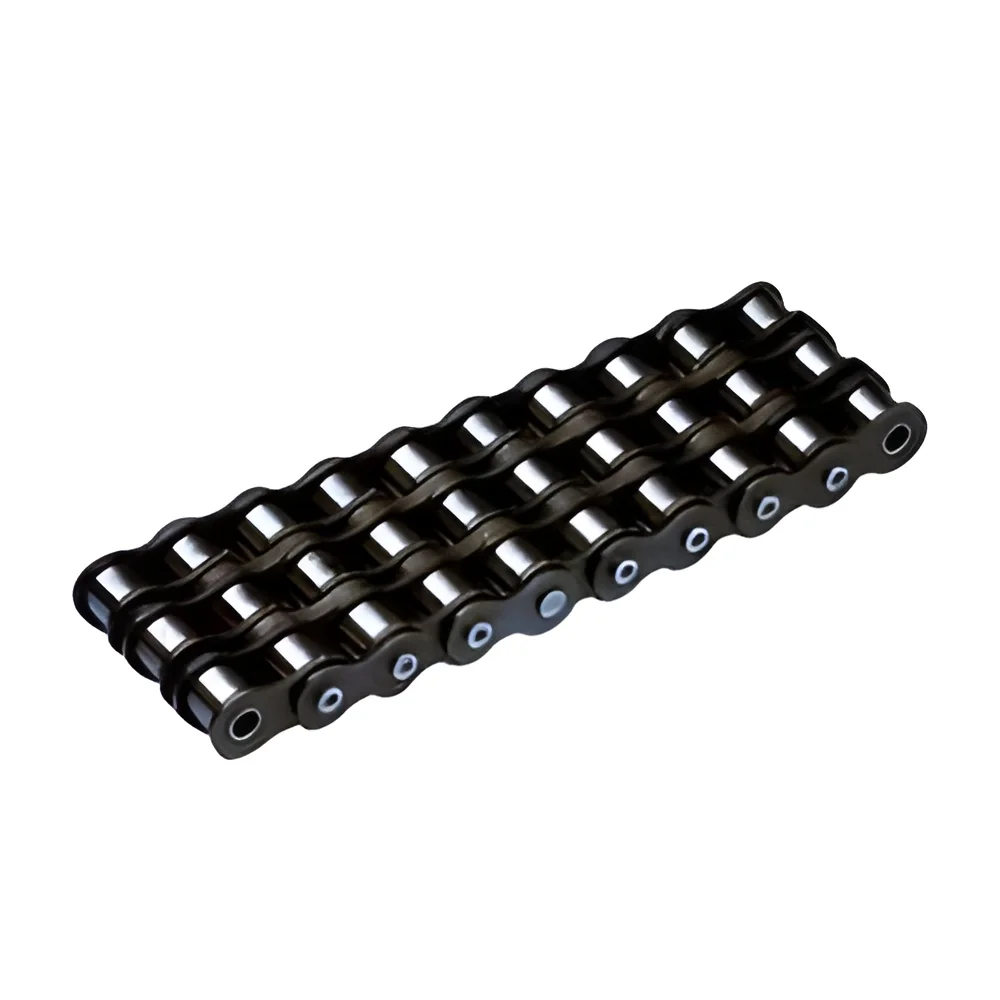
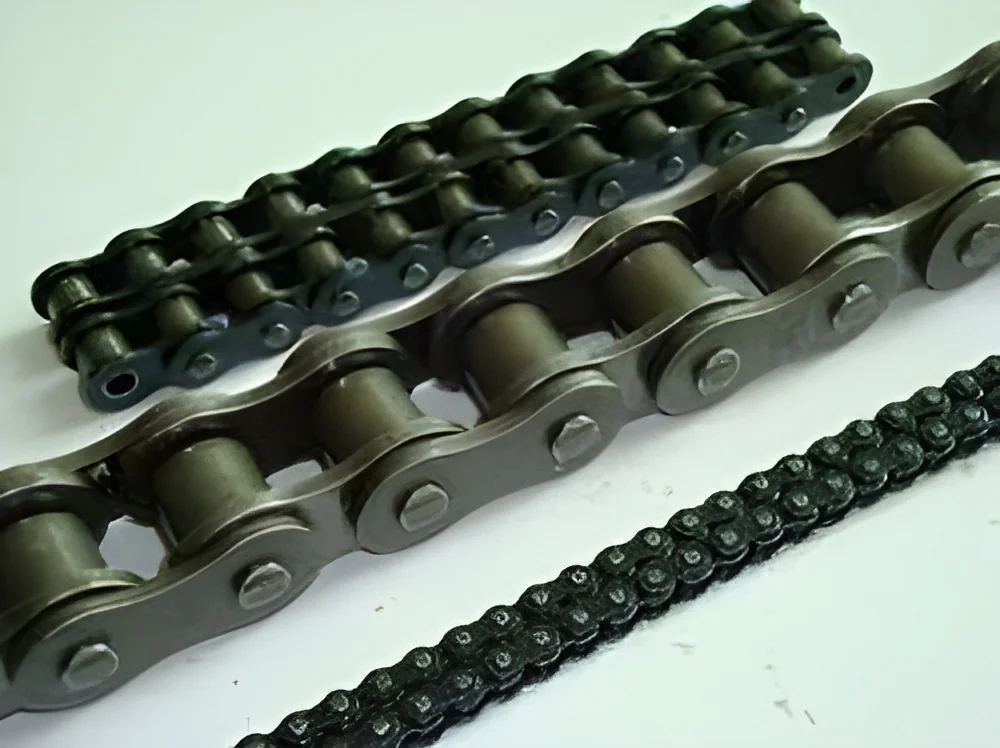
Steel chains are robust linking mechanisms made from steel that are utilized for various applications, including lifting and securing loads. They can be categorized into three primary types: link chains, roller chains, and welded chains, each serving distinct purposes in industries such as construction, manufacturing, and transportation.
What are the different types of Steel Chains (Link, Roller, Welded)?
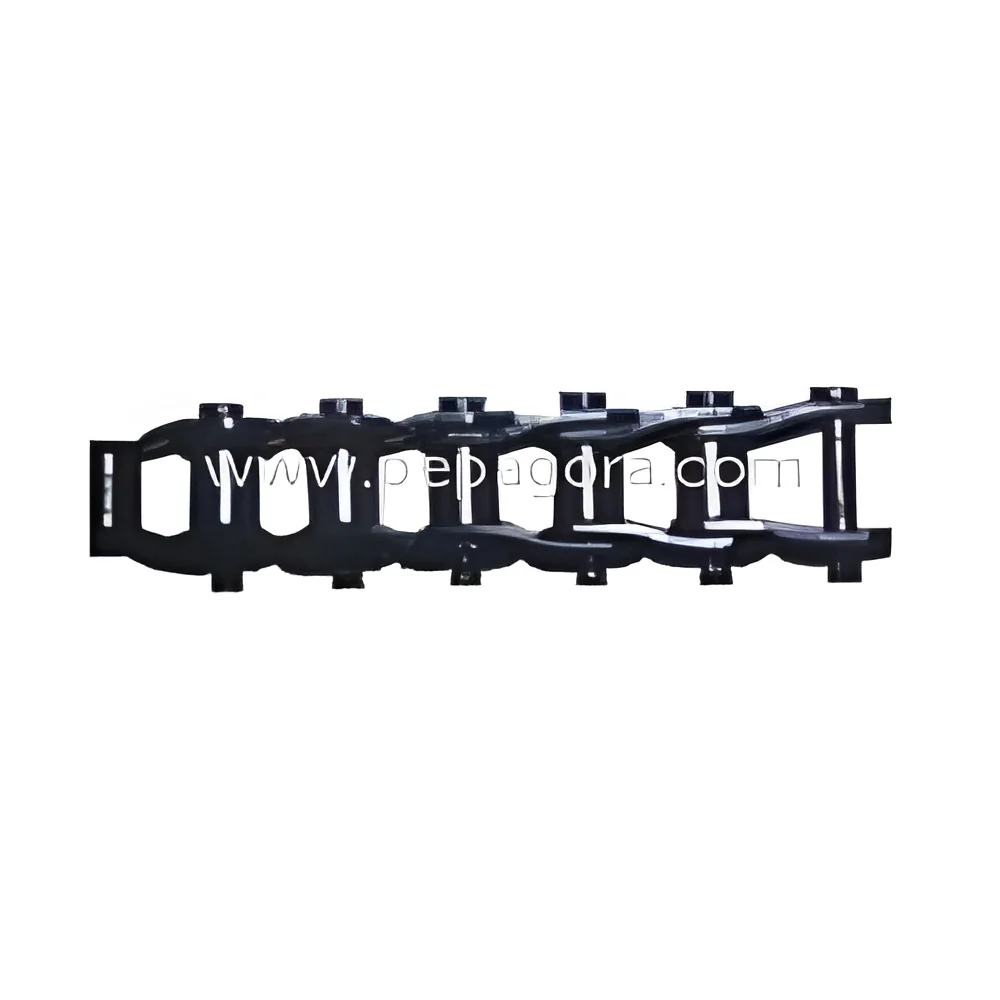
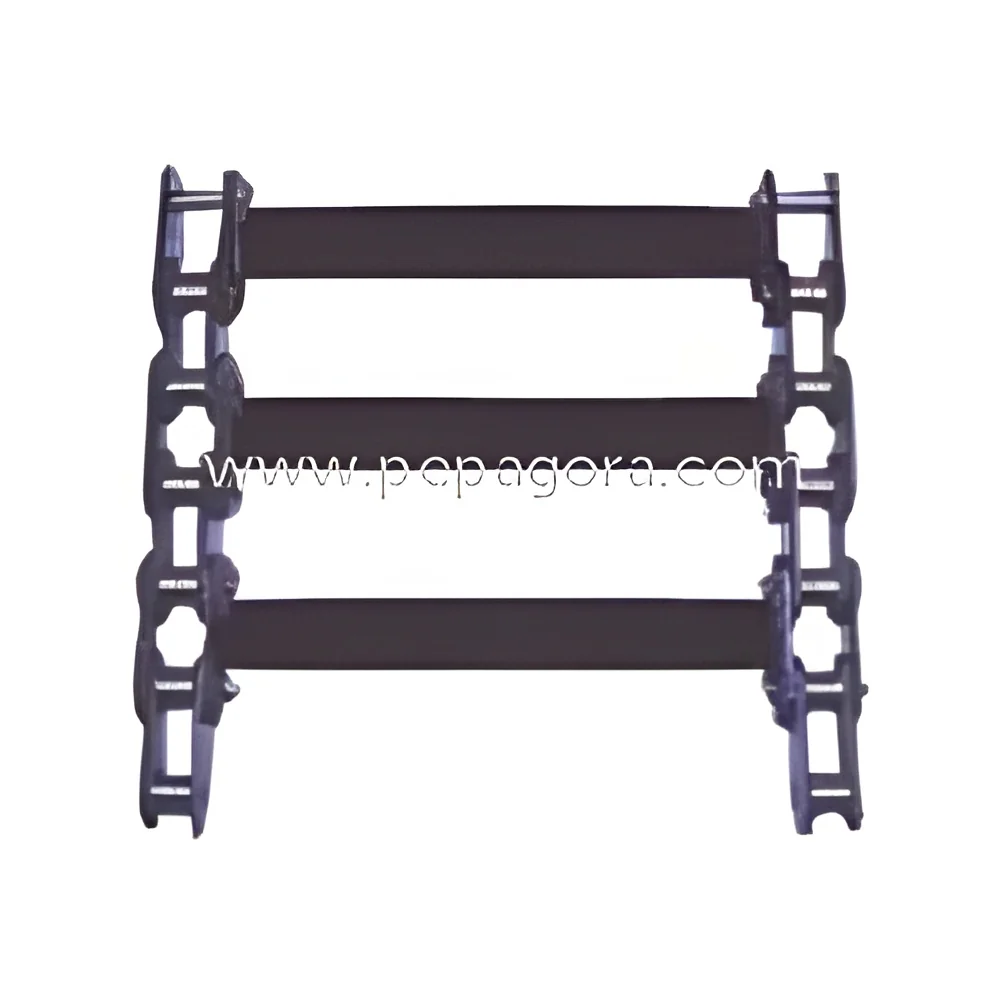
The three main types of steel chains include link chains, roller chains, and welded chains. Link chains consist of interconnected links that provide flexibility and strength, roller chains feature rollers that reduce friction for smoother operation, and welded chains are constructed by welding links together for enhanced durability in heavy-duty applications.
How do I choose the right Steel Chains (Link, Roller, Welded)?
Selecting the appropriate steel chain involves considering factors such as load capacity, application type, and environmental conditions. It's essential to assess the weight and type of materials being handled, as well as any specific operational requirements, to ensure optimal performance and safety.
What are the standard specifications for Steel Chains (Link, Roller, Welded)?
Standard specifications for steel chains typically include dimensions such as link size, pitch, and tensile strength. Additionally, they must adhere to industry standards like ISO or ANSI to ensure compatibility and performance in various applications.
What is the price range for Steel Chains (Link, Roller, Welded)?
The price of steel chains can vary significantly based on type, size, and manufacturer, generally ranging from a few hundred to several thousand Indian Rupees. Factors such as material quality and additional features like corrosion resistance can also influence the final cost.
What quality standards apply to Steel Chains (Link, Roller, Welded)?
Quality standards for steel chains often include adherence to ISO 9001 or similar certifications, ensuring that they meet specific safety and performance criteria. Manufacturers may also implement rigorous testing procedures to verify the strength and durability of their products.
Where can I find Steel Chains (Link, Roller, Welded) suppliers in India?
Steel chains can be sourced from various suppliers across India, including online marketplaces, industrial equipment suppliers, and specialized manufacturers. Websites like Pepagora.com offer a comprehensive list of vetted suppliers, making it easier to compare options and find the right fit for your needs.
Can Steel Chains (Link, Roller, Welded) be customized?
Yes, many manufacturers offer customization options for steel chains to meet specific requirements, such as unique dimensions or load capacities. It is advisable to discuss customization needs with suppliers to determine feasibility and associated costs.
What is the typical minimum order quantity for Steel Chains (Link, Roller, Welded)?
The minimum order quantity (MOQ) for steel chains usually depends on the manufacturer and type of chain being ordered, typically ranging from 100 to 500 pieces. However, some suppliers may accommodate smaller orders, particularly for standard products.
What is the typical lead time for Steel Chains (Link, Roller, Welded)?
The lead time for steel chains can vary based on factors such as order size, customization, and supplier capabilities, usually ranging from 1 to 4 weeks. It is recommended to confirm lead times with suppliers at the time of order placement to ensure timely delivery.
Why Businesses Trust Pepagora
Thousands of companies trust Pepagora to source smarter and sell faster
Expand Your Sales Globally

Source Smarter,Grow Faster
