
 IN
Solar Charge Controllers
10 products available
What are Solar Charge Controllers?
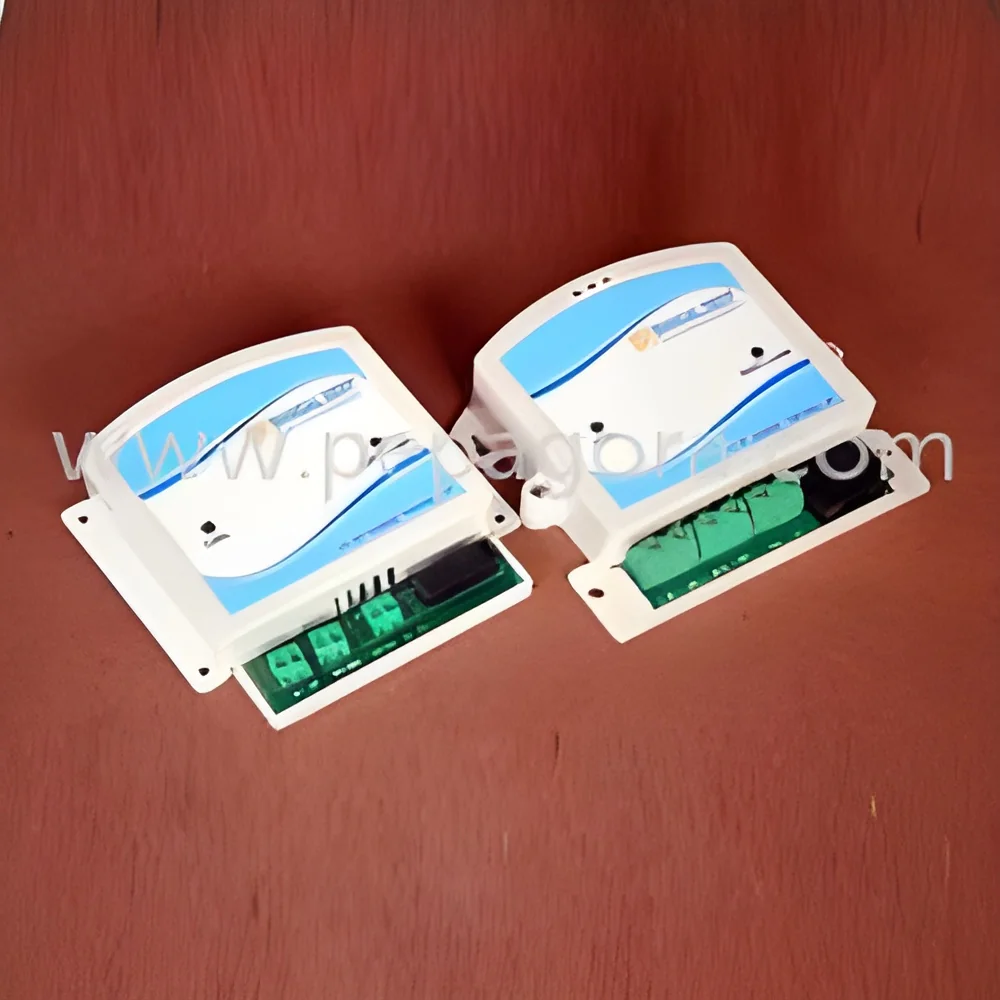
Solar charge controllers are devices that regulate the voltage and current coming from solar panels to batteries. They ensure that batteries are charged efficiently while preventing overcharging and deep discharging, which can shorten battery life. By managing the energy flow, solar charge controllers help maintain battery health and optimize the overall performance of solar energy systems.
These controllers are primarily used in various applications, including residential solar systems, commercial solar installations, and off-grid solar setups. They are crucial for maintaining the longevity and reliability of battery storage systems, which are increasingly used in renewable energy applications. The growing emphasis on sustainable energy solutions has led to a surge in demand for solar charge controllers, making them a vital component in the renewable energy market.
As businesses and industries transition to solar energy, the relevance of solar charge controllers continues to expand. They are essential for ensuring the efficiency and safety of solar energy systems. With the increasing adoption of solar technology worldwide, the market for solar charge controllers is expected to grow, reflecting a broader shift toward sustainable energy solutions.
Key Features and Specifications
Solar charge controllers come equipped with various features and specifications that make them suitable for different applications. These features enhance their functionality, efficiency, and compatibility with various solar energy systems.
Key specifications include:
1. Charging Modes
- These can include PWM (Pulse Width Modulation) and MPPT (Maximum Power Point Tracking) modes.
- MPPT controllers are generally more efficient, especially in low-light conditions.
2. Voltage Ratings
- Common voltage ratings include 12V, 24V, and 48V.
- It is essential to match the controller with the system voltage for optimal performance.
3. Current Capacity
- This varies by model, typically ranging from 10A to 60A.
- Higher current ratings allow for larger solar panel arrays.
4. Protection Features
- Includes overcharge protection, over-discharge protection, and short-circuit protection.
- These features help safeguard both the controller and the battery.
5. Display and Monitoring
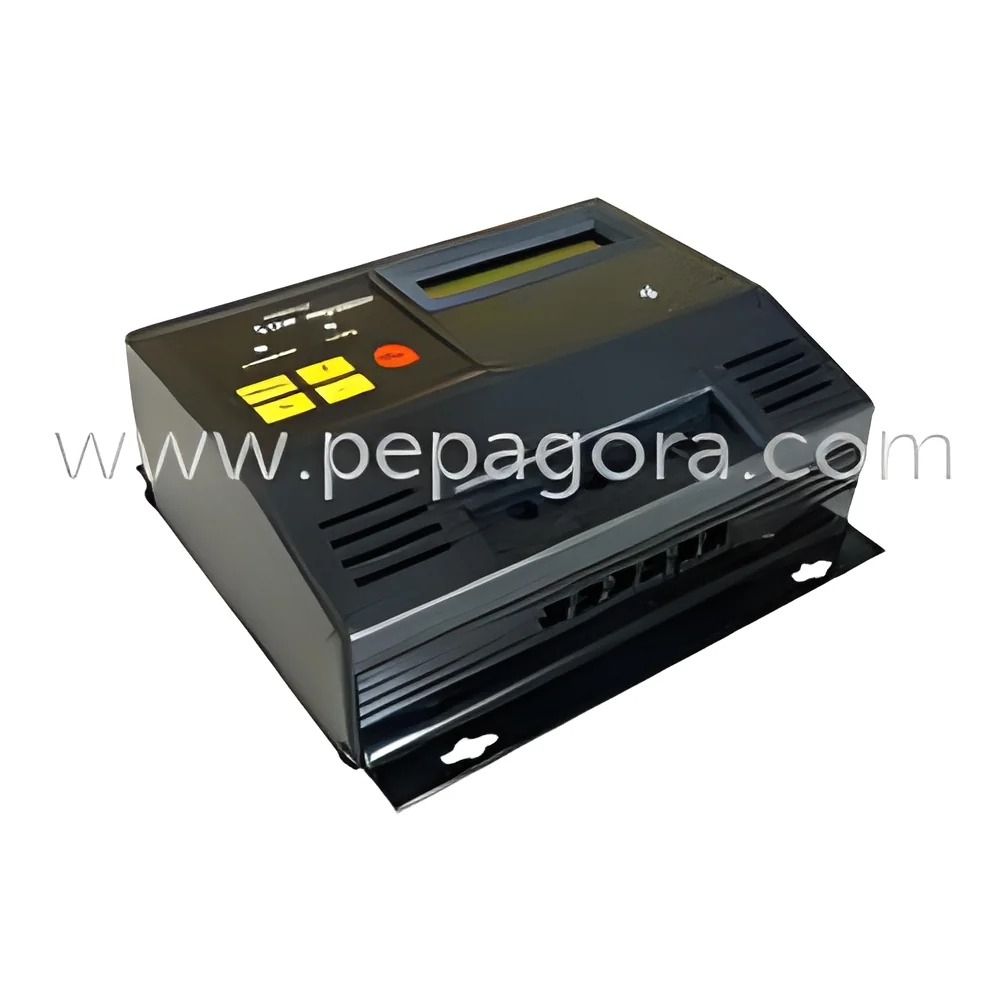
- Many controllers offer LCD displays for real-time monitoring of battery status and energy production.
- Some models include remote monitoring capabilities.
6. Efficiency Ratings
- High-efficiency ratings, often above 95%, are crucial for maximizing energy usage.
- Efficiency can significantly impact the overall performance of the solar system.
7. Environmental Ratings
- Many solar charge controllers are designed to withstand various environmental conditions.
- Look for ratings regarding temperature and humidity resistance.
8. Certifications
- Compliance with industry standards such as CE indicates adherence to safety and performance requirements.
In summary, understanding the key features and specifications of solar charge controllers is essential for selecting the right product for specific applications. This knowledge aids in making informed decisions that enhance solar energy system performance.
Common Applications and Use Cases
Solar charge controllers are versatile devices used across various industries. They play a vital role in ensuring the reliable operation of solar energy systems.
1. Residential Solar Systems: In homes, solar charge controllers manage the energy produced by solar panels and ensure batteries are charged safely. This setup allows homeowners to utilize renewable energy for daily power needs.
2. Commercial Solar Installations: Businesses use solar charge controllers to optimize energy storage and usage, reducing reliance on grid power. This is particularly beneficial for companies aiming to lower operational costs and enhance sustainability.
3. Off-Grid Solar Applications: In remote locations without access to traditional power sources, solar charge controllers are essential. They help maintain battery banks that provide energy for lighting, heating, and other essential functions.
4. Agriculture: Farmers utilize solar charge controllers in solar-powered irrigation systems. These controllers ensure that batteries are charged efficiently, providing reliable energy to pump systems.
5. Telecommunications: Remote communication towers rely on solar charge controllers to maintain battery power for continuous operation. This is crucial in locations where grid power is unavailable.
6. Marine Applications: Solar charge controllers are used in boats and yachts to manage battery charging from solar panels, ensuring reliable power for navigation and onboard systems.
7. Electric Vehicles: Emerging technologies in electric vehicles incorporate solar charge controllers to manage energy storage and charging, enhancing the vehicle's efficiency and sustainability.
Product Variants and Subcategories
Solar charge controllers are available in various models to suit different needs. This diversity allows buyers to select the most appropriate controller based on their specific requirements.
MPPT Solar Charge Controllers: These controllers are designed to maximize energy harvesting from solar panels. They adjust the voltage and current to ensure optimal charging, making them ideal for larger solar installations where efficiency is critical.
PWM Solar Charge Controllers: These controllers use a simpler technology that is effective for smaller solar systems. They are cost-effective and suitable for residential applications where the energy demand is moderate.
Hybrid Solar Charge Controllers: Combining features of both MPPT and PWM controllers, hybrid models offer flexibility for users who may upgrade their systems in the future.
Benefits and Advantages
Investing in solar charge controllers offers numerous benefits for businesses and consumers alike. These advantages contribute to the overall effectiveness of solar energy systems.
1. Enhanced Battery Life: By preventing overcharging and deep discharging, solar charge controllers extend the lifespan of batteries, leading to lower replacement costs.
2. Improved Energy Efficiency: Controllers optimize the charging process, ensuring that solar energy is used effectively. This increases the overall efficiency of the solar energy system.
3. Safety Features: Built-in safeguards protect both the solar panels and batteries, reducing the risk of damage and ensuring safe operation.
4. Real-Time Monitoring: Many controllers come with monitoring capabilities that allow users to track energy production and consumption, enabling better energy management.
5. Cost Savings: By optimizing energy usage and reducing reliance on grid power, businesses can achieve significant cost savings over time.
6. Environmental Impact: Utilizing solar energy contributes to a reduction in carbon footprint, promoting sustainability and environmental responsibility.
Buying Guide for B2B Buyers
When sourcing solar charge controllers, it is essential to consider several factors to ensure a successful purchase.
1. Quality Assessment: Look for controllers that meet industry standards and have positive reviews regarding performance and reliability. Quality assurance should be a priority to avoid future operational issues.
2. Supplier Verification: Vet potential suppliers thoroughly. Check for certifications, customer feedback, and their experience in the industry to ensure you are dealing with reputable vendors.
3. Pricing and MOQ: Understand the pricing structures and minimum order quantities (MOQ) of different suppliers. This will help you make budget-conscious decisions and avoid overcommitting to large orders.
4. Delivery and Lead Times: Inquire about delivery schedules and lead times. Timely delivery is crucial, especially for projects with tight deadlines.
5. Compliance Requirements: Ensure that the solar charge controllers comply with local regulations and industry standards. This is particularly important for installations that require certification for safety and performance.
Compliance and Certifications
Solar charge controllers must adhere to various quality standards and certifications to ensure safety and reliability. Compliance with ISO 9001 is often a benchmark for quality management in manufacturing processes. This standard ensures that suppliers follow strict procedures to maintain product quality.
Additionally, many solar charge controllers are certified with the CE mark, indicating conformity with European health, safety, and environmental protection standards. This certification is essential for products sold in European markets.
Safety and testing requirements are also critical considerations. Solar charge controllers should undergo rigorous testing to guarantee their performance under different conditions. This includes assessments for environmental durability and safety features.
Regional compliance considerations are important as well. Different countries may have specific regulations regarding solar products. Buyers should be aware of these requirements to ensure the products they source meet local standards.
Why Source Solar Charge Controllers from Pepagora?
Pepagora provides a trusted platform for sourcing solar charge controllers, offering several key advantages to B2B buyers.
The verified supplier network ensures that buyers have access to reliable vendors who meet stringent quality and compliance standards. This verification process helps reduce risks associated with sourcing products from less reputable sources.
The streamlined RFQ process simplifies obtaining quotes from multiple suppliers, enabling buyers to compare options easily. This efficiency saves time and helps buyers secure the best possible deals.
Trade assurance and support are also significant benefits of sourcing through Pepagora. Buyers can feel confident knowing that their transactions are protected, which reduces concerns about potential disputes.
Finally, Pepagora's regional coverage extends to India, the GCC, and Southeast Asia, providing broad access to suppliers and products. This geographic reach enhances the platform's ability to cater to diverse buyer needs in varying markets.

 India

 India


 India


 India

 India
Frequently Asked Questions
What are Solar Charge Controllers?
Solar Charge Controllers are devices used in solar power systems to regulate the voltage and current coming from solar panels to the batteries. They prevent batteries from overcharging and ensure optimal performance and longevity.
What are the different types of Solar Charge Controllers?
There are primarily two types of Solar Charge Controllers: PWM (Pulse Width Modulation) and MPPT (Maximum Power Point Tracking). PWM controllers are simpler and more cost-effective, while MPPT controllers are more efficient and suitable for larger systems.
How do I choose the right Solar Charge Controllers?
To choose the right Solar Charge Controller, consider factors like the size of your solar panel system, the type of batteries used, and your energy needs. It's also important to evaluate the controller's efficiency and features such as monitoring options.
What are the standard specifications for Solar Charge Controllers?
Standard specifications for Solar Charge Controllers include voltage rating (typically 12V, 24V, or 48V), maximum current output, and efficiency rating. Additional features may include temperature compensation and load control options.
What is the price range for Solar Charge Controllers?
The price range for Solar Charge Controllers can vary significantly based on type and specifications, typically ranging from INR 1,500 to INR 20,000. Higher-end models with advanced features can cost more.
What quality standards apply to Solar Charge Controllers?
Solar Charge Controllers should comply with international quality standards such as IEC and ISO certifications. These standards ensure reliability, safety, and performance in various environmental conditions.
Where can I find Solar Charge Controllers suppliers in India?
You can find Solar Charge Controllers suppliers in India through B2B marketplaces like Pepagora, industry trade shows, and online directories. It's advisable to check supplier ratings and reviews for credibility.
Can Solar Charge Controllers be customized?
Yes, many manufacturers offer customization options for Solar Charge Controllers to meet specific requirements. Customizations may include adjustments in voltage, current ratings, and additional features.
What is the typical minimum order quantity for Solar Charge Controllers?
The typical minimum order quantity (MOQ) for Solar Charge Controllers varies by supplier but generally ranges from 10 to 50 units. It is best to inquire directly with manufacturers for their specific requirements.
What is the typical lead time for Solar Charge Controllers?
The typical lead time for Solar Charge Controllers can range from 2 to 6 weeks, depending on the supplier and order size. Custom orders may take longer, so it's advisable to confirm lead times with the manufacturer.
Why Businesses Trust Pepagora
Thousands of companies trust Pepagora to source smarter and sell faster
Expand Your Sales Globally

Source Smarter,Grow Faster
