
 IN
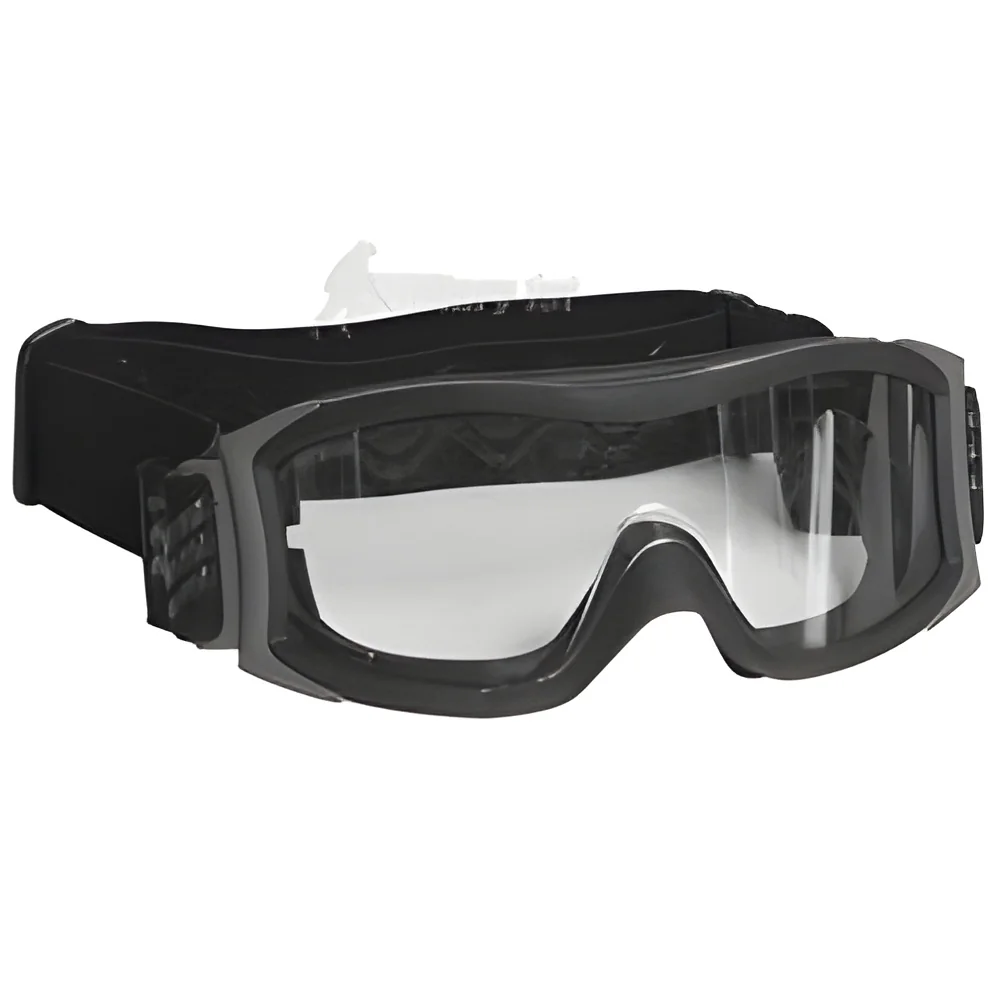
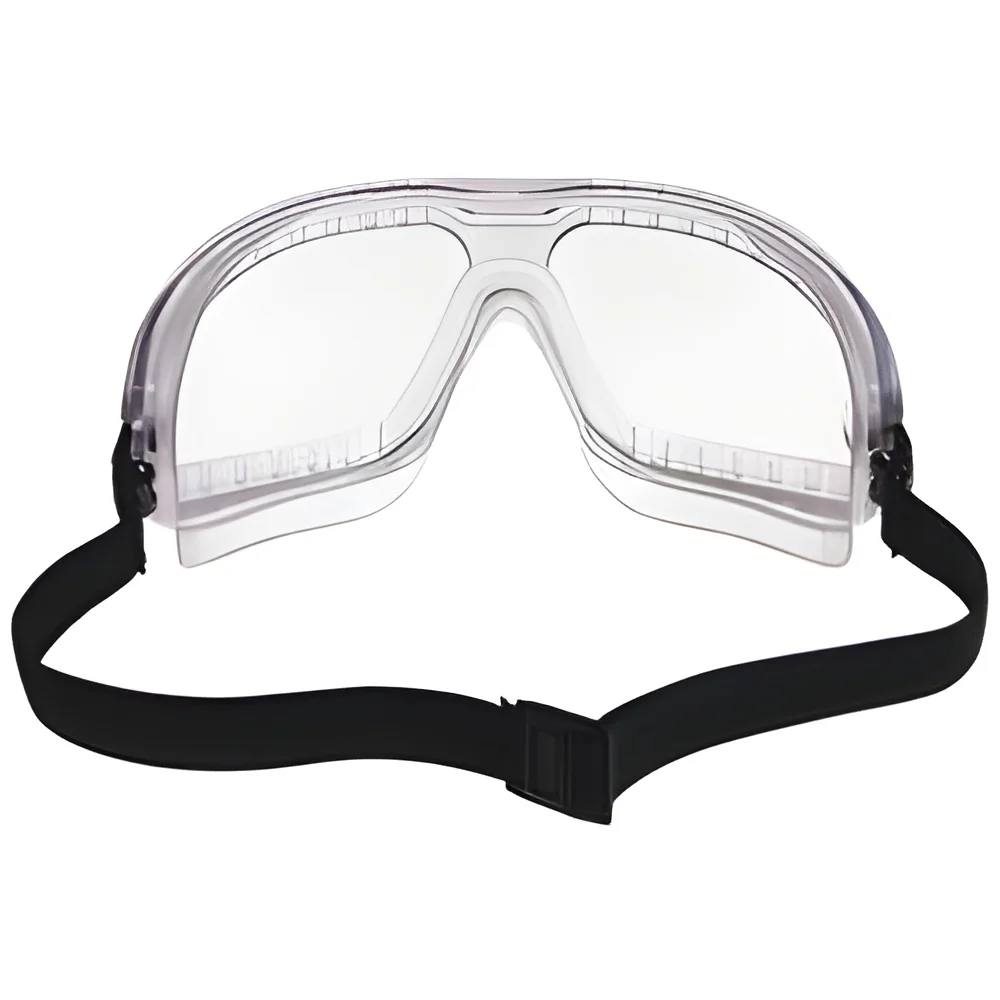
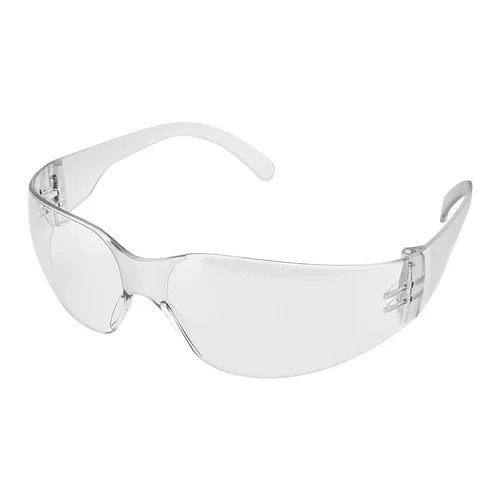
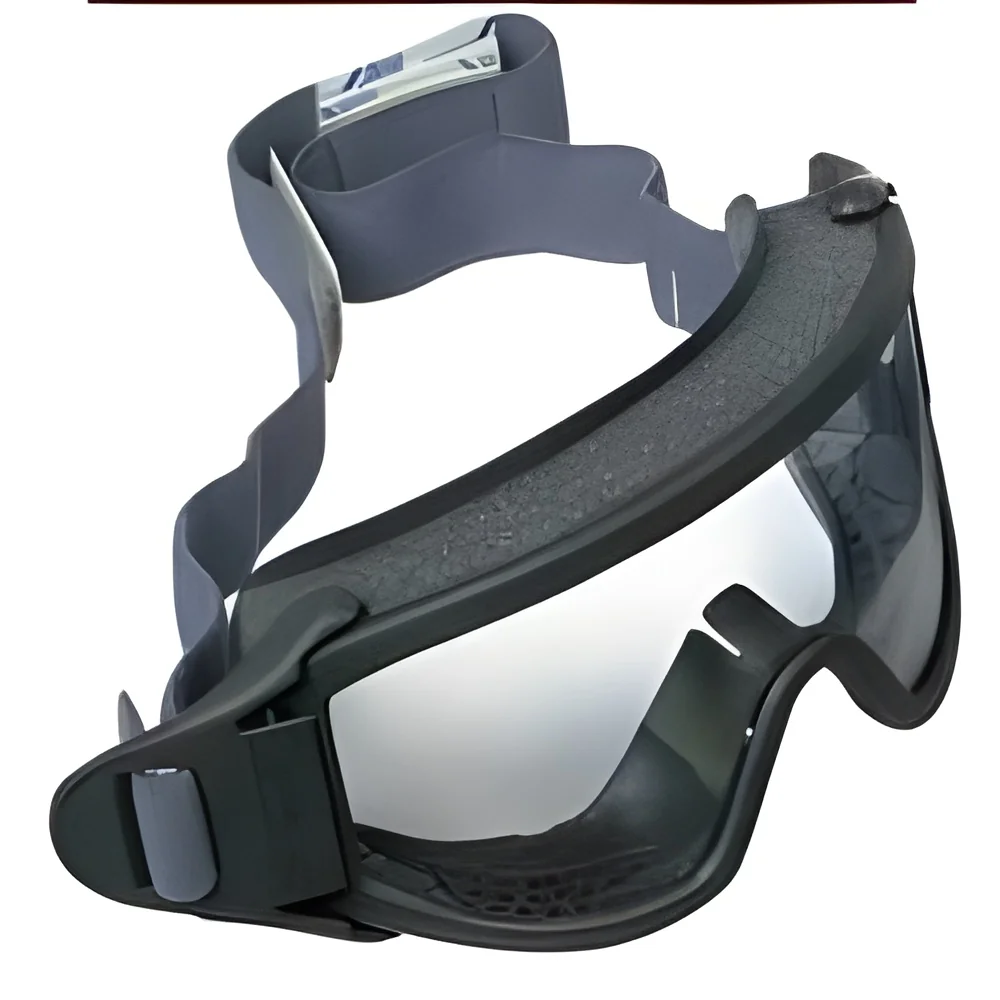
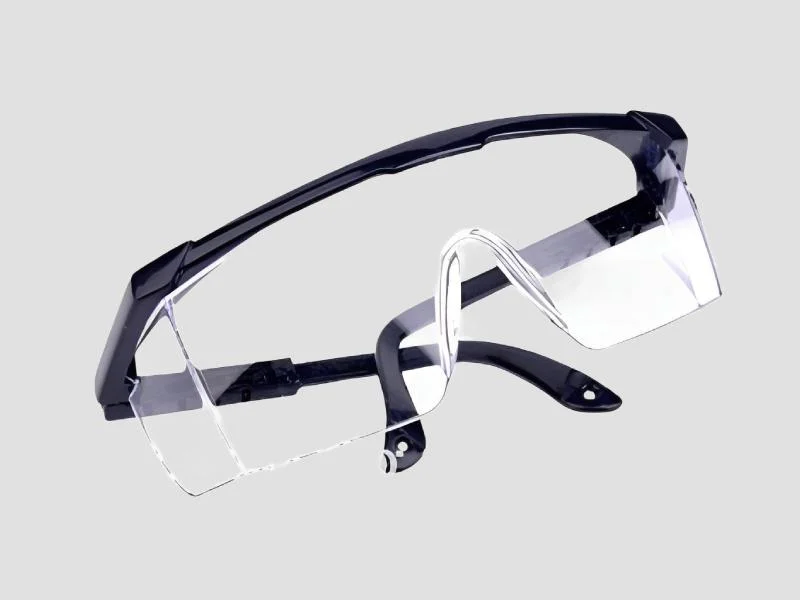
Protective Goggles (Anti-fog, Impact-resistant)
12 products available
Key Features and Specifications
Protective goggles with anti-fog and impact-resistant features come with a range of specifications that enhance their functionality and user experience. Understanding these specifications is crucial for businesses looking to procure suitable protective eyewear.
Key specifications include:
1. Anti-fog Coating
- A special coating applied to the lens to prevent fogging
- Maintains clarity in humid environments
2. Impact Resistance
- Lenses are tested to withstand high-velocity impacts
- Provides protection against flying objects and debris
3. UV Protection
- Lenses offer protection against harmful ultraviolet rays
- Suitable for outdoor and indoor use
4. Lens Material
- Typically made from polycarbonate or similar materials
- Lightweight yet durable for long-term use
5. Adjustable Straps
- Features adjustable straps for a secure fit
- Ensures comfort and stability during use
6. Scratch Resistance
- Lenses designed to resist scratches and wear
- Enhances longevity and visibility of the goggles
7. Ventilation System
- Includes vents to promote airflow and reduce fogging
- Helps maintain comfort during extended wear
8. Compliance Standards
- Meets safety standards such as CE certification
- Ensures reliability in various industrial applications
In summary, these goggles are designed to offer maximum protection without compromising comfort and usability, making them an essential tool for various industries.
Common Applications and Use Cases
Protective goggles with anti-fog and impact-resistant features are versatile and serve multiple industries. Their design addresses the specific needs of various professional environments.
1. Manufacturing: In manufacturing settings, goggles protect workers from flying debris and chemical splashes. Their anti-fog properties ensure clear visibility on the production floor.
2. Construction: Construction workers wear goggles to shield their eyes from dust, debris, and potential impacts from tools and materials. The impact resistance is crucial for safety.
3. Healthcare: In medical environments, goggles help protect healthcare professionals from exposure to bodily fluids and infectious materials. The anti-fog feature is essential during procedures.
4. Laboratories: Laboratory personnel require goggles to protect against chemical splashes and hazardous materials. The clarity provided by anti-fog lenses is critical for precise work.
5. Agriculture: In agricultural applications, goggles protect workers from dust and chemical sprays. Anti-fog features enhance comfort during outdoor tasks.
6. Automotive: Workers in automotive repair rely on goggles to shield their eyes from debris and chemicals. The impact-resistant lenses are vital for safety during repairs.
7. Mining: In mining operations, goggles protect against dust, flying rock particles, and harmful chemicals. Their durability is essential in harsh working conditions.
Product Variants and Subcategories
Protective goggles come in various designs and features to cater to specific industry needs. Understanding these variants can help businesses choose the right product.
Standard Protective Goggles
These goggles offer basic protection with anti-fog and impact-resistant features. They are suitable for general industrial use and provide a reliable barrier against common hazards.
Safety Goggles with Prescription Lenses
These goggles combine safety features with prescription lenses for those who require vision correction. They are ideal for professionals who need both eye protection and vision clarity.
Goggles with Enhanced Ventilation
Designed for high-activity environments, these goggles feature advanced ventilation systems to reduce fogging. They are perfect for applications where moisture build-up is a concern.
Benefits and Advantages
Protective goggles with anti-fog and impact-resistant features offer numerous benefits that enhance workplace safety and productivity. Understanding these advantages can help businesses make informed decisions.
Key benefits include:
1. Enhanced Safety: The impact resistance protects against injuries from flying debris, making these goggles essential in high-risk environments.
2. Improved Visibility: The anti-fog coating ensures clear visibility even in humid conditions, reducing the risk of accidents due to impaired vision.
3. Comfort for Extended Use: Designed for comfort, these goggles can be worn for long periods without causing discomfort, promoting compliance among workers.
4. Versatility: Suitable for various industries, these goggles can be used in multiple applications, providing a cost-effective solution for businesses.
5. Compliance with Regulations: Wearing certified protective eyewear helps businesses meet safety regulations, minimizing liability and enhancing workplace safety.
6. Durable Construction: Made from high-quality materials, these goggles are built to withstand harsh conditions, ensuring they last over time.
Buying Guide for B2B Buyers
When sourcing Protective Goggles (Anti-fog, Impact-resistant), it is essential to consider several factors to ensure you select the right product for your business needs.
1. Quality Assessment: Evaluate the quality of the goggles based on material, construction, and compliance with safety standards. Look for certifications such as CE to ensure reliability.
2. Supplier Verification: Vet potential suppliers by checking their reputation, customer reviews, and compliance with industry standards. A trusted supplier will provide consistent quality and service.
3. Pricing and MOQ: Consider the cost of the goggles in relation to your budget and project needs. Be aware of minimum order quantities (MOQs) to ensure you can meet your requirements without excess inventory.
4. Delivery and Lead Times: Discuss delivery timelines with suppliers to ensure you receive products when needed. Timely delivery is crucial for maintaining workflow in your operations.
5. Compliance Requirements: Understand the regulatory requirements relevant to your industry. Ensure the goggles meet these standards to avoid compliance issues.
Compliance and Certifications
Protective goggles must adhere to various compliance and certification standards to ensure safety and reliability in industrial applications. Key standards include ISO 9001 for quality management systems, ensuring consistent quality and safety in manufacturing processes. Compliance with CE certification indicates that the goggles meet European safety, health, and environmental protection standards.
Safety and testing requirements for protective eyewear often involve rigorous assessments for impact resistance, optical clarity, and fog resistance. These tests are crucial for ensuring that the goggles provide adequate protection in hazardous environments.
Regional compliance considerations may vary, so it is essential for businesses to be aware of local regulations that govern protective eyewear. Understanding these requirements helps ensure that the sourced products are suitable for specific operational contexts.
Why Source Protective Goggles (Anti-fog, Impact-resistant) from Pepagora?
Pepagora is a trusted platform for sourcing Protective Goggles (Anti-fog, Impact-resistant), offering several key advantages for B2B buyers. Our verified supplier network ensures that you work with reputable manufacturers who meet high-quality standards. This reduces the risk of subpar products and enhances your procurement process.
Our streamlined RFQ (Request for Quotation) process simplifies obtaining quotes from multiple suppliers, allowing you to compare options efficiently. This competitive approach helps you make informed purchasing decisions.
We prioritize buyer protection through our trade assurance and support services. This commitment provides peace of mind, ensuring that your transactions are secure and that you receive the products as promised.
With a broad regional coverage that includes India, GCC, and Southeast Asia, Pepagora caters to diverse markets. This geographic reach allows you to source protective goggles that meet your specific needs while benefiting from local market insights and support.

 India
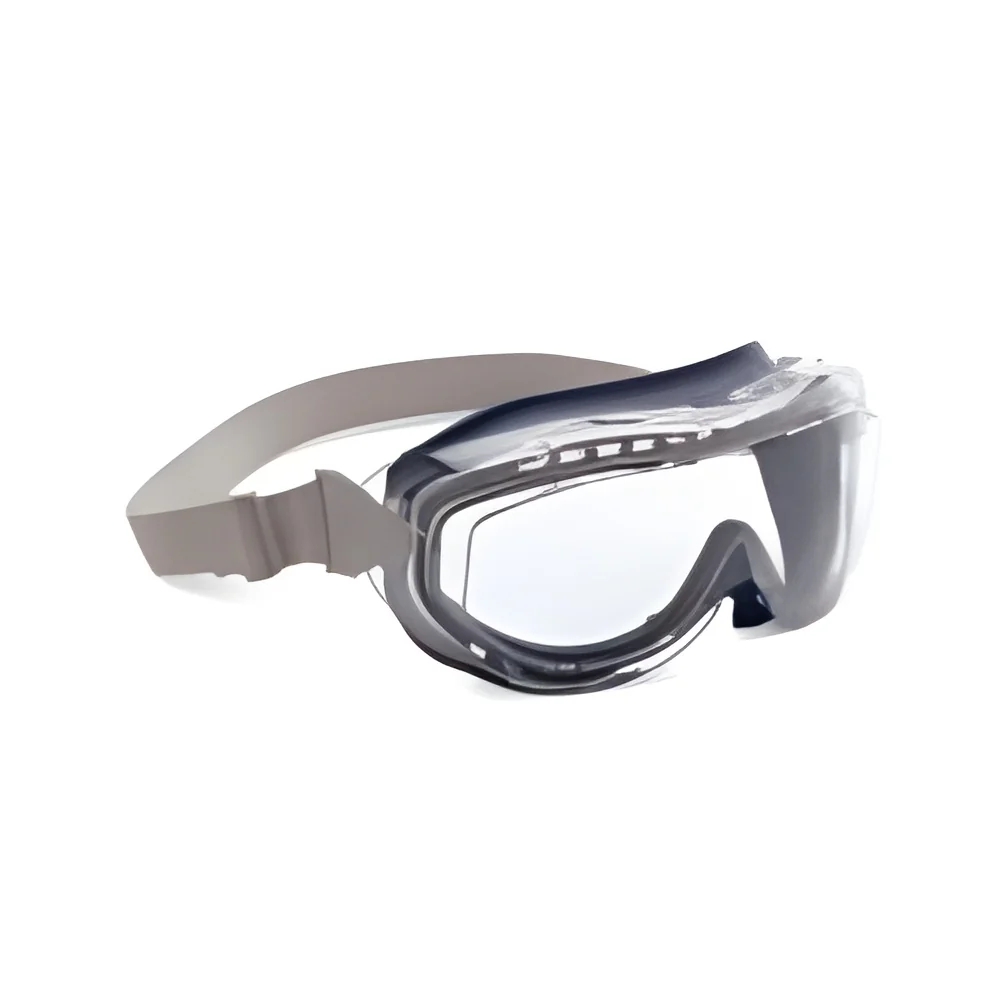
 India
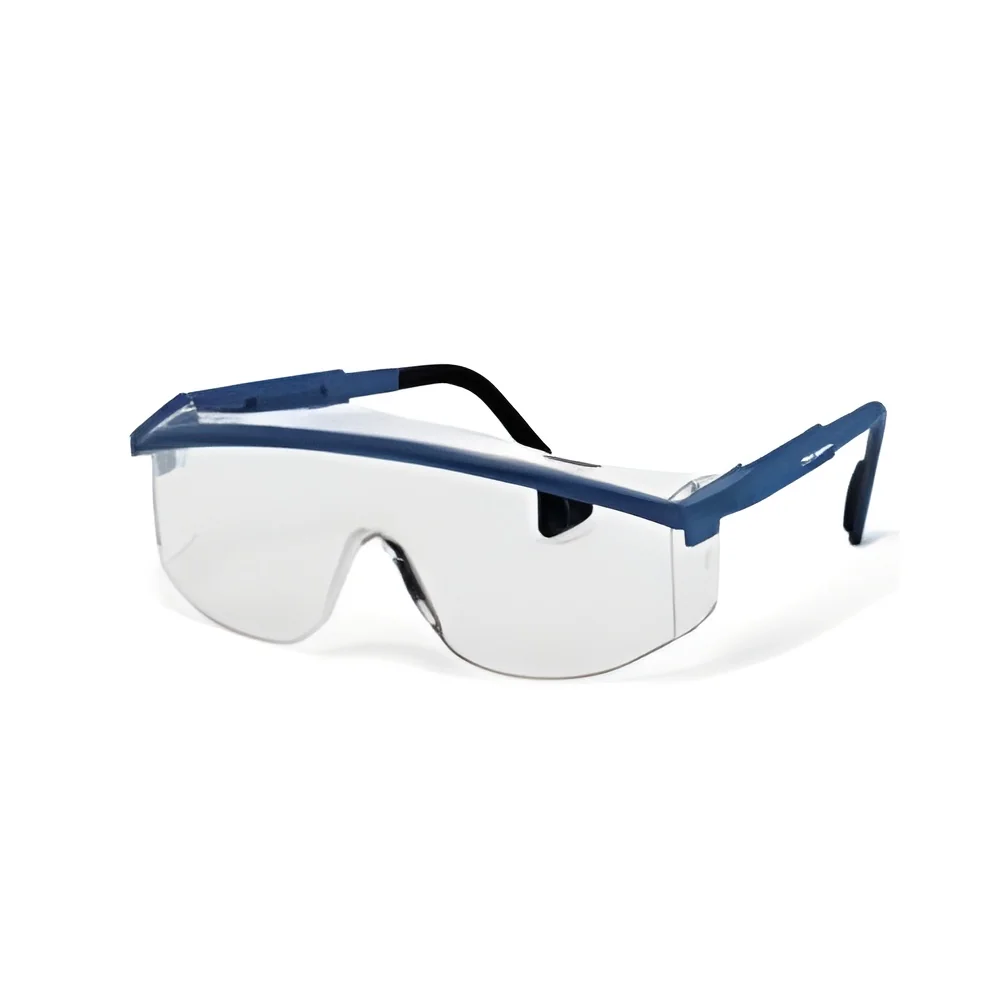
 India
 India
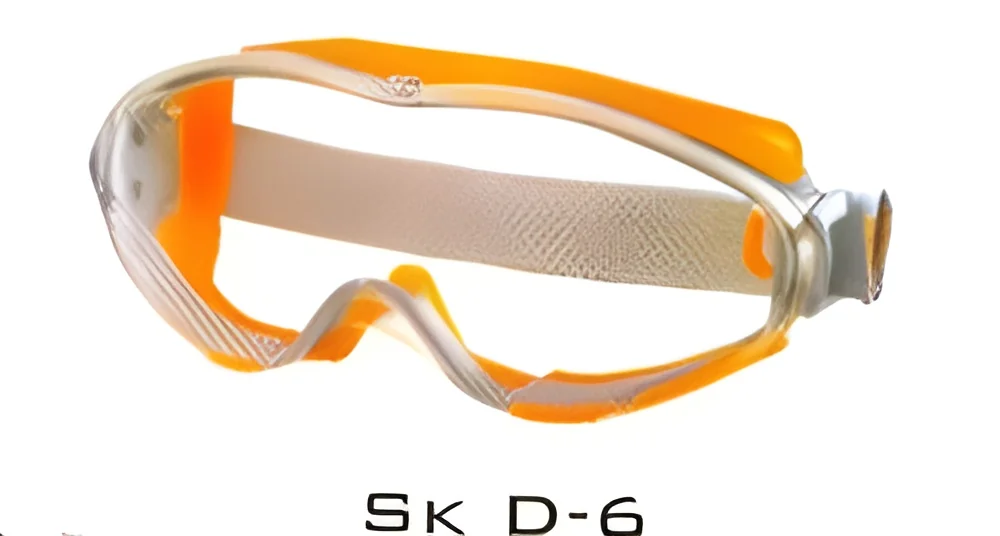
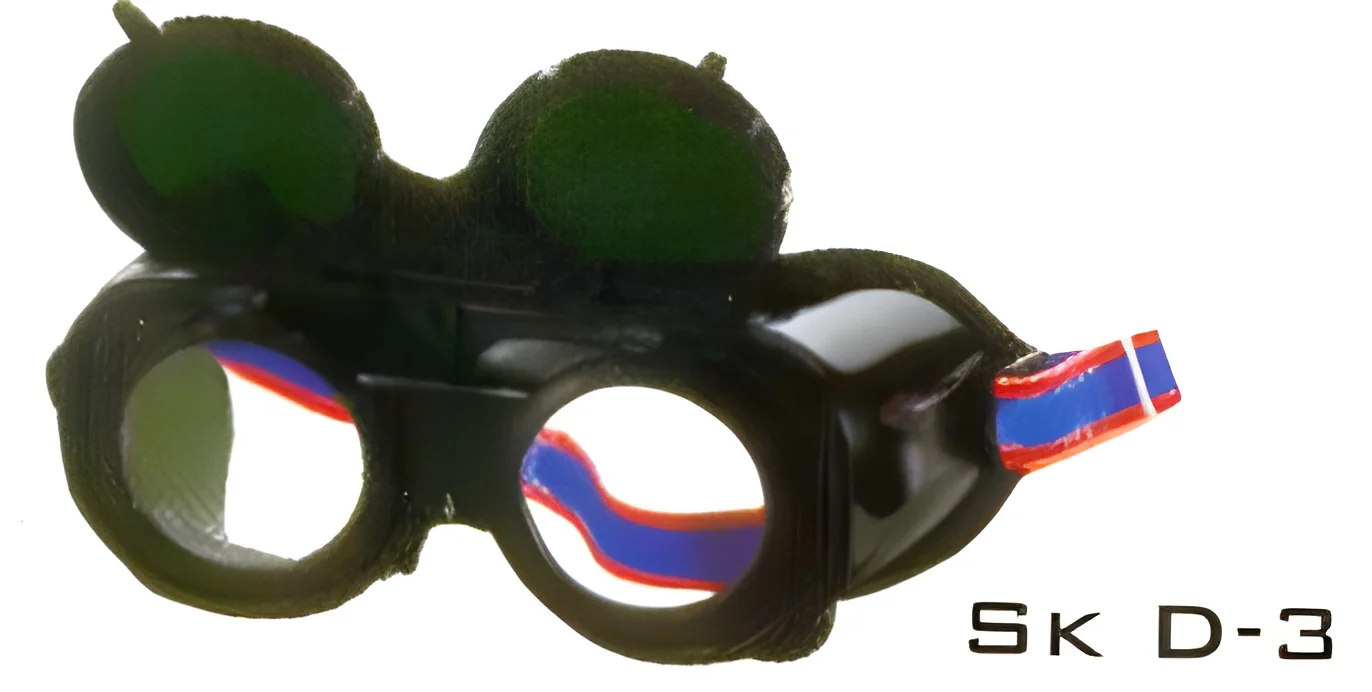 India
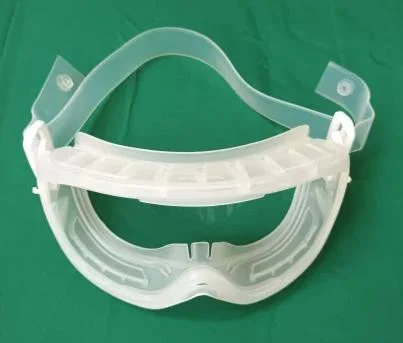
 India
Frequently Asked Questions
What are Protective Goggles (Anti-fog, Impact-resistant)?
Protective goggles (Anti-fog, Impact-resistant) are safety eyewear designed to shield the eyes from hazardous materials, debris, and harmful substances while preventing fogging that can obstruct vision. They are commonly used in industrial, laboratory, and healthcare settings.
What are the different types of Protective Goggles (Anti-fog, Impact-resistant)?
There are various types of protective goggles including standard impact-resistant goggles, anti-fog goggles, and goggles designed for specific applications like chemical handling or welding. Each type offers different levels of protection and features tailored to specific hazards.
How do I choose the right Protective Goggles (Anti-fog, Impact-resistant)?
Choosing the right protective goggles involves assessing the specific hazards present in your environment, such as chemical exposure or flying debris. Additionally, consider factors like comfort, fit, lens type, and compliance with safety standards.
What are the standard specifications for Protective Goggles (Anti-fog, Impact-resistant)?
Standard specifications for protective goggles typically include compliance with safety regulations such as ANSI Z87.1 or ISO standards. Key features may include impact resistance ratings, lens coatings for anti-fogging, and UV protection.
What is the price range for Protective Goggles (Anti-fog, Impact-resistant)?
The price range for protective goggles can vary widely based on brand, features, and specifications, typically from INR 200 to INR 3,000 or more. Bulk purchasing may lead to discounts, making it cost-effective for businesses.
What quality standards apply to Protective Goggles (Anti-fog, Impact-resistant)?
Quality standards for protective goggles include compliance with international safety standards such as ANSI Z87.1, EN166, and ISO 12312-1. These standards ensure that the goggles provide adequate protection against specific hazards.
Where can I find Protective Goggles (Anti-fog, Impact-resistant) suppliers in India?
You can find protective goggles suppliers in India through B2B marketplaces like Pepagora, trade shows, and online directories that list manufacturers and distributors. It's advisable to research and compare suppliers for quality and pricing.
Can Protective Goggles (Anti-fog, Impact-resistant) be customized?
Yes, many manufacturers offer customization options for protective goggles, including personalized branding, color choices, and lens specifications. Customization can enhance visibility and promote brand identity.
What is the typical minimum order quantity for Protective Goggles (Anti-fog, Impact-resistant)?
The typical minimum order quantity (MOQ) for protective goggles varies by supplier but generally ranges from 50 to 100 units. It is advisable to check with specific suppliers for their MOQ requirements.
What is the typical lead time for Protective Goggles (Anti-fog, Impact-resistant)?
The typical lead time for protective goggles can range from 2 to 4 weeks depending on the manufacturer, order quantity, and customization options. It's best to confirm with the supplier for accurate delivery timelines.
Why Businesses Trust Pepagora
Thousands of companies trust Pepagora to source smarter and sell faster
Expand Your Sales Globally

Source Smarter,Grow Faster
