What are Chemical-Resistant Gloves?
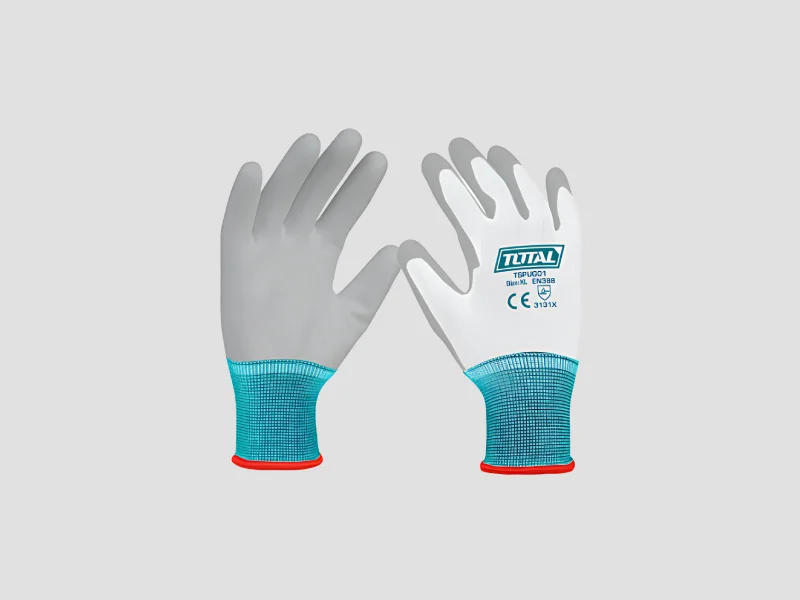
Chemical-Resistant Gloves are specialized protective gear designed to guard the hands against hazardous substances such as acids, solvents, and other corrosive materials. These gloves are made from durable materials that provide a barrier, ensuring that harmful chemicals do not come into contact with the skin. The design of these gloves also allows for dexterity and grip, which is essential for tasks requiring precision while handling dangerous materials.
These gloves are widely used in several industries, including chemical manufacturing, pharmaceuticals, and laboratories. They are crucial for any work environment where workers are exposed to toxic or harmful chemicals. By using Chemical-Resistant Gloves, businesses can enhance safety protocols and reduce the risk of chemical burns or other injuries associated with direct skin contact. In today’s market, the demand for these gloves continues to grow, driven by an increased focus on workplace safety and regulatory compliance.
Key Features and Specifications
Chemical-Resistant Gloves come with various features that enhance their protective capabilities. Understanding these specifications is essential for businesses when selecting the right gloves for their needs.
Key specifications include:
1. Material Composition
- Made from materials such as nitrile, neoprene, and PVC
- Each material offers varying levels of chemical resistance
2. Thickness
- Common thickness ranges from 12 mil to 30 mil
- Thicker gloves provide enhanced protection but may reduce dexterity
3. Length
- Available in lengths ranging from 12 inches to 18 inches
- Longer gloves provide additional forearm protection
4. Grip Texture
- Textured surfaces improve grip on wet and oily surfaces
- Options include smooth, rough, or ribbed textures
5. Temperature Resistance
- Some gloves can withstand extreme temperatures
- Specific ratings may vary by material and design
6. Dexterity Ratings
- Gloves are rated for dexterity, often categorized as high, medium, or low
- Higher dexterity ratings are ideal for tasks requiring fine motor skills
7. Chemical Resistance Ratings
- Gloves are tested against various chemicals with specific performance ratings
- Important for ensuring protection against specific substances
8. Certification
- Many gloves are certified to meet industry standards, such as CE marking
- Certification ensures compliance with safety regulations
In summary, selecting the right Chemical-Resistant Gloves involves understanding these key specifications, which help businesses ensure maximum safety and performance in hazardous environments.
Common Applications and Use Cases
Chemical-Resistant Gloves are essential across multiple industries, each with specific applications.
1. Chemical Manufacturing: Workers in this industry often handle strong acids and solvents, necessitating gloves that provide robust chemical resistance.
2. Pharmaceuticals: In pharmaceutical production, gloves protect against hazardous drugs and compounds, ensuring worker safety during handling and mixing processes.
3. Laboratories: Laboratory personnel use these gloves when conducting experiments with reactive substances, minimizing the risk of skin exposure to harmful chemicals.
4. Oil and Gas: Employees in the oil and gas sector require gloves that can withstand exposure to various chemicals used in drilling and extraction processes.
5. Automotive: In automotive manufacturing and repair, gloves protect against oils, solvents, and other chemicals commonly encountered.
6. Agriculture: Agricultural workers utilize chemical-resistant gloves while applying pesticides and fertilizers, safeguarding their hands from toxic substances.
7. Waste Management: Workers in waste management use these gloves to handle hazardous waste materials safely and prevent chemical exposure.
Product Variants and Subcategories
Chemical-Resistant Gloves are available in various designs to cater to different industry needs.
Nitrile Chemical-Resistant Gloves: These gloves offer excellent puncture resistance and dexterity, making them ideal for tasks requiring precision while handling chemicals. They are commonly used in laboratories and by healthcare professionals.
Neoprene Chemical-Resistant Gloves: Known for their flexibility and chemical resistance, neoprene gloves are suitable for handling a wide range of substances, including acids and oils. They are often used in industrial settings.
PVC Chemical-Resistant Gloves: PVC gloves provide good chemical protection at a lower cost. They are commonly used in food processing and cleaning applications where contact with detergents and mild chemicals is frequent.
Latex Chemical-Resistant Gloves: While not suitable for all chemicals, latex gloves offer excellent elasticity and comfort. They are often used in laboratory settings where dexterity is crucial.
Benefits and Advantages
Choosing Chemical-Resistant Gloves brings numerous advantages to businesses and their employees.
1. Enhanced Safety: These gloves significantly reduce the risk of chemical burns and skin injuries, promoting a safer work environment.
2. Compliance with Regulations: Using certified gloves helps businesses comply with safety standards and regulations, minimizing legal liabilities.
3. Improved Productivity: High-quality gloves that allow for dexterity enable workers to perform tasks more efficiently without compromising safety.
4. Cost-Effectiveness: Investing in durable gloves reduces the frequency of replacements, leading to long-term savings for businesses.
5. Versatility: Chemical-Resistant Gloves are available in various materials, making them suitable for various applications across different industries.
6. Comfort and Fit: Many gloves come with ergonomic designs that provide comfort during extended use, ensuring workers can wear them without discomfort.
Buying Guide for B2B Buyers
When sourcing Chemical-Resistant Gloves, it is crucial for B2B buyers to consider several factors.
1. Quality Assessment: Evaluate gloves based on material quality, durability, and performance ratings to ensure they meet safety standards.
2. Supplier Verification: Vet suppliers by checking their certifications, customer reviews, and compliance with industry regulations to ensure reliability.
3. Pricing and MOQ: Analyze the cost of gloves and minimum order quantities to align with budget constraints and purchasing capabilities.
4. Delivery and Lead Times: Understand logistics, including delivery schedules and lead times, to ensure timely availability for operations.
5. Compliance Requirements: Ensure that gloves meet relevant regulatory standards and certifications applicable to specific industries and regions.
Compliance and Certifications
Compliance and certifications are vital for Chemical-Resistant Gloves to ensure safety and performance. These gloves often adhere to quality standards such as ISO 9001, which emphasizes quality management systems. Additionally, they may be compliant with HACCP (Hazard Analysis Critical Control Point) standards, which are crucial for industries like food processing.
Many gloves carry the CE mark, indicating they conform to European health, safety, and environmental protection standards. This certification assures users of their effectiveness against chemical exposure. Furthermore, gloves must meet safety and testing requirements specific to the chemicals they are designed to protect against.
Regional compliance considerations may vary, so businesses should be aware of local regulations that govern workplace safety and personal protective equipment. Ensuring that Chemical-Resistant Gloves meet these requirements is essential for maintaining a safe work environment.
Why Source Chemical-Resistant Gloves from Pepagora?
Pepagora provides a trusted platform for sourcing Chemical-Resistant Gloves, offering several key advantages to B2B buyers.
Verified Supplier Network: Pepagora ensures that all suppliers are thoroughly vetted, providing buyers with confidence in the quality and reliability of the products they purchase.
Streamlined RFQ Process: The platform offers a simplified Request for Quotation process, making it easy for buyers to obtain competitive pricing and negotiate terms with multiple suppliers.
Trade Assurance and Support: Pepagora provides buyer protection through trade assurance, ensuring that transactions are secure and that buyers receive the products as promised.
Regional Coverage: With a focus on regions like India, the GCC, and Southeast Asia, Pepagora connects buyers with local suppliers, facilitating quick delivery and support tailored to regional needs.
This comprehensive approach makes Pepagora an ideal choice for businesses looking to source Chemical-Resistant Gloves efficiently and effectively.

 IN
IN