𝗞𝗲𝘆 𝗙𝗲𝗮𝘁𝘂𝗿𝗲𝘀 𝗮𝗻𝗱 𝗦𝗽𝗲𝗰𝗶𝗳𝗶𝗰𝗮𝘁𝗶𝗼𝗻𝘀
Personal Protective Equipment (PPE) is characterized by specific features and specifications that determine its effectiveness. Understanding these specifications helps businesses select the right products for their needs.
Key specifications include:
1. Protection Level
- Determines the degree of protection from various hazards
- Categories range from minimal to maximum protection based on industry standards
2. Material Composition
- Refers to the types of materials used in manufacturing PPE
- Common materials include high-density polyethylene, rubber, and specialized fabrics
3. Comfort and Fit
- Importance of ergonomic design for prolonged wear
- Adjustable features to accommodate various body sizes and shapes
4. Durability
- Resistance to wear, tear, and environmental conditions
- Tested for lifespan under specific conditions
5. Certification Standards
- Compliance with international safety regulations, such as CE marking
- Assurance of performance and reliability based on testing
6. Maintenance Requirements
- Guidelines on how to clean and maintain PPE to prolong its lifespan
- Recommendations for periodic inspections
7. Visibility Features
- High-visibility colors and reflective strips for safety in low-light conditions
- Essential for roles that require working near traffic or machinery
8. Breathability
- Design considerations for heat and moisture regulation
- Important for comfort in hot or humid environments
In summary, understanding the key features and specifications of PPE is essential for making informed purchasing decisions. Companies should evaluate these factors to ensure they select the right equipment for their operational needs.
𝗖𝗼𝗺𝗺𝗼𝗻 𝗔𝗽𝗽𝗹𝗶𝗰𝗮𝘁𝗶𝗼𝗻𝘀 𝗮𝗻𝗱 𝗨𝘀𝗲 𝗖𝗮𝘀𝗲𝘀
Personal Protective Equipment (PPE) serves a wide array of industries, each with specific applications tailored to the risks involved.
1. Construction: Workers in construction use hard hats, safety glasses, and steel-toed boots to protect against falling objects, equipment mishaps, and hazardous materials.
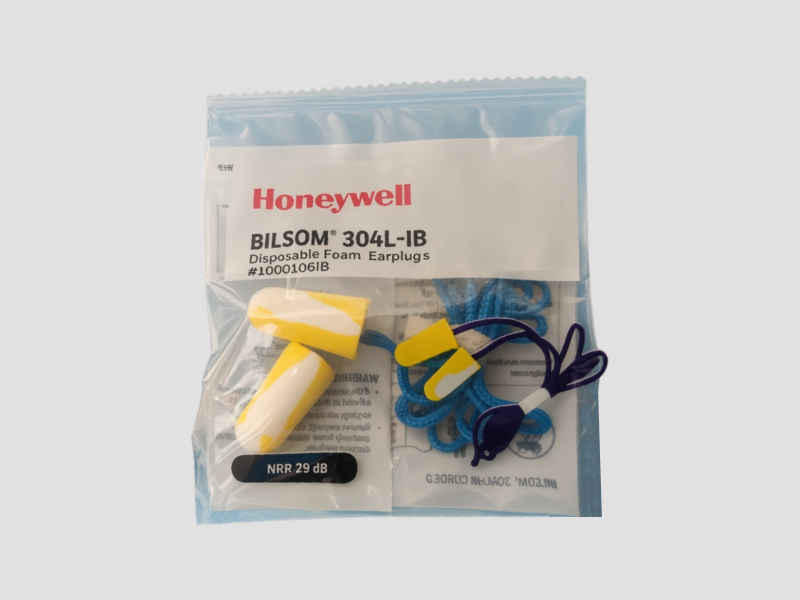
2. Manufacturing: In manufacturing, PPE such as gloves, ear protection, and respiratory masks is crucial for safeguarding against chemical exposure and noise pollution.
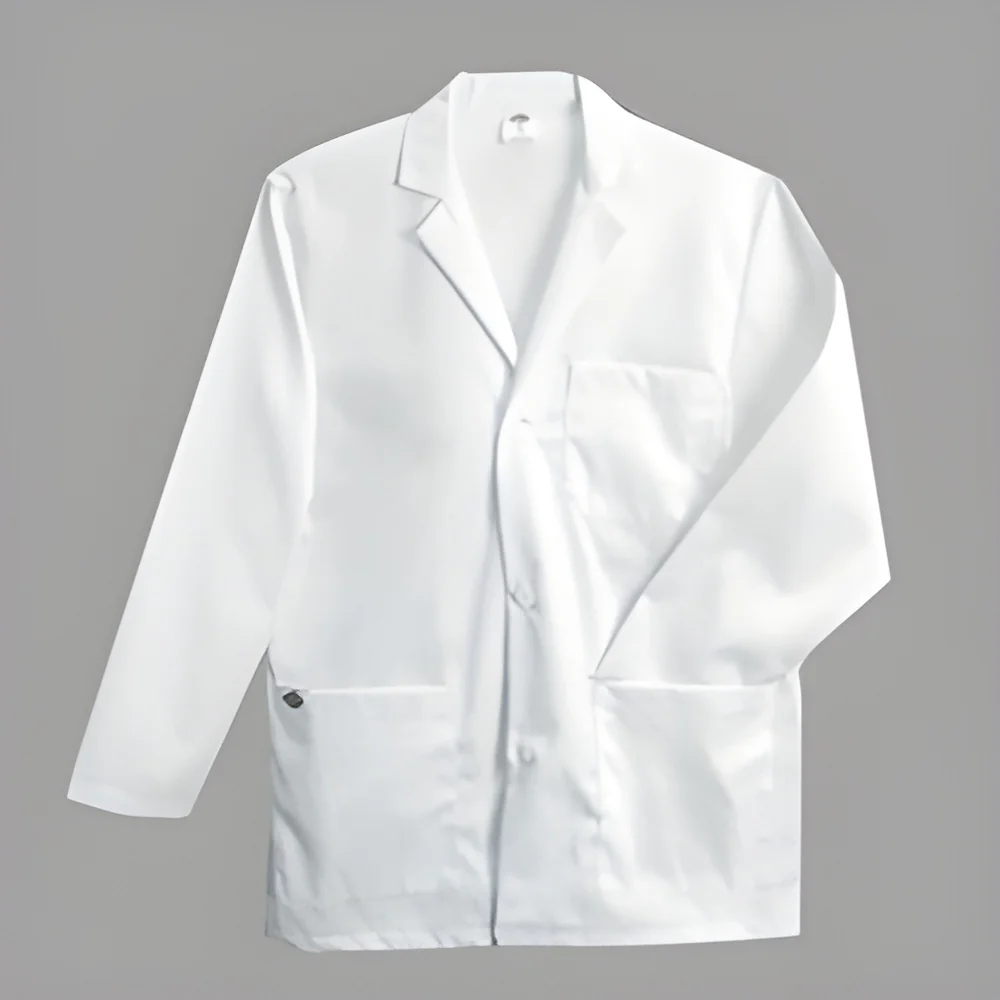
3. Healthcare: Medical professionals rely on gowns, gloves, and face shields to prevent exposure to infectious agents and to maintain a sterile environment.
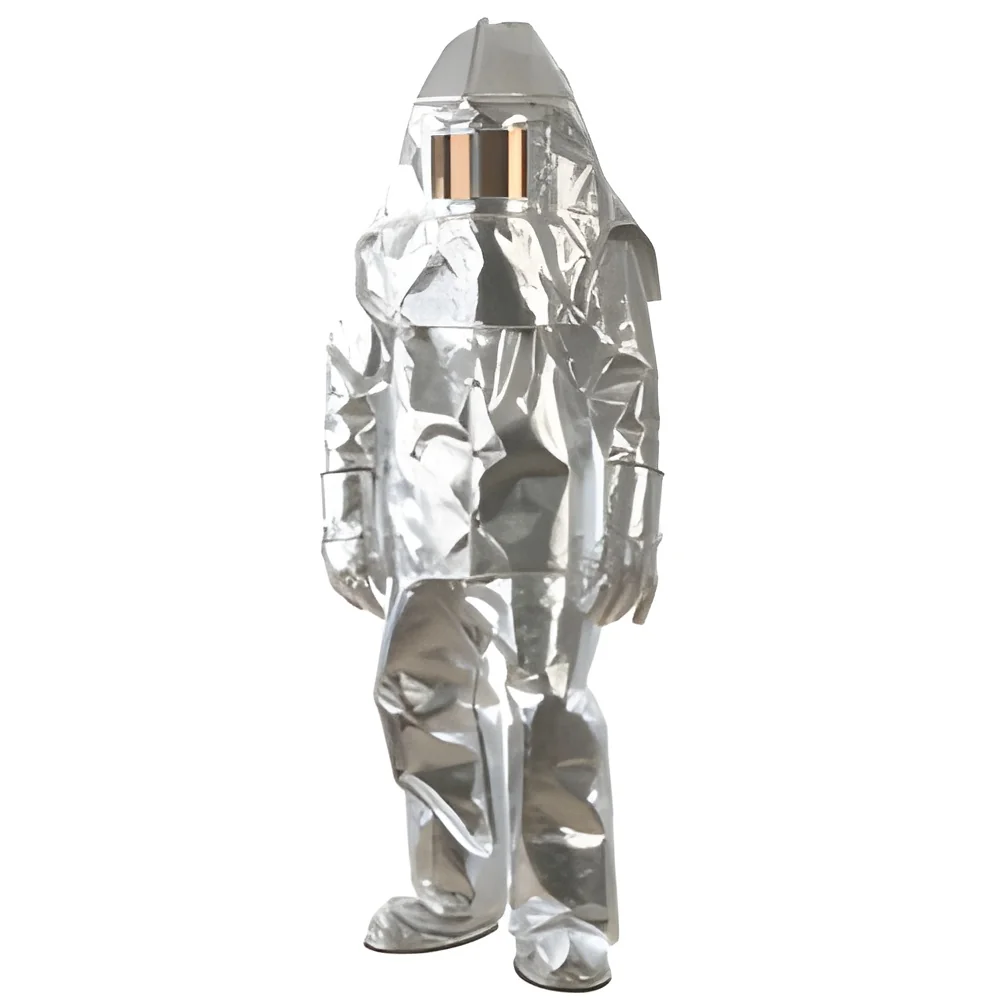
4. Oil and Gas: Workers in this sector utilize flame-resistant clothing and specialized respirators to protect against fire hazards and toxic fumes.
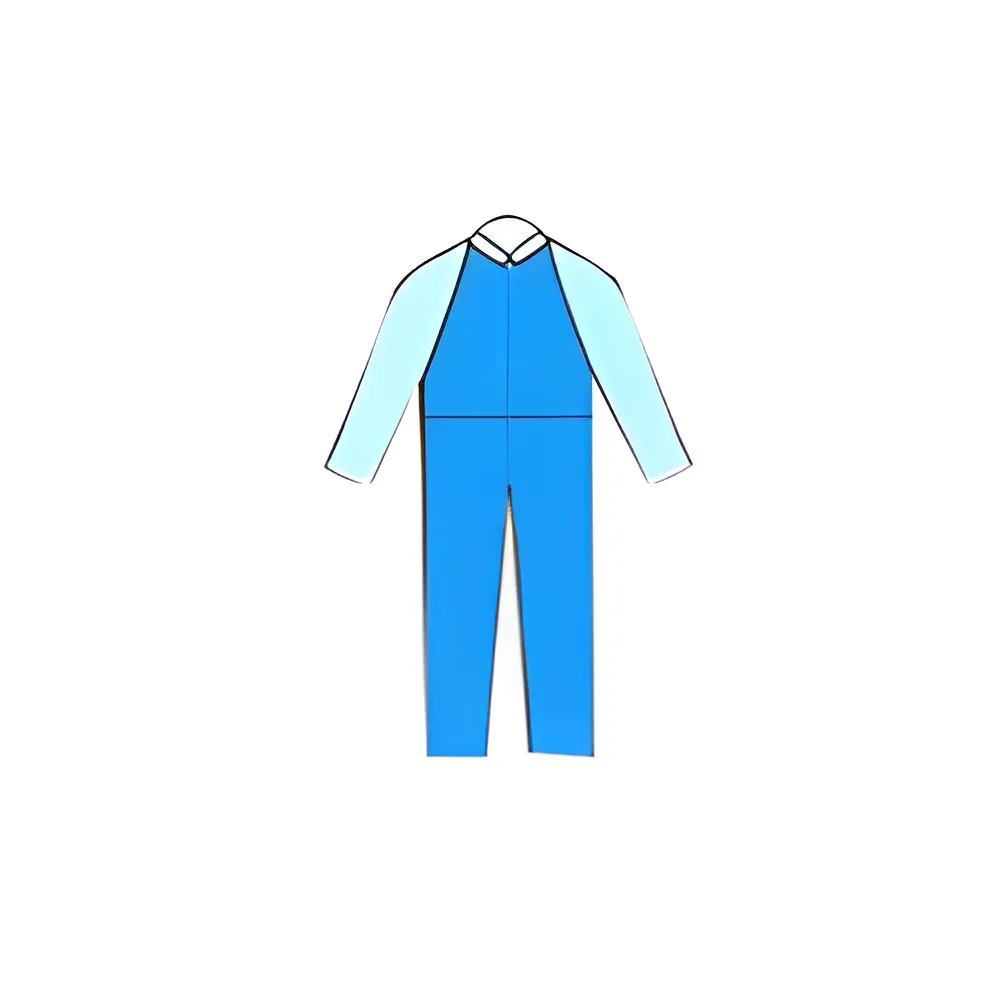
5. Chemical Processing: PPE such as chemical-resistant suits and gloves is essential to protect workers from corrosive substances and hazardous materials.
6. Agriculture: Farmers and agricultural workers use gloves, masks, and goggles to safeguard against pesticides and other chemicals.
7. Food Processing: In food processing, PPE helps prevent contamination and ensures hygiene through the use of gloves, hairnets, and protective clothing.
𝗣𝗿𝗼𝗱𝘂𝗰𝘁 𝗩𝗮𝗿𝗶𝗮𝗻𝘁𝘀 𝗮𝗻𝗱 𝗦𝘂𝗯𝗰𝗮𝘁𝗲𝗴𝗼𝗿𝗶𝗲𝘀
Personal Protective Equipment (PPE) encompasses a variety of products designed for different applications and environments. The diversity of PPE ensures that businesses can find suitable options for their specific needs.
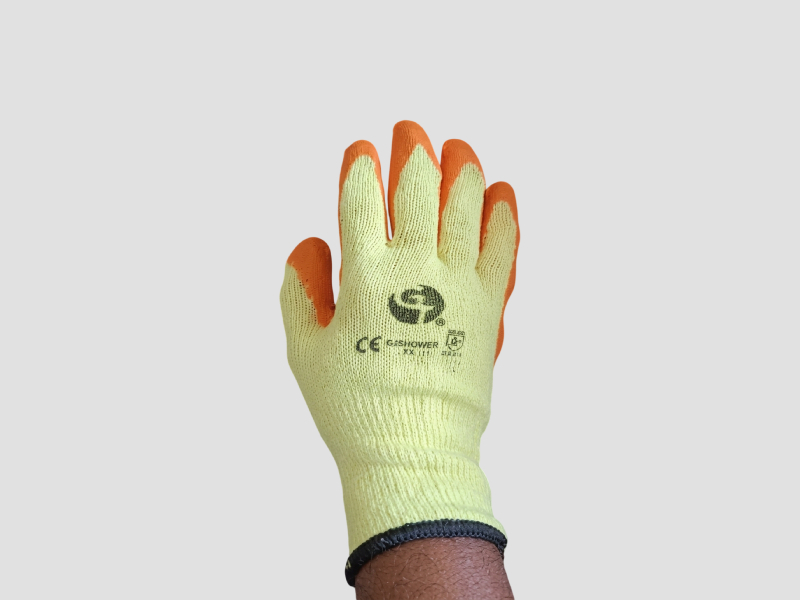
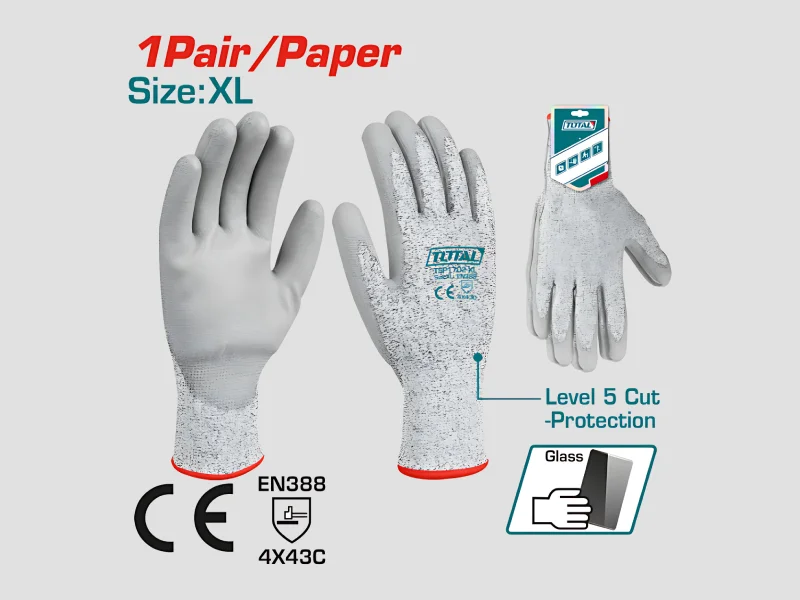
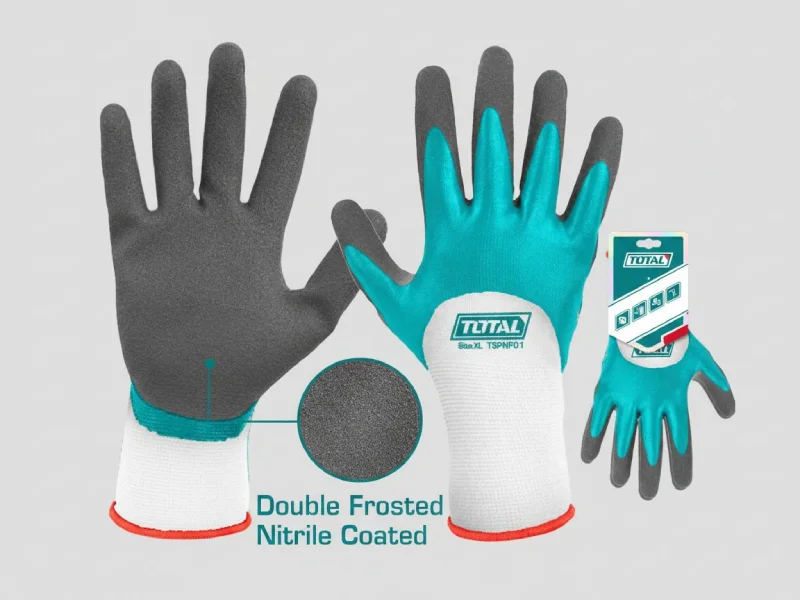
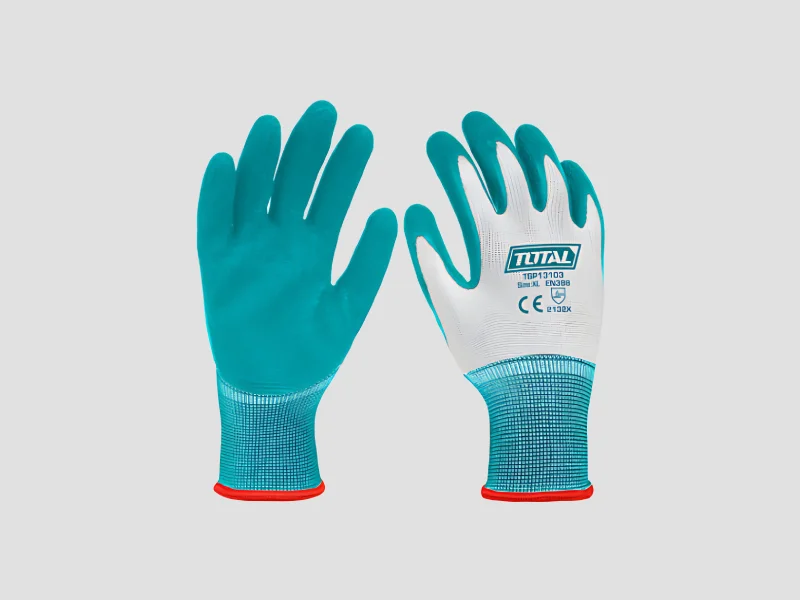
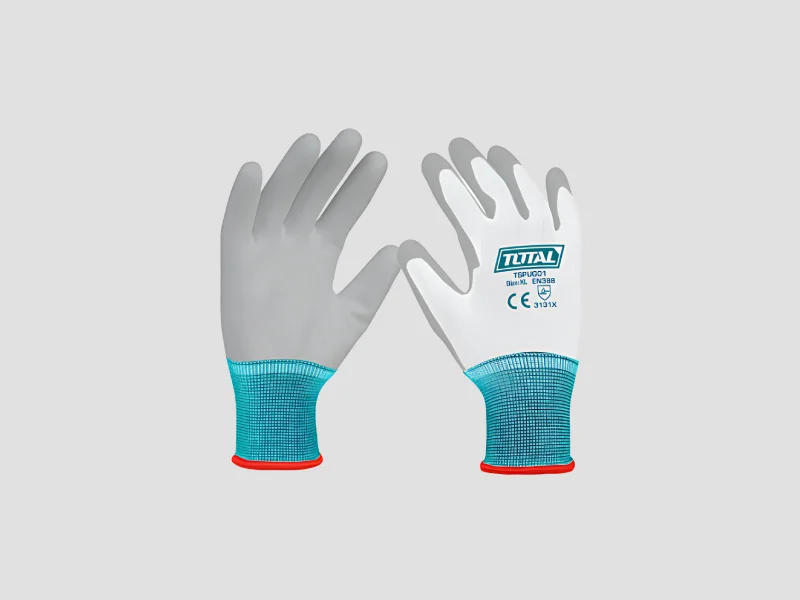
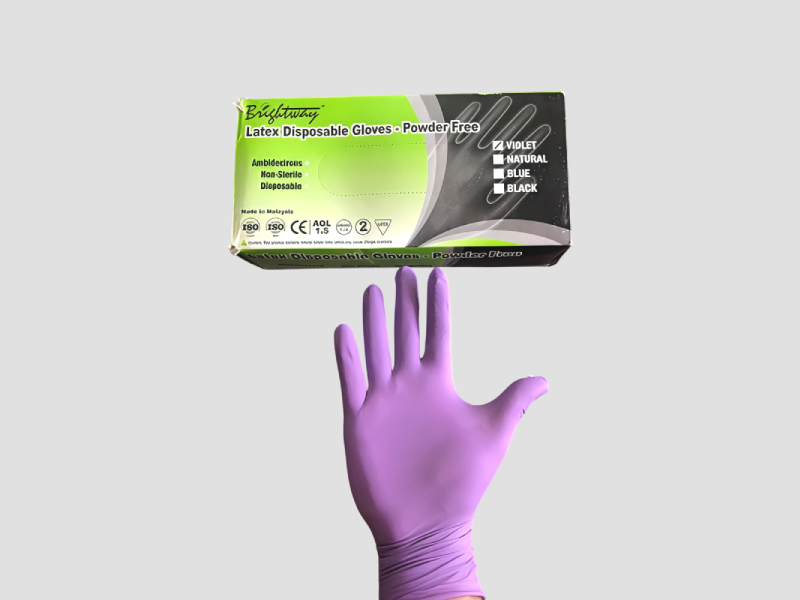
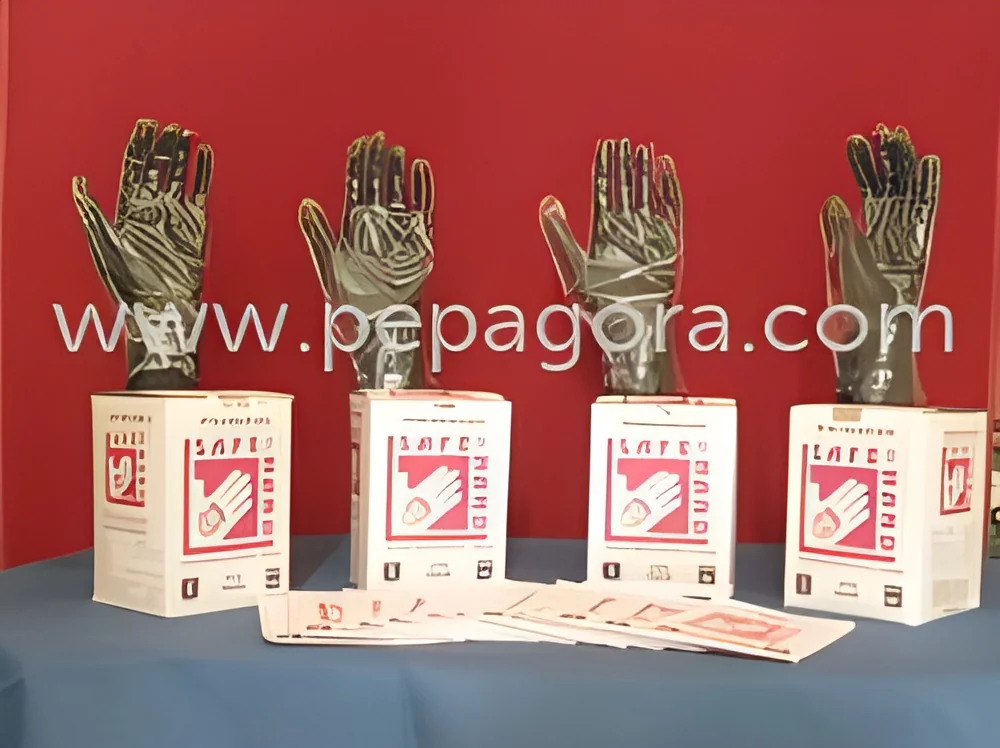
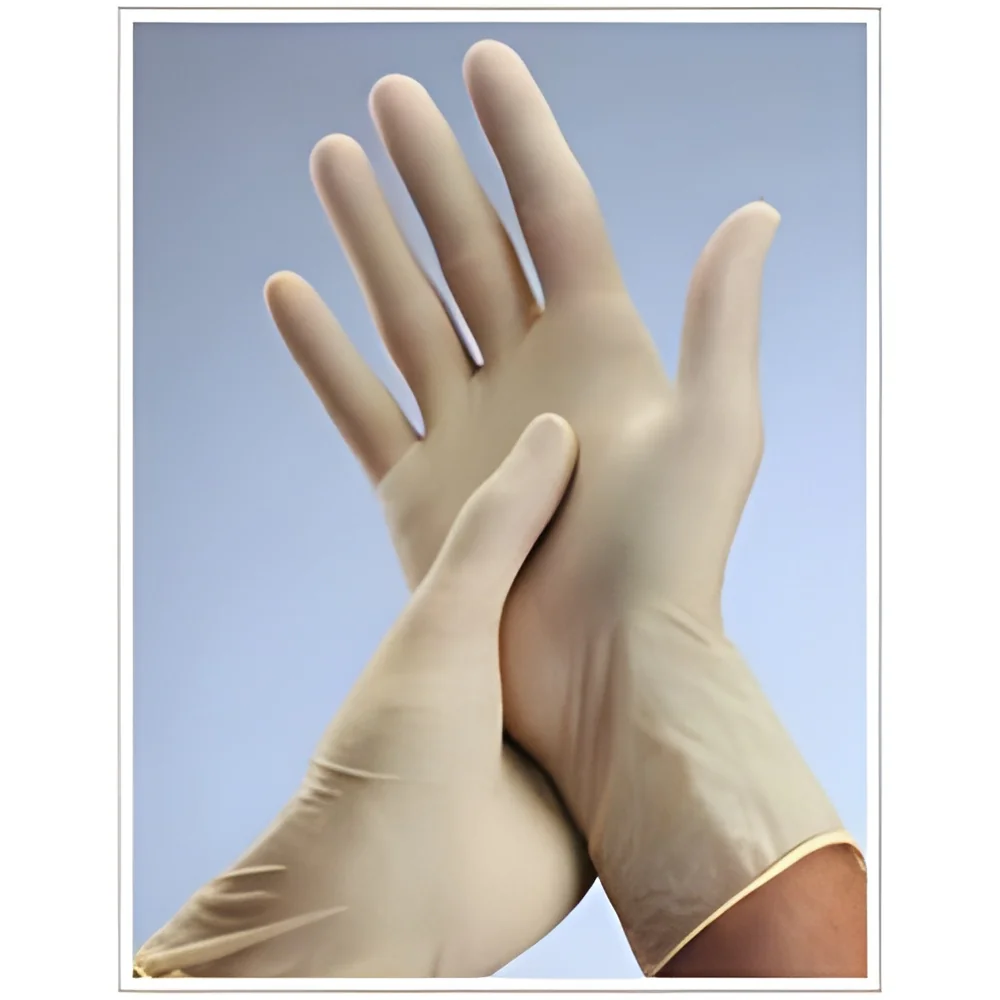
Gloves: These are essential in various industries, offering protection against chemicals, cuts, and abrasions. Different materials are used depending on the application, such as latex for medical use or nitrile for chemical handling.
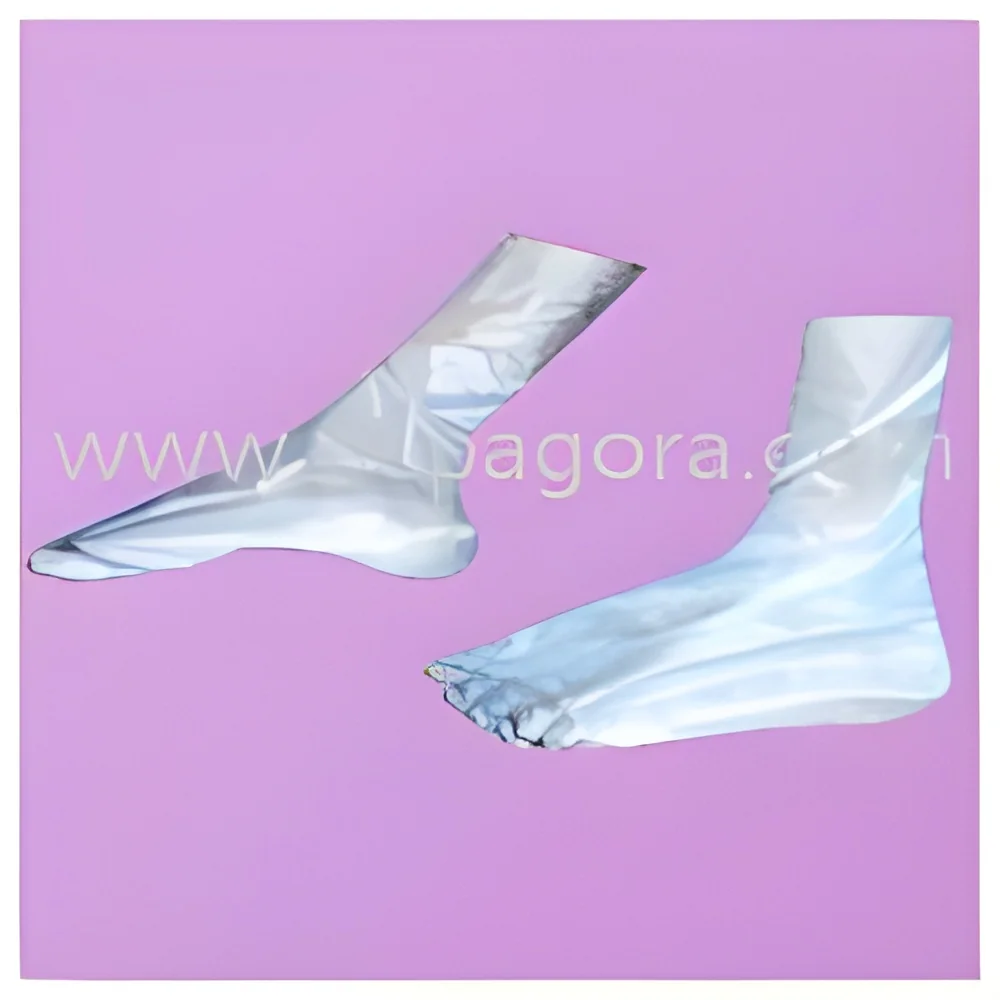
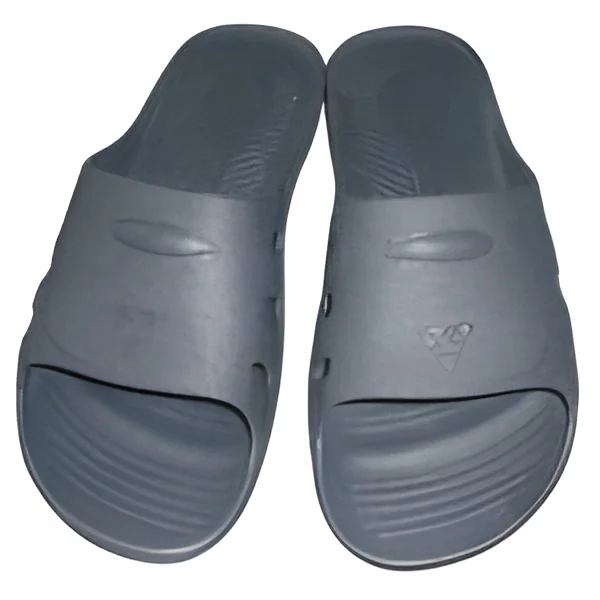
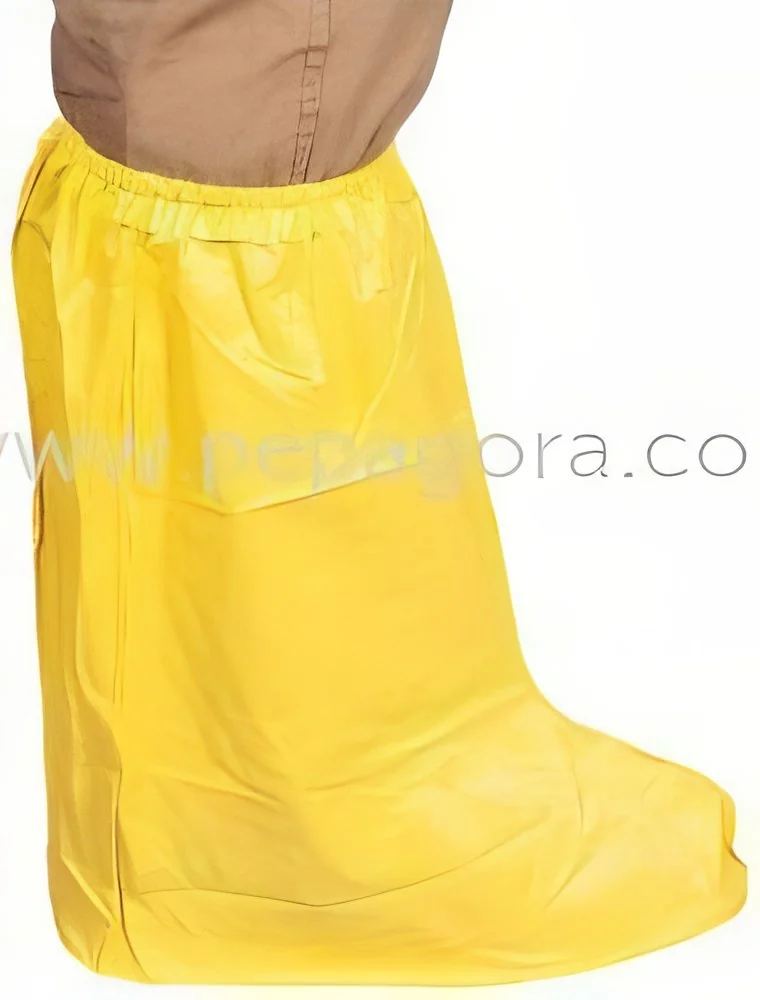
Safety Footwear: Steel-toed boots and slip-resistant shoes are crucial in construction and manufacturing environments. They provide protection against heavy objects and slipping hazards.
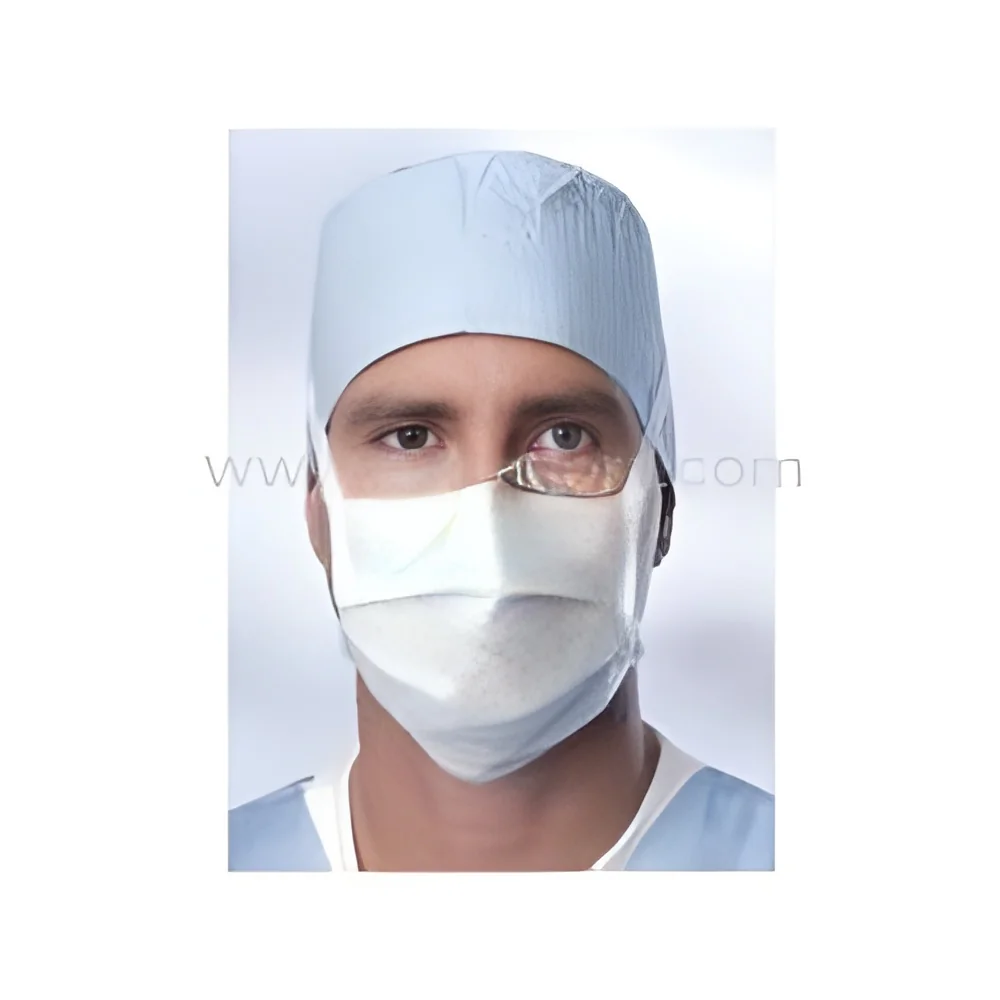
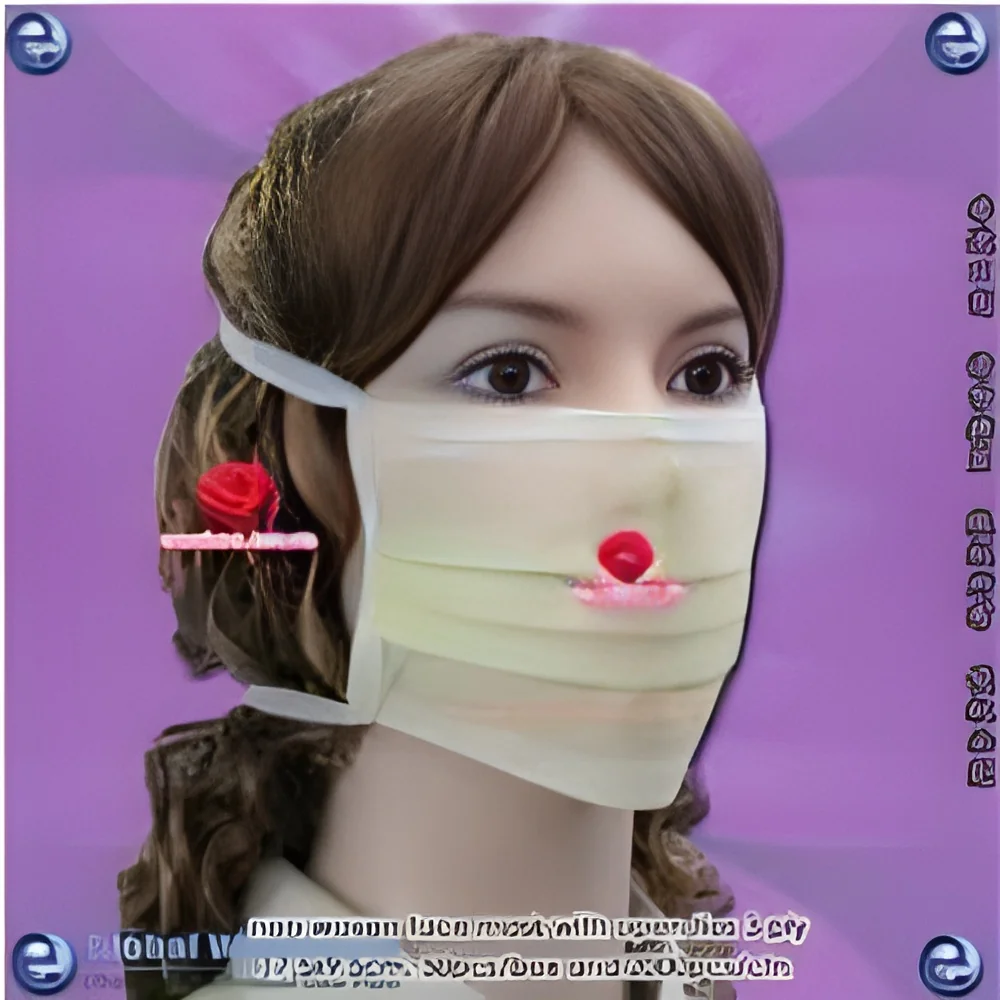
Respirators: These protect workers from airborne contaminants. Options include disposable masks and more advanced respirators, depending on the level of exposure.
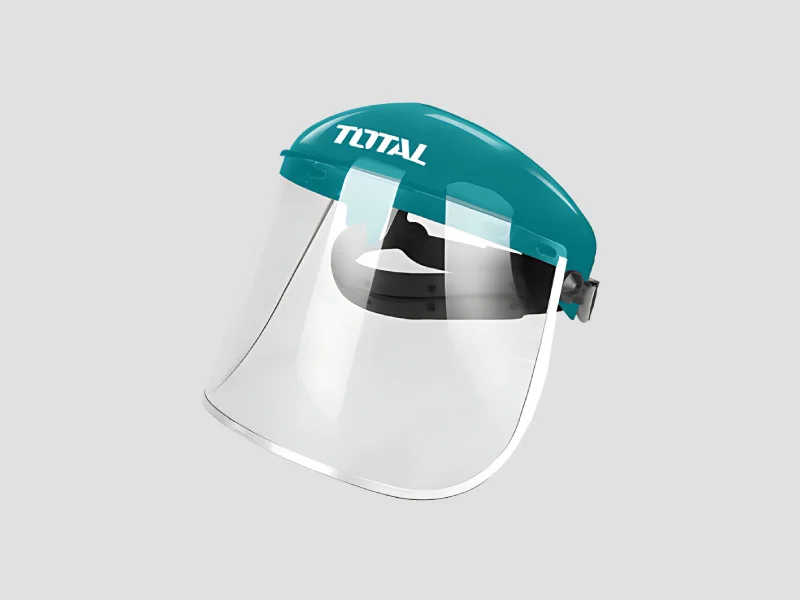
Face Shields: Used in industries where face protection is required, these shields provide a barrier against splashes and debris while allowing for visibility.
High-Visibility Clothing: Essential for workers in low-light conditions or those exposed to traffic, these garments enhance safety through bright colors and reflective materials.
𝗕𝗲𝗻𝗲𝗳𝗶𝘁𝘀 𝗮𝗻𝗱 𝗔𝗱𝘃𝗮𝗻𝘁𝗮𝗴𝗲𝘀
Utilizing Personal Protective Equipment (PPE) offers numerous advantages for both employees and employers.
1. Enhanced Safety: PPE significantly reduces the risk of injuries and accidents in the workplace, promoting a safer working environment.
2. Compliance with Regulations: Wearing appropriate PPE ensures compliance with safety regulations, minimizing legal liabilities for businesses.
3. Improved Employee Morale: Providing quality PPE demonstrates a company's commitment to worker safety, boosting morale and productivity.
4. Cost Savings: By preventing workplace injuries, businesses can save on medical costs and insurance premiums, leading to long-term financial benefits.
5. Increased Productivity: When workers feel safe, they can focus on their tasks without the distraction of potential hazards, enhancing overall productivity.
6. Customization Options: Many PPE products can be tailored to fit specific workplace needs, ensuring that employees have the right level of protection.
𝗕𝘂𝘆𝗶𝗻𝗴 𝗚𝘂𝗶𝗱𝗲 𝗳𝗼𝗿 𝗕𝟮𝗕 𝗕𝘂𝘆𝗲𝗿𝘀
When sourcing Personal Protective Equipment (PPE), it is crucial for businesses to consider several factors to ensure they select the right products.
1. Quality Assessment: Evaluate the quality of PPE by checking for certifications and compliance with industry standards. High-quality materials and construction are vital for effective protection.
2. Supplier Verification: Conduct thorough vetting of suppliers to ensure they provide reliable products. Look for reviews, certifications, and their history in the industry.
3. Pricing and MOQ: Understand the pricing structure and minimum order quantities (MOQ) to align with budget constraints and inventory needs. Compare different suppliers for the best value.
4. Delivery and Lead Times: Assess the logistics involved in procurement, including delivery timelines. Timely delivery is essential to maintain workflow and productivity.
5. Compliance Requirements: Ensure that the PPE meets all relevant regulatory requirements specific to your industry. This is critical for maintaining safety and operational standards.
𝗖𝗼𝗺𝗽𝗹𝗶𝗮𝗻𝗰𝗲 𝗮𝗻𝗱 𝗖𝗲𝗿𝘁𝗶𝗳𝗶𝗰𝗮𝘁𝗶𝗼𝗻𝘀
Personal Protective Equipment (PPE) must adhere to various compliance and certification standards to ensure safety and effectiveness. Key quality standards include ISO 9001, which focuses on quality management systems, and HACCP, which addresses food safety protocols. Additionally, compliance with CE marking is vital in Europe, indicating that products meet safety, health, and environmental protection standards.
Safety and testing requirements play a crucial role in the manufacturing of PPE. Regular testing ensures that products can withstand specified hazards and perform as intended under real-world conditions. Furthermore, regional compliance considerations may vary, necessitating a thorough understanding of local regulations to ensure full compliance.
Staying informed about these standards is essential for businesses to ensure that their PPE not only meets safety requirements but also provides reliable protection for their workforce.
Why Source Personal Protective Equipment (PPE) from Pepagora?
Pepagora offers a trusted platform for sourcing Personal Protective Equipment (PPE), providing several key advantages that cater to B2B buyers.
Verified Supplier Network: Pepagora connects buyers with a network of verified suppliers, ensuring that all products meet high standards of quality and reliability. This reduces the risk of procurement issues.
Streamlined RFQ Process: The platform features an efficient Request for Quotation (RFQ) system that simplifies the procurement process. Buyers can easily compare multiple suppliers and receive competitive quotes tailored to their needs.
Trade Assurance and Support: Pepagora provides buyer protection through trade assurance, ensuring that transactions are secure and that buyers receive the products they ordered. Customer support is readily available for any inquiries.
Regional Coverage: With a strong presence in India, the GCC, and Southeast Asia, Pepagora ensures that businesses across these regions can access a wide range of PPE solutions. This geographical reach supports companies in finding the right products for their specific market requirements.

 IN
IN