
 IN
Face Shields & Visors
6 products available
What are Face Shields & Visors?
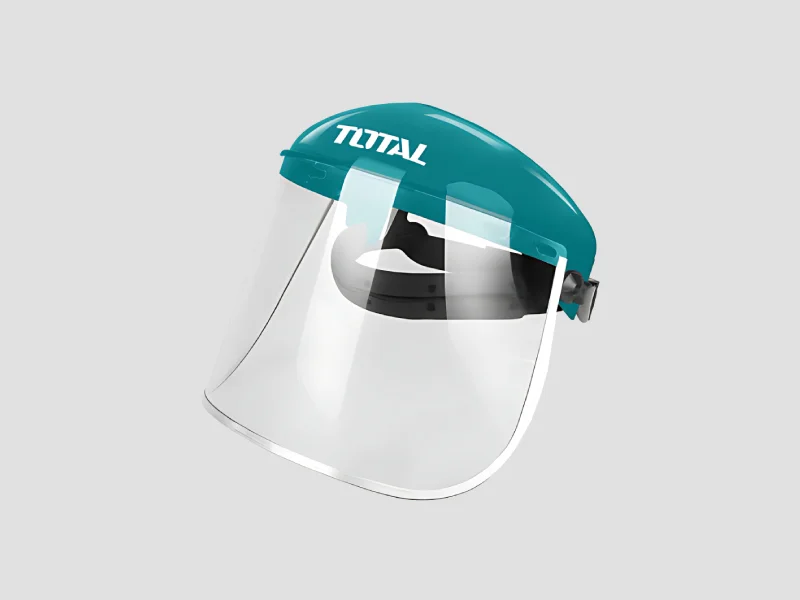
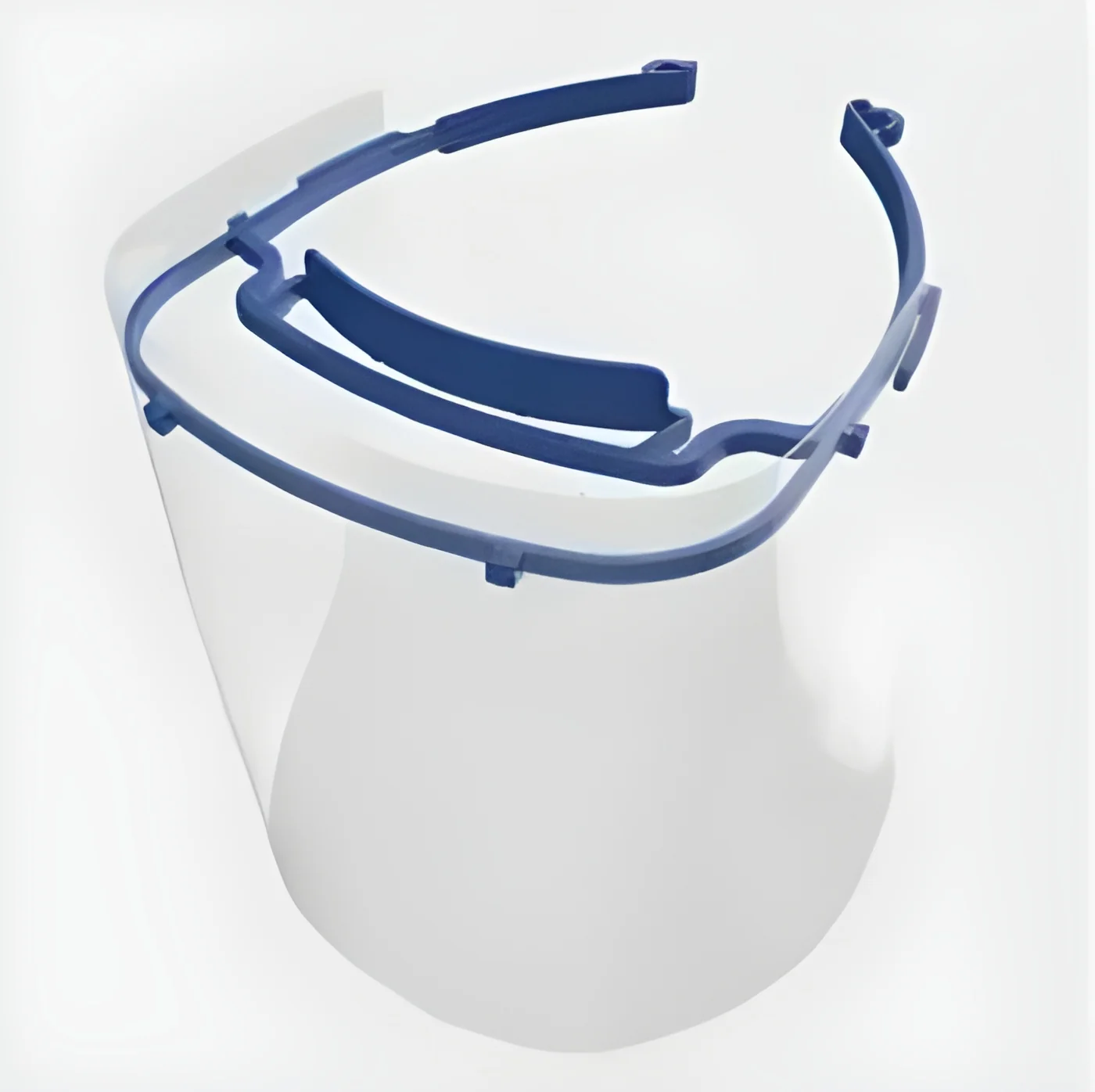
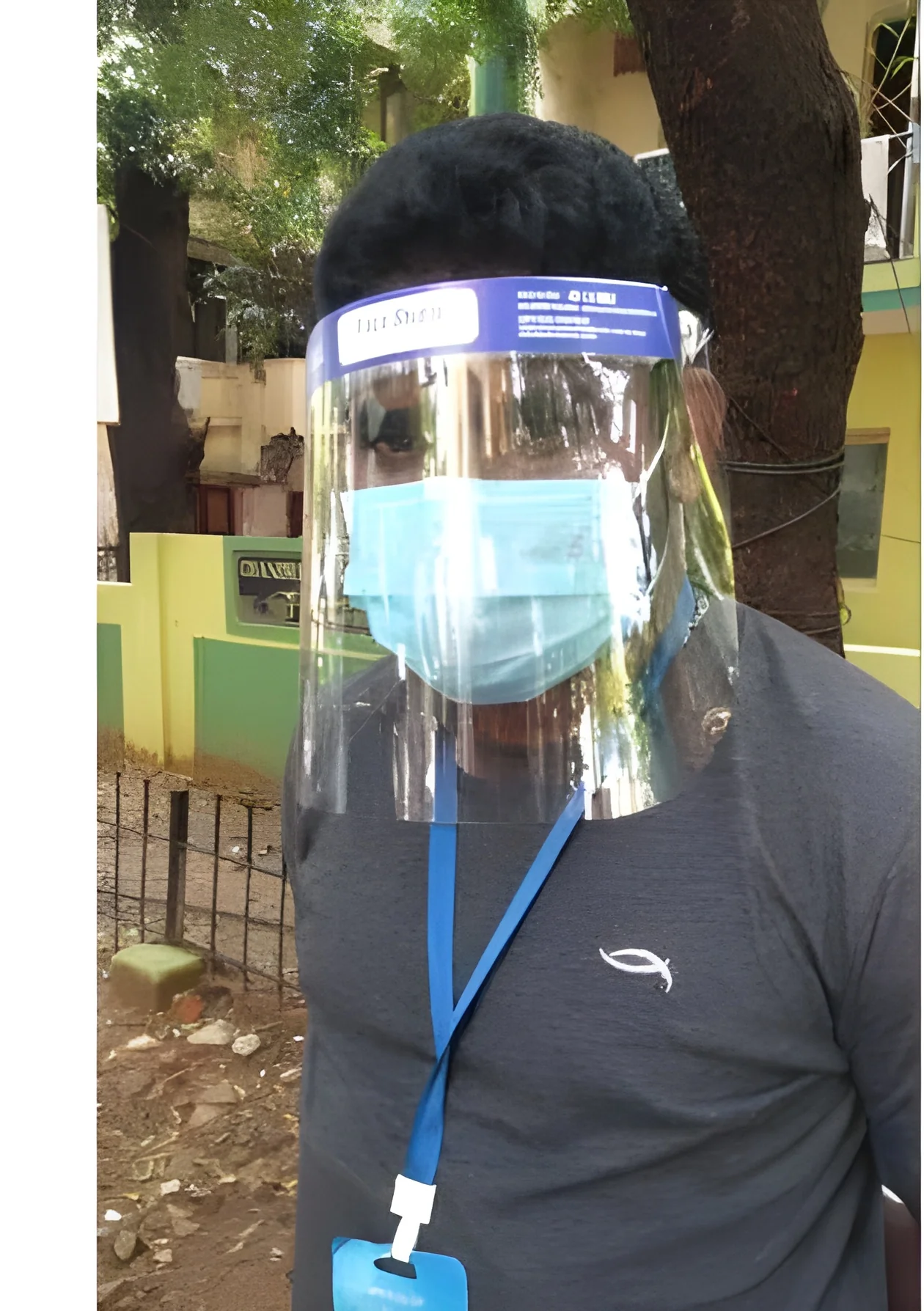
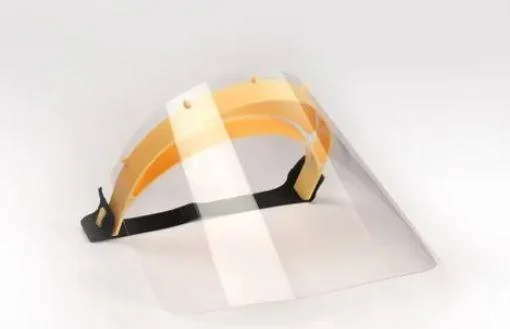
Face shields and visors are protective gear designed to cover the face, offering a barrier against environmental hazards. These products typically consist of a transparent plastic shield that provides full-face coverage and is secured around the head with an adjustable band. The primary function of face shields is to protect the wearer’s face from splashes, airborne particles, and other potential contaminants.
These products are widely used across various industries, including healthcare, manufacturing, and construction. In healthcare settings, face shields protect medical personnel from exposure to bodily fluids and infectious agents. In industrial environments, they shield workers from debris and hazardous materials. The market for face shields and visors has expanded significantly, especially in response to increased awareness of personal protective equipment (PPE) during health crises.
Key Features and Specifications
Face shields and visors come with several key features that enhance their functionality and effectiveness. Understanding these specifications is crucial for buyers looking to source quality protective equipment.
Key specifications include:
1. Material
- Made from high-impact resistant polycarbonate or PETG
- Provides clarity and durability
2. Size and Coverage
- Standard sizes range from 10 to 12 inches in height
- Wide coverage for full-face protection
3. Weight
- Typically lightweight, ranging from 5 to 10 ounces
- Ensures comfort for prolonged use
4. Adjustable Headband
- Features a comfortable, adjustable strap
- Fits various head sizes securely
5. Anti-Fog Coating
- Available with anti-fog features
- Enhances visibility in humid environments
6. Reusability
- Some models are designed for multiple uses
- Can be cleaned and disinfected
7. Compatibility with Other PPE
- Designed to be worn with masks and goggles
- Provides comprehensive protection
8. Certification
- Compliant with CE certification standards
- Ensures safety and quality assurance
In summary, face shields and visors combine essential features that cater to the needs of various industries, ensuring effective protection while maintaining comfort and usability.
Common Applications and Use Cases
Face shields and visors are versatile products used across multiple sectors.
1. Healthcare: In hospitals and clinics, face shields protect healthcare workers from exposure to infectious fluids and respiratory droplets, especially during procedures that generate aerosols.
2. Manufacturing: In manufacturing plants, these shields provide protection against flying debris, chemical splashes, and other hazards, ensuring worker safety during production processes.
3. Construction: Construction workers use face shields to guard against falling objects, dust, and other environmental hazards often encountered on job sites.
4. Food Processing: In this industry, face shields help prevent contamination from food particles and maintain hygiene during preparation and handling.
5. Education: Teachers and staff in educational institutions use face shields to protect themselves and their students, particularly in close-contact environments.
6. Hospitality: In restaurants and food service areas, face shields are used by staff to ensure safety while interacting with customers.
7. Laboratory Settings: Researchers and technicians in laboratories utilize face shields to protect against chemical splashes and biological hazards during experiments.
Product Variants and Subcategories
Face shields and visors come in various designs to meet different user needs and preferences.
Standard Face Shields: These are the most commonly used type, offering full-face protection with a clear visor. They are typically lightweight and comfortable for extended wear.
Wrap-Around Face Shields: This variant provides additional side protection, wrapping around the sides of the face to prevent splashes from various angles. They are ideal for environments with high exposure risks.
Anti-Fog Face Shields: Designed with special coatings, these shields minimize fog buildup, ensuring clear visibility. They are particularly useful in humid conditions or during prolonged use.
Face Shields with Extended Neck Protection: These shields feature an extended design to provide additional coverage for the neck area. They are suited for applications where splashes may occur from above.
Benefits and Advantages
Investing in face shields and visors offers numerous benefits for businesses and workers.
1. Enhanced Protection: Face shields provide a robust barrier against splashes and airborne particles, significantly reducing the risk of exposure to harmful substances.
2. Comfort and Usability: Many face shields are designed for comfort, allowing for extended wear without discomfort, which is essential in busy work environments.
3. Improved Visibility: The clear material used in face shields ensures excellent visibility, enabling users to perform tasks effectively without obstructed views.
4. Versatility: These products can be used in various industries, making them a versatile addition to any workplace safety protocol.
5. Easy Maintenance: Many face shields can be cleaned and reused, making them cost-effective in the long run.
6. Compliance with Safety Standards: Sourcing CE-certified products ensures compliance with safety regulations, instilling confidence in users regarding the quality and effectiveness of the shields.
Buying Guide for B2B Buyers
When sourcing face shields and visors, it is essential for B2B buyers to consider several key factors.
1. Quality Assessment: Evaluate the materials and construction of the face shields. Look for products made from high-quality polycarbonate or PETG that meet industry safety standards.
2. Supplier Verification: Conduct thorough background checks on suppliers to ensure they have a reliable track record. Verify certifications and reviews from other buyers to gauge their credibility.
3. Pricing and MOQ: Understand the pricing structure and minimum order quantities (MOQ) to align purchases with budget and supply chain requirements. Assess bulk pricing options for cost savings.
4. Delivery and Lead Times: Consider logistical aspects such as delivery schedules and lead times. Ensure that suppliers can meet your timelines for urgent projects.
5. Compliance Requirements: Familiarize yourself with relevant local and international regulations regarding PPE. Ensure that the products sourced meet these compliance standards, such as CE certification.
Compliance and Certifications
Compliance and certifications play a critical role in the quality assurance of face shields and visors. Products that adhere to relevant quality standards, such as ISO 9001, ensure consistent manufacturing processes and product reliability.
In addition, CE certification is crucial for face shields sold in the European market, reflecting compliance with health, safety, and environmental protection standards. It indicates that the product has been assessed and meets the necessary regulatory requirements for safety.
Safety and testing requirements may vary by region, and it is essential for manufacturers to conduct proper testing to validate their products' effectiveness. This includes assessments for impact resistance and clarity.
Regional compliance considerations should also be taken into account, as different markets may have specific regulations governing the use of personal protective equipment.
Why Source Face Shields & Visors from Pepagora?
Pepagora offers a trusted platform for sourcing face shields and visors, providing several key advantages for B2B buyers.
Verified Supplier Network: Pepagora ensures that all suppliers in its network are thoroughly vetted. This process guarantees that buyers are connected with reliable manufacturers who meet quality and safety standards.
Streamlined RFQ Process: The platform features an efficient request for quotation (RFQ) system that simplifies the procurement process. Buyers can easily compare quotes and select the best options for their needs.
Trade Assurance and Support: Pepagora offers buyer protection through trade assurance, ensuring that transactions are secure. This support provides peace of mind during the procurement process.
Regional Coverage: With a strong presence in India, the GCC, and Southeast Asia, Pepagora provides regional coverage for buyers seeking face shields and visors. This geographic reach facilitates timely deliveries and access to local suppliers.


Frequently Asked Questions
What are Face Shields & Visors?
Face shields and visors are protective gear designed to cover the face, providing a barrier against splashes, droplets, and debris. They are commonly used in various settings, including healthcare, manufacturing, and food services, to enhance personal protection.
What are the different types of Face Shields & Visors?
Face shields and visors come in several types, including full-face shields, partial shields, and those with adjustable visors. Some may feature additional elements like anti-fog coatings or UV protection, catering to specific needs and environments.
How do I choose the right Face Shields & Visors?
When selecting face shields and visors, consider factors such as the intended use, level of protection required, comfort, and compatibility with other personal protective equipment. It is also important to check for certifications and reviews from other users.
What are the standard specifications for Face Shields & Visors?
Standard specifications for face shields and visors often include thickness, material type (such as PET or polycarbonate), and optical clarity. They should also meet relevant safety standards to ensure adequate protection against hazards.
What is the price range for Face Shields & Visors?
The price range for face shields and visors can vary widely, typically from a few hundred to several thousand rupees, depending on the quality, type, and manufacturer. Bulk purchases may offer significant discounts.
What quality standards apply to Face Shields & Visors?
Face shields and visors should comply with quality standards set by organizations such as the Bureau of Indian Standards (BIS) or international standards like ASTM and EN. These standards assess factors like impact resistance, clarity, and protection levels.
Where can I find Face Shields & Visors suppliers in India?
You can find face shield and visor suppliers in India through online B2B marketplaces like Pepagora.com, trade shows, and industry directories. It's advisable to compare multiple suppliers to ensure quality and pricing.
Can Face Shields & Visors be customized?
Yes, many manufacturers offer customization options for face shields and visors, including branding, color, and design modifications. Customization can enhance visibility and create a professional appearance for businesses.
What is the typical minimum order quantity for Face Shields & Visors?
The typical minimum order quantity (MOQ) for face shields and visors varies by supplier, often ranging from 50 to 100 units. However, some suppliers may accommodate smaller or larger orders depending on their production capabilities.
What is the typical lead time for Face Shields & Visors?
The typical lead time for face shields and visors can range from a few days to several weeks, depending on the supplier's stock availability and order quantity. It's advisable to confirm lead times at the time of order placement.
Why Businesses Trust Pepagora
Thousands of companies trust Pepagora to source smarter and sell faster
Expand Your Sales Globally

Source Smarter,Grow Faster
