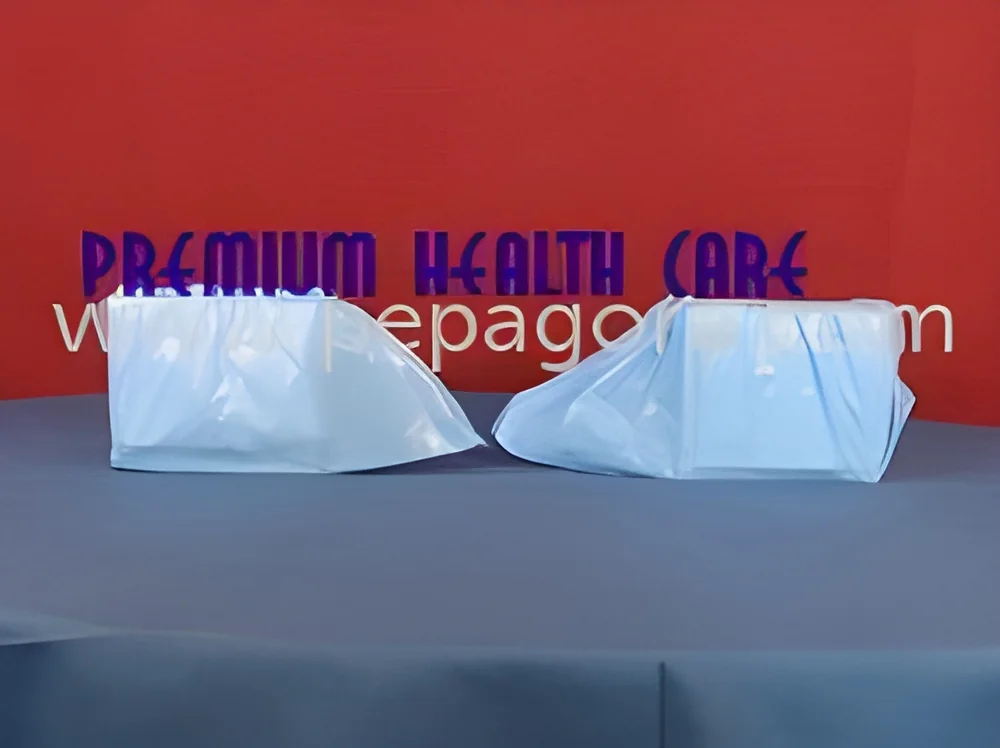
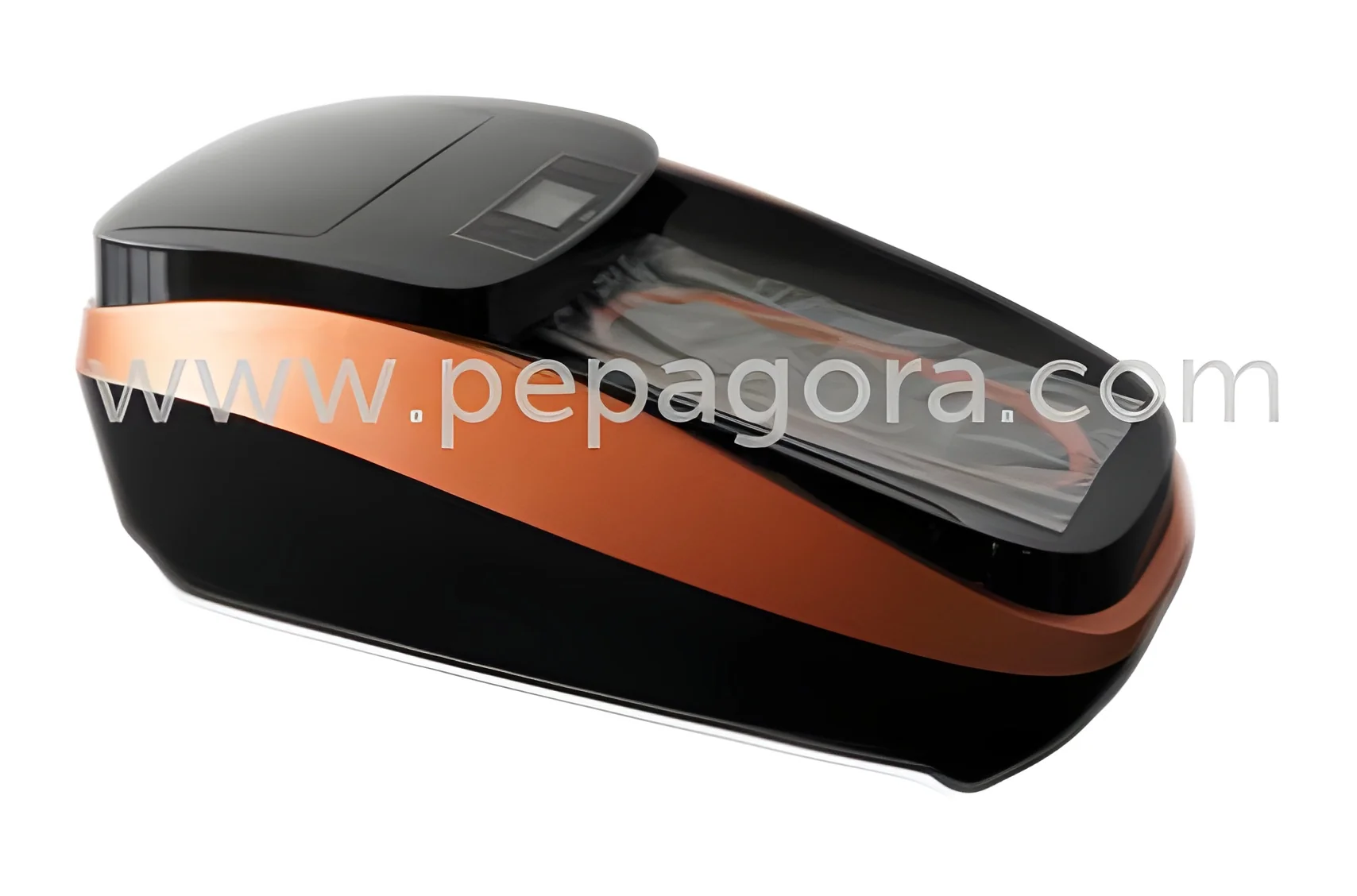
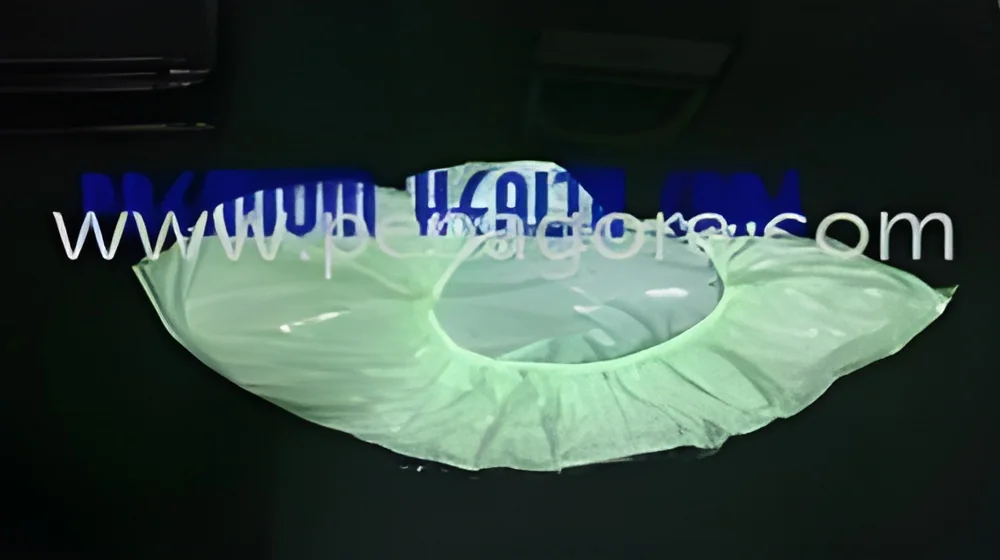
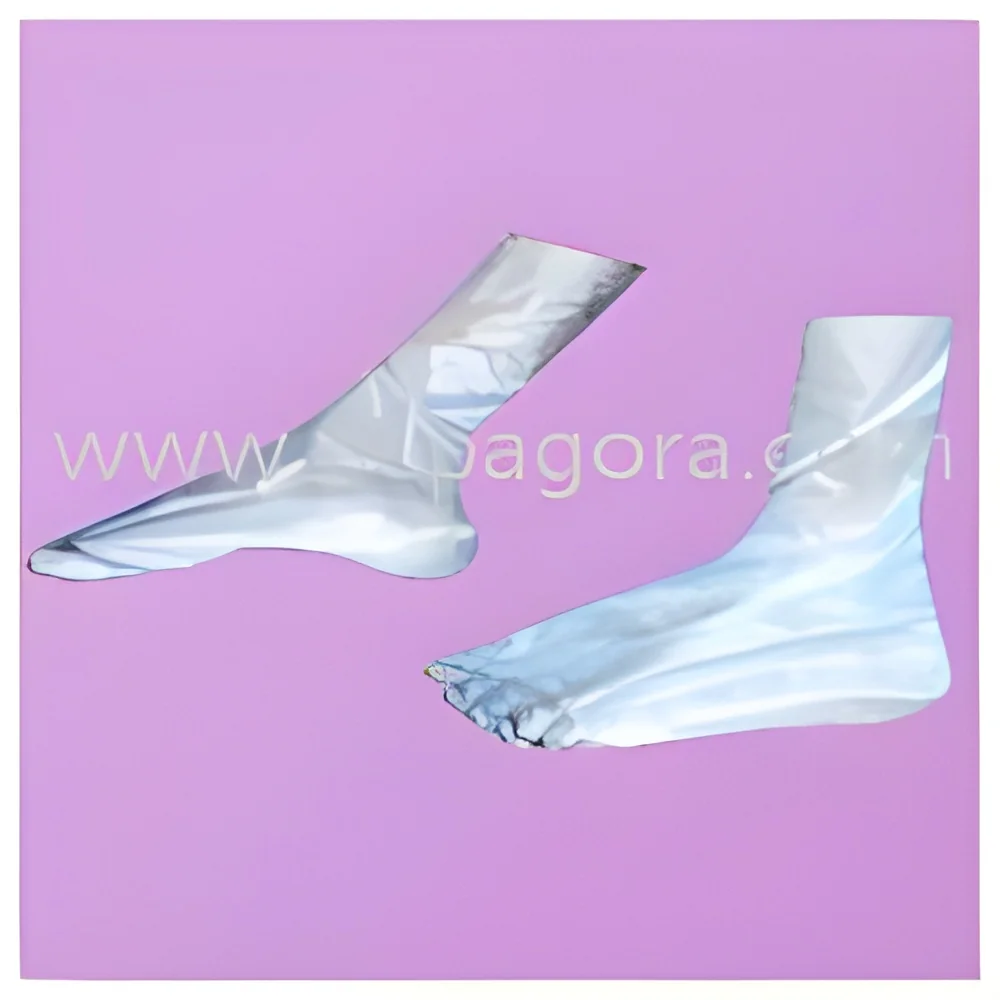
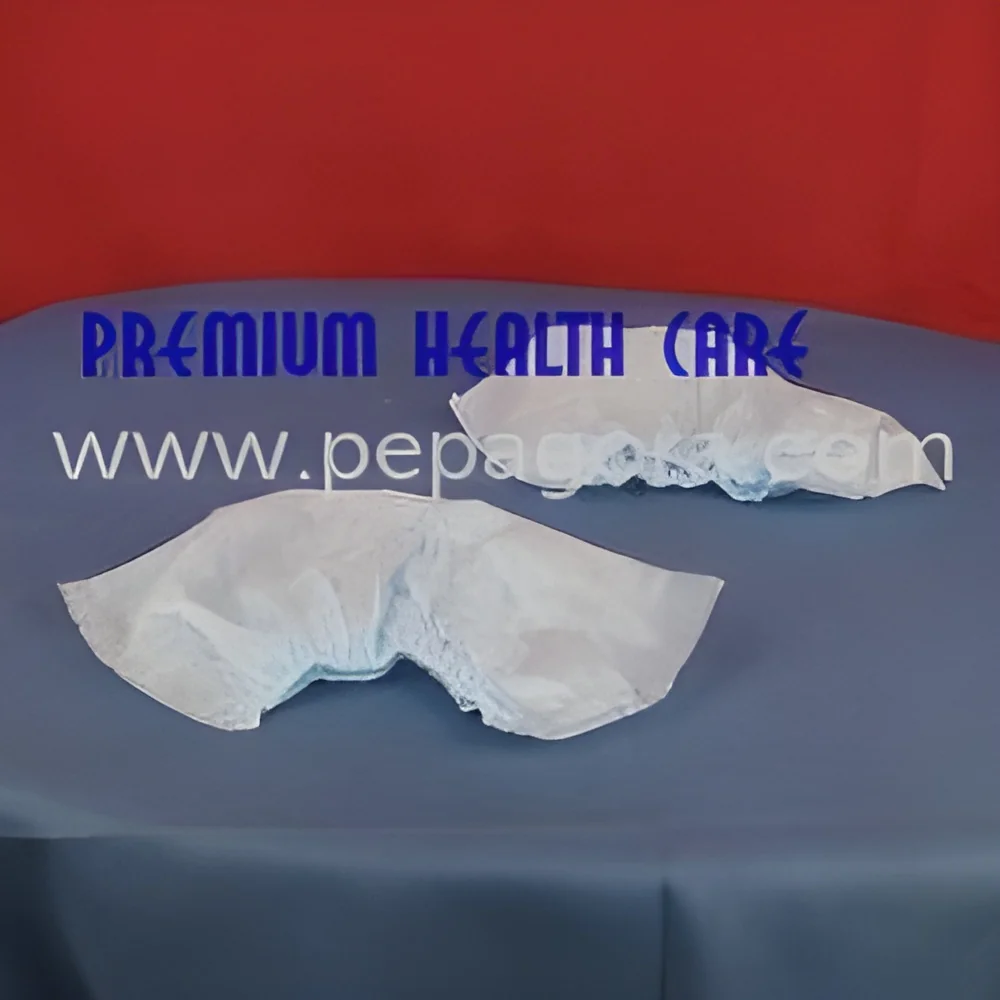
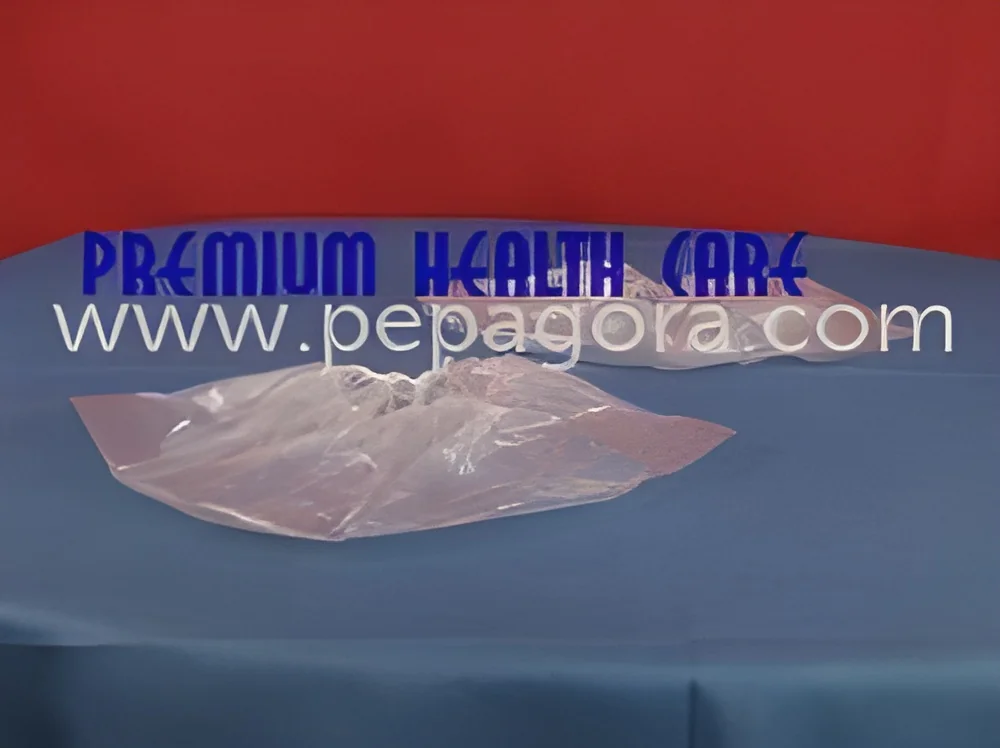
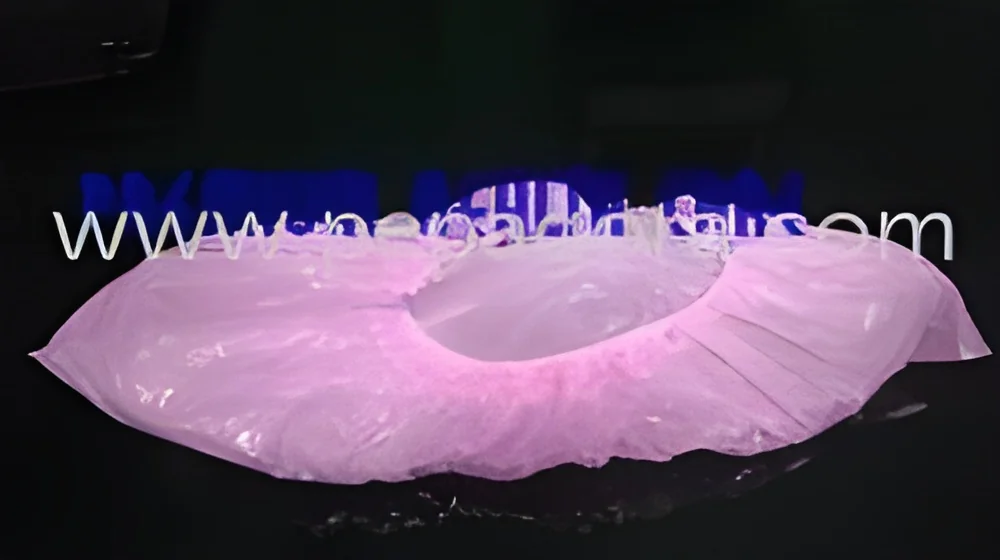
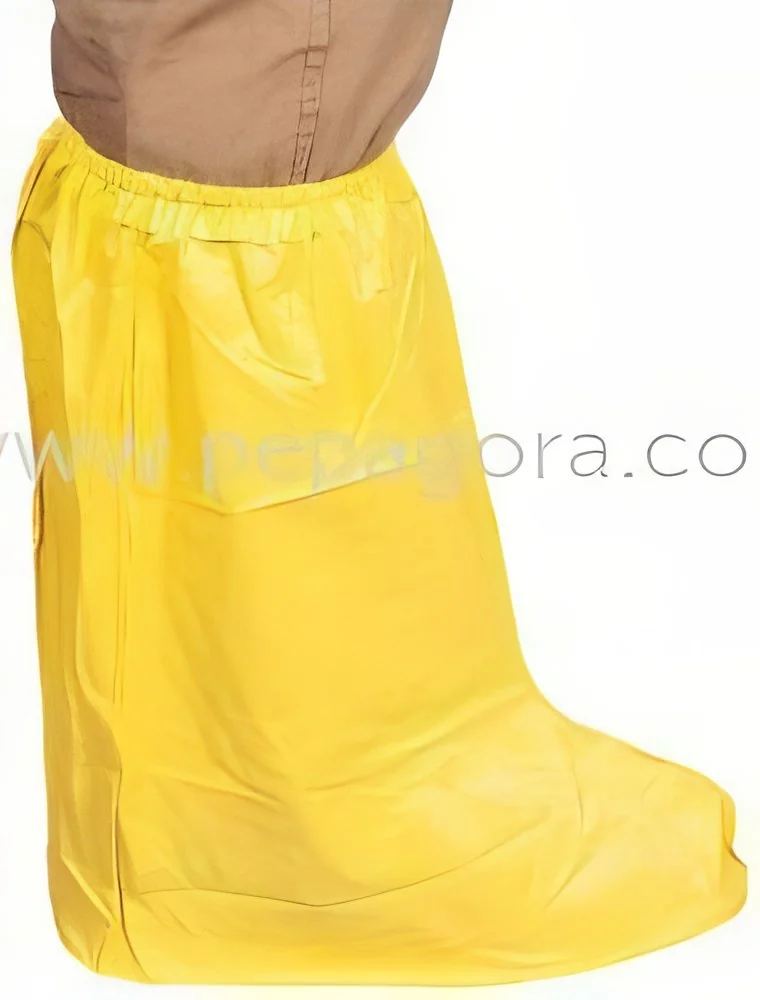
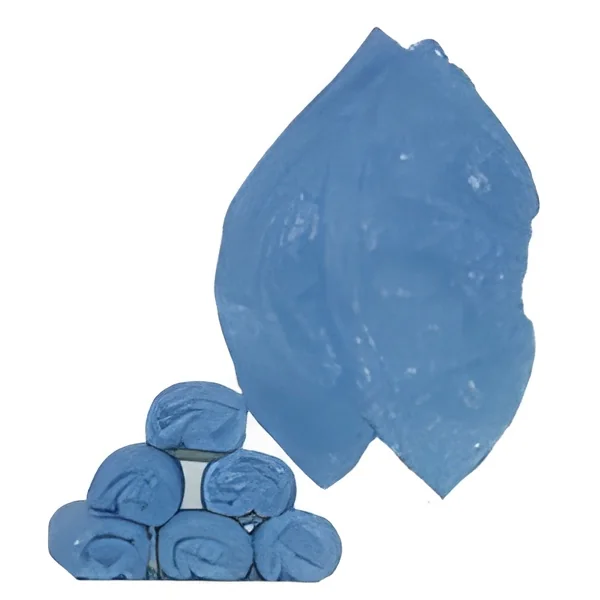
What are Shoe Covers (Non-woven, Plastic)?
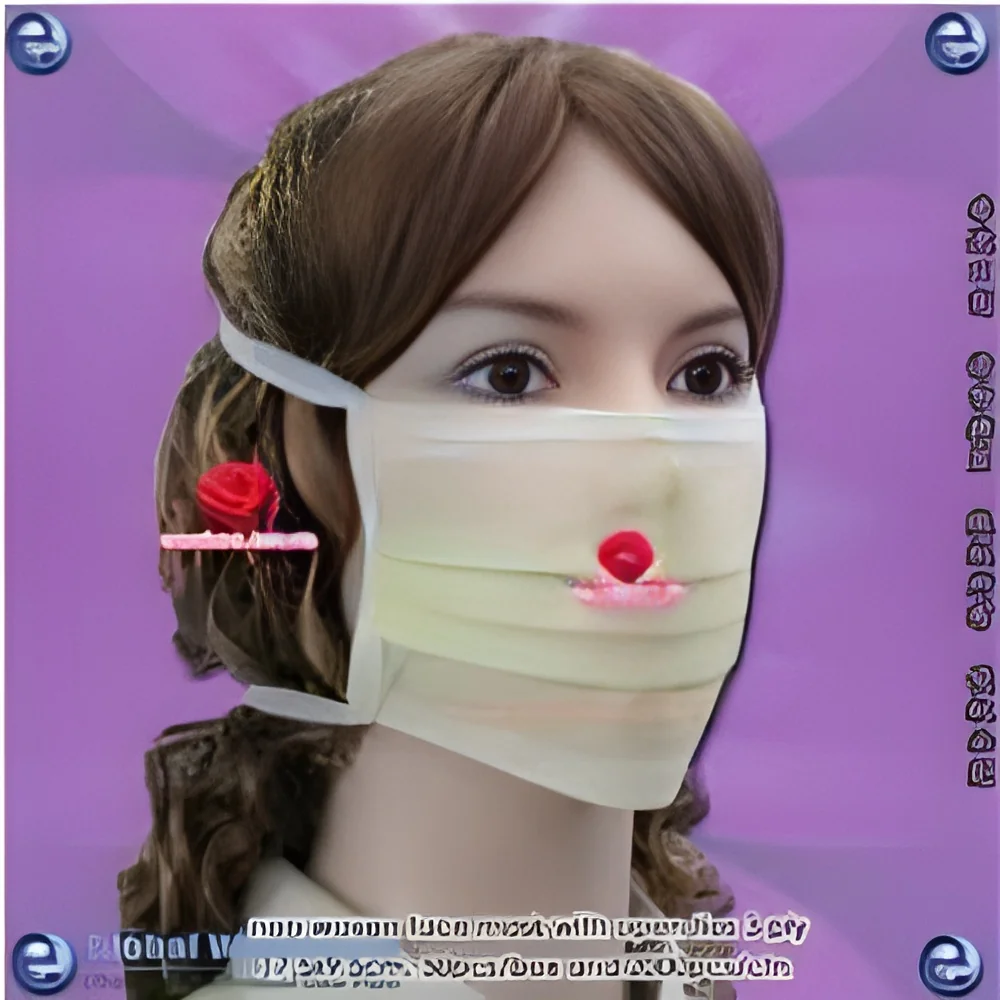
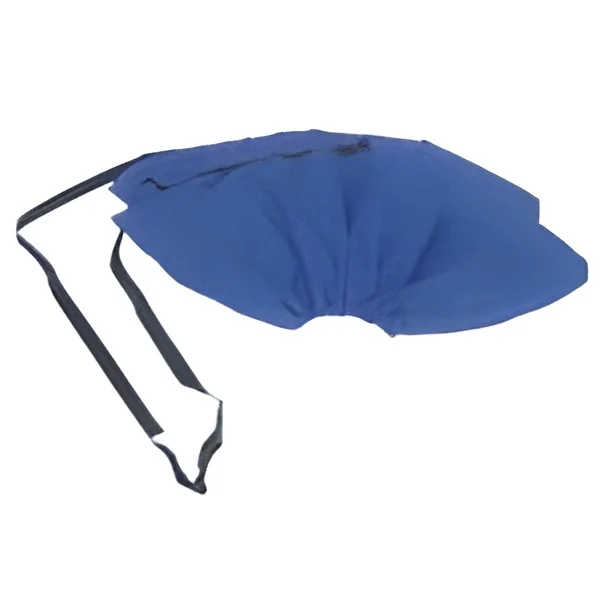
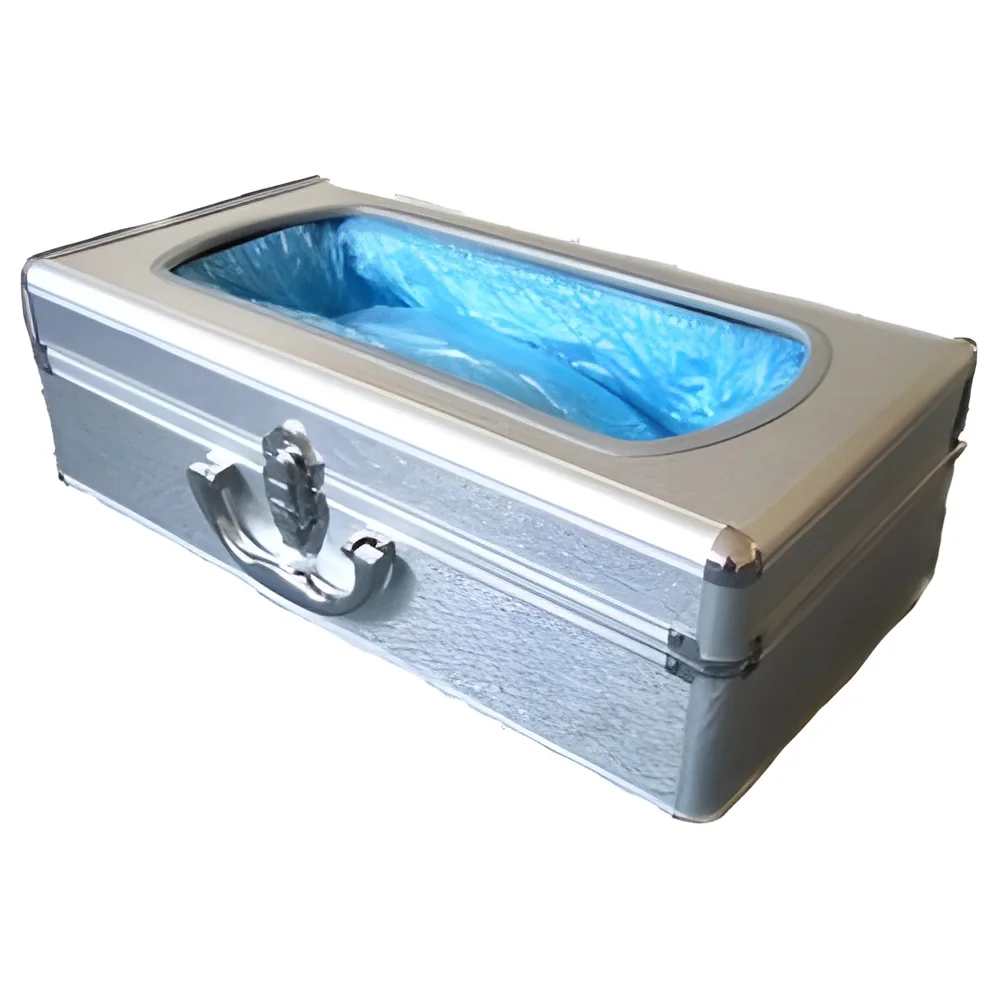
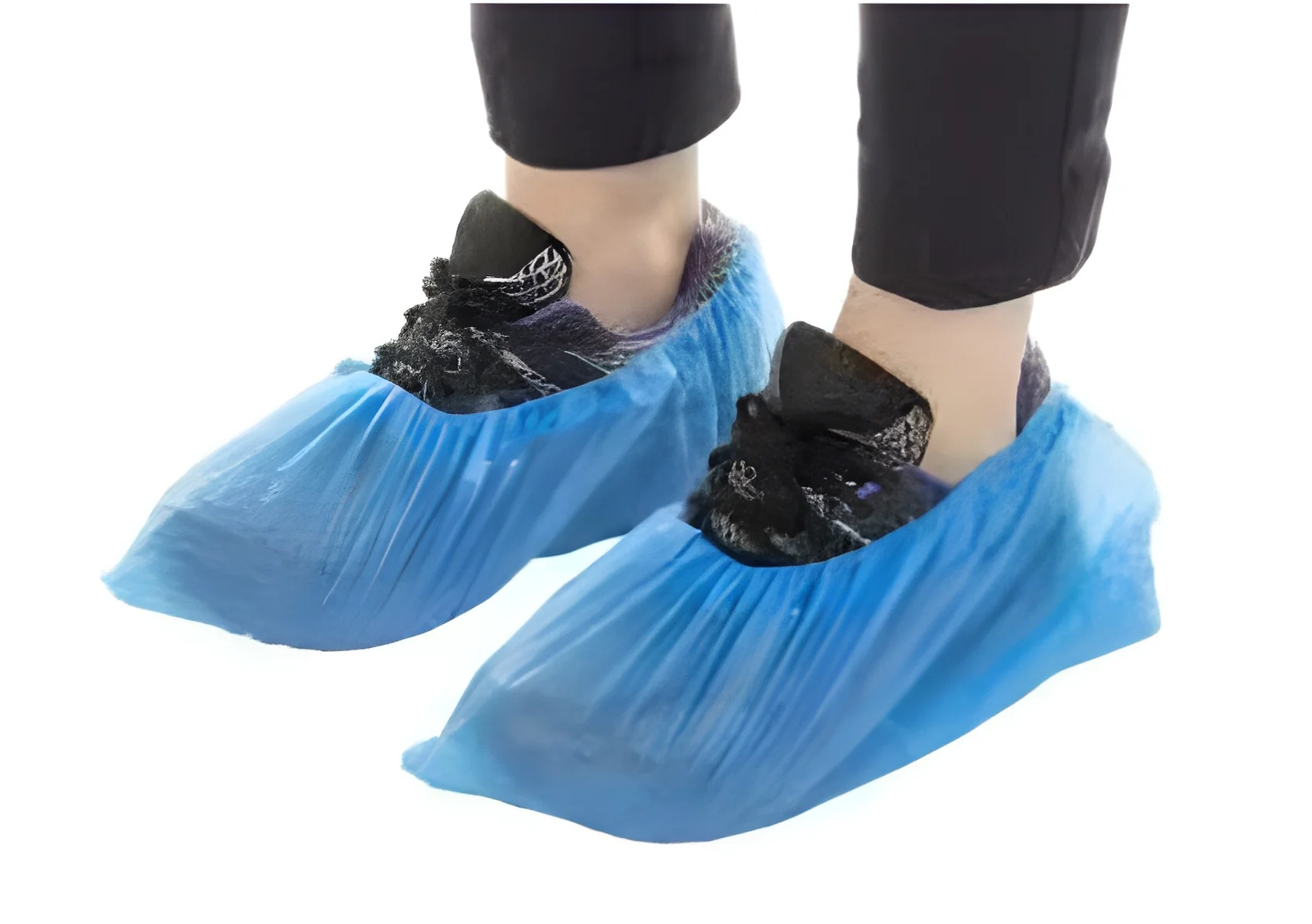
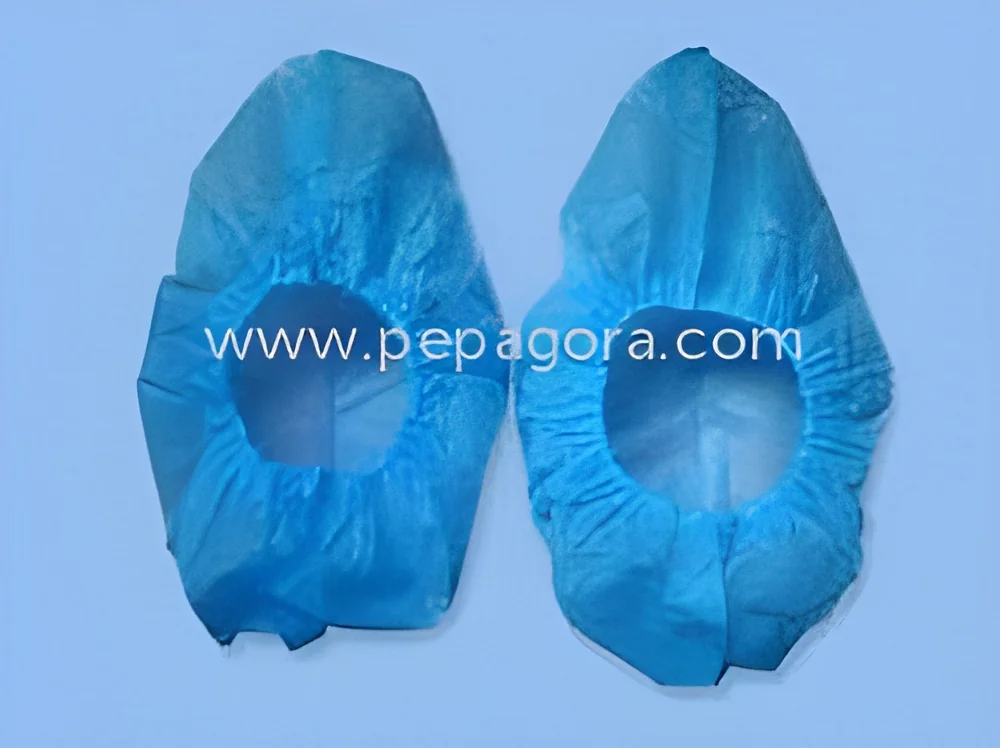
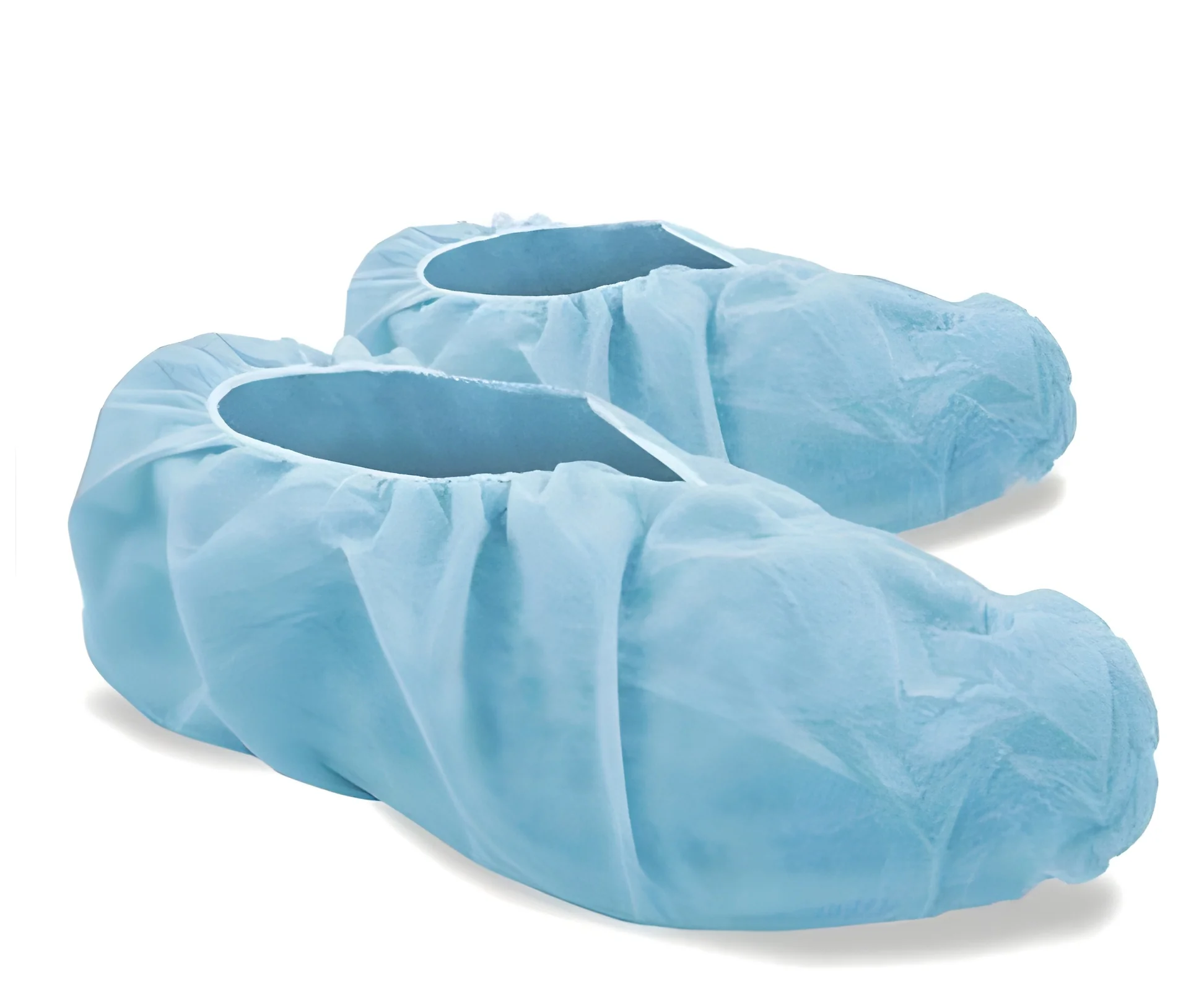
Shoe covers made from non-woven and plastic materials are protective coverings designed to fit over footwear. They serve to prevent contamination and protect surfaces from dirt, dust, and moisture. Non-woven fabric provides a lightweight and breathable option, while plastic variations offer waterproof capabilities. These shoe covers are typically disposable, making them a convenient choice for various applications where hygiene and cleanliness are paramount.
These products are widely used in industries such as healthcare, pharmaceuticals, food processing, and manufacturing. In healthcare settings, they help maintain sterile environments by preventing the spread of pathogens. In food processing, they protect products from contamination during handling. Their versatility makes them essential in maintaining cleanliness across multiple sectors, reflecting their significance in todayโs market.
The demand for shoe covers continues to grow, particularly in light of increased awareness around hygiene and safety. As industries focus on compliance with health standards, the use of shoe covers becomes more critical. The market for shoe covers is expanding, driven by the need for effective personal protective equipment (PPE) and the growing emphasis on workplace safety.
๐๐ฒ๐ ๐๐ฒ๐ฎ๐๐๐ฟ๐ฒ๐ ๐ฎ๐ป๐ฑ ๐ฆ๐ฝ๐ฒ๐ฐ๐ถ๐ณ๐ถ๐ฐ๐ฎ๐๐ถ๐ผ๐ป๐
Shoe covers (non-woven, plastic) come with a variety of features tailored to different needs. Their specifications are essential for businesses looking to maintain hygiene and safety standards.
Key specifications include:
1. Material Composition
- Non-woven fabric or plastic
- Provides options for breathability or waterproofing
2. Size Options
- Available in various sizes to fit different shoe types
- Ensures a snug fit for maximum protection
3. Weight
- Lightweight design for comfort
- Typically ranges from 20 to 50 grams per cover
4. Thickness
- Varies between 10 to 30 microns for plastic options
- Non-woven covers generally have a thicker fabric for durability
5. Slip Resistance
- Some models feature anti-slip soles
- Enhances safety on various surfaces
6. Disposable Nature
- Designed for single-use to maintain hygiene
- Reduces the risk of cross-contamination
7. Color Options
- Available in various colors for easy identification
- Helps in differentiating usage areas
8. Packaging
- Sold in bulk or individual packs
- Facilitates easy storage and distribution
These specifications ensure that businesses can select shoe covers that meet their specific operational requirements while adhering to safety standards.
๐๐ผ๐บ๐บ๐ผ๐ป ๐๐ฝ๐ฝ๐น๐ถ๐ฐ๐ฎ๐๐ถ๐ผ๐ป๐ ๐ฎ๐ป๐ฑ ๐จ๐๐ฒ ๐๐ฎ๐๐ฒ๐
Shoe covers are utilized in numerous industries, each benefiting from their protective qualities.
1. Healthcare: In hospitals and clinics, shoe covers are essential for maintaining sterile environments during procedures and patient interactions.
2. Pharmaceuticals: These covers are used in laboratories and production areas to prevent contamination of drugs and materials.
3. Food Processing: In food manufacturing and preparation areas, shoe covers prevent dirt and contaminants from entering food production zones.
4. Manufacturing: Factories utilize shoe covers to keep production areas clean, especially in environments where dust and debris are prevalent.
5. Cleaning Services: Cleaning crews use shoe covers to protect client floors and surfaces while conducting their work.
6. Construction: In construction sites, these covers help keep mud and debris from being tracked into clean areas.
7. Research Facilities: Laboratories and research facilities utilize shoe covers to prevent contamination of sensitive experiments.
๐ฃ๐ฟ๐ผ๐ฑ๐๐ฐ๐ ๐ฉ๐ฎ๐ฟ๐ถ๐ฎ๐ป๐๐ ๐ฎ๐ป๐ฑ ๐ฆ๐๐ฏ๐ฐ๐ฎ๐๐ฒ๐ด๐ผ๐ฟ๐ถ๐ฒ๐
Shoe covers come in different variants to cater to specific needs and preferences in various environments.
Disposable Non-woven Shoe Covers
These shoe covers are made from a breathable non-woven fabric, offering comfort and protection. They are ideal for short-term use in healthcare and hospitality settings, ensuring a clean environment.
Disposable Plastic Shoe Covers
Constructed from waterproof plastic, these covers are perfect for environments where moisture is a concern. They are commonly used in food processing and construction sites, providing effective barrier protection against spills and dirt.
Reusable Shoe Covers
Although not commonly available, some companies offer reusable options made from durable materials. These can be washed and used multiple times, making them suitable for businesses looking to reduce waste.
๐๐ฒ๐ป๐ฒ๐ณ๐ถ๐๐ ๐ฎ๐ป๐ฑ ๐๐ฑ๐๐ฎ๐ป๐๐ฎ๐ด๐ฒ๐
Shoe covers offer numerous advantages that enhance workplace safety and hygiene.
1. Hygiene Maintenance: Shoe covers prevent dirt and contaminants from being tracked into clean areas, promoting cleanliness.
2. Cost-Effective: Disposable shoe covers reduce cleaning costs and the need for extensive floor maintenance.
3. Versatility: Suitable for various industries, shoe covers can be used in healthcare, food processing, and more.
4. User Comfort: Lightweight designs ensure comfort for the wearer, allowing for ease of movement.
5. Easy to Use: Simple to put on and remove, shoe covers streamline processes in busy environments.
6. Compliance Support: Using shoe covers helps businesses meet safety and hygiene regulations, reducing liability.
๐๐๐๐ถ๐ป๐ด ๐๐๐ถ๐ฑ๐ฒ ๐ณ๐ผ๐ฟ ๐๐ฎ๐ ๐๐๐๐ฒ๐ฟ๐
When sourcing shoe covers (non-woven, plastic), businesses should consider several key factors to ensure they make informed decisions.
1. Quality Assessment: Evaluate the material and construction quality to ensure durability and effectiveness in protecting against contaminants.
2. Supplier Verification: Check supplier credentials and customer reviews to confirm reliability and product quality.
3. Pricing and MOQ: Understand the pricing structure and minimum order quantities required by suppliers to align purchasing with budget and inventory needs.
4. Delivery and Lead Times: Assess logistics and delivery capabilities of suppliers to ensure timely availability of products.
5. Compliance Requirements: Verify that shoe covers meet industry-specific regulations and standards to avoid compliance issues.
๐๐ผ๐บ๐ฝ๐น๐ถ๐ฎ๐ป๐ฐ๐ฒ ๐ฎ๐ป๐ฑ ๐๐ฒ๐ฟ๐๐ถ๐ณ๐ถ๐ฐ๐ฎ๐๐ถ๐ผ๐ป๐
Shoe covers must meet various quality and safety standards relevant to their applications. Compliance with ISO 9001 ensures that products are manufactured under a quality management system. The CE certification indicates that the products meet European health, safety, and environmental protection standards.
In addition to these standards, safety testing is crucial to ensure that shoe covers provide the intended level of protection. Companies should also consider regional compliance requirements, which may vary depending on local regulations and industry standards.
Why Source Shoe Covers (Non-woven, Plastic) from Pepagora?
Pepagora offers a reliable platform for sourcing shoe covers (non-woven, plastic) with several advantages that cater to B2B buyers.
Verified Supplier Network: Pepagora connects buyers with a network of verified suppliers, ensuring that businesses can source high-quality products with confidence.
Streamlined RFQ Process: The request for quotation system simplifies the purchasing process, allowing buyers to easily compare prices and product specifications from multiple suppliers.
Trade Assurance and Support: Pepagora provides trade assurance, protecting buyers against potential risks and ensuring a secure purchasing experience.
Regional Coverage: With a strong presence in India, the Gulf Cooperation Council (GCC), and Southeast Asia, Pepagora facilitates access to a broad range of suppliers, making it easier for businesses to source products across regions.