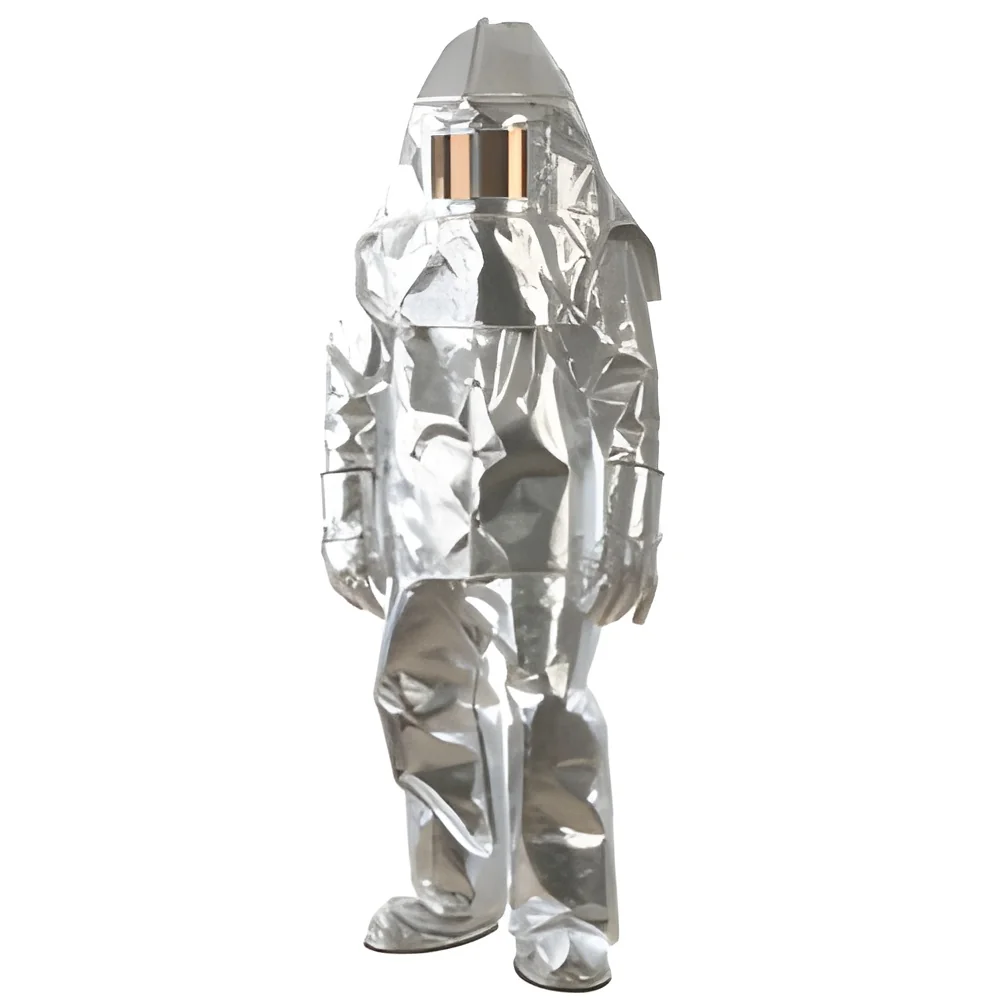
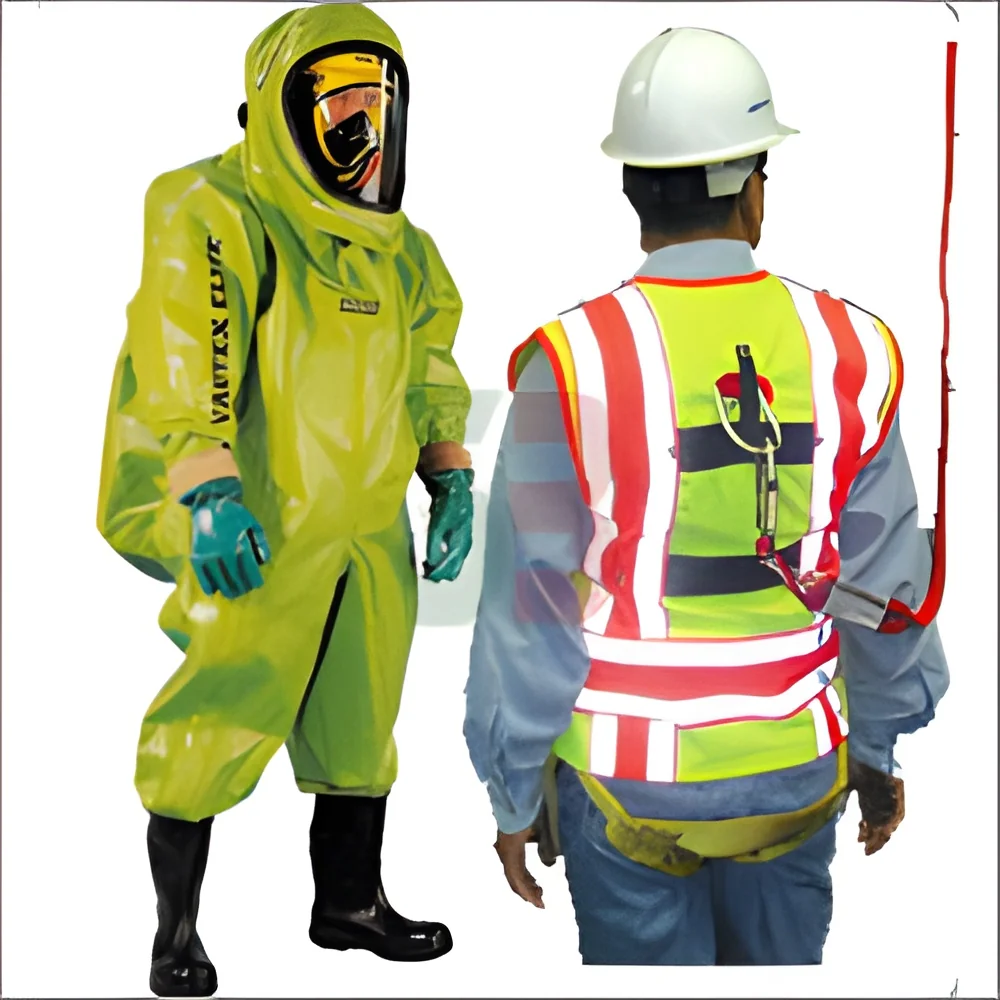
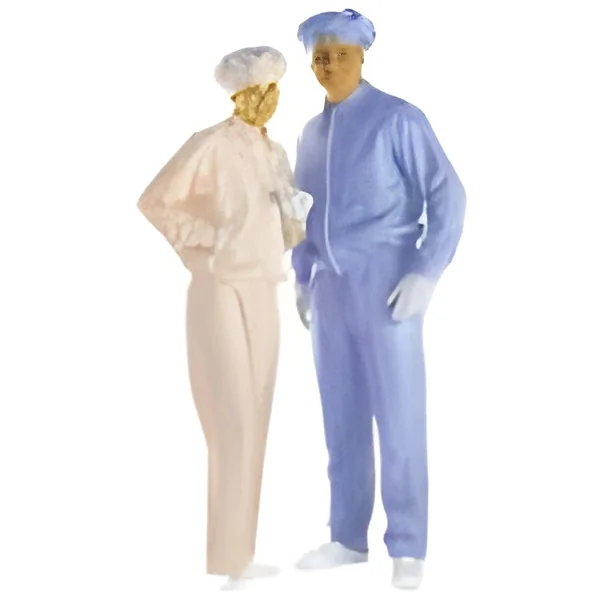
What are Hazmat Suits?
Hazmat suits, short for hazardous materials suits, are specialized protective garments designed to shield wearers from potentially dangerous substances. These suits are engineered to provide a barrier against chemical, biological, radiological, and nuclear (CBRN) agents. They are constructed from advanced materials that prevent penetration from harmful agents while offering comfort and mobility to the user.
The primary uses of hazmat suits span various industries, including healthcare, manufacturing, emergency response, and environmental services. In healthcare, they are essential for protecting medical personnel from infectious diseases. In manufacturing, they safeguard workers handling toxic chemicals. Emergency responders utilize these suits to protect against hazardous spills or disasters. As regulations around safety and environmental protection become more stringent, the market for hazmat suits continues to grow, with increased demand for high-quality products.
Key Features and Specifications
Hazmat suits are designed with several key features that enhance their protective capabilities. These specifications ensure that the suits meet industry standards for safety and effectiveness.
Key specifications include:
1. Material Composition
- The suits are typically made from materials such as polyethylene, Tyvek, or PVC.
- These materials provide resistance to chemicals and biological agents.
2. Seal Type
- Hazmat suits can feature different types of seals, including taped seams or elastic cuffs.
- These seals enhance the suit's protective capabilities by preventing infiltrations.
3. Breathability
- Some suits are designed with breathable fabric to reduce heat stress during prolonged use.
- This feature is crucial for comfort, especially in high-activity scenarios.
4. Visibility Features
- Many hazmat suits include reflective materials for visibility in low-light conditions.
- This is essential for safety during emergency situations.
5. Size Range
- Available in various sizes to accommodate different body types.
- Ensures a proper fit for maximum protection and comfort.
6. Weight
- Suits vary in weight, affecting mobility and ease of use.
- Lightweight options are available for enhanced agility.
7. Certification Standards
- Most suits meet international safety standards, such as CE certification.
- Compliance ensures reliability in hazardous environments.
8. Storage and Maintenance
- Guidelines for proper storage and maintenance to extend the suit's lifespan.
- Regular inspections are recommended to identify wear and tear.
In summary, understanding these key features and specifications will help businesses select the right hazmat suits for their needs.
Common Applications and Use Cases
Hazmat suits serve a wide array of industries, each with specific applications.
1. Healthcare: In healthcare settings, hazmat suits protect personnel from infectious agents, particularly during outbreaks or when handling biohazardous materials.
2. Chemical Manufacturing: Workers in chemical plants use hazmat suits to safeguard against spills and exposure to toxic substances during production processes.
3. Emergency Services: First responders wear hazmat suits when responding to chemical spills, natural disasters, or terrorist attacks involving hazardous materials.
4. Environmental Cleanup: In the environmental sector, these suits are vital for personnel engaged in cleaning up hazardous waste sites or conducting remediation activities.
5. Research Laboratories: Laboratory staff require hazmat suits to protect against exposure to dangerous pathogens and chemical agents during experiments.
6. Waste Management: Workers in waste management facilities use hazmat suits to handle hazardous waste safely, minimizing the risk of exposure.
7. Military Operations: Armed forces may utilize hazmat suits for operations involving chemical or biological threats, ensuring soldier safety in the field.
Product Variants and Subcategories
Hazmat suits come in various designs to cater to different needs and scenarios.
Full-Body Suits: These are designed to cover the entire body, providing complete protection against hazardous materials. They are typically used in high-risk environments and are equipped with advanced features like respirators and cooling systems.
Half-Suits: Offering protection for the upper body only, these suits are ideal for situations where full-body coverage is not necessary. They are often used in laboratories or during chemical handling in controlled environments.
Disposable Suits: These are single-use suits designed for quick response and convenience. They are commonly employed in emergency situations or when dealing with biohazardous materials.
Reinforced Suits: Designed for high-risk applications, these suits feature enhanced protection against punctures and tears. They are frequently used in industrial environments where exposure to sharp objects is a concern.
Benefits and Advantages
Choosing the right hazmat suit provides several key benefits.
1. Enhanced Safety: Hazmat suits significantly reduce the risk of exposure to harmful substances, protecting workers' health and safety.
2. Regulatory Compliance: Using certified hazmat suits helps businesses comply with industry regulations, minimizing legal liabilities.
3. Increased Productivity: When workers feel safe and protected, they can perform their tasks more efficiently, leading to higher productivity levels.
4. Versatility: Hazmat suits are adaptable for various applications across multiple industries, making them a valuable asset for diverse operations.
5. Comfort Features: Modern hazmat suits often include ventilation and adjustable fittings, ensuring greater comfort during use.
6. Cost-Effectiveness: Investing in high-quality hazmat suits can reduce long-term costs associated with workplace injuries and compliance violations.
Buying Guide for B2B Buyers
When sourcing hazmat suits, businesses should consider several important factors.
1. Quality Assessment: It is essential to evaluate the quality of the materials and construction of the suits. Look for certifications and standards that ensure reliability and durability in hazardous environments.
2. Supplier Verification: Vetting suppliers is crucial to ensure that they meet industry standards and provide reliable products. Check for customer reviews and references to assess their reputation.
3. Pricing and MOQ: Understand the pricing structure and minimum order quantities (MOQ) required by suppliers. Compare prices across different suppliers to ensure competitive rates.
4. Delivery and Lead Times: Consider the logistics of shipping and delivery times. Ensure that the supplier can meet your timeline requirements, especially in urgent situations.
5. Compliance Requirements: Verify that the suits meet regional and international compliance standards. This is critical for legal protection and operational safety.
Compliance and Certifications
Hazmat suits are subject to various compliance standards and certifications to ensure safety and effectiveness. Relevant quality standards include ISO 9001, which focuses on quality management systems, and HACCP, which emphasizes food safety and handling.
Furthermore, hazmat suits typically carry CE certification, signifying that they meet European safety, health, and environmental protection standards. Compliance with safety and testing requirements is crucial to ensure that suits perform effectively against hazardous materials.
Regional compliance considerations also play a significant role. Different regions may have specific regulations governing the use and performance of hazmat suits. Businesses must stay informed about these regulations to maintain compliance and ensure worker safety.
Why Source Hazmat Suits from Pepagora?
Pepagora provides a trusted platform for sourcing hazmat suits, offering several key advantages for businesses.
Verified Supplier Network: Pepagora has a robust network of verified suppliers, ensuring that users can access high-quality hazmat suits backed by reliable manufacturers. This reduces the risk of sourcing subpar products.
Streamlined RFQ Process: The platform features a streamlined request-for-quotation (RFQ) process, allowing businesses to easily request quotes from multiple suppliers. This efficient system saves time and facilitates better pricing negotiations.
Trade Assurance and Support: Pepagora offers trade assurance and support for buyers, providing protection against potential issues such as faulty products or delayed shipments. This level of support enhances buyer confidence when sourcing critical safety gear.
Regional Coverage: With a focus on markets in India, the GCC, and Southeast Asia, Pepagora ensures comprehensive geographic coverage. This means businesses across these regions can access the necessary hazmat suits while benefiting from local supplier connections.

 IN
IN