What are Ear Plugs & Ear Muffs?
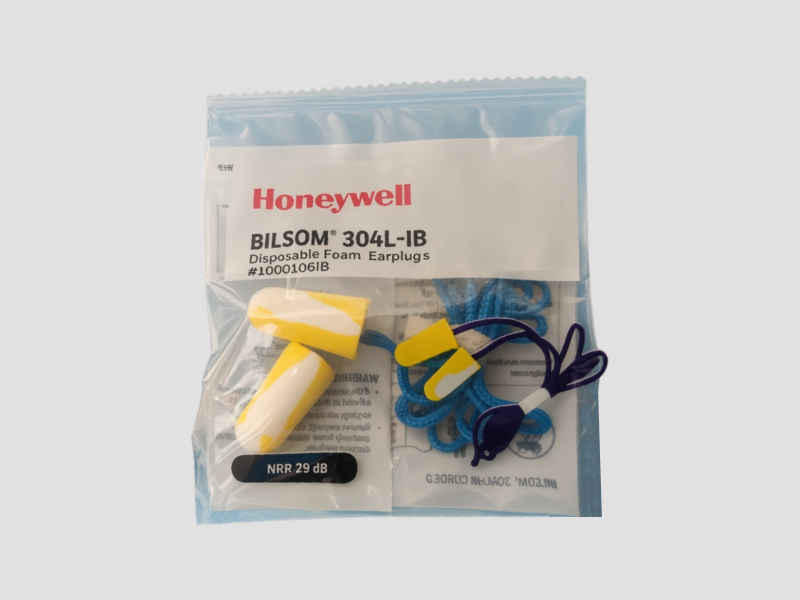
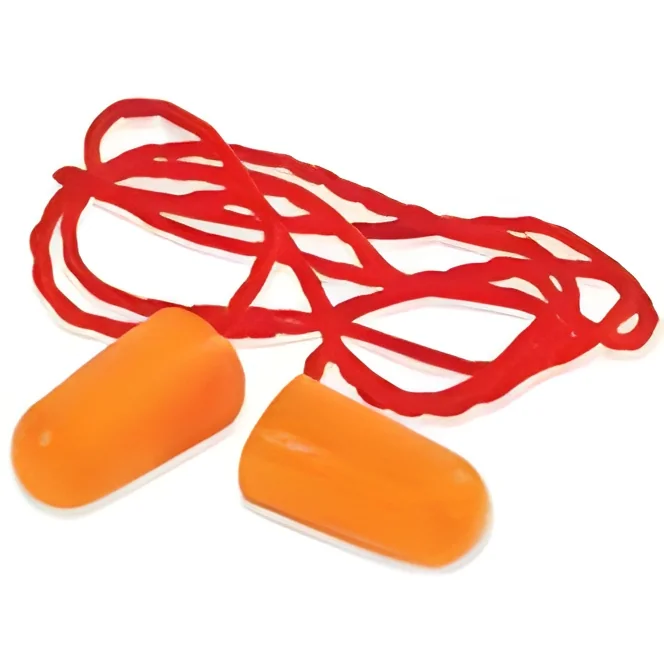
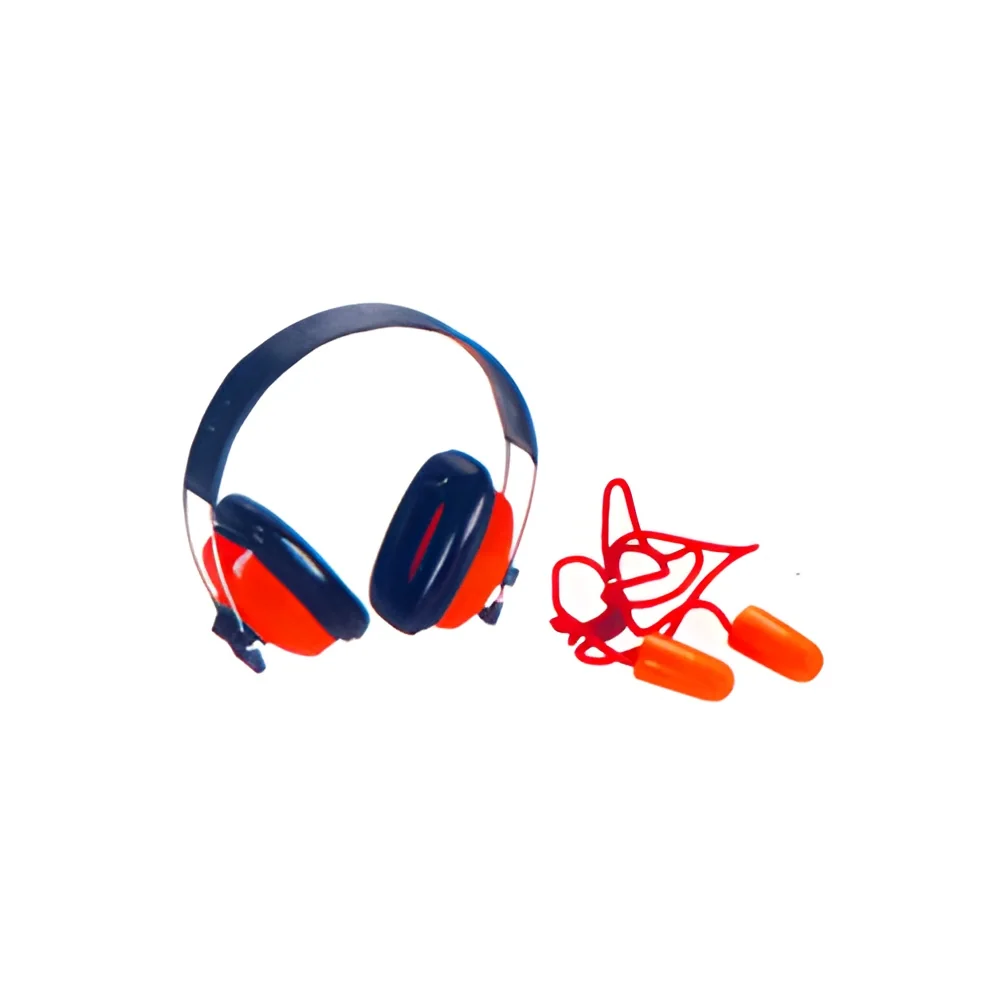
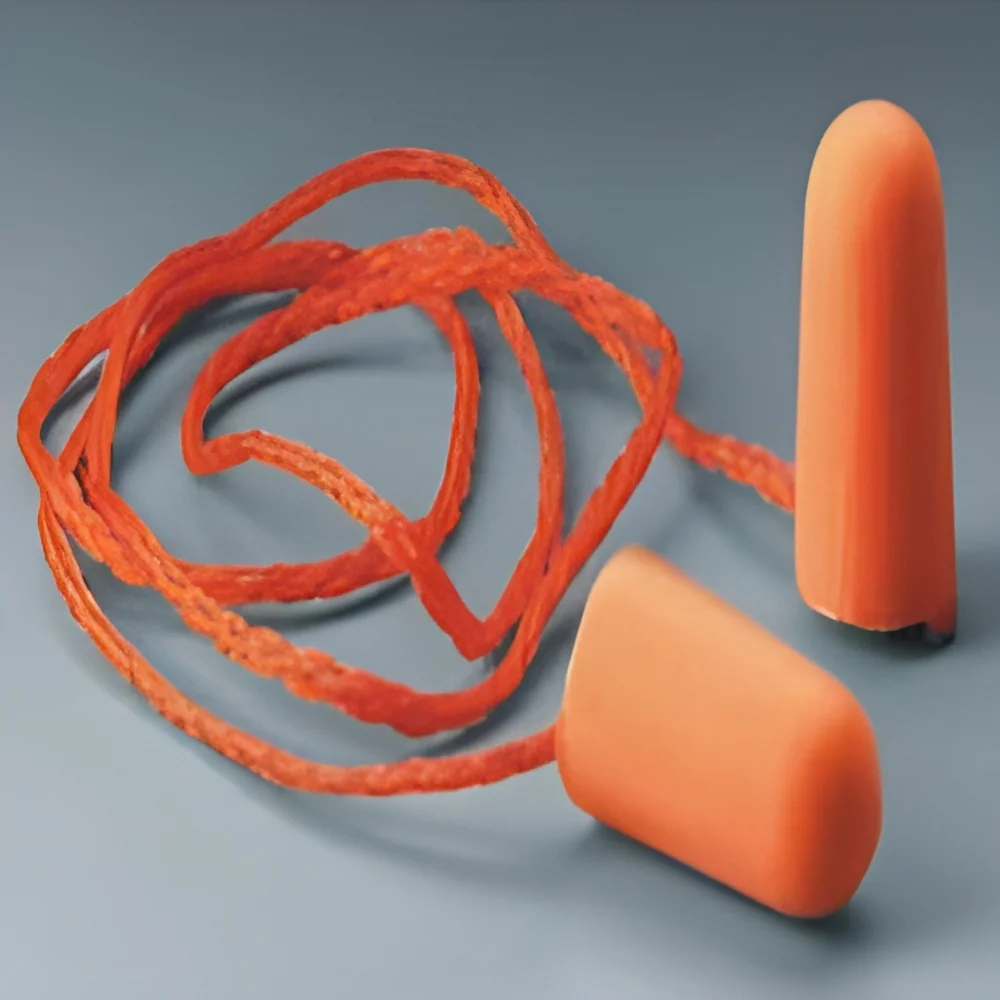
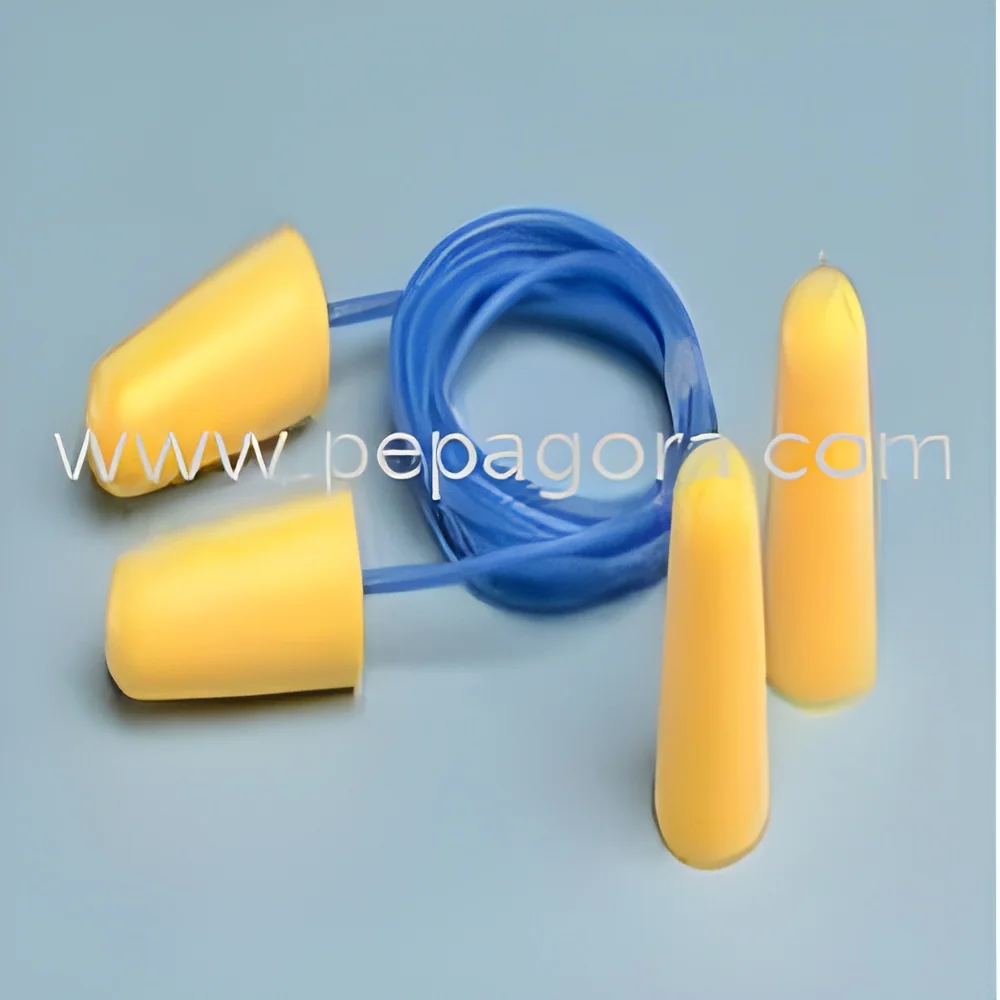
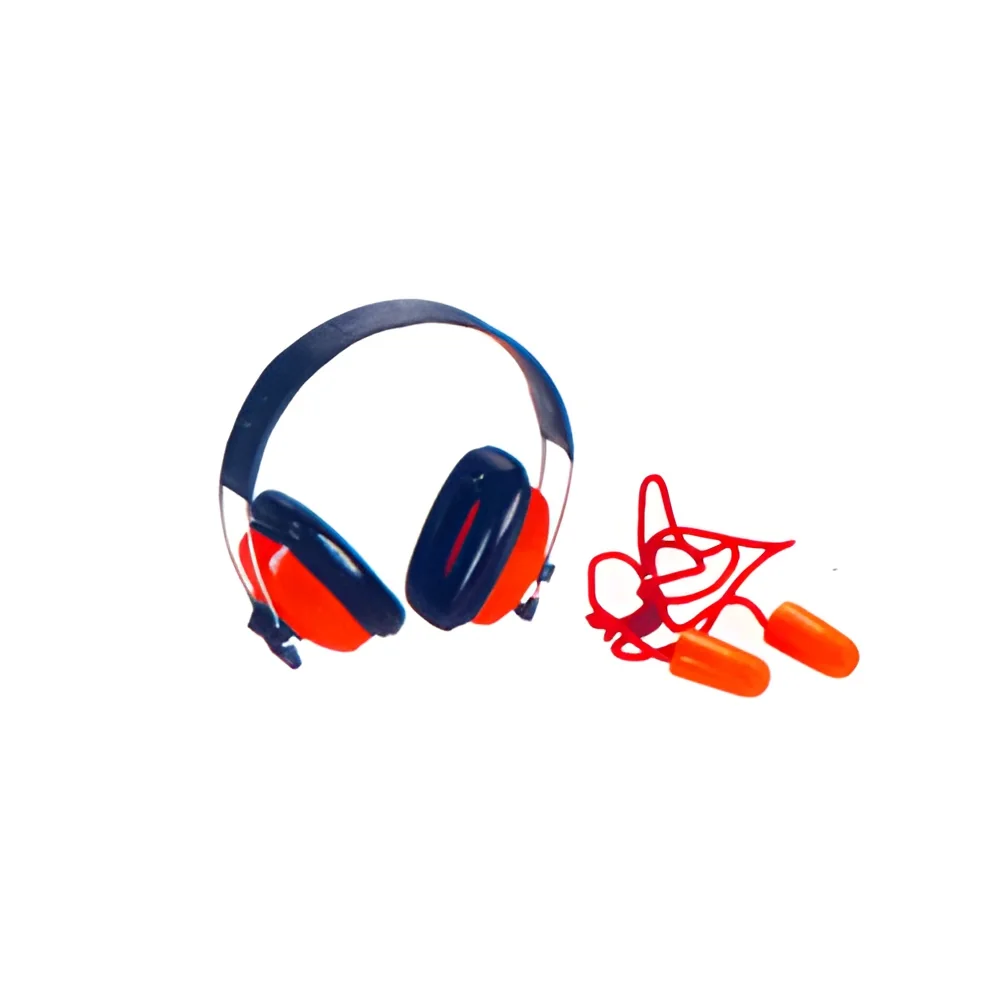
Ear plugs and ear muffs are essential personal protective equipment designed to safeguard hearing in noisy environments. Ear plugs are small devices that fit snugly into the ear canal, blocking sound waves from entering the ear. They are typically made from soft materials, such as foam or silicone, providing comfort and an effective noise barrier. Ear muffs, on the other hand, consist of a padded outer shell that covers the ears, creating a seal to reduce noise exposure. Both products serve the critical function of protecting auditory health in various settings.
These hearing protection devices are commonly used in industries where noise levels exceed safe limits, such as construction, manufacturing, and aviation. Businesses implement ear plugs and ear muffs to comply with occupational safety regulations and to promote the well-being of their employees. The rising awareness of hearing conservation and safety standards has driven demand for these products, making them a vital aspect of workplace safety protocols.
As industries evolve and noise pollution becomes a growing concern, the market for ear plugs and ear muffs is expanding. With advancements in material technology and design, manufacturers are developing products that offer enhanced comfort and effectiveness. This growth reflects a broader commitment to workplace safety and health, making ear plugs and ear muffs indispensable in various industrial applications.
Key Features and Specifications
Ear plugs and ear muffs come with various features and specifications that contribute to their effectiveness and comfort. These specifications are essential for B2B buyers to consider when selecting the right hearing protection.
Key specifications include:
1. Noise Reduction Rating (NRR)
- Measures the effectiveness of the device in reducing sound exposure.
- Typical NRR values range from 20 to 35 decibels.
2. Material Composition
- Ear plugs are often made from foam, silicone, or wax, while ear muffs typically use plastic, metal, and soft padding.
- Materials influence comfort and durability.
3. Fit and Comfort
- Ergonomically designed for a secure fit in ear plugs and adjustable headbands in ear muffs.
- Comfort features may include soft padding and lightweight construction.
4. Compliance Standards
- Many products adhere to industry standards such as CE certification.
- Ensures products meet safety and performance criteria.
5. Reusability
- Some ear plugs are disposable, while others are designed for multiple uses.
- Reusable options can be more cost-effective in the long run.
6. Size Variations
- Available in different sizes to accommodate various ear shapes and preferences.
- Ensures proper fit and effectiveness.
7. Temperature and Humidity Resistance
- Designed to perform well in varying environmental conditions.
- Important for industries with extreme temperature variations.
8. Customization Options
- Some manufacturers offer custom-molded ear plugs for enhanced fit and comfort.
- Tailored solutions are beneficial for specific user needs.
These features collectively enhance the performance and usability of ear plugs and ear muffs, making them suitable for diverse industrial applications.
Common Applications and Use Cases
Ear plugs and ear muffs are utilized across a wide range of industries, serving distinct purposes and ensuring safety in loud environments.
1. Construction: Workers on construction sites use ear plugs and ear muffs to protect against hazardous noise from machinery and tools, ensuring compliance with safety regulations.
2. Manufacturing: In manufacturing plants, employees are exposed to persistent noise from heavy equipment. Hearing protection is crucial to prevent long-term hearing loss.
3. Aviation: Aircraft ground crews and pilots wear ear muffs to shield themselves from the loud sounds generated by engines and machinery during operations.
4. Music and Entertainment: Musicians and sound engineers use ear plugs to safeguard their hearing during performances and recordings, allowing them to monitor sound without damage.
5. Mining: Workers in mining operations face extreme noise levels from drilling and machinery. Ear protection is vital for maintaining hearing health in these environments.
6. Healthcare: Medical professionals in noisy environments, such as operating rooms, may use ear plugs or muffs to focus on patient care without distractions from surrounding sounds.
7. Military: Personnel in active duty wear specialized ear protection to safeguard their hearing in combat situations where noise levels can be dangerously high.
Product Variants and Subcategories
Ear plugs and ear muffs are available in various variants, catering to specific needs and preferences.
Standard Ear Plugs: These are disposable, foam-based plugs designed for quick use in various environments. They provide a high level of noise reduction and are suitable for short-term wear.
Custom-Molded Ear Plugs: Tailored to fit the unique shape of an individual's ear, these plugs offer enhanced comfort and effectiveness. They are ideal for long-term use in high-noise environments.
Passive Ear Muffs: Equipped with sound-dampening materials, these muffs provide reliable noise reduction without electronic components. They are widely used in industrial settings.
Electronic Ear Muffs: These muffs include microphones that allow ambient sounds to be heard while still protecting against harmful noise levels. They are popular in shooting ranges and construction sites.
Children's Ear Protection: Specially designed ear plugs and muffs for children ensure safety in loud environments, such as concerts and sporting events, while providing comfort and fit.
Benefits and Advantages
Investing in ear plugs and ear muffs offers several advantages for businesses and employees alike.
1. Hearing Protection: The primary benefit is the prevention of hearing loss due to exposure to loud noises, ensuring long-term auditory health.
2. Regulatory Compliance: Using ear protection helps companies meet occupational safety regulations, reducing liability and promoting a safe work environment.
3. Comfort and Usability: Modern ear plugs and ear muffs are designed for comfort, making them more likely to be used consistently by employees.
4. Increased Productivity: Protecting workers' hearing can reduce distractions from noise, leading to improved focus and productivity in work tasks.
5. Cost-Effectiveness: Investing in durable and reusable ear protection can save costs in the long run, minimizing the need for frequent replacements.
6. Versatility: Ear plugs and ear muffs are suitable for various applications across multiple industries, making them a versatile safety solution.
Buying Guide for B2B Buyers
When sourcing ear plugs and ear muffs, businesses should consider several factors to make informed purchasing decisions.
1. Quality Assessment: Evaluate the quality of materials and construction to ensure durability and effectiveness. Look for products that meet industry standards and specifications.
2. Supplier Verification: Vet potential suppliers by checking their certifications, reputation, and customer reviews. Reliable suppliers will provide consistent quality and service.
3. Pricing and MOQ: Analyze pricing structures and minimum order quantities to find solutions that fit budget constraints without compromising on quality.
4. Delivery and Lead Times: Consider logistics and delivery timelines to ensure timely availability of products. Reliable suppliers will offer clear shipping and lead time estimates.
5. Compliance Requirements: Ensure products meet relevant safety and compliance standards specific to the industry and region, such as CE certification.
Compliance and Certifications
Compliance with quality standards and certifications is essential for ear plugs and ear muffs. Many manufacturers adhere to ISO 9001, ensuring consistent quality management processes. Certifications like CE indicate that products meet European safety standards, providing assurance of reliability and effectiveness.
Safety and testing requirements are critical in the production of hearing protection devices. They must undergo rigorous testing to verify their Noise Reduction Rating (NRR) and overall performance. Additionally, regional compliance considerations may vary, requiring manufacturers to adapt their products to meet local regulations and industry practices.
Understanding these compliance and certification requirements helps businesses select ear plugs and ear muffs that not only protect employees but also align with legal obligations.
Why Source Ear Plugs & Ear Muffs from Pepagora?
Pepagora offers a trusted platform for sourcing ear plugs and ear muffs, providing several key advantages for B2B buyers.
Verified Supplier Network: Pepagora maintains a network of verified suppliers, ensuring that buyers can access high-quality products from reputable manufacturers. This verification process fosters trust and reliability in procurement.
Streamlined RFQ Process: The platform simplifies the request for quotation (RFQ) process, allowing buyers to easily compare prices and specifications from multiple suppliers. This efficiency helps businesses make informed purchasing decisions.
Trade Assurance and Support: Pepagora provides trade assurance, protecting buyers by ensuring that orders are fulfilled as agreed. This support enhances buyer confidence in sourcing decisions.
Regional Coverage: With a strong presence in regions like India, the GCC, and Southeast Asia, Pepagora connects buyers with local suppliers, facilitating timely deliveries and reducing shipping costs. This regional focus ensures buyers can meet their specific needs effectively.

 IN
IN