
 IN
Vinyl Gloves
1 products available
What are Vinyl Gloves?
Vinyl gloves are disposable protective handwear made from polyvinyl chloride (PVC). They are designed to provide a barrier against contaminants while allowing for dexterity and comfort. Vinyl gloves are popular in various settings where frequent glove changes are necessary, such as healthcare, food service, and cleaning industries. Their affordability and ease of use make them a preferred choice for many businesses.
These gloves are primarily used in environments that require a low to moderate level of protection. Common applications include food preparation, medical examinations, and general cleaning tasks. Vinyl gloves are particularly beneficial in situations where there is a need for frequent glove changes, as they are cost-effective and readily available. The demand for these gloves has surged in recent years, especially in healthcare settings due to the COVID-19 pandemic, highlighting their relevance in the market.
Key Features and Specifications
Vinyl gloves are characterized by their flexibility and comfort, providing a reliable option for various industries. The key specifications of vinyl gloves help buyers understand their performance and suitability for specific applications.
Key specifications include:
1. Material Composition
- Made from polyvinyl chloride (PVC)
- Latex-free, suitable for those with latex allergies
2. Thickness
- Typically ranges from 3 to 5 mils
- Offers adequate protection while maintaining dexterity
3. Size Options
- Available in small, medium, large, and extra-large
- Ensures a proper fit for various hand sizes
4. Color Variations
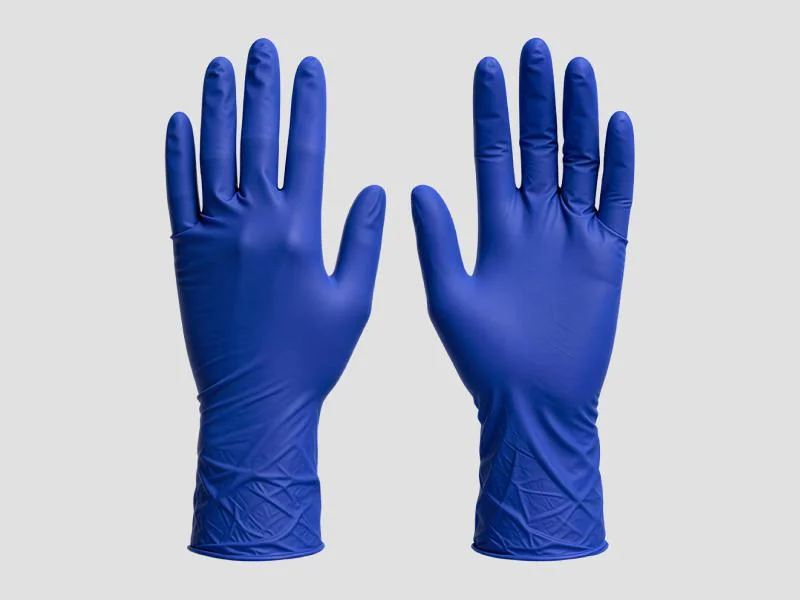
- Commonly available in clear or blue
- Color differentiation aids in compliance and identification
5. Ambidextrous Design
- Can be worn on either hand
- Simplifies inventory management
6. Powdered vs. Powder-Free
- Available in powdered for easy donning or powder-free for reduced irritation
- Users can choose based on preference and application
7. Compliance Standards
- Meets certain industry standards, such as CE certification
- Ensures product safety and quality
8. Shelf Life
- Typically has a shelf life of 3 to 5 years
- Important for inventory management and usage planning
Vinyl gloves provide a practical solution for many industries, balancing protection, comfort, and cost.
Common Applications and Use Cases
Vinyl gloves are utilized across various sectors, demonstrating their versatility and effectiveness.
1. Healthcare: In medical settings, vinyl gloves are used for non-invasive examinations and procedures. They provide a barrier against bodily fluids and contaminants while being easy to change frequently.
2. Food Industry: These gloves are commonly used in food handling and preparation. They help maintain hygiene and prevent cross-contamination between different food items.
3. Cleaning Services: Vinyl gloves are a staple in cleaning tasks. They protect workers' hands from chemicals and dirt, ensuring a safe working environment.
4. Beauty and Personal Care: In salons and spas, vinyl gloves are used during various treatments, providing hygiene and reducing the risk of allergic reactions.
5. Automotive: These gloves are often used in automotive repairs to prevent skin contact with oils and other substances.
6. Janitorial Services: Vinyl gloves are essential for janitorial staff, providing protection during cleaning and maintenance tasks.
7. Laboratory Work: In labs, vinyl gloves are used to handle non-hazardous materials and samples, ensuring cleanliness and safety.
Product Variants and Subcategories
Vinyl gloves come in various configurations to suit different needs.
Standard Vinyl Gloves
These are the most common type, offering basic protection for a variety of tasks. They are ideal for food service and light medical applications, providing comfort and dexterity.
Heavy-Duty Vinyl Gloves
Designed for more demanding tasks, these gloves have enhanced thickness and durability. They are suitable for industrial cleaning and handling chemicals, ensuring a higher level of protection.
Powder-Free Vinyl Gloves
This variant eliminates the risk of powder-related irritation, making them suitable for sensitive individuals. They are commonly used in healthcare and food service applications.
Colored Vinyl Gloves
Available in different colors, these gloves help with identification and compliance in food preparation and medical settings. Their visual differentiation aids in preventing cross-contamination.
Benefits and Advantages
Vinyl gloves offer numerous benefits that make them an appealing choice for businesses.
1. Cost-Effective: Vinyl gloves are generally lower in price compared to other glove materials, making them a budget-friendly option for frequent use.
2. Comfort and Fit: These gloves provide a comfortable fit, which is crucial for tasks requiring dexterity and prolonged wear.
3. Latex-Free: As vinyl gloves are made from PVC, they are suitable for individuals with latex allergies, broadening their usability.
4. Easy to Don: The ambidextrous design and availability in powdered options make it easy to put on and take off the gloves quickly.
5. Versatile Use: Vinyl gloves are suitable for a wide range of industries, from healthcare to food service, enhancing their market appeal.
6. Low Risk of Allergic Reactions: Vinyl gloves minimize the risk of allergic reactions compared to latex gloves, ensuring safety for both users and clients.
Buying Guide for B2B Buyers
Sourcing vinyl gloves requires careful consideration to ensure that businesses get the right product for their needs.
1. Quality Assessment: Evaluate the quality of vinyl gloves by checking for certifications and compliance with industry standards. This ensures that the gloves meet safety and performance requirements.
2. Supplier Verification: It is essential to vet suppliers to confirm their reliability and reputation in the market. Look for suppliers with a proven track record in providing quality products.
3. Pricing and MOQ: Consider the pricing structure and minimum order quantities (MOQs) when sourcing. Ensure that the costs align with your budget while still meeting your quality standards.
4. Delivery and Lead Times: Assess the supplier's ability to meet your delivery requirements and lead times. Timely delivery is critical for maintaining operations.
5. Compliance Requirements: Ensure that the vinyl gloves meet relevant compliance and regulatory requirements specific to your industry. This will help mitigate legal and safety risks.
Compliance and Certifications
Vinyl gloves must adhere to several quality standards and certifications to ensure their safety and efficacy in various applications.
ISO 9001 is a widely recognized quality management standard that ensures products are consistently produced to meet quality requirements. Compliance with this standard indicates a commitment to quality.
CE certification is crucial for vinyl gloves sold in the European market. This certification demonstrates that the gloves meet health, safety, and environmental protection standards.
Safety and testing requirements are essential to ensure that the gloves provide adequate protection against potential hazards. Manufacturers must conduct rigorous testing to validate the performance of their gloves.
Regional compliance considerations may vary, depending on the market. Businesses should ensure that their products comply with local regulations to avoid penalties and ensure consumer safety.
Why Source Vinyl Gloves from Pepagora?
Pepagora offers a trusted platform for sourcing vinyl gloves with numerous advantages that set it apart in the market.
Verified Supplier Network: Pepagora connects buyers with a network of verified suppliers, ensuring that businesses can source high-quality vinyl gloves with confidence.
Streamlined RFQ Process: The platform features a streamlined Request for Quotation (RFQ) process, allowing buyers to receive competitive quotes efficiently. This simplifies procurement for businesses of all sizes.
Trade Assurance and Support: Pepagora provides trade assurance to protect buyers, offering a layer of security during purchasing. This support builds trust between buyers and suppliers.
Regional Coverage: With a strong presence in India, the GCC, and Southeast Asia, Pepagora facilitates access to a vast market, making it easier for businesses to find and source vinyl gloves that meet their specific needs.

Frequently Asked Questions
What are Vinyl Gloves?
Vinyl gloves are disposable gloves made from synthetic polyvinyl chloride (PVC). They are designed to provide a barrier between the hands and various substances, making them ideal for use in healthcare, food handling, and other applications where hygiene is a priority.
What are the different types of Vinyl Gloves?
There are primarily two types of vinyl gloves: powdered and powder-free. Powdered vinyl gloves contain cornstarch to make them easier to put on, while powder-free gloves are more suitable for individuals with sensitivities to powder and are often used in medical environments.
How do I choose the right Vinyl Gloves?
Choosing the right vinyl gloves involves considering factors such as the intended use, size, and whether you need powdered or powder-free options. It's also important to ensure that the gloves meet the necessary regulatory standards for your specific application.
What are the standard specifications for Vinyl Gloves?
Standard specifications for vinyl gloves include thickness, tensile strength, and elongation. Typically, they are evaluated under ASTM D5250 standards, which ensure they meet safety and performance requirements for various applications.
What is the price range for Vinyl Gloves?
The price range for vinyl gloves can vary widely based on factors such as brand, quantity, and quality. Generally, prices can range from ₹1 to ₹5 per glove, with bulk purchases often resulting in lower per-unit costs.
What quality standards apply to Vinyl Gloves?
Vinyl gloves must comply with several quality standards, including ASTM D5250 and EN 455. These standards ensure that the gloves are safe for use and provide adequate protection against contaminants.
Where can I find Vinyl Gloves suppliers in India?
You can find vinyl gloves suppliers in India through various online B2B marketplaces, trade shows, and industry directories. Platforms like Pepagora.com offer a comprehensive list of manufacturers and suppliers specializing in vinyl gloves.
Can Vinyl Gloves be customized?
Yes, vinyl gloves can be customized in terms of size, color, and packaging. Many manufacturers offer options for branding or specialized features based on customer requirements.
What is the typical minimum order quantity for Vinyl Gloves?
The typical minimum order quantity (MOQ) for vinyl gloves varies by supplier but is often around 1,000 to 5,000 gloves. Some manufacturers may offer lower MOQs for specific products or during promotional periods.
What is the typical lead time for Vinyl Gloves?
The typical lead time for vinyl gloves can range from 2 to 4 weeks, depending on the supplier, order size, and customization requirements. It is advisable to check with the supplier for specific delivery timelines.
Why Businesses Trust Pepagora
Thousands of companies trust Pepagora to source smarter and sell faster
Expand Your Sales Globally

Source Smarter,Grow Faster
