Key Features and Specifications
Respirator masks (N95, FFP2, FFP3) feature a variety of specifications that ensure their effectiveness and user safety. These specifications help buyers understand the level of protection offered by each type of mask.
Key specifications include:
1. Filtration Efficiency
- N95 masks filter at least 95% of airborne particles.
- FFP2 masks filter at least 94% of particles.
- FFP3 masks filter at least 99% of particles.
2. Breathing Resistance
- Measured in pressure differentials across the mask.
- Lower breathing resistance improves user comfort during extended wear.
3. Fit Testing
- Required to ensure a proper seal around the face.
- Helps in determining the mask’s effectiveness in real-world scenarios.
4. Approval Standards
- N95 masks meet NIOSH certification.
- FFP2 and FFP3 masks conform to European Union standards.
5. Material Composition
- Typically made of multiple layers of non-woven fabric.
- Provides durability and effective filtration.
6. Shelf Life
- Generally have a shelf life of up to five years.
- Important to check expiration dates for effective use.
7. Size Variability
- Available in various sizes to accommodate different face shapes.
- Ensures a better fit for maximum protection.
8. Comfort Features
- Many masks include adjustable straps and nose clips.
- Designed for prolonged use without discomfort.
In summary, understanding these key features and specifications is essential for selecting the appropriate respirator mask that meets regulatory requirements and provides optimal protection.
Common Applications and Use Cases
Respirator masks are utilized across a variety of industries, each with unique applications that underscore their importance.
1. Healthcare: In hospitals and clinics, respirator masks protect medical staff from infectious diseases and airborne pathogens during procedures and patient care.
2. Construction: Workers use respirators to shield themselves from harmful dust, fumes, and other particulate matter present on job sites.
3. Manufacturing: In factories, masks are essential for employees exposed to hazardous materials and chemicals, ensuring a safe working environment.
4. Agriculture: Farm workers use respirators to prevent inhalation of pesticides and other toxic substances during agricultural activities.
5. Mining: Miners rely on respirators to protect against dust and harmful gases in underground environments.
6. Emergency Services: Firefighters and first responders use respirators to safeguard against smoke and chemical exposure during emergency situations.
7. Food Processing: Employees in food manufacturing facilities wear respirators to prevent contamination and maintain hygiene standards.
Product Variants and Subcategories
Respirator masks come in a range of variants to serve different needs and preferences. Each variant is designed to meet specific requirements.
N95 Masks
These masks are widely recognized in the United States for filtering out at least 95% of non-oily particles. Their fit and design make them suitable for various applications, particularly in healthcare settings.
FFP2 Masks
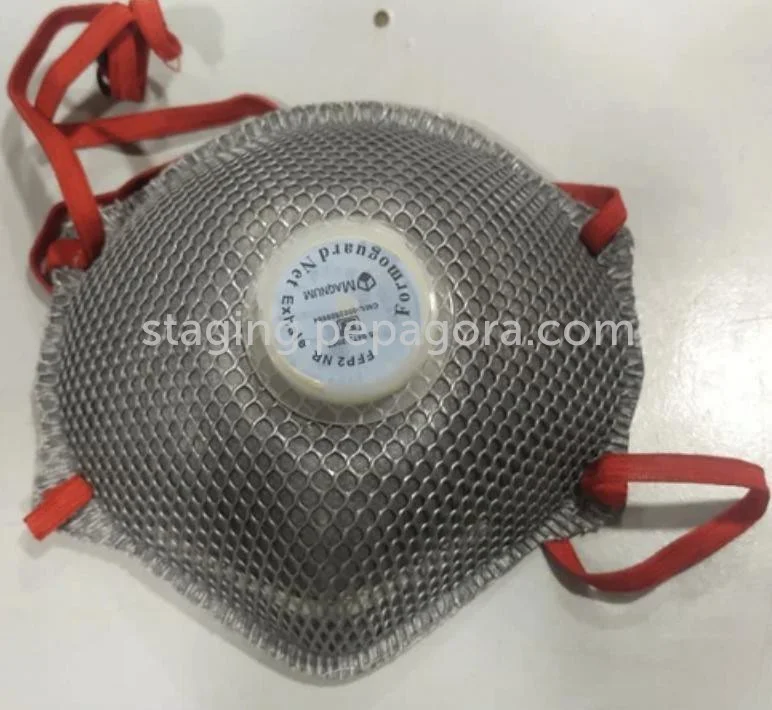
FFP2 masks are popular in Europe, offering high filtration efficiency and comfort. They are frequently used in industries that require protection against airborne particulates.
FFP3 Masks
FFP3 masks provide the highest level of protection among the three variants, filtering out at least 99% of particles. These masks are ideal for environments with a high risk of exposure to hazardous materials.
Benefits and Advantages
The advantages of using respirator masks (N95, FFP2, FFP3) are significant for businesses and individuals alike.
1. Enhanced Protection: These masks provide effective filtration against harmful airborne particles, reducing health risks.
2. Compliance with Regulations: Utilizing certified masks helps businesses adhere to workplace safety standards, minimizing legal liabilities.
3. Improved Worker Safety: By protecting employees, companies can reduce absenteeism and maintain productivity.
4. Versatility: Respirator masks can be used in various industries, making them a flexible solution for multiple applications.
5. User Comfort: Many masks are designed with features that enhance comfort during prolonged wear, promoting consistent use.
6. Cost-Effectiveness: Investing in quality respirators can prevent costly health incidents and ensure a safer workplace.
Buying Guide for B2B Buyers
When sourcing respirator masks (N95, FFP2, FFP3), companies should consider several key factors to ensure they make informed purchasing decisions.
1. Quality Assessment: Evaluate the quality of masks based on certification standards and performance metrics. Look for NIOSH and CE certifications to verify compliance.
2. Supplier Verification: Conduct thorough research on suppliers to ensure they have a reliable track record. Check reviews and seek references to confirm their credibility.
3. Pricing and MOQ: Understand the pricing structure and minimum order quantities (MOQ) that suppliers offer. Compare prices among different vendors to ensure competitive rates.
4. Delivery and Lead Times: Inquire about the delivery timelines and logistics capabilities of suppliers. Ensure they can meet your urgent needs without compromising quality.
5. Compliance Requirements: Be aware of local regulations and compliance standards related to respiratory protection. Ensure the masks you purchase meet these requirements to avoid legal issues.
Compliance and Certifications
Respirator masks (N95, FFP2, FFP3) are subject to several important compliance and certification standards that ensure their safety and effectiveness.
ISO 9001 is a widely recognized quality management standard that applies to manufacturers of respirator masks. It ensures that products are consistently produced and controlled according to quality standards.
HACCP (Hazard Analysis Critical Control Point) is relevant for masks used in food processing and healthcare settings, ensuring that safety protocols are in place to prevent contamination.
CE certification is mandatory for respirator masks sold in the European market, indicating compliance with health, safety, and environmental protection standards.
Additionally, masks must pass rigorous safety and testing requirements to ensure they provide the claimed level of protection. This includes evaluations for filtration efficiency and breathing resistance.
Finally, regional compliance considerations may vary, requiring businesses to stay informed about local regulations and standards applicable to respirator masks.
Why Source Respirator Masks (N95, FFP2, FFP3) from Pepagora?
Pepagora offers a reliable platform for sourcing respirator masks (N95, FFP2, FFP3), providing several key advantages for B2B buyers.
Verified Supplier Network: Pepagora has a thorough verification process in place for suppliers. This ensures that businesses can source masks from reputable manufacturers who meet stringent quality standards.
Streamlined RFQ Process: The request for quotation (RFQ) process is designed to be efficient and user-friendly. Buyers can easily compare options and receive competitive pricing from multiple suppliers.
Trade Assurance and Support: Pepagora provides trade assurance, which protects buyers in their transactions. This includes support for resolving disputes and ensuring timely deliveries.
Regional Coverage: With a strong presence in India, the GCC, and Southeast Asia, Pepagora is well-positioned to serve a diverse range of markets. This geographic reach allows buyers to access local suppliers while ensuring compliance with regional standards.

 IN
IN