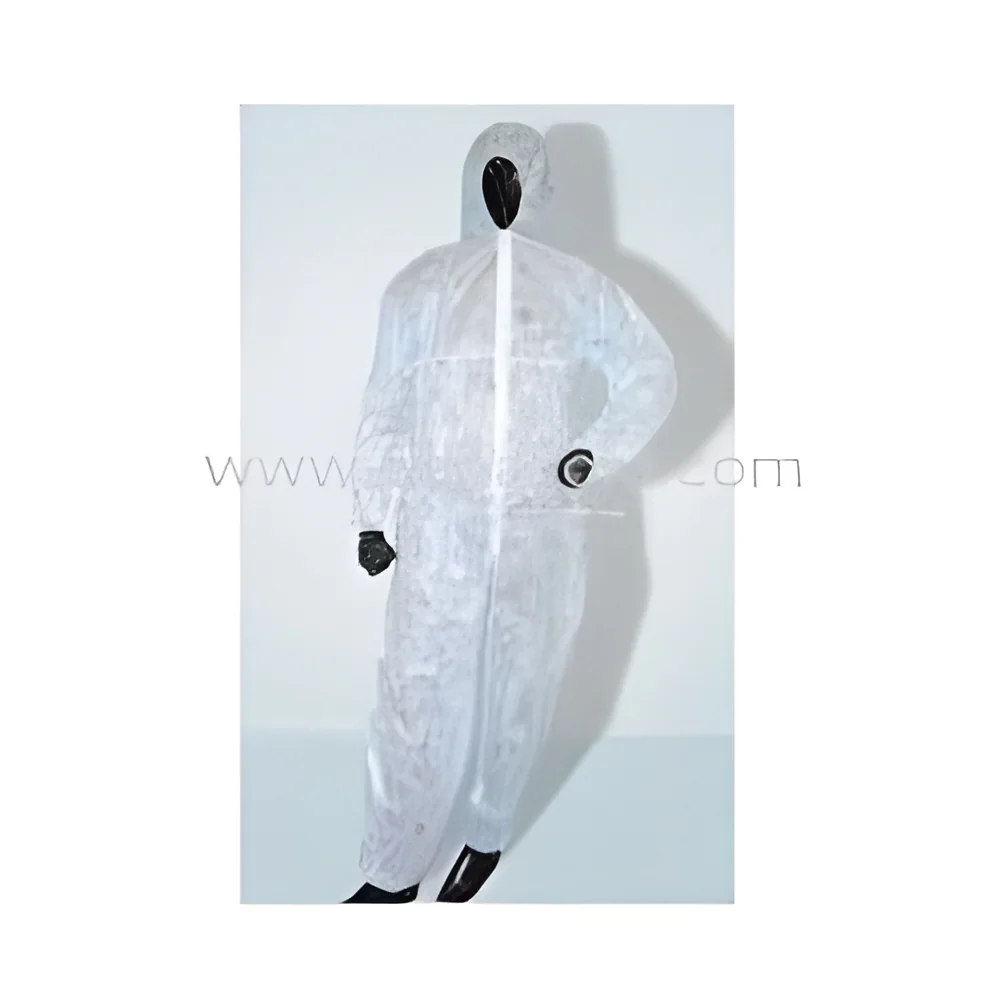
What are Medical Aprons?
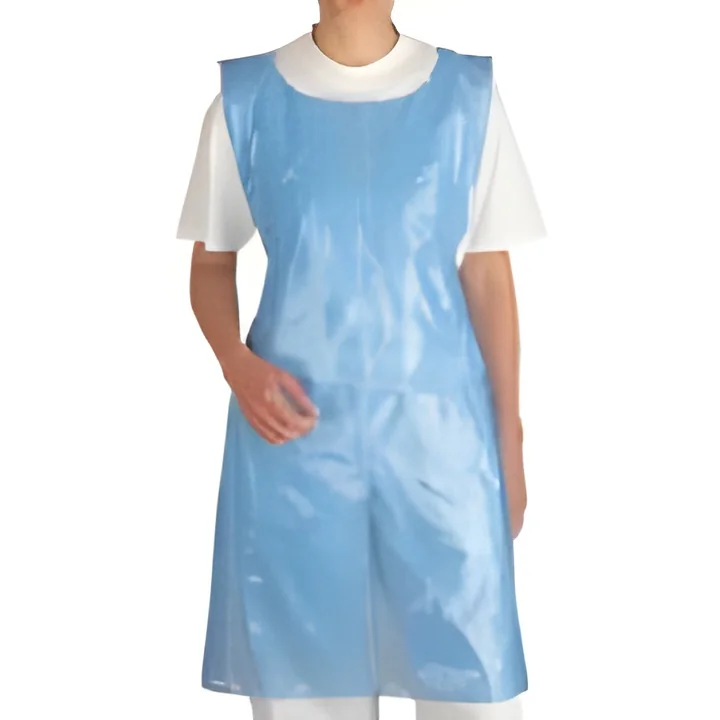
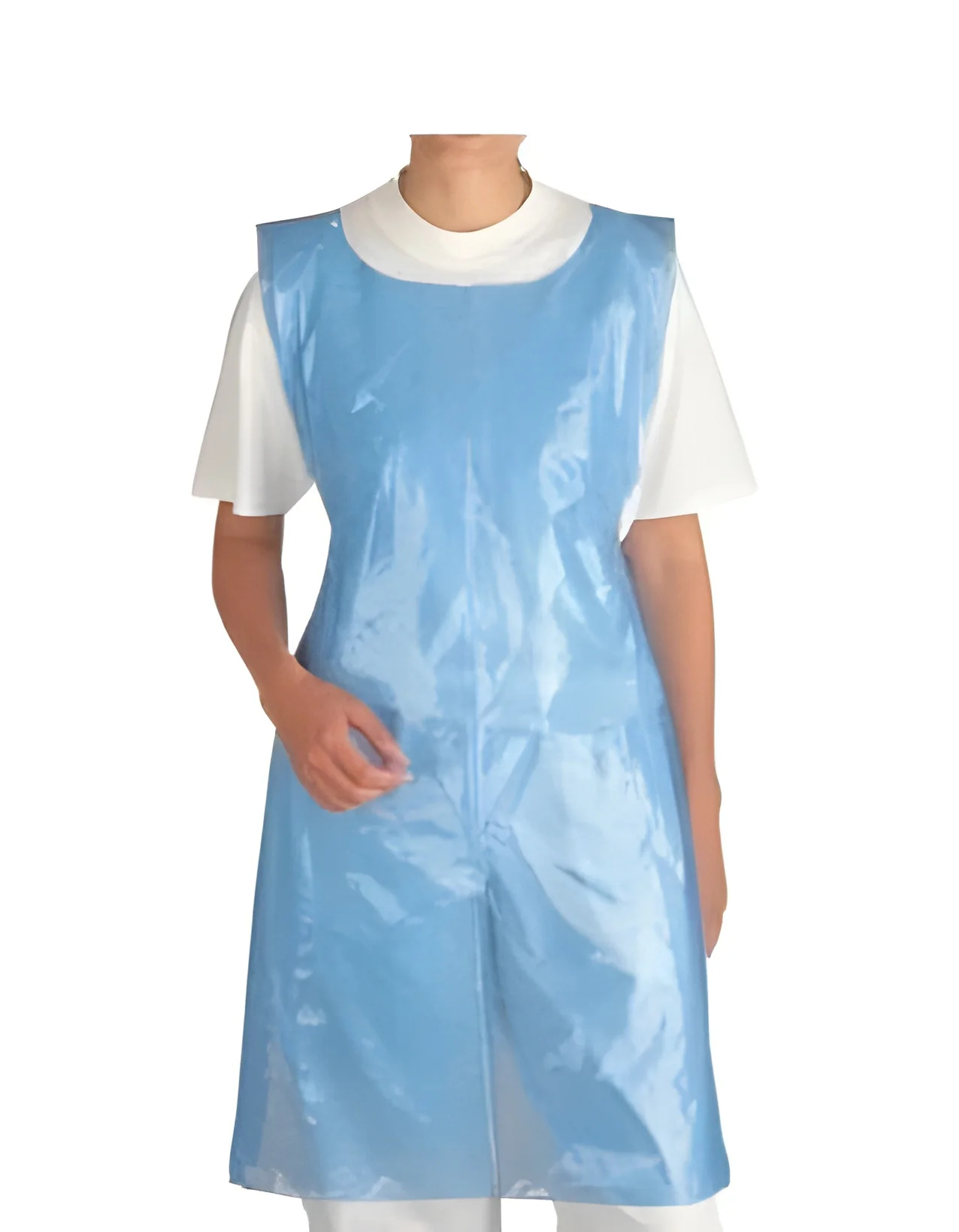
Medical aprons are protective garments designed to safeguard healthcare professionals and patients from contamination and exposure to hazardous materials during medical procedures. These aprons are typically made from durable, non-porous materials that prevent the absorption of fluids, ensuring a hygienic environment in clinical settings. The design of medical aprons often features adjustable straps for a secure fit, making them suitable for various body types.
The primary uses of medical aprons include surgical procedures, patient examinations, and other healthcare activities where there is a risk of exposure to blood, bodily fluids, or chemicals. They play a critical role in infection control and are essential in maintaining safety standards within medical facilities. As the healthcare industry continues to evolve, the demand for high-quality medical aprons has increased, reflecting the growing importance of hygiene and safety in clinical practice.
In a broader market context, medical aprons are relevant across various segments of the healthcare industry, including hospitals, clinics, dental offices, and laboratories. The ongoing emphasis on patient safety and regulatory compliance drives the need for reliable protective gear. Businesses in this sector must prioritize sourcing medical aprons that meet strict quality standards and regulatory requirements to ensure optimal protection for both medical staff and patients.
Key Features and Specifications
Medical aprons offer a variety of features designed to enhance protection and usability in healthcare environments. Understanding these specifications is essential for businesses looking to procure the right products for their needs.
Key specifications include:
1. Material Composition
- Commonly made from polyethylene, vinyl, or other non-porous materials.
- Offers fluid resistance and durability against wear and tear.
2. Size and Fit
- Available in multiple sizes to accommodate all body types.
- Adjustable straps allow for a custom fit to enhance comfort.
3. Protection Level
- Designed to provide barrier protection against blood, bodily fluids, and chemicals.
- Varies based on the thickness and type of material used.
4. Ease of Use
- Lightweight design enhances mobility for healthcare professionals.
- Easy to don and doff, promoting efficiency in fast-paced environments.
5. Compliance Standards
- Meets industry standards such as CE certification for safety and quality.
- Adheres to best practices for infection control in medical settings.
6. Color Options
- Available in various colors to aid in identification and reduce cross-contamination.
- Color coding can help designate specific uses or departments.
7. Disposable vs. Reusable
- Options for single-use disposable aprons to minimize contamination risk.
- Reusable aprons designed for multiple uses with proper cleaning protocols.
8. Packaging Options
- Sold in bulk packages for cost-effective procurement.
- Individual packaging available for convenient distribution.
In summary, understanding the key features and specifications of medical aprons is vital for businesses to ensure they select products that meet their specific requirements for safety and functionality.
Common Applications and Use Cases
Medical aprons are versatile products that serve various industries, primarily focused on health and safety.
1. Healthcare: Medical aprons are standard in hospitals and clinics during surgeries and examinations to protect healthcare workers from exposure to infectious materials.
2. Dental Practices: Dentists and hygienists use medical aprons to shield themselves and patients from dental materials and bodily fluids during procedures.
3. Laboratories: In laboratory settings, medical aprons protect technicians from chemicals and biological hazards during experiments and testing.
4. Veterinary Clinics: Vets and technicians wear medical aprons to safeguard against fluids and contaminants while treating animals.
5. Emergency Services: First responders utilize medical aprons to provide protection during emergency medical situations where exposure to bodily fluids is a concern.
6. Pharmaceuticals: Professionals in pharmaceutical manufacturing wear medical aprons to prevent contamination during the handling of drugs and chemicals.
7. Research Facilities: In research settings, medical aprons are essential for protecting personnel from hazardous substances and biological agents.
Product Variants and Subcategories
Medical aprons come in various forms, catering to different needs and preferences in the healthcare industry.
Disposable Medical Aprons
These are designed for single-use applications, providing a high level of hygiene and convenience. They are typically made from lightweight materials and are easy to discard, making them ideal for environments where cross-contamination is a concern.
Reusable Medical Aprons
These aprons are crafted from durable materials that can withstand multiple uses and cleaning cycles. They are cost-effective over time and are used in settings where sustainability is a priority.
Waterproof Medical Aprons
Specialized for environments involving significant fluid exposure, waterproof medical aprons offer enhanced protection against spills and splashes. They are often used in surgical or emergency settings.
Anti-static Medical Aprons
These aprons are designed to prevent static electricity buildup, making them suitable for use in environments with sensitive electronic equipment, such as operating rooms or laboratories.
Benefits and Advantages
Sourcing medical aprons provides several key advantages for businesses and healthcare facilities.
1. Enhanced Safety: Medical aprons provide a crucial barrier against contamination, ensuring the safety of healthcare professionals and patients alike.
2. Compliance Assurance: Using certified medical aprons helps institutions meet industry standards and regulations, minimizing legal and safety risks.
3. Cost Efficiency: Investing in high-quality medical aprons, especially reusable options, can lead to significant savings over time by reducing waste and replacement costs.
4. Versatility: Medical aprons can be used across various healthcare settings, making them a flexible choice for diverse applications.
5. Improved Hygiene: The use of disposable aprons promotes better hygiene practices, reducing the risk of infections in clinical environments.
6. Comfort and Usability: Modern designs prioritize comfort and ease of use, allowing healthcare workers to perform their duties efficiently without compromising protection.
Buying Guide for B2B Buyers
When sourcing medical aprons, it is essential for businesses to consider several critical factors to make informed purchasing decisions.
1. Quality Assessment: Evaluate the quality of materials and construction to ensure durability and effectiveness in providing protection. Look for certifications that indicate compliance with industry standards.
2. Supplier Verification: Vet potential suppliers by checking their track record, customer reviews, and compliance with regulatory requirements. A reliable supplier is critical for consistent quality and service.
3. Pricing and MOQ: Understand the pricing structure and minimum order quantities (MOQ) to determine the cost-effectiveness of your procurement plan. Compare quotes from multiple suppliers to secure the best deal.
4. Delivery and Lead Times: Assess the supplier's ability to meet your delivery needs and lead times to avoid disruptions in your operations. Timely delivery is crucial in maintaining inventory and ensuring continuous protection.
5. Compliance Requirements: Ensure that the medical aprons meet relevant safety and quality standards required in your region. This includes understanding the compliance certifications that may be necessary.
Compliance and Certifications
Medical aprons are subject to various quality standards and compliance requirements that ensure their safety and effectiveness in healthcare settings.
Relevant quality standards include ISO 9001, which focuses on quality management systems, ensuring that manufacturers maintain high-quality practices throughout the production process. Additionally, HACCP (Hazard Analysis Critical Control Point) guidelines help ensure that products are safe for use in medical environments.
Industry certifications such as CE mark are essential for medical aprons, indicating that they meet European health, safety, and environmental protection standards.
Safety and testing requirements are crucial in the production of medical aprons to ensure they can withstand exposure to bodily fluids, chemicals, and other hazardous materials.
Finally, regional compliance considerations may vary, requiring businesses to stay informed about local regulations and standards that govern the use of medical aprons in their respective areas.
Why Source Medical Aprons from Pepagora?
Pepagora provides a trusted platform for sourcing medical aprons, offering several key advantages to B2B buyers.
Verified Supplier Network: Pepagora connects buyers with verified suppliers who are committed to quality and compliance. This network ensures that businesses can source reliable products with confidence.
Streamlined RFQ Process: The platform features a simplified request for quotation (RFQ) process, allowing buyers to receive competitive quotes from multiple suppliers quickly. This efficiency saves time and resources in the procurement process.
Trade Assurance and Support: Pepagora offers trade assurance programs that protect buyers during transactions, providing peace of mind when sourcing medical aprons. Comprehensive support is available to assist buyers from inquiry to delivery.
Regional Coverage: With a strong presence in India, the GCC, and Southeast Asia, Pepagora enables buyers to access a wide range of suppliers and products, facilitating efficient sourcing across various markets.

 IN
IN