
 IN
Latex Gloves
20 products available
What are Latex Gloves?
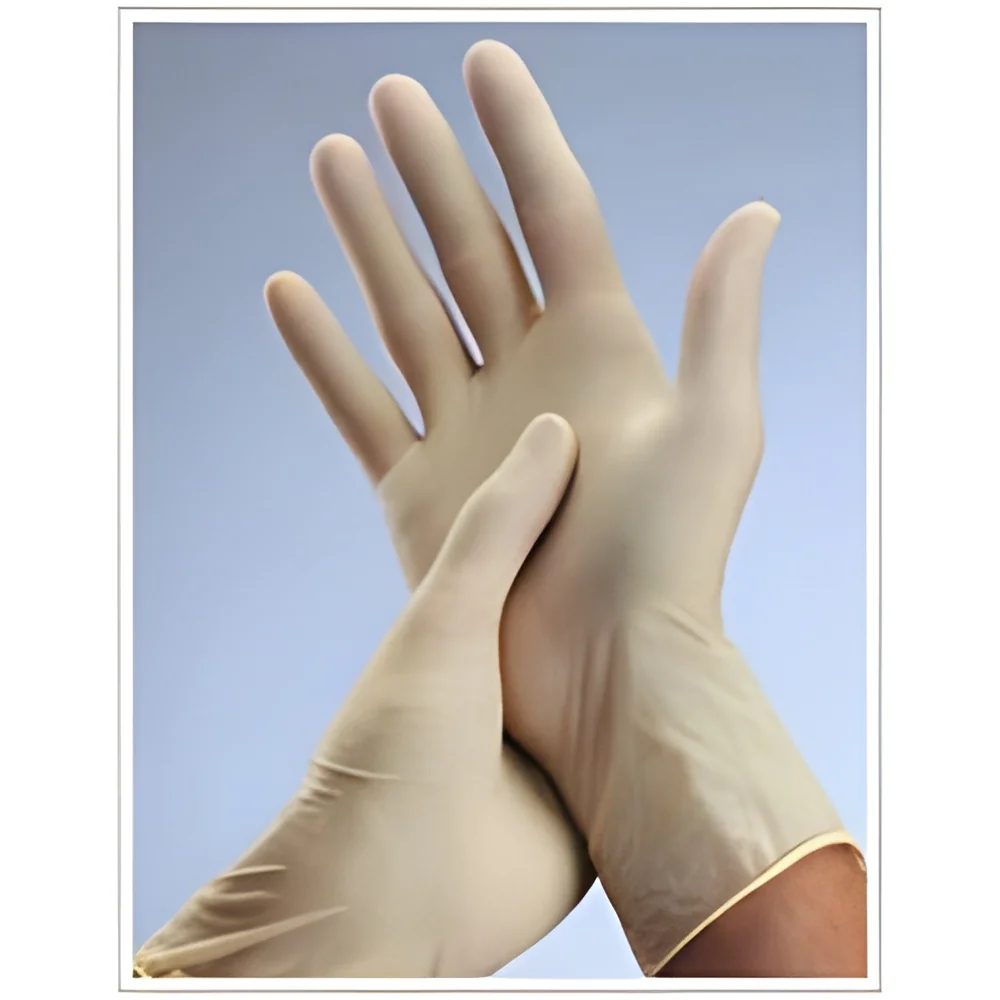
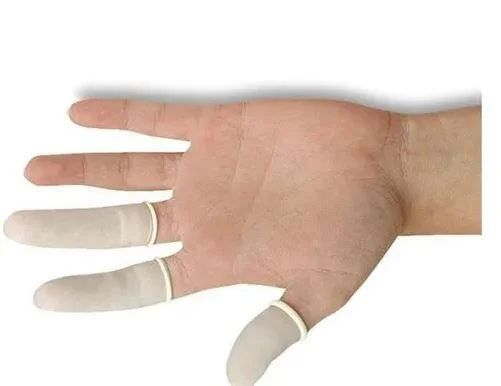
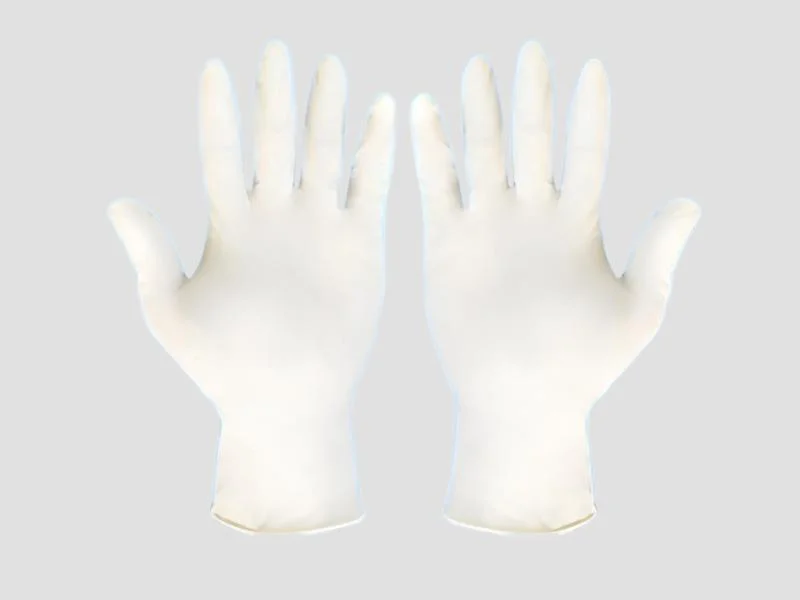
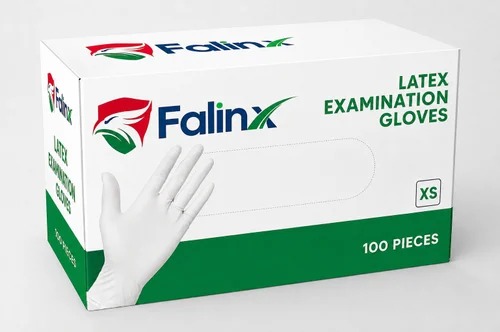
Latex gloves are disposable hand coverings made from natural rubber latex. They provide a high level of dexterity and flexibility, making them suitable for various applications that require tactile sensitivity. The gloves are designed to protect the hands from contaminants, chemicals, and biological agents while ensuring user comfort and safety.
These gloves are widely used across many industries, including healthcare, food service, and laboratory settings. In healthcare, they play a critical role in maintaining hygiene and preventing the spread of infections. In food service, they help ensure food safety by preventing contamination. Their versatility and effectiveness make latex gloves a common choice for professionals needing reliable hand protection.
With increasing awareness of health and safety standards, the market for latex gloves continues to expand. They are favored for their resilience and barrier properties, which are essential in environments where exposure to hazardous materials is a concern. As industries evolve, the demand for latex gloves remains strong, underscoring their relevance in today's marketplace.
Key Features and Specifications
Latex gloves are known for their excellent fit and comfort, making them a preferred choice for many applications. They offer a range of specifications that cater to various industry needs.
Key specifications include:
1. Material Composition
- Made from natural rubber latex
- Provides elastic properties for a snug fit
2. Thickness
- Typically ranges from 4 to 8 mils
- Thickness options provide varying levels of protection
3. Length
- Available in standard lengths of 9-12 inches
- Longer lengths offer additional wrist protection
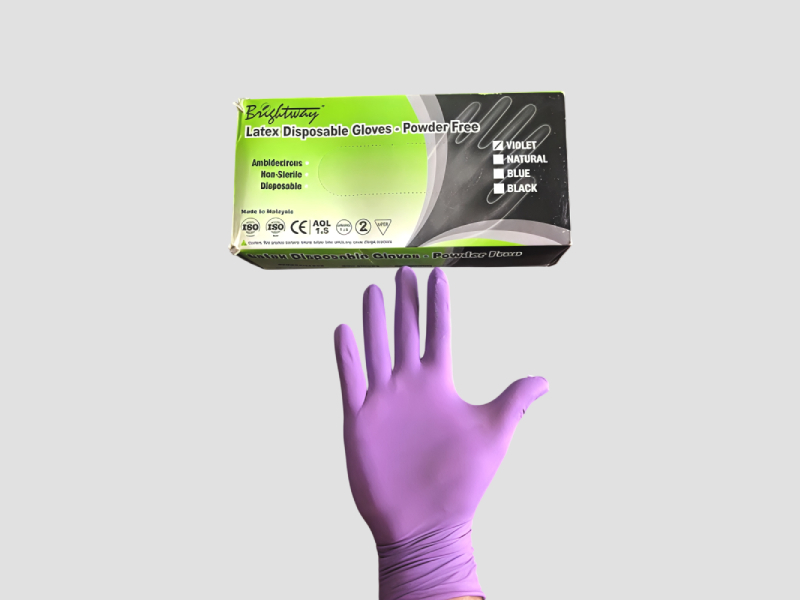
4. Powdered vs. Powder-Free
- Available in both powdered and powder-free options
- Powder-free options reduce the risk of allergic reactions
5. AQL (Acceptable Quality Level)
- Usually meets AQL standards of 1.5 or lower
- Ensures minimal defects and reliable performance
6. Chemical Resistance
- Provides resistance against various chemicals
- Ideal for applications involving hazardous substances
7. Grip Texture
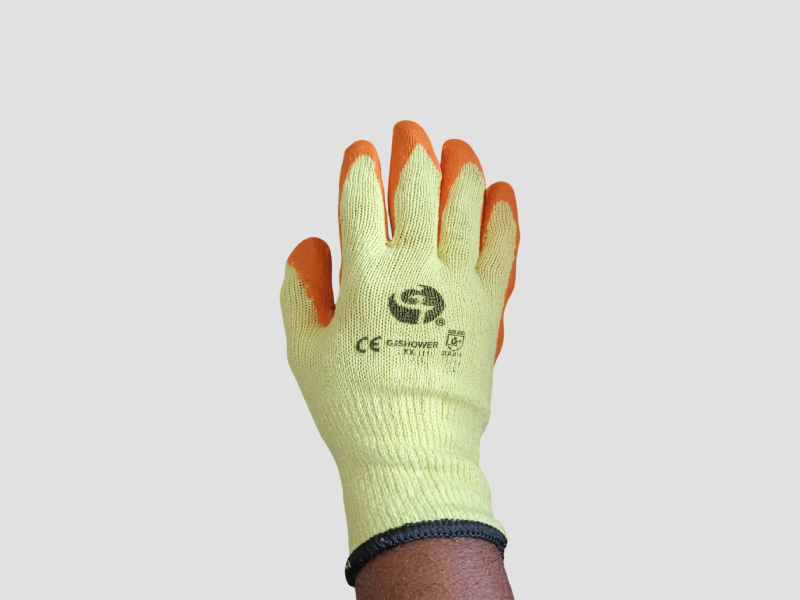
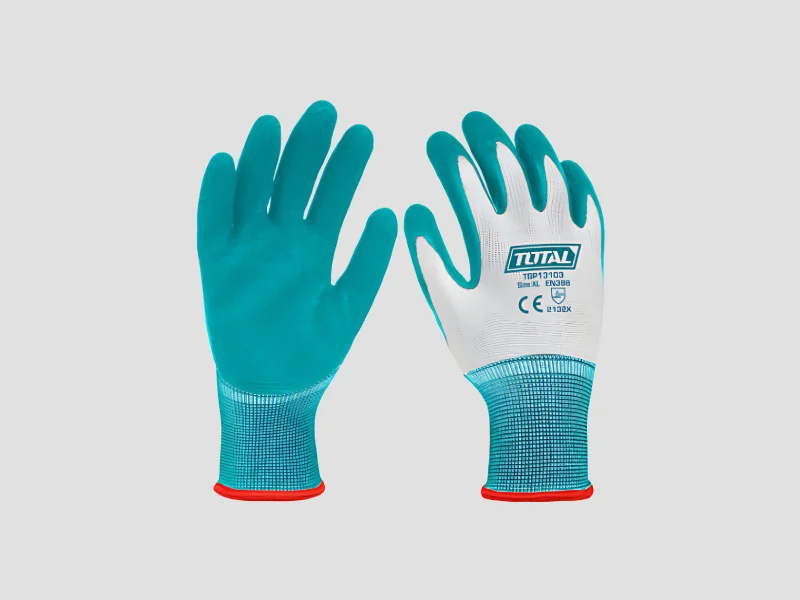
- Often features textured surfaces for improved grip
- Enhances handling of tools and equipment
8. Certifications
- Typically certified to meet CE standards
- Ensures compliance with health and safety regulations
These specifications make latex gloves suitable for a wide range of applications while ensuring reliability and safety for users.
Common Applications and Use Cases
Latex gloves are utilized in numerous industries due to their protective features.
1. Healthcare: In hospitals and clinics, latex gloves are used during examinations and surgical procedures to prevent the transmission of pathogens.
2. Food Service: Restaurants and catering services employ latex gloves to handle food safely, protecting both the food and the workers.
3. Laboratory: In laboratories, scientists use latex gloves to handle chemicals and biological samples safely, ensuring contamination control.
4. Automotive: Technicians often wear latex gloves while working on vehicles to protect their hands from oils and chemicals.
5. Cleaning Services: Janitorial staff use latex gloves when handling cleaning agents to protect against skin irritation.
6. Tattoo and Aesthetic Services: Professionals in these fields use latex gloves to maintain hygiene and prevent cross-contamination during procedures.
7. Veterinary Services: Veterinary professionals rely on latex gloves to protect themselves while examining animals and managing medical procedures.
Product Variants and Subcategories
Latex gloves come in various formats to meet specific needs and preferences in different industries.
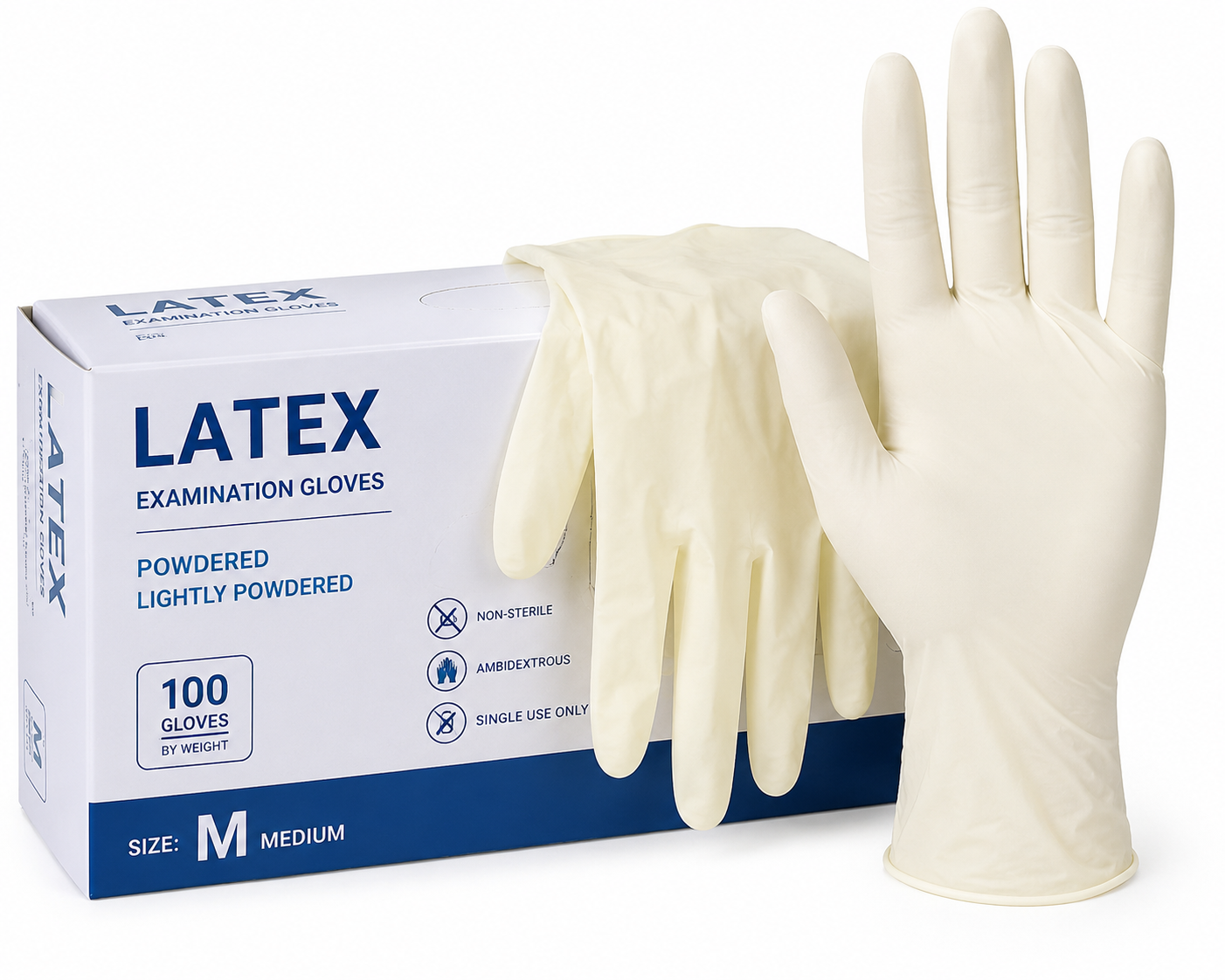
Powdered Latex Gloves: These gloves feature a light dusting of cornstarch, making them easier to put on and take off. They are commonly used in medical and dental settings where quick changes are necessary.
Powder-Free Latex Gloves: These gloves do not contain powder, minimizing the risk of allergic reactions and making them suitable for sensitive environments such as food handling and laboratory work.
Sterile Latex Gloves: These are specially packaged to ensure they are free from contaminants, making them ideal for surgical procedures and other critical applications.
Non-Sterile Latex Gloves: Commonly used in everyday tasks, these gloves provide protection without the need for sterility, suitable for tasks in food service and general industrial work.
Benefits and Advantages
Latex gloves offer numerous advantages that make them a preferred choice in various sectors.
1. Excellent Dexterity: The natural latex material provides a high level of flexibility, allowing users to perform detailed tasks with ease.
2. Strong Barrier Protection: Latex gloves effectively prevent exposure to harmful substances, ensuring user safety in hazardous environments.
3. Comfortable Fit: The elastic nature of latex conforms to the hand, providing a snug fit that enhances comfort during extended use.
4. Cost-Effective: Latex gloves offer a favorable balance between quality and price, making them an economical choice for businesses.
5. Biodegradable: Being made from natural rubber, latex gloves are more environmentally friendly compared to synthetic alternatives.
6. Versatile Use: Their wide range of applications makes latex gloves suitable for various industries, enhancing their utility for businesses.
Buying Guide for B2B Buyers
When sourcing latex gloves, it is essential for buyers to consider various factors to ensure they make informed purchasing decisions.
1. Quality Assessment: Evaluate the quality of latex gloves based on their thickness, material composition, and certifications. High-quality gloves will provide better protection and durability.
2. Supplier Verification: Conduct thorough research to verify suppliers' reliability and reputation. Check for certifications and customer reviews to ensure they meet industry standards.
3. Pricing and MOQ: Understand the pricing structure and minimum order quantities (MOQ) from suppliers. Compare costs to ensure you are getting a competitive rate without compromising on quality.
4. Delivery and Lead Times: Discuss logistics and expected delivery times with suppliers to ensure that your needs align with their capabilities. Timely delivery is crucial for maintaining operations.
5. Compliance Requirements: Ensure that the gloves comply with relevant health and safety regulations applicable to your industry. This includes certifications like CE and adherence to quality standards.
Compliance and Certifications
Compliance and certifications are critical aspects of latex gloves, ensuring they meet industry standards for safety and quality.
Latex gloves are typically manufactured under quality management systems conforming to ISO 9001 standards. This ensures that the production processes are effective and that the products meet customer requirements consistently.
In addition to ISO standards, latex gloves must comply with CE certification, which indicates conformity with health, safety, and environmental protection standards for products sold within the European Economic Area.
Safety testing requirements often include assessments for chemical resistance and barrier protection. Regional compliance considerations may vary, so it is essential for buyers to be aware of local regulations that apply to latex gloves in their specific markets.
Why Source Latex Gloves from Pepagora?
Pepagora stands out as a trusted platform for sourcing latex gloves, offering several key advantages to B2B buyers.
Verified Supplier Network: Pepagora boasts a robust network of verified suppliers, ensuring that buyers can connect with reputable manufacturers who meet stringent quality standards. This reduces the risks associated with sourcing.
Streamlined RFQ Process: The platform features an efficient Request for Quotation (RFQ) system that simplifies the procurement process. Buyers can easily request quotes from multiple suppliers, facilitating informed decision-making.
Trade Assurance and Support: Pepagora provides trade assurance to protect buyers from potential issues during transactions. This support includes assistance with disputes and ensuring the quality of products received.
Regional Coverage: With a presence in India, the GCC region, and Southeast Asia, Pepagora offers extensive geographic coverage. This allows businesses to access latex gloves tailored to their local market needs while benefiting from competitive pricing and quality assurance.










Frequently Asked Questions
What are Latex Gloves?
Latex gloves are disposable gloves made from natural rubber latex. They are widely used in various industries such as healthcare, food handling, and cleaning due to their excellent elasticity, comfort, and barrier protection against pathogens and chemicals.
What are the different types of Latex Gloves?
There are two main types of latex gloves: powdered and powder-free. Powdered latex gloves contain cornstarch to make them easier to put on, while powder-free gloves are processed to eliminate the powder, making them suitable for sensitive skin and reducing the risk of allergies.
How do I choose the right Latex Gloves?
To choose the right latex gloves, consider factors such as the intended use, size, and thickness. It's also important to assess whether you require powdered or powder-free options based on personal preference and any allergies.
What are the standard specifications for Latex Gloves?
Standard specifications for latex gloves typically include puncture resistance, tensile strength, and thickness. They should also comply with relevant safety standards, such as ASTM and ISO certifications, to ensure quality and safety.
What is the price range for Latex Gloves?
The price range for latex gloves can vary widely based on factors such as quantity, brand, and quality. Generally, you can expect to pay anywhere from INR 1 to INR 20 per glove, depending on these variables.
What quality standards apply to Latex Gloves?
Latex gloves must meet various quality standards, including those set by the American Society for Testing and Materials (ASTM) and the Food and Drug Administration (FDA). Compliance with these standards ensures that the gloves provide adequate protection and performance.
Where can I find Latex Gloves suppliers in India?
You can find latex gloves suppliers in India through online B2B marketplaces like Pepagora, industry trade shows, and local distributors. Checking for certified manufacturers and reading customer reviews can also help you identify reliable suppliers.
Can Latex Gloves be customized?
Yes, latex gloves can be customized in terms of size, color, and packaging. Some manufacturers also offer the option to print logos or branding on the gloves, which can be beneficial for businesses looking to enhance their brand visibility.
What is the typical minimum order quantity for Latex Gloves?
The typical minimum order quantity (MOQ) for latex gloves varies by supplier but generally ranges from 1000 to 5000 pairs. It's advisable to check with specific manufacturers for their MOQ requirements.
What is the typical lead time for Latex Gloves?
The typical lead time for latex gloves can range from a few days to several weeks, depending on the supplier's inventory and production capacity. It's best to communicate with your supplier for accurate delivery timelines.
Why Businesses Trust Pepagora
Thousands of companies trust Pepagora to source smarter and sell faster
Expand Your Sales Globally

Source Smarter,Grow Faster
